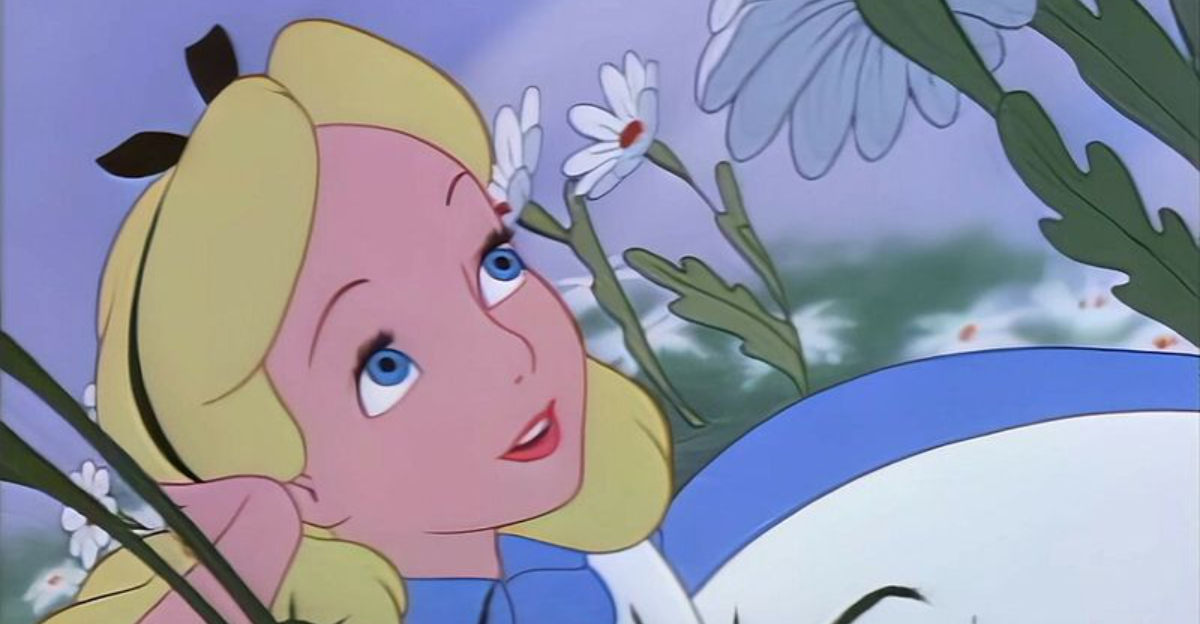
16 Well-Known Songs That Worked Without A Traditional Chorus
Popular music usually loves a chorus it can throw at you three or four times just to make sure it never leaves your brain. Then you have some songs that decide they do not need that kind of safety net.
No big repeated hook waving for attention, no obvious section built to make the crowd scream in unison, just pure momentum carrying the whole thing forward on structure and confidence that suggests rules are for other people.
Honestly, pulling that off feels a little rude to every song that needed a giant singalong section to survive.
A great track without a traditional chorus has to find another way to grab people, and when it works, the result can feel sharper, cooler, and a lot less predictable.
1. Bohemian Rhapsody — Queen
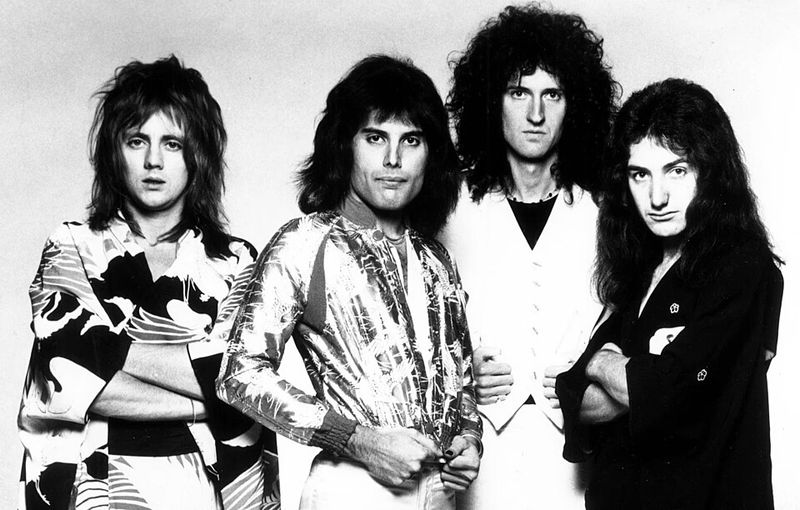
What happens when a rock band decides to write a ballad, an opera, AND a hard rock anthem all in one song? You get “Bohemian Rhapsody.”
Released in 1975, this Queen masterpiece is built from five completely different sections that flow into each other like chapters in a wild novel.
Freddie Mercury reportedly told producer Roy Thomas Baker, “I’ve written a little thing called Bohemian Rhapsody” — classic understatement. No repeated chorus exists anywhere in its six minutes.
2. In Dreams — Roy Orbison
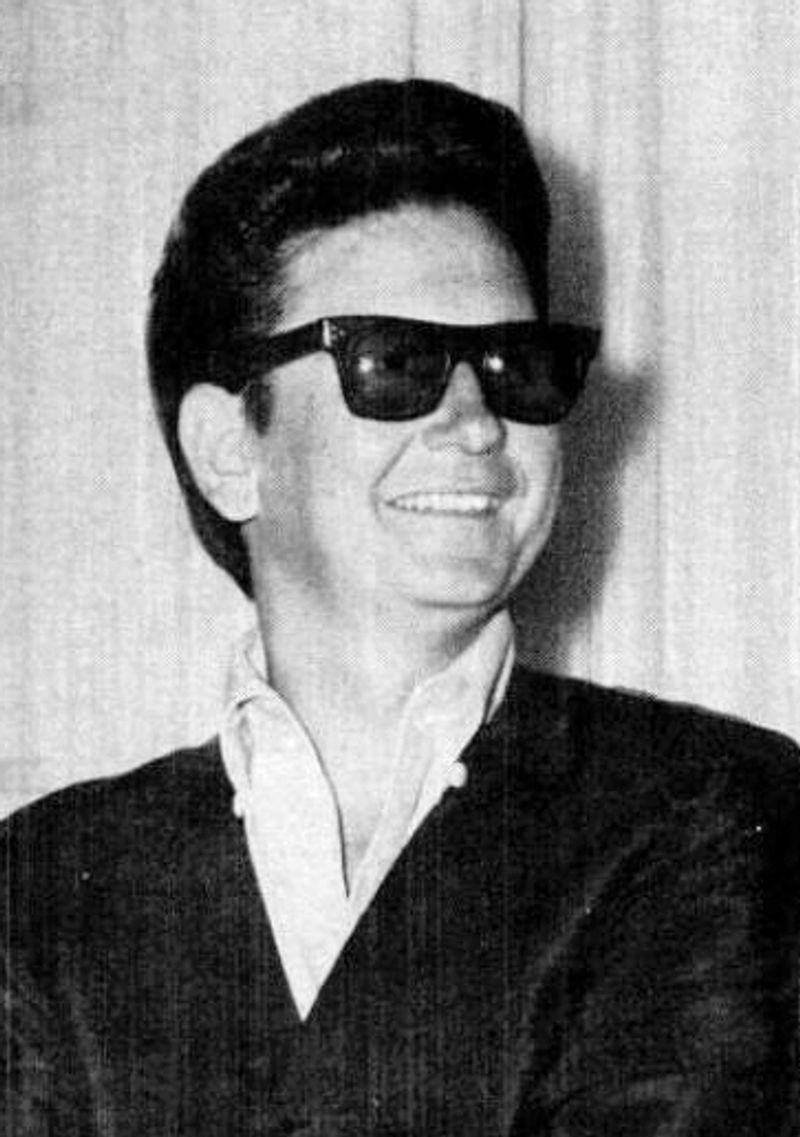
Roy Orbison could make you feel an entire emotional journey without repeating a single section.
“In Dreams,” released in 1963, is what musicians call “through-composed,” meaning each section is unique and never returns. Seven distinct parts carry the listener from dreaming to heartbreak without ever looping back.
How many artists could pull that off and still land a Top 10 hit? Orbison did it almost effortlessly.
The song later gained a second life in David Lynch’s cult film “Blue Velvet” in 1986.
3. Happiness Is a Warm Gun — The Beatles
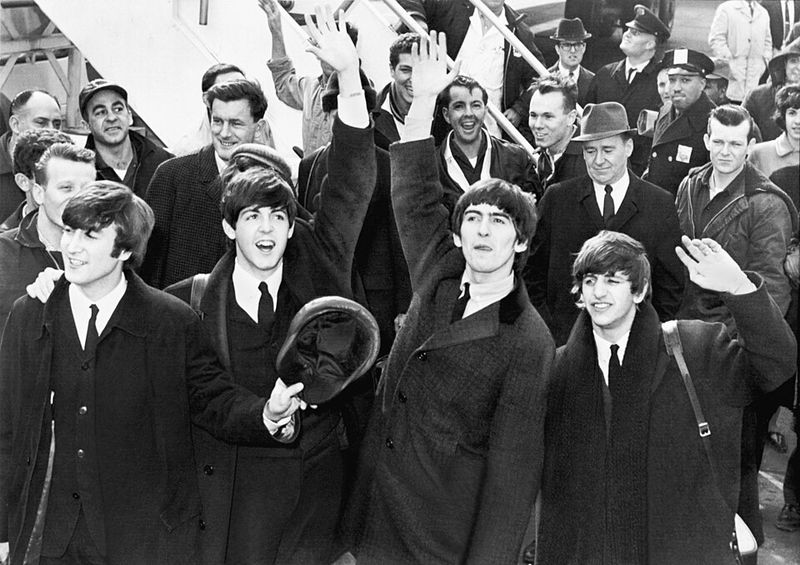
Three songs stitched into one. That is basically what John Lennon created when he wrote “Happiness Is a Warm Gun” for The Beatles’ 1968 White Album.
Inspired by a magazine headline, Lennon fused three separate musical fragments into a single track that shifts styles like a TV changing channels.
Producer George Martin reportedly called it one of his favorite Beatles recordings. No verse-chorus structure exists here, just pure musical experimentation flowing freely.
Lennon basically invented a new format and dared everyone to keep up.
4. All Along the Watchtower — Bob Dylan / Jimi Hendrix
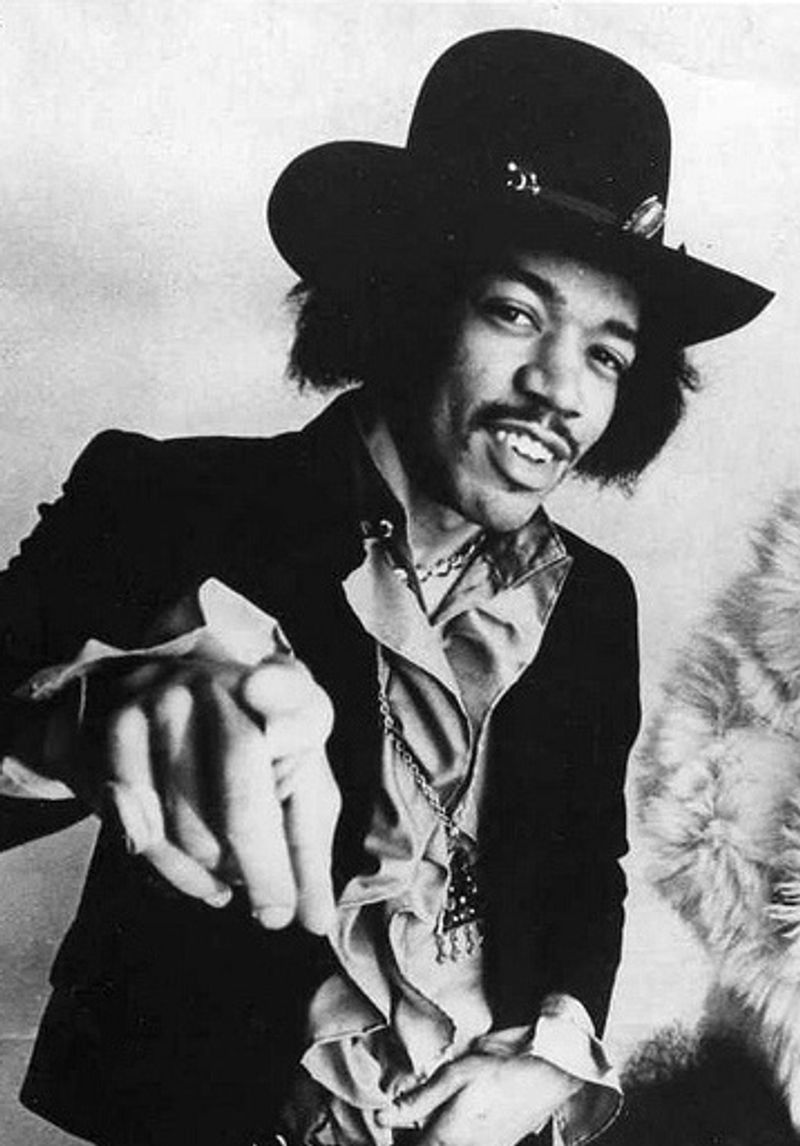
Bob Dylan wrote it in 1967, but Jimi Hendrix turned it into a lightning bolt.
“All Along the Watchtower” relies on a repeating refrain rather than a proper chorus block. Lines like “There must be some way out of here” echo through the track like a mantra, creating intensity without any traditional chorus structure.
Dylan himself later said Hendrix’s version was so powerful that it became the definitive recording.
No chorus, no problem. The song builds its tension through vivid imagery and that iconic guitar riff instead.
5. The Chair — George Strait

Country music legend George Strait once made a pickup line into a hit song, and he did it without a single chorus.
“The Chair,” released in 1985, tells the story of a man pretending he saved a seat for a woman just to start a conversation. Rolling Stone flat-out calls it a song with “no chorus and just verses.”
Where most pop songs would drop into a big repeated hook, Strait just keeps the story rolling forward. The result feels more like a short film than a traditional song.
6. Space Age Love Song — A Flock of Seagulls

Few bands defined the early 1980s new wave sound quite like A Flock of Seagulls, and “Space Age Love Song” from 1982 is their dreamy crown jewel.
Rolling Stone explicitly points out that the song has no chorus, which makes it stand out even further in a decade obsessed with massive, catchy hooks.
Instead of a chorus, the track floats on shimmering guitar and atmospheric synths that feel like drifting through outer space.
If you have ever seen their music video, you already know the visual matched the sonic weirdness perfectly.
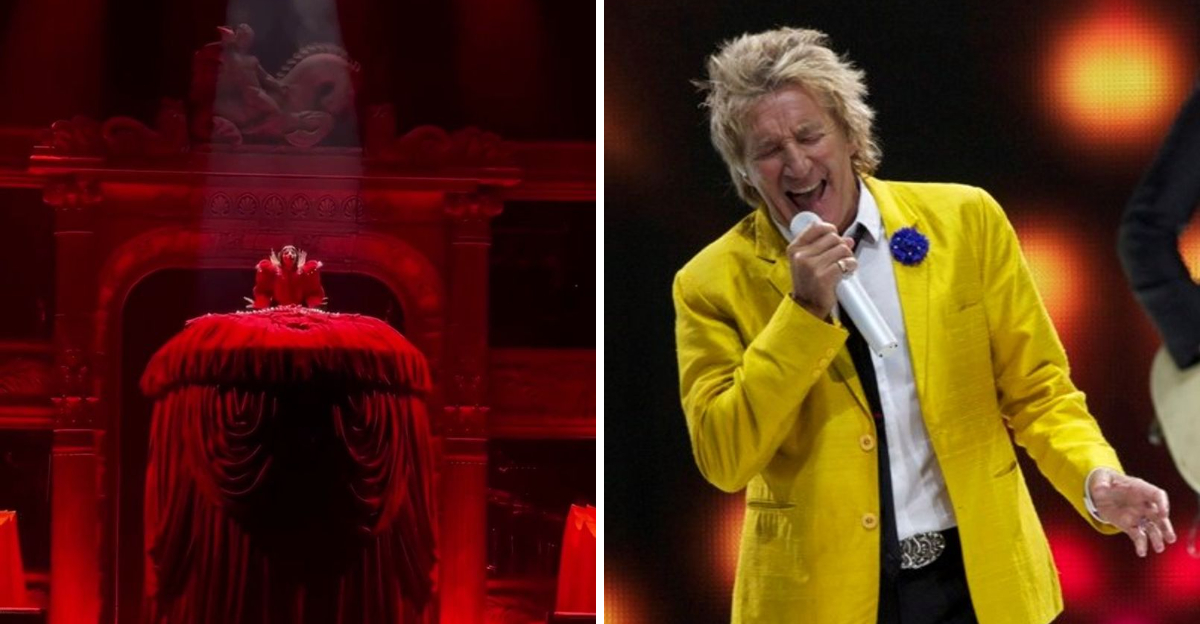
7. Maggie May — Rod Stewart
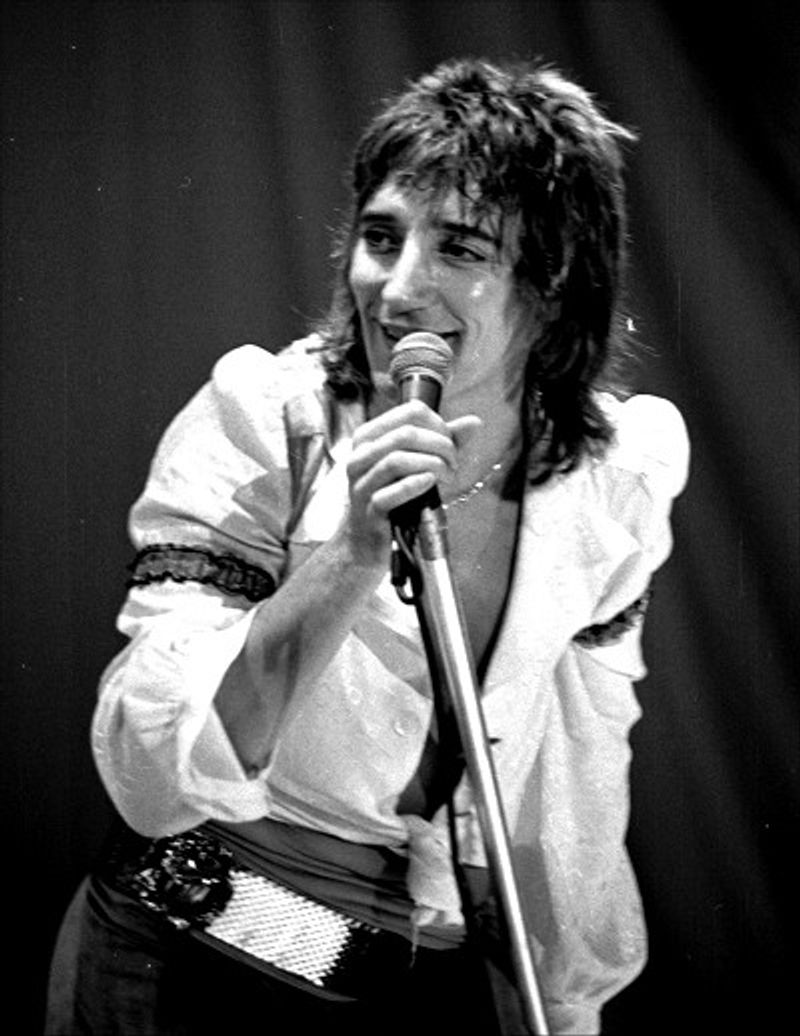
Rod Stewart once described “Maggie May” as “all verse and no chorus and no hook.” Yet somehow, this 1971 track became one of the defining songs of his entire career.
The song tells a semi-autobiographical story about a young man’s relationship with an older woman, and it just keeps rolling verse after verse.
There is a mandolin solo that practically became more famous than most choruses ever could be. Stewart co-wrote the song with Ronnie Wood, and Atlantic Records almost left it off the album entirely. Thankfully, they did not.
8. Seven Nation Army — The White Stripes
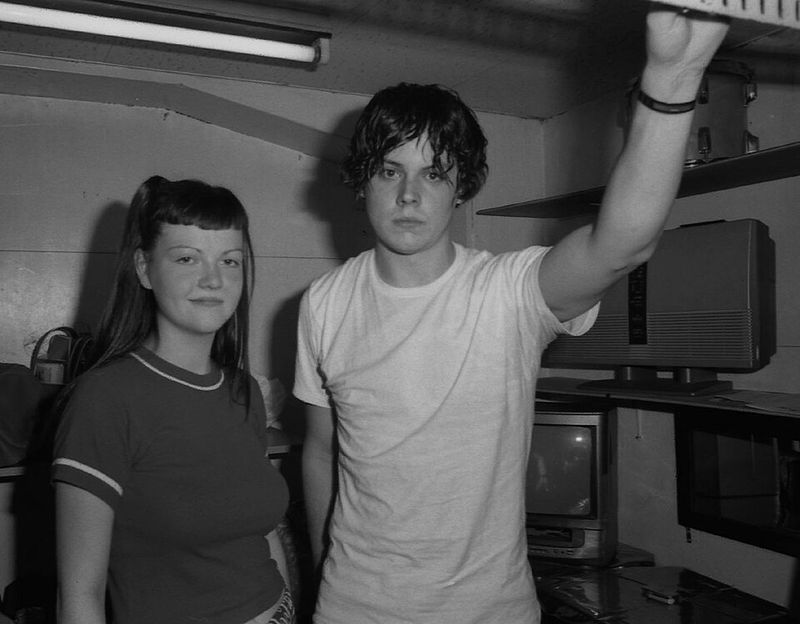
Jack White once said he wrote “Seven Nation Army” as a personal challenge: make a compelling song without a chorus.Mission absolutely accomplished.
Released in 2003, the track opens with one of the most recognizable bass-like guitar riffs in rock history, and that riff does all the heavy lifting a chorus normally would.
White Stripes fans know the song almost feels like a chant. Sports stadiums worldwide have adopted it as their unofficial anthem, with crowds singing that riff back as a massive collective roar.
No chorus, yet somehow it became one of the most crowd-friendly songs ever written.
9. 99 Luftballons — Nena

Here is a fun piece of music history trivia: Nena’s label initially resisted releasing “99 Luftballons” partly because the song had no chorus.
MusicRadar confirms this, noting the label thought it was too unconventional. Good thing someone overruled that decision, because the 1983 anti-war anthem became a massive international hit.
The song uses a series of verses that escalate in urgency instead of relying on a repeated hook. Both the original German version and the English “99 Red Balloons” translation became chart-toppers worldwide.
10. The Wreck of the Edmund Fitzgerald — Gordon Lightfoot

Gordon Lightfoot wrote a six-minute ballad about a real shipwreck, gave it no chorus, and watched it reach number two on the Billboard Hot 100 in 1976.
Rolling Stone explicitly calls it a six-minute ballad with no chorus, and that description says everything about how bold the song really was.
The Edmund Fitzgerald actually sank on Lake Superior on November 10, 1975. Lightfoot released his tribute just one year later.
Each verse functions as a chapter, telling the tragedy in careful detail.
11. Tangled Up in Blue — Bob Dylan
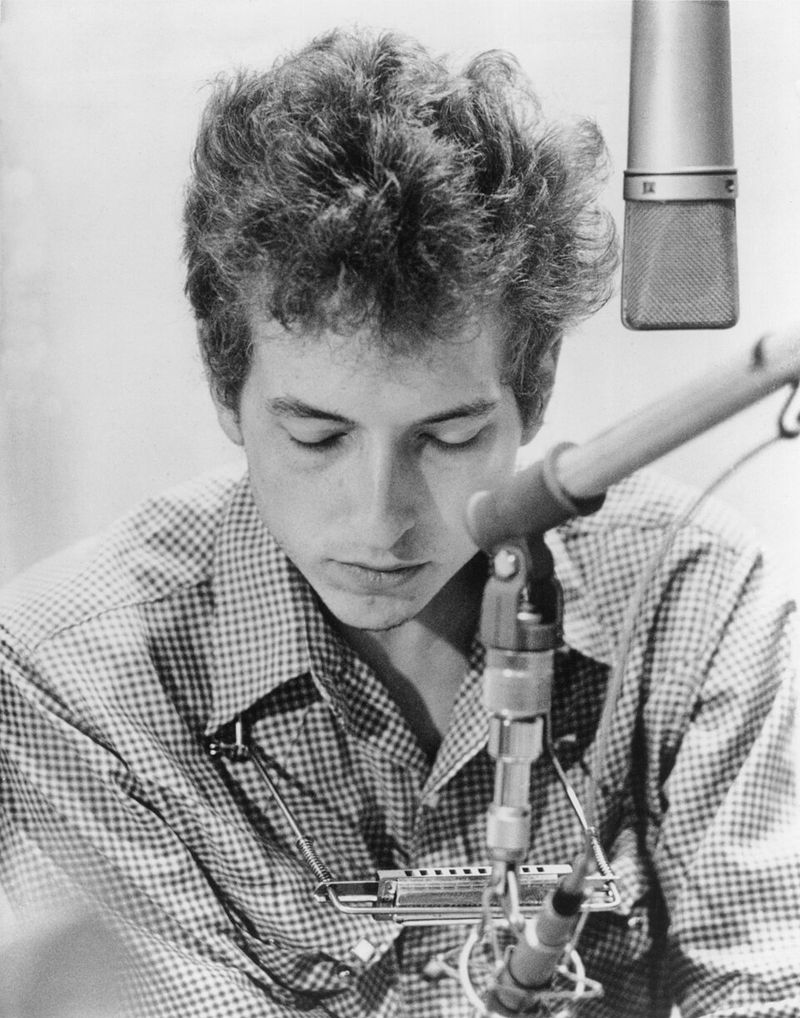
Bob Dylan appeared on this list once already, and honestly, that feels about right for a songwriter who practically invented his own genre of rule-breaking.
“Tangled Up in Blue” from the 1975 album “Blood on the Tracks” has no chorus, instead using a repeated tagline at the end of each verse to create a sense of rhythm and resolution.
American Songwriter points out that the tagline structure replaces what a traditional chorus would normally do.
Dylan rewrote the song multiple times, even changing the pronouns between versions to shift perspective.
12. White Rabbit — Jefferson Airplane
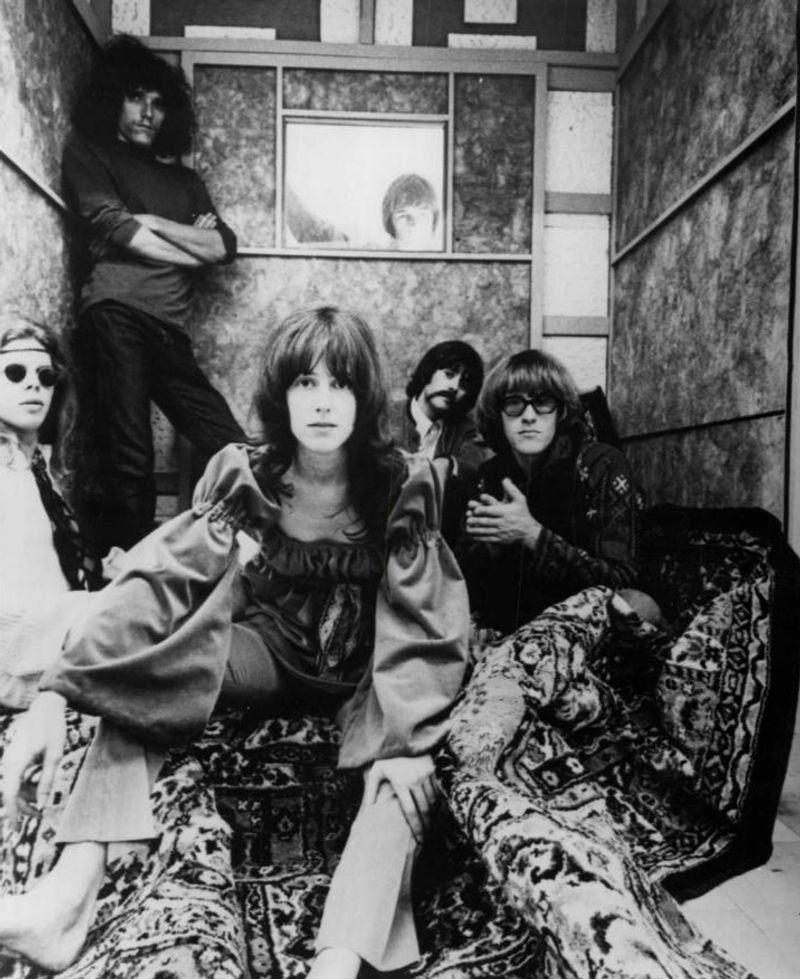
One long, slow-building crescendo. That is exactly how American Songwriter describes “White Rabbit” by Jefferson Airplane.
Released in 1967, the song borrows its hypnotic bolero rhythm from Ravel’s classical composition and uses it to build from a quiet whisper to a thunderous peak, all without a single repeated chorus anywhere.
Grace Slick wrote the song inspired by Lewis Carroll’s Alice in Wonderland, and the whole track feels like falling down a rabbit hole in the best possible way. There is no reset button, no return to a familiar hook.
13. A Day in the Life — The Beatles
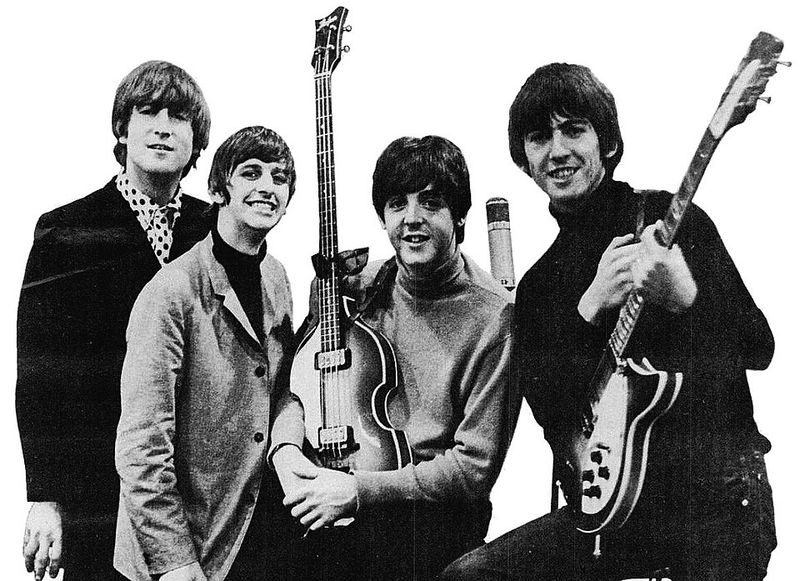
Paul McCartney and John Lennon essentially stitched two completely separate song ideas together and called it one track.
“A Day in the Life,” the closing song from the 1967 “Sgt. Pepper’s Lonely Hearts Club Band” album, has no traditional chorus structure at all.
Instead, it alternates between Lennon’s dreamlike verses and McCartney’s more upbeat middle section.
The orchestral crescendo that bridges the two parts required a 40-piece orchestra and took producer George Martin’s full creative vision to execute.
14. Virginia Plain — Roxy Music
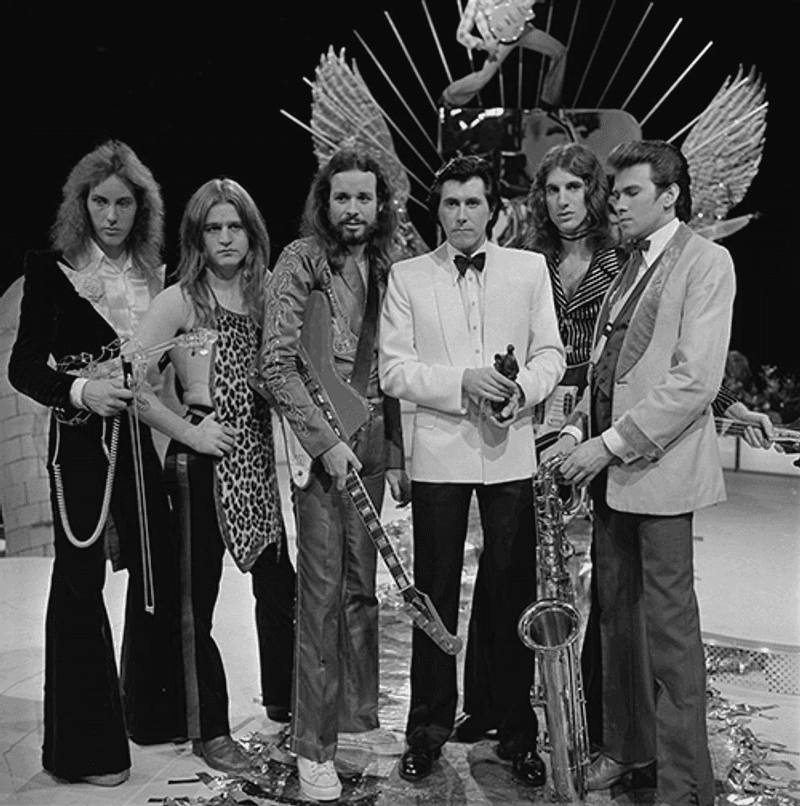
Roxy Music burst onto the British glam rock scene in 1972 with “Virginia Plain” as their debut single, and which is directly described as a song without a chorus.
Bryan Ferry wrote the track inspired by a painting he made as an art student, which might explain why the song feels more like abstract art than a pop formula.
The lyrics are famously surreal and packed with pop culture references, from Baby Jane to Casanova.
Instead of a chorus, the song races forward on sheer energy and attitude.
15. Losing My Religion — R.E.M.
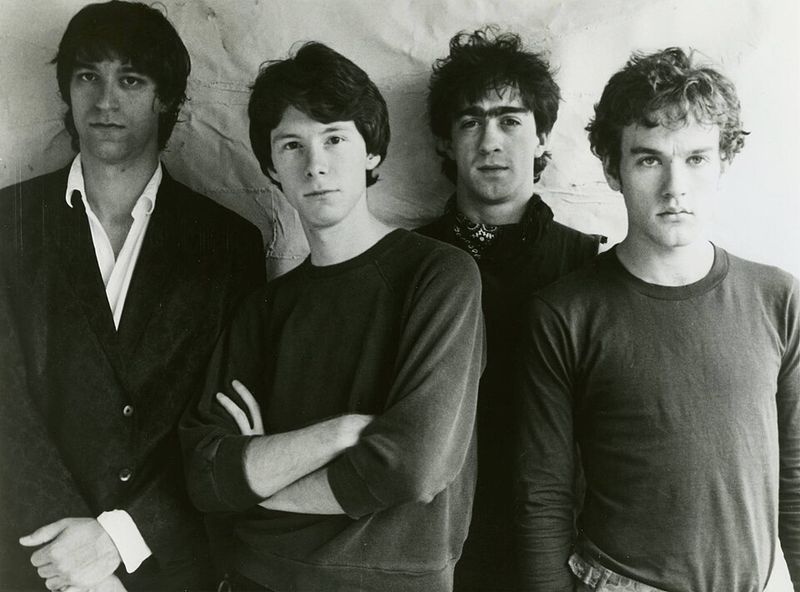
“Losing My Religion” is technically about obsession, not actual religion.
The phrase is a Southern American idiom meaning losing your temper or your patience, and Michael Stipe used it to describe the feeling of unrequited longing.
Released in 1991, the song uses a repetitive refrain rather than a proper chorus, creating a hypnotic, circular feeling.
That mandolin riff, played by Peter Buck, drives the whole song forward in place of a traditional hook.
MTV played the music video constantly, turning R.E.M. from college radio favorites into global superstars almost overnight.
16. Paranoid — Black Sabbath
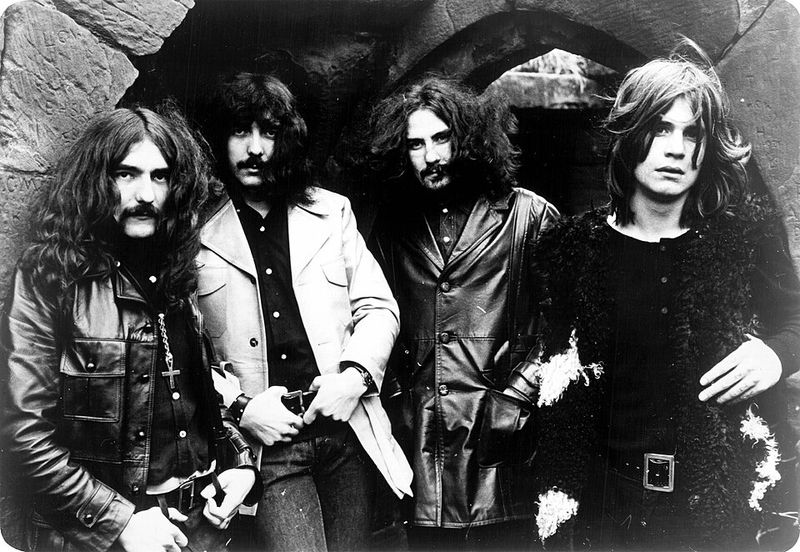
Black Sabbath wrote “Paranoid” in about fifteen minutes to fill space on their second album. That is not a joke.
Tony Iommi came up with the riff, the band recorded it almost instantly, and it became their signature song.
Released in 1970, the track delivers its message entirely through verses driven by that relentless guitar riff, with no chorus anywhere.
Loudwire notes it as a defining example of heavy metal songs built without traditional chorus structure. The riff does not just replace the chorus; it basically IS the song.