15 Women On Screen Who Broke Every Mold
Some characters walk onto the screen and quietly change everything. A few women in film and television have done exactly that, shattering tired clichés, rewriting the rulebook, and proving that female roles can be fierce, funny, flawed, and completely unforgettable.
Hollywood has spent decades handing women the same narrow scripts, but every so often, a character appears and flips the entire story upside down. Smart, bold, and wonderfully complicated, each one left audiences rethinking what a woman on screen could really look and feel like.
No damsels. No sidekicks.
Just legends. These characters command attention with wit, courage, and depth, challenging expectations at every turn.
Their choices, actions, and voices resonate long after the credits roll, proving that powerful storytelling thrives when women are given room to lead, to fail, and to triumph on their own terms. Every scene featuring them is a statement, every performance a masterclass in redefining strength and complexity.
1. Sara Howard in The Alienist
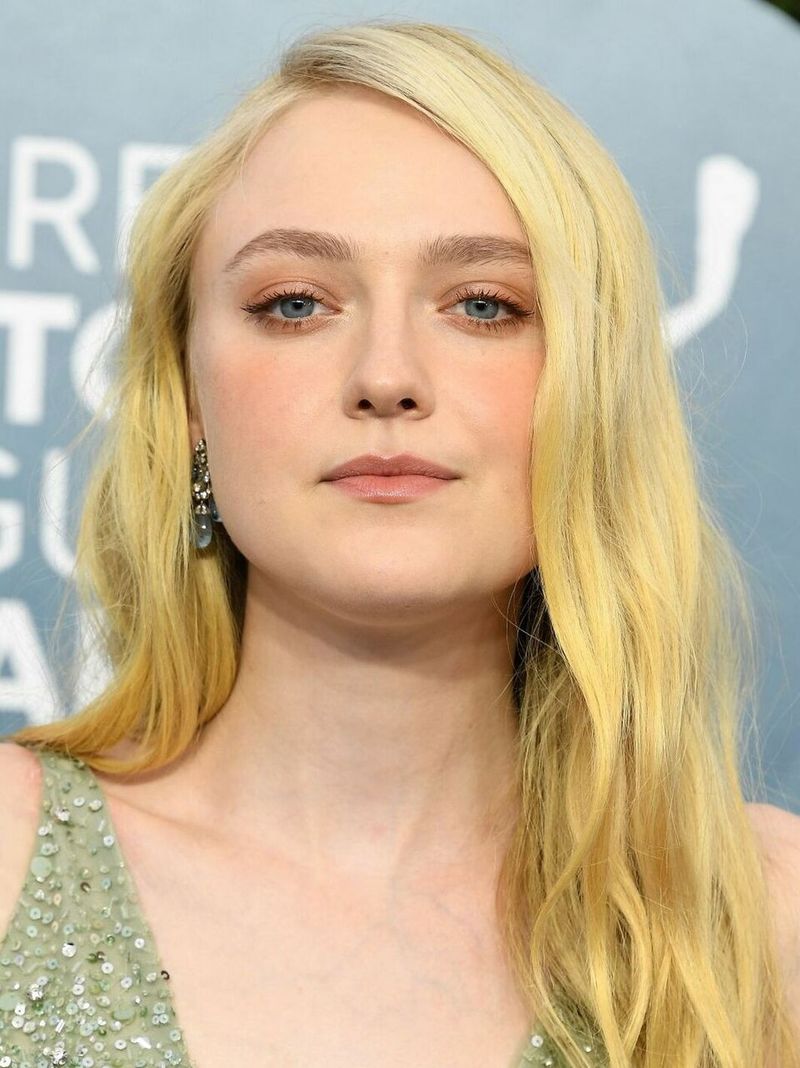
Set in 1896 New York City, Sara Howard walked into a police precinct and refused to leave quietly. Played by Dakota Fanning, Sara became the first female secretary under Commissioner Roosevelt, not because anyone made it easy, but because she simply would not accept “no.” Every smirk, every slammed door, every raised eyebrow from male colleagues only made her sharper.
Sara eventually launched her own private detective agency, which was practically unheard of for women in Victorian America. How cool is it that a fictional character from the 1890s still feels ahead of her time?
Pure trailblazer energy.
2. Katherine Johnson in Hidden Figures
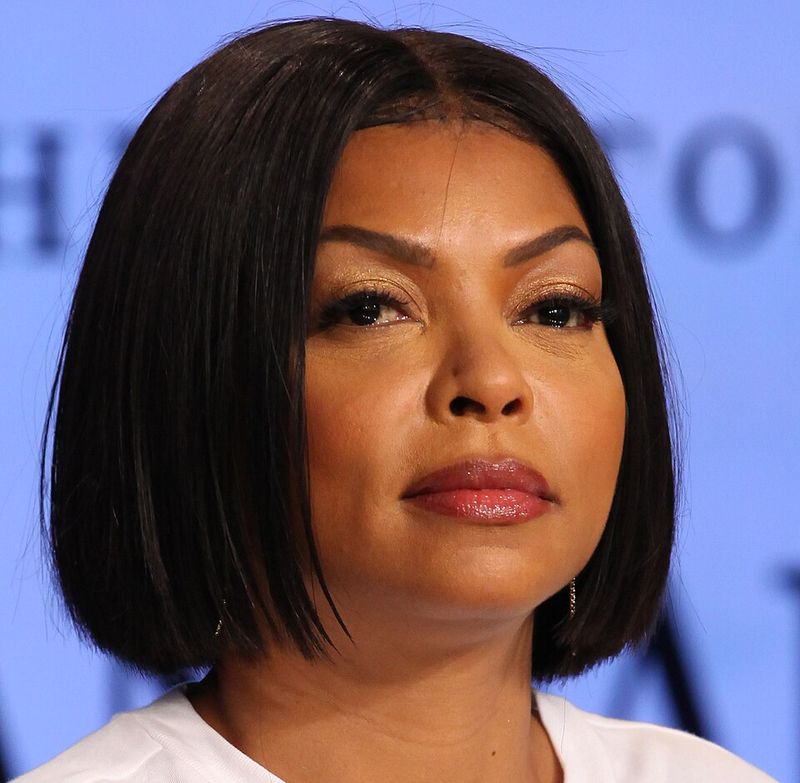
Before computers did the math, Katherine Johnson did it first, and better. Portrayed by Taraji P.
Henson in the 2016 film Hidden Figures, Katherine was a Black mathematician at NASA who calculated the flight trajectories for some of America’s most critical space missions. Racial and gender barriers stood in her way daily, yet she outpaced every obstacle.
John Glenn famously refused to launch unless Katherine personally verified the computer’s numbers. Wrap your head around that.
A room full of machines, and the astronaut trusted one human. Her story proves brilliance has no gender, no color, and absolutely no ceiling.
3. Miranda Priestly in The Devil Wears Prada

One whisper from Miranda Priestly could end a career, and Meryl Streep delivered every syllable like a scalpel. As the razor-sharp editor-in-chief of Runway Magazine in the 2006 film, Miranda shattered the idea that powerful women must be warm and approachable to be respected.
Honestly? She was terrifying, and audiences could not look away.
Critics spent years debating whether Miranda was a villain or a victim of impossible double standards. Spoiler: she was both, and neither, all at once.
If a man ran Runway the same way, nobody would blink. Streep made sure everyone noticed that uncomfortable truth.
4. Juno MacGuff in Juno
Sarcasm? Check.
Vintage band tees? Double check.
An unplanned pregnancy handled with more wisdom than most adults could manage? Absolutely.
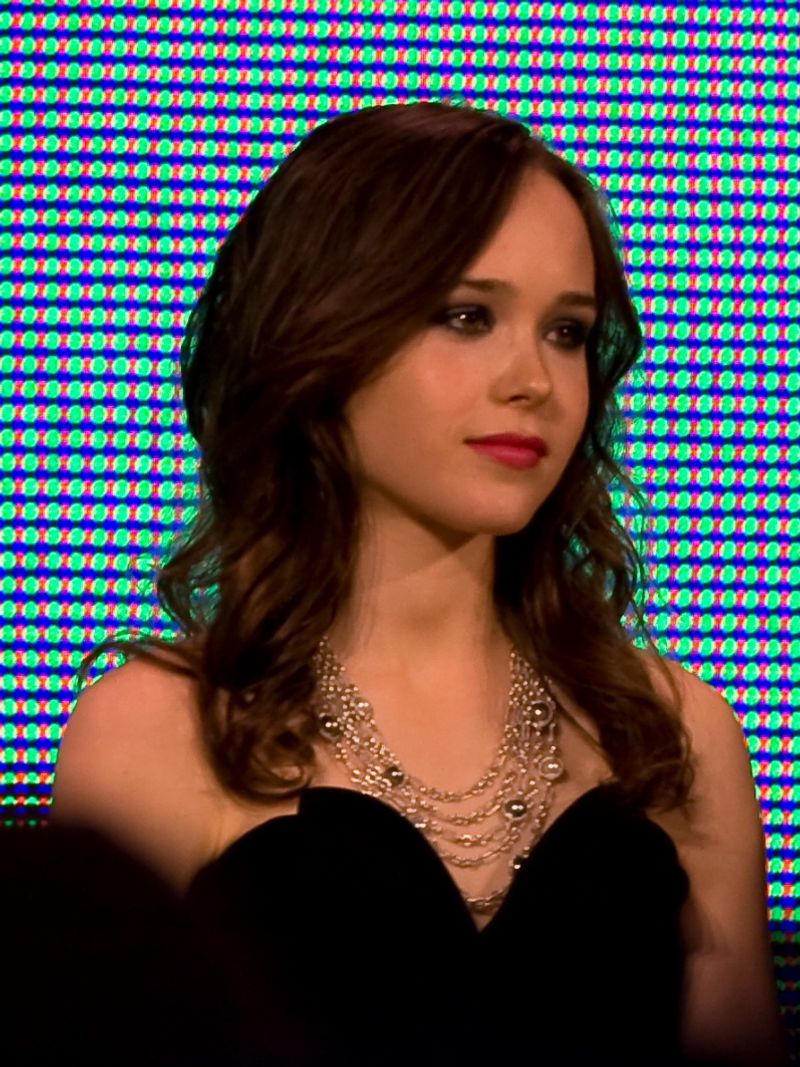
Ellen Page’s Juno MacGuff arrived in 2007 and immediately made audiences rethink everything about how teenage girls were portrayed on screen. No hysteria, no breakdown, just sharp wit and stubborn self-awareness.
Juno navigated one of life’s messiest situations without losing her voice or her sense of humor. She made decisions, owned them, and kept moving forward.
For young viewers especially, seeing a girl lead a story so honestly, without being rescued or reformed, felt genuinely revolutionary. Just saying.
5. Thelma and Louise in Thelma and Louise
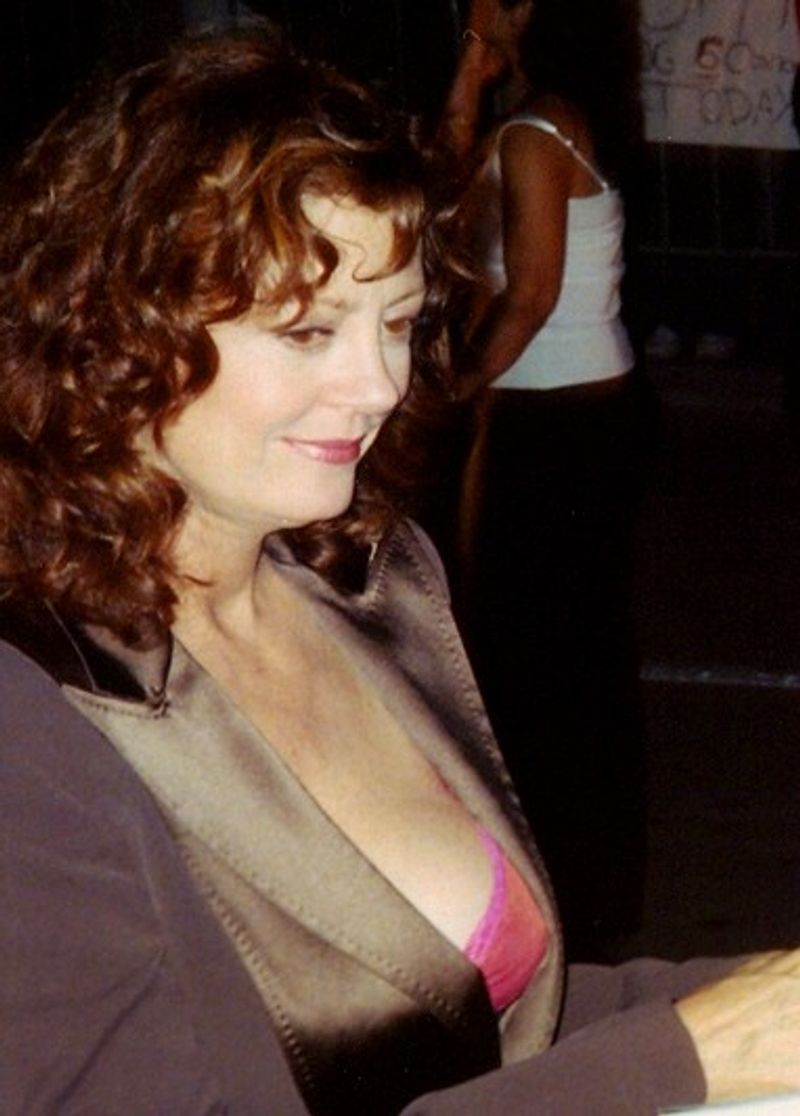
Two friends take a road trip that became a story so powerful it rewrote what female friendships could look like on screen. Geena Davis and Susan Sarandon starred in the 1991 film Thelma and Louise, and every mile of the road felt like a declaration of independence.
Nobody was waiting to be saved here.
Audiences had never quite seen women drive a film, literally and figuratively, the way Thelma and Louise did. Freedom, friendship, and fierce choices drove every scene.
The ending sparked debates for decades, which honestly proves the film hit a nerve worth hitting. Legends do not fade quietly into the background.
6. Katniss Everdeen in The Hunger Games
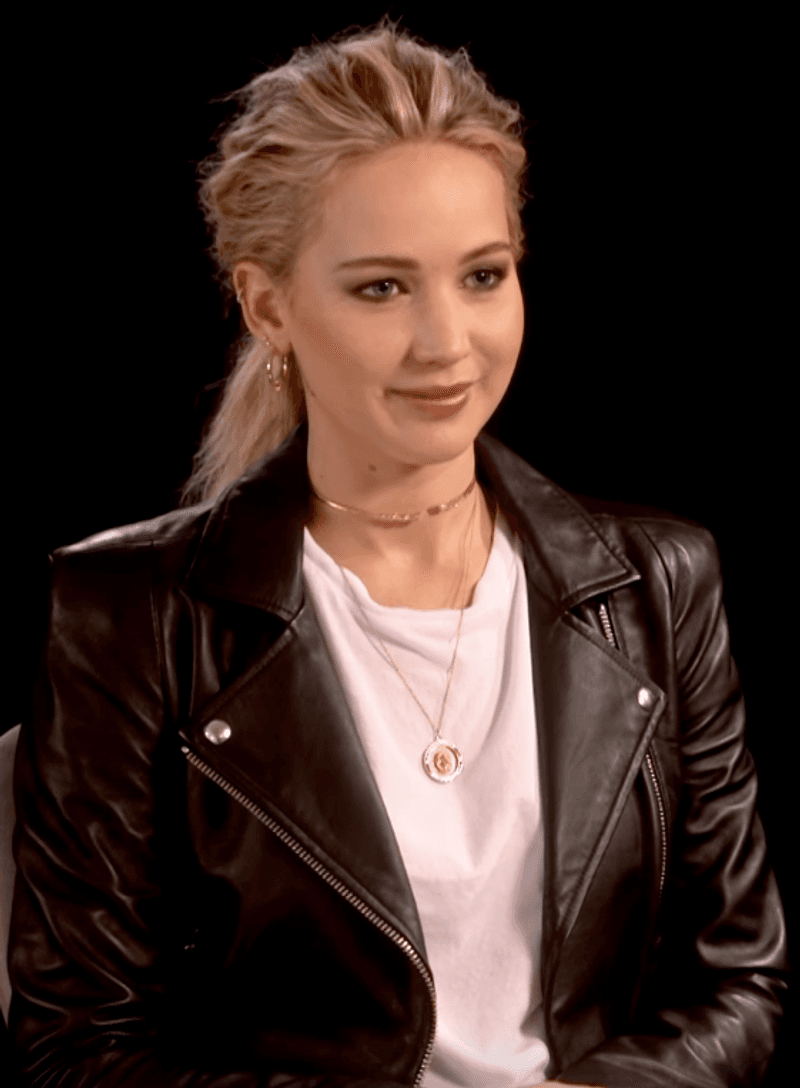
Long before superhero fatigue became a thing, Katniss Everdeen showed up and carried an entire dystopian franchise on her shoulders, no cape required. Jennifer Lawrence brought Suzanne Collins’ archer to life across four films starting in 2012, and audiences worldwide followed without hesitation.
Katniss did not volunteer for glory; she volunteered to save her little sister.
What made Katniss genuinely different was her emotional complexity. She was not fearless.
She was scared, grieving, and exhausted, and she kept going anyway. If that is not a more realistic kind of heroism than punching robots in space, nothing is.
Arrows up. Game on.
7. Olivia Pope in Scandal
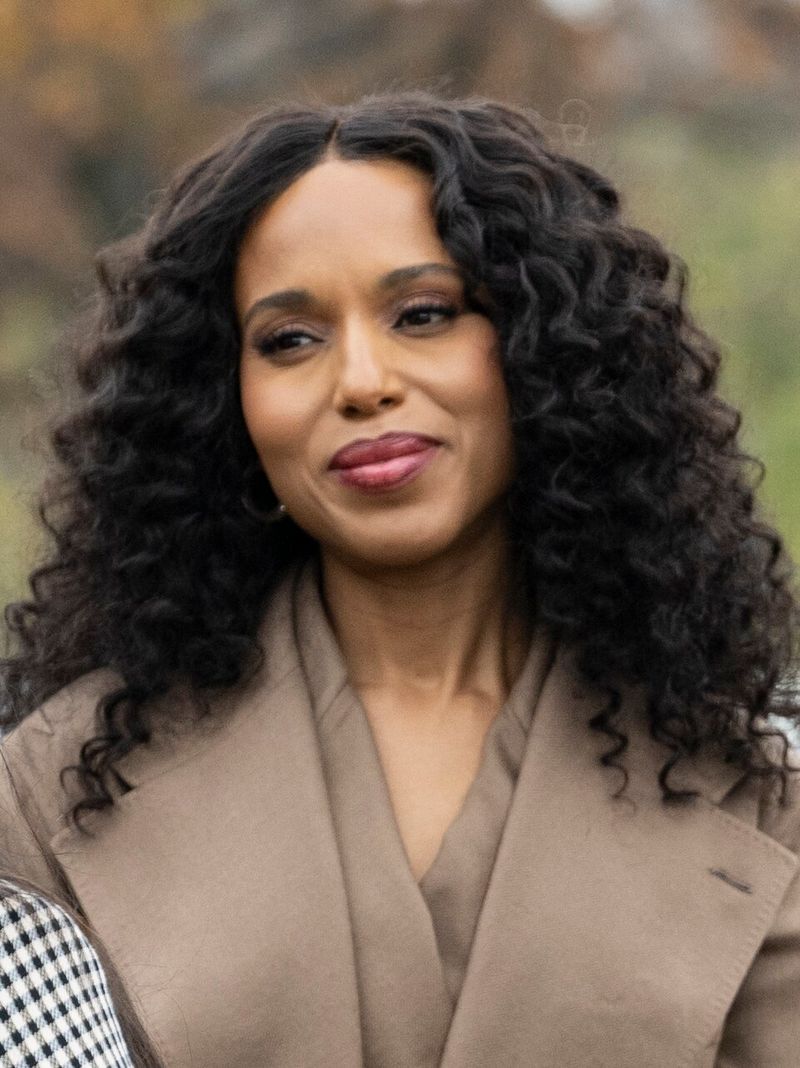
Nobody handles a crisis quite like Olivia Pope, and Kerry Washington made absolutely sure viewers never forgot it. Running her own crisis management firm in Washington D.C., Olivia commanded every room she entered in ABC’s hit political drama Scandal, which ran from 2012 to 2018.
Sharp suits, sharper instincts, and zero patience for incompetence.
Olivia was complicated in ways TV rarely allowed Black women to be. Flawed, brilliant, morally messy, and magnetic all at once.
Creator Shonda Rhimes built a character who broke racial stereotypes while also refusing to be anyone’s perfect role model. Olivia Pope was human, gloriously so, and audiences loved every chaotic minute.
8. Imperator Furiosa in Mad Max: Fury Road
One arm. Zero fear.
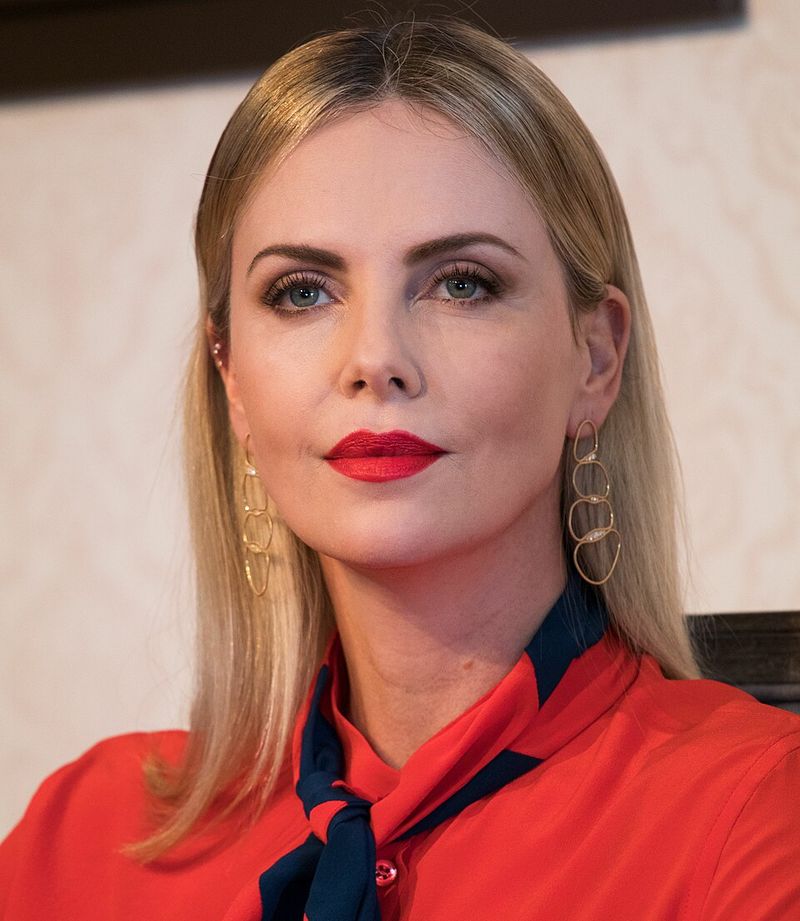
Infinite determination. Charlize Theron’s Imperator Furiosa in the 2015 blockbuster Mad Max: Fury Road pulled off something extraordinary: she became the actual hero of a franchise named after someone else entirely.
Mad Max himself was practically along for the ride, and audiences were completely fine with that.
Furiosa was not defined by romance, trauma, or anyone else’s story arc. She had a mission, she built a plan, and she executed it brilliantly.
Film critics called it one of the greatest action films ever made, largely because of her. How often does a war movie feel like a feminist masterclass?
Fury Road did it.
9. Leslie Knope in Parks and Recreation
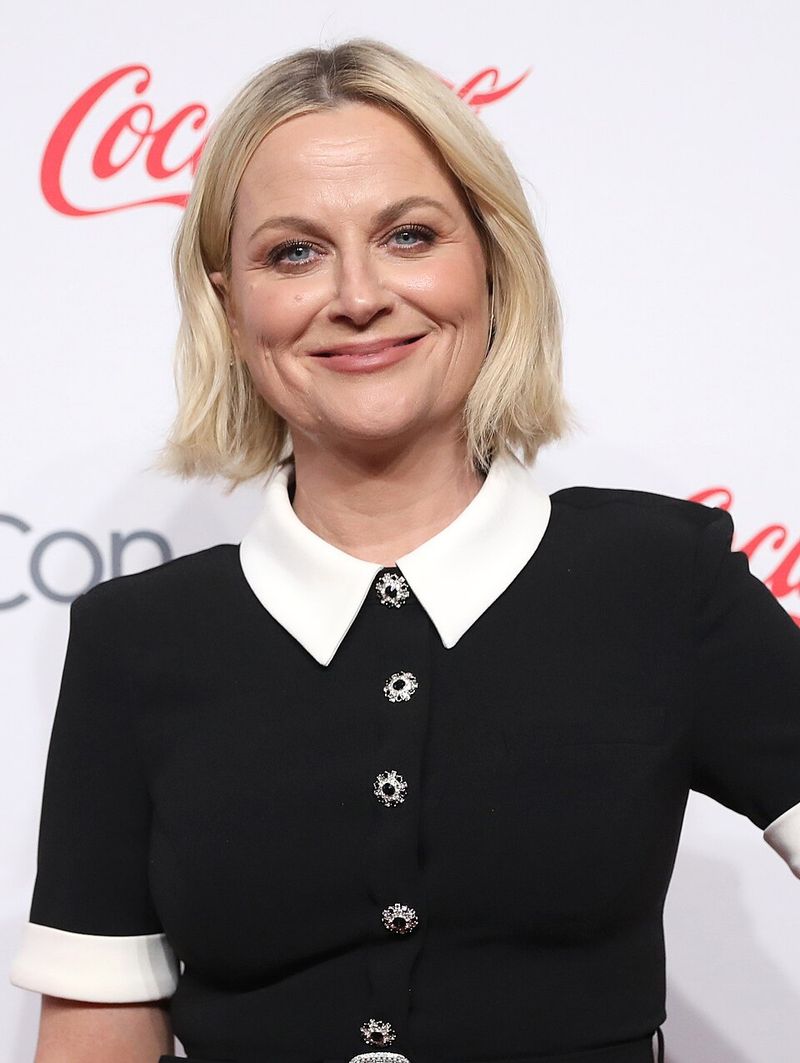
Optimism is not weakness, and Leslie Knope proved it every single episode. Amy Poehler’s beloved character on NBC’s Parks and Recreation, which aired from 2009 to 2015, was passionate about government, waffles, and her friends in equal measure.
She was also relentlessly, joyfully competent, which felt almost radical for a female TV character.
Leslie got mocked constantly for caring too much. However, she never stopped caring, and eventually she changed everything around her because of it.
If you ever doubted whether enthusiasm could be a superpower, Leslie Knope is Exhibit A. Binders and all.
She remains one of television’s most genuinely inspiring characters, full stop.
10. Clarice Starling in The Silence of the Lambs
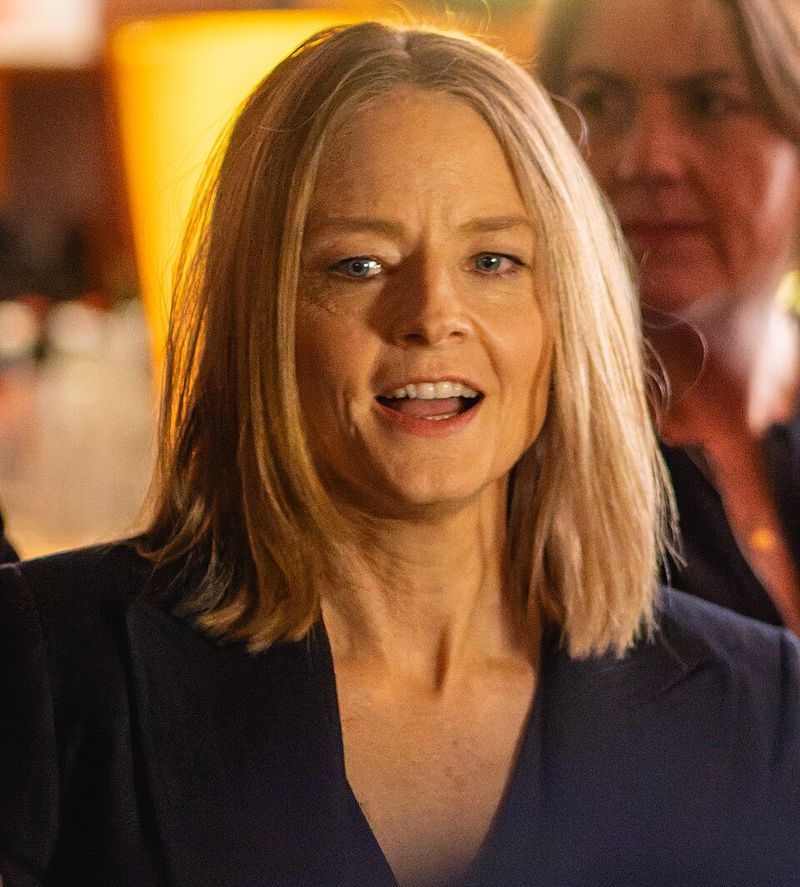
Walking into a cell to interview a cannibalistic serial killer is not exactly standard career advice, but Clarice Starling did it anyway. Jodie Foster won an Academy Award for her 1991 portrayal of the sharp, scrappy FBI trainee in The Silence of the Lambs, and the performance remains unforgettable decades later.
Clarice was not invincible; she was human.
Her vulnerability made her strength more powerful, not less. She held her ground against Hannibal Lecter using intelligence, instinct, and sheer nerve.
At a time when female characters in thrillers were usually the victims, Clarice was solving the case. Foster made sure every scene showed exactly who was really in charge.
11. Moana in Moana

No love interest. No prince waiting at the finish line.
Just a girl, a boat, and a calling so deep it came from the ocean itself. Disney’s 2016 animated film Moana gave audiences a princess who was actually a chief-in-training, and she set sail on her own terms entirely.
Refreshing does not even begin to cover it.
Moana honored her culture, faced her fears, and restored balance to a world in crisis. Her Polynesian heritage was not a backdrop; it was the heartbeat of every scene.
For millions of Pacific Islander kids who rarely saw themselves in animated films, Moana was not just a character. She was a mirror, and a magnificent one.
12. Jessica Jones in Jessica Jones
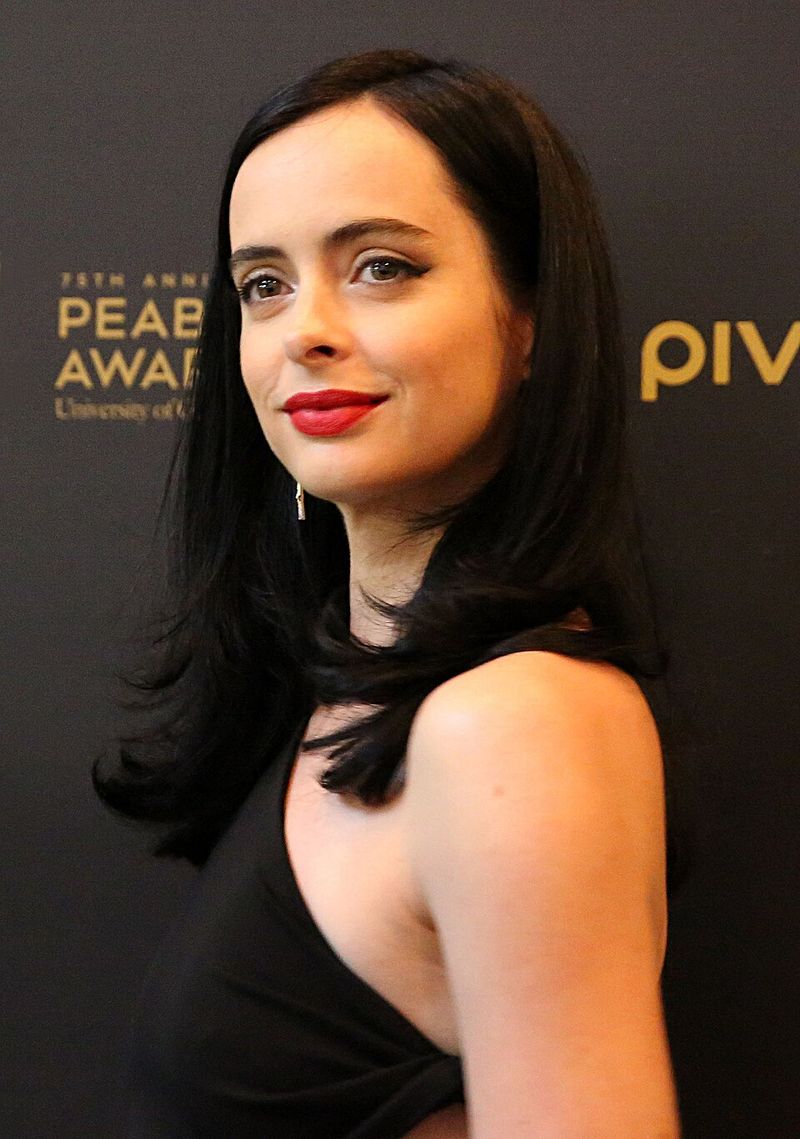
Image Credit: Original: Peabody Awards(Photo/Jana Lynn French/ Peabody, licensed under CC BY 2.0. Via Wikimedia Commons.
Superpowers and serious trauma living in the same body? Jessica Jones was unlike any superhero audiences had seen before.
Krysten Ritter starred in the 2015 Netflix series as a hard-edged private investigator in New York City who happened to have superhuman strength, and also happened to be deeply, realistically struggling with past abuse.
Marvel had never told a story quite like it. Jessica was prickly, sarcastic, and sometimes made terrible choices, and the show never punished her for being complicated.
How often do superhero stories center healing instead of just punching? Jessica Jones did both, and it hit harder than any supervillain ever could.
Iconic does not cover it.
13. Erin Brockovich in Erin Brockovich
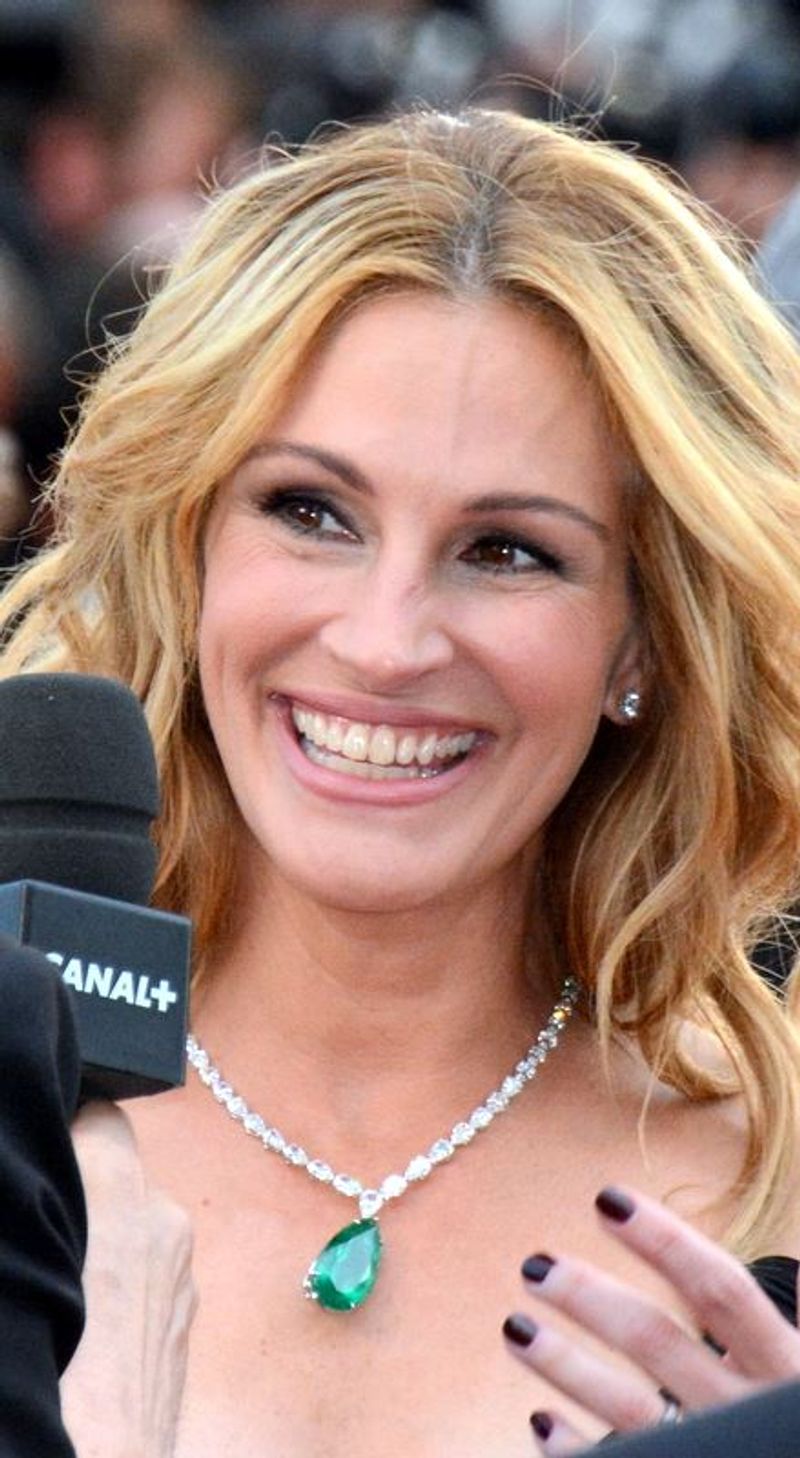
No law degree. No fancy office.
Just a mother of three, a stack of medical files, and an iron will to fight a corporation polluting an entire community’s water supply. Julia Roberts won an Academy Award for her 2000 portrayal of the real Erin Brockovich, and every scene crackled with righteous energy.
Erin was loud, bold, and unapologetically herself.
She was underestimated at every turn, by lawyers, by opponents, by anyone who judged her based on appearance rather than ability. However, she built the largest settlement ever paid in a direct-action lawsuit in American history at the time.
Talk about a plot twist nobody saw coming. Real life champion.
14. Annalise Keating in How to Get Away with Murder
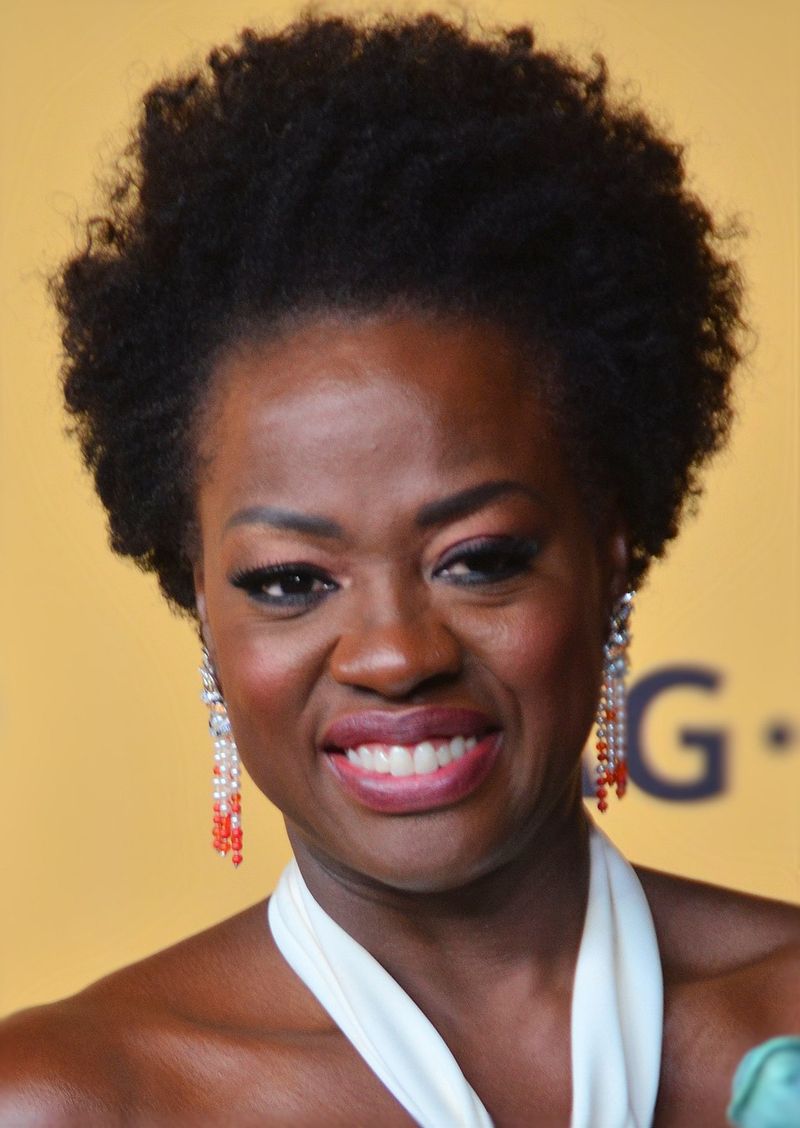
Annalise Keating did not walk into a courtroom, she owned it. Viola Davis made history in 2015 as the first Black woman to win a Primetime Emmy for Outstanding Lead Actress in a Drama Series for her role in How to Get Away with Murder.
Every episode, she delivered performances that left viewers speechless and critics scrambling for superlatives.
Annalise was complicated in ways television rarely dared to show a Black woman being. Brilliant, broken, manipulative, and deeply human all at once.
Davis brought raw honesty to every scene, stripping away Hollywood gloss to reveal something genuinely real. No character before or since has quite matched Annalise Keating’s electric, uncompromising presence on screen.
15. Elle Woods in Legally Blonde
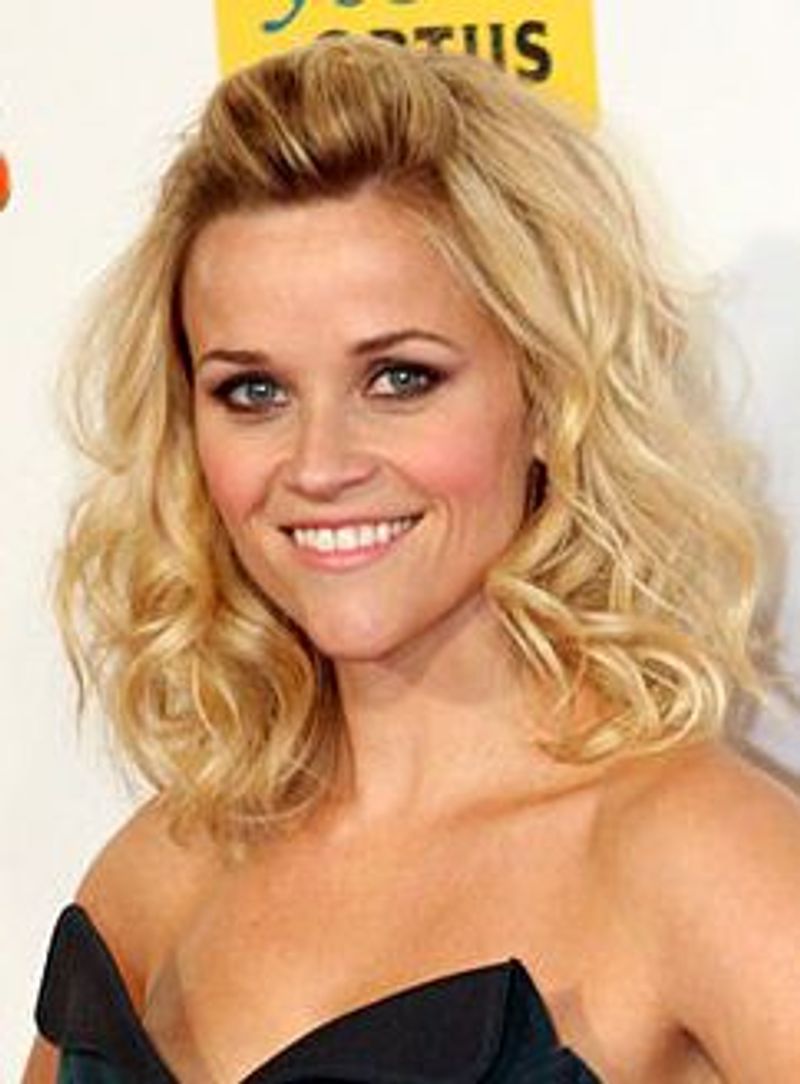
Pink is not a personality flaw, and Elle Woods proved it spectacularly. Reese Witherspoon’s 2001 portrayal of Elle in Legally Blonde turned one of cinema’s most satisfying underdog stories into a cultural touchstone.
Everyone expected Elle to fail at Harvard Law School. She graduated at the top of her class and won a murder trial.
No big deal.
What made Elle extraordinary was refusing to change who she was to fit in. She stayed kind, stylish, and enthusiastic while outperforming everyone who doubted her.
Smart women do not have to look serious to be taken seriously. Elle Woods shouted that message in the brightest pink possible, and audiences have never forgotten it.