
20 Women Whose Contributions Deserve Greater Recognition
History has a habit of whispering certain names while others, just as brilliant, fade into the margins.
Across laboratories, hospitals, and classrooms, remarkable women reshaped science, challenged limits, and made discoveries that still shape everyday life.
Now it’s time to step back into those stories and meet the pioneers whose brilliance earned far more than a footnote.
1. Ada Lovelace – Analytical Engine Notes
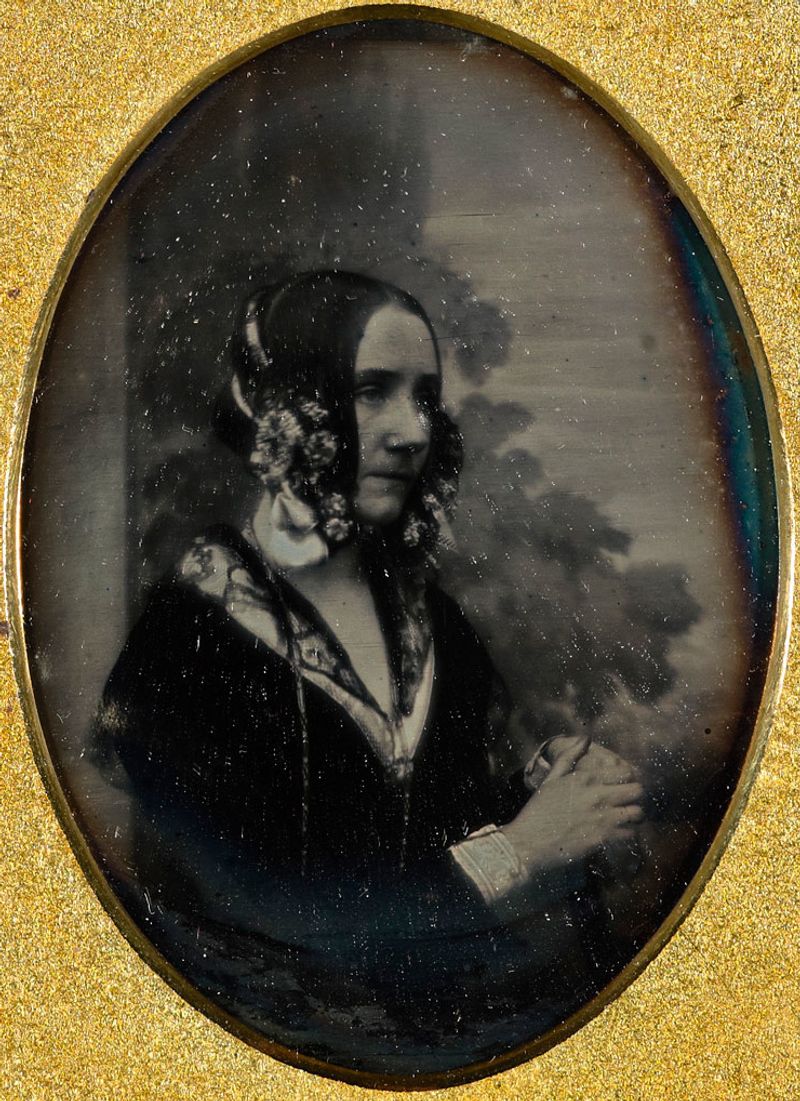
Writing about computing possibilities a century before electronic computers existed, she envisioned ideas that laid the groundwork for modern computer science.
Ada Lovelace’s published notes on Babbage’s Analytical Engine described broader possibilities beyond calculation. Her annotations described how the machine could handle symbols and create music instead of merely crunching numbers.
Such vision helped shape how people later thought about general-purpose computing.
Programming itself owes a lasting debt to her leap of imagination, proving math and poetry can share the same brilliant mind.
2. Rosalind Franklin – DNA Structure Via X-Ray
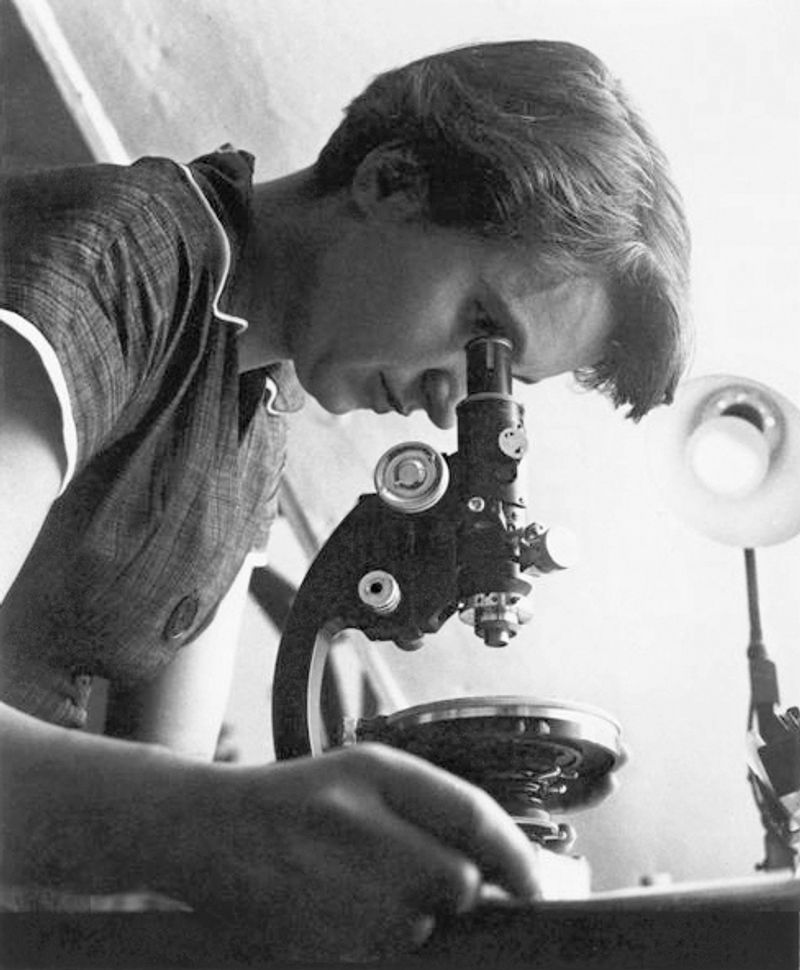
One photograph changed the course of biology forever. Photo 51, a 1952 DNA X-ray diffraction image produced by Raymond Gosling while working under Rosalind Franklin (within Maurice Wilkins’ group at King’s), was so accurate that it showed the DNA’s secret structure.
Careful laboratory work provided the crucial evidence Watson and Crick used to construct their famous model.
Recognition largely bypassed her contribution, leaving her name overshadowed during the celebrations that followed. Although her career ended far too early, her precision and patience helped lay the foundation for modern genetics.
3. Lise Meitner – Fission Experiments Interpreter
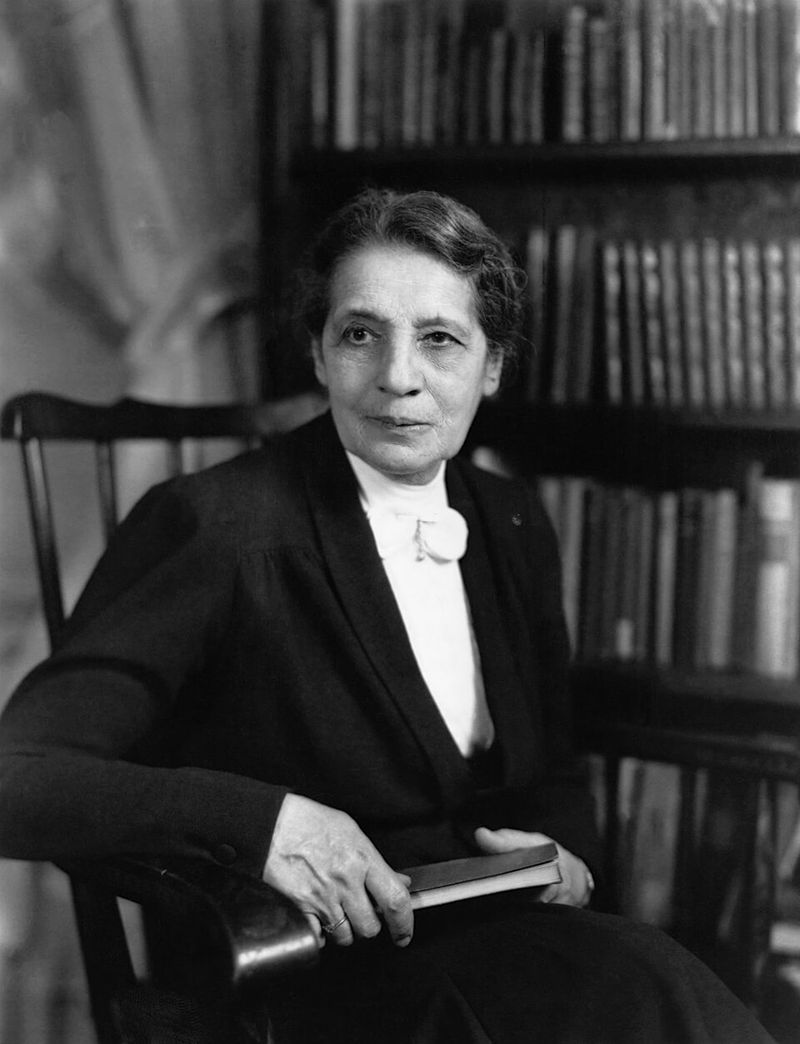
Splitting an atom sounds like science fiction until someone does the math on a snowy walk through the woods.
Meitner explained nuclear fission after fleeing Germany in 1938, her calculations unlocking energy on an unimaginable scale. Her collaborator won the Nobel Prize while her name stayed off the award, an omission that remains widely debated decades later.
Physics textbooks finally caught up, honoring the woman who helped crack open the nucleus itself.
4. Chien-Shiung Wu – Beta Decay Research
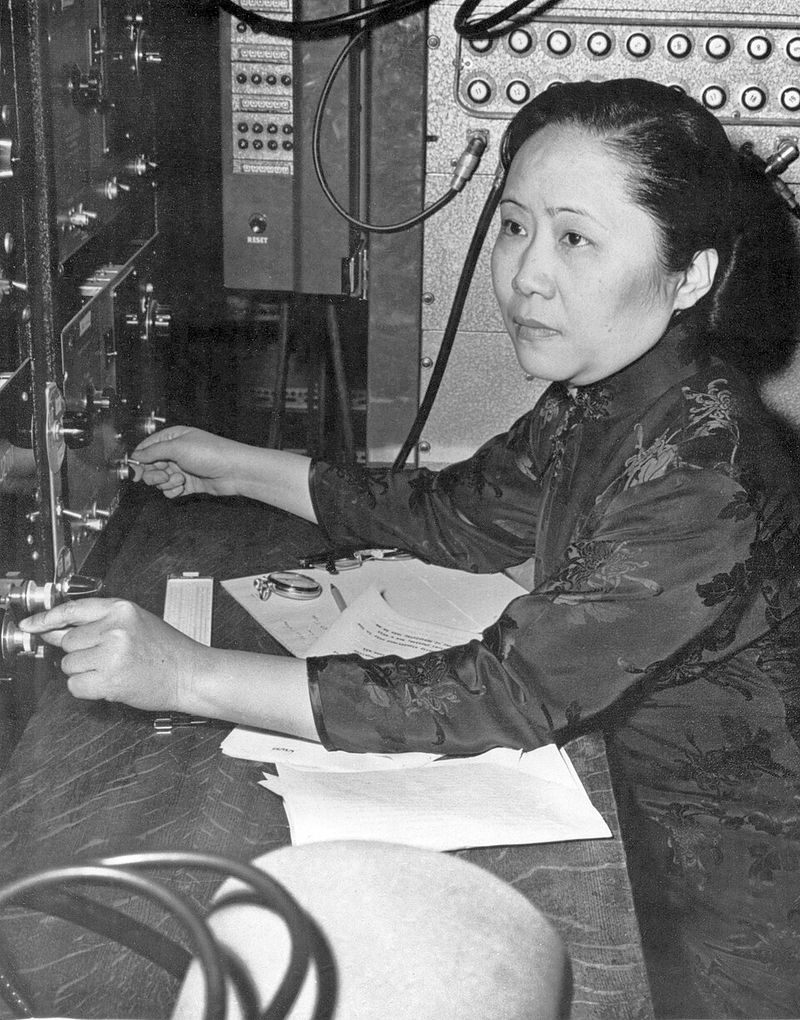
Elegance and precision converged in an experiment that overturned a fundamental law of nature.
By proving that parity conservation is ineffective in weak nuclear interactions, Chien-Shiung Wu challenged long-held beliefs held by physicists.
The 1957 Nobel Prize in Physics went to Tsung-Dao Lee and Chen-Ning Yang for the parity-violation theory, while Wu’s experimental role was not recognized with the Nobel. Generations of students studying symmetry breaking rely on the experiments she conducted with unmatched skill and rigor.
5. Katherine Johnson – NASA Mission Calculations
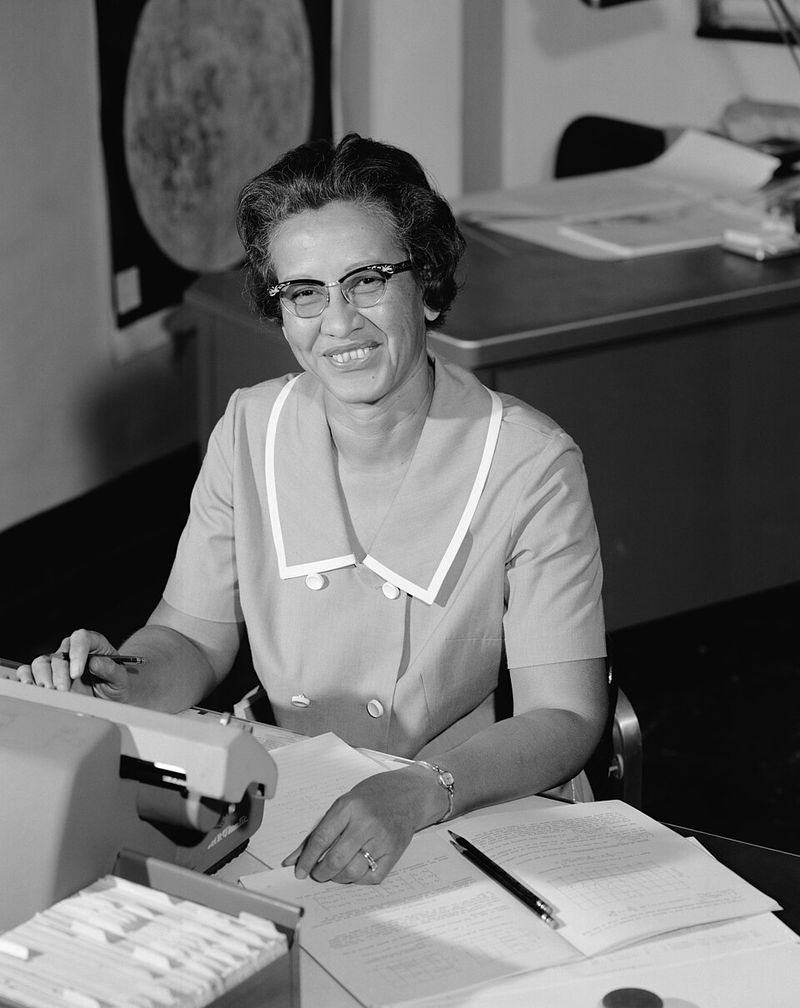
Spaceflight depends on calculations so precise that a single decimal point can determine mission success and crew safety. From launch until splashdown, spaceships were carefully guided by Katherine Johnson’s equations while she manually labored through intricate paths.
Before his mission, John Glenn trusted her mathematics over early computers and refused to fly until she personally verified the numbers.
For decades, her achievements remained largely unrecognized until a film finally reminded the world that brilliance appears in every shade and gender.
6. Henrietta Swan Leavitt – Cosmic Distance Measurements
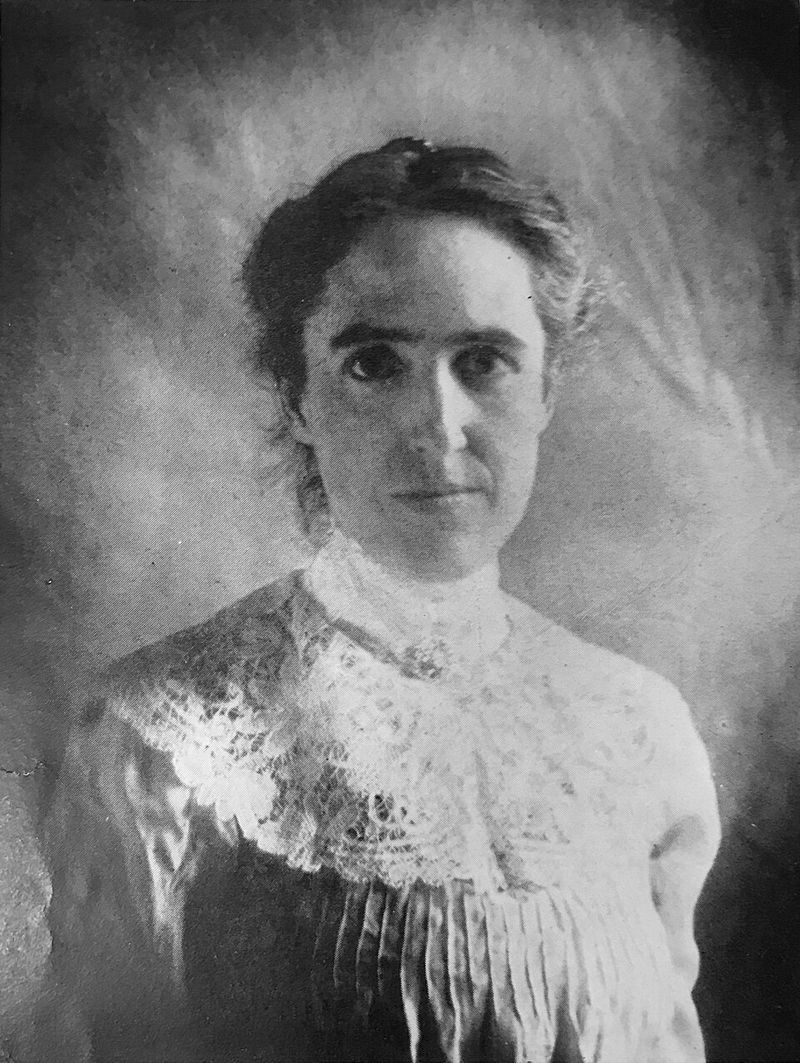
Stars pulse like cosmic lighthouses, and Leavitt discovered the pattern that lets astronomers measure the universe.
Her period-luminosity relationship turned variable stars into yardsticks spanning millions of light-years. Colleagues used her work to map galaxies while she remained a “computer” cataloging plates in near obscurity.
Modern cosmology stands on foundations she built, proving patience and pattern recognition can unlock secrets written in starlight.
7. Jocelyn Bell Burnell – Pulsar Discovery
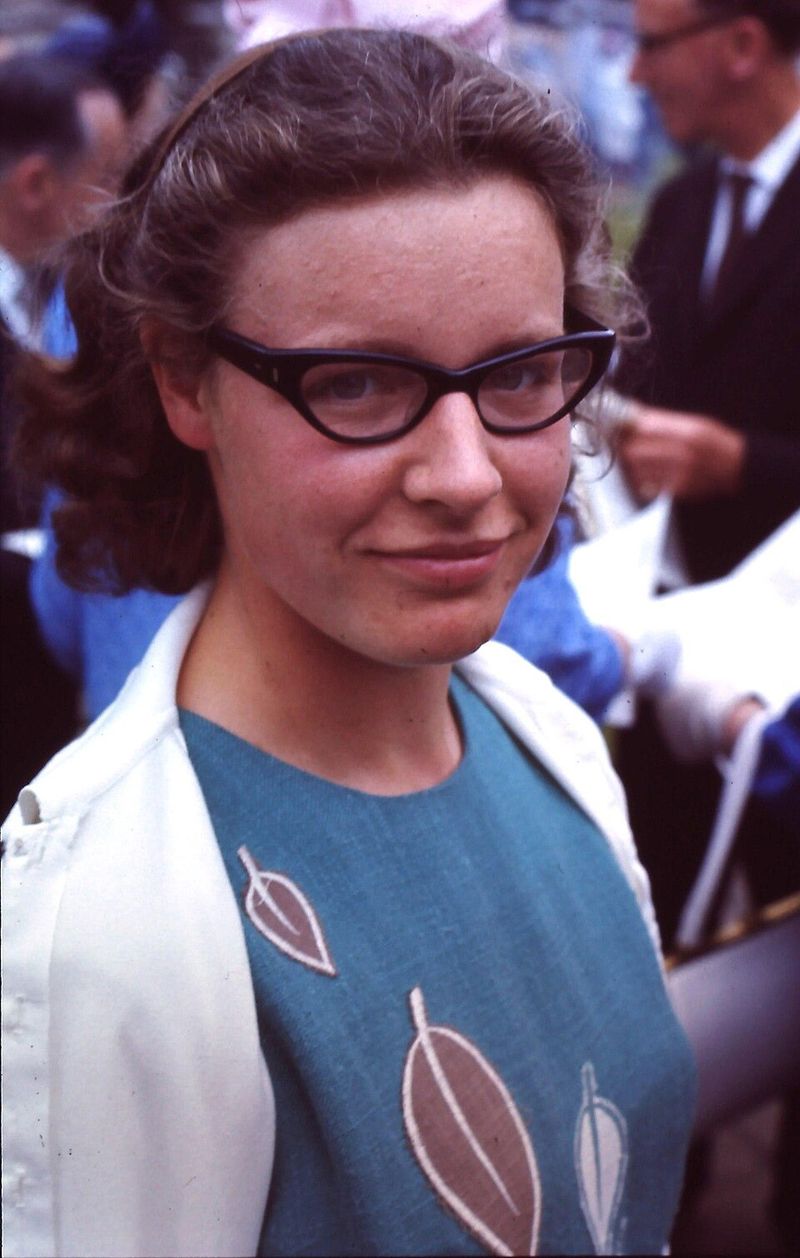
Spotting a blip on miles of chart paper takes patience most grad students abandon by lunchtime.
Careful attention to a regular pulse in radio signals allowed Jocelyn Bell Burnell to identify pulsars and open a new window into collapsed stars.
Recognition went to her thesis advisor through a Nobel Prize while she watched from the sidelines, repeating a pattern too common in science. Neutron stars continue spinning across the universe, each one reflecting the observational skill Bell Burnell brought to astronomy.
8. Mary Anning – Fossil Discoveries
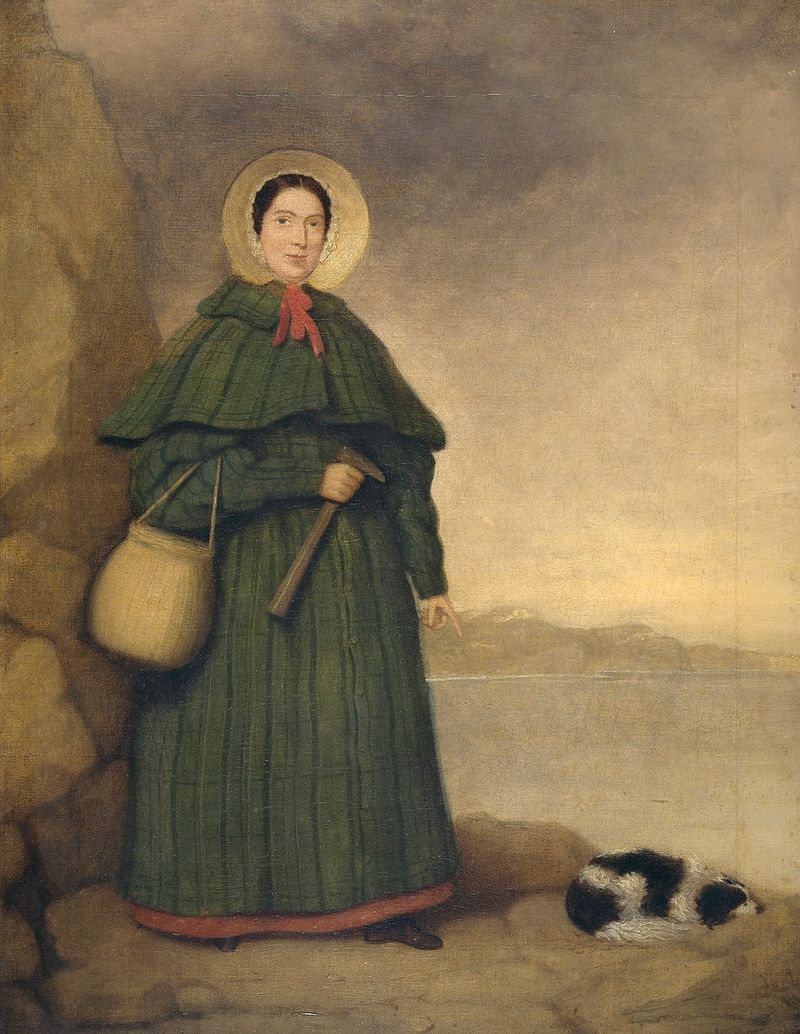
Storm battered cliffs often revealed hidden treasures to anyone who understood where to look and what ancient bones could mean. Mary Anning uncovered complete ichthyosaur and plesiosaur skeletons, discoveries that reshaped humanity’s understanding of life on Earth.
Scientists eagerly purchased her fossils yet rarely credited the working class woman who pulled them from Dorset’s crumbling shores.
Modern paleontology owes much of its foundation to her sharp eye and fearless climbs across dangerous rock faces.
9. Alice Augusta Ball – Hansen’s Disease Treatment
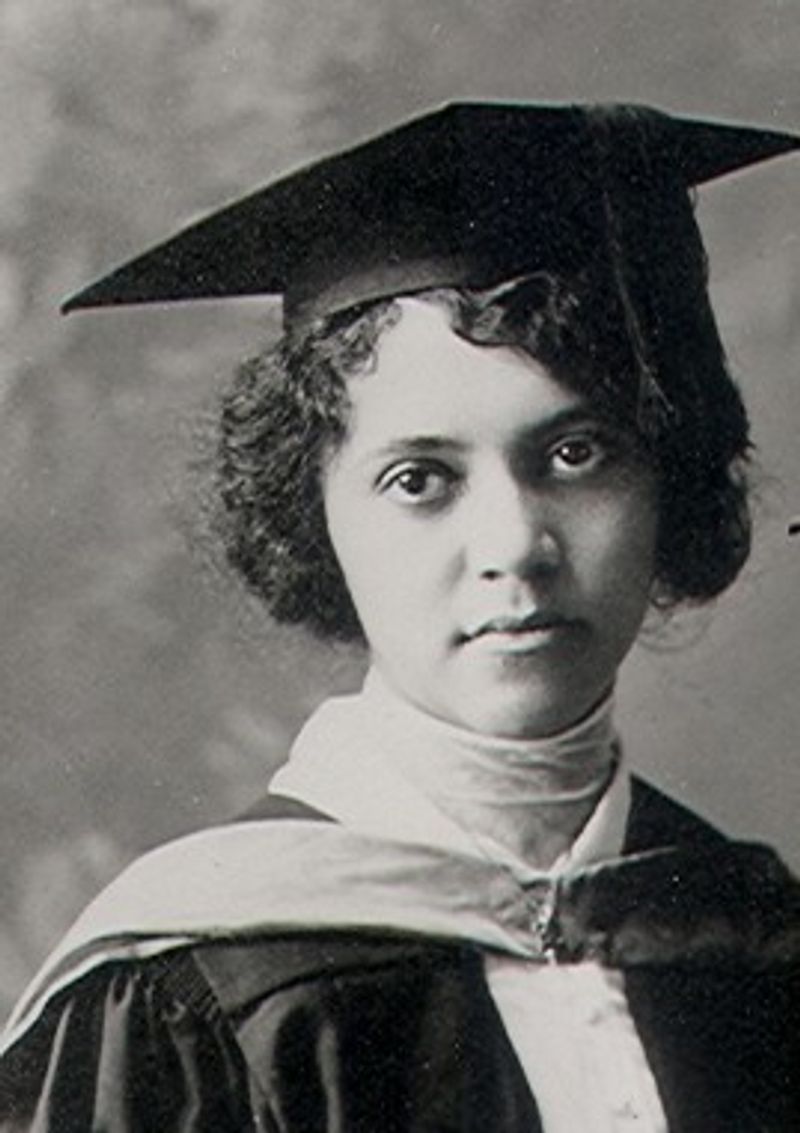
Transforming chaulmoogra oil into an injectable treatment proved far more complex than it first appeared, requiring careful isolation of its active compounds. Before reaching the age of twenty four, Alice Ball perfected a technique that gave Hansen’s disease patients their first truly effective therapy.
After her passing, a colleague claimed credit for the discovery and her name faded from recognition for decades.
Years later, Hawaii formally honored the chemist whose breakthrough brought hope to thousands living with isolation and stigma.
10. Emmy Noether – Symmetry & Conservation Theorem
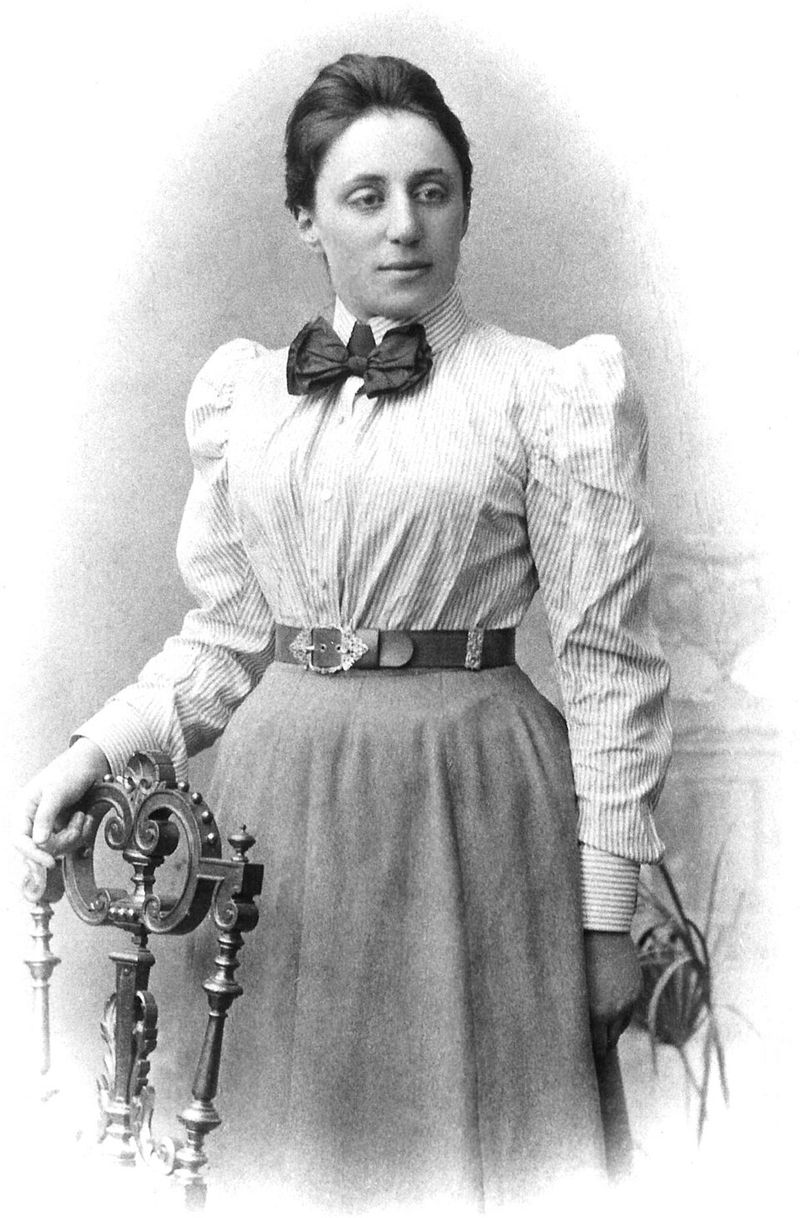
Connecting symmetry to conservation laws rewrites physics with a single elegant theorem.
Noether proved that every symmetry in nature corresponds to a conserved quantity, a principle Einstein himself praised as pure genius.
Universities barred her from official positions because of her gender, forcing her to lecture under male colleagues’ names. Physicists still invoke Noether’s theorem daily, her abstract algebra shaping everything from particle physics to general relativity.
11. Nettie Maria Stevens – Chromosomal Sex Determination
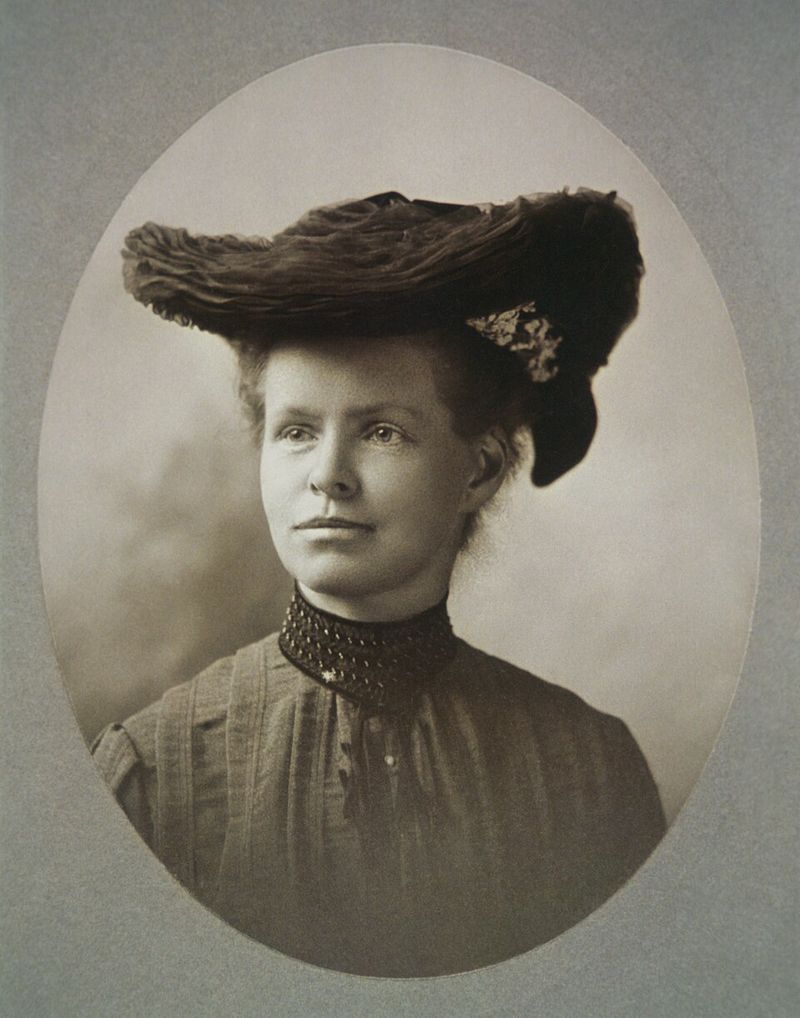
Peering through a microscope at mealworm cells reveals subtle differences that determine whether offspring become male or female.
Nettie Stevens was able to identify the Y chromosome by close observation, demonstrating that chromosomes, not environmental circumstances, determine sex. While recognition frequently went to male scientists with less significant discoveries, her discovery was rarely mentioned in textbooks.
Biology students learn about X and Y chromosomes without realizing Stevens was the researcher who spotted them first, a gap history is only now beginning to correct.
12. Tu Youyou – Malaria Treatment Discovery
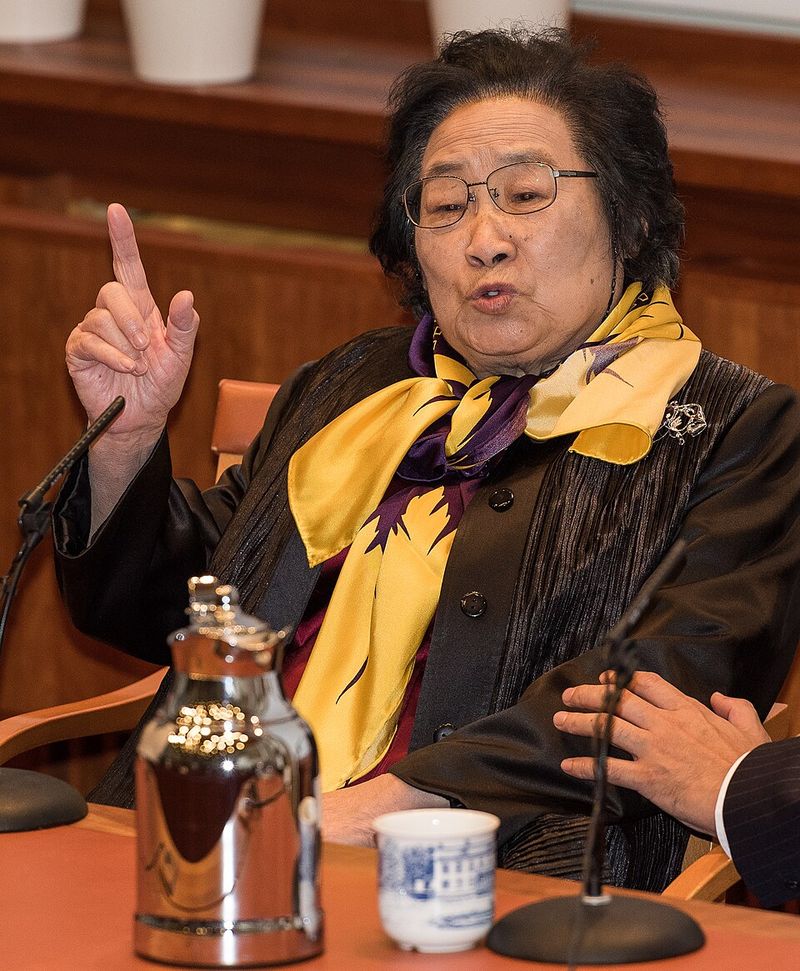
Searching through ancient Chinese medical texts for malaria remedies may sound old fashioned until it leads to a discovery that saves millions of lives.
From sweet wormwood, Tu Youyou extracted artemisinin, creating a treatment that transformed malaria care around the world. After isolating the promising compound, Tu Youyou volunteered as the first human subject in her team’s early testing.
Decades later, a Nobel Prize recognized years spent bridging traditional knowledge and modern pharmacology through quiet determination.
13. Grace Hopper – Early Programming Languages
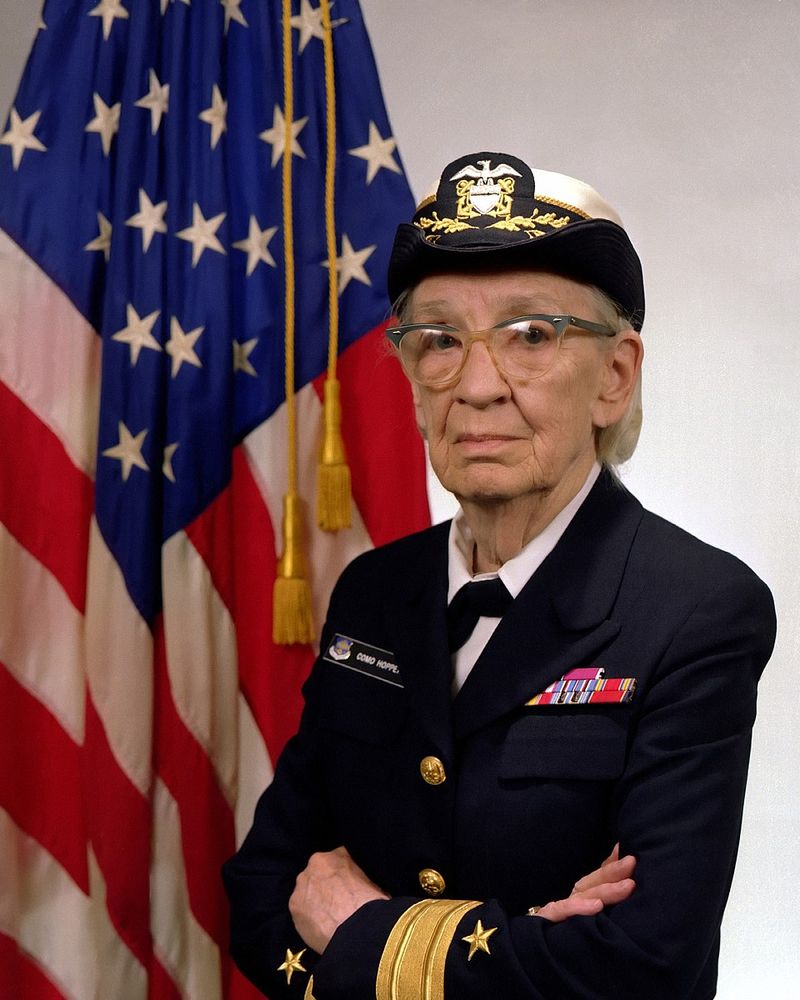
Debugging a computer by removing an actual moth trapped in the hardware captures a moment where humor meets computing history.
Innovative thinking led Grace Hopper to invent the first compiler, allowing programmers to write in words instead of pure numbers while she championed COBOL for business computing.
A naval rank paired with sharp wit turned her into a legend, even as her technical contributions deserved far louder applause. Modern programming still traces its roots to ideas Hopper championed when computers filled entire rooms.
14. Hedy Lamarr – Frequency-Hopping Invention
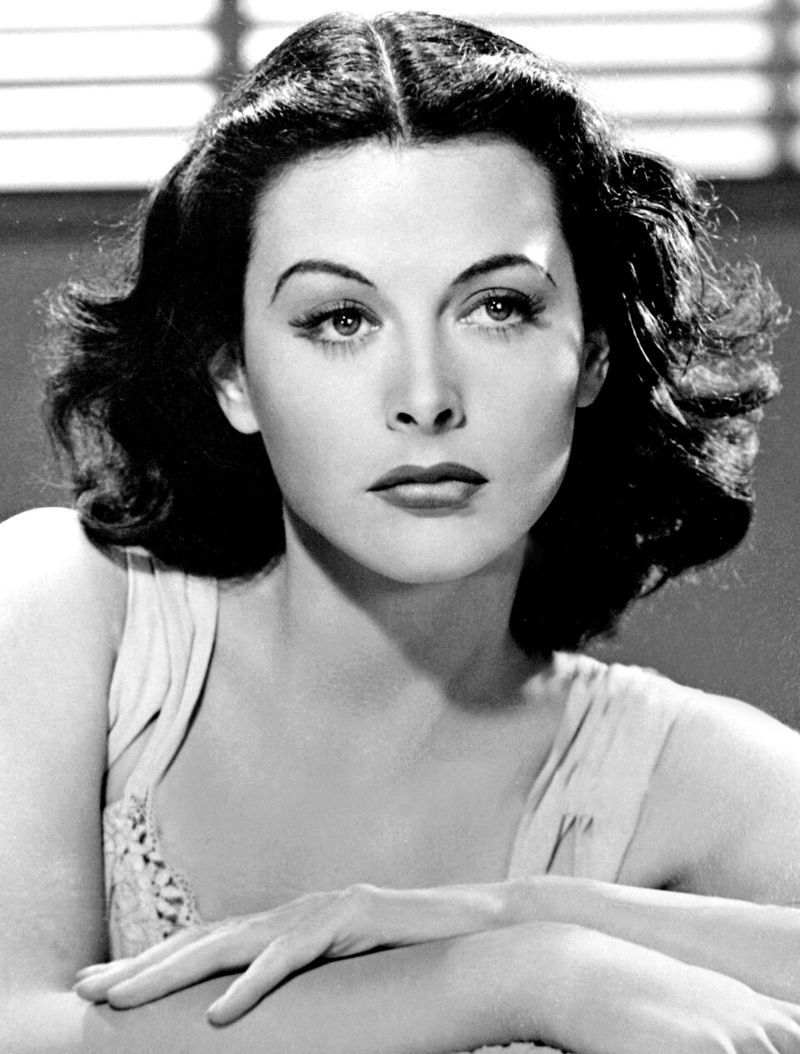
At first glance, movie stardom and wireless technology innovation seem like careers that could never overlap.
During World War II, Hedy Lamarr co patented frequency hopping spread spectrum, a system that later helped power Wi Fi and Bluetooth technology.
Studio executives focused almost entirely on her beauty, often dismissing a brilliant engineering mind as nothing more than a hobby. Only decades later did technology companies recognize that her patent helped lay the foundation for modern wireless communication, proving intellect and glamour could exist side by side.
15. Vera Rubin – Dark Matter Observations
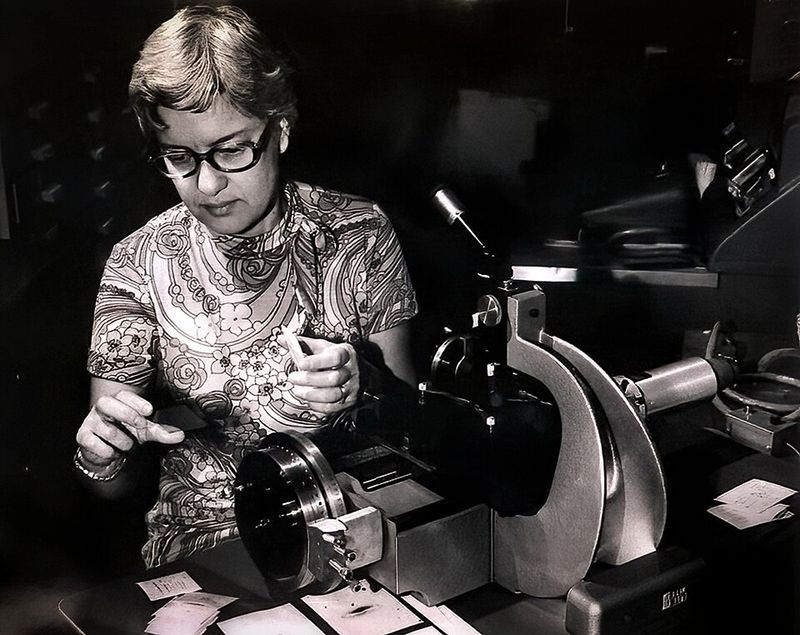
Galaxies spin too fast to hold together unless invisible matter provides extra gravitational glue.
Rubin measured rotation curves that proved dark matter exists, observations that revolutionized cosmology and challenged everything astronomers thought they knew.
A Nobel Prize eluded her despite the profound impact of her meticulous work. The universe she helped reveal remains mostly hidden, a fitting tribute to the astronomer who spotted what others couldn’t see.
16. Dorothy Vaughan – NASA Programming Leader
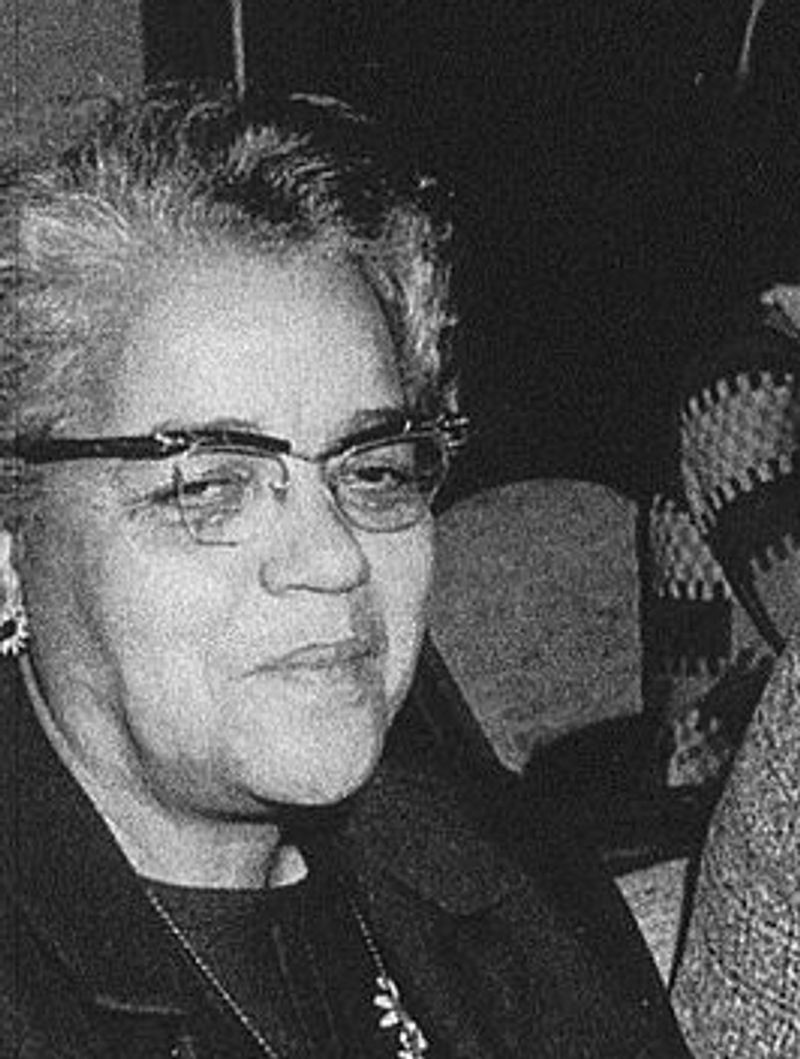
Guiding a team of mathematicians through the transition from pencil calculations to FORTRAN programming required vision most managers never possessed. Mastery of early computer languages allowed an entire division to be trained, ensuring Black women remained essential as NASA modernized under the leadership of Dorothy Vaughan.
Technological upheaval never displaced the talented minds she protected, even as recognition arrived decades after retirement for Vaughan.
Space exploration still carries a debt to the supervisor who refused to let progress leave anyone behind, Dorothy Vaughan.
17. Mary Jackson – NASA Engineer & STEM Advocate
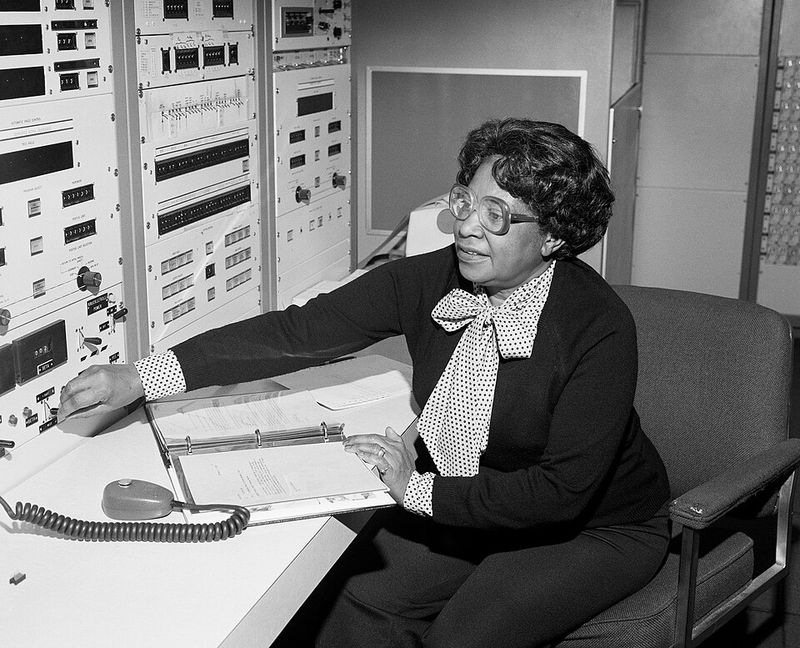
Becoming NASA’s first Black female engineer required night classes, persistence, and petitions to gain admission to segregated schools. A career built on wind-tunnel analysis saw Mary Jackson evaluate aircraft designs, producing calculations that improved flight safety and performance.
Later work shifted toward advocacy, helping other women and minorities break barriers she understood firsthand.
Her legacy lives on in diverse engineering teams building tomorrow’s technology with voices once excluded from the room.
18. Bessie Coleman – First Black Woman Pilot
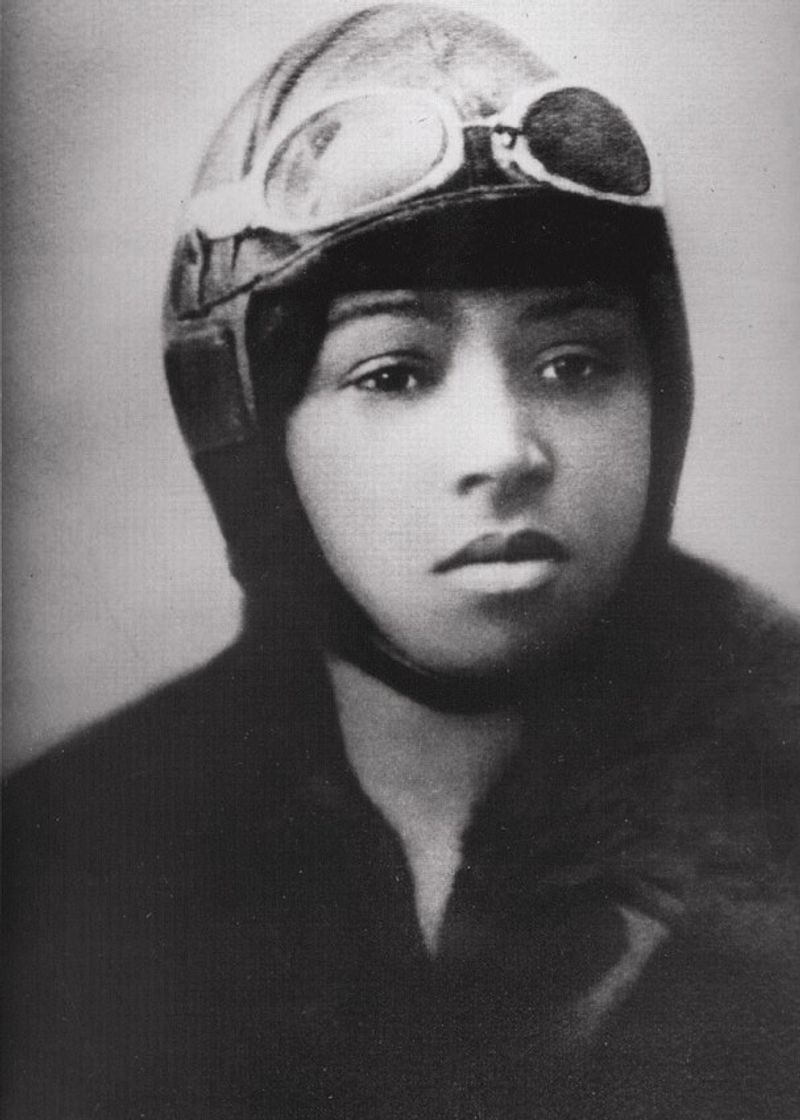
Pursuing a dream of flight meant crossing the Atlantic to France after American schools refused entry.
In 1921, Bessie Coleman earned her international pilot’s license before returning home to stage breathtaking airshows that inspired countless dreamers.
Segregation never grounded her ambition or the daring loops she performed above crowds unaccustomed to seeing a Black woman command the sky. Aviation history rose on the courage she displayed each time she climbed into the cockpit.
19. Annie Jump Cannon – Stellar Classification Standardization
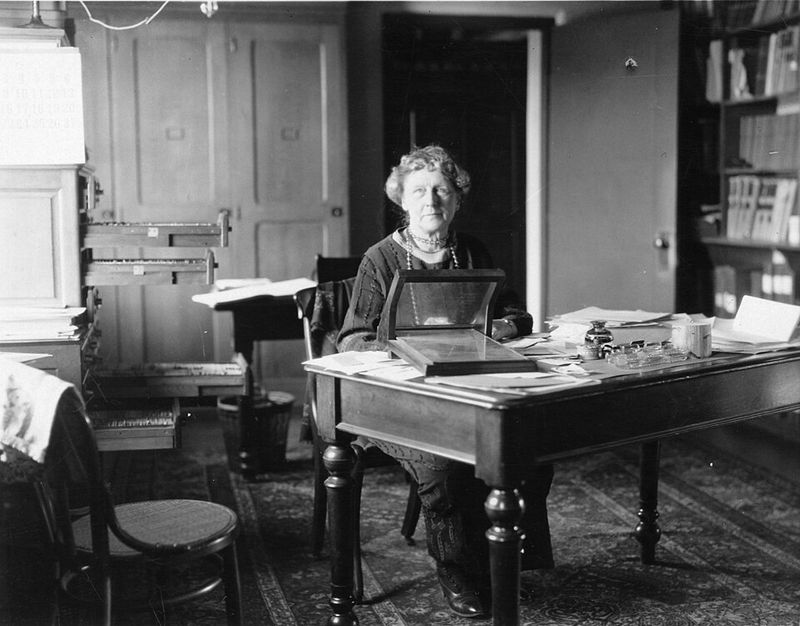
Sorting hundreds of thousands of stars demanded a system clear enough for astronomers everywhere to share a common language. Annie Jump Cannon created the spectral classification scheme still used today, arranging stars by temperature into the famous O B A F G K M sequence.
Remarkable speed and precision defined her work, allowing stars to be classified faster than anyone before or since.
Modern astronomy’s alphabet begins with the letters she assigned, showing that careful organization can matter just as much as discovery itself.
20. Wangari Maathai – Green Belt Movement Founder
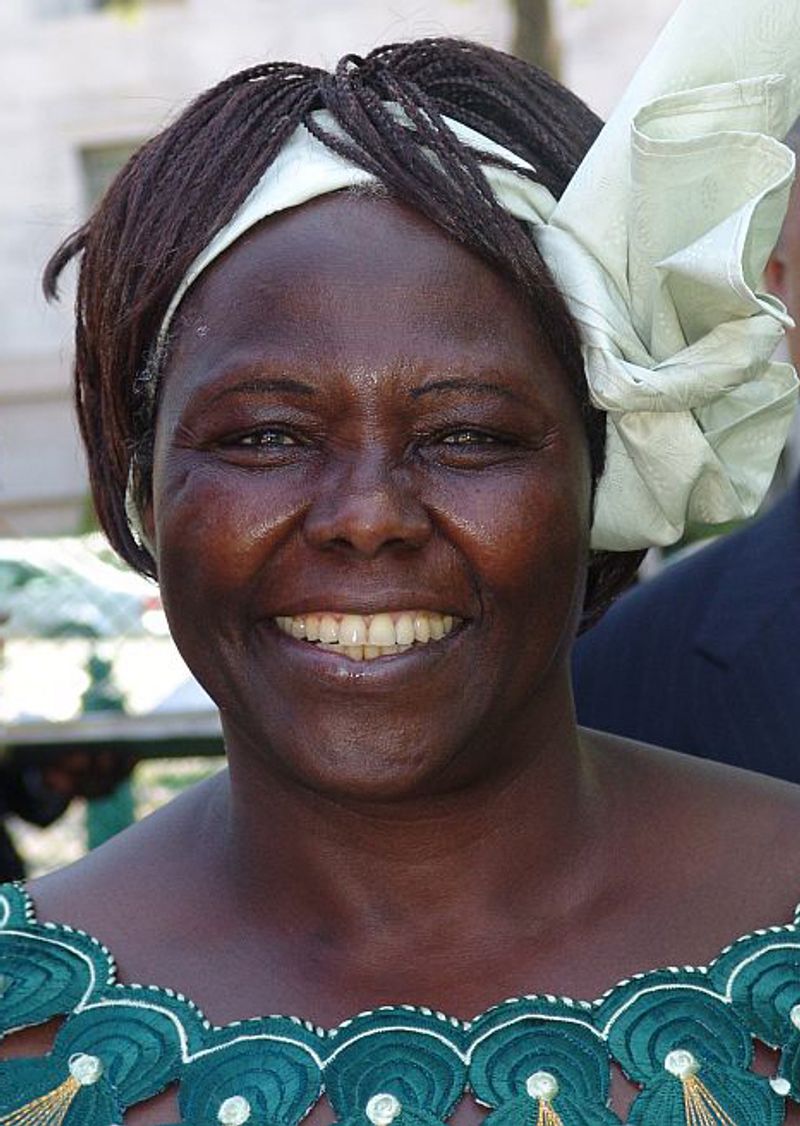
Organizing women to plant trees turned environmental action into a force against deforestation, poverty, and political oppression.
Through the Green Belt Movement, Wangari Maathai helped grow more than fifty million trees across Kenya while empowering communities to protect their environment.
Authorities arrested her, and she faced sustained harassment for her activism. A Nobel Peace Prize later recognized how environmentalism and human rights intertwine, lessons Maathai taught through every seedling planted.
Note: Historical accounts, attributions, and timelines can vary across archives and scholarly sources as new documents surface or interpretations evolve, so details are presented based on widely cited references available at time of writing.
The content is provided for general informational and entertainment purposes.




.jpg)

_C.jpg)


,_1967.jpg)


.jpg)


.jpg)


.jpg)