15 Worst Film Trilogies Ranked By Sequels That Kept Getting Worse
Sequels can deepen a story, sharpen a vision, and turn a good first chapter into a true saga.
Certain trilogies go the other way, stacking bigger budgets and louder set pieces on top of shakier ideas, thinner characters, and twists that land with less impact each time.
Franchises chase momentum, studios chase release dates, and audiences end up watching the spark fade in real time.
This ranking looks at trilogies whose second and third entries are widely viewed as clear step-downs, creating a downward slide that’s hard to ignore once it starts.
Disclaimer: This ranking is based on aggregated Rotten Tomatoes critic and audience scores available at the time of writing. Scores reflect critical consensus rather than individual viewer taste, and opinions on film quality can vary widely. All rankings are presented for general informational and entertainment purposes only and are not intended as professional, financial, or legal advice.
15. Night at the Museum — 43% → 44% → 50%

Ben Stiller’s museum guard adventures actually got slightly better with each film, which technically makes this the least awful trilogy on our list.
The first movie had its charm, introducing Larry Daley’s chaotic nights surrounded by living exhibits.
However, getting better scores doesn’t mean these films were masterpieces.
Critics pointed out repetitive gags and predictable plots that recycled the same jokes about historical figures coming to life.
The franchise barely scraped past 50% approval even at its peak.
14. The Cannonball Run — 29% → 31% → 13%
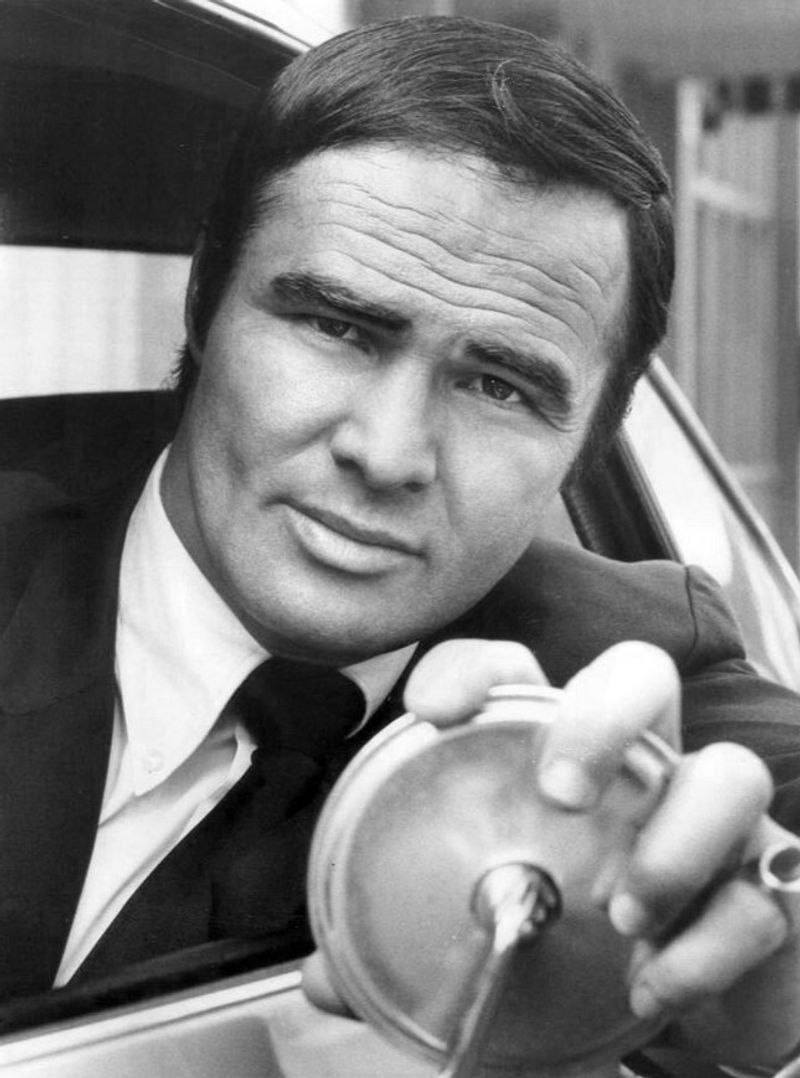
Picture this: a cross-country illegal road race packed with celebrities driving ridiculously fast cars. Sounds exciting, right?
Unfortunately, these films focused more on celebrity cameos than actual storytelling, leaving audiences confused and bored.
The third installment crashed and burned spectacularly, plummeting to just 13% approval. Critics savaged it for being nothing more than a parade of famous faces with zero plot substance.
13. The Mighty Ducks — 18% → 21% → 20%
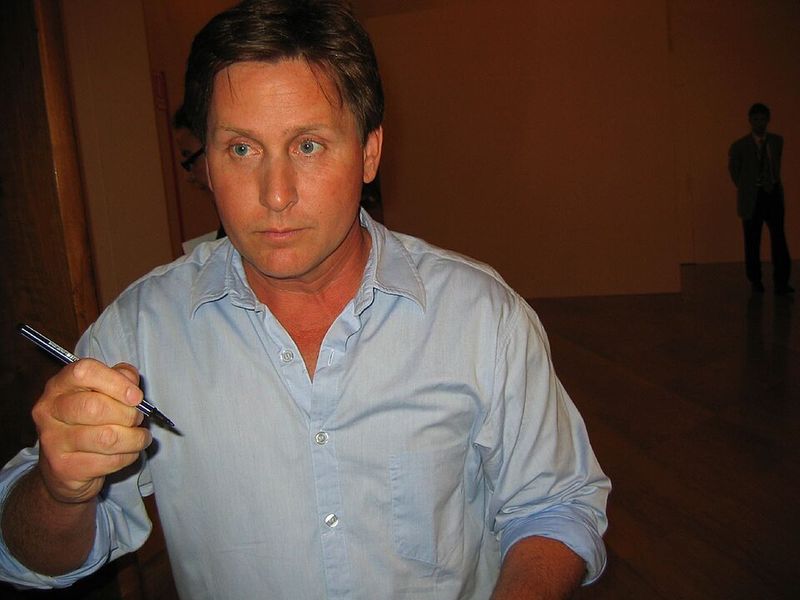
Quack, quack, quack! That famous chant couldn’t save this hockey trilogy from face-planting on thin ice.
The underdog sports story started rough and stayed rough, never managing to score with critics despite having a loyal young fanbase.
Each movie recycled the same formula: ragtag team faces impossible odds, learns teamwork, wins championship.
Predictability became the trilogy’s worst enemy.
Though kids loved the hockey action and team spirit, reviewers found the plots staler than week-old popcorn at every turn.
12. Porky’s — 30% → 11% → 27%

This raunchy teen comedy trilogy from the 1980s tried way too hard to be funny and mostly failed. The second film tanked hardest, earning a dismal 11% rating that still makes critics cringe decades later.
Crude humor and embarrassing situations dominated every scene, but the jokes felt forced and outdated even when fresh. The trilogy relied heavily on shock value rather than clever writing.
While some nostalgic fans remember it fondly, most viewers found the humor more cringeworthy than laugh-worthy throughout all three films.
11. The Da Vinci Code Trilogy — 25% → 37% → 22%
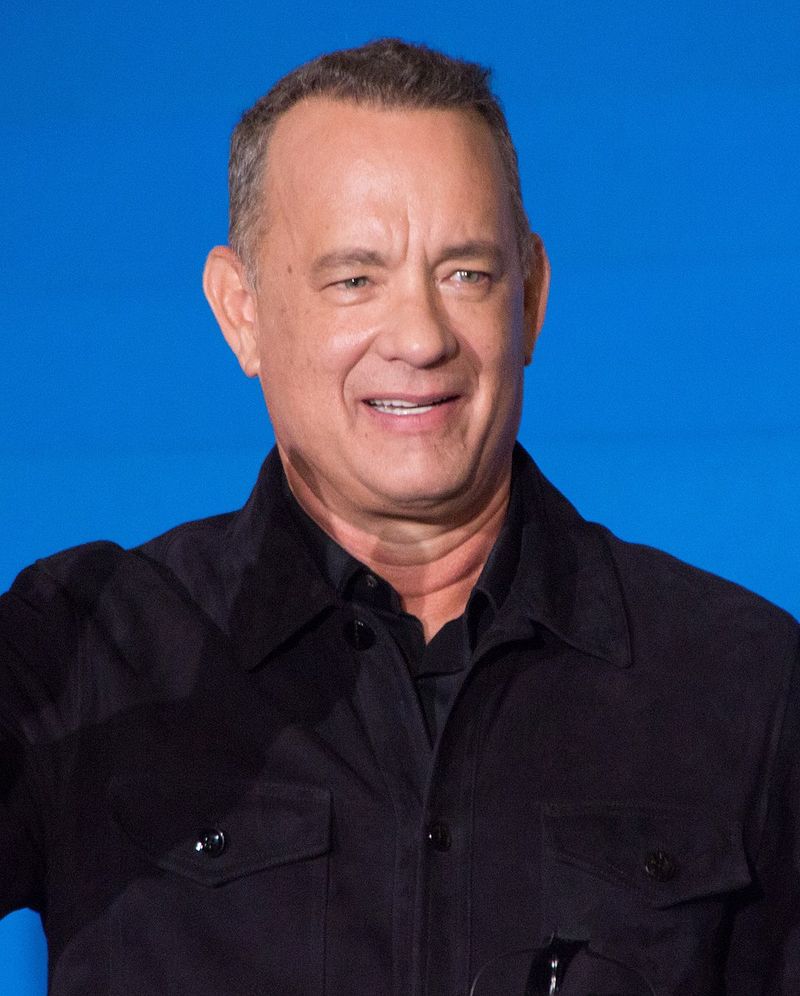
Dan Brown’s bestselling novels seemed perfect for Hollywood adaptation. Tom Hanks brought symbologist Robert Langdon to life, racing through Europe solving religious mysteries.
Despite the source material’s popularity, critics absolutely demolished these films for being boring and confusing.
Angels & Demons actually improved slightly before Inferno dragged everything back down to 22%.
The movies suffered from overly complicated plots that lost audiences in endless exposition. Even Hanks’ star power couldn’t save these mystery thrillers from critical disaster.
10. Teenage Mutant Ninja Turtles (1990 Live-Action Trilogy) — 46% → 36% → 19%
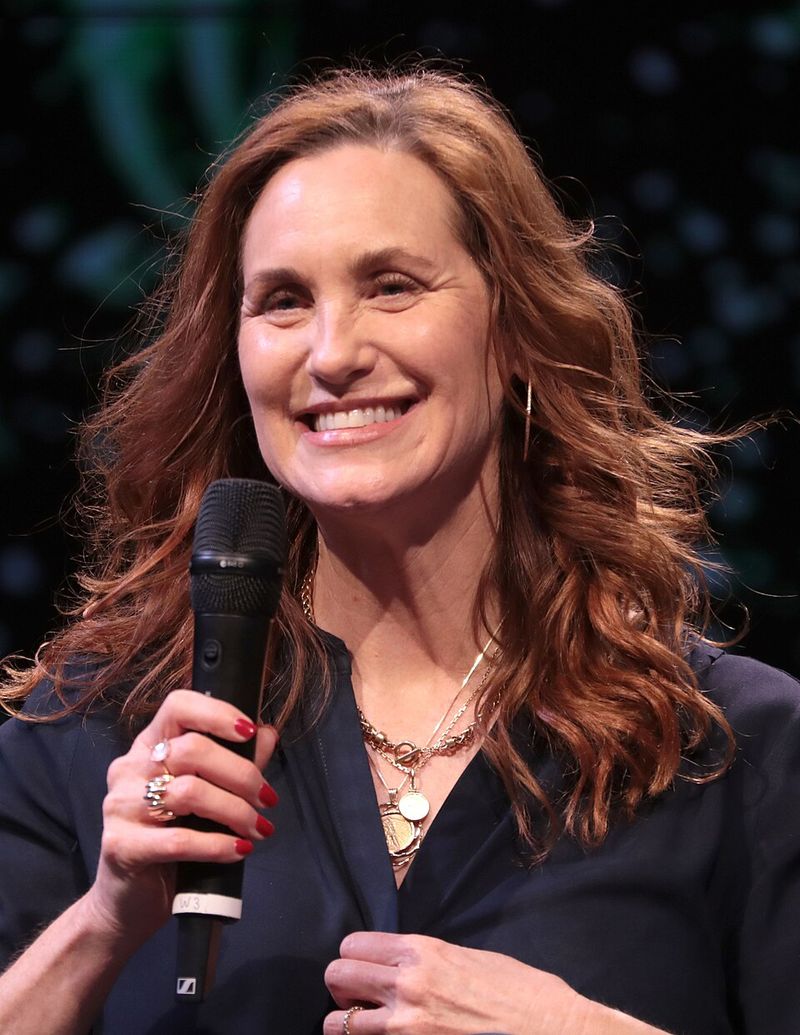
Cowabunga dudes! These pizza-loving heroes started strong but their trilogy nosedived faster than Michelangelo on a skateboard.
The original film captured the comic book spirit with impressive practical effects and genuine humor that delighted fans everywhere.
Then came the sequels, which got progressively goofier and more kid-focused. The third film’s time-travel plot to feudal Japan felt completely ridiculous.
Critics complained about cheap-looking costumes and nonsensical storylines that abandoned everything that made the first movie work so well.
9. Cats & Dogs — 52% → 13% → 11%
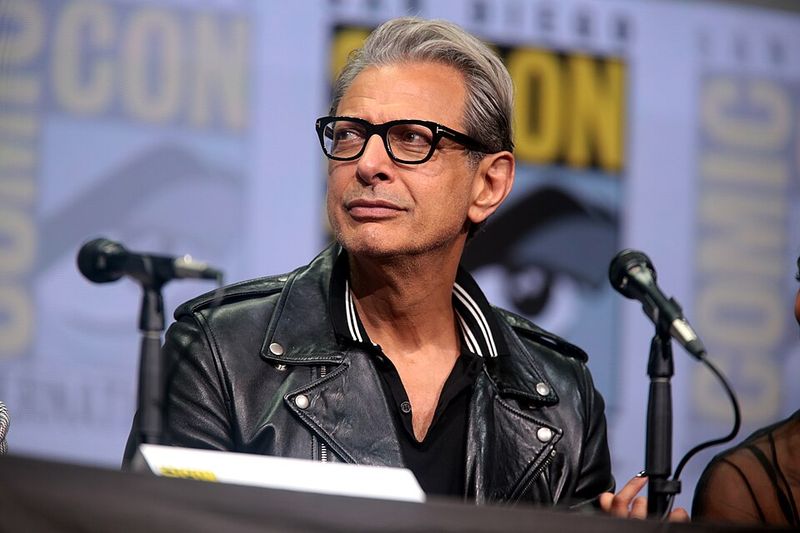
Ever wondered what your pets do when you’re not home?
These movies imagined an epic spy war between felines and canines, complete with gadgets and secret missions. The concept had potential, but execution was catastrophically bad after the first film.
The sequels bombed spectacularly, with critics calling them unwatchable messes of cheap CGI and terrible jokes.
Kids might giggle at animals talking, but parents suffered through painful plots and annoying characters.
8. The Human Centipede — 49% → 30% → 18%
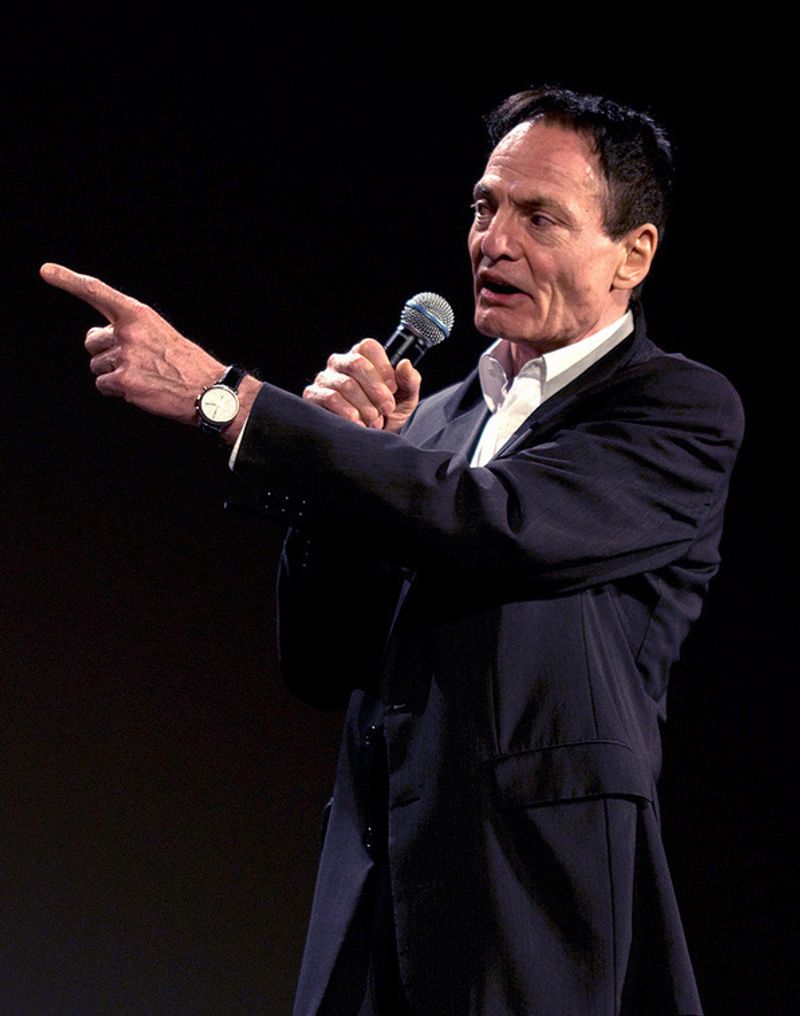
Warning: this horror trilogy isn’t for the faint of heart or weak of stomach.
The controversial films shocked audiences with their disturbing premise and increasingly grotesque imagery that pushed boundaries way too far.
Each sequel tried outdoing the previous film’s shock value, but critics found them more ridiculous than scary.
The third installment’s 18% rating reflected widespread disgust at the franchise’s desperate attempts at relevance.
7. Divergent — 41% → 28% → 12%
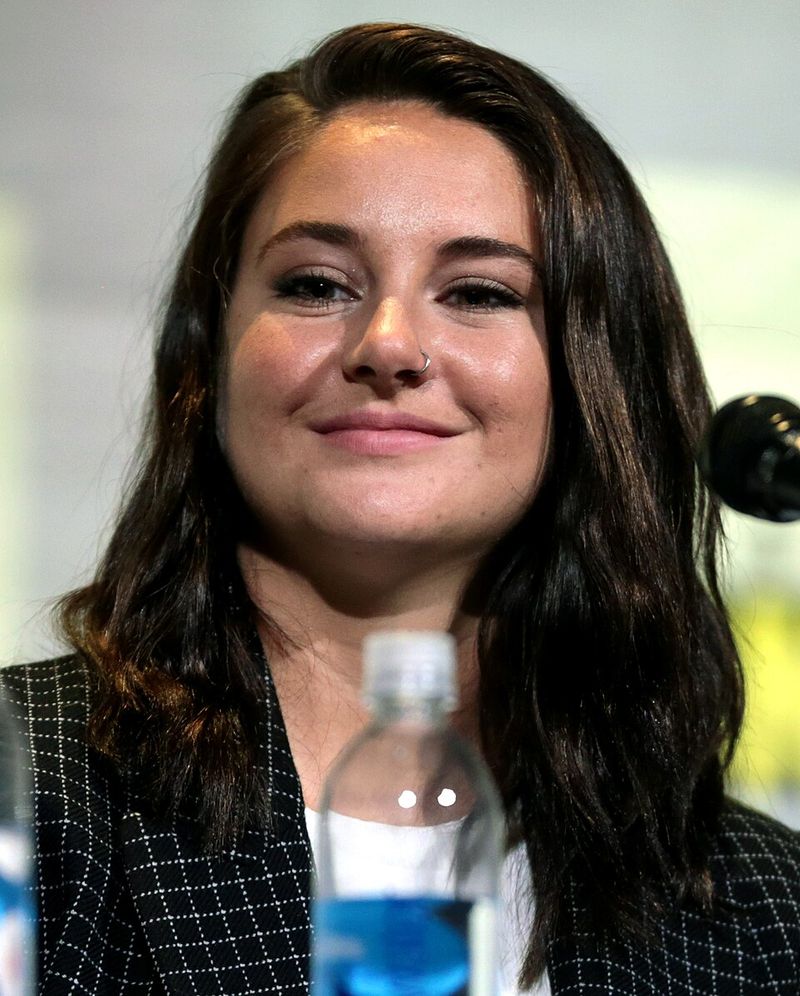
Young adult dystopian novels were Hollywood’s obsession for years, and Divergent tried capturing Hunger Games magic.
Shailene Woodley starred as Tris, navigating a society divided into personality-based factions.
The trilogy collapsed under its own weight, with each film getting worse reviews and smaller box office returns.
Critics complained about convoluted world-building and boring action sequences. The final book was supposed to become two movies, but poor performance cancelled those plans.
6. Taken — 58% → 21% → 12%
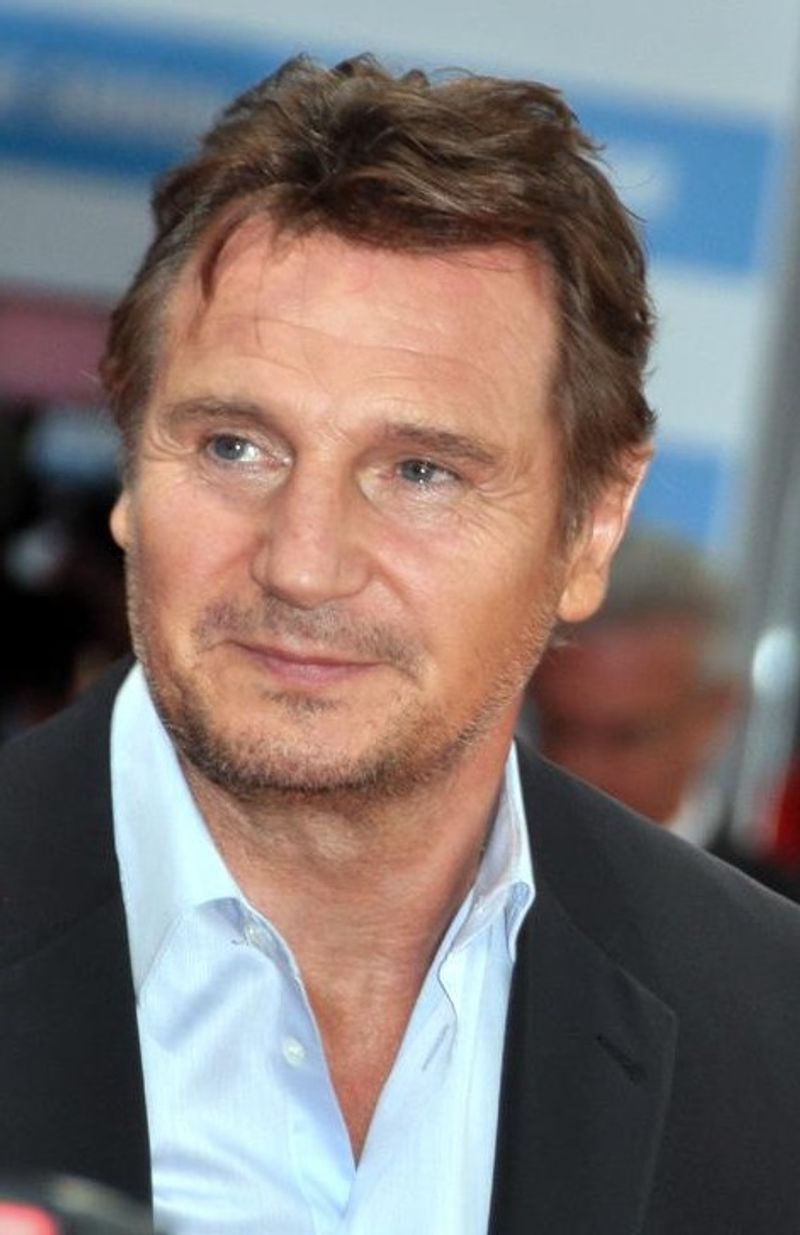
Liam Neeson’s iconic phone call threatening kidnappers launched an unexpected action franchise.
That particular set of skills worked brilliantly once, but Hollywood squeezed out two unnecessary sequels that nobody wanted or needed.
The magic disappeared faster than you can say “I will find you.”
Each sequel felt like a cheap photocopy, recycling the same kidnapping plots with diminishing returns. By the third film, critics were begging the franchise to just stop.
5. Big Momma’s House — 30% → 6% → 5%
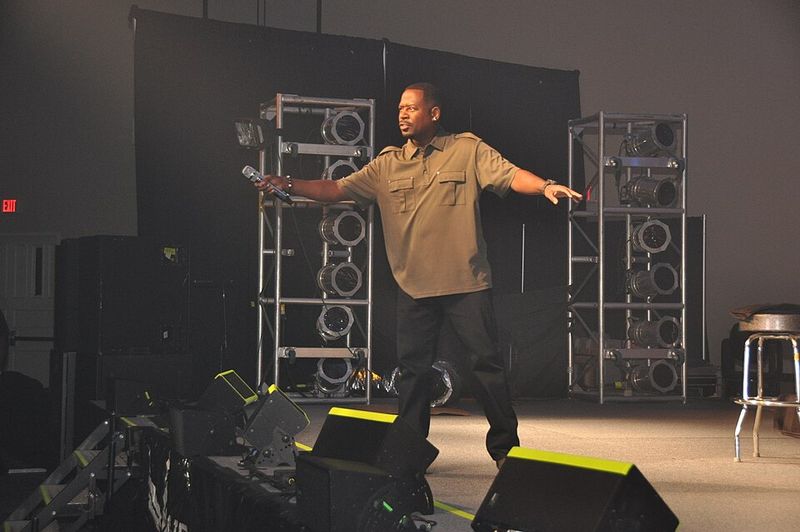
Martin Lawrence donned a fat suit and grandma disguise for this comedy trilogy that critics absolutely despised.
The premise wore thin immediately, but studios kept making sequels anyway, hoping audiences wouldn’t notice the jokes were identical every time.
The sequels earned some of the lowest ratings imaginable, with the third film scraping bottom at just 5%. Reviewers called them painfully unfunny and offensive.
4. Fifty Shades — 25% → 11% → 11%

Based on wildly popular novels, this romance trilogy became a cultural phenomenon despite absolutely terrible reviews.
Critics savaged every installment for wooden acting, awkward dialogue, and lack of genuine chemistry between leads.
The final two films tied at a dismal 11%, making them among the worst-reviewed major releases of the decade.
Fans of the books showed up anyway, but even they admitted the movies failed to capture the source material’s appeal.
3. I Know What You Did Last Summer — 35% → 7% → 0%
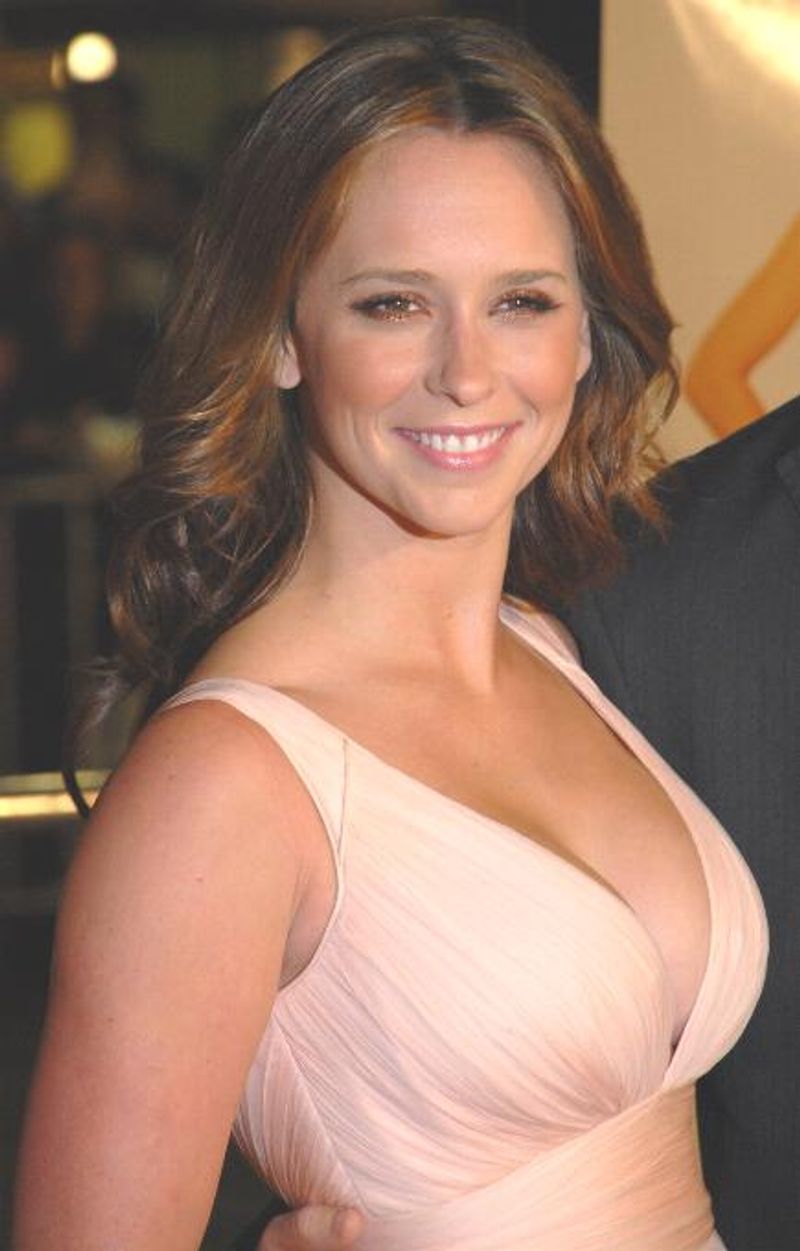
This slasher trilogy started as a decent teen horror flick about guilty secrets and a hook-wielding killer. Then the sequels happened, and critics wished they could unsee what they’d just watched.
The third film achieved the impossible: a perfect 0% on Rotten Tomatoes. Zero critics recommended it.
That’s impressively terrible!
The franchise abandoned logic entirely, recycling jump scares and predictable kills. Even horror fans who love cheesy slashers couldn’t defend these sequels.
2. Look Who’s Talking — 58% → 15% → 0%
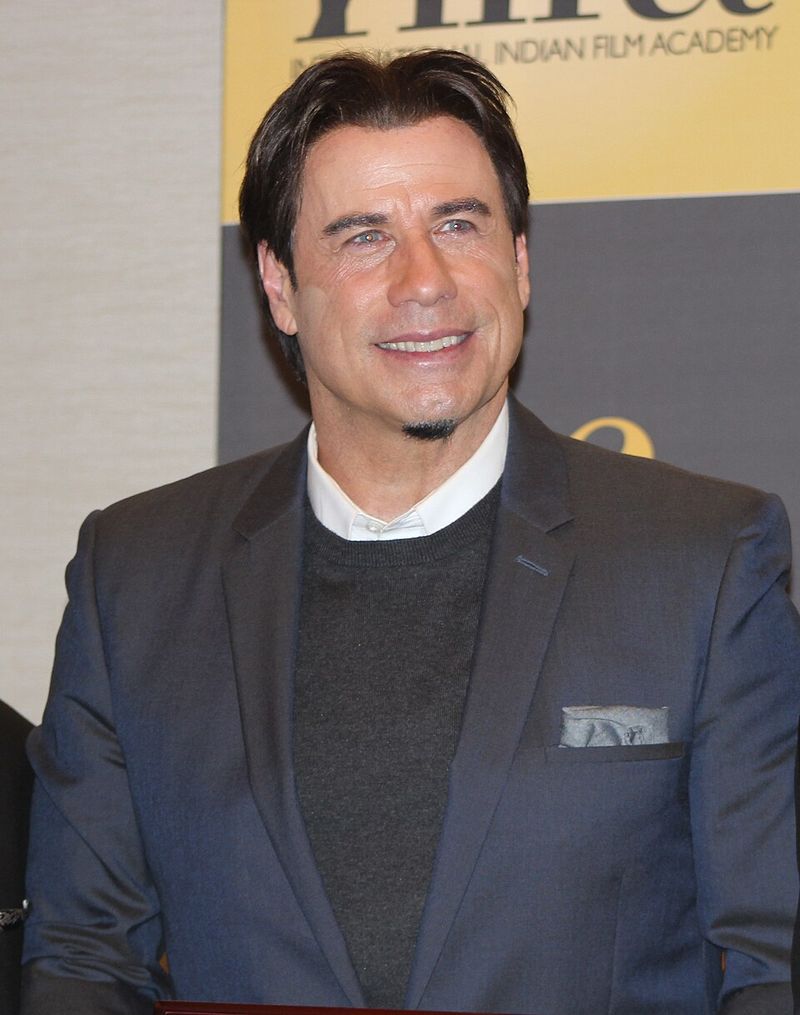
Babies with adult voices seemed hilarious in 1989, and the first film actually scored decent reviews.
Bruce Willis voiced baby Mikey’s inner thoughts while John Travolta and Kirstie Alley provided the parental chaos.
Then came two sequels that completely bombed. The third film joined the dreaded 0% club, with critics calling it painfully unfunny and utterly pointless.
The gimmick stopped being cute and became annoying.
1. Atlas Shrugged — 10% → 4% → 0%
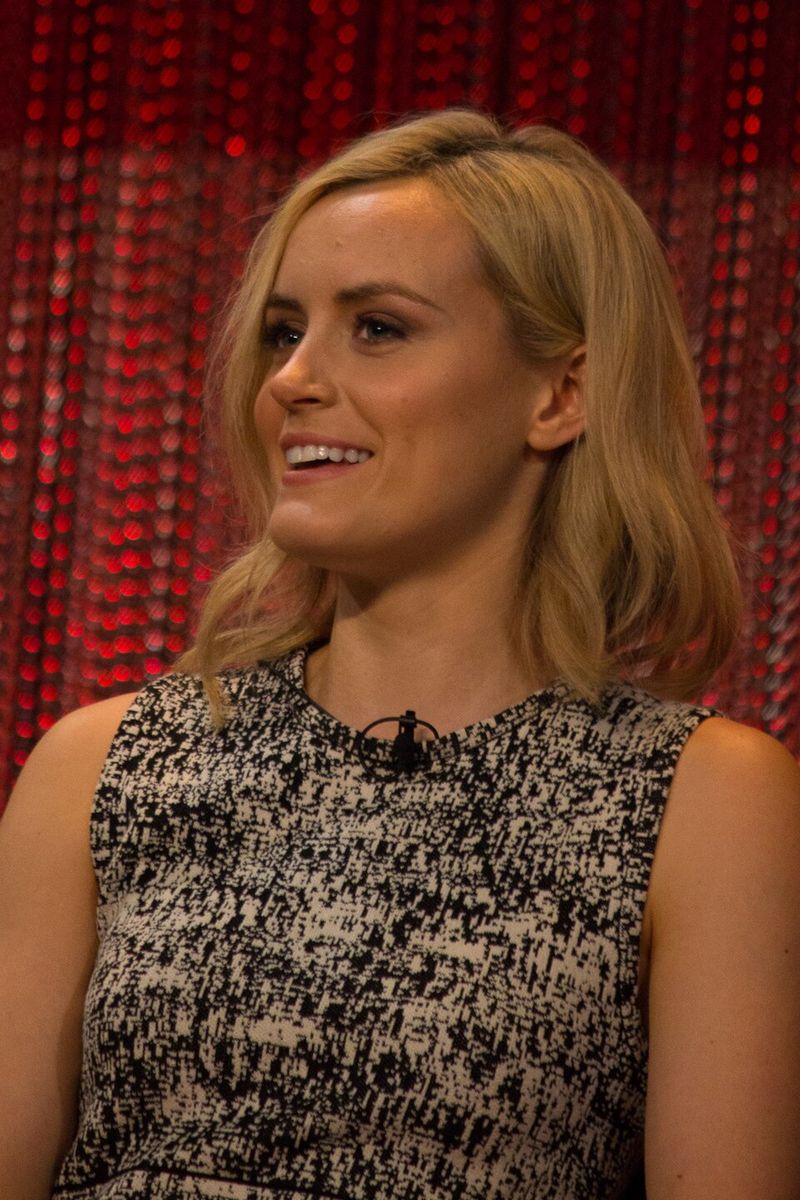
Ayn Rand’s controversial novel finally reached theaters through this catastrophic trilogy.
The first film earned a measly 10%, and somehow things got worse from there. Different actors played the same characters in each installment because nobody wanted to return.
The final film achieved 0% approval, becoming one of the worst-reviewed movies ever made.
This trilogy stands as perhaps the biggest adaptation failure in cinema history, disappointing both Rand fans and casual viewers equally.