20 Of The Worst Vegetables For Your Health, According To Nutritionists
Most people assume all vegetables are nutritional superheroes, but that’s not always accurate.
Some veggies pack less punch than you’d expect, while others come with hidden downsides that might surprise you.
Nutritionists weigh in on which produce picks deserve a second look before landing on your plate.
Disclaimer: This research was conducted by our team. The data and conclusions presented are based on our internal analysis and investigative work.
1. Iceberg Lettuce
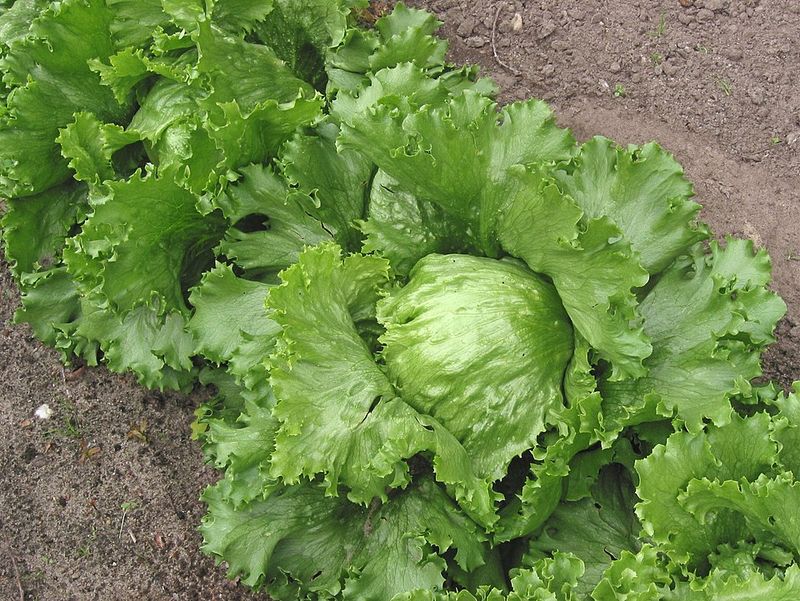
Crunchy, watery, and nearly invisible on a nutrient chart—iceberg lettuce offers little more than a satisfying snap.
Compared to darker greens like kale or spinach, this pale leaf barely registers vitamins or minerals.
Its high water content makes it hydrating but nutritionally hollow.
Swapping iceberg for romaine or arugula instantly upgrades your salad game.
Save iceberg for tacos if you crave crunch, but don’t count on it fueling your body with essential nutrients.
2. Celery
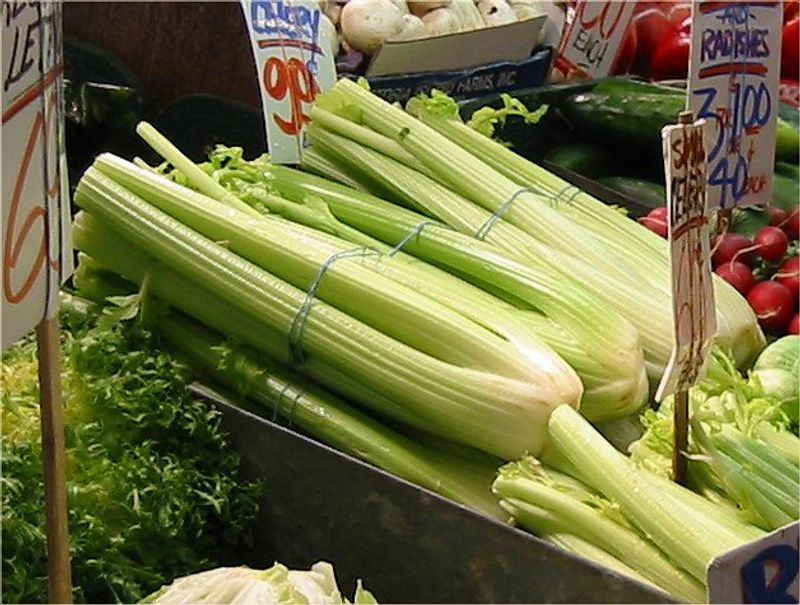
Mostly water with a side of fiber, celery doesn’t bring much nutritional firepower to your snack plate.
Sure, it’s low-calorie and crunchy, perfect for dipping into hummus or peanut butter.
But strip away those fun carriers, and you’re left with minimal vitamins and minerals.
Nutritionists often call it filler food—occupying stomach space without delivering real nourishment.
If you love celery’s snap, keep enjoying it, but pair it with nutrient-dense dips or toppings to make each bite count nutritionally.
3. Cucumber
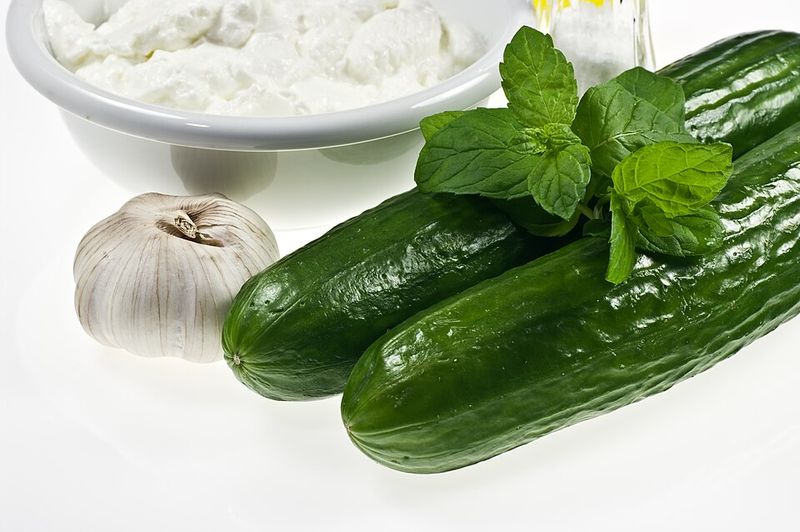
Refreshing and cool, cucumbers are summer salad staples that hydrate beautifully but offer little else.
Around 95% water, this veggie lacks the vitamins, minerals, and antioxidants found in more colorful produce.
Eating cucumbers won’t harm you, but they won’t power you through your day either.
Nutritionists suggest pairing them with protein-rich foods or vibrant veggies for balance.
Enjoy cucumber slices in water or as crunchy garnish, just don’t expect them to shoulder your nutritional needs alone.
4. White Potatoes
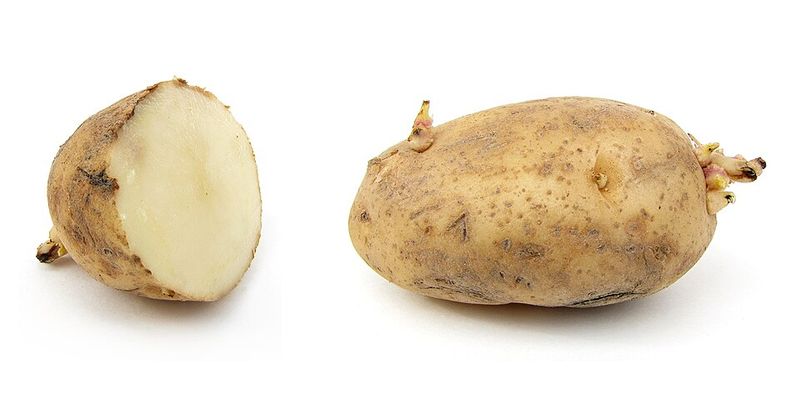
Starchy and satisfying, white potatoes spike blood sugar faster than you can say French fries.
High glycemic index means rapid glucose surges, especially when fried or mashed with butter.
Nutritionists warn that frequent potato consumption can contribute to weight gain and insulin resistance over time.
Sweet potatoes offer more fiber, vitamins, and a gentler blood sugar impact.
Potatoes aren’t evil, but moderation matters.
Bake them with skin on for extra fiber, and balance your plate with lean protein and greens.
5. Corn
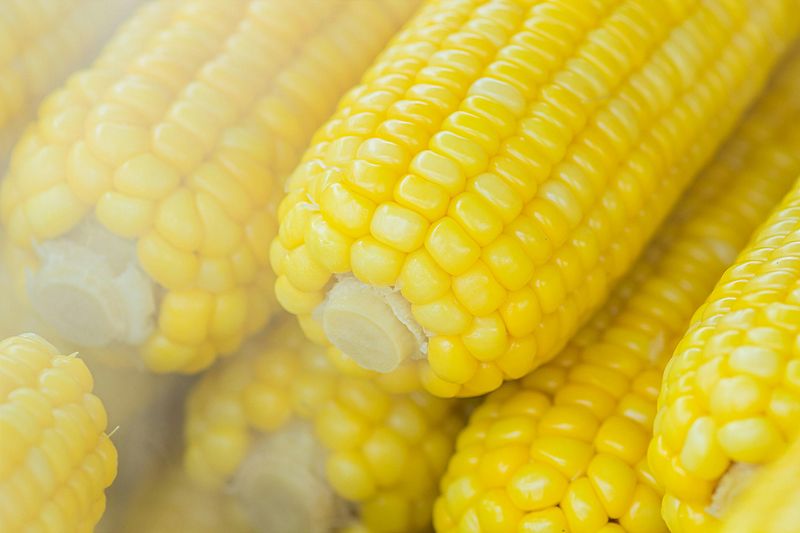
Sweet, golden, and surprisingly carb-heavy, corn can send your blood sugar soaring if you eat too much.
Technically a grain, corn packs more starch than most vegetables, making it calorically dense.
Nutritionists caution against treating corn like a low-calorie veggie side.
One ear contains roughly 20 grams of carbs, comparable to a slice of bread.
Enjoy corn on occasion, but pair it with protein and healthy fats to slow digestion and stabilize blood sugar levels throughout your meal.
6. Canned Vegetables
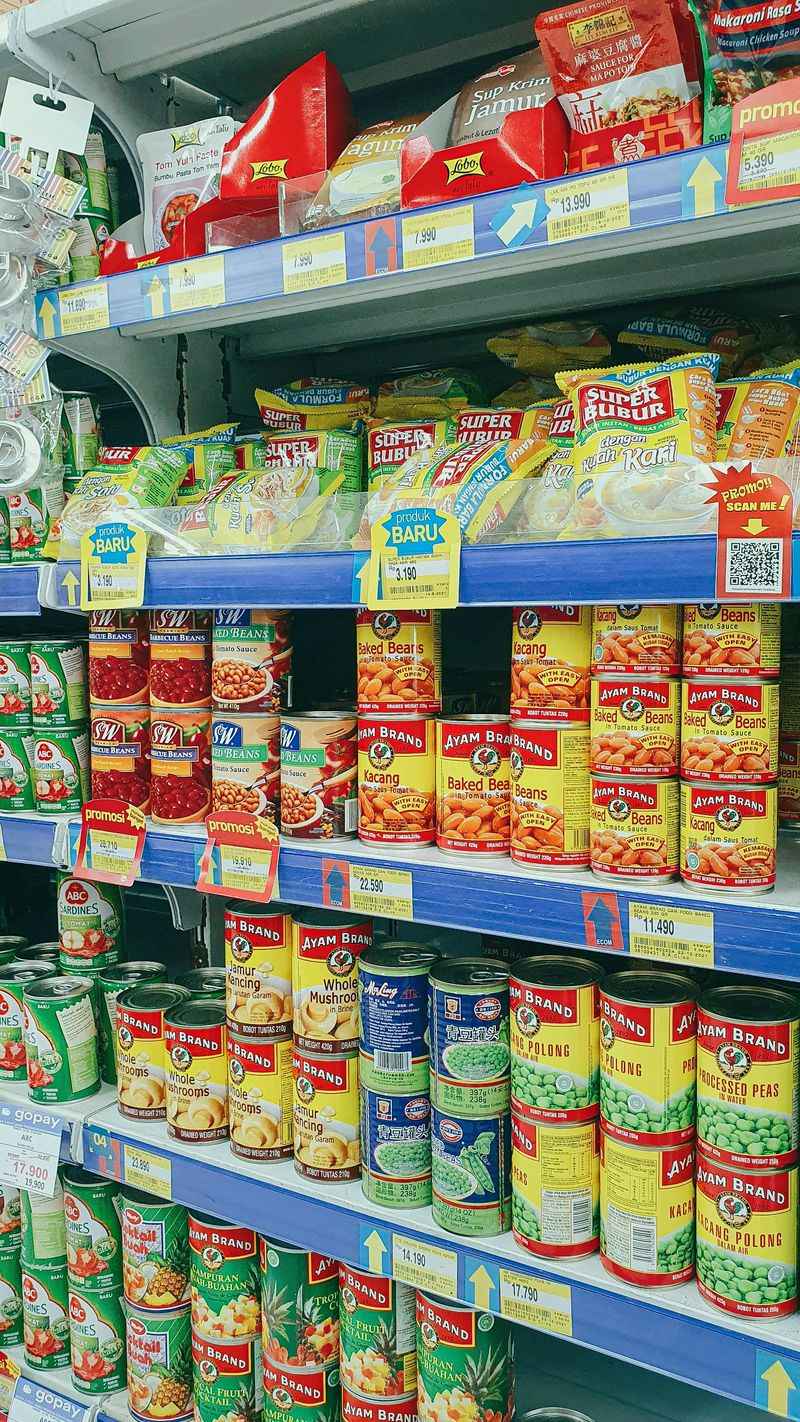
Convenient but compromised, canned veggies often swim in sodium-laden brine that spikes blood pressure.
Processing strips away heat-sensitive vitamins like C and some B vitamins.
Added salt can turn a healthy vegetable into a sodium bomb, with some cans packing over 500 milligrams per serving.
Nutritionists recommend rinsing canned produce thoroughly or choosing low-sodium versions.
Fresh or frozen vegetables retain more nutrients and flavor.
Save canned options for emergencies, not everyday meals.
7. Pickles

Tangy, salty, and surprisingly high in sodium, pickles are cucumbers transformed into a preservation project.
One large pickle can contain nearly half your daily recommended sodium intake.
Fermentation provides probiotics, but commercial pickling often uses vinegar instead, skipping gut health benefits.
Excess salt can lead to bloating, high blood pressure, and water retention.
Enjoy pickles sparingly as a condiment, not a vegetable serving.
Opt for naturally fermented varieties when possible for probiotic perks without excessive sodium.
8. Radishes
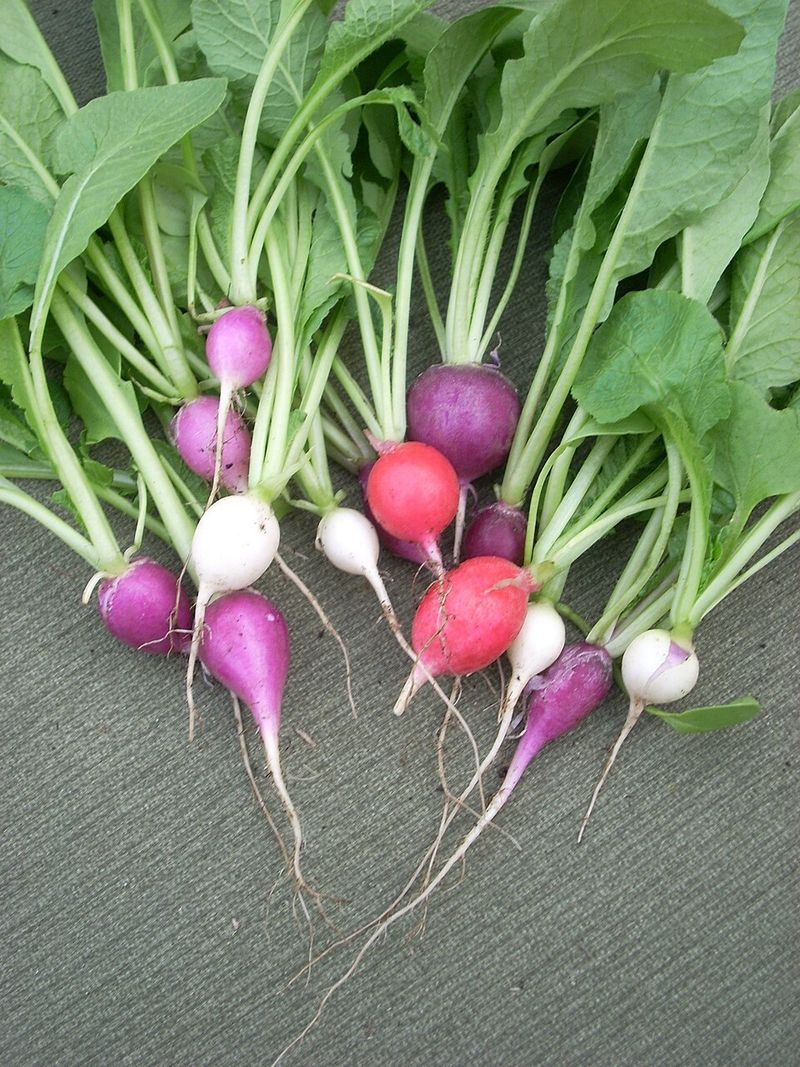
Peppery and polarizing, radishes deliver more bite than nutrition.
While they contain some vitamin C, their overall nutrient profile pales compared to cruciferous cousins like broccoli.
Raw radishes can irritate sensitive stomachs, causing gas and discomfort for some people.
Their sharp flavor often limits how many you’ll actually eat anyway.
Roasting radishes mellows their intensity and makes them more palatable.
Use them as garnish or occasional salad addition, not your primary vegetable source.
9. Eggplant

Spongy and bland on its own, eggplant soaks up oil like nobody’s business, turning low-calorie into calorie-dense fast.
Cooking methods matter enormously—fried eggplant can pack as many calories as a burger.
Nutritionally, eggplant offers modest fiber and antioxidants but lacks standout vitamins or minerals.
Some people experience digestive issues from compounds called glycoalkaloids.
Grill or bake eggplant instead of frying to control calories.
Pair it with flavorful, nutrient-rich ingredients to compensate for its nutritional shortcomings.
10. Beets
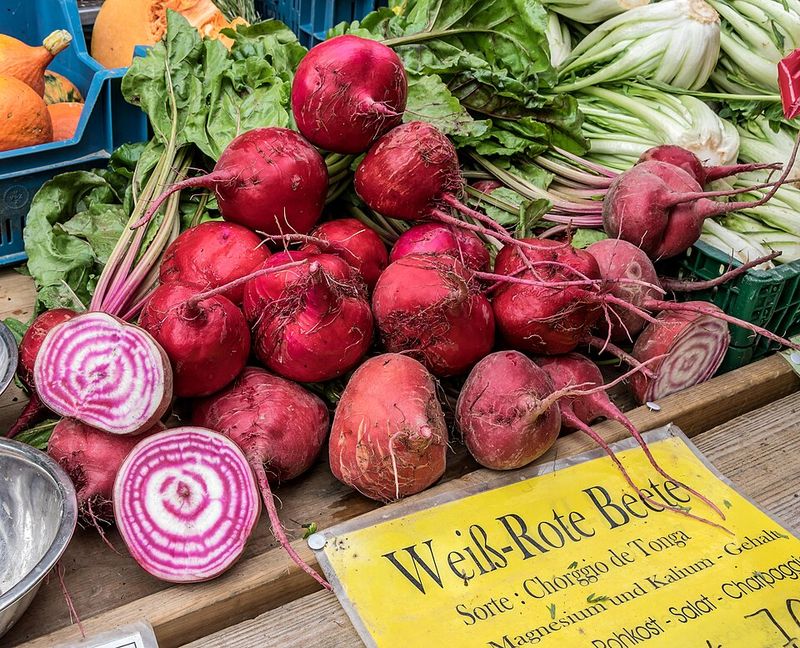
Earthy and divisive, beets pack natural sugars that can spike blood glucose levels surprisingly fast.
One cup of cooked beets contains about 13 grams of sugar.
People with kidney issues should limit beets due to high oxalate content, which can contribute to kidney stone formation.
Beet juice can temporarily turn urine pink, alarming unsuspecting consumers.
Beets do offer folate and fiber, so they’re not entirely villainous.
Enjoy them occasionally in small portions, especially if you’re watching blood sugar.
11. Canned Tomatoes

Acidic tomatoes leach BPA from can linings, potentially disrupting hormones over time.
Many canned varieties also contain added sodium and sugars to balance acidity.
While lycopene content remains high, the chemical exposure risk concerns many nutritionists.
Glass-jarred or boxed tomatoes offer safer alternatives without metal can interaction.
Fresh tomatoes always win nutritionally, but if convenience matters, choose BPA-free cans or carton-packed options.
Check labels for sneaky added sugars and excessive sodium.
12. Frozen Vegetables With Sauce

Convenience comes with a cost when frozen veggies arrive swimming in creamy, cheesy, or buttery sauces.
These additions can triple calorie counts and add shocking amounts of sodium and saturated fat.
Plain frozen vegetables retain nutrients beautifully, but sauced versions often contain preservatives, artificial flavors, and thickeners.
One serving might pack 600 milligrams of sodium or more.
Buy plain frozen vegetables and add your own seasonings at home.
You’ll control ingredients while saving money and slashing unnecessary additives.
13. Conventionally Grown Bell Peppers

Colorful and crunchy, bell peppers frequently top pesticide residue lists, earning spots on environmental watchdog groups’ “dirty dozen.”
Conventional farming methods leave chemical traces that washing doesn’t fully remove.
Pesticide exposure links to various health concerns, from hormone disruption to potential cancer risk.
Bell peppers’ thin skin makes them particularly vulnerable to absorbing agricultural chemicals.
Organic bell peppers cost more but significantly reduce pesticide exposure.
If budget constrains, peel peppers before eating or choose frozen organic options instead.
14. Butternut Squash

Sweet and starchy, butternut squash contains more carbohydrates than many realize, with one cup delivering about 22 grams.
For people monitoring blood sugar, this orange veggie can cause unexpected spikes.
Roasting concentrates sugars even further, making portion control essential.
While it offers vitamin A, the carb load often outweighs benefits for diabetics or low-carb dieters.
Enjoy butternut squash occasionally in small servings.
Balance your plate with protein and leafy greens to minimize blood sugar impact and maximize nutritional variety.
15. Parsnips
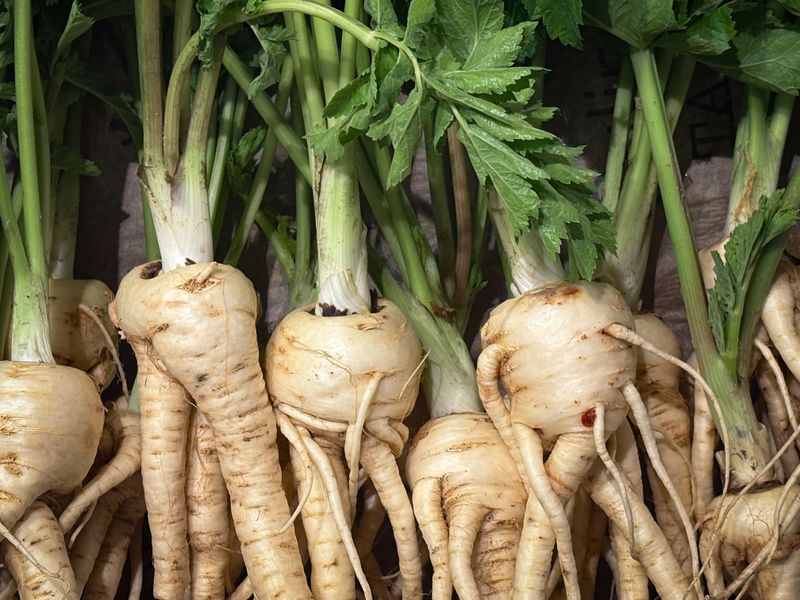
Sweet, pale, and surprisingly carb-heavy, parsnips clock in with a higher glycemic index than you’d expect from a root vegetable.
One cup of cooked parsnips contains roughly 27 grams of carbohydrates.
Their natural sugars caramelize beautifully when roasted but can spike blood glucose rapidly.
Nutritionists often group parsnips with starchy vegetables rather than non-starchy options.
Parsnips aren’t nutritional disasters, but treat them like potatoes portion-wise.
Pair with lean protein and low-carb vegetables to create balanced, blood-sugar-friendly meals.
16. Conventionally Grown Spinach
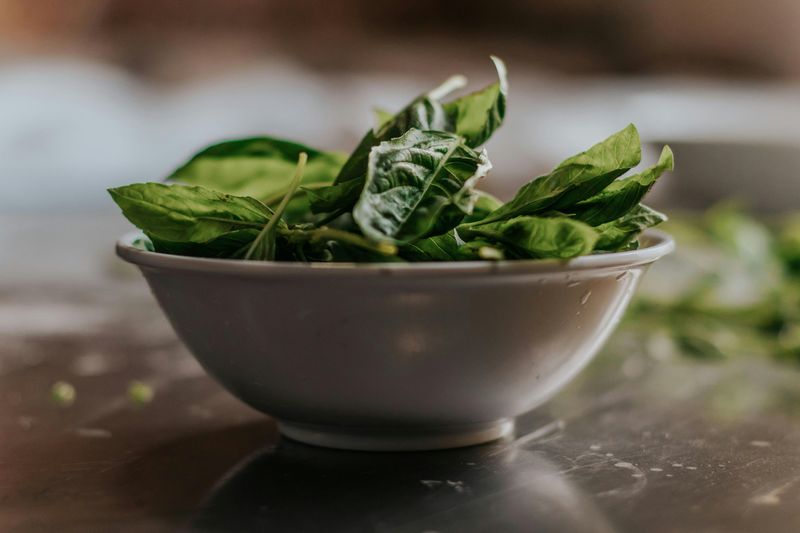
Nutrient-dense but pesticide-prone, conventional spinach consistently ranks among produce with highest chemical residues.
Multiple pesticides often appear on a single spinach leaf, even after washing.
Spinach’s delicate leaves absorb agricultural chemicals readily, making organic versions strongly recommended by nutritionists.
Chemical exposure can accumulate over time with regular consumption.
Organic spinach or frozen organic options reduce pesticide intake dramatically.
If conventional spinach is your only choice, wash thoroughly and consider rotating with other leafy greens.
17. Pumpkin (Canned With Sugar)

Fall favorite turns nutritional nightmare when sugar sneaks into canned pumpkin.
Many brands sell “pumpkin pie filling” loaded with added sugars and spices, disguising itself as plain pumpkin.
One cup of sweetened pumpkin can contain 30+ grams of added sugar, transforming a healthy vegetable into dessert.
Always check labels carefully—plain pumpkin lists only one ingredient.
Pure canned pumpkin offers excellent vitamin A and fiber.
Avoid pre-sweetened versions and add your own spices to control sugar intake and maximize health benefits.
18. Artichokes (Marinated)

Fancy and flavorful, marinated artichokes swim in oil, salt, and sometimes sugar, transforming a low-calorie vegetable into a caloric indulgence.
Just a few pieces can pack 100+ calories and excessive sodium.
Fresh or frozen artichokes offer fiber and antioxidants without added fats.
Marinated versions often contain preservatives and flavor enhancers that fresh artichokes naturally lack.
Steam fresh artichokes and dip leaves in lemon juice or light vinaigrette instead.
You’ll save calories, reduce sodium, and enjoy purer artichoke flavor.
19. Conventionally Grown Potatoes
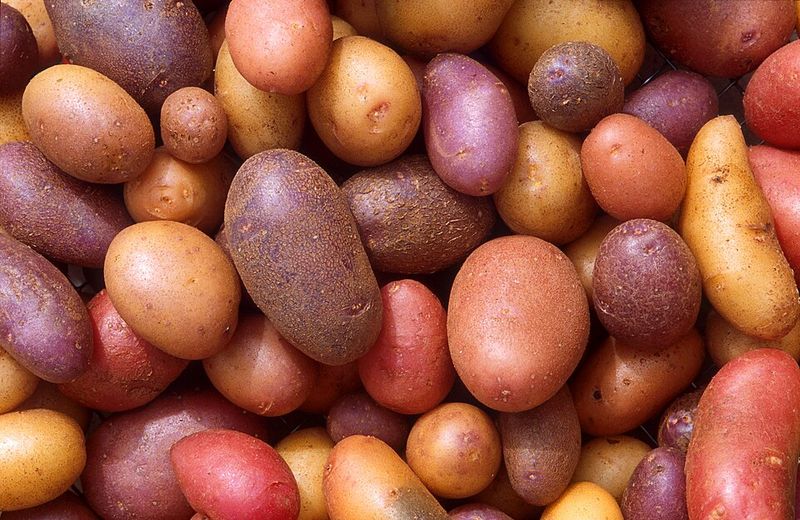
Already starchy and high-glycemic, conventional potatoes absorb pesticides and fungicides from soil during growth. Potato farming uses more agricultural chemicals per acre than most crops.
Chemical residues concentrate in and just beneath potato skin, where many nutrients also reside.
Peeling removes chemicals but also strips away fiber and vitamins.
Organic potatoes reduce pesticide exposure significantly.
If buying conventional, peel before eating or scrub thoroughly, though complete chemical removal remains impossible without peeling entirely.
20. Vegetable Chips

Marketed as healthy alternatives, most vegetable chips are just as caloric and nutritionally empty as regular potato chips.
Frying destroys heat-sensitive vitamins while adding excessive fat and sodium.
Beet, sweet potato, and kale chips sound virtuous but often contain 150+ calories per ounce.
Manufacturers add oils, salts, and flavor enhancers that negate any vegetable benefits.
Bake your own vegetable chips at home to control ingredients.
Or better yet, snack on fresh vegetables with hummus for real nutrition without empty calories.