18 Writers And Poets Who Left A Mark On America
America has always wrestled with the story it tells about itself, and the story it tries to avoid. That tension is exactly where writers and poets do their best work.
A line on a page can outlast a headline, make an old moment feel immediate, or put language around something people have carried quietly for years.
The voices in this article shaped how the country talks about freedom, belonging, pain, joy, and the everyday details in between.
Reading through this group can feel like hearing America think out loud: proud, anxious, hopeful, stubborn, tender, and restless all at once.
Their work keeps resurfacing because it still answers the same question, asked in new ways every generation: what kind of nation is this, really?
1. Walt Whitman
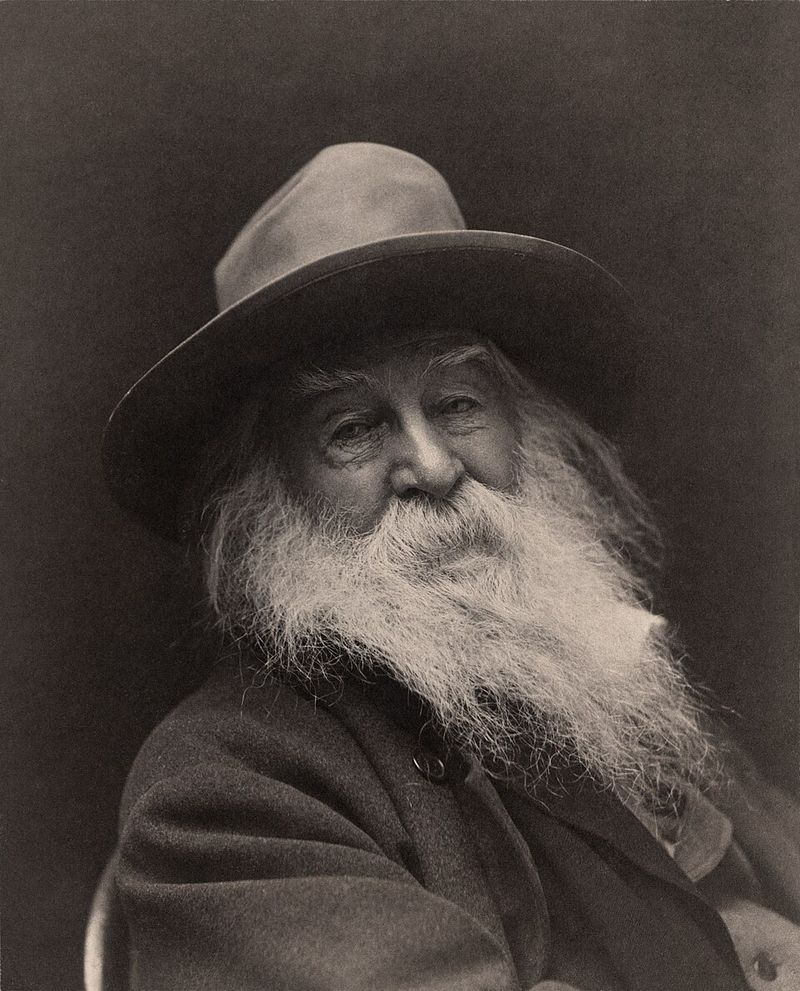
Imagine reading poetry that sounds like someone talking directly to you, celebrating everything from grass to democracy.
That’s exactly what this Brooklyn-born poet did when he published “Leaves of Grass” in 1855.
His free verse style broke all the stuffy rules of traditional poetry, making him a literary rebel. Critics initially disliked his work, but Whitman kept revising and expanding his masterpiece throughout his life.
His celebration of the individual and American spirit influenced countless poets who came after him, making him the grandfather of modern American poetry.
2. Emily Dickinson
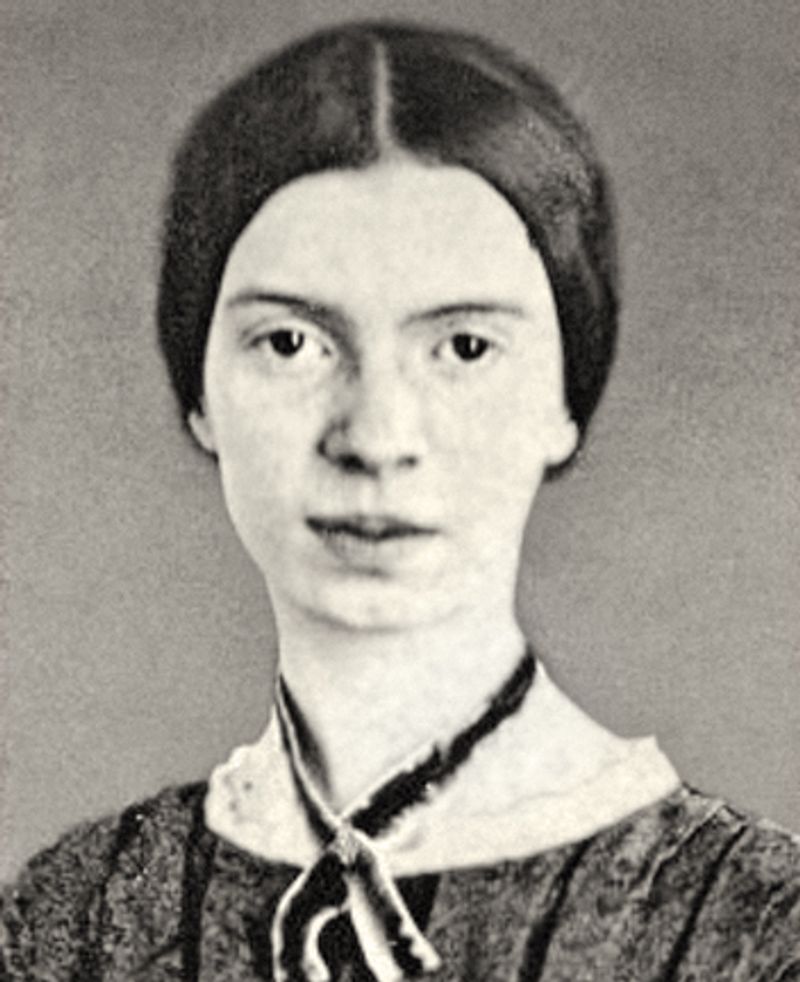
Writing nearly 1,800 poems in near-total isolation sounds like something from a mystery novel, right? Yet that’s exactly how this Massachusetts poet created some of America’s most powerful verse.
Her tiny room became a universe where she explored nature, and immortality with dashes and unconventional capitalization.
Only a handful of her poems were published during her lifetime, and editors actually changed them to fit traditional rules!
After she passed away, her sister discovered boxes of hand-sewn poetry booklets that would revolutionize American literature forever.
3. Frederick Douglass
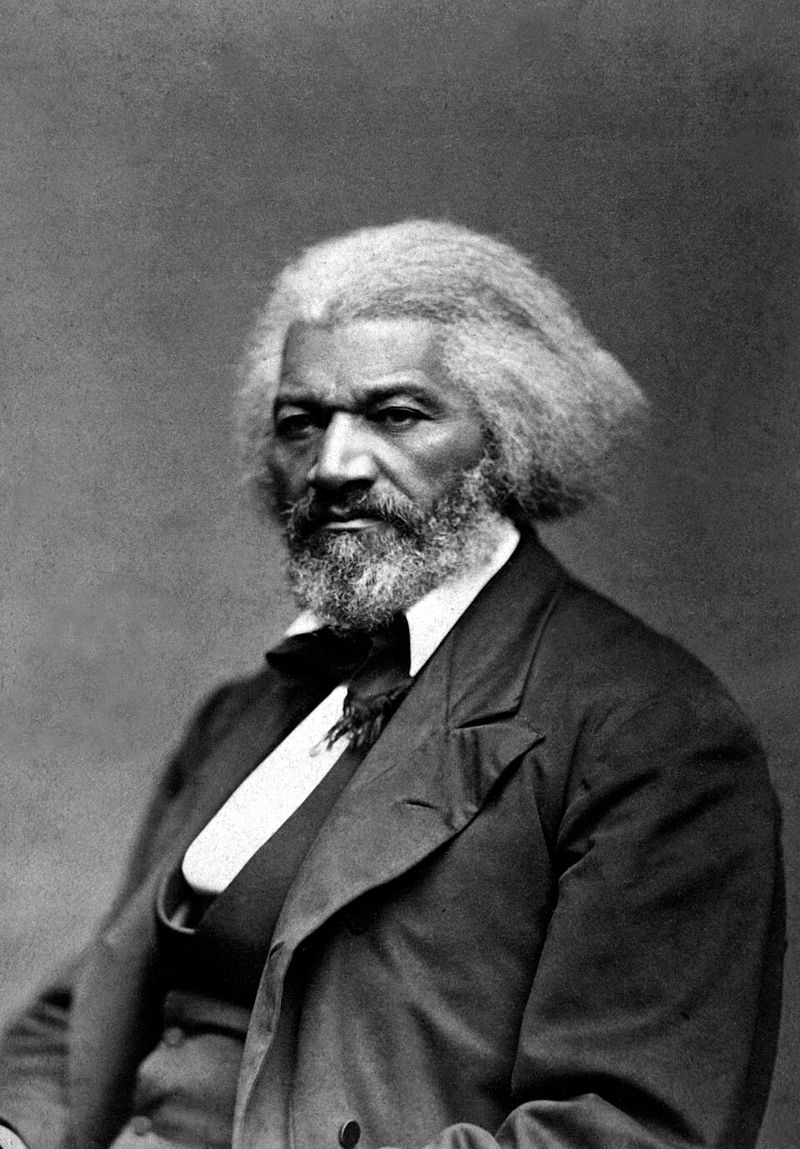
This self-taught genius became one of America’s most powerful voices for freedom and equality.
His autobiography, “Narrative of the Life of Frederick Douglass,” exposed brutal realities with unflinching honesty.
Learning to read was literally illegal for him, yet he mastered language so brilliantly that some people doubted he’d ever been enslaved.
His speeches and writings helped fuel the abolitionist movement and changed countless minds.
Beyond abolition, he championed women’s rights and proved that words could be weapons against injustice.
4. Mark Twain
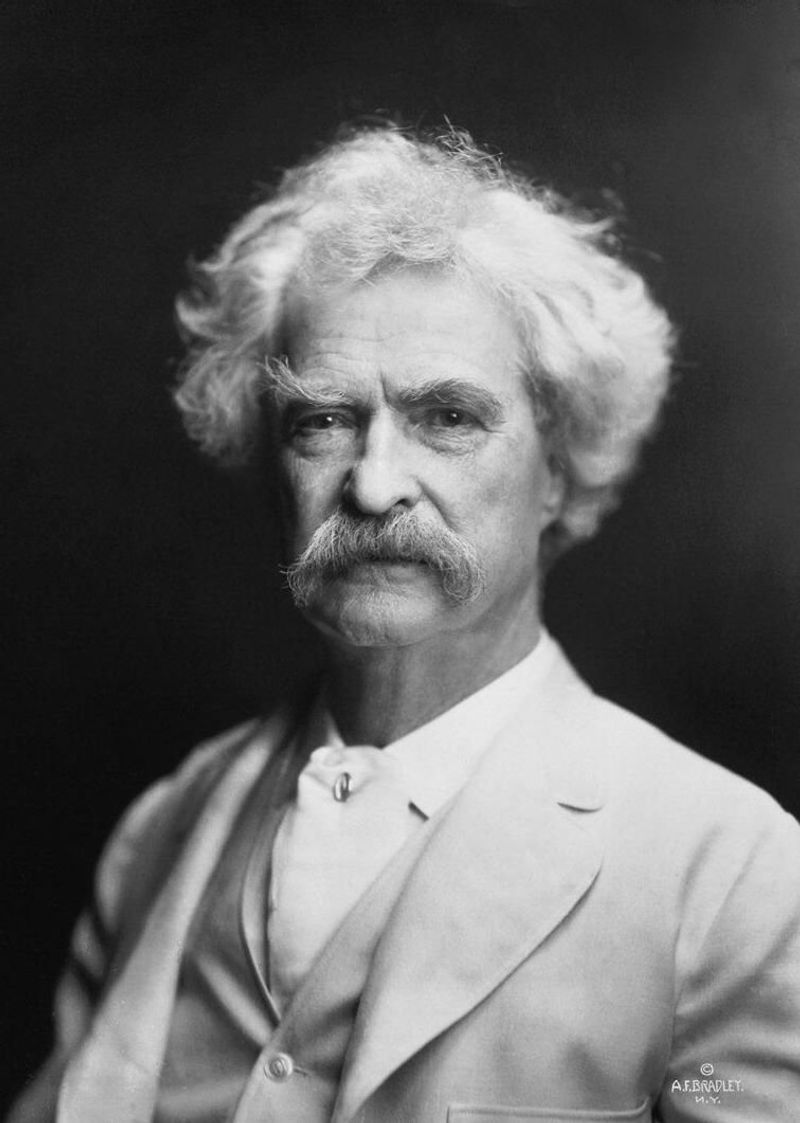
With his signature white suit and sharp wit, this Missouri riverboat pilot turned into America’s favorite storyteller.
“Adventures of Huckleberry Finn” remains one of the most studied (and debated) novels in American schools.
His humor masked serious social commentary about racism, greed, and human nature.
Though some critics have challenged his work’s language, scholars recognize his satirical genius and anti-racism message.
5. Henry David Thoreau
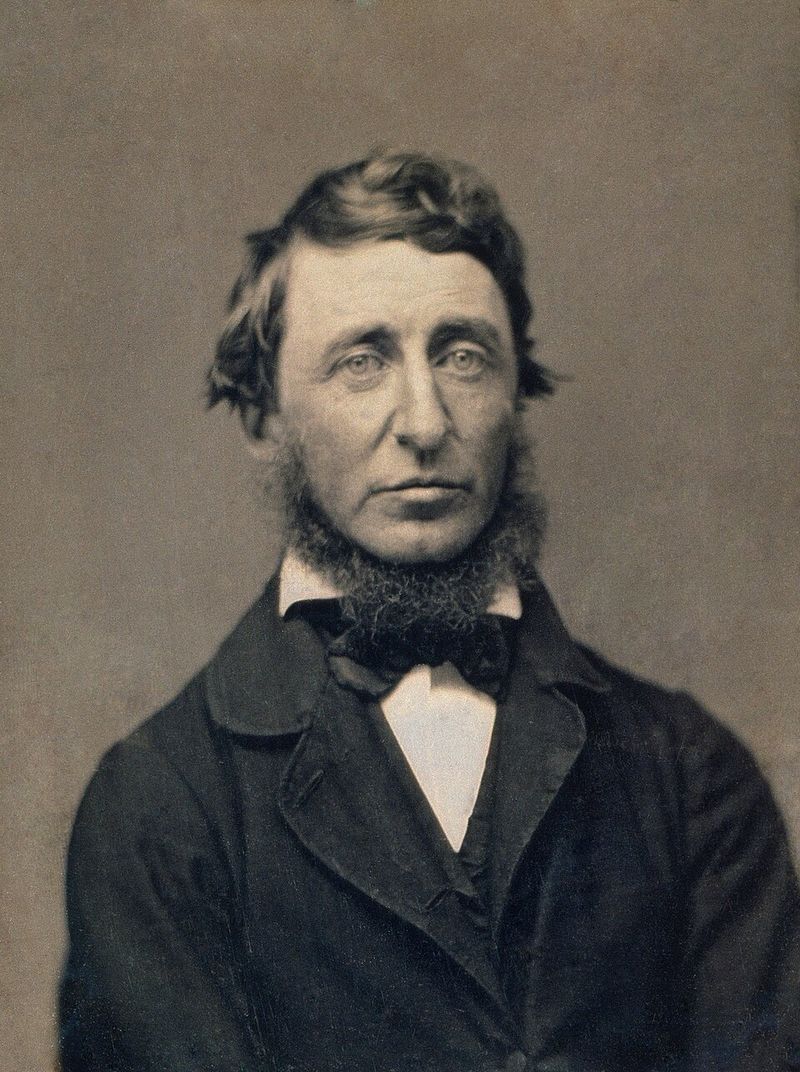
Picture spending two years in a tiny cabin by a pond, thinking deep thoughts about life and society. Sounds like a reality show, but this was Thoreau’s real experiment in simple living at Walden Pond.
His book “Walden” became a guide for anyone questioning materialism and seeking meaning in nature. But he wasn’t just a nature lover – his essay “Civil Disobedience” inspired Martin Luther King Jr. and Gandhi!
Refusing to pay taxes that supported slavery, he proved that individual conscience could challenge unjust laws.
6. Ralph Waldo Emerson
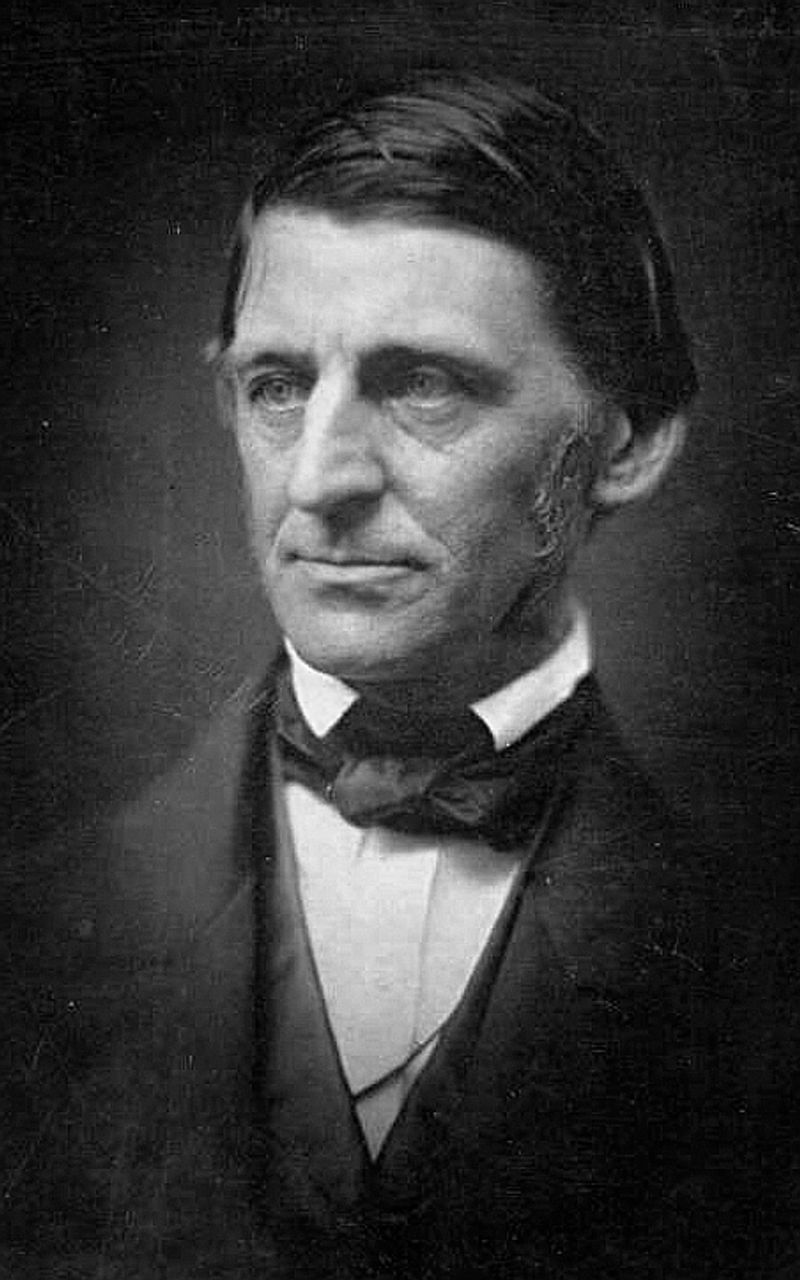
Before self-help books flooded bookstores, this former minister was telling Americans to trust themselves and think independently.
His essay “Self-Reliance” basically invented the concept of believing in your own potential.
As the leader of the Transcendentalist movement, he encouraged people to find truth through intuition rather than just following tradition.
Though his ideas sound common now, they were revolutionary in the 1830s and 1840s.
7. Edgar Allan Poe
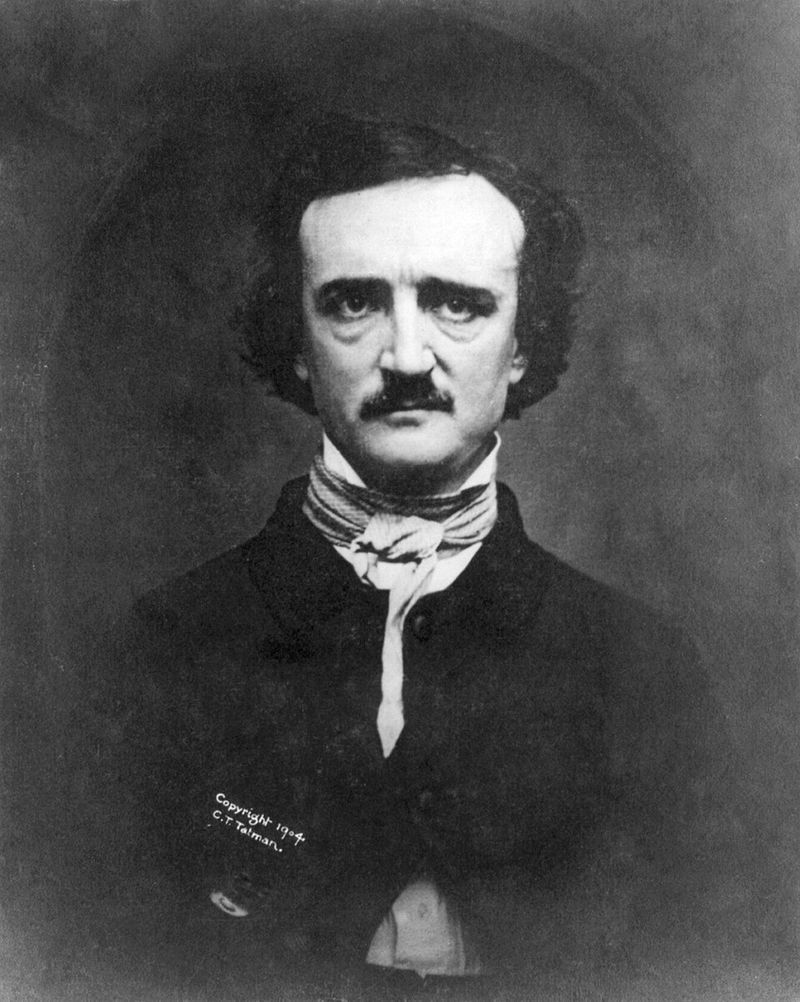
Dark, mysterious, and slightly creepy – that describes both this writer and his unforgettable stories.
From “The Tell-Tale Heart” to “The Raven,” his works practically invented modern horror and detective fiction.
His troubled life, marked by loss and struggle, seeped into every chilling tale he crafted. Critics during his lifetime dismissed him as too morbid, but readers couldn’t get enough of his psychological thrillers.
His mysterious passing in Baltimore at age 40 remains unsolved, fitting perfectly with the eerie legacy he left behind.
8. Langston Hughes
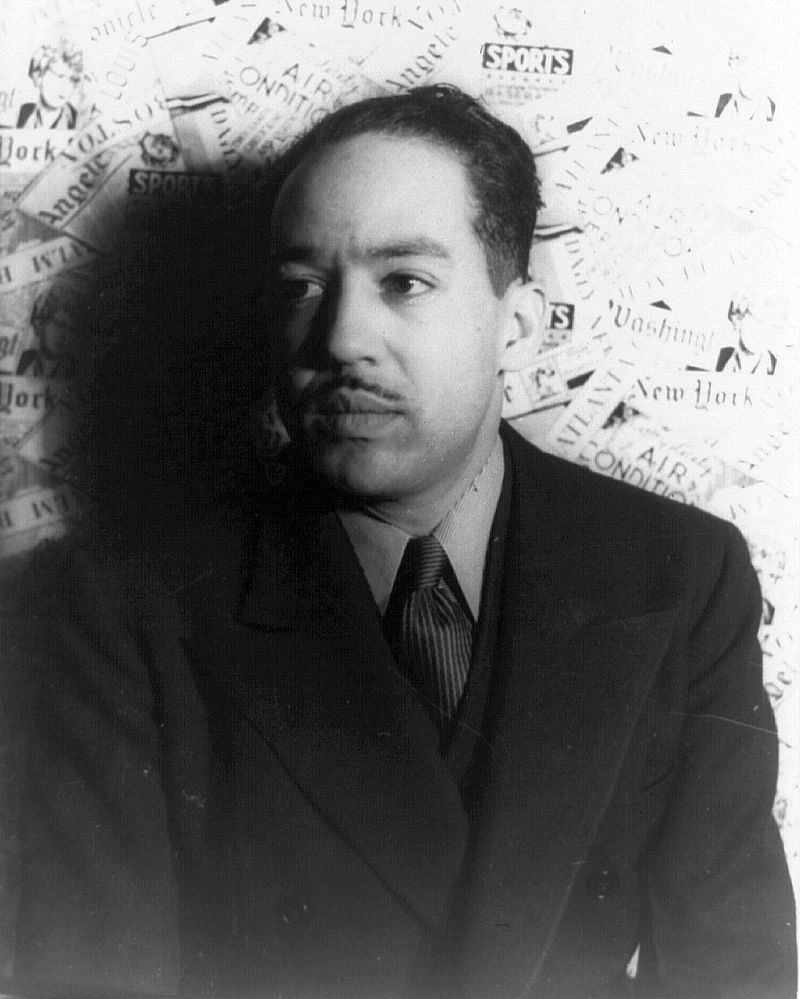
Jazz rhythms bounce through his poetry like music you can read, capturing the heartbeat of African American life during the Harlem Renaissance.
Writing in everyday language rather than fancy academic style, he made poetry accessible to working people.
His columns in Black newspapers reached thousands, addressing social issues with humor and insight.
From Harlem streets to international stages, he gave voice to the joys and struggles of Black America.
9. Zora Neale Hurston
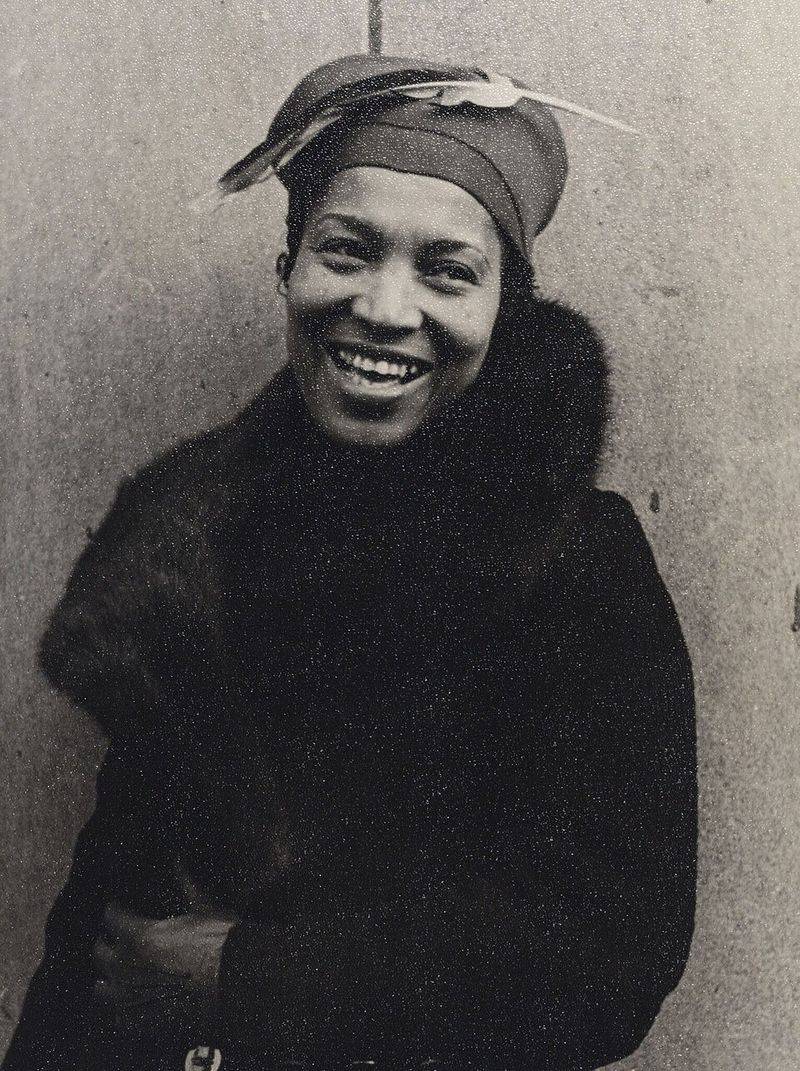
Anthropologist, novelist, and total trailblazer – this Florida-born writer collected folklore from the South while crafting powerful fiction.
“Their Eyes Were Watching God” celebrates a Black woman’s journey to self-discovery with gorgeous, lyrical prose.
Her work was largely forgotten after she passed away until Alice Walker literally searched Florida cemeteries to find her unmarked grave.
That rediscovery sparked renewed appreciation for her groundbreaking contributions to literature.
10. W.E.B. Du Bois
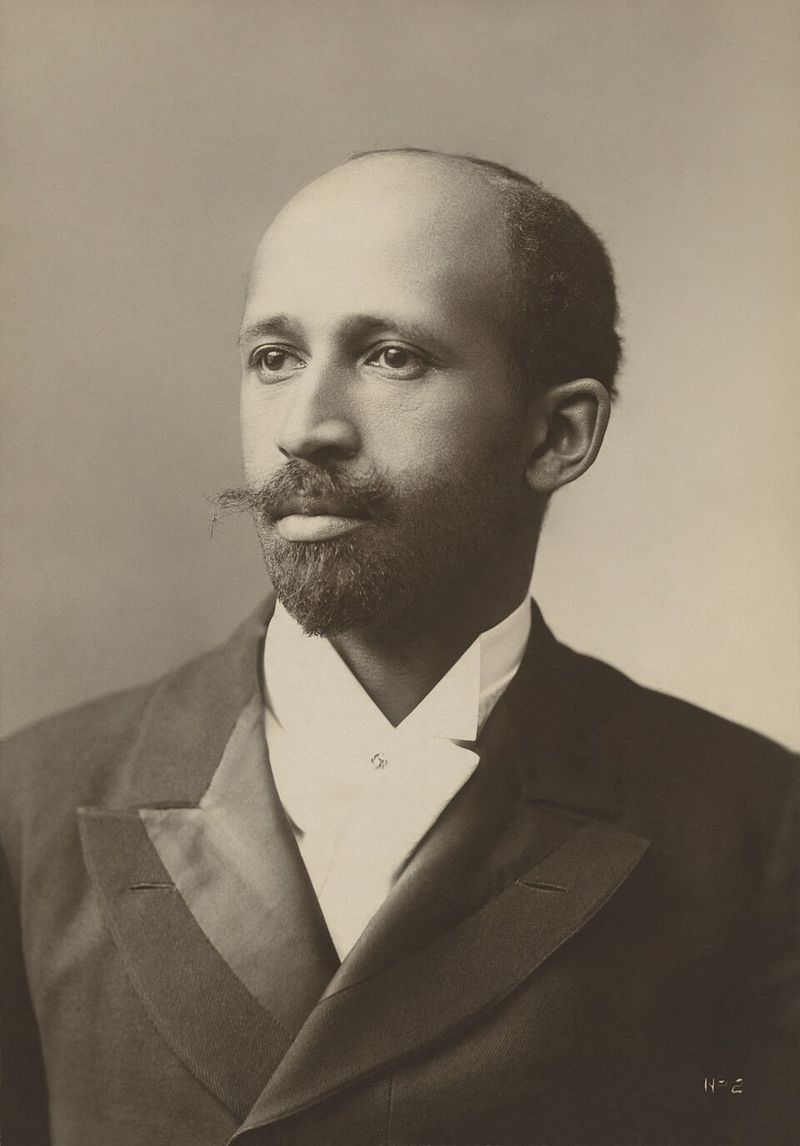
Harvard’s first African American PhD holder didn’t just collect degrees – he used scholarship as a weapon against racism and inequality.
“The Souls of Black Folk” introduced the concept of “double consciousness,” describing how Black Americans see themselves through others’ prejudiced eyes.
His powerful essays combined sociology, history, and beautiful prose to challenge every racist assumption of his era.
As a founder of the NAACP, he fought for civil rights through both activism and brilliant writing.
11. Maya Angelou
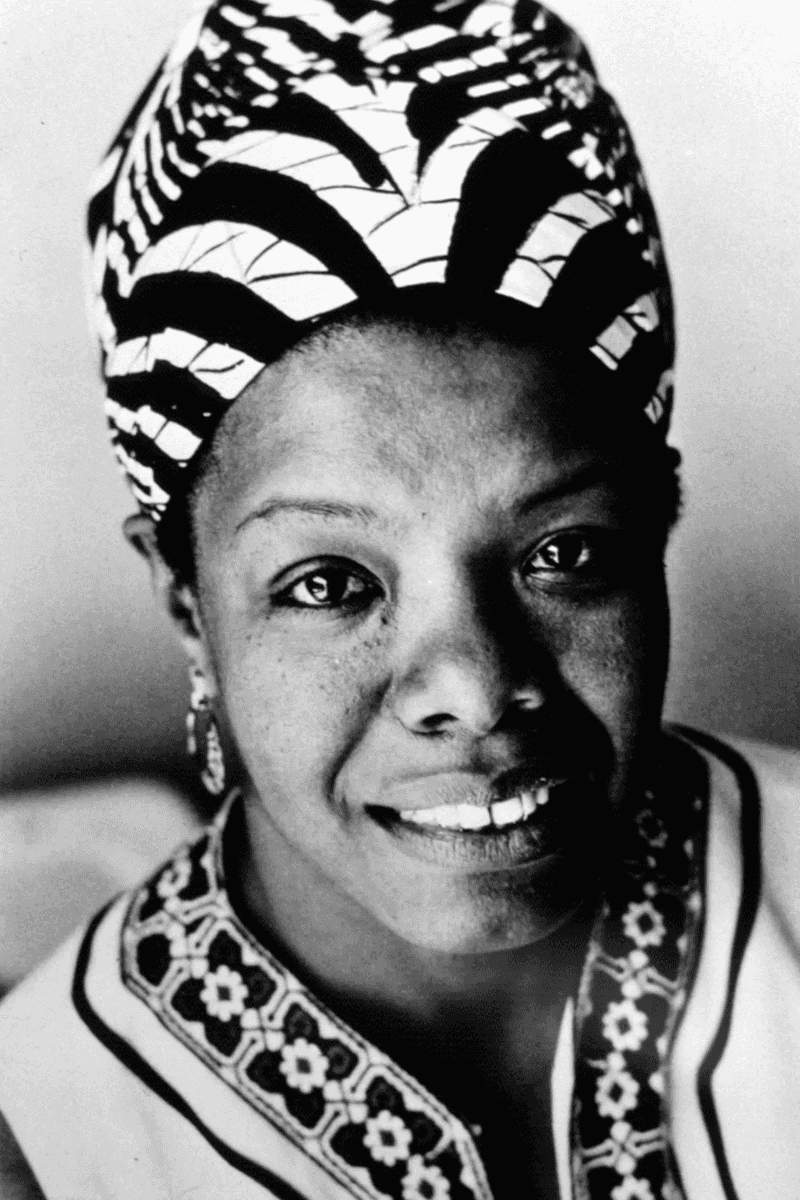
Rising from a childhood of trauma and silence to become one of America’s most celebrated voices – that’s the incredible journey captured in “I Know Why the Caged Bird Sings.”
Her autobiography broke ground by honestly discussing racism, trauma, and resilience.
Beyond writing, she was a dancer, actress, and civil rights activist who worked alongside Martin Luther King Jr.
Her wise, powerful words continue inspiring people to overcome obstacles and embrace their strength.
12. Toni Morrison
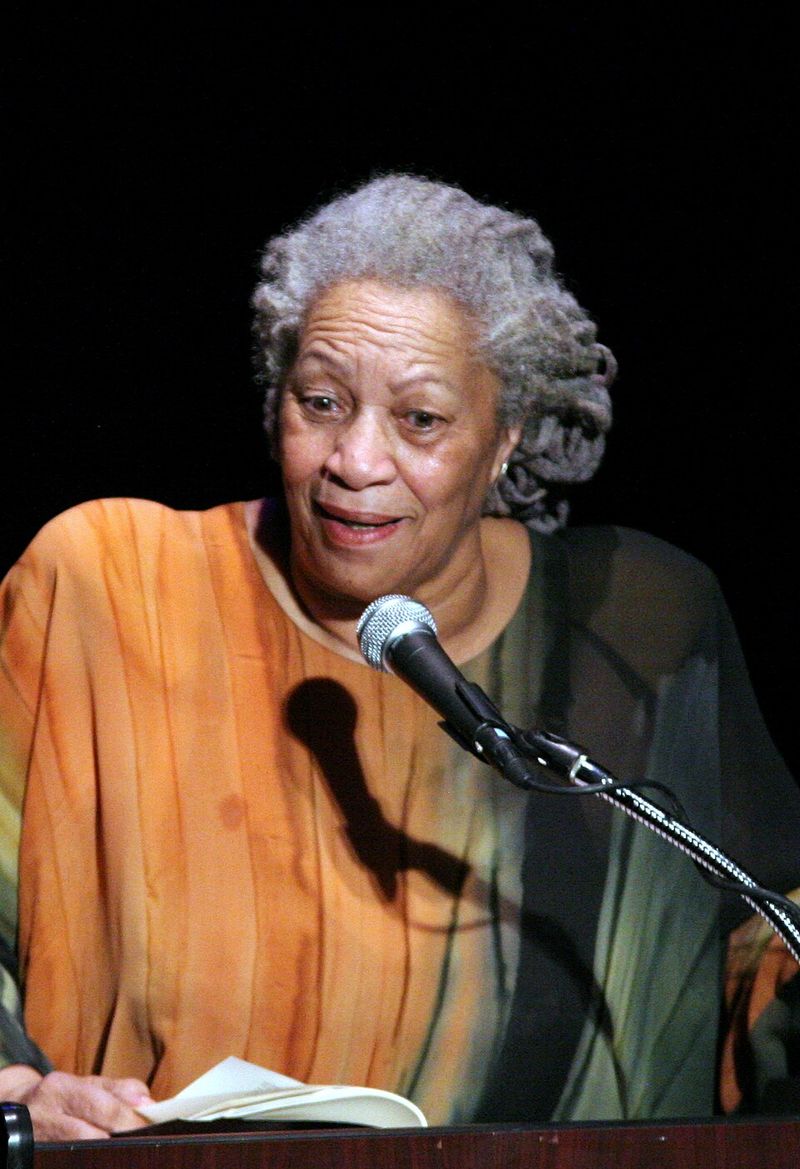
Winning the Nobel Prize in Literature made this Ohio-born novelist the first African American woman to receive that honor.
Her haunting masterpiece about slavery’s psychological scars, “Beloved”, is required reading in countless schools.
Her lyrical, complex prose doesn’t shy away from difficult truths about race, identity, and history.
While working as an editor, she helped publish other Black writers, expanding diverse voices in literature.
13. James Baldwin
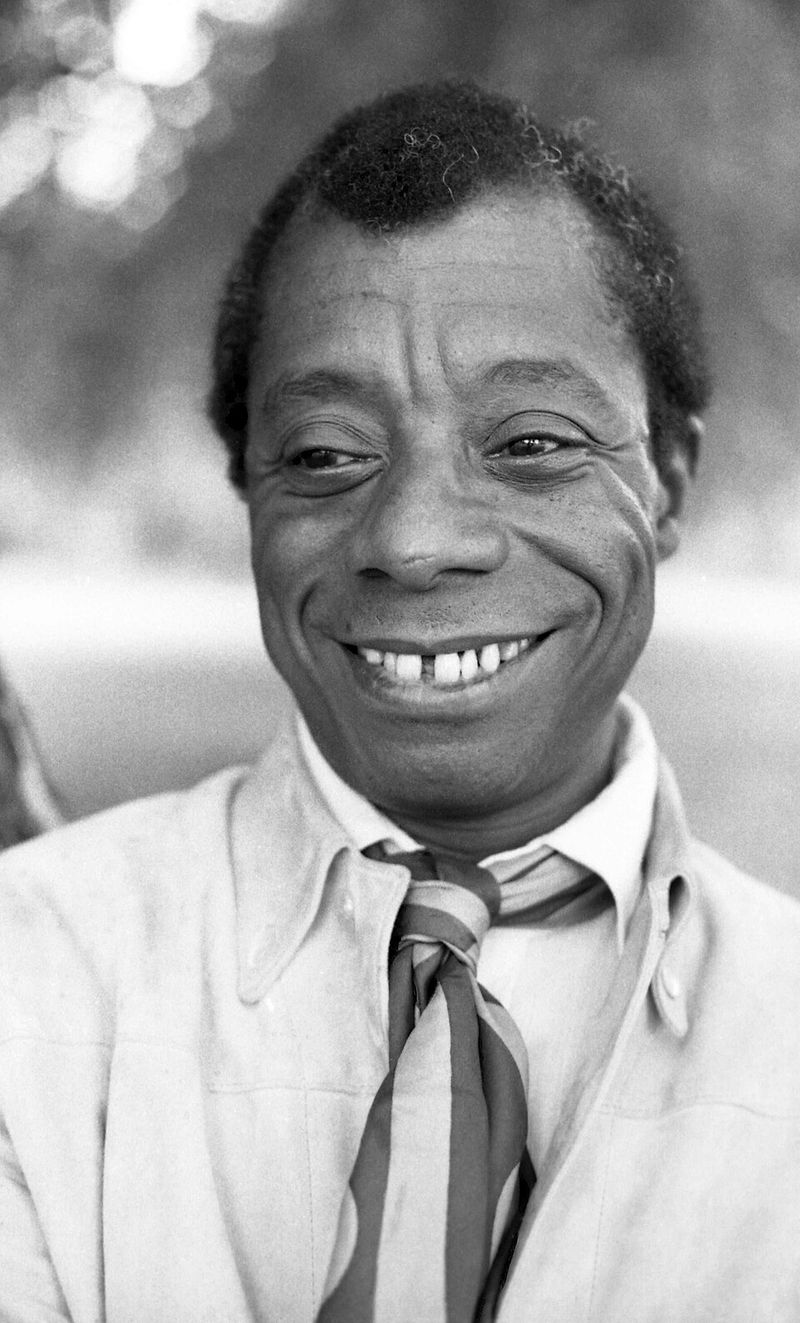
Few writers have dissected American racism with such surgical precision and emotional power. His essays in “The Fire Next Time” warned America that ignoring racial injustice would lead to catastrophe.
Growing up in Harlem, he experienced poverty and discrimination that fueled his passionate writing about identity, sexuality, and justice.
His novels like “Go Tell It on the Mountain” blend autobiography with universal themes of belonging and self-discovery.
Living in France for much of his life, he gained perspective that made his critiques of America even sharper and more insightful.
14. Ernest Hemingway
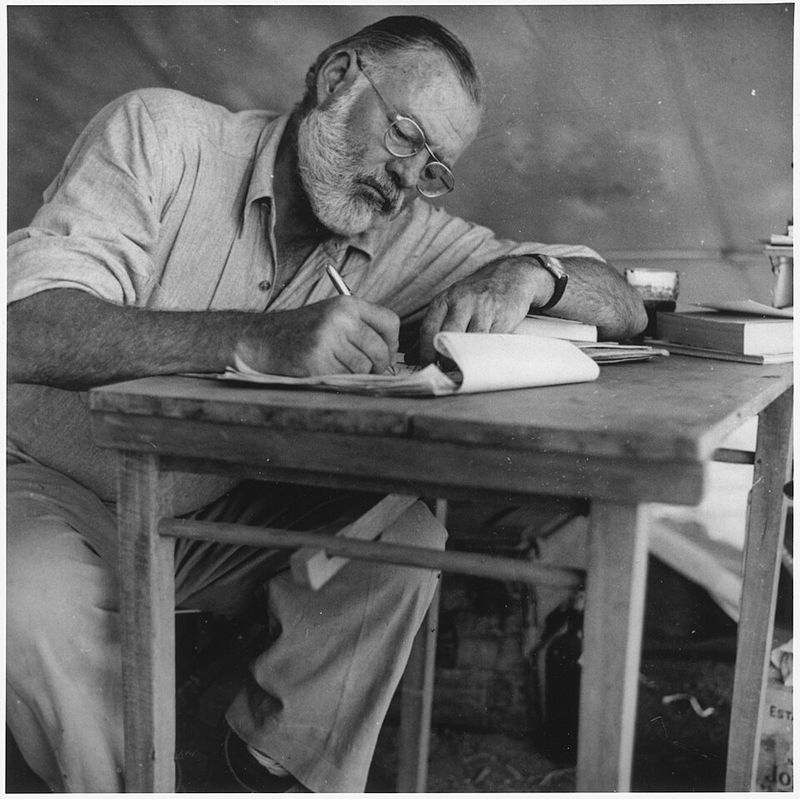
Short sentences. Direct language. No flowery descriptions. That’s the Hemingway style that revolutionized American prose and influenced countless writers.
His adventures – driving ambulances in World War I, fishing in Key West, covering the Spanish Civil War – fueled novels like “The Old Man and the Sea.”
Winning both the Pulitzer and Nobel prizes cemented his literary superstar status.
His “iceberg theory” suggested that the most powerful meaning lies beneath what’s actually written on the page, creating depth through simplicity.
15. Robert Frost
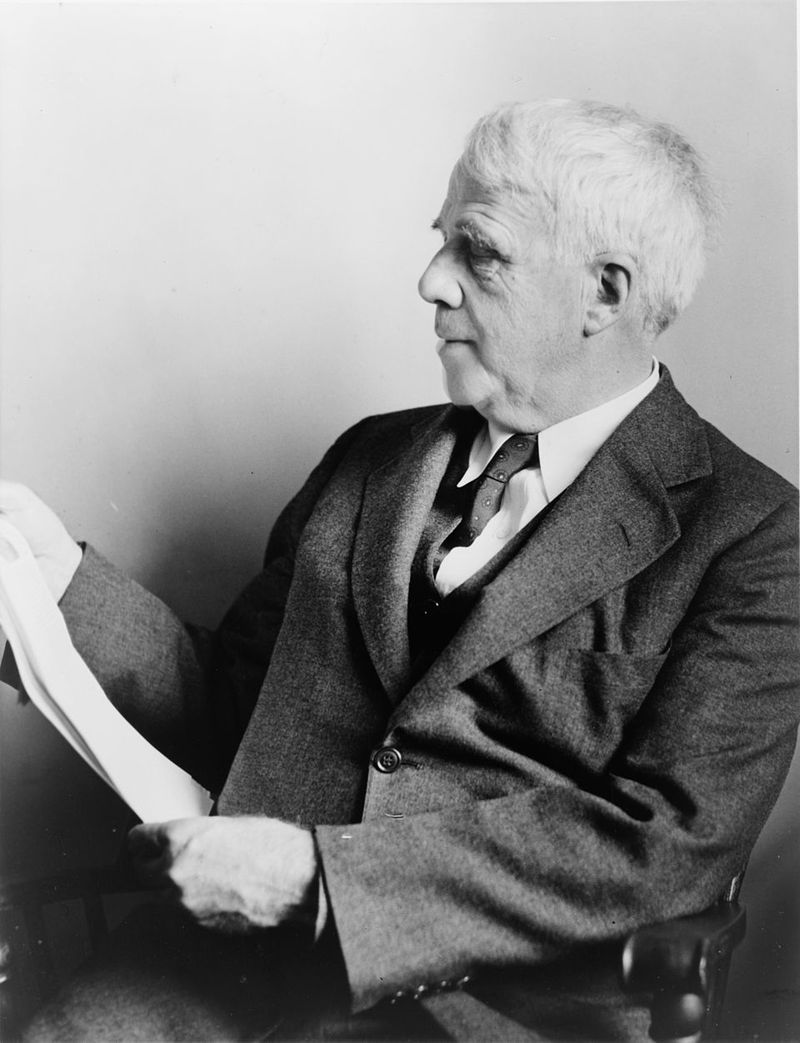
Snowy woods, stone walls, and roads diverging in yellow woods – this New England poet turned rural landscapes into profound meditations on choice and life.
His accessible style made poetry feel less intimidating to regular readers.
Winning four Pulitzer Prizes, he became America’s unofficial poet laureate, even reading at President Kennedy’s inauguration.
Teachers love assigning “The Road Not Taken,” though most students miss that it’s actually about how we rationalize our choices afterward!
16. Sylvia Plath
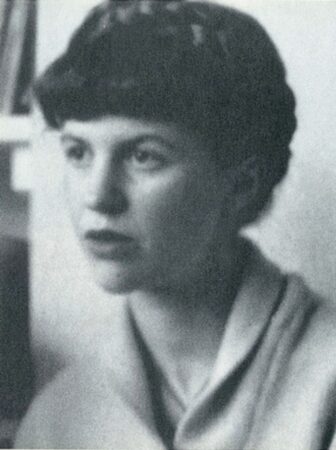
Raw and sometimes shocking – her confessional poetry ripped away polite facades to expose mental illness, anger, and female frustration.
Her semi-autobiographical novel, “The Bell Jar”, captured the suffocating expectations placed on 1950s women.
Her perfectionism produced brilliant, precise poetry that won her a posthumous Pulitzer Prize. Married to poet Ted Hughes, their tumultuous relationship became almost as famous as her writing.
17. Allen Ginsberg
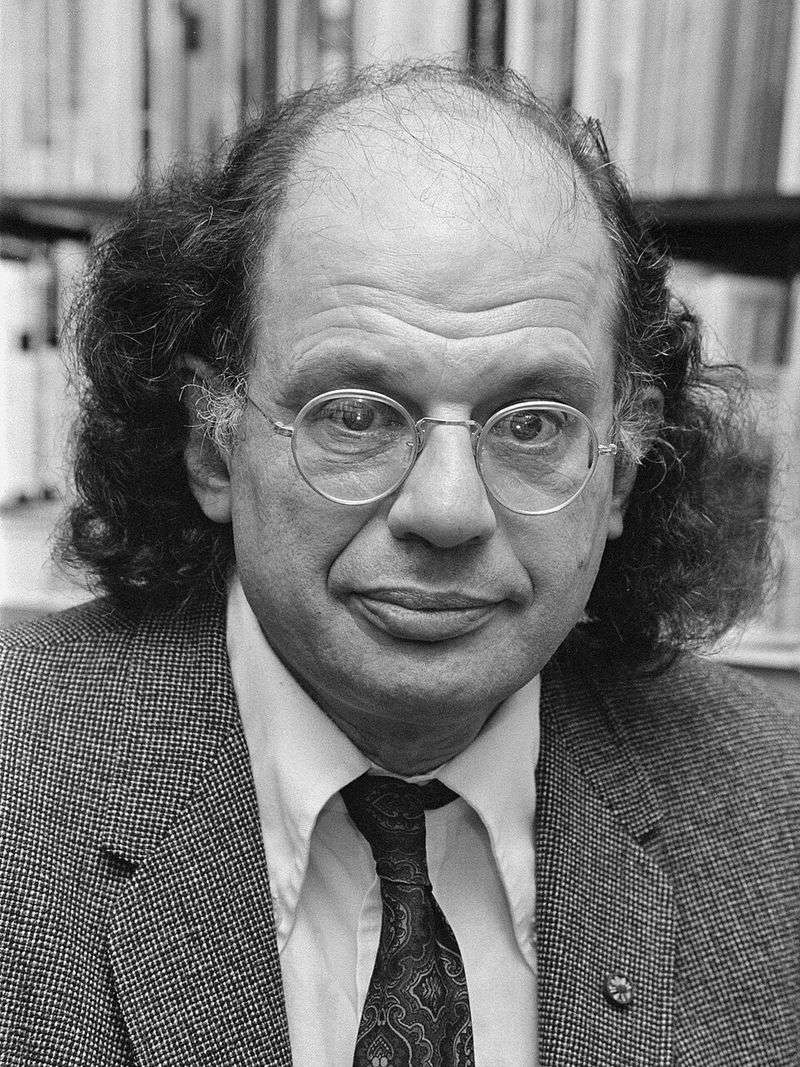
Howling against conformity, this Beat Generation poet shocked 1950s America with his unfiltered verse about sexuality, politics, and spirituality.
His poem “Howl” faced obscenity charges, turning a court trial into a landmark free speech case.
Rejecting traditional poetic forms, he embraced long, jazz-influenced lines that captured the energy of post-war America’s underground.
His activism for peace, gay rights, and artistic freedom made him a counterculture icon.
18. Ursula K. Le Guin
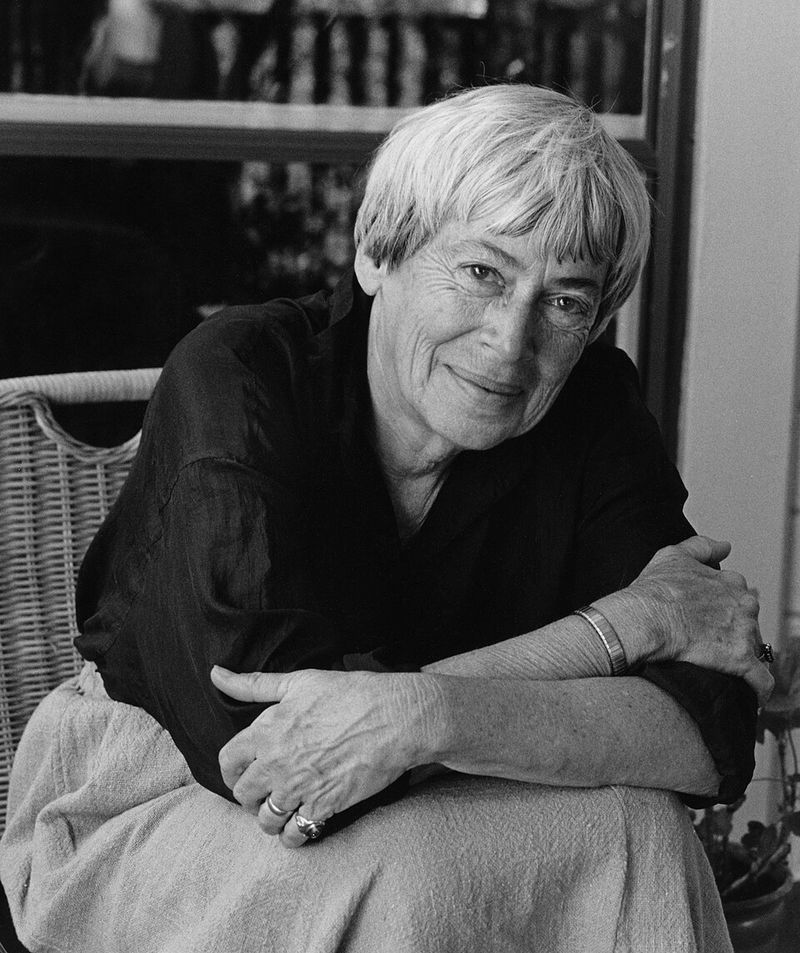
Proving that science fiction and fantasy could tackle serious philosophical questions, this visionary writer created entire worlds that explored gender, politics, and human nature.
Her “Earthsea” series reimagined fantasy with a brown-skinned wizard hero decades before diversity became “trendy”.
Multiple Hugo and Nebula awards recognized her genius at blending imaginative worlds with profound human truths.