Yams Vs. Sweet Potatoes: A Simple Guide To Telling Them Apart
Ever stood in the grocery store, staring at those orange tubers, wondering if you’re looking at yams or sweet potatoes?
You’re not alone! Most folks use these names like they’re interchangeable, but spoiler alert: they’re actually two completely different vegetables with their own unique personalities.
Disclaimer: All content has been reviewed for accuracy and screened to avoid inappropriate or sensitive language.
Because terminology and labeling practices can vary across regions and retailers, the information provided is intended for general guidance rather than strict classification.
1. Botanical Classification Reveals The Truth
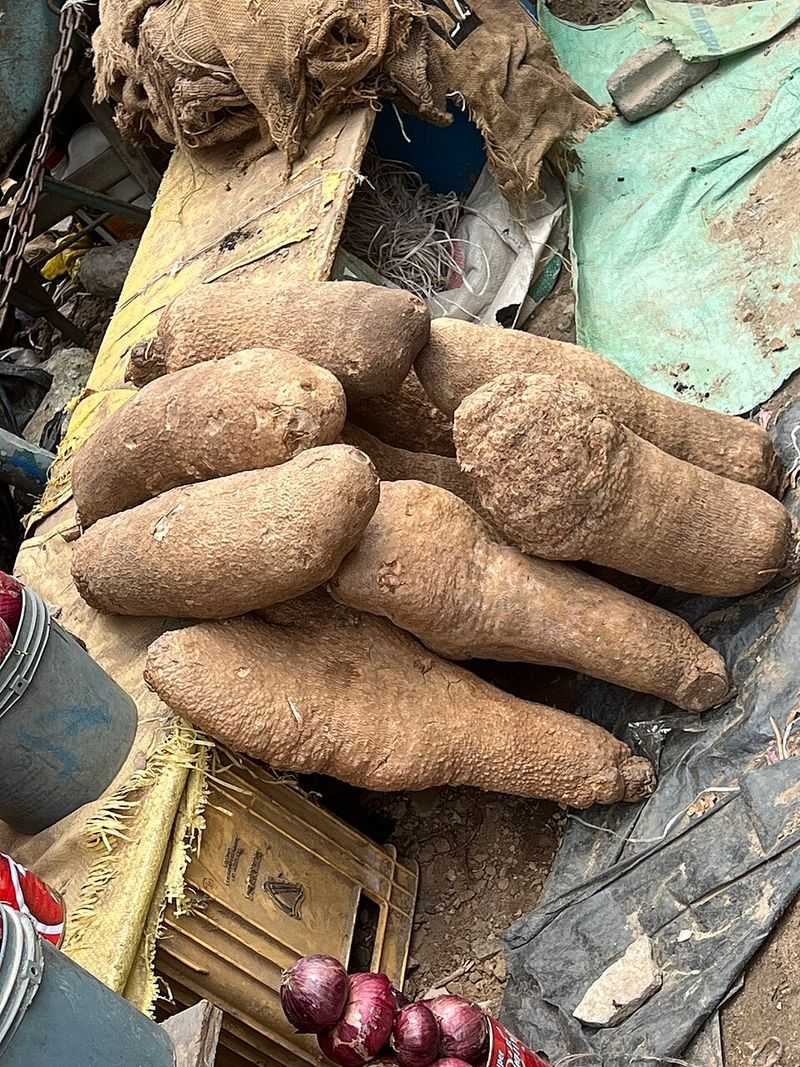
If you’re looking for proof these vegetables are total strangers, just check their family trees!
Sweet potatoes belong to the Convolvulaceae crew, making them distant cousins of those pretty morning glory flowers you see climbing fences.
Yams, however, roll with the Dioscoreaceae gang, linking them to lilies and grasses instead.
Where one plant shares DNA with ornamental bloomers, the other connects to grassland relatives.
Science makes it clear these tubers aren’t related, even if grocery labels sometimes say otherwise.
2. Origin Stories From Different Continents
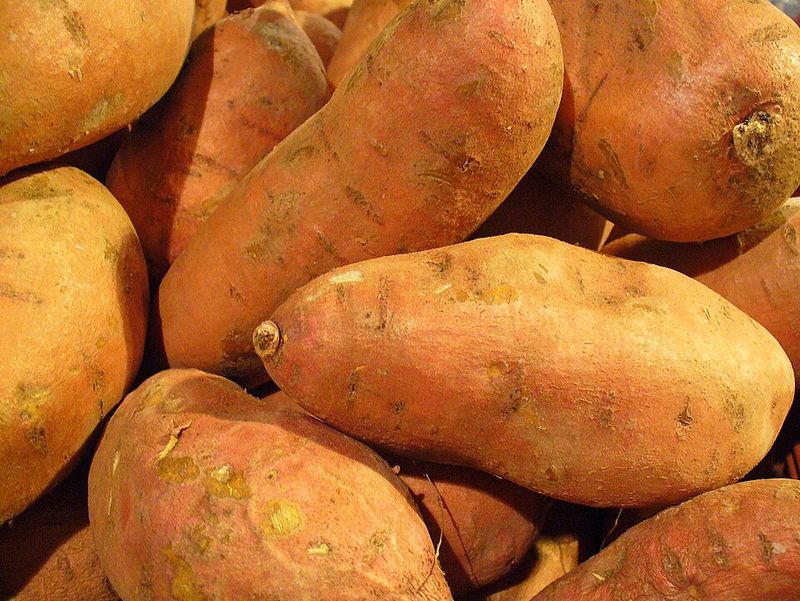
What if I told you these vegetables grew up on opposite sides of the planet?
Sweet potatoes are New World natives, calling Central and South America home for thousands of years before European explorers showed up.
Yams, though, are Old World royalty from Africa and Asia, where they’ve been feeding communities since ancient times.
One crossed the Atlantic with conquistadors while the other stayed rooted in tropical African and Asian soil.
Their geographical backstories alone prove they’re completely different characters in the vegetable drama!
3. Skin Texture Tells No Lies
How can you spot the difference without even cutting these tubers open?
Just run your fingers across their surfaces!
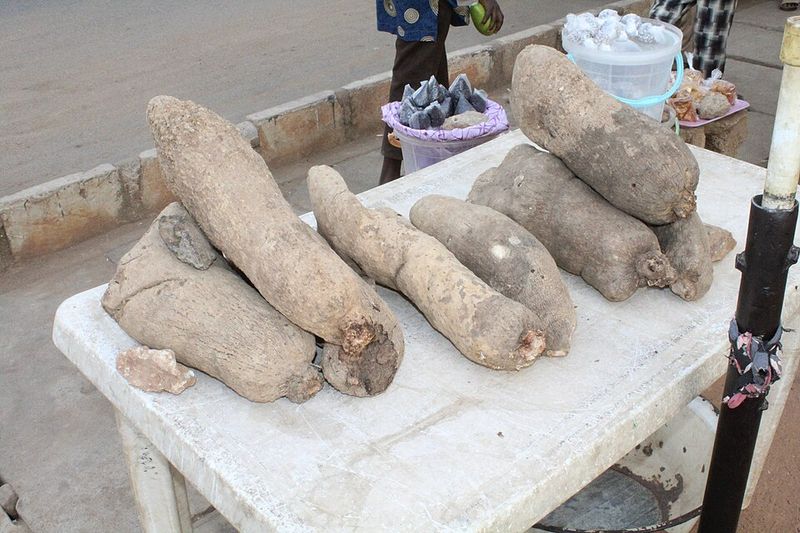
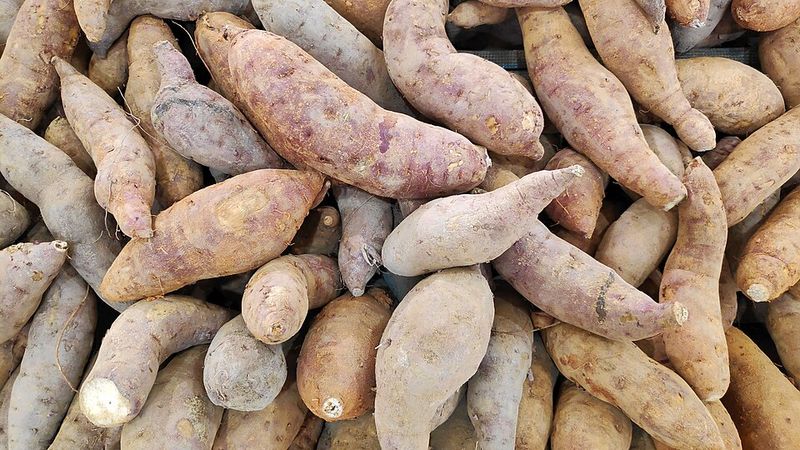
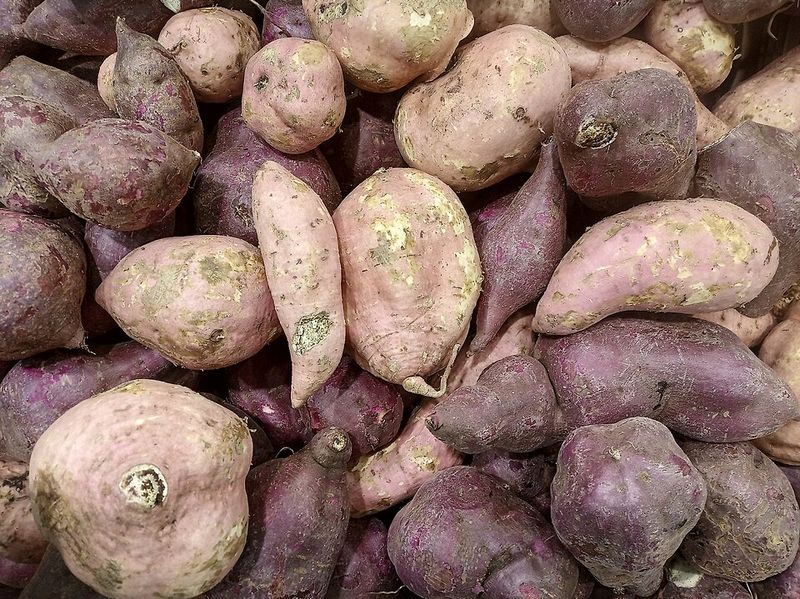
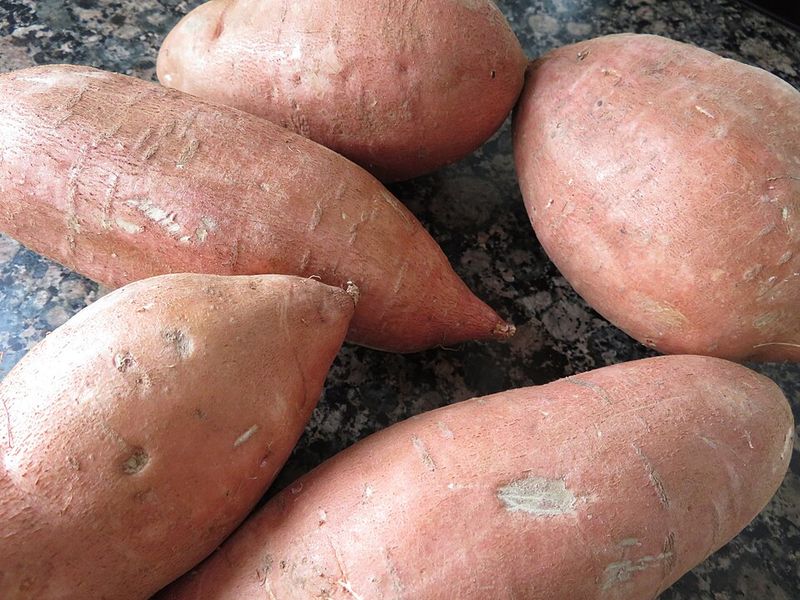
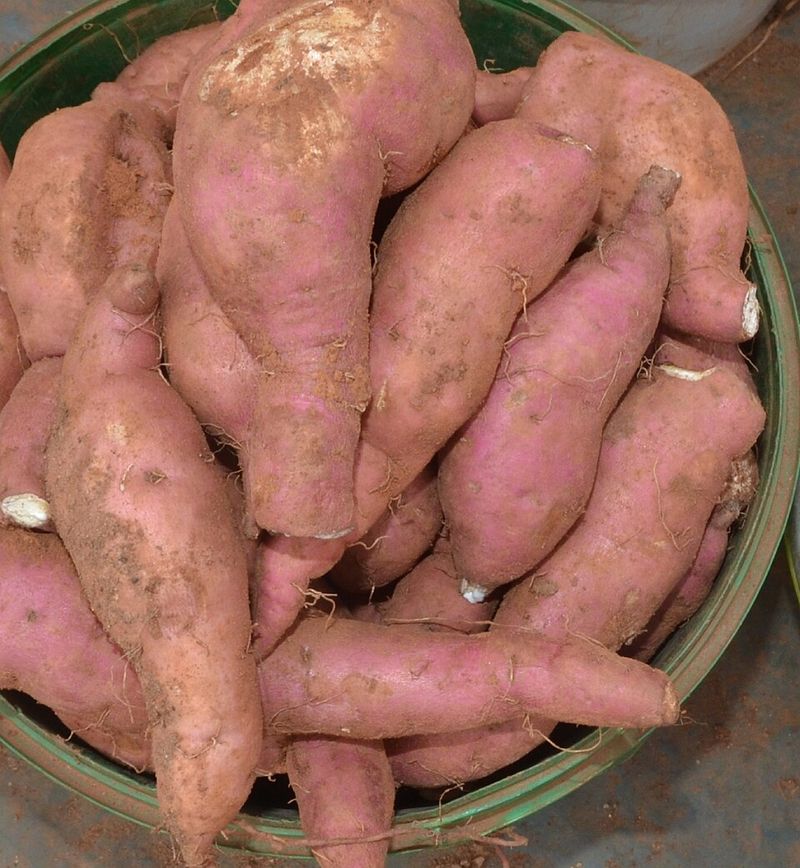
Sweet potatoes sport smooth, thin skin that’s almost delicate, coming in shades from white to yellow to orange, red, or even purple.
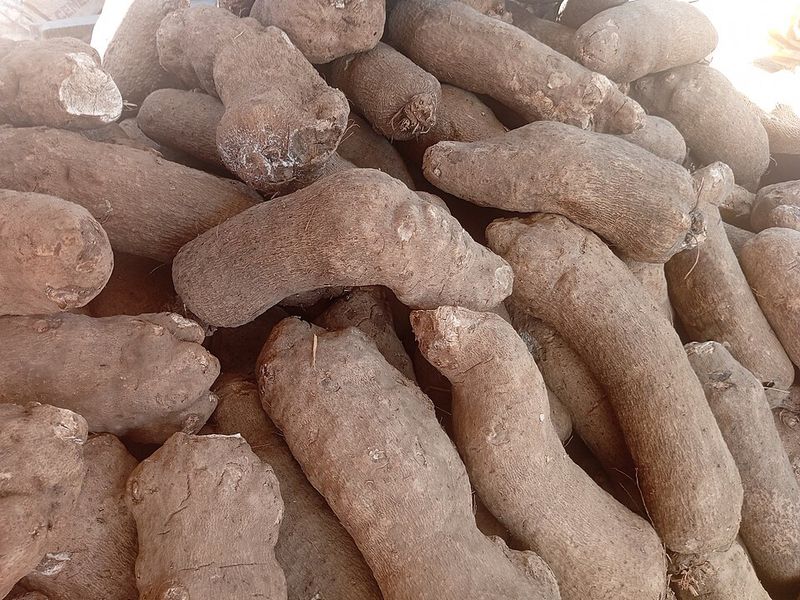
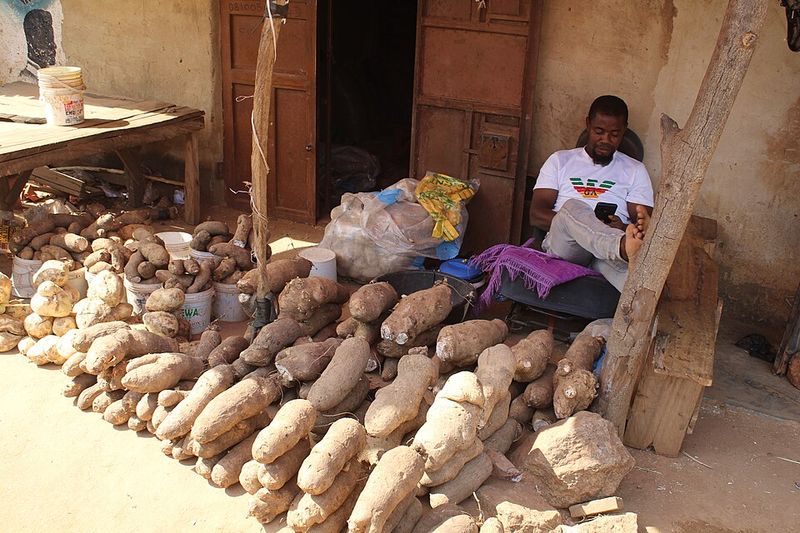
Yams, however, have rough, scaly skin that often appears dark brown or black.
Where one feels baby-soft, the other could practically exfoliate your hands.
Touch is your first clue in this vegetable mystery!
4. Flesh Color Variations Are Wild
Ever wondered why some tubers bleed orange while others stay ghostly white inside?
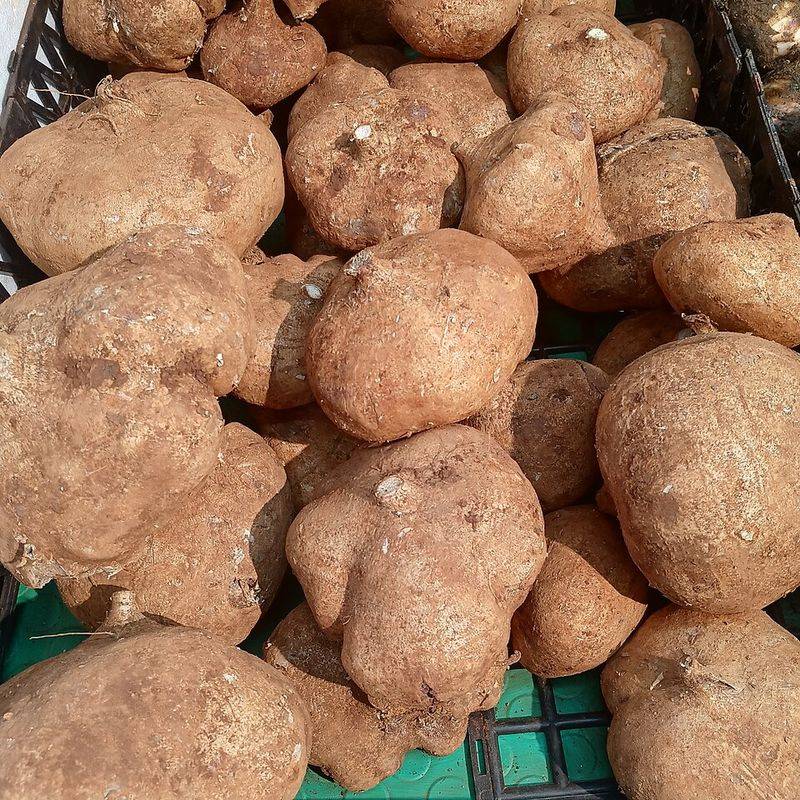
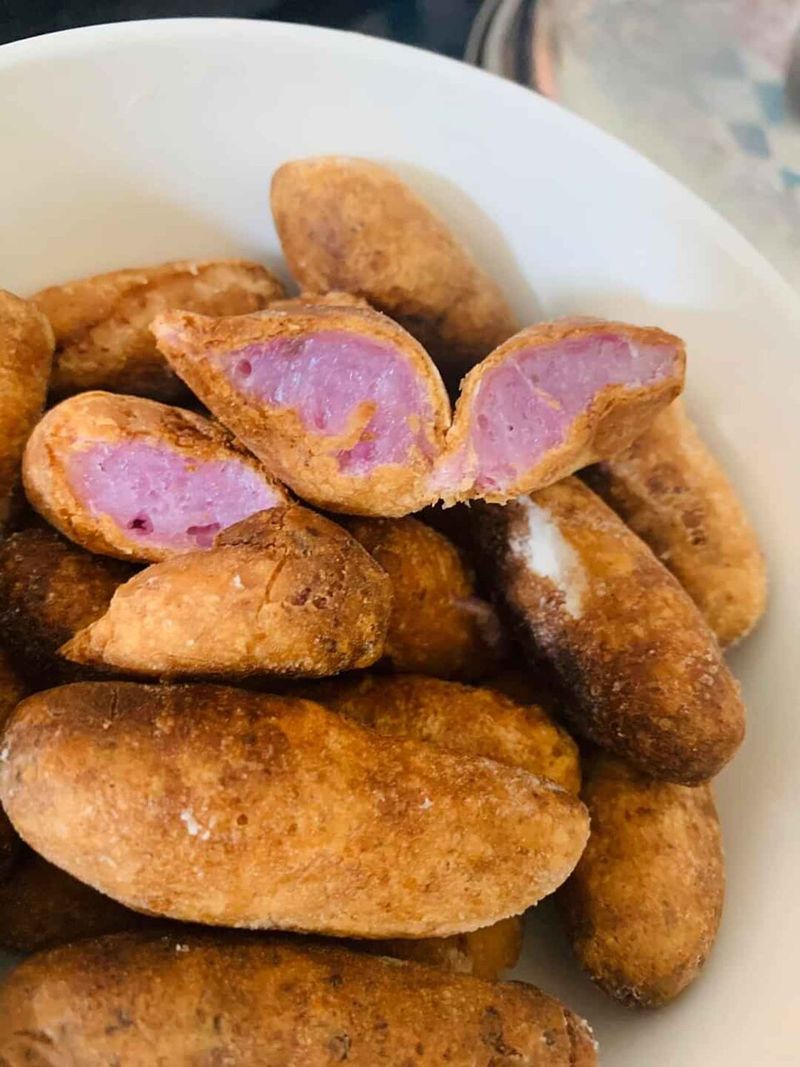
Sweet potato flesh ranges from creamy white to vibrant orange to deep purple, depending on the variety you snag.
Yams typically show off white, yellow, or purple interiors with a notably dry and starchy texture throughout.
That iconic orange sweet potato you know from Thanksgiving?
Totally not a yam, despite what Grandma’s recipe card says.
Color can be deceiving, but texture never lies in this tuber tale!
5. Shape And Size Differences Are Dramatic
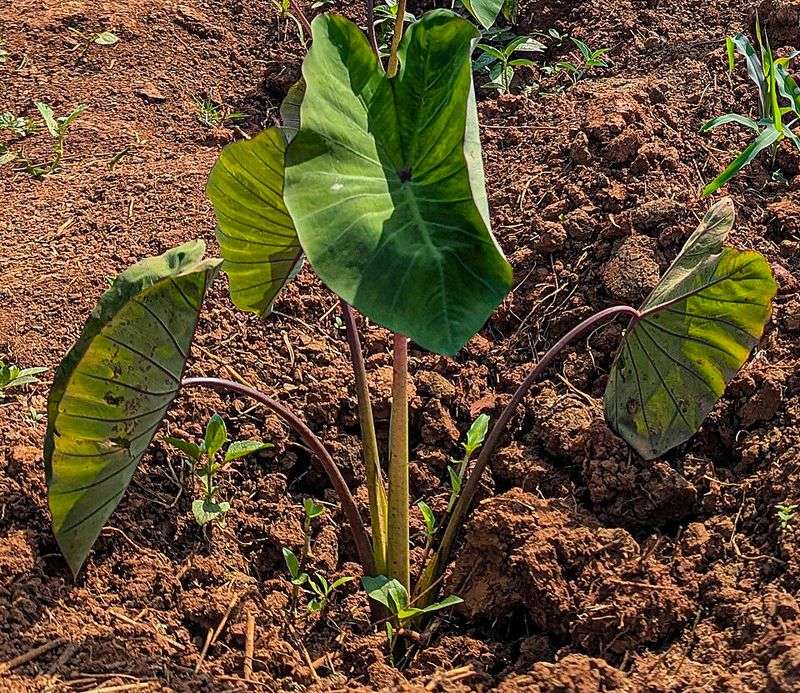
Think all tubers come in potato-sized packages? Think again!
Sweet potatoes are the modest members of this duo, usually weighing between one and five pounds with tapered ends resembling regular potatoes.
Yams, though, are significantly larger and can reach extraordinary lengths and weights.
Where one fits comfortably in your hand, the other might need a wheelbarrow.
Size matters when you’re trying to tell these vegetables apart at the market!
6. Taste And Texture Couldn’t Be More Opposite
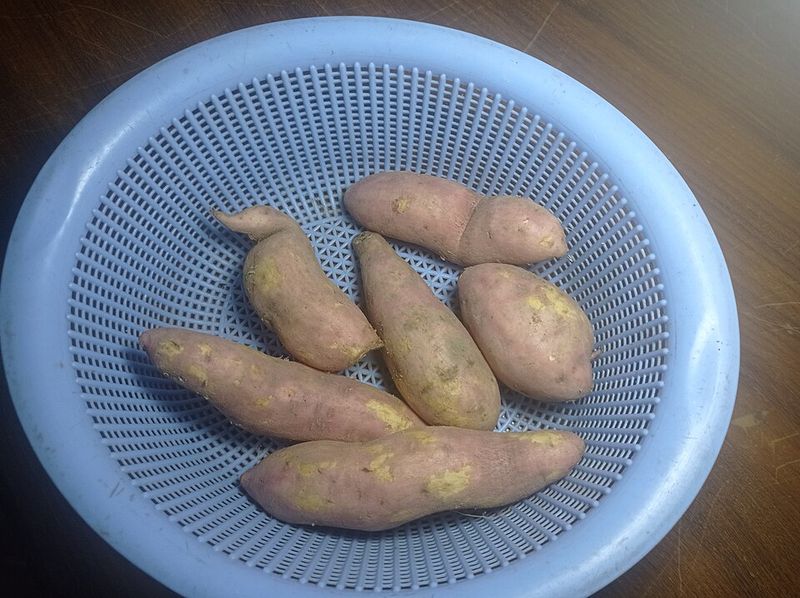
Hence the confusion at dinner tables everywhere – these tubers taste nothing alike!
Sweet potatoes live up to their name with a moist, naturally sweet flavor that becomes soft and creamy when cooked.
Yams bring starchy, dry vibes to the plate with way less sweetness than their orange imposters.
Where one melts in your mouth like candy, the other sits heavy and earthy like a dense bread.
Your taste buds will immediately reveal mislabeled produce once you know the differences.
7. Nutritional Profiles Pack Different Punches
Though both vegetables bring health benefits to your plate, they’re nutritional superheroes with different powers!
Sweet potatoes absolutely dominate in vitamin A thanks to all that beta-carotene, plus they pack vitamin C and fiber.
Yams serve up carbohydrates and fiber but lag way behind in the vitamin A department.
Where one supports your vision and immune system with antioxidants, the other fuels your energy reserves with complex carbs.
Choose your tuber based on what your body needs most that day!
8. Culinary Uses Span Different Cuisines
However you slice them, these tubers show up in wildly different kitchens around the world!
Sweet potatoes are culinary chameleons in American cooking, starring in everything from Thanksgiving casseroles to savory fries to dessert pies.
Yams hold court in African, Caribbean, and Asian cuisines, traditionally boiled, fried, or mashed into hearty comfort foods.
Where one crosses the sweet-savory divide with ease, the other anchors traditional cultural dishes passed through generations.
Your recipe’s origin story often reveals which tuber you actually need!
9. Availability In American Stores Is Lopsided
If you’re shopping at your average American supermarket, you’ve probably never actually seen a real yam!
Sweet potatoes dominate produce aisles from coast to coast, available year-round in nearly every grocery store.
Yams, though, are rare unicorns typically hiding in specialty shops or international markets catering to African and Caribbean communities.
Where one vegetable is mainstream and easy to find, the other requires a treasure hunt through ethnic food stores.
That “yam” at your regular store?
Definitely a sweet potato in disguise!
10. The Great Mislabeling Scandal Explained
Why does America keep lying about yams?
Blame it on sneaky marketing from decades ago!
When orange-fleshed sweet potato varieties hit American markets, growers wanted to distinguish them from white-fleshed types, so they borrowed the word “yam” from African languages.
The name stuck, creating generations of confused shoppers who’ve never tasted actual yams.
Where truth should prevail on produce labels, historical marketing gimmicks continue spreading vegetable identity theft.
That Thanksgiving “candied yams” recipe?
Total sweet potato propaganda!
11. Growing Conditions Demand Different Climates
Though both vegetables love warmth, they’re picky about their growing conditions in different ways!
Sweet potatoes thrive in warm climates with a long growing season, happily producing in temperate zones with hot summers.
Yams, however, are tropical divas requiring subtropical or full tropical conditions with consistent humidity and even longer growing seasons.
Where one tolerates a wider temperature range, the other demands jungle-level warmth year-round.
Your local climate determines which tuber you can successfully grow in your backyard garden!
12. Storage And Shelf Life Expectations Vary
How long can you hoard these tubers before they turn into science experiments?
Sweet potatoes hang tough for about two to three months when stored in cool, dry places – but never refrigerate them or they’ll develop weird hard centers!
Yams are the marathon champions of shelf life, lasting several months under proper cool, dry conditions without breaking a sweat.
Where one starts declining after a couple months, the other practically laughs at time.
Stock up accordingly based on which tuber you’re bringing home!
13. Cultural Significance Runs Deep In Different Societies
Beyond nutrition, these tubers carry serious cultural weight in different corners of the world!
Sweet potatoes are American holiday royalty, practically mandatory at Thanksgiving tables drowning in marshmallows and brown sugar.
Yams, however, are sacred staples in many African and Caribbean countries, featured in festivals, ceremonies, and daily meals that connect communities to ancestral traditions.
Where one represents modern American comfort food, the other embodies ancient cultural heritage and spiritual significance.
Respecting these vegetables means understanding their deep roots in human history!