15 Yellowstone Mistakes Visitors Make And How To Dodge Them
Yellowstone National Park is one of the most jaw-dropping places on Earth, packed with geysers, wildlife, and landscapes that look like they belong in a fantasy movie.
But every year, thousands of visitors accidentally make choices that put themselves, other guests, or even the park’s incredible ecosystem at risk.
Regardless of if it’s your first trip or your fifth, a few smart moves can mean the difference between an epic adventure and a story you’d rather forget.
Here’s what to watch out for before you even pack your bags.
1. Getting Too Close To Wildlife
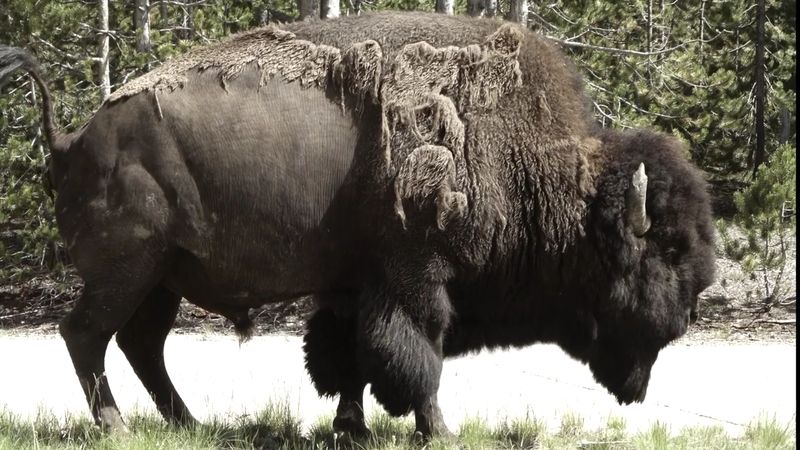
Every single year, bison send unprepared visitors flying through the air like ragdolls, and no, that’s not an exaggeration.
Park rules are crystal clear: stay at least 25 yards from bison, elk, and deer, and a full 100 yards from bears and wolves.
Your camera zoom exists for a reason! If the animal looks bigger in your viewfinder than it does on the park map, you’re already too close.
Treat wildlife like your favorite celebrity: admire from a distance, never crowd them, and absolutely do not ask for a selfie.
2. Leaving The Boardwalk In Thermal Areas
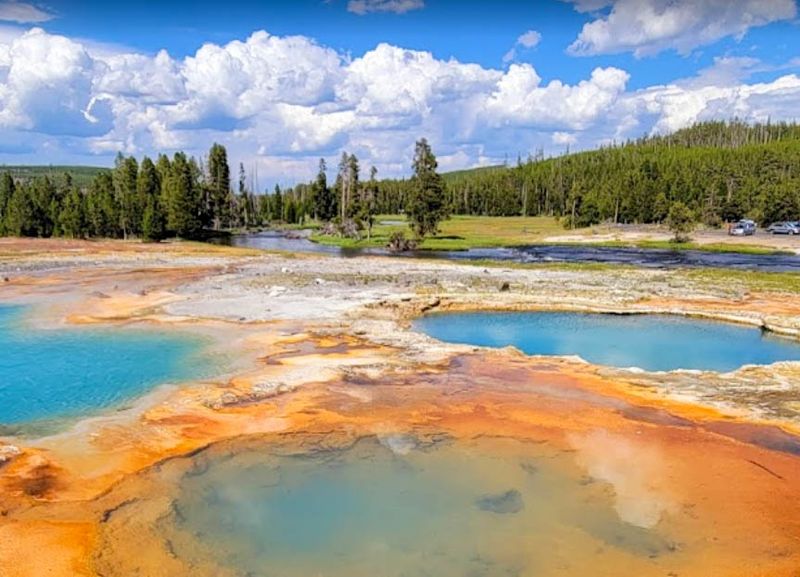
Yellowstone’s ground near hydrothermal features can be just a few inches thick before it gives way to boiling water below.
Park officials have documented cases of visitors suffering severe burns and even fatal accidents after stepping off designated boardwalks.
Those bright, Instagram-worthy hot springs are not swimming pools. The water can reach over 200 degrees Fahrenheit, hot enough to cook food instantly.
Stick to the boardwalk like it’s the only safe path in a video game level, because honestly, it kind of is. No shortcut is worth it here.
3. Assuming Summer Means Warm Weather All Day
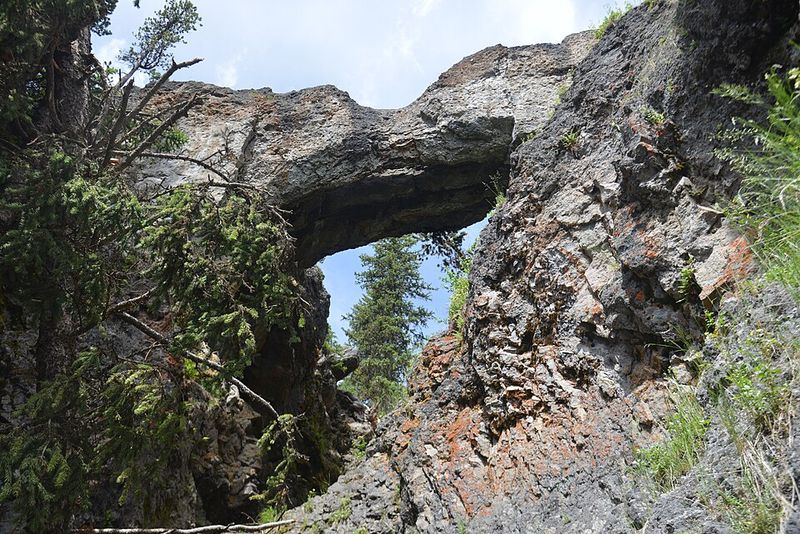
Packing for Yellowstone like it’s a beach vacation is a classic rookie move. Summer nights can drop into the 20s Fahrenheit, and surprise rainstorms roll in faster than you can say “I left my jacket in the car.”
Even a July afternoon can flip from sunny and warm to cold and stormy within an hour at elevations above 7,000 feet. Weather here plays by its own rules.
Pack layers, waterproof gear, and a warm hat no matter what month you visit. Think of it as dressing for all four seasons in one bag.
4. Underestimating How Huge The Park Is
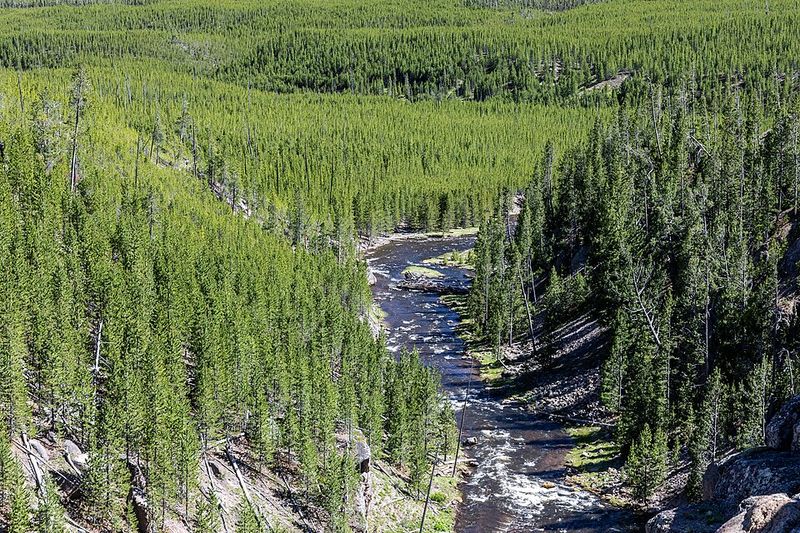
Yellowstone covers nearly 3,500 square miles, which makes it larger than the states of Rhode Island and Delaware combined.
Trying to see everything in one day is like trying to read the entire Harry Potter series in an afternoon: ambitious, but not going to happen.
Driving from one entrance to another can take several hours, and that’s before wildlife jams slow you down. Plan for fewer stops done well rather than a frantic checklist of rushed visits.
Give yourself at least three to five days to explore properly. Quality beats quantity every time in a park this massive.
5. Not Checking Road Conditions Before Arriving
Yellowstone’s roads open and close on a seasonal schedule that doesn’t care about your travel plans.
In winter, only the road between Mammoth Hot Springs and the North and Northeast entrances stays open to regular vehicles, leaving the rest of the park off-limits.
Spring closures can linger well into May, and sudden weather events can shut down roads mid-trip without much warning.
Arriving without checking current conditions is basically showing up to a party that was cancelled three days ago.
Visit the NPS website or call the park’s road information line before you leave home.
6. Thinking There Is A Vehicle Reservation System
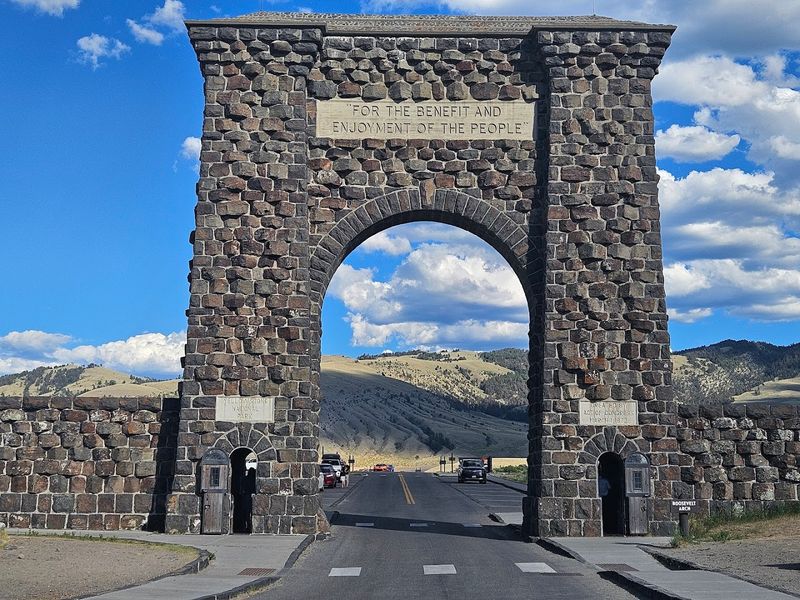
Here’s a fun myth that keeps circulating online: Yellowstone requires vehicle reservations for entry. Spoiler alert: it does not.
You simply need a valid entrance pass, which you can buy at the gate or in advance through Recreation.gov.
Some nearby parks do use timed entry systems, which might be where the confusion started. But planning your Yellowstone trip around a non-existent reservation rule could lead to unnecessary stress and missed time.
Double-check official NPS sources before finalizing any plans.
7. Stopping Carelessly During Wildlife Jams
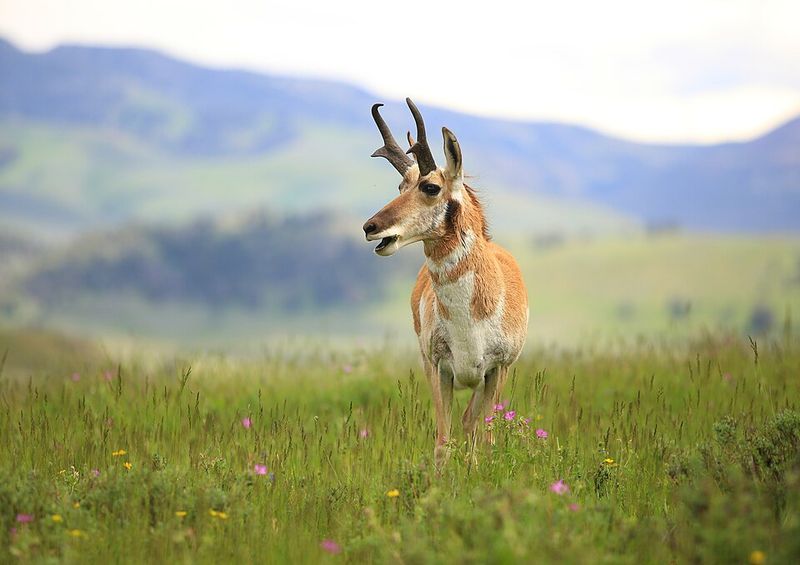
Spotting a wolf or bear near the road is genuinely thrilling, but slamming your brakes in the middle of the highway is a fast way to ruin everyone’s day, including your own.
Wildlife jams are extremely common in Yellowstone, and how you handle them matters.
Always pull completely into a designated turnout before stopping. Never block traffic lanes or emergency vehicle access, no matter how spectacular the animal looks.
Stay near your vehicle where posted signs require it. Rangers enforce these rules for good reason, and getting a citation in Yellowstone is a souvenir nobody wants to bring home.
8. Hiking Without Bear Awareness
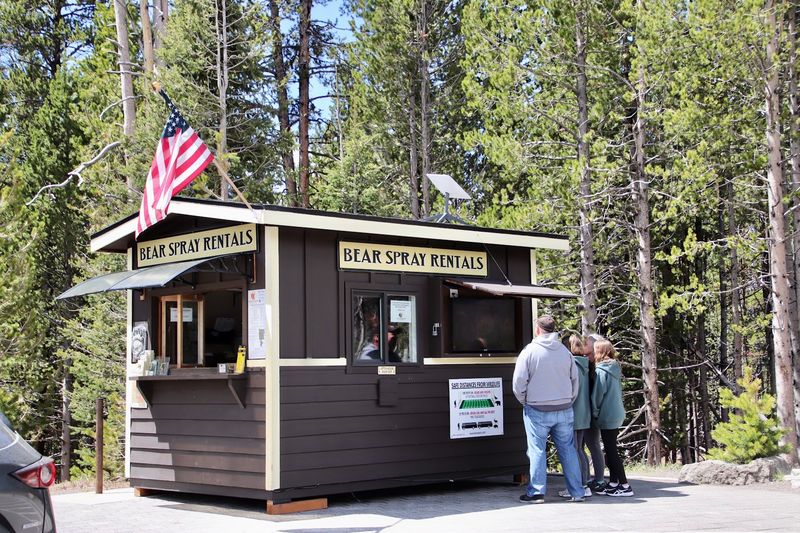
Yellowstone is home to roughly 150 grizzly bears and over 500 black bears, so heading out on a backcountry trail without preparing is like skipping the tutorial level in a survival game.
Bear spray is your most effective defense and should be clipped to your hip, not buried in your backpack.
Hike in groups when possible, make noise on the trail, and always check current bear activity reports before heading out. The NPS posts regular updates on closures due to bear activity.
Knowing what to do if you encounter a bear is just as important as carrying the spray.
9. Storing Food The Wrong Way
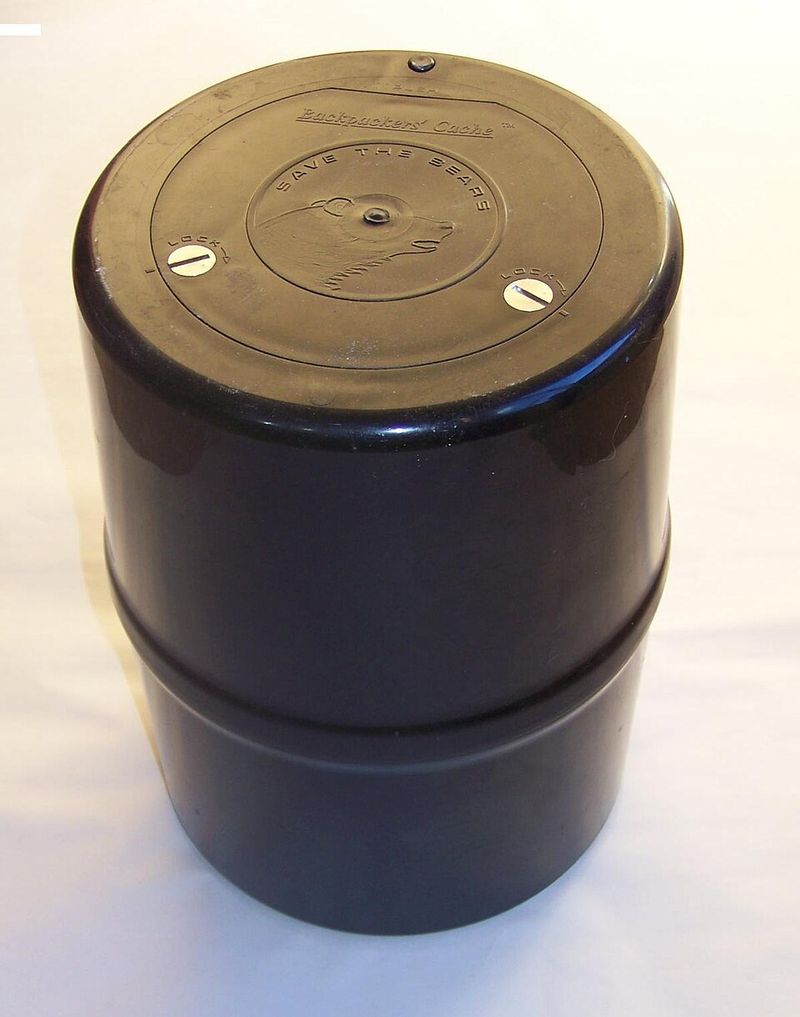
Improperly stored food doesn’t just attract bears: it teaches them to associate humans with easy meals, which almost always ends badly for the bear.
Yellowstone’s backcountry rules require food to be stored in hard-sided, IGBC-approved bear-resistant containers. Soft-sided coolers and regular backpacks don’t cut it.
Even at frontcountry campgrounds, food left out on picnic tables or in tent vestibules is against park regulations. Rangers can and do issue citations for violations.
Think of food storage as a courtesy to every future visitor.
10. Leaving Cabin Windows Open Around Food
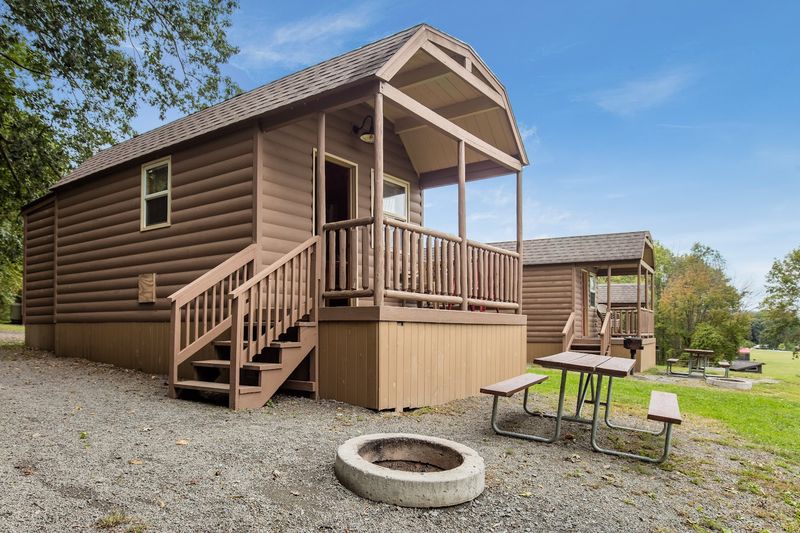
Yellowstone’s park warnings specifically flag this one, and it surprises a lot of visitors.
Bears have an extraordinary sense of smell and can detect food through an open window from impressive distances. An open door or window with accessible snacks inside is basically a bear-sized invitation.
If you’re staying in a park cabin or lodge room, treat food storage the same way you would at a backcountry campsite. Lock food in your vehicle or use provided storage lockers.
One simple habit, closing that window before stepping out, can prevent a very expensive and dangerous wildlife encounter.
11. Not Drinking Enough Water At Altitude

Most of Yellowstone sits above 7,000 feet elevation, and altitude affects your body whether you notice it or not.
Headaches, fatigue, dizziness, and nausea are all signs of altitude sickness, and dehydration makes every single symptom worse.
The NPS recommends giving your body time to acclimate, especially if you’re traveling from sea level. Drink water consistently throughout the day, not just when you feel thirsty.
Even seasoned hikers slow down at elevation, and there’s zero shame in taking a rest break with a great view while you rehydrate properly.
12. Heading Onto Trails Too Early In The Season
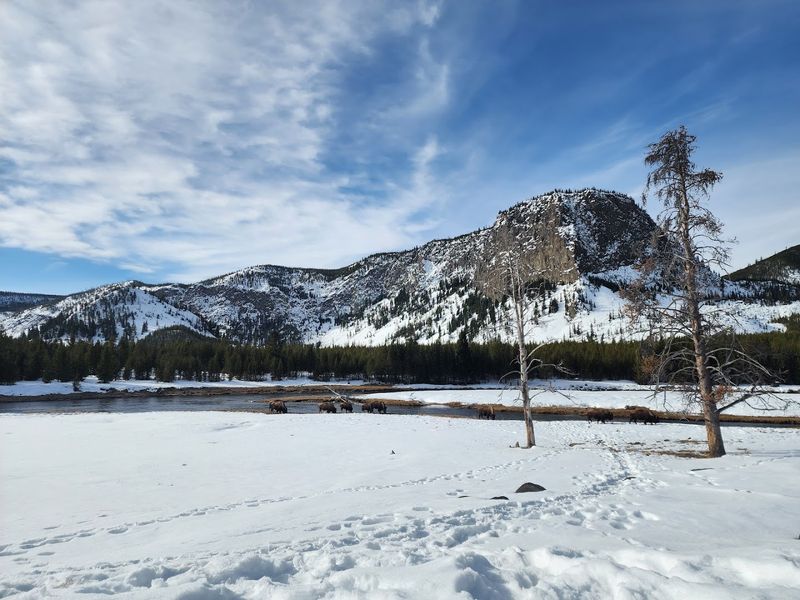
Spring in Yellowstone looks gorgeous in photos, but those same trails can be buried under several feet of snow well into July at higher elevations.
What looks like a manageable hike on the park map can turn into an exhausting slog through knee-deep snowpack without the right gear.
Trail conditions vary dramatically depending on elevation and recent weather. A route that’s perfectly clear at the valley floor might be completely impassable just a thousand feet higher.
Check trail status reports on the NPS website before committing to any route.
13. Ignoring Afternoon Thunderstorm Risk

Afternoon thunderstorms in Yellowstone are practically a daily summer tradition, especially between July and August.
Lightning is extremely dangerous on exposed ridgelines, open meadows, and near water, which happen to be some of the park’s most popular hiking destinations.
Starting hikes early in the morning gives you the best chance of finishing before storms roll in. If you hear thunder or see dark clouds building, head to lower ground and away from isolated trees immediately.
Checking the daily forecast before any hike is a non-negotiable habit worth building.
14. Treating Hydrothermal Areas Like Ordinary Overlooks
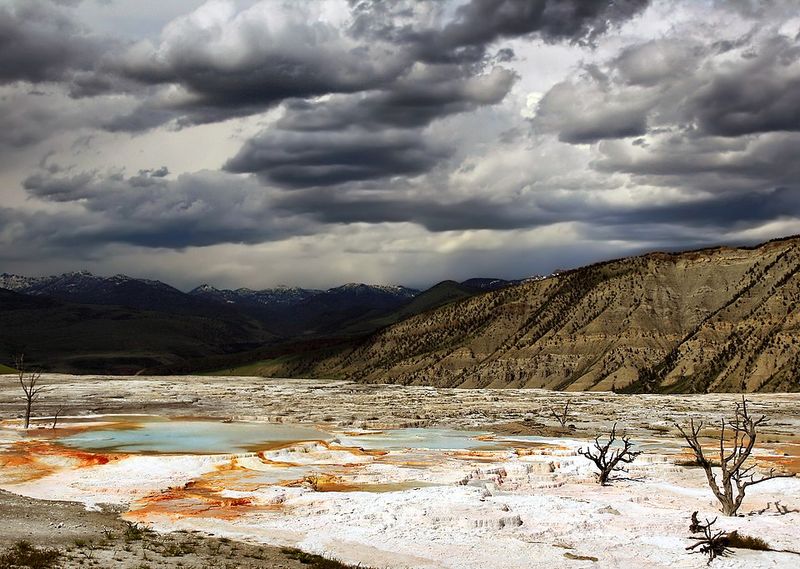
Yellowstone holds more than 10,000 hydrothermal features and over 500 geysers, making it the largest geothermal system on Earth.
These are not just pretty backdrops for vacation photos. They are active, dynamic, and sometimes dangerously unpredictable geological features.
The crust surrounding hot springs can collapse without warning, and the water inside can be acidic enough to cause serious chemical burns. Wandering off-route near these areas is never a casual decision.
Respect the posted boundaries and treat every hydrothermal zone with the same caution you would a construction site.
15. Planning Without Backup Options
Rigid itineraries and Yellowstone do not mix well.
Seasonal closures, sudden weather shifts, unexpected wildlife activity, and road construction can all derail a perfectly planned schedule within the first hour of your trip. Flexibility isn’t optional here, it’s survival strategy.
Build buffer time between stops, identify alternative attractions near your primary destinations, and always check current conditions on the NPS website the night before each day’s activities.
Embrace the unexpected, because some of the best Yellowstone moments happen when Plan A falls apart.