4 Classic 2000s Anime Heroes Who Haven’t Aged Well
Anime dominated the early 2000s like a Saturday morning superpower, and the heroes we cheered for felt absolutely unstoppable. Naruto dreamed of becoming Hokage, running headfirst into danger with boundless energy and ramen-fueled determination.
Ichigo wielded a sword so massive it could probably slice a small building in half, cutting through hollow after hollow without breaking a sweat. Haruhi Suzumiya bent reality itself, making the impossible routine and turning school life into a cosmic playground.
Back then, nothing could touch these champions. Time has a funny way of changing perspectives.
Watching some of those classics now, certain hero moments feel more complicated than legendary. Laughs land differently, decisions that seemed bold now appear questionable, and cringe sneaks in like an uninvited shadow in a bright episode.
Some powers that once inspired awe now raise eyebrows, and fan-favorite antics sometimes reveal uncomfortable patterns in gender portrayals or humor that would not fly today. Revisiting these shows is like opening an old notebook filled with epic battles, cheesy one-liners, and the kind of nostalgia that makes you grin and groan at the same time.
It is not about hating the classics, just spotting the moments that feel a little… different. Four iconic anime heroes get a fresh look in a world that has grown alongside them.
1. Naruto Uzumaki (Naruto, 2002)
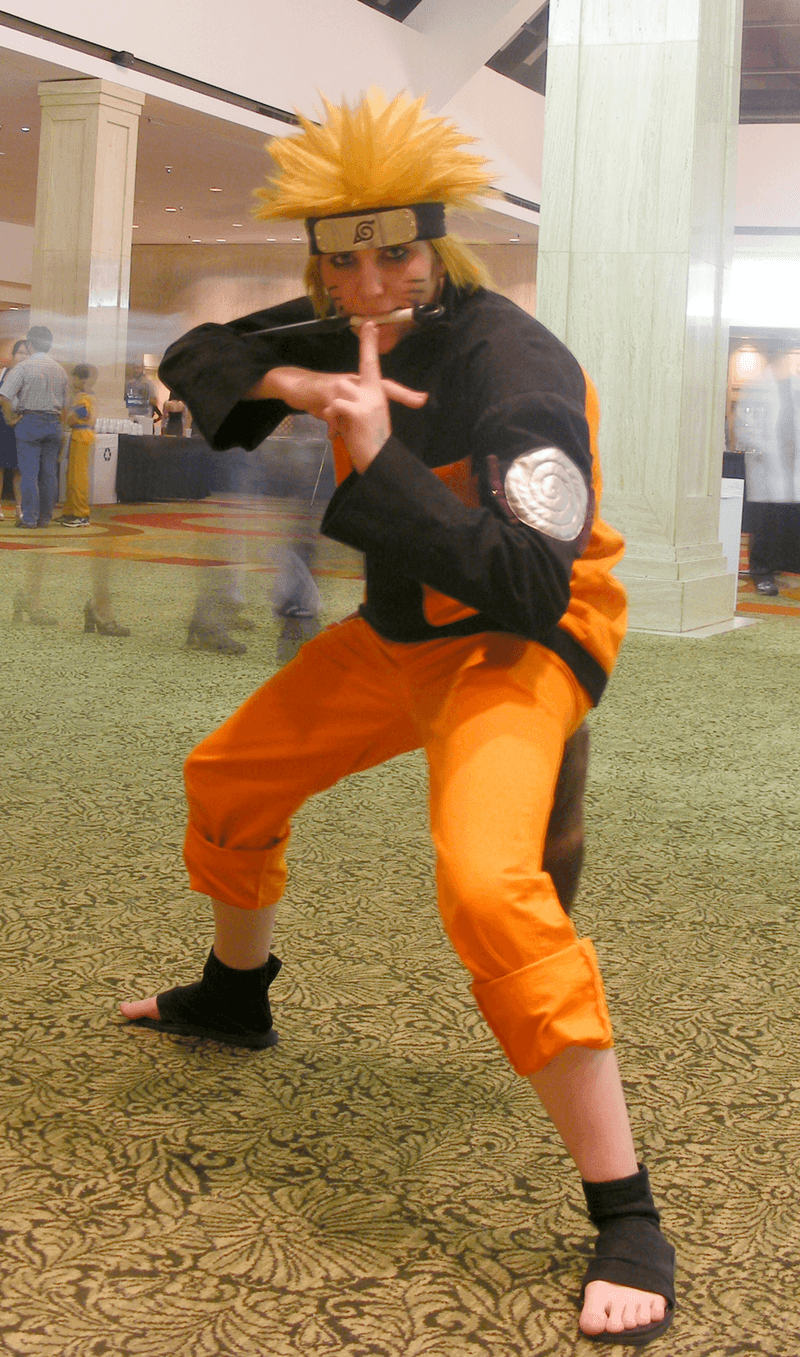
Characters screaming “underdog” louder than Naruto Uzumaki are hard to find. Loud, scrappy, and fueled by ramen, he became every kid’s favorite ninja.
Rewatching early episodes, however, reveals some uncomfortable humor. The infamous Jutsu transformation was played for laughs constantly, reducing female characters to punchlines rather than people.
Certain storylines also treated female ninja as support roles while male characters got the real growth arcs. Sakura’s development suffered especially under Naruto’s shadow.
The message of hard work and perseverance still hits hard, no doubt. However, the casual misogyny sprinkled throughout early seasons makes modern viewers wince more than cheer.
2. Ichigo Kurosaki (Bleach, 2004)
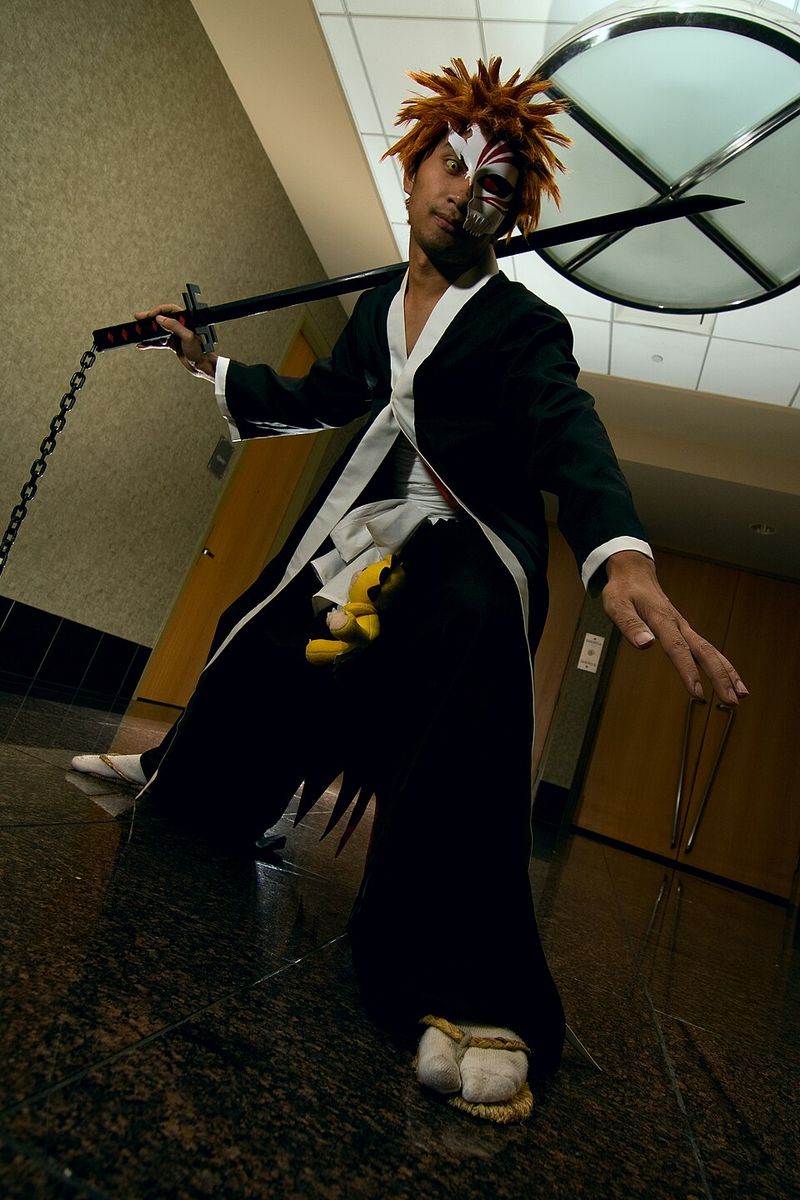
Ichigo Kurosaki had one of the coolest introductions in anime history. Orange hair, giant sword, zero patience for evil spirits.
Absolute legend energy. But spend some time revisiting Bleach and the cracks start showing pretty fast.
Filler arcs stretch on for what feels like geological ages. Pacing becomes a genuine obstacle, not just an inconvenience.
Ichigo himself barely evolves emotionally across hundreds of episodes, cycling through the same angry determination without meaningful reflection.
Supporting characters, especially female ones, often exist purely to need rescuing. For a show once celebrated as a top-tier action series, revisiting it now requires serious patience and selective memory.
3. Haruhi Suzumiya (The Melancholy of Haruhi Suzumiya, 2006)

Haruhi Suzumiya arrived like a lightning bolt. Reality-bending powers, magnetic personality, absolutely zero filter.
She was chaotic and compelling in ways anime rarely attempted. Fans adored her unpredictability almost immediately.
Revisiting the series, though, Haruhi’s behavior hits differently. Her treatment of Mikuru, forcing a shy classmate into uncomfortable costumes and situations without consent, is repeatedly framed as funny.
Kyon, the narrator, complains but never seriously intervenes.
The Endless Eight arc, repeating essentially the same episode eight times, also tested viewer patience to its absolute limit. Haruhi feels less like a quirky hero and more like a cautionary tale about unchecked entitlement wearing a school uniform.
4. Edward Elric (Fullmetal Alchemist 2003)
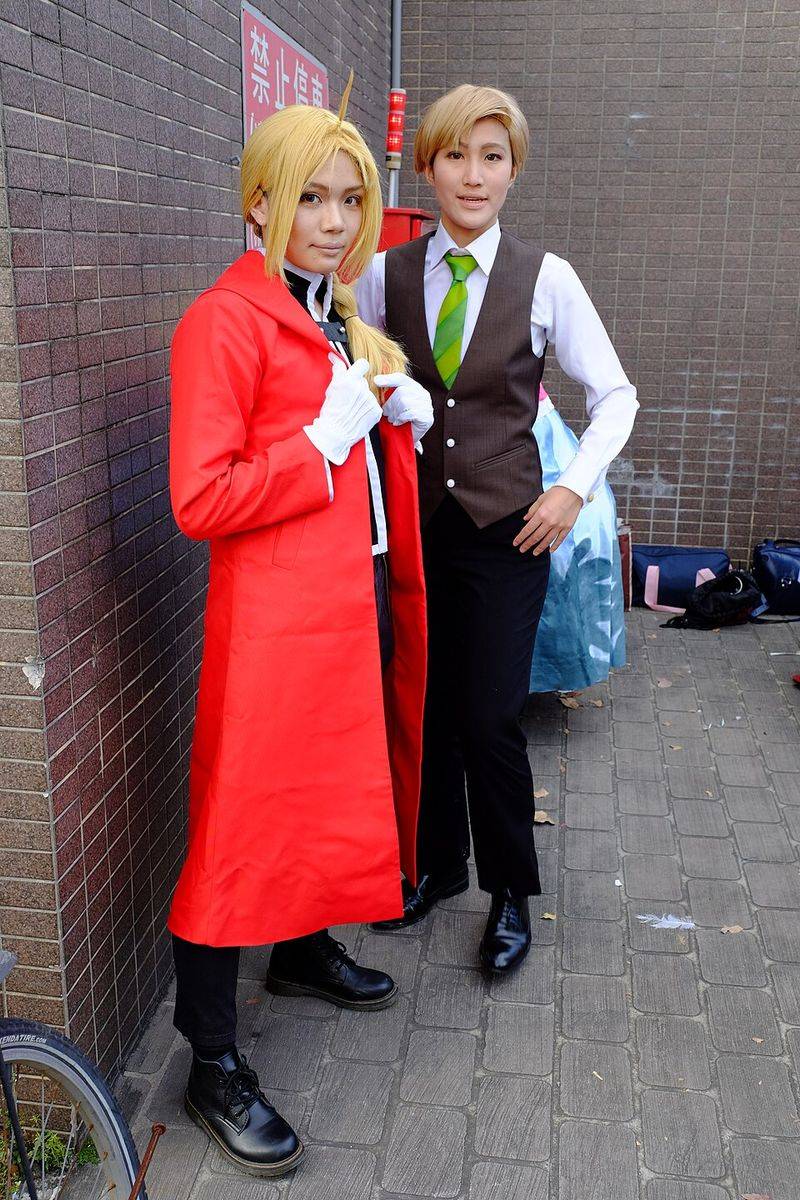
Edward Elric remains one of anime’s most iconic protagonists. Smart, passionate, and carrying guilt heavier than his automail arm, he was genuinely compelling.
However, the 2003 anime adaptation specifically has drawn criticism over ‘for straying far from Hiromu Arakawa’s original manga.
The original ending felt rushed and philosophically murky compared to Brotherhood’s deeply satisfying conclusion. Edward’s emotional journey, while moving, occasionally substituted melodrama for genuine character depth.
Certain supporting characters were also handled inconsistently, losing the nuance present in the source material. Fans who discovered Brotherhood first often struggle returning to the 2003 version.
Comparing both adaptations side by side makes the earlier one look noticeably rough around the edges.