’70s Horror Movies Ahead Of Their Time
The 1970s were the decade when horror movies clearly decided politeness was overrated.
Audiences bought a ticket for a spooky night out and ended up with films that lingered long after the credits.
Films ahead prove that 1970s horror was not just scary. It had the nerve to be weird, bold, and unexpectedly daring.
1. The Texas Chain Saw Massacre (1974)

Forget glossy studio polish. Tobe Hooper shot this film like a fever dream caught on grainy 16mm, and the result felt uncomfortably real.
That documentary-like texture made the film feel unusually immediate and unsettling. The atmosphere felt lived-in, grimy, and deeply unsettling.
It helped establish many of the elements that later became central to the sl*sher genre.
2. Black Christmas (1974)

Tension sharpens quickly when a phone rings and the call turns out to be coming from inside the house. Black Christmas used that idea long before it became a horror cliché, and the moment still lands with chilling precision.
Director Bob Clark built unbearable tension by keeping the killer mostly unseen, a technique later sl*shers copied again and again.
Surprising depth appears in the film’s female characters, unusual for the era and far ahead of many imitators. Arrival four years before Halloween makes its influence impossible to ignore.
3. The Exorcist (1973)

Unusual moment in film history arrived when William Friedkin released The Exorcist. Award recognition followed, even as reports circulated of distressed audience reactions during screenings.
Serious dramatic tone gave the supernatural story a weight rarely seen in horror at the time. Careful filmmaking treated possession not as a gimmick but as a deeply unsettling human crisis.
Prestige reputation that surrounds modern horror owes a clear debt to this groundbreaking film.
4. Carrie (1976)

Prom night has never felt safe since. Brian De Palma adapted Stephen King’s debut novel and turned high school cruelty into something genuinely terrifying.
Carrie was not just a supernatural horror story. It was a story about what happens when a person is pushed past every limit by the people around her.
That emotional core helps explain why the film still feels modern.
5. The Omen (1976)
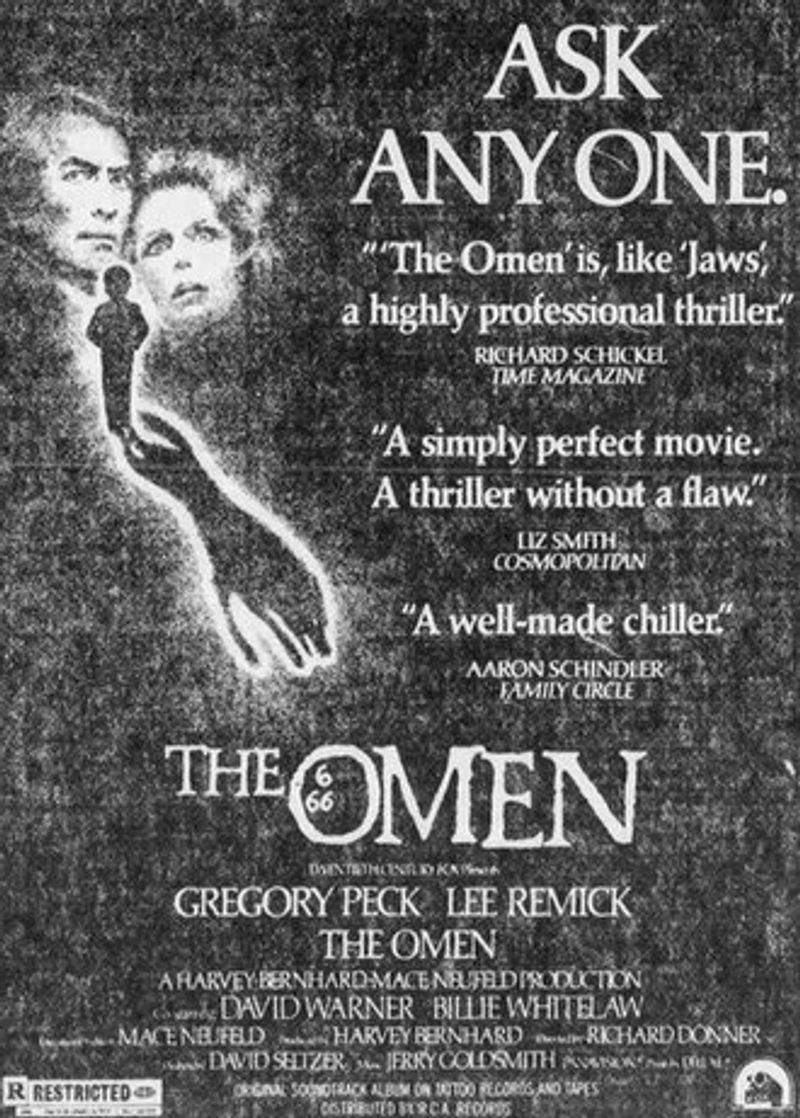
Evil arrives dressed in a prep school uniform, complete with a nanny whose devotion runs far beyond normal childcare duties. The Omen moves with a polished seriousness that gives its supernatural horror real weight.
Many studio horror films of the 1970s leaned toward camp, yet this story plays every moment completely straight.
Its restrained tone makes the creeping dread feel unusually believable. Blockbuster horror quickly learned from the approach.
6. Halloween (1978)

Minimal ingredients fuel the terror in Halloween. John Carpenter turns a white mask, a kitchen knife, and a quiet neighborhood into some of horror’s most enduring imagery.
Point-of-view camera work places the audience directly behind the eyes of Michael Myers.
Technique became one of the most imitated visual tricks in horror filmmaking. Calm autumn suburbia suddenly transforms into the most dangerous place imaginable.
7. Suspiria (1977)

Surreal nightmare imagery fills Suspiria, making the film feel like a fever dream painted in bold, unnatural colors. Dario Argento treats every frame as a visual event, turning the horror story into something closer to moving art.
Goblin’s score drives through each scene long before anything frightening appears on screen.
Color and sound do much of the film’s expressive work. Generations of visually ambitious horror directors still point back to this moment as proof of what the genre can become.
8. Eraserhead (1977)
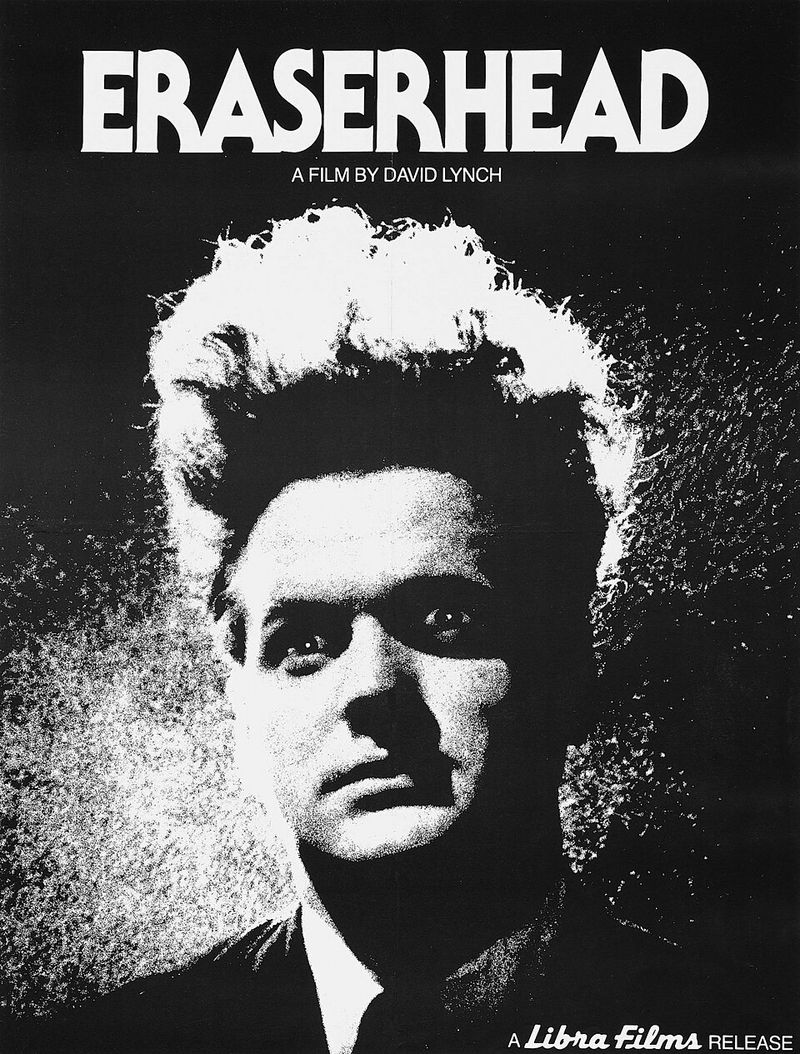
Five years of obsessive work went into shaping Eraserhead, and every strange, unsettling minute reflects that effort from David Lynch.
Nightmarish imagery pushes themes of anxiety, parenthood, and bodily dread far beyond normal logic and straight into instinct. Cinema had rarely seen anything quite like it when the film first appeared.
What later came to be called arthouse horror would take decades to fully cohere as a category.
9. Dawn Of The Dead (1978)

Shopping mall corridors become the stage for George Romero’s zombie sequel, turning a horror story into a pointed look at American consumer culture while chaos unfolds.
Sharp satire runs through the film and still lands with force today.
Mindless wandering through department stores feels eerily familiar once you have experienced a crowded Black Friday sale. Blend of social commentary and graphic horror gave the genre something unusually confident and clever.
10. Alien (1979)
Creature design reached a new level in Alien. One of the most unique creatures in movie history was created by Ridley Scott and H.R. Giger.
Deep-space setting becomes a cold, indifferent void where rescue is never guaranteed.
Industrial, working-class spaceship design gives the crew’s environment a gritty realism rarely seen in science fiction. Visual style pushed so far ahead of its era that the film still appears strikingly futuristic more than forty years later.
11. The Wicker Man (1973)

Folk horror as a recognized genre label came much later, but The Wicker Man was already doing it fully formed in 1973.
Robin Hardy built dread not from creatures but from community, ritual, and the creeping sense that everyone around you knows something you do not. That’s a very modern kind of scary.
Audiences mostly shrugged at first. Later generations understood exactly what they had missed.
12. Phantasm (1979)
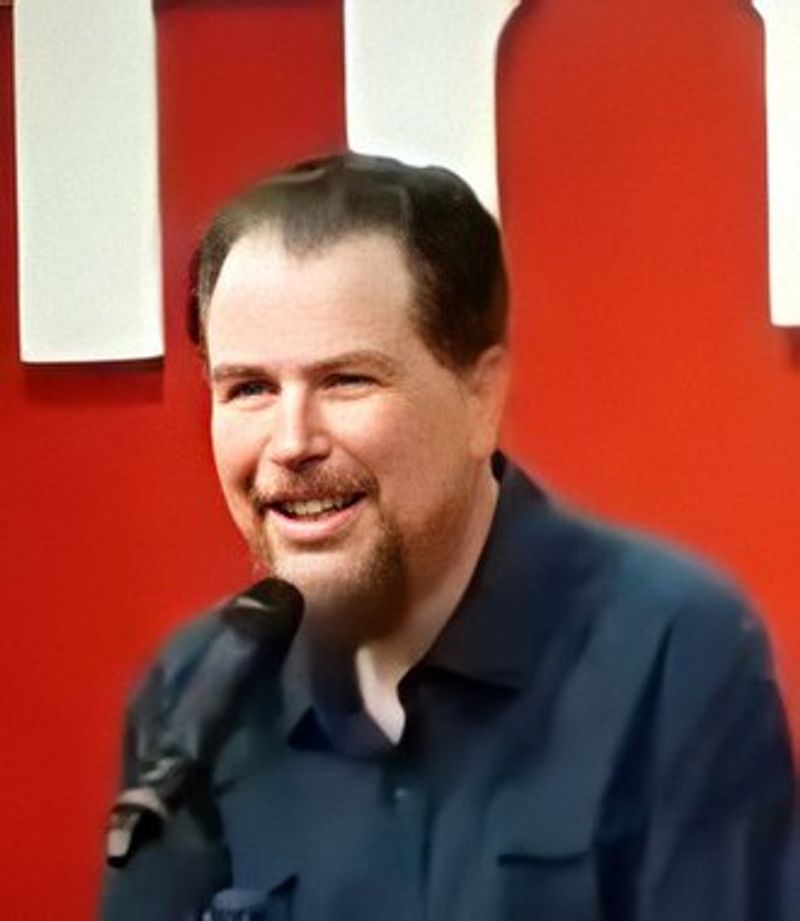
Morning-after confusion is exactly the feeling this film leaves behind, as if the whole thing happened in sleep and refused to explain itself. Barely into his twenties, Don Coscarelli made Phantasm with a confidence and strangeness that ignored normal horror rules on purpose.
Flying silver spheres, the Tall Man, and the film’s bizarre mythology lodged themselves in audience memory for decades.
Long run of sequels and a loyal cult following proved that original horror eventually finds the people meant for it.
13. The Brood (1979)

David Cronenberg made a film about divorce, trauma, and the rage parents carry, then wrapped it in some of the most unsettling body horror ever committed to film.
The Brood feels like a therapy session that went terribly, cosmically wrong. Its emotional core is raw and surprisingly personal.
Later horror built around family dysfunction owes a serious debt to this deeply strange 1979 film.
14. The Amityville Horror (1979)

Its blend of purported real-life inspiration and supernatural horror helped push haunted-house stories further into the mainstream.
The Amityville Horror wrapped paranormal dread inside a familiar suburban home, making the threat feel uncomfortably close to everyday life.
Smart choice of setting gave the film a chilling sense of plausibility. Nearly every haunted-house franchise that followed borrowed heavily from its marketing blueprint.
15. Tourist Trap (1979)

Mannequins already feel unsettling on a good day, and Tourist Trap pushes that discomfort into stranger territory. Across the film, a strange and fully committed performance from Chuck Connors lifts the material well above its modest budget.
Stranger than many sl*shers and more distinctive than its budget suggests, it carved out a peculiar corner of horror history.
Note: This article is based on widely documented film history, production background, critical reception, and the lasting influence of major 1970s horror releases.
Descriptions of artistic impact, cultural significance, and “ahead of their time” status reflect editorial interpretation informed by later criticism and genre scholarship.