13 ’90s Movies Set In The ’70s That Still Get Talked About
Ever notice how the 1990s were weirdly obsessed with reliving the 1970s, like Hollywood found an old photo album and said “wait, this still holds up”?
Disco glitter, flared pants, and vibes turned all the way up came roaring back, just with sharper cameras and cooler soundtracks.
These films didn’t just borrow the era, they fully committed to the mood. Fair warning: one of these is about to make you crave a movie night and question why bell-bottoms ever left.
Note: Information in this article reflects widely documented film release details, credited cast/crew information, and commonly reported historical settings for the titles mentioned, compiled for general informational and entertainment purposes.
13. Nixon
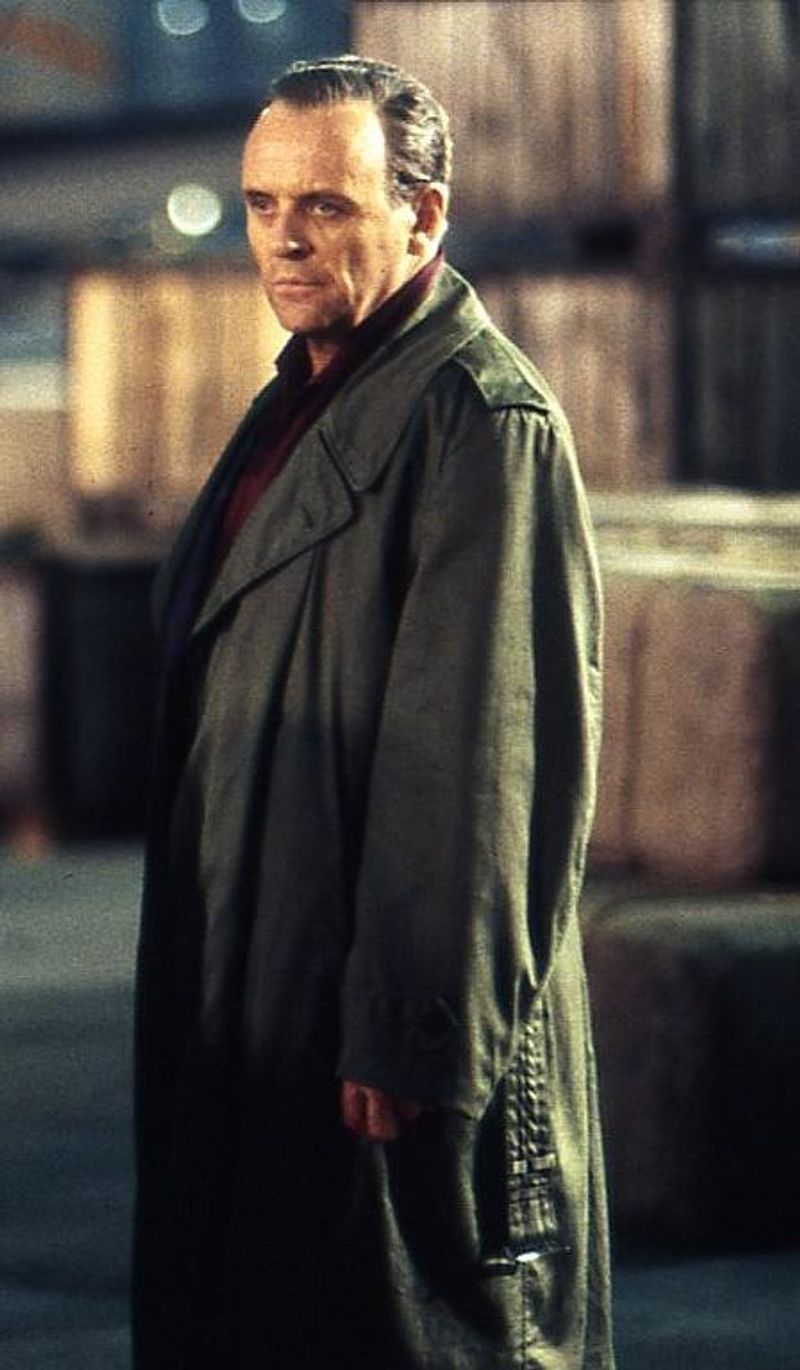
Oliver Stone staged a sweeping, non-linear portrait of Richard Nixon’s presidency and its fallout with a three-hour deep dive into one president’s complicated legacy.
Anthony Hopkins disappeared into the role, showing audiences a man caught between ambition and paranoia during some of America’s most turbulent political moments. The film doesn’t just replay history; it peels back layers like an onion until your eyes water.
Perfect for a rainy afternoon when you want something meaty to chew on. Stone’s signature style turns policy into drama, making even Cabinet meetings feel like edge-of-your-seat television.
12. 54

Studio 54 wasn’t just a nightclub. It was the place where disco dreams came true and the afterglow didn’t always match the hype under a spinning mirror ball.
This film follows a young guy from Jersey who scores a gig as a bartender in Manhattan’s most exclusive playground.
Ryan Phillippe and Mike Myers lead a cast that captures the glitter, the glamour, and the pressure hiding behind every VIP rope. When the bass drops and the lights flash, you feel like you’ve scored your own velvet-rope pass to history’s wildest party.
11. The Doors
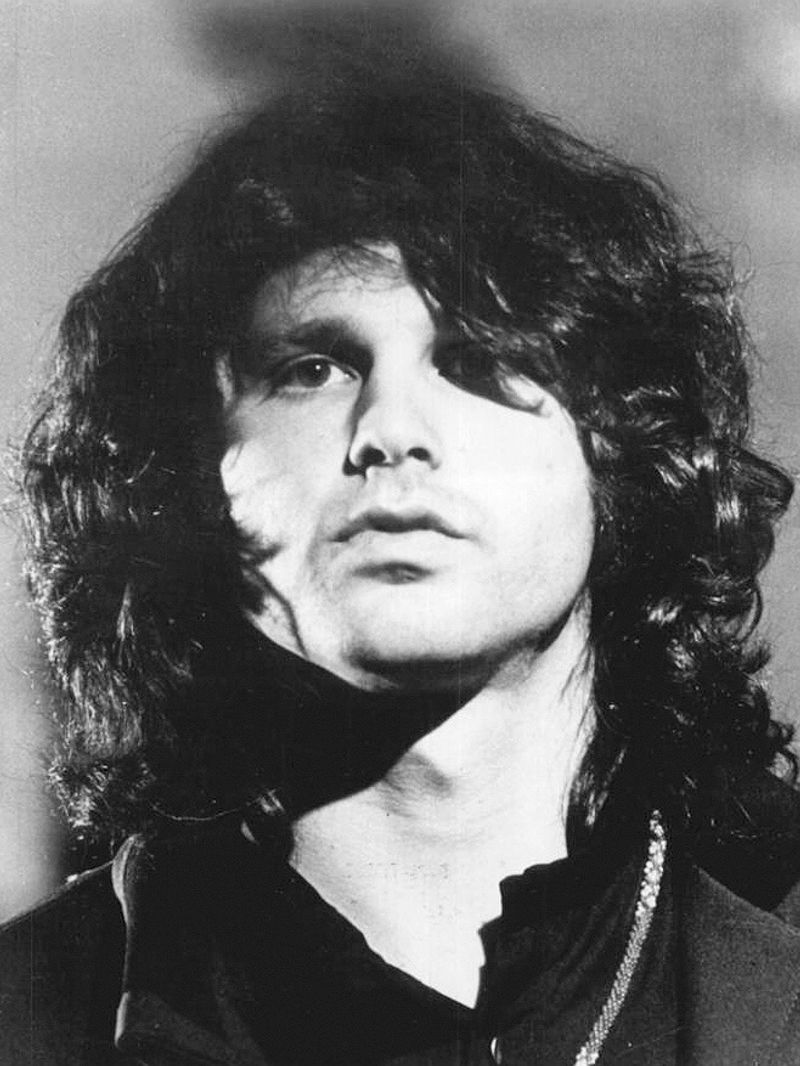
Total transformation defined the performance, as Val Kilmer inhabited Jim Morrison so fully that surviving band members reportedly paused in disbelief. Guided by Oliver Stone, the film traces the rise of a singular rock frontman, moving from Venice Beach poetry to stadiums where excess and chaos collided.
Music drives the experience relentlessly, pulsing through every frame like a second heartbeat.
Familiarity with lyrics hardly matters, since the pull comes from witnessing Morrison’s magnetic and self-destructive spiral unfold.
Psychedelic color and looming shadow bleed together as The Doors captures the uneasy transition from the idealism of the ’60s into the darker edge of the ’70s.
10. Detroit Rock City

Desperation fuels four teenagers willing to risk everything just to see KISS live in 1978, no matter the cost.
Stolen cars, fake IDs, and wildly bad decisions stack up fast, capturing the kind of reckless devotion only true superfans recognize. Comedy hits like power chords, with jokes that land loud and fast while genuine affection keeps every scheme oddly endearing.
Rooting interest never fades, even as choices get worse, because the heart behind each move feels painfully sincere.
Love letter energy defines Detroit Rock City, speaking directly to anyone who ever begged for concert tickets and heard a firm no.
9. Fear And Loathing In Las Vegas

Terry Gilliam turned Hunter S. Thompson’s wild ride into a fever dream you can’t look away from.
Johnny Depp and Benicio del Toro tear through Sin City like a tornado of impulsive choices and consequences.
The visuals bend and twist until reality feels optional.
Thompson’s gonzo journalism becomes gonzo cinema, where every frame leans into paranoia and off-kilter humor. You’ll either love the madness or need a nap afterward, but you won’t forget the trip anytime soon.
8. Summer Of Sam
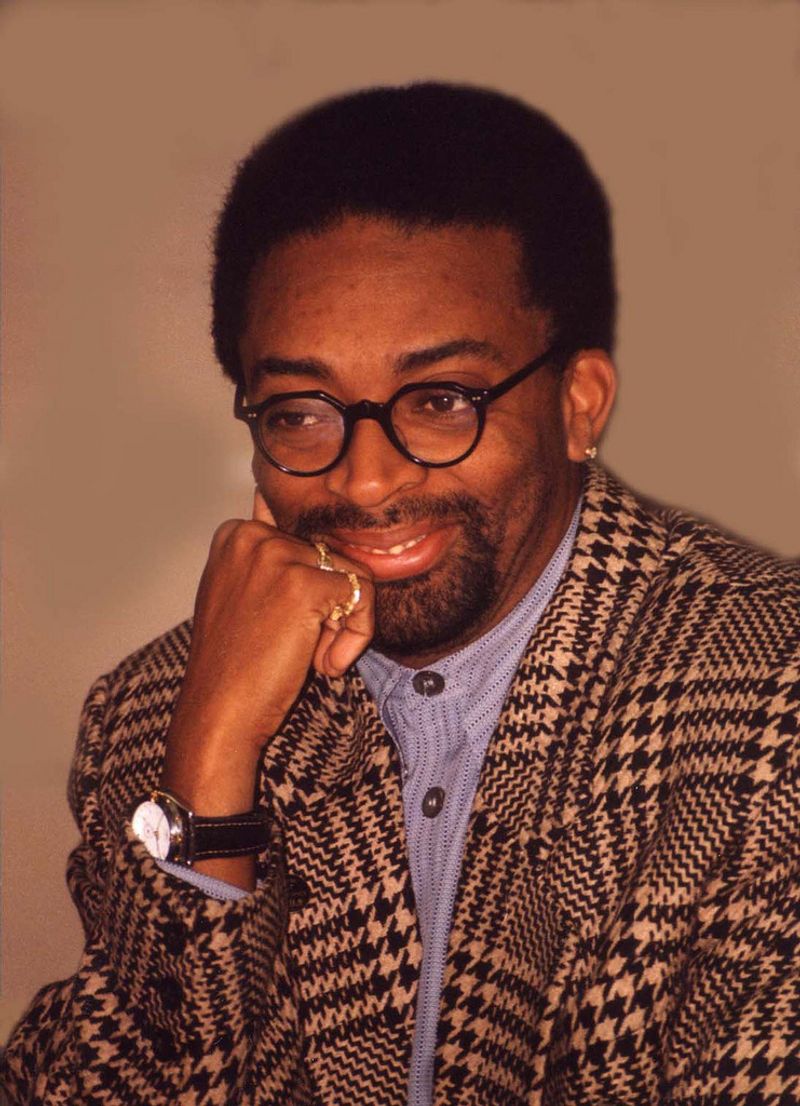
Sweltering streets frame New York City in the summer of 1977 as Spike Lee turns his lens toward a city gripped by fear.
Son of Sam panic lingers in the background while relationships strain, friendships fracture, and paranoia hangs as heavy as the heat.
Headlines fade into street-level tension, placing viewers right where every shadow feels loaded with threat.
Performances from Mira Sorvino and John Leguizamo ground the chaos in human emotion. Social commentary and thriller instincts collide in Summer of Sam, capturing a city sweating through blackouts, suspicion, and its own unraveling nerves.
7. The Ice Storm
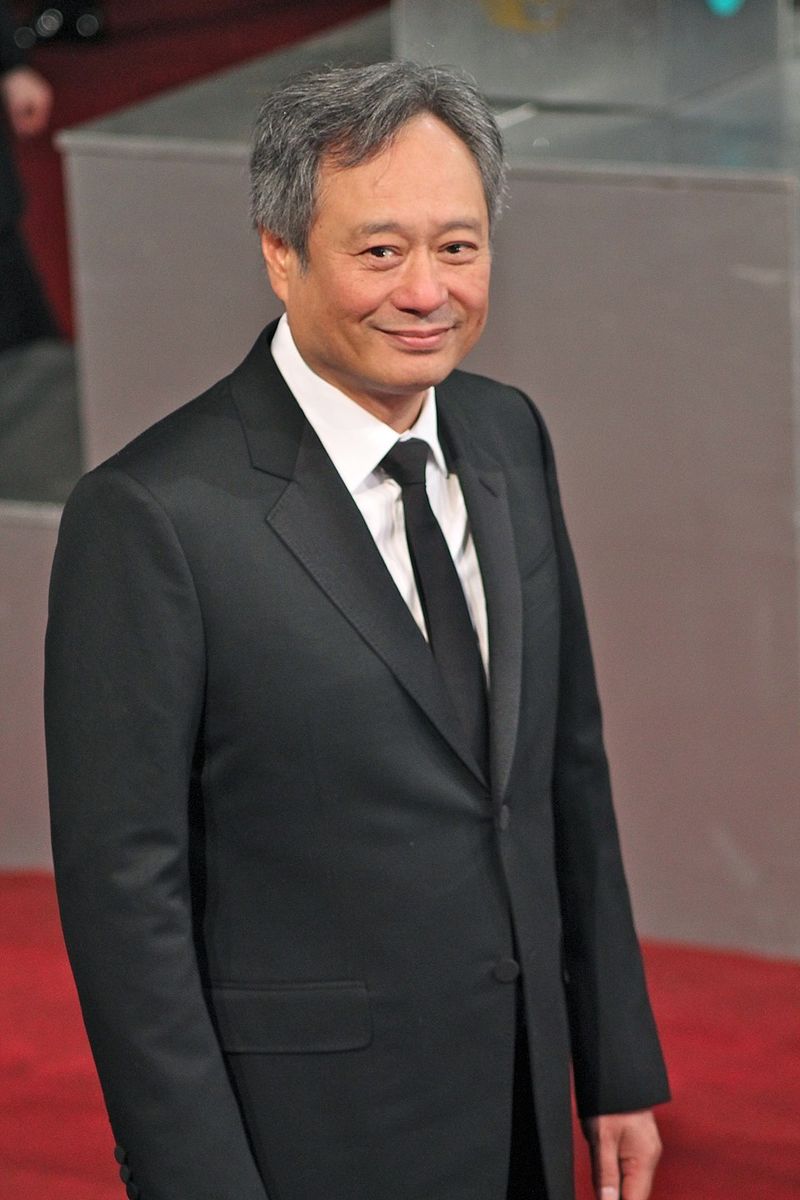
Thanksgiving weekend in 1973 becomes a pressure cooker rather than a holiday escape.
Suburban calm fractures as two families come undone, trapped indoors by an ice storm that forces secrets and resentments into the open. Clinical precision guides the adaptation of Rick Moody’s novel, with Ang Lee exposing how the sexual revolution and cultural shifts left many people emotionally frozen.
Performances from Kevin Kline, Joan Allen, and Sigourney Weaver land with a sting that feels as sharp as frostbite.
Moment-in-time clarity defines The Ice Storm, capturing an era when old rules collapsed and new ones had yet to take shape, leaving everyone struggling for footing on slick ground.
6. Carlito’s Way
Attempt at redemption drives a former crime boss through 1975 New York as old ties refuse to loosen their grip. Behind the camera, Brian De Palma layers paranoia into every frame, turning corners into traps and friendships into liabilities in Carlito’s Way.
Scene-stealing energy comes from Sean Penn as a lawyer whose ambition races far ahead of his judgment.
Tension tightens relentlessly, with Al Pacino embodying the hard truth that speed and good intentions cannot outrun a past determined to catch up.
5. Casino

Martin Scorsese took us inside the neon-lit world of 1970s Las Vegas, where fortunes changed faster than dealers shuffled cards. Robert De Niro runs a casino with ice-cold precision while Joe Pesci brings volcanic heat as his volatile enforcer.
Sharon Stone earned an Oscar nomination playing a hustler caught between both men and her own demons.
The film spans years but never loses momentum, showing how greed and ego turned paradise into a pressure cooker. Scorsese proves once again that nobody films crime and consequence quite like him.
4. Donnie Brasco
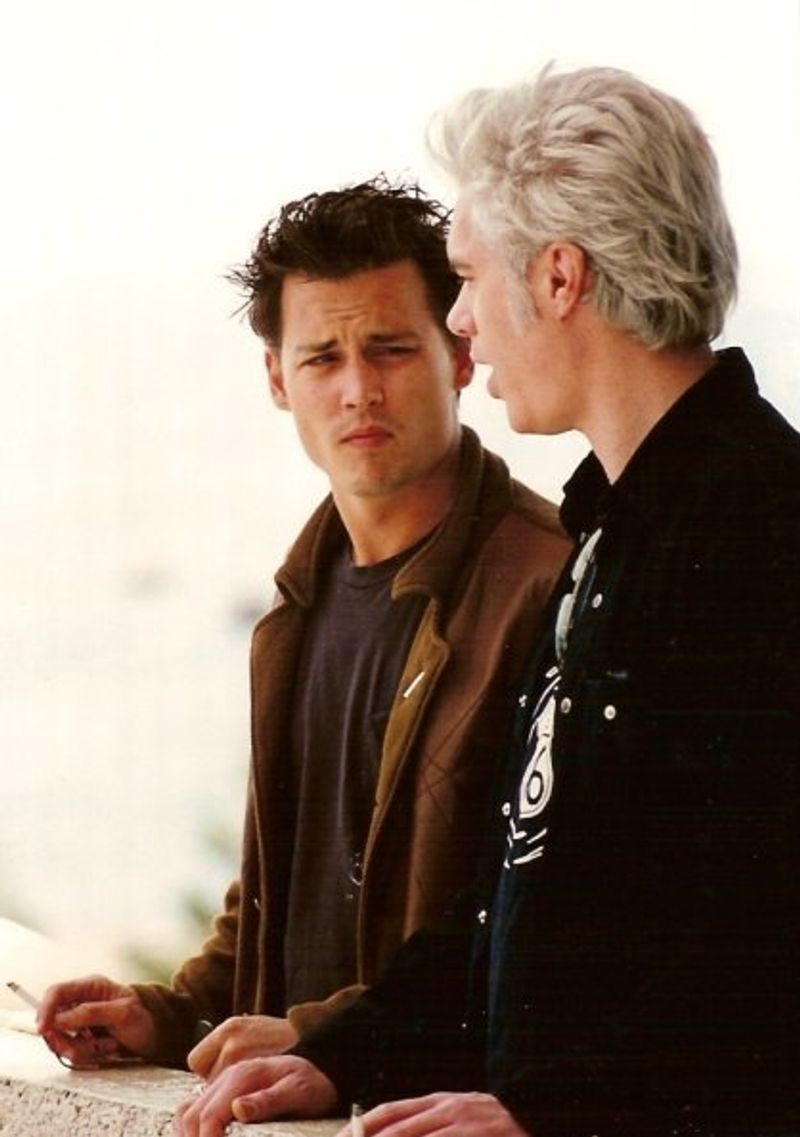
Johnny Depp goes undercover in the mid-1970s mob scene, and Al Pacino plays the aging wiseguy who becomes his unlikely mentor.
Mike Newell directed this true story with a focus on the friendship that blooms between cop and criminal, making every betrayal cut deeper.
The film asks tough questions about loyalty, identity, and what happens when you pretend to be someone else so long you forget who you were. Pacino’s performance as Lefty is heartbreaking, showing a man who backed the wrong horse his entire life.
3. Dazed And Confused
Last day of school, 1976, somewhere in Texas where time moves slower and summer stretches forever.
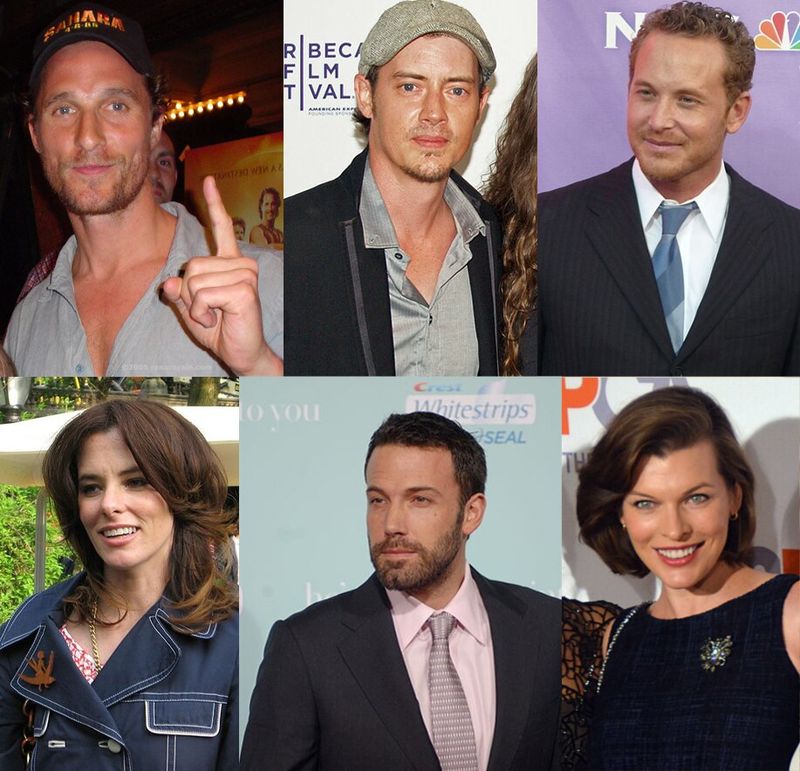
Richard Linklater assembled a cast of future stars and let them loose to capture what it really felt like to be young, bored, and buzzing with possibility. Matthew McConaughey, Ben Affleck, and Parker Posey are just a few faces you’ll recognize before they became household names.
The film has no real plot, just vibes, and somehow that makes it perfect. It’s like flipping through someone’s yearbook and actually wanting to hear every story.
2. Boogie Nights
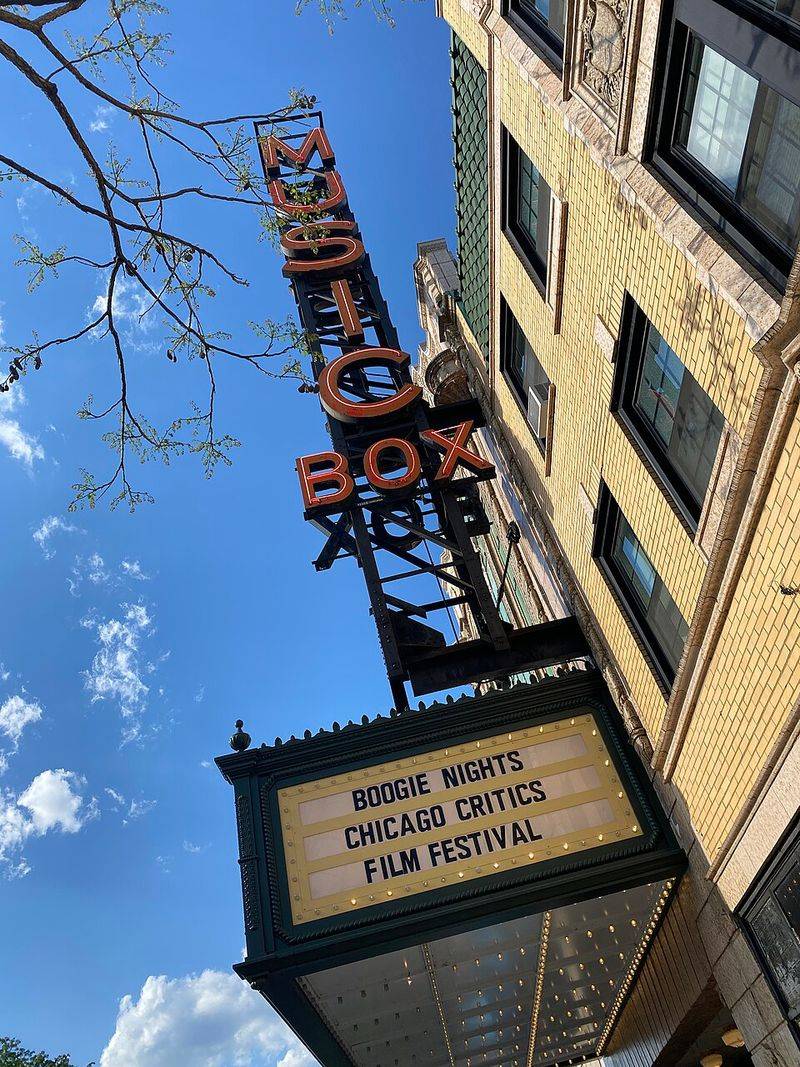
Curtain lifts on a controversial entertainment industry at its glossy peak, when movies were shot on film and performers drifted into unlikely celebrity. Directorial vision from Paul Thomas Anderson frames that era through the rise of a young busboy, played by Mark Wahlberg, whose raw confidence catches the eye of someone promising stardom.
Emotional center comes from Burt Reynolds as a paternal filmmaker struggling to hold a makeshift family together. Disco-heavy soundtrack pulses through every scene, carrying the momentum of a party that refuses to end.
Ambition, loyalty, and disillusionment collide in Boogie Nights, revealing what happens once the music fades and the lights finally come up.
1. Goodfellas

Martin Scorsese opened the 1990s by showing us exactly how organized crime worked in New York from the 1950s through 1980.
Ray Liotta narrates his rise and fall with the kind of detail that makes you feel like you’re sitting in the booth next to him. Robert De Niro and Joe Pesci round out a trio that redefined the gangster genre.
The film moves like a freight train, packed with iconic scenes that film students still dissect today. Scorsese didn’t just make a mob movie; he made the mob movie that every other one gets measured against.