A Ranking Of 50 Notable Crime Television Series
Dark rooms, flashing sirens, and unanswered questions have long pulled viewers straight to edge of couch.
Twists pile up, characters grow complicated, and suspense tightens as investigations unfold across decades of television history.
This ranking spotlights series that mastered tension, reshaped crime storytelling, and kept audiences guessing long after credits rolled.
Note: This ranking reflects editorial judgment based on cultural impact, storytelling influence, and long-term audience reception rather than viewership numbers alone.
Series placement represents an informed perspective, and other viewers may reasonably rank or interpret these crime television shows differently based on personal taste, era, or viewing experience.
50. Hart To Hart

While solving crimes as amateur detectives, wealthy couple Jonathan and Jennifer Hart lived a literal dream life.
Every episode felt like a mini-vacation mixed with mystery because of their palpable chemistry and glamorous lifestyle.
Champagne wishes and caviar dreams defined the aesthetic, yet the show always included actual detective work for good measure.
Perhaps the show taught us that love and crime solving can coexist beautifully in any situation.
Fans remained happy long after the original run ended since the series spanned five seasons and spawned multiple TV movies.
49. Without A Trace

An FBI missing persons unit worked tirelessly to find people who vanished without explanation.
Each episode focused on piecing together the hours before someone disappeared, creating tension that built naturally.
The show explored how everyone has secrets, and sometimes those secrets lead to dangerous situations.
If you ever wondered what happens when someone just doesn’t come home, this series provided haunting answers.
Seven seasons proved that audiences cared deeply about the forgotten and the lost.
48. Blue Bloods

Multigenerational New York City police family gathered around dinner table every Sunday to argue cases, values, and visions of justice.
Household represented different corners of law enforcement, ranging from beat cops to police commissioner.
Sunday dinners became center of series, grounding weekly cases in family pressure, loyalty, and hard calls.
Series ran 14 seasons and closed with finale titled “End of Tour” during December 2024.
47. Castle

To research his books, mystery novelist Richard Castle shadowed NYPD detective Kate Beckett and created a partnership full of banter and chemistry.
Levity entered the world of serious crime-solving through the playful dynamic between the novelist and the detective.
Creativity proved its practical value as Castle’s wild imagination often helped crack cases in unexpected ways.
Monday nights became something to anticipate because the show balanced humor with genuine suspense so effectively.
Fans enjoyed a satisfying mix of romance, mystery, and witty one-liners across eight seasons that never grew old.
46. Bones

Forensic anthropologist Dr. Temperance Brennan partnered with FBI agent Seeley Booth to solve murders through skeletal remains.
Scientific detail felt fascinating, turning bones into storytellers revealing how victims died.
Logical mindset clashed beautifully with gut instincts, creating partnership that slowly grew into deep affection.
Fans who enjoy television blending hard science with human emotion found consistent rewards here.
Twelve seasons proved audiences loved learning forensic anthropology while rooting for central romance.
45. Psych

While actually using his incredible observational skills to solve crimes for the Santa Barbara Police Department, Shawn Spencer pretended to be a psychic detective.
Engaging mysteries and sharp comedy defined a series where the friendship between Shawn and his best friend Gus felt genuinely authentic.
Every episode felt like hanging out with your funniest friends because pop culture references flew fast and furious from start to finish.
Crime dramas do not always need to be grim to be effective as this show honestly proved through its lighthearted approach.
Pineapple loving fans stayed thoroughly entertained across eight seasons and multiple follow up movies.
44. Major Crimes

This spinoff continued following the LAPD’s Major Crimes Division after The Closer ended, focusing on securing confessions and prosecutions rather than just arrests.
Captain Sharon Raydor brought a different leadership style that emphasized collaboration and legal strategy.
The ensemble cast developed strong chemistry over six seasons, making workplace dynamics as compelling as the cases.
Where some spinoffs fail, this one succeeded by finding its own identity while respecting what came before.
The show tackled modern issues while maintaining the procedural format fans appreciated.
43. The Closer

Southern charm paired with interrogation genius powered Deputy Chief Brenda Leigh Johnson through impossible cases at LAPD.
Love of sweets and disarming demeanor hid razor-sharp mind capable of breaking any suspect.
Signature phrase “Thank you so much” landed with deceptive sweetness before hammer dropped.
Tough female leads rarely dominated crime dramas, yet Brenda proved leadership could carry series brilliantly.
Seven seasons cemented status among cable television’s most successful crime dramas ever.
42. Monk

Ordinary life became challenging for Adrian Monk because of his obsessive-compulsive disorder, yet his brilliance made his crime-solving abilities extraordinary.
Working to overcome his wife’s unsolved murder provided both heart and humor through his many phobias and quirks.
Monk’s condition served to deepen our understanding of him rather than acting as a joke, allowing the show to balance comedy with genuine mystery.
Relatability and struggle defined this character in a way few other detectives have managed while remaining so exceptional at their job.
Audiences resonated deeply with different kinds of heroes as evidenced by eight successful seasons and multiple Emmy wins.
41. NCIS

Naval Criminal Investigative Service agents solved crimes involving Navy and Marine Corps personnel, mixing military protocol with detective work.
Special Agent Gibbs led his team with gut instincts, head slaps, and an unbreakable code of honor that inspired loyalty.
The team dynamic felt like family, with each member bringing unique skills and personality to investigations.
Because the show balanced action, humor, and emotional depth, it became one of television’s longest-running dramas.
Multiple spinoffs and over twenty seasons prove that this formula works beautifully for audiences worldwide.
40. Criminal Minds
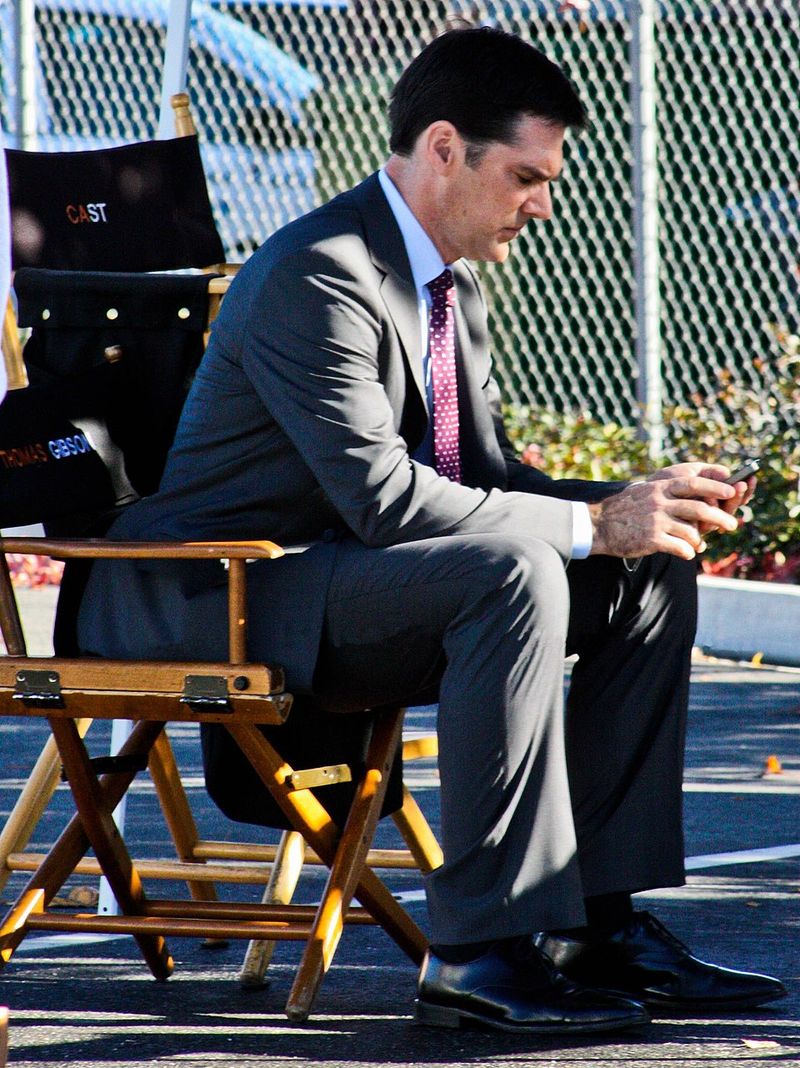
Inside the twisted minds of serial killers and criminals, FBI profilers analyzed psychology to predict the next moves of dangerous offenders.
Intellectual tones were set for the dark investigations that followed as each episode opened with insightful quotes about human nature.
By showing how psychology helps catch predators, the Behavioral Analysis Unit served as a guide through humanity’s darkest corners.
Warmth and hope remained present amid the darkness because the team camaraderie balanced out cases that often felt deeply disturbing.
Endless audience fascination with understanding criminal behavior was demonstrated by fifteen seasons focused on the minds that hunt offenders.
39. CSI: Miami

Lieutenant Horatio Caine led Miami’s crime scene investigators with dramatic sunglasses removals and determination to protect the innocent.
The Florida setting brought bright visuals and beach culture to forensic investigations, creating a distinct atmosphere.
His one-liners before the opening credits became legendary, often delivered with theatrical flair that fans loved to quote.
Specifically, the show used cutting-edge forensic technology to solve crimes in ways that felt both educational and entertaining.
Ten seasons in the sun proved that location matters when creating a memorable crime drama with its own flavor.
38. CSI: Crime Scene Investigation

Forensic science allowed the evidence to tell the story of what happened at crime scenes as Las Vegas investigators meticulously analyzed every detail.
Science became cool and accessible to mainstream audiences because this show revolutionized how television portrayed forensic work.
An unexpected depth was brought to the lead investigator role by Gil Grissom and his quiet intelligence or passion for entomology.
Cultural shifts occurred as juries began expecting DNA evidence in every case and everyone suddenly wanted to work in forensics.
Focusing on scientific methodology across fifteen seasons established a massive franchise and changed crime television forever.
37. The Mentalist

Former fake psychic Patrick Jane used exceptional observational skills to help California Bureau of Investigation solve crimes while hunting wife’s killer.
Charm and unconventional methods often clashed with proper procedure, but results spoke louder than rulebooks.
Ongoing Red John mystery provided narrative thread that kept viewers invested across multiple seasons.
Jane proved that paying attention to tiny details reveals more truth than any supposed supernatural ability ever could.
Seven seasons balanced case-of-the-week stories with larger mythology that drove Jane’s quest for justice and closure.
36. NYPD Blue

Detectives at Manhattan’s 15th Precinct dealt with gritty cases and personal demons in this groundbreaking police drama that pushed boundaries.
The show brought raw language and adult situations to network television, earning both controversy and critical acclaim.
Detective Andy Sipowicz’s journey from alcoholic to respected investigator provided the emotional core across twelve seasons.
However, what really set it apart was the willingness to show police officers as flawed humans struggling with their own darkness.
Multiple Emmy wins recognized how this series elevated the police procedural into genuine art.
35. Matlock

Defense attorney Ben Matlock used folksy Southern charm and brilliant legal strategies to prove his clients innocent in Atlanta courtrooms.
His rumpled suits and love of hot dogs belied a sharp legal mind that could dismantle prosecution cases with surgical precision.
The courtroom reveals were always satisfying, with Matlock exposing the real culprit through clever questioning and evidence presentation.
Often, the show reminded us that appearances deceive and underestimating someone based on age or demeanor proves foolish.
Nine seasons made this one of the most beloved legal dramas, proving that formula and charisma create television magic.
34. Homicide: Life On The Street

Gritty portrait followed Baltimore homicide detectives as cases unfolded, drawing inspiration from nonfiction work by David Simon chronicling time spent with department.
Documentary-style filming paired with realistic dialogue set new standard for police dramas that influenced everything afterward.
Complex, morally ambiguous characters showed how murder investigations place heavy toll on people doing job.
Messy outcomes replaced tidy solutions, with many cases left unsolved to reflect harsh reality of urban police work across America.
Critical praise followed across seven seasons, with authenticity others could only hope to reach.
33. Hill Street Blues
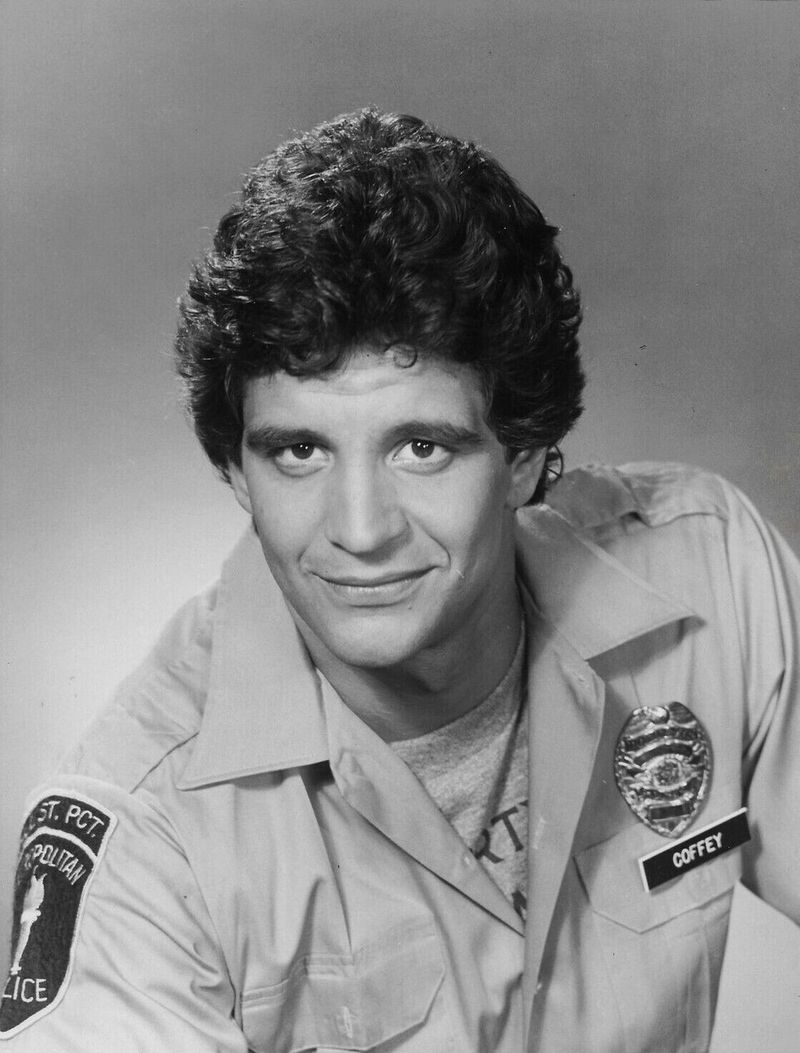
This ensemble drama revolutionized television by following multiple storylines across episodes at an urban police precinct dealing with crime and social issues.
Sergeant Esterhaus’s morning roll call warning to be careful out there became an iconic television moment that set the tone.
Fortunately, critics and audiences recognized its groundbreaking approach, earning multiple Emmys and changing how television told serialized stories.
Seven seasons established the template that modern prestige dramas still follow today.
32. Miami Vice

Undercover detectives Crockett and Tubbs fought drug dealers in Miami while wearing pastel suits and driving a Ferrari to epic synthesizer soundtracks.
The show defined 1980s style, influencing fashion, music, and visual aesthetics far beyond the television screen.
Each episode felt like a music video crossed with a crime drama, creating something genuinely new and exciting for audiences.
Really, no other show captured the excess and danger of the cocaine era quite like this stylish procedural did.
Five seasons made stars of its leads and proved that crime dramas could be as much about atmosphere as plot.
31. Magnum, P.I.

Private investigator Thomas Magnum lived in a Hawaiian guest house, drove a Ferrari, and solved cases while sporting a legendary mustache.
The island setting provided gorgeous backdrops for adventures that mixed humor, action, and genuine detective work in perfect balance.
Magnum’s Vietnam veteran background added depth and occasional darkness to what could have been a purely escapist series.
His relationships with Higgins, TC, and Rick created a found family that made the show about more than just mysteries.
Eight seasons in paradise proved that audiences loved their crime-solving with sunshine, friendship, and tropical drinks.
30. Starsky & Hutch
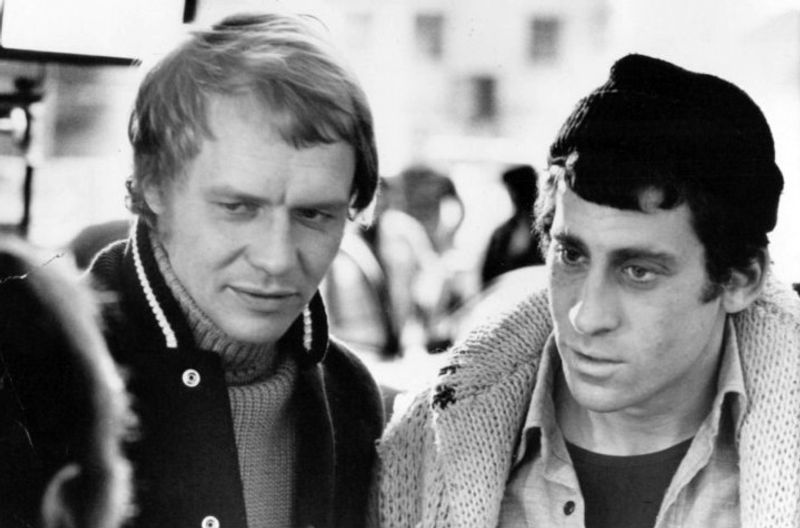
Streetwise Bay City detectives fought crime while tearing through streets in red-and-white striped Ford Torino that became famous alongside badge and gun.
Friendship formed emotional core, showing how partners built on total trust could survive any danger thrown their way.
Action stayed relentless, powered by car chases and physical confrontations that kept energy high across every episode.
Street informant Huggy Bear added humor and credibility while linking detectives to criminal underworld navigated daily.
Lasting influence took shape during 1970s, with buddy cop template inspiring countless television shows and films afterward.
29. Kojak
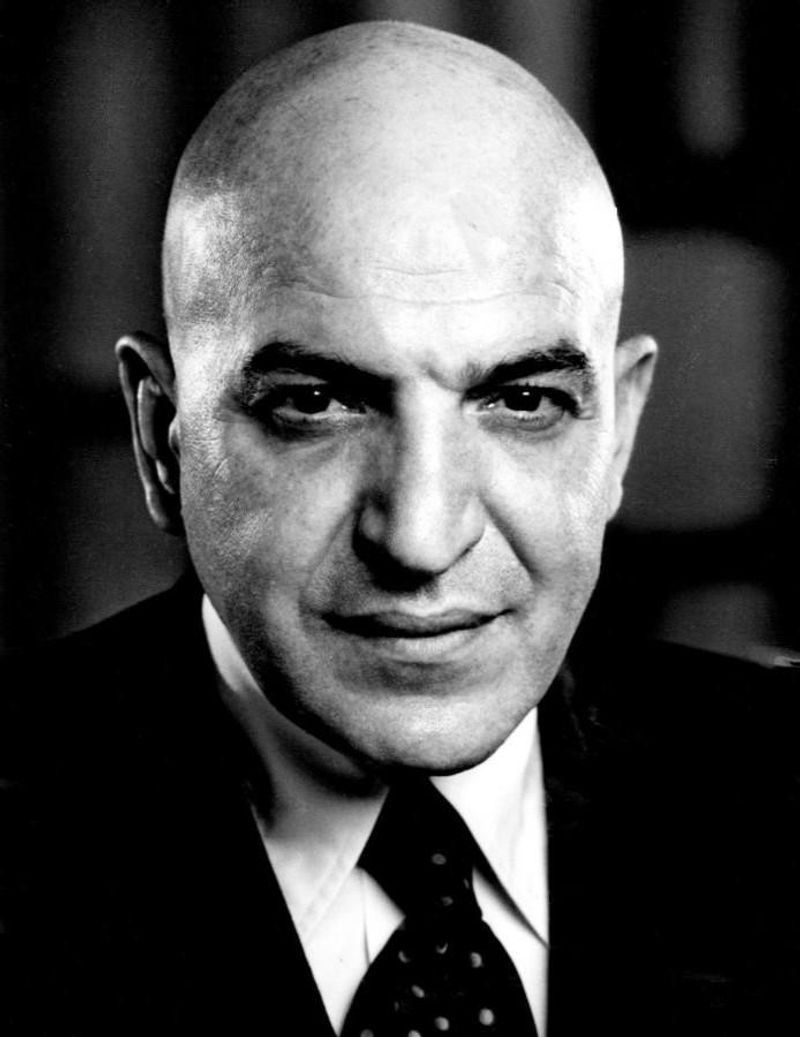
Manhattan South detective Theo Kojak sucked on lollipops instead of smoking while solving murders through street smarts and determination.
Bald head, tough demeanor, and catchphrase “Who loves ya, baby?” made presence one of television’s most distinctive detectives.
Gritty realism shaped portrayal of New York City crime, mirroring troubled urban landscape of 1970s.
Methods rarely stayed by book, yet results and dedication to justice earned respect from colleagues and criminals alike.
Essential status emerged across five seasons plus movies, rewarding viewers who value classic television crime drama.
28. The Rockford Files
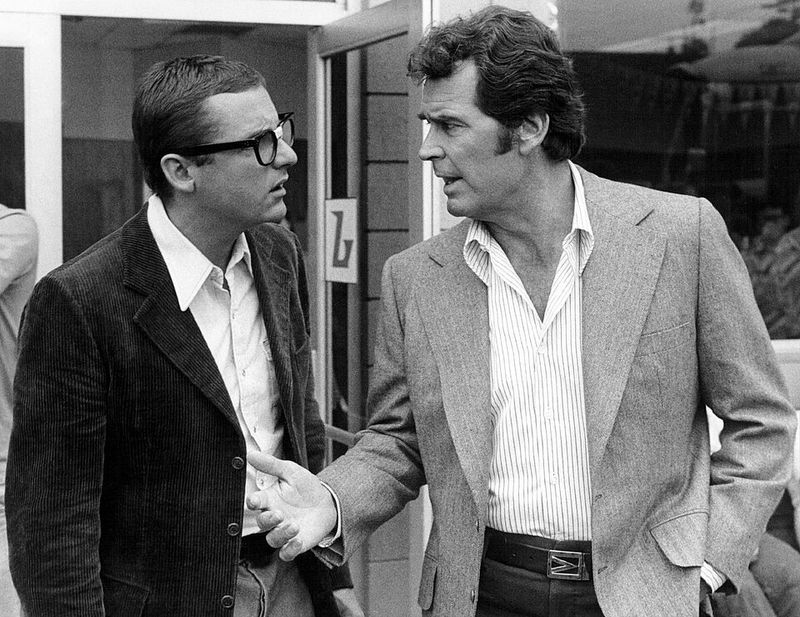
Ex-con turned private investigator Jim Rockford lived in a trailer on a Malibu beach and charged $200 a day plus expenses for his services.
His reluctance to get into dangerous situations made him refreshingly human compared to fearless television detectives of the era.
The answering machine messages that opened each episode became a beloved tradition, showcasing his struggling detective business with humor.
Rockford relied on intelligence and connections rather than violence, proving that brains beat brawn in most investigative situations.
Six seasons earned multiple Emmys and created one of television’s most endearing and relatable private eyes ever.
27. Perry Mason

Defense attorney Perry Mason never lost case, revealing true culprit through brilliant courtroom cross-examination and sharp detective work.
Secretary Della Street and investigator Paul Drake formed loyal team, helping uncover evidence prosecutors somehow always missed.
Courtroom dramatics felt theatrical and satisfying, with Mason systematically dismantling false accusations against innocent clients.
Comforting formula guided each episode, letting audiences relax knowing justice would prevail by final commercial break.
Gold standard reputation grew across nine seasons, influencing generations of lawyers and television creators.
26. Dragnet
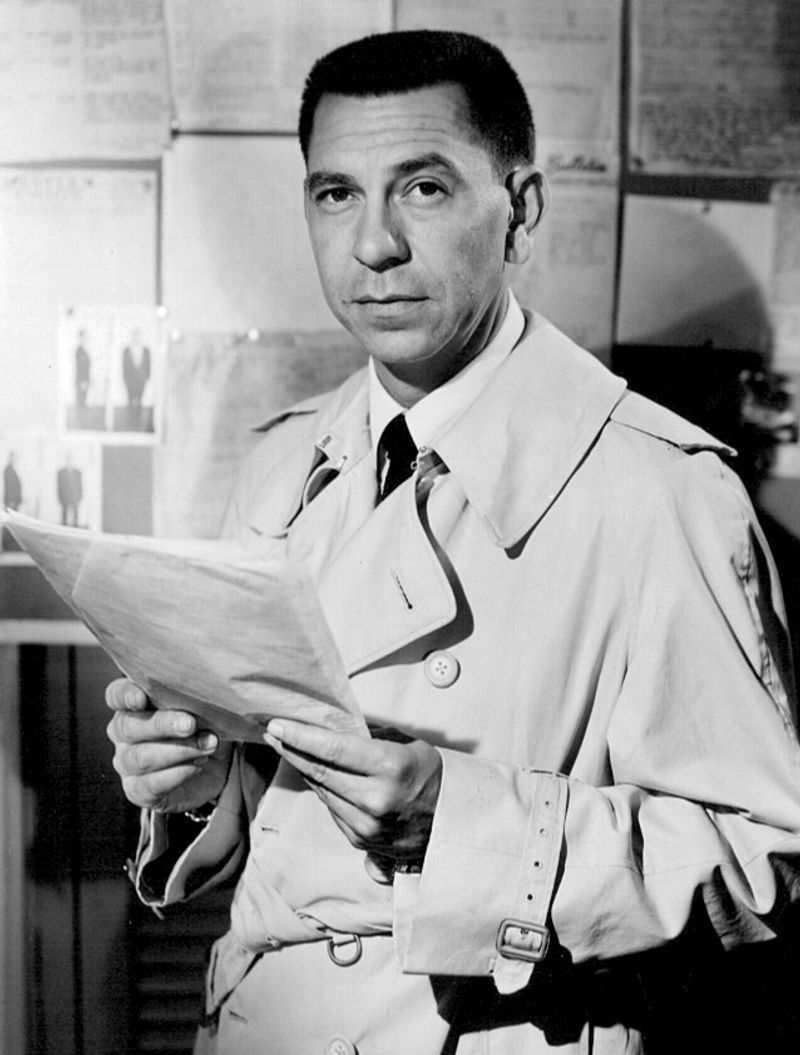
Sergeant Joe Friday investigated crimes in Los Angeles with deadpan delivery and an unwavering commitment to “just the facts, ma’am.”
The show pioneered the police procedural format, showing actual investigative techniques and police work with documentary-style realism.
Friday’s by-the-book approach and moral clarity made him the embodiment of law enforcement professionalism during television’s early decades.
The iconic four-note theme became instantly recognizable, signaling that serious police business was about to unfold on screen.
Multiple iterations across decades proved this formula had staying power, influencing virtually every police show that came after it.
25. 24

Counter-terrorist agent Jack Bauer faced twenty-four hours to stop catastrophic threats, with each season unfolding in real time across twenty-four episodes.
Split-screen format paired with ticking clock created relentless tension that kept viewers on edge every single minute.
Willingness to do whatever it took to save lives sparked debates about ethics, torture, and costs tied to security.
Because each episode represented one hour of day, format created unprecedented urgency and eliminated filler completely.
Eight seasons plus limited revival proved innovative approach reshaped action television and sparked cultural phenomenon.
24. Law & Order

New York detectives investigated crimes in the first half while prosecutors tried cases in the second, creating a complete justice system narrative.
The iconic “dun-dun” sound effect became synonymous with crime television, punctuating scene transitions for over two decades.
Stories ripped from headlines gave episodes immediacy and relevance, exploring how the legal system handles complex moral questions.
Cast changes across twenty seasons kept the show fresh while maintaining the format that made it an enduring success.
The franchise spawned multiple spinoffs, proving this two-part structure worked brilliantly for exploring crime and punishment thoroughly.
23. Law & Order: Special Victims Unit
Detectives in Manhattan’s Special Victims Unit investigated sexually-based offenses with sensitivity and determination to help vulnerable victims.
Detective Olivia Benson became television’s most dedicated advocate for survivors, bringing empathy and strength to difficult cases.
The show tackled uncomfortable topics that other series avoided, educating audiences about sexual assault while entertaining them.
Over twenty-five seasons made this the longest-running primetime drama in television history, testament to its importance and quality.
The series proved that crime procedurals could address social issues meaningfully while maintaining compelling storytelling and character development.
22. Columbo
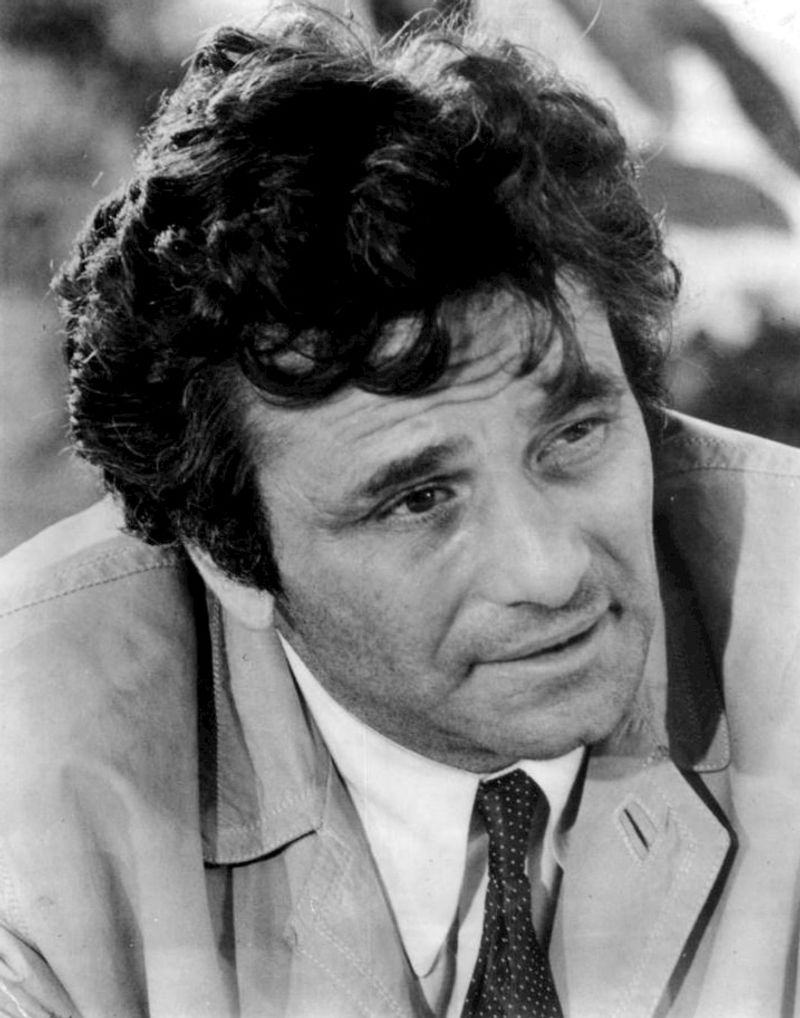
Rumpled LAPD homicide detective Lieutenant Columbo solved murders by pretending to be bumbling while quietly outthinking killers.
Inverted detective format revealed murder first, then followed Columbo as he systematically dismantled perpetrator’s alibi.
Trademark line “just one more thing” signaled crucial detail had been spotted and entire case stood ready to unravel.
Wealthy, arrogant murderers consistently underestimated working-class detective in wrinkled raincoat, sealing personal downfall.
Beloved status endured across decades and formats, cementing Columbo among television’s most iconic detectives.
21. Murder, She Wrote

Mystery novelist Jessica Fletcher stumbled upon murders wherever she traveled, using her keen observational skills to solve crimes that baffled police.
Her kindly demeanor and sharp intelligence made her an unlikely but highly effective amateur detective who earned law enforcement respect.
The cozy mystery format provided comfort viewing, with Jessica always restoring order and justice to communities touched by murder.
Cabot Cove, Maine must have had the highest per capita murder rate in America, but audiences happily suspended disbelief.
Twelve seasons made this one of the most successful mystery series ever, proving that wholesome sleuthing has enduring appeal.
20. The Blacklist

Notorious criminal Raymond Reddington surrendered to FBI, offering help catching dangerous criminals on personal blacklist in exchange for working with one specific agent.
Mysterious connection to Elizabeth Keen fueled overarching mythology while weekly cases spotlighted bizarre figures operating in shadows.
Charm, ruthlessness, and unexplained motivations shaped Red into television’s most compelling antihero of recent memory.
Procedural structure blended with serialized storytelling, keeping audiences guessing about true identity and hidden intentions.
Audience devotion held strong across ten seasons as morally blurred success stories kept delivering results.
19. The K*lling

Seattle detectives investigated a single murder case across an entire season, allowing deep character development and plot complexity rarely seen in procedurals.
The rainy Pacific Northwest setting created a perpetually gloomy atmosphere that matched the dark subject matter perfectly.
Sarah Linden’s obsessive dedication to solving cases destroyed her personal life but made her an unforgettable detective character.
The slow-burn storytelling frustrated some viewers but rewarded patient audiences with rich, layered narratives about grief and justice.
Four seasons demonstrated that crime dramas could take their time, exploring how murder impacts entire communities over extended periods.
18. Person Of Interest

A reclusive billionaire built an artificial intelligence system that predicts crimes, recruiting a presumed-dead CIA operative to prevent them.
The show evolved from procedural to complex science fiction thriller, exploring surveillance, privacy, and artificial intelligence with surprising depth.
Each week brought a new number, a person who would be involved in a violent crime as victim or perpetrator.
What started as a simple premise became a profound meditation on technology, free will, and what it means to be human.
Five seasons proved that network television could deliver intelligent science fiction wrapped in an accessible crime drama format.
17. Elementary

Modern-day New York City became setting for Sherlock Holmes after rehab in London, consulting for NYPD with Dr. Joan Watson serving as sober companion turned partner.
Gender-swapped Watson introduced fresh dynamics to legendary detective partnership while preserving core relationship strengths.
Recovery journey added vulnerability to figure often portrayed as purely intellectual and emotionally distant.
Series showed classic characters can succeed under reimagination when adaptation respects spirit of source material.
Enduring appeal surfaced across seven seasons, confirming Sherlock Holmes works in any era or setting with proper execution.
16. Narcos

DEA agents pursued Colombian drug lord Pablo Escobar and other cartel leaders in this gritty dramatization of the war on drugs.
The show blended real footage with dramatized scenes, creating a documentary feel that enhanced the true-crime storytelling approach.
Escobar’s transformation from Robin Hood figure to ruthless terrorist demonstrated how power and wealth corrupt absolutely.
Later seasons expanded beyond Colombia to explore the Mexican drug trade, showing how the problem evolved and spread.
Three seasons of intense drama proved that audiences crave authentic stories about the real criminals who shaped modern history.
15. Dexter

Miami forensic analyst Dexter Morgan channeled homicidal urges into killing other murderers who escaped justice, following code taught by adoptive father.
Dark humor paired with inner monologue pushed audiences to root for serial killer, creating transgressive and thrilling experience.
Struggle to appear normal while hiding true nature explored identity themes and masks worn every day.
Kill room wrapped in plastic became iconic image representing meticulous approach to vigilante justice.
Longevity across eight seasons plus revival series confirmed fascination with morally complex antiheroes, even when methods horrify viewers.
14. Luther

London detective John Luther’s obsessive dedication to catching killers pushed him to the edge of sanity and legality repeatedly.
His complicated relationship with psychopath Alice Morgan blurred lines between detective and criminal in fascinating, disturbing ways.
The British noir atmosphere created a dark, oppressive mood that matched Luther’s psychological torment perfectly throughout the series.
Luther’s intensity made him brilliant at solving crimes but terrible at maintaining relationships or following proper procedures.
Five seasons of this psychological thriller proved that British crime dramas excel at character-driven stories with moral ambiguity.
13. Sherlock

Modern London became playground where consulting detective Sherlock Holmes solved impossible crimes through deduction, observation, and smartphone replacing magnifying glass.
Visual style displayed thought processes on screen, making brilliant mind accessible to audiences through innovative presentation.
Chemistry between John Watson and Holmes drove series, creating partnership that felt fresh while staying faithful to Arthur Conan Doyle.
Each ninety-minute episode felt like feature film, with production values that elevated television crime drama to cinematic levels.
Across four seasons, series proved classic literature translates beautifully to contemporary settings when handled with intelligence and respect.
12. Broadchurch

After a young boy’s murder exposed secrets that residents had kept hidden for years, a small coastal town in Dorset was torn apart.
Personal demons and the community’s suspicion of outsiders challenged Detectives Alec Hardy and Ellie Miller as they conducted their investigation.
Visual poetry emerged from tragedy because the stunning seaside setting contrasted so beautifully with the dark subject matter.
Devastating emotional honesty defined the show’s exploration of how violent crime affects entire communities rather than just victims and perpetrators.
Intimate crime dramas that prioritize character and atmosphere over procedural elements are clearly a strength of British television, as demonstrated by three masterful seasons.
11. Happy Valley

Yorkshire police sergeant Catherine Cawood battled personal tragedy and a nemesis who destroyed her family while serving her community with fierce dedication.
The show’s unflinching portrayal of grief, addiction, and resilience made it emotionally devastating and deeply human.
Catherine’s strength came not from being superhuman but from getting up every day despite unimaginable pain and loss.
The Yorkshire setting brought working-class authenticity to a crime drama that refused to romanticize police work or suffering.
Three seasons of this powerful series proved that crime television can be both entertaining and profoundly moving when done right.
10. Mindhunter

Late 1970s marked turning point as FBI agents pioneered criminal profiling by interviewing imprisoned serial killers to predict future crimes.
Methodical development of behavioral science felt authentic and fascinating, revealing how revolutionary field appeared during early days.
Conversations with real killers like Edmund Kemper delivered chilling insight into minds operating without normal moral constraints.
Period setting paired with deliberate pacing built atmosphere that favored intelligence and character depth over action.
Cerebral tone lingered after two seasons, leaving viewers eager for more crime drama that respected audience intelligence.
9. Line Of Duty

Anti-corruption unit AC-12 investigated bent coppers in this tense British series full of interrogation scenes and institutional conspiracy.
The acronyms, procedures, and police jargon created authenticity that made viewers feel like insiders watching real investigations unfold.
Each season focused on a different case, with overarching mythology about organized crime infiltrating law enforcement at high levels.
The interview room confrontations became legendary for their intensity, with suspects and investigators engaging in psychological warfare.
Six seasons made this one of Britain’s most-watched dramas, proving audiences love complex plotting and morally ambiguous characters.
8. Peaky Blinders
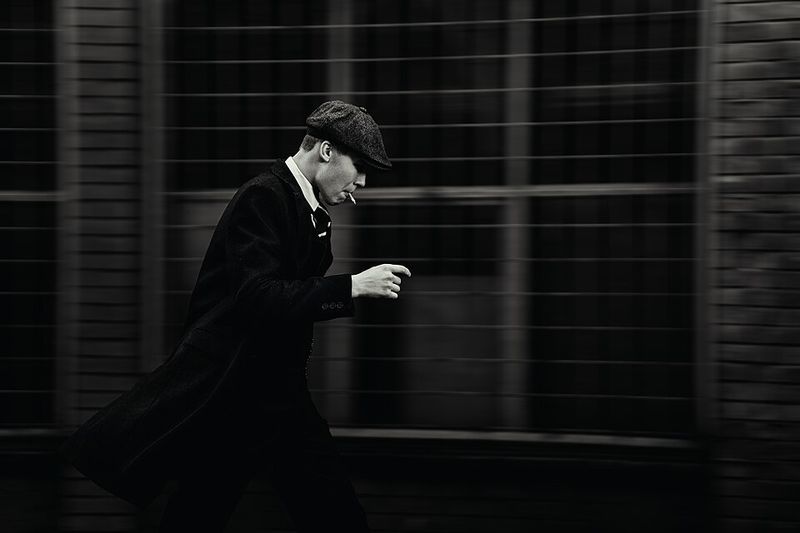
Birmingham crime family rose from street gang to legitimate power during post World War I England, guided by war-hardened leadership.
Modern music layered over period settings created distinctive style that made history feel immediate and relevant.
Ruthless ambition and strategic mind turned Tommy Shelby into compelling antihero building empire through violence and cunning.
Razor blades sewn into flat caps emerged as iconic symbols of brutal efficiency and working-class roots.
Bold creative choices carried stylish crime saga across six seasons, proving period drama can feel strikingly contemporary.
7. True Detective

Each season presented a new case and cast, with detectives investigating crimes that revealed darkness in American communities and their own souls.
The first season’s Louisiana setting and philosophical dialogue elevated crime television into genuine prestige drama that sparked cultural conversations.
The anthology format allowed complete storytelling without worrying about keeping series running beyond natural conclusions.
Rust Cohle’s nihilistic monologues and the Yellow King mystery created water-cooler moments rarely seen in crime procedurals.
Four seasons of varying quality proved that taking creative risks in crime television sometimes produces brilliance and sometimes misses the mark.
6. Fargo

Inspired by Coen Brothers film, anthology series presented new crime stories in Minnesota and surrounding areas with dark humor and moral complexity.
Minnesota nice culture clashed wonderfully with brutal violence, creating distinctive tone balancing comedy and tragedy perfectly.
Each season connected loosely through characters or references, building shared universe of Midwestern crime and consequences.
Series proved television could capture Coen Brothers’ unique voice while telling original stories within established world.
Five seasons showed anthology crime dramas offer creative freedom while maintaining thematic consistency and strong storytelling.
5. Justified

Back in his Kentucky hometown to enforce federal law, U.S. Marshal Raylan Givens confronted both the criminals from his past and the burdens of his family.
Style and wit defined this modern Western sensibility by bringing gunfighter ethics and cowboy justice to a contemporary crime drama.
A distinctive lawman emerged through Raylan’s quick draw and quicker tongue as he operated by a personal code within legal boundaries.
Compelling antagonists like Boyd Crowder ensured the show became just as focused on criminal philosophy as it was on law enforcement.
Elmore Leonard’s voice translated perfectly to long form television storytelling across six seasons of sharp dialogue and moral complexity.
4. The Shield

Corrupt LAPD detective Vic Mackey led a strike team that robbed drug dealers and bent rules while claiming to protect their community.
The show’s moral ambiguity was groundbreaking, forcing viewers to root for cops who committed crimes they were supposed to prevent.
Each season tightened the noose around Vic as consequences from past actions accumulated, creating unbearable tension and inevitable tragedy.
The series finale delivered one of television’s most devastating endings, showing that some sins can never be forgiven or escaped.
Seven seasons revolutionized cable television by proving antiheroes could carry series and moral complexity attracted sophisticated audiences.
3. The Sopranos
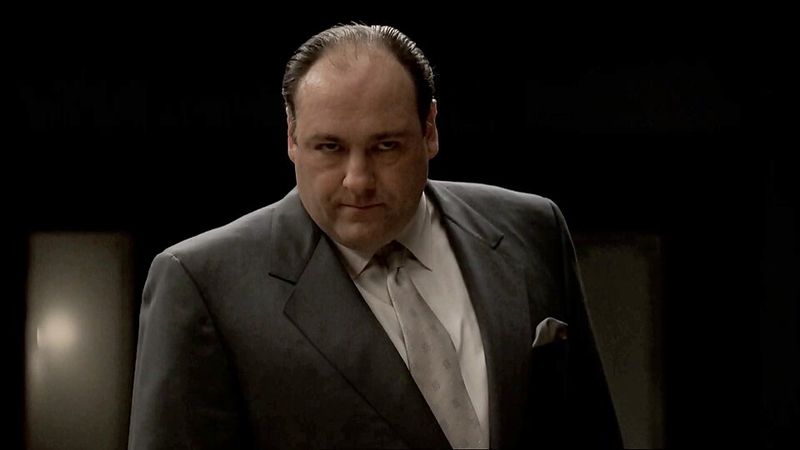
Balancing a criminal organization with a complicated family life, New Jersey mob boss Tony Soprano sought therapy to explore his persistent anxiety and depression.
Television was revolutionized by this show as it proved that complex and serialized storytelling could thrive on the small screen with cinematic quality.
Insight into a criminal mind came through therapy sessions that humanized a man who ordered murders and broke kneecaps professionally.
Organized crime served as the lens through which the series explored American dreams and nightmares by showing how business and family intersect in destructive ways.
HBO became the established home for prestige drama because six seasons of this masterpiece changed television forever by making antiheroes compelling protagonists.
2. Breaking Bad
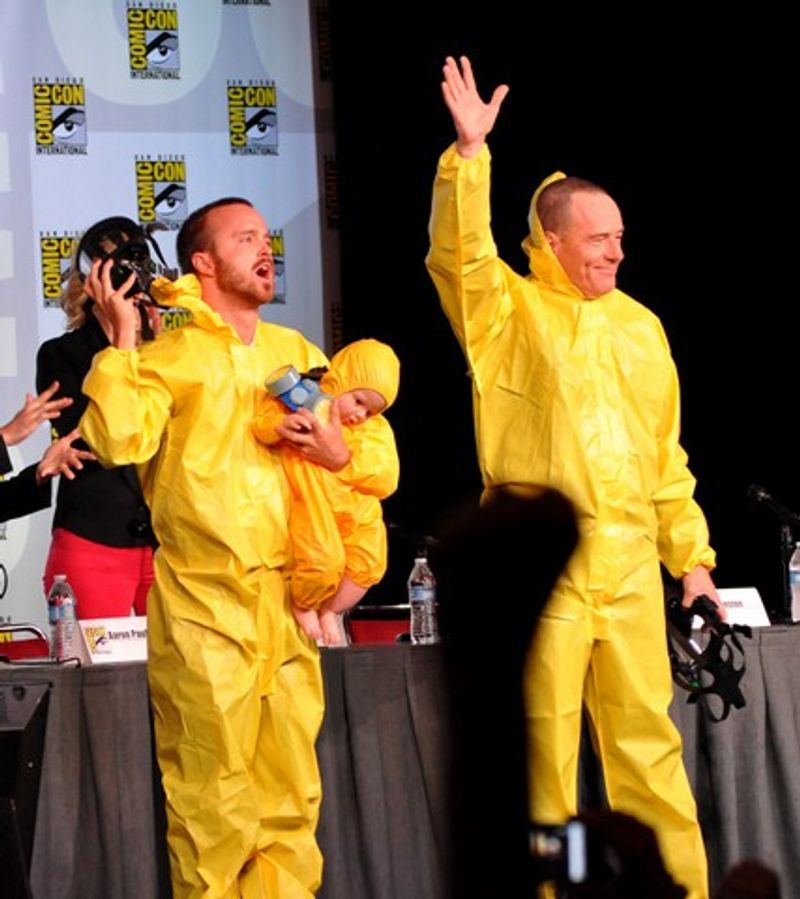
After a terminal cancer diagnosis upended his life, high school chemistry teacher Walter White transformed into the ruthless methamphetamine manufacturer known as Heisenberg.
Precision defined the tracking of his moral descent by showing how small compromises lead to monstrous actions through incremental steps.
Careful viewers were rewarded across five perfect seasons because every narrative choice served the larger story with purposeful callbacks and foreshadowing.
Demonstrating that circumstances reveal rather than change a person, Walter’s transformation shifted him from a sympathetic protagonist into a true villain.
One of television’s greatest achievements was established through critical acclaim and cultural impact that set a new standard for serialized storytelling.
1. The Wire

Sprawling examinations of American institutional failure and survival emerged as Baltimore’s drug trade, police department, politicians, schools, and media intersected.
Maintaining ongoing storylines while focusing on a different institution each year allowed the show to create a novelistic approach to television storytelling.
Complex systems where good intentions often produce terrible outcomes took center stage as the series refused to offer easy answers or clear heroes.
From drug dealers to police commissioners to dock workers, characters from all levels of society received equal depth and humanity.
What many consider television’s greatest achievement was created over five seasons as a profound meditation on American cities and the people who inhabit them.