14 Acclaimed Fiction Books Where Food Plays A Central Role
Certain novels treat food as more than background detail, using it to build entire worlds and shape every turning point.
Meals become emotional language, recipes act like plot devices, and kitchens turn into stages for love, rebellion, and even magic.
When food sits at the center of the story, every bite carries meaning and every dish reveals a truth words can’t fully express.
Disclaimer: Selections and descriptions reflect widely recognized plot elements and commonly discussed themes in each book. This content is provided for general informational and entertainment purposes and is not legal, financial, or professional advice.
14. Like Water For Chocolate By Laura Esquivel
Magic spills from the kitchen when Tita cooks, and every recipe in this novel carries feelings strong enough to change lives.
Each chapter opens with a dish that becomes a character in its own right. Tears baked into wedding cake can make an entire party weep, and forbidden love simmers in every pot and pan.
Traditionally, Mexican recipes pass from mother to daughter, but here they also pass along heartbreak, joy, and rebellion. This is the kind of book that makes you hungry and heartbroken at the same time.
13. Chocolat By Joanne Harris

A mysterious woman opens a chocolate shop in a conservative French village during Lent, and suddenly nothing is the same.
Her confections are not just sweets. They are invitations to break free from old rules and taste something daring and delicious.
Chocolate becomes rebellion wrapped in foil, temptation dressed in cocoa, and healing served one truffle at a time. Faced with this, the townspeople must choose between their rigid traditions and the joy melting on their tongues, turning food into a battlefield where hearts are won or lost.
12. Charlie And The Chocolate Factory By Roald Dahl
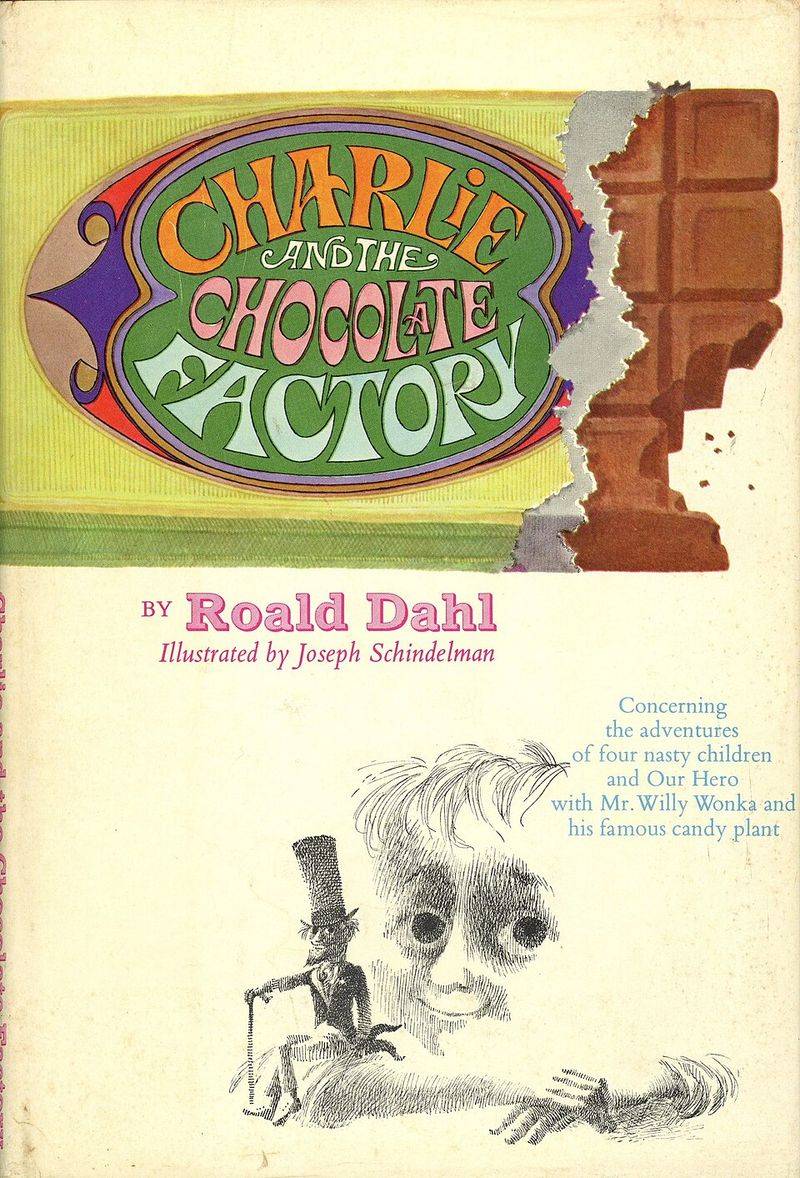
Five golden tickets unlock the gates to the most extraordinary candy factory ever imagined.
Pure wonder is Willy Wonka’s chocolate empire, with rivers of chocolate, edible wallpaper, and gum that tastes like a three-course meal.
This factory is also a test, however, and only the child who resists greed and temptation gets the ultimate prize. Presenting a new confection and a new moral lesson, every room proves that sometimes the sweetest rewards go to those who can walk past the candy without grabbing more than their share.
11. Five Quarters Of The Orange By Joanne Harris

An old recipe notebook holds more than cooking instructions – it holds wartime secrets that could destroy a family.
Framboise returns to her childhood village decades later, haunted by one mysterious ingredient her mother used during the Nazi occupation. Food and memory tangle together until you can’t separate hunger from fear, survival from shame.
Perhaps the most dangerous recipes are the ones we inherit, especially when they come with instructions we never wanted to follow.
10. Gourmet Rhapsody By Muriel Barbery

A dying food critic lies in bed, searching his memory for one perfect taste he can’t quite name.
His entire life unravels through flavor – childhood strawberries, adult ambitions, relationships measured in meals shared or refused.
The novel becomes a treasure hunt where the prize is a single bite that made everything make sense. While family gathers around his deathbed, he’s traveling through decades of dishes, chasing the taste that will let him leave in peace.
9. The Grapes Of Wrath By John Steinbeck
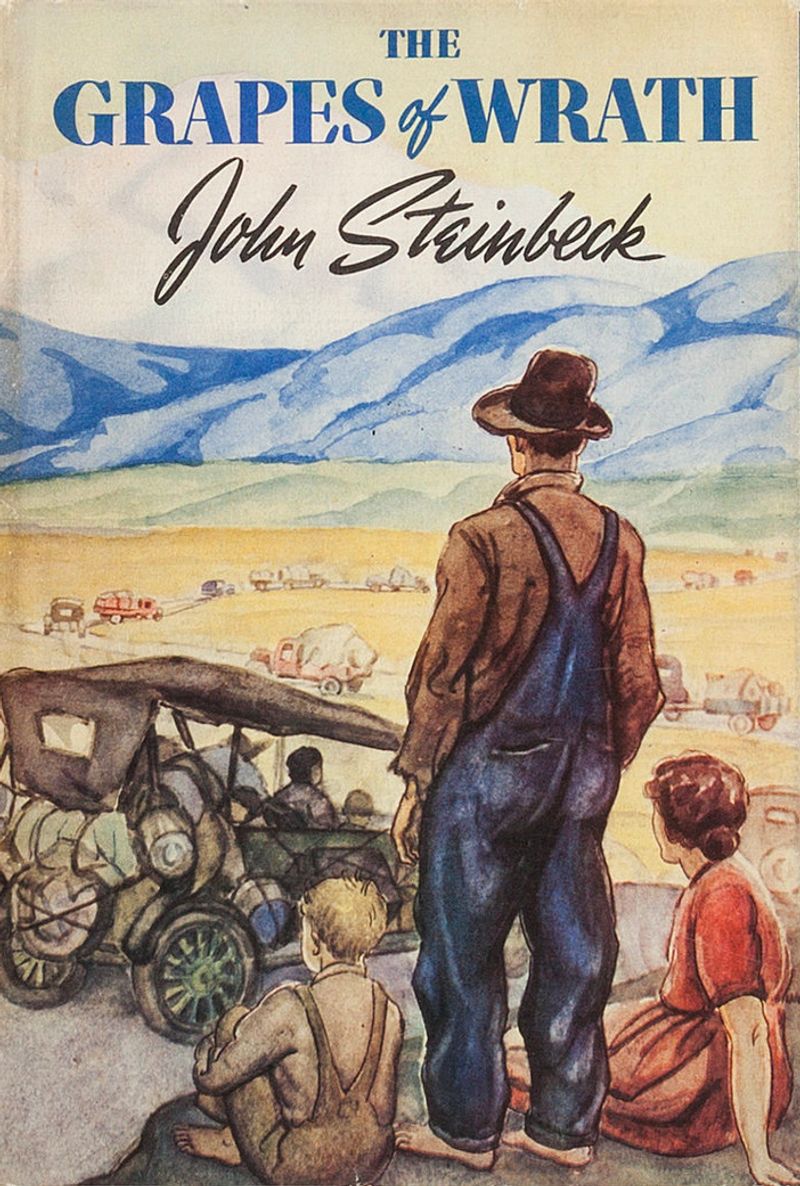
Hunger follows the Joad family on every mile of their journey from Oklahoma to California, an uninvited companion that shapes their world.
In this reality, a shared meal transforms into an act of defiance and solidarity, a small rebellion when there is almost nothing to share.
Steinbeck’s narrative shows how the primal struggle to feed your children dictates every choice, demands every sacrifice, and defines every shred of dignity worth fighting for. This truth culminates in the novel’s final scene, where a mother breastfeeds a starving stranger.
In that moment, food becomes more than sustenance; it is the ultimate, defiant expression of a humanity that persists against systems designed to crush it.
8. The Mistress Of Spices By Chitra Banerjee Divakaruni

Tilo runs a spice shop in Oakland, but she is no ordinary shopkeeper.
She is bound by ancient rules that govern every pinch and dash in her pantry, where turmeric heals loneliness, cinnamon mends broken hearts, and fennel brings courage to the fearful.
Using her powers for personal desire breaks this sacred code. So when Tilo falls in love, she must choose between her magic and her heart.
In this world, spices are more than ingredients – they become destiny, danger, and the price of freedom all ground together.
7. The Jungle By Upton Sinclair
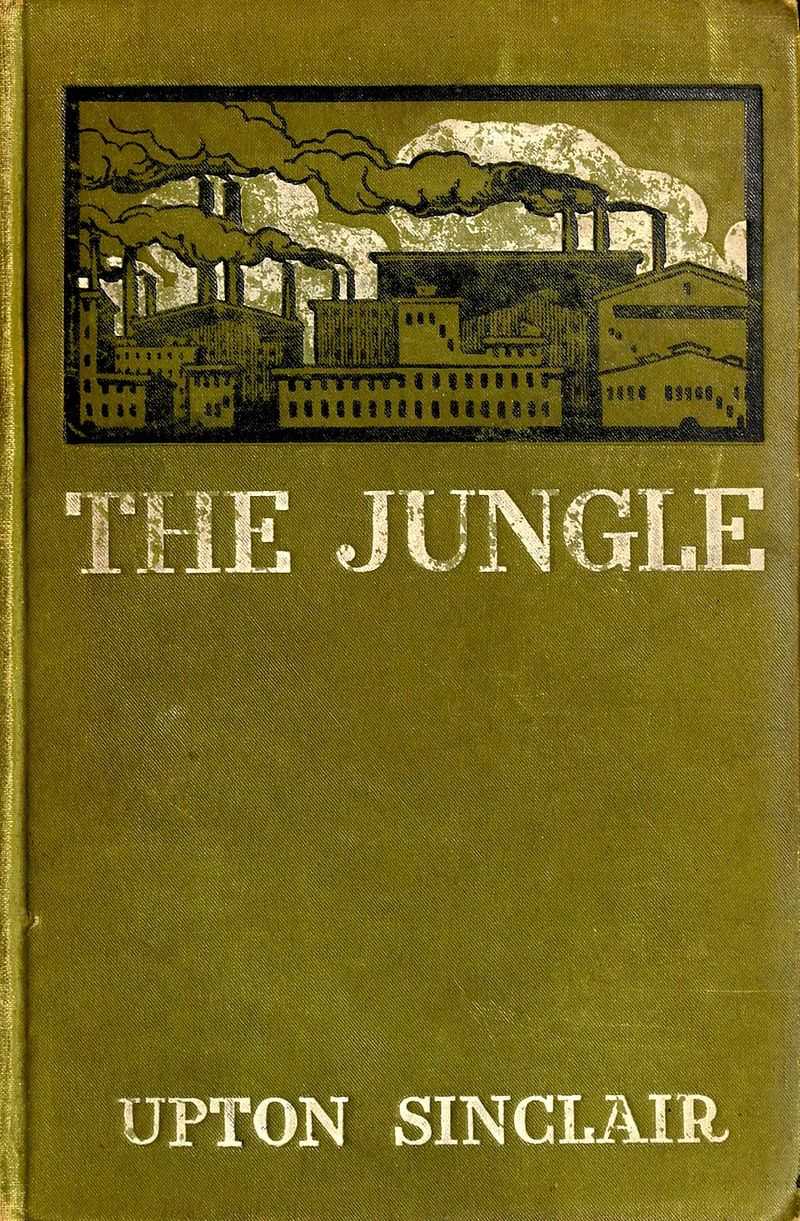
What happens inside a meatpacking plant shocked an entire nation and changed food safety laws forever.
Sinclair meant to expose worker exploitation, but readers couldn’t stop thinking about what ended up in their sausages. The novel drags you through unsanitary factory floors where immigrant laborers and animal carcasses are treated with equal disregard.
Food production becomes disturbing, and every meal carries the weight of human suffering ground into the meat.
6. Fried Green Tomatoes At The Whistle Stop Cafe By Fannie Flagg

A small-town cafe serves up friendship, courage, and some of the most talked-about fried green tomatoes in town.
Stories jump between past and present, all anchored by the Whistle Stop Cafe, where food is love made visible and every plate carries a piece of someone’s heart. Idgie and Ruth’s bond grows stronger with every meal they share and serve.
Honestly, this is Southern cooking at its finest – not just nourishment, but connection, rebellion, and survival all rolled into one delicious bite.
5. Babette’s Feast By Karen Blixen

A French refugee spends her entire lottery fortune on one spectacular meal for the austere Danish villagers who took her in.
This feast is not just dinner. It becomes art, forgiveness, and grace served on fine china.
The guests arrive expecting simple food and leave transformed by flavors they did not know existed. Their experience shows how a single meal can say everything words cannot.
It also proves the greatest gift can be feeding those who gave you shelter when you had nothing left to give.
4. The Very Hungry Caterpillar By Eric Carle

One tiny caterpillar eats through the days of the week, counting bites from apples to chocolate cake.
Food structures the entire story – Monday brings one apple, Saturday brings a feast that leads to a stomachache, and Sunday brings the green leaf that sets everything right.
Ultimately, all that eating serves a purpose: transformation. The caterpillar’s journey from hungry to full to beautiful mirrors every child’s growth, proving that what we consume fuels the changes we need to become who we’re meant to be.
3. The Edible Woman By Margaret Atwood
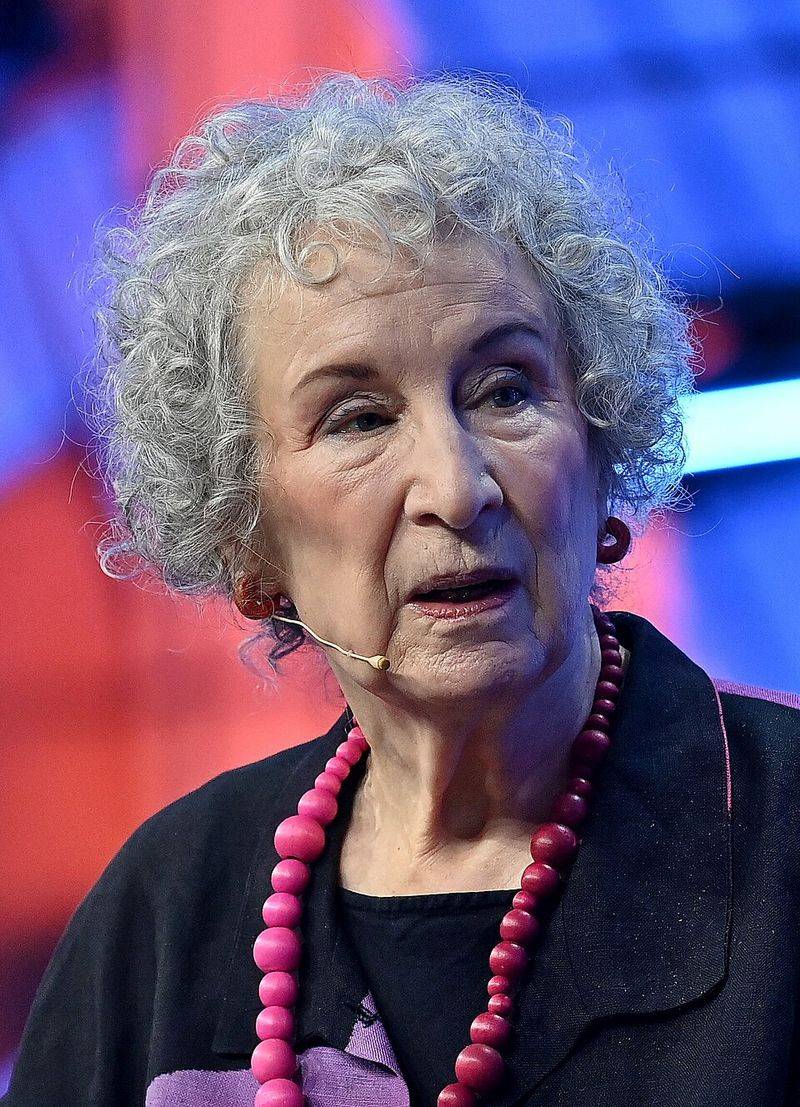
Marian starts losing her ability to eat, and her body’s rebellion becomes the clearest language she has.
First meat becomes impossible, then eggs, then vegetables – her world shrinks with every food she can no longer swallow.
Atwood turns eating into a mirror that reflects everything Marian can’t say about her engagement, her job, and the life closing in around her. When you can’t speak your truth, sometimes your stomach speaks for you, rejecting everything that feels wrong even when everyone else says it’s right.
2. Green Eggs And Ham By Dr. Seuss
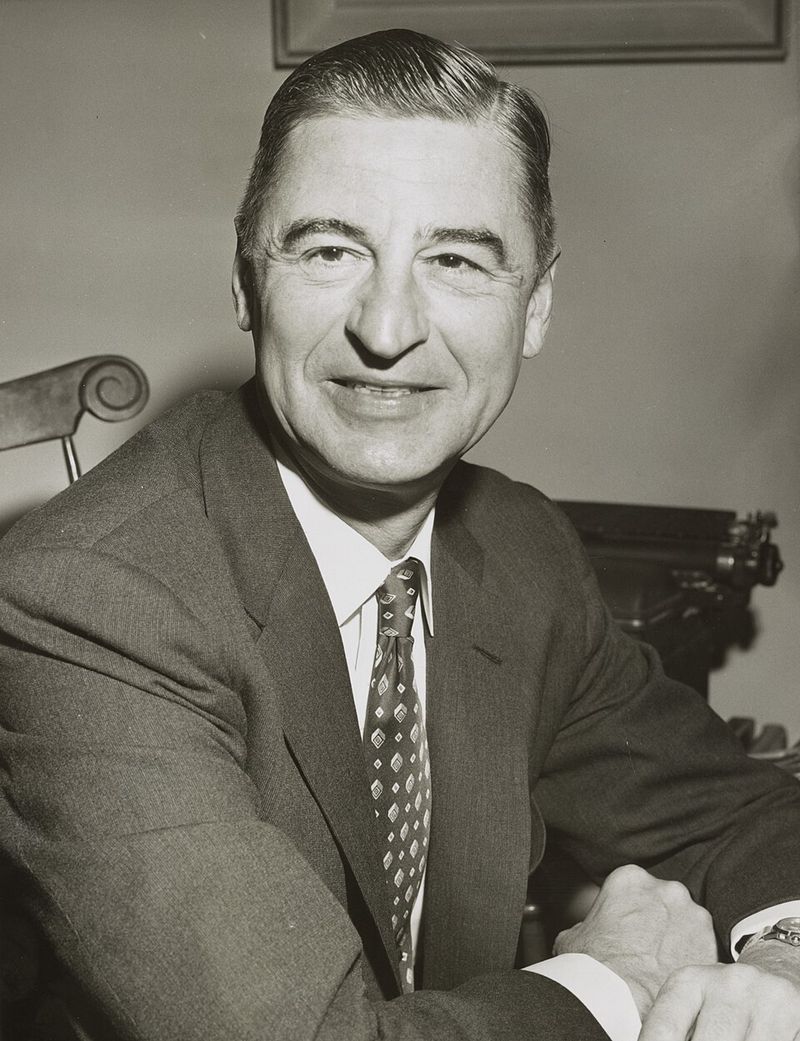
The story of Sam I Am is driven by a relentless food offer, turning stubbornness into comedy and a simple dish into an obsession.
Would you eat them in a box? Would you eat them with a fox?
The unnamed narrator refuses green eggs and ham in every location and situation imaginable.
His resistance lasts until he finally takes one bite, and discovers he loves them. Sometimes the things we resist most stubbornly are exactly what we need, proving that trying something new can be the bravest adventure of all.
1. Alice’s Adventures In Wonderland By Lewis Carroll
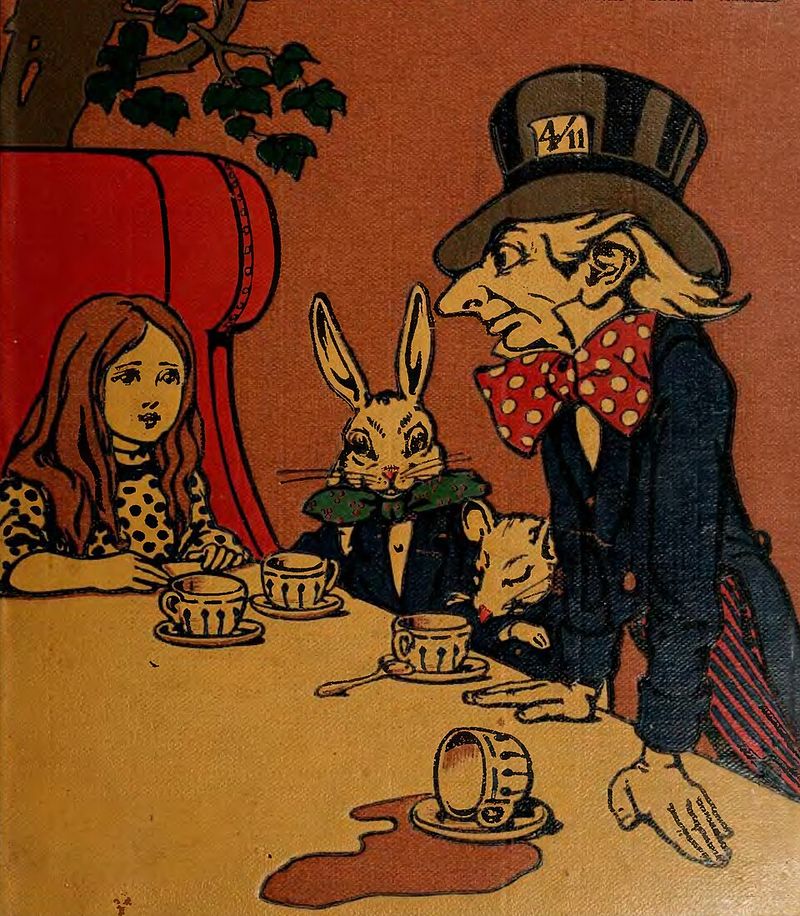
Down the rabbit hole, every bite and sip changes Alice’s size and situation in the most unpredictable ways.
Eat the cake labeled “EAT ME” and suddenly you’re ten feet tall. Drink from the bottle and you shrink to the size of a mouse.
Food becomes the key to navigating Wonderland’s chaos, and Alice learns that what you consume literally shapes who you become. Maybe that’s the real magic – recognizing that even in a nonsense world, what we take in transforms us from the inside out.