17 Action Films That Have Faded From Prominence
High-speed chases, daring heroes, and jaw-dropping stunts have fueled action cinema for more than a century.
Along the way, plenty of once-groundbreaking films slipped out of the spotlight, even though they helped shape everything that came after.
These forgotten gems deserve a fresh look, tracing action’s evolution from silent-era spectacle to swashbuckling adventures that paved the road for today’s blockbusters.
Important: This article discusses classic action films and summarizes commonly documented production notes and plot elements for entertainment and general informational purposes, not as professional advice.
1. The Great Train Robbery (1903)
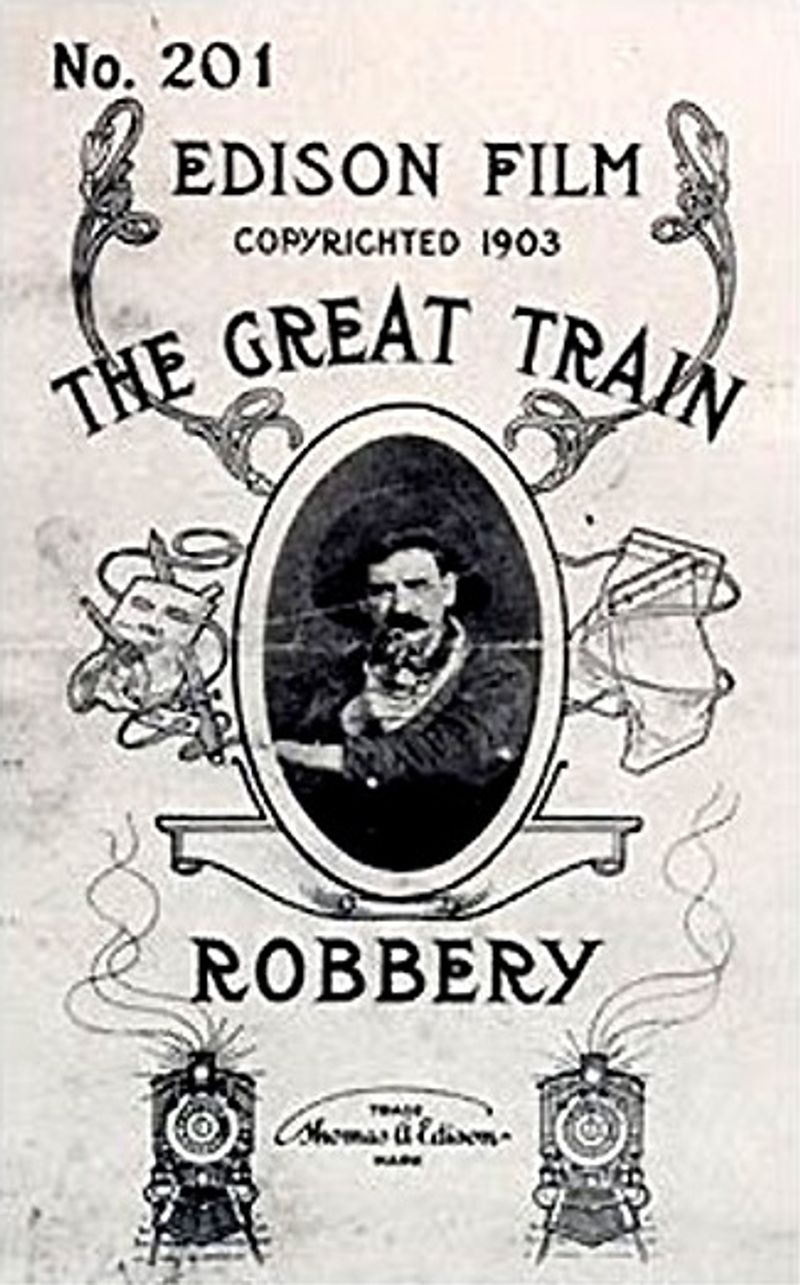
Picture a time when movies were brand new and audiences had never seen anything like a train heist on screen.
Often cited as an early landmark of narrative filmmaking, this short helped popularize action staging and cross-cutting that influenced later Western and action storytelling. Director Edwin S.
Porter made a Western short that runs about 12 minutes but packed in more excitement than many people had ever witnessed.
Though it pioneered the entire action genre, modern viewers rarely seek out this black-and-white treasure. Watching it feels like stepping into a time machine to cinema’s earliest days.
2. The Mark Of Zorro (1920)
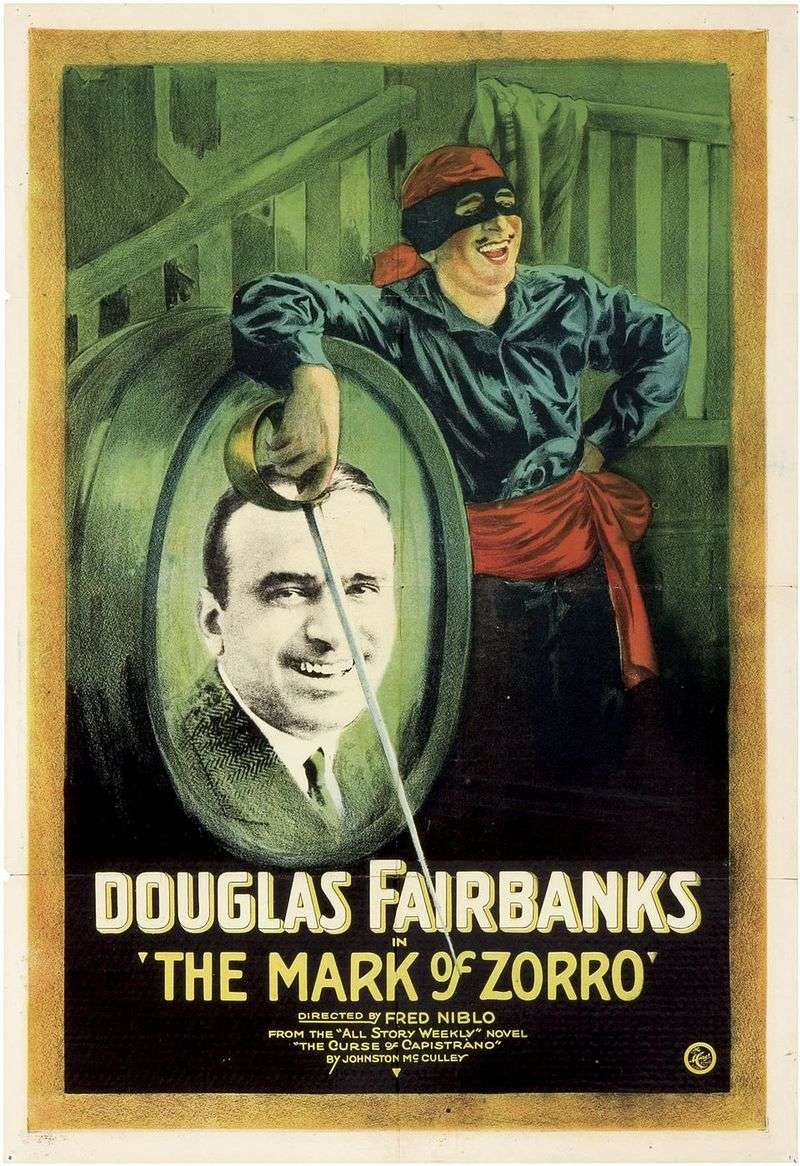
Douglas Fairbanks leaped across rooftops and dueled villains with a charisma that made him Hollywood’s first action superstar. This swashbuckling adventure introduced the masked hero who defended the oppressed with his sword and wit, creating a template for countless superhero stories to come.
Fairbanks performed his own stunts, flipping and sword-fighting with athletic grace that still impresses today.
Despite launching an entire genre of masked avenger tales, this silent classic rarely appears on modern must-watch lists. Zorro’s legacy lives on through remakes and adaptations, but the original film remains largely unseen.
3. The Last Of The Mohicans (1920)
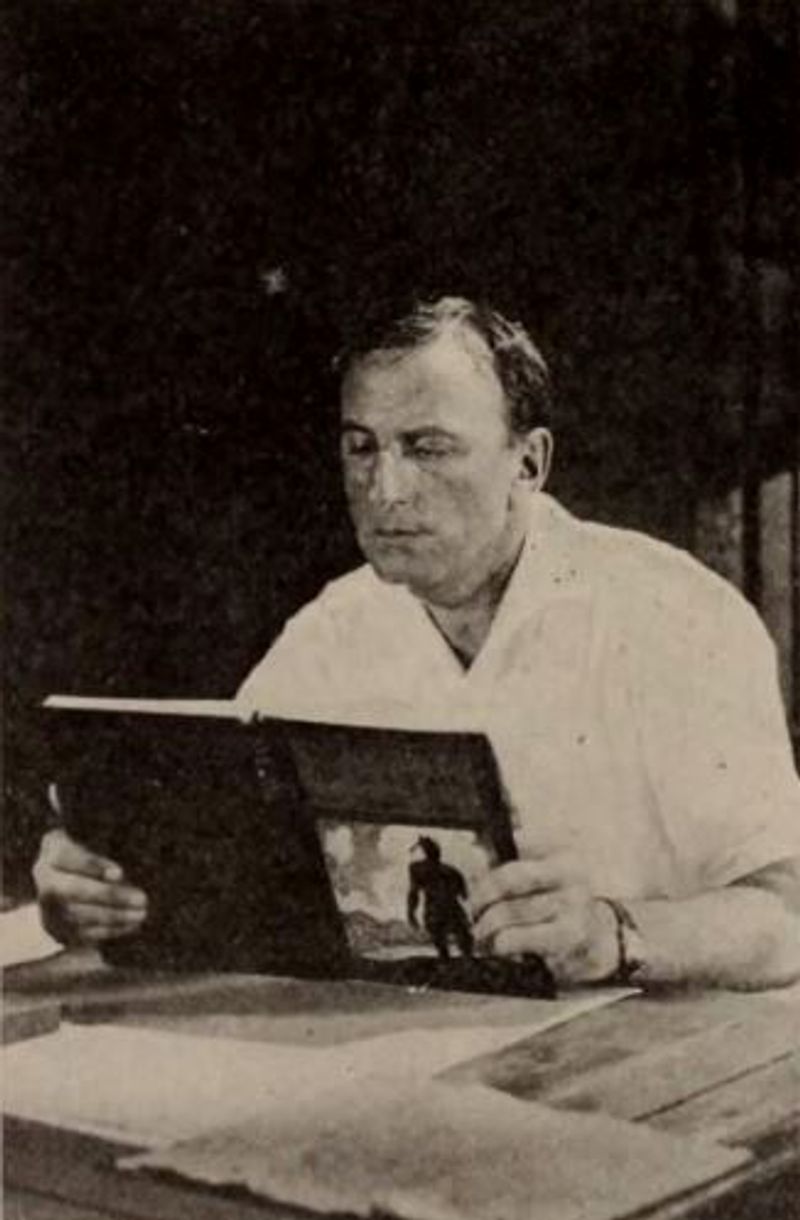
Adventure called from the American frontier in this adaptation of James Fenimore Cooper’s classic novel.
Wilderness battles and dramatic rescues unfold across stunning natural landscapes.
Silent film audiences thrilled to the action sequences filmed on location, experiencing a level of outdoor spectacle that was revolutionary for its time. The 1992 version with Daniel Day-Lewis gets all the attention now, but this earlier adaptation featured impressive stunt work and location shooting that pushed technical boundaries.
Film historians appreciate its ambition, though general audiences have moved on to later versions.
4. The Three Musketeers (1921)
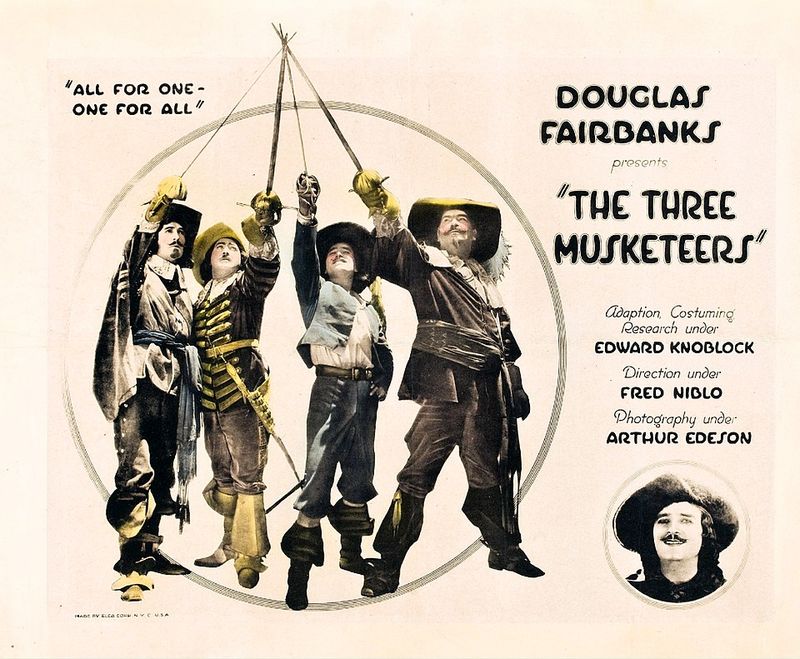
All for one and one for all took on new meaning when Douglas Fairbanks brought Alexandre Dumas’s heroes to life.
Sword fights choreographed with balletic precision filled the screen as Fairbanks swashbuckled his way through 17th-century France. His athleticism turned every scene into a showcase of daring physicality, from chandelier swings to rooftop chases that left audiences breathless.
Multiple remakes have overshadowed this original adventure, though Fairbanks’s version set the standard for all musketeer movies that followed. Somehow, despite its influence, this film has faded from popular memory.
5. Robin Hood (1922)
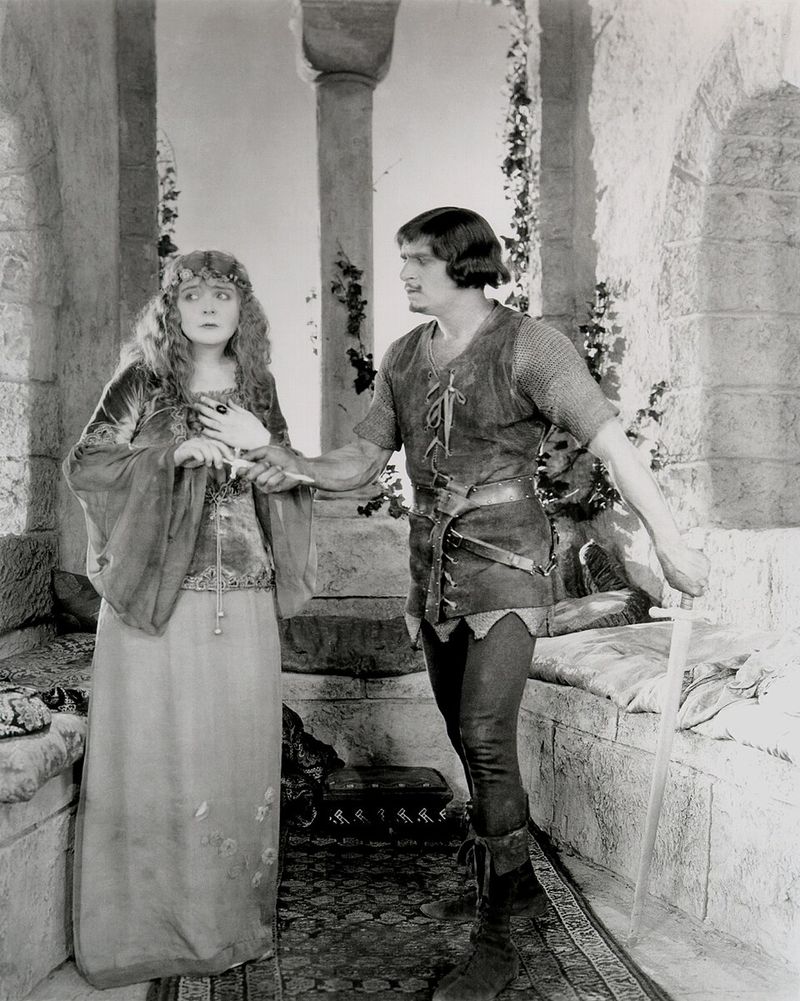
Sherwood Forest came alive in one of the most expensive silent productions of its time, with massive castle sets and elaborate action sequences.
Fairbanks once again proved why audiences adored him, performing jaw-dropping stunts that required no special effects or camera tricks. He slid down curtains, vaulted over furniture, and engaged in spectacular sword battles that showcased genuine athletic skill.
The film’s lavish production values and thrilling action made it a massive hit upon release. Today, most people know Robin Hood from later versions, leaving this groundbreaking silent epic largely forgotten despite its historical importance.
6. The Prisoner Of Zenda (1922)
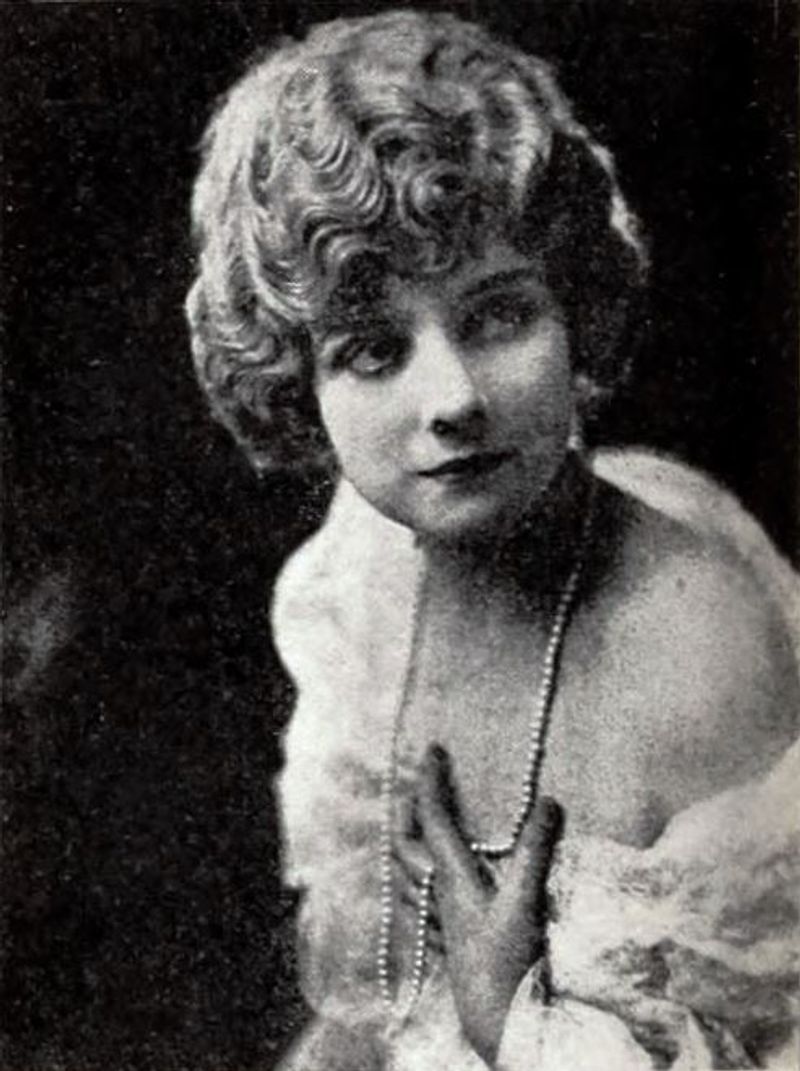
Royal intrigue and mistaken identity drove this adventure through the fictional kingdom of Ruritania.
Swashbuckling action combined with political drama as a commoner impersonated a king to save the throne from villains. Sword duels and daring rescues kept audiences on the edge of their seats, while the romance added emotional depth to the adventure.
Later remakes, particularly the 1937 version, eclipsed this earlier adaptation in public consciousness.
Silent film enthusiasts still appreciate its craftsmanship, but mainstream audiences have largely forgotten this pioneering adventure tale.
7. The Iron Horse (1924)
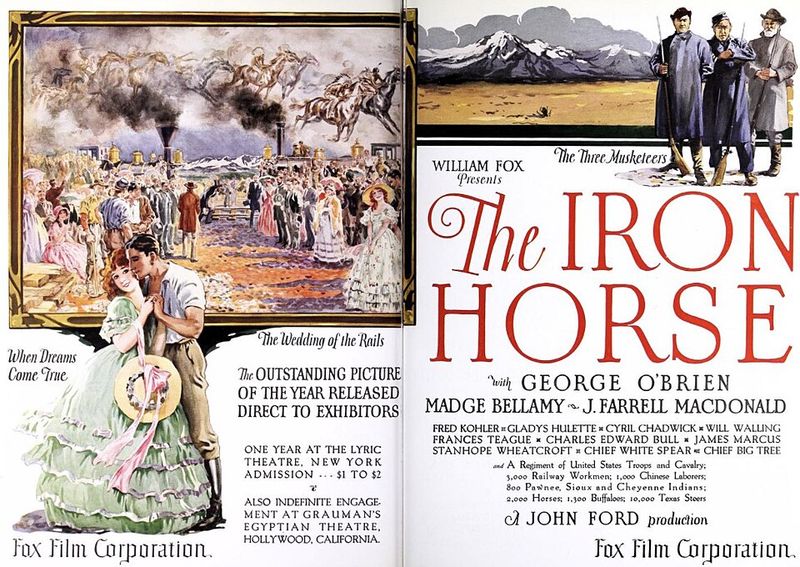
Director John Ford assembled thousands of extras and authentic locomotives to recreate the building of America’s transcontinental railroad.
Large-scale action set pieces, including clashes and construction sequences, created a spectacle that rivaled anything Hollywood had produced. The film captured the dangerous reality of laying tracks across dangerous terrain, showing both the human cost and monumental achievement.
Despite its massive scale and historical importance, this silent Western has been overshadowed by Ford’s later sound films. Few modern viewers have experienced this ambitious early masterpiece.
8. Ben-Hur (1925)
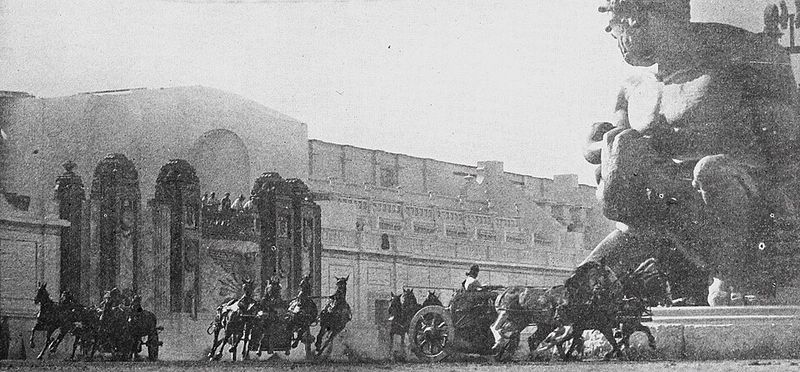
Chariot races thundered across the screen in sequences so spectacular that they still impress nearly a century later. Silent epics like this one featured a cast of thousands and elaborate sets recreating ancient Rome.
Action sequences pushed silent-era filmmaking to its limits, and the chariot race became one of the most famous large-scale set pieces of the era. Innovative camera techniques captured the speed and danger of the competition perfectly.
Remakes like the 1959 version with Charlton Heston became the definitive choice for most audiences, yet this original remains a technical marvel.
Groundbreaking achievements often go unnoticed today because silent formats keep many modern viewers from discovering them.
9. The Lost World (1925)
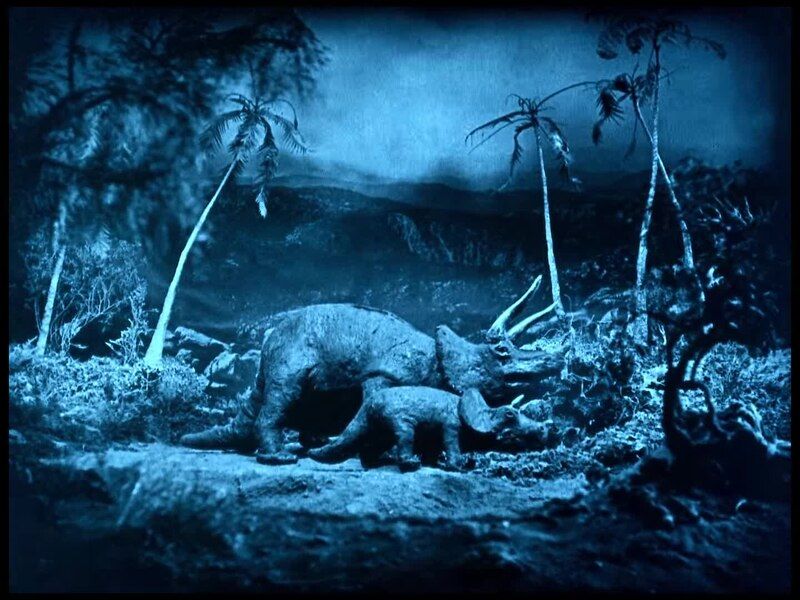
Dinosaurs roamed the earth again through groundbreaking stop-motion animation that brought prehistoric creatures to thrilling life.
Based on Arthur Conan Doyle’s novel, this adventure film sent explorers to a remote plateau where ancient beasts still survived. Special effects pioneer Willis O’Brien created dinosaur battles and rampaging monsters that amazed audiences who had never seen anything like it.
Willis H. O’Brien later used more advanced stop-motion techniques in King Kong (1933), which helped overshadow this earlier milestone.
Though it pioneered dinosaur movies, few people today have watched this silent adventure classic.
10. The Black Pirate (1926)
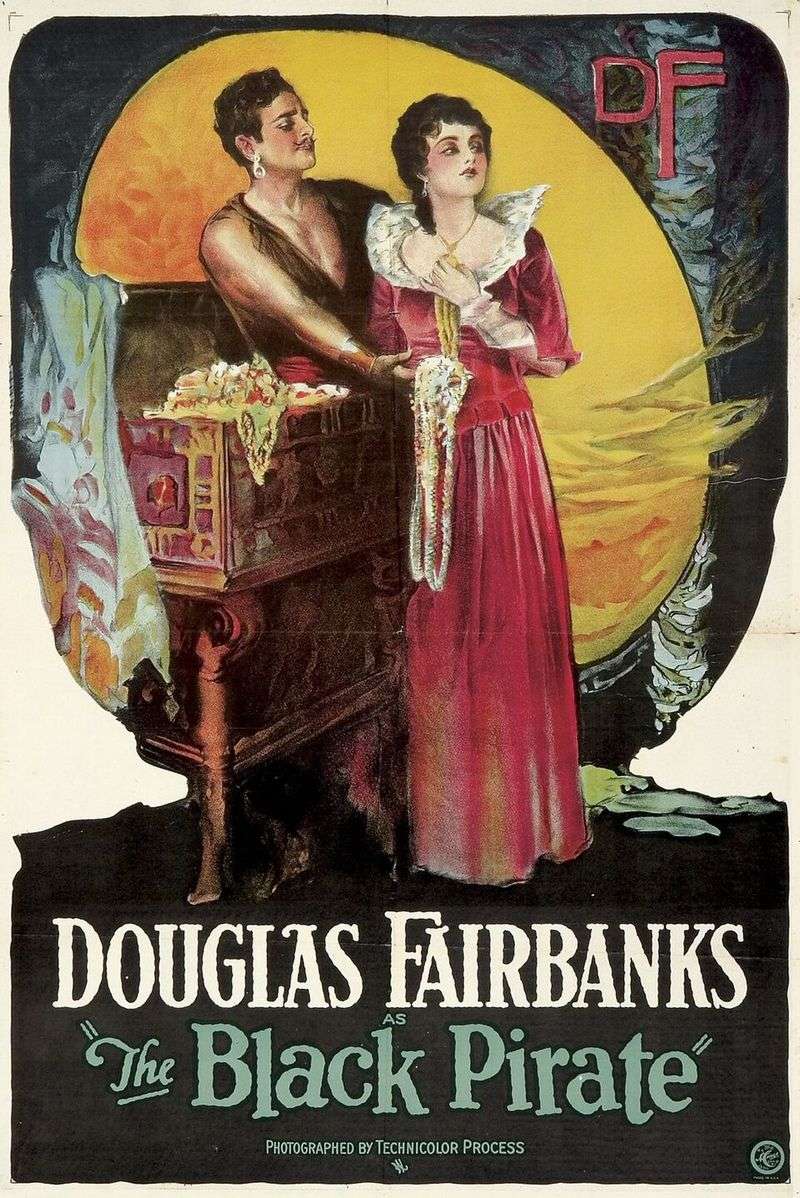
One of the earliest major Hollywood features designed to showcase two-strip Technicolor.
The famous scene where Fairbanks slides down a sail using only a knife became one of cinema’s most iconic stunts, copied countless times since. Ship battles, treasure hunts, and swashbuckling sword fights unfolded in gorgeous two-strip color that dazzled audiences accustomed to black and white.
Despite its technical innovation and thrilling action, this pirate adventure has been lost in the wake of later, more famous buccaneer films. Its pioneering use of color deserves more recognition than it receives today.
11. The Great K & A Train Robbery (1926)
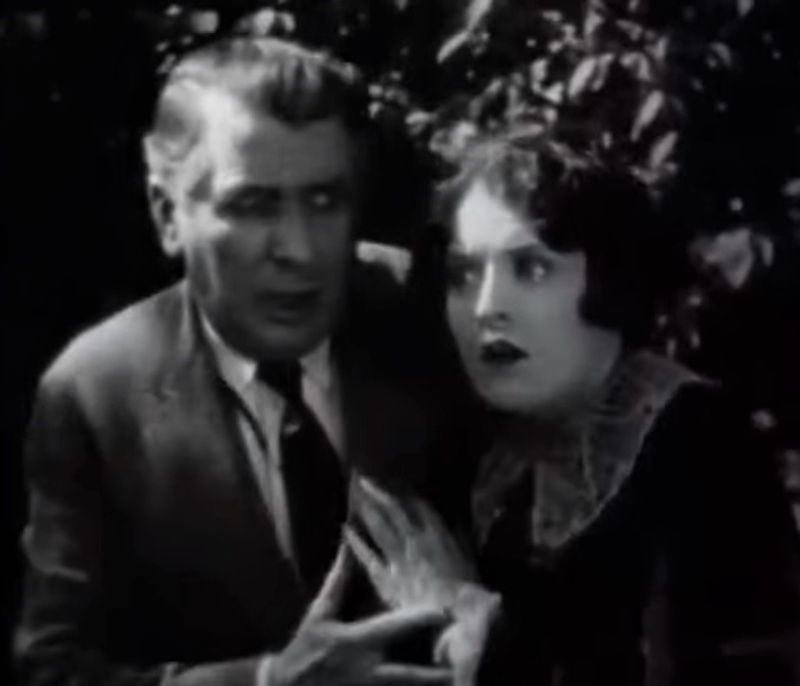
Tom Mix, the biggest Western star of the silent era, performed death-defying stunts aboard speeding trains in this action-packed adventure.
Real train robberies and authentic Western locations gave the film a gritty realism that thrilled audiences. Mix did his own stunts, leaping between moving train cars and engaging in horseback chases that showcased genuine cowboy skills.
While Mix was once as famous as any movie star alive, his films have faded from memory as sound Westerns took over.
This exciting train robbery thriller deserves rediscovery by fans of Western action.
12. The General (1926)
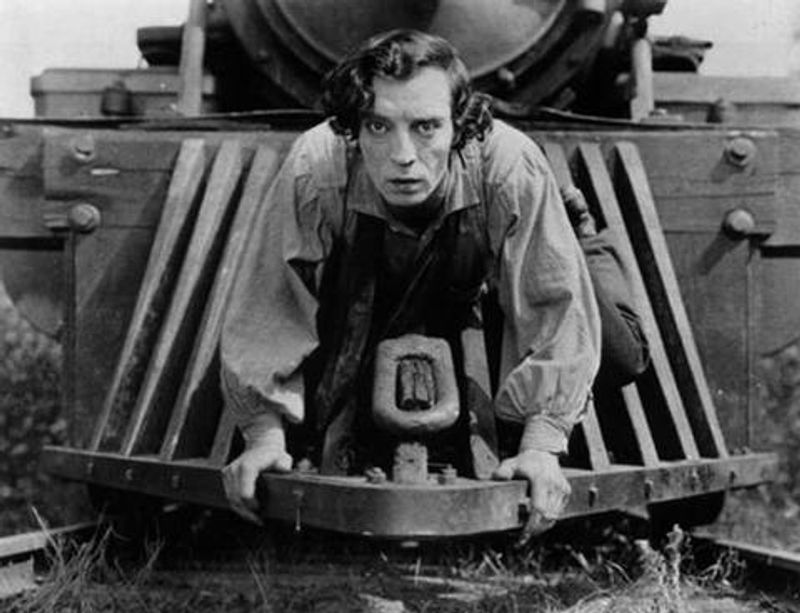
Buster Keaton turned the Civil War into a backdrop for one of cinema’s greatest action comedies while performing stunts that remain breathtaking.
Silent film history was changed by this production because it featured real locomotives, dangerous train chases, and a famous real-train bridge-collapse stunt that’s often cited as one of the costliest single shots of the silent era. Keaton’s deadpan determination as he pursued stolen trains through enemy territory created both laughs and genuine thrills.
Initial box office disappointment eventually faded as the film gained recognition as a masterpiece among scholars. Brilliantly blended comedy and action spectacle still face being overlooked by general audiences today.
13. Wings (1927)
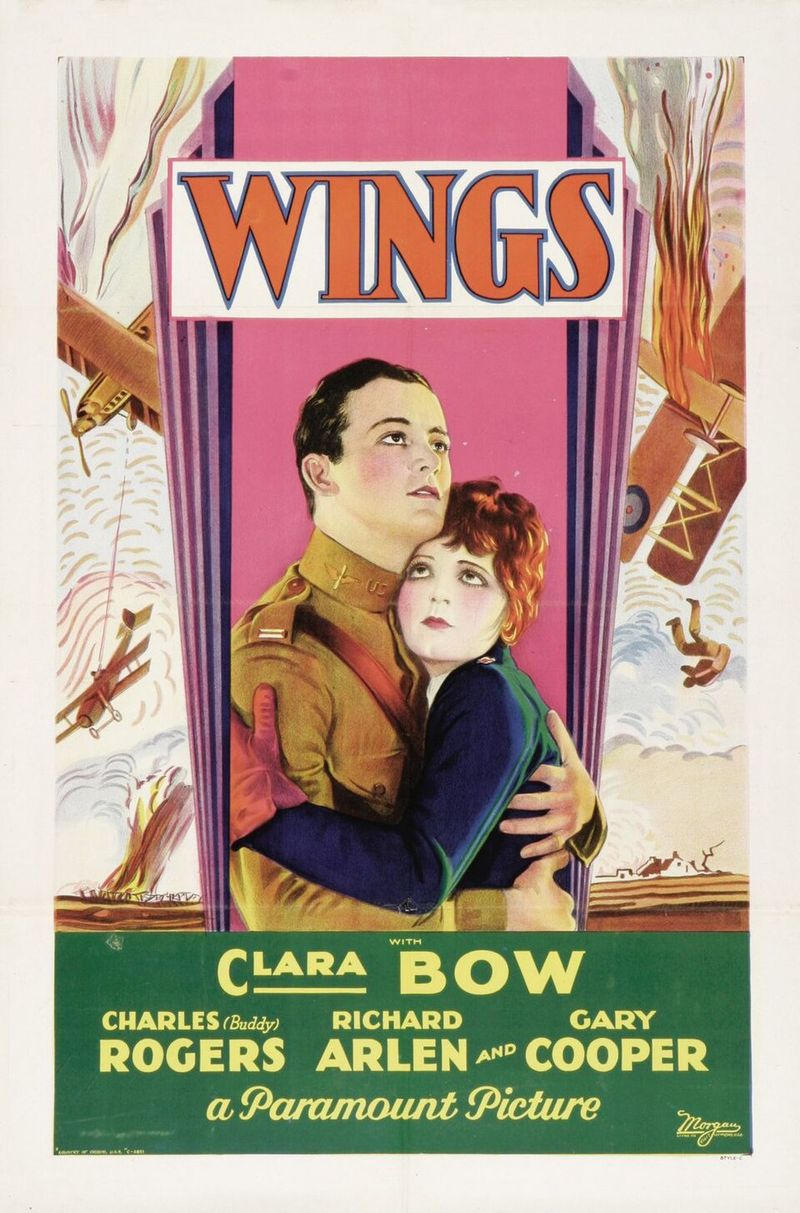
World War I dogfights soared across the screen which won the first Academy Award for Outstanding Picture (the top award at the first Oscars).
Real pilots flew actual vintage aircraft in aerial combat sequences that captured the danger and excitement of air warfare. Directors strapped cameras to planes and sent actors into the sky, creating action footage that filmmakers couldn’t fake with special effects.
The film’s groundbreaking aerial photography influenced war movies for decades to come, yet its silent format keeps modern audiences away.
Despite its Oscar victory and technical achievements, Wings has largely faded from popular awareness.
14. The Gaucho (1927)
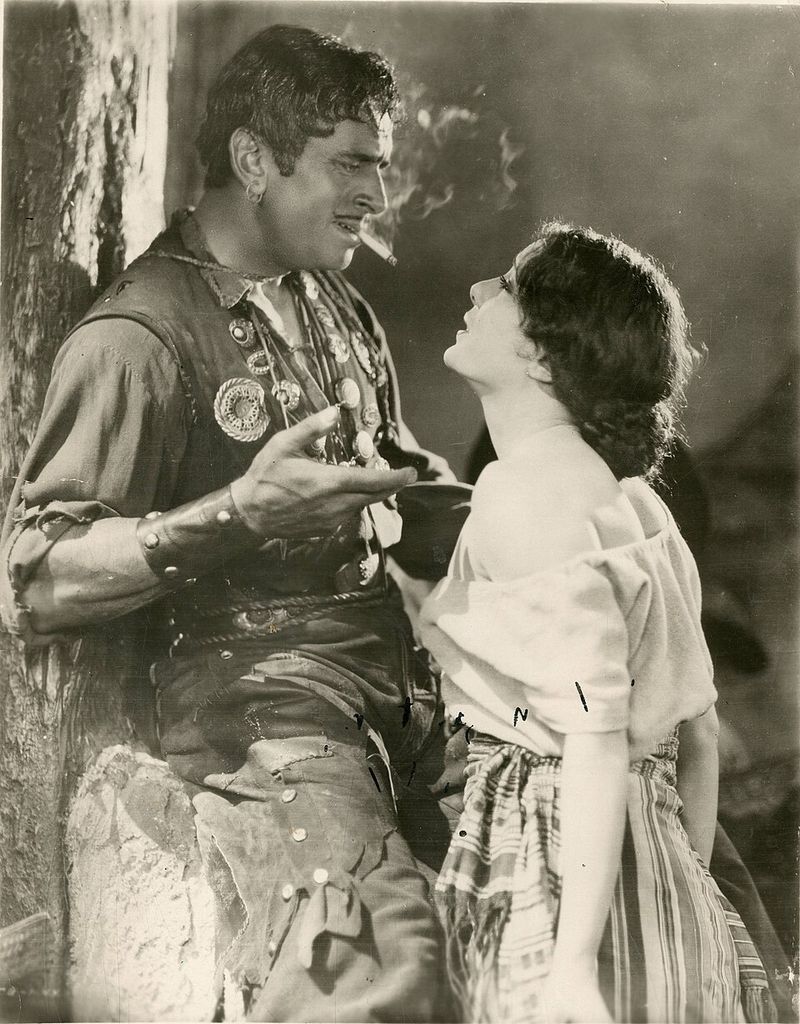
Fairbanks rode across the Argentine pampas in a late silent-era adventure, blending action with romance and religious themes.
Spectacular stunt work included bull-whip battles and daring horseback riding that showcased the star’s enduring athleticism.
End-of-career transitions did not stop him from performing feats that younger actors couldn’t match. Mixes of swashbuckling adventure and spiritual storytelling created something unique in his filmography.
Unfortunately, this late silent epic arrived just as talkies were revolutionizing cinema. Rapid disappearance from theaters and memory followed despite the groundbreaking quality of the production.
15. Captain Blood (1935)
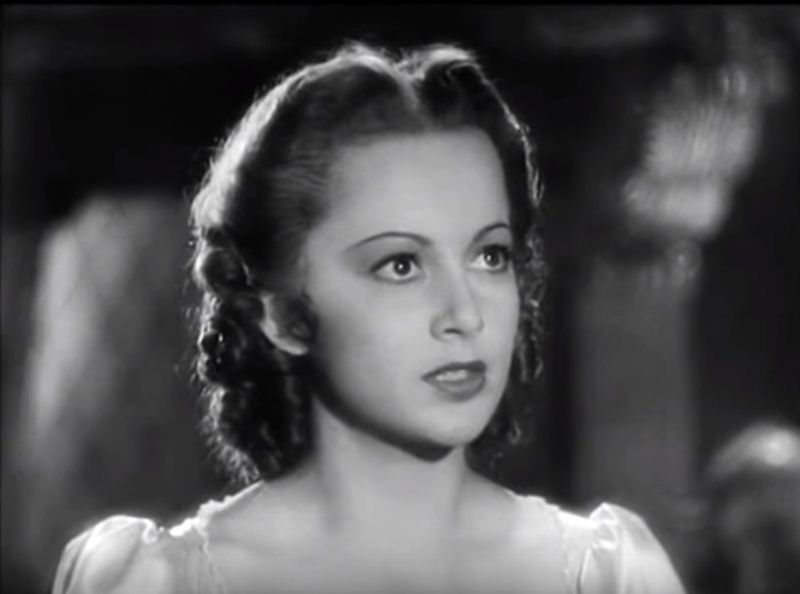
Captain Blood helped establish Errol Flynn as a major new screen star.
Swashbuckling sword fights and spectacular sea battles established Flynn as the definitive adventure hero of the sound era.
His charismatic performance opposite Olivia de Havilland created on-screen chemistry that audiences adored, while elaborate ship combat sequences raised the bar for pirate movies.
Though it launched Flynn’s career and influenced countless adventure films, Captain Blood rarely gets mentioned alongside later classics like The Adventures of Robin Hood. Newer generations have largely sailed past this thrilling pirate tale.
16. The Adventures Of Robin Hood (1938)
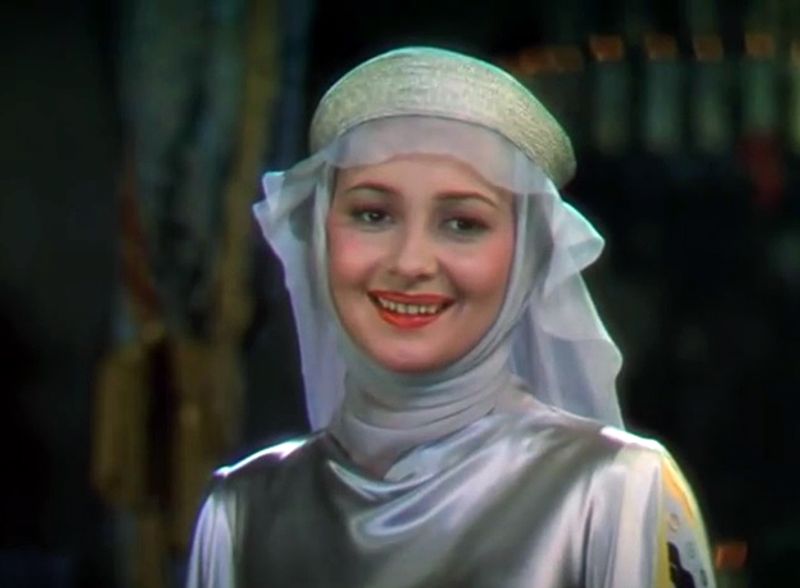
Sherwood Forest blazed with Technicolor glory as Flynn’s Robin Hood became the definitive version of the legendary outlaw.
Spectacular sword fights, archery contests, and swinging through trees on vines created action sequences that still entertain today. The film’s vibrant three-strip Technicolor made every scene pop with visual energy, from Lincoln green costumes to golden treasure.
While film buffs still celebrate this masterpiece, younger audiences often skip classic Hollywood adventures in favor of modern CGI spectacles.
This timeless swashbuckler deserves a place in every action fan’s viewing history, yet many have never experienced its thrills.
17. The Crimson Pirate (1952)
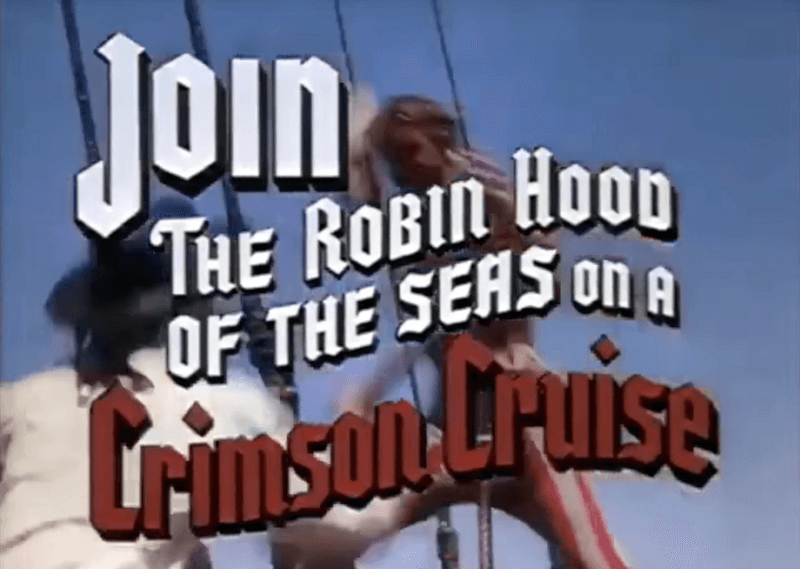
Burt Lancaster swung through the rigging with acrobatic grace in this tongue-in-cheek pirate adventure that winked at its own absurdity.
The former circus performer did his own stunts, flipping and swinging with athletic prowess that rivaled any action star. Unlike serious swashbucklers, this film embraced fun and humor, creating a lighthearted romp through Caribbean waters filled with inventions, rebellions, and outrageous action.
Despite its charm and Lancaster’s charismatic performance, the film has been overshadowed by more famous pirate movies. Modern audiences have mostly missed this delightful blend of action and comedy.