8 Actors Who Brought Jesus To The Screen In Memorable Ways
Sandals on, robes in place, and suddenly the pressure goes way up. Playing Jesus is not just another role, it comes with expectations, opinions, and the kind of scrutiny that does not miss a single detail.
Some performances moved audiences deeply, others sparked debates that never really ended, and a few stayed with people long after the screen went dark.
1. Max Von Sydow – The Greatest Story Ever Told (1965)
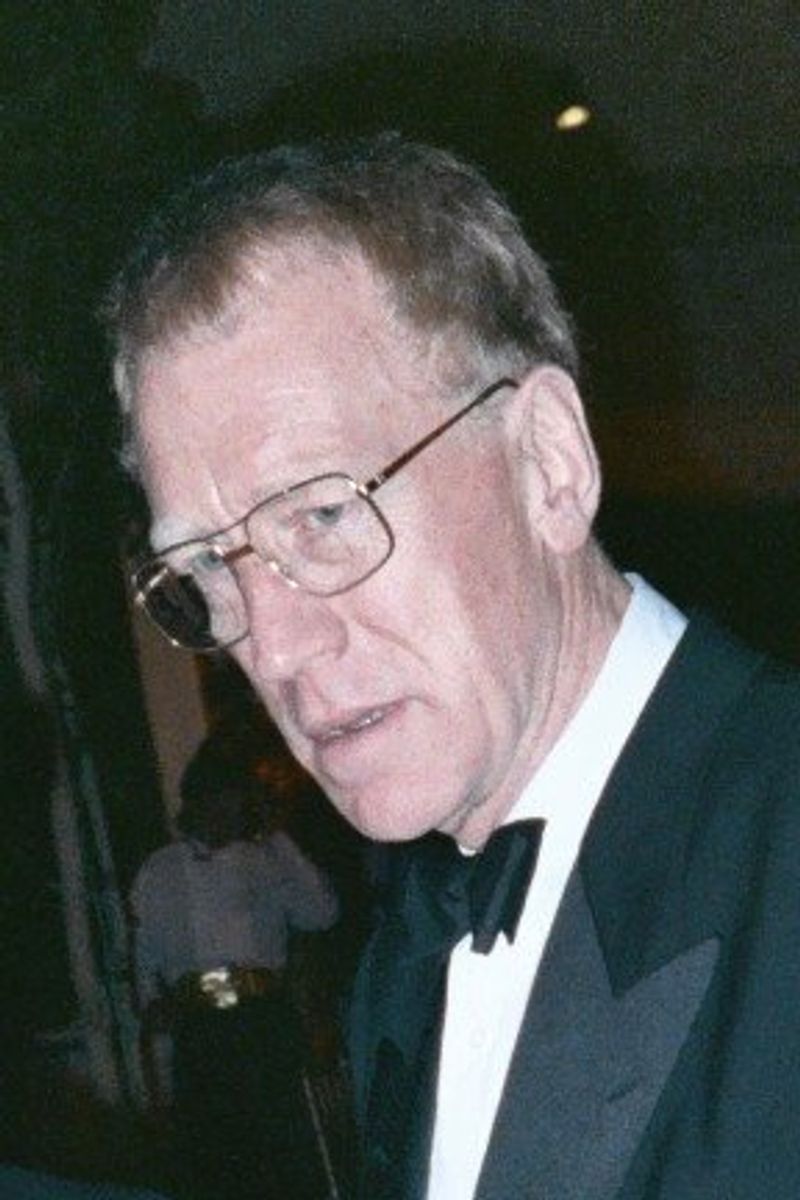
Casting Max von Sydow as Jesus stood out immediately in 1965, but his calm screen presence quickly became one of the film’s strongest elements.
Director George Stevens surrounded him with every Hollywood star imaginable, yet von Sydow’s measured, almost architectural stillness made him the gravitational center of every frame. The performance was regal without being cold.
Critics called the film overlong, but von Sydow himself earned consistent praise. Sometimes the right actor can anchor even the most sprawling ship.
2. Jeremy Sisto – Jesus (1999)
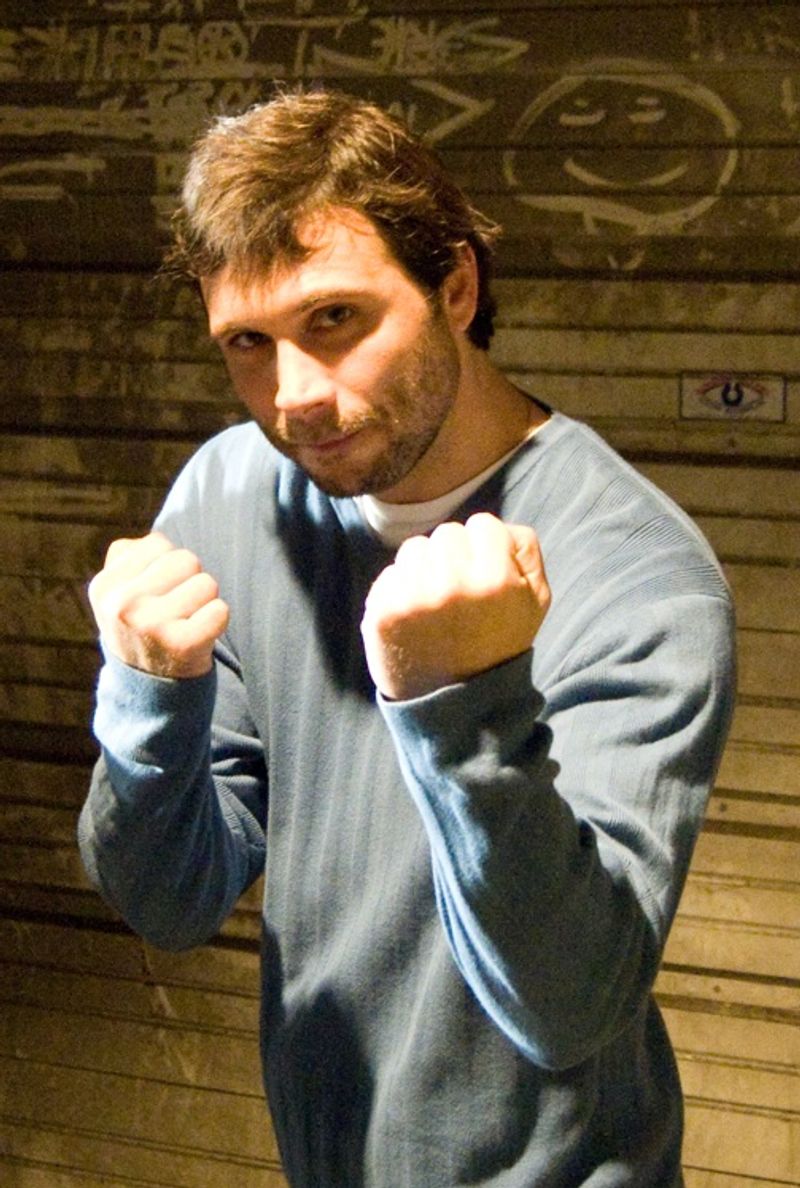
Warm, unmistakably human laughter coming from Jesus on screen gave Jeremy Sisto’s turn in the CBS television movie something refreshingly unexpected. Simply letting the character enjoy a moment changed the whole energy.
Easygoing charisma shaped Sisto’s performance, grounding the miracles instead of pushing them into something overly theatrical.
Jokes, flashes of frustration, and clear affection for people gave his Jesus a more lived-in presence.
That lighter, more approachable tone helped set the performance apart from more solemn portrayals.
3. Ted Neeley – Jesus Christ Superstar (1973)
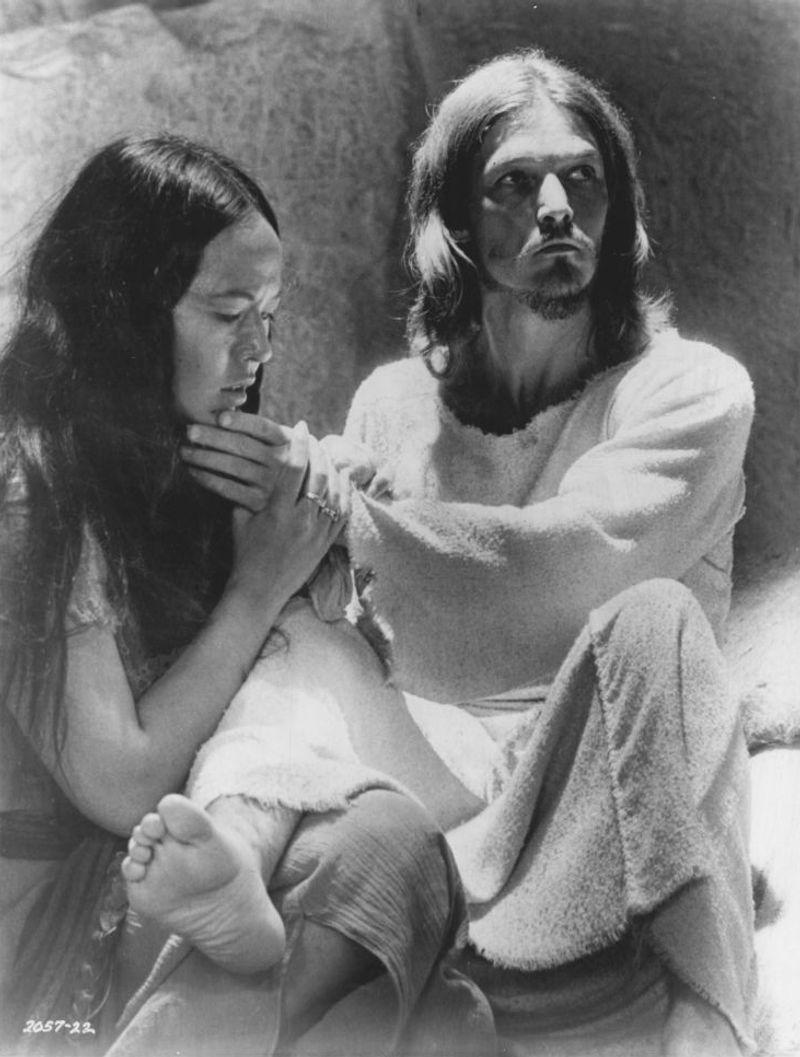
High note from Ted Neeley as Jesus carried a power that felt strong enough to shake a theater.
Rock opera vision from Norman Jewison placed him at the center of Andrew Lloyd Webber’s soaring score, asking for both vocal intensity and emotional depth.
Gethsemane emerged as a defining moment, blending raw feeling with musical precision in a way audiences have not forgotten. Years of touring the stage version followed, showing how a single role can grow into something closer to a lifelong calling than a one-time credit.
4. Jim Caviezel – The Passion Of The Christ (2004)

Mel Gibson’s film demanded an unusually intense performance, and Jim Caviezel met it with visible commitment.
Filming involved severe physical strain, including a shoulder injury, hypothermia, and the widely reported lightning strike on set. The physical strain on screen carried real weight because some of it was real.
Audiences worldwide felt it in their chests.
Worldwide grosses climbed past $600 million against a $30 million budget, giving the film an unusually powerful box-office run for a religious drama. Caviezel’s commitment helped elevate the project into a defining title in faith-based cinema.
5. Diogo Morgado – The Bible (2013) / Son Of God (2014)

Sunlit, approachable energy defined Diogo Morgado’s performance in a way that felt almost perfectly suited to the social media era. Online response to Morgado’s performance in The Bible miniseries quickly grew, with many viewers focusing on how approachable and contemporary he seemed on screen.
Plenty of that attention carried a playful edge.
Sincere work beneath all the chatter gave the performance real staying power.
A full theatrical release followed with Son of God, and the same steady, open-hearted warmth carried smoothly into both formats.
6. Willem Dafoe – The Last Temptation Of Christ (1988)
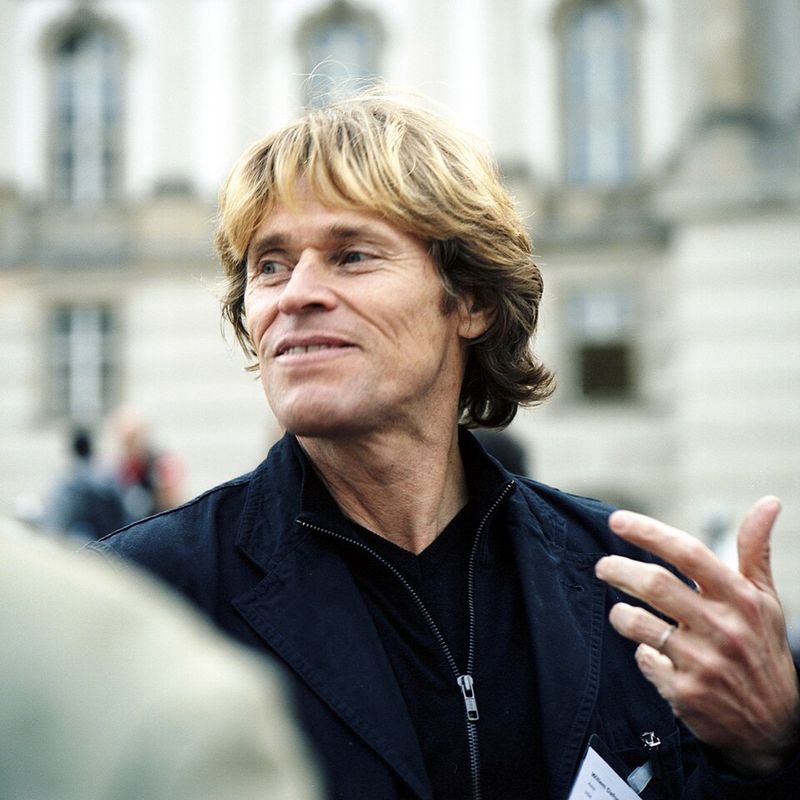
Most debated screen portrayals of Jesus arrived when Martin Scorsese cast Willem Dafoe in the role, and hesitation never seemed part of the equation.
Adaptation of The Last Temptation of Christ explored a version of Jesus grappling with doubt, desire, and the immense weight of a divine calling.
Dafoe’s sharp features and restless energy brought that inner struggle to the surface with an intensity that felt difficult to ignore. Public reaction included protests outside theaters, reflecting how strongly the performance resonated and challenged expectations.
Bold interpretation opened questions more traditional portrayals often avoided, leaving a lasting mark on how the story can be told.
7. Robert Powell – Jesus Of Nazareth (1977)
Those eyes. Robert Powell’s unblinking, sky-blue gaze became the defining image of Jesus for an entire generation of television viewers.
Franco Zeffirelli’s miniseries gave Powell room to breathe, and he used every second, delivering quiet authority without a single shout. The performance felt less like acting and more like inhabiting.
Powell’s steady gaze became one of the performance’s most widely remembered features, giving many scenes an unusually intense stillness. Sunday evenings were never quite the same after this one aired.
8. Joaquin Phoenix – Mary Magdalene (2018)
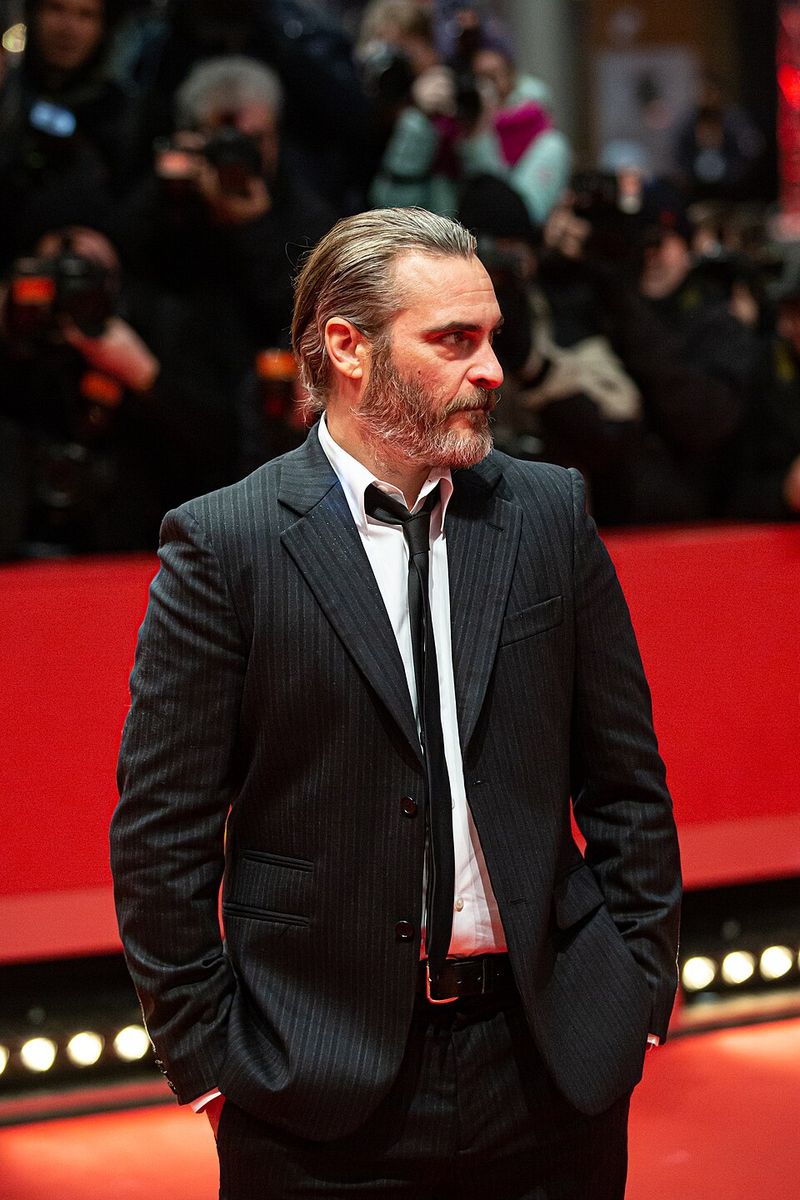
Frayed around the edges, his Jesus carried spiritual fatigue in a way most screen versions never even try.
Because Garth Davis centers the story on Mary Magdalene, the role never has to stand in the spotlight and explain itself for two straight hours.
Breathing room worked beautifully for Phoenix. Even a glance, a pause, or half-swallowed line could do the work of a speech.
Anyone familiar with his other performances could spot the restraint immediately. Same fire, different robes.
Important: This article has been reviewed for general factual accuracy using reputable reference and review sources where available.
Reactions to religious and historical film portrayals can vary widely across audiences, and the content is provided for general informational and entertainment purposes rather than as a theological or scholarly judgment.