18 Actors Who Have Spoken About The Emotional Toll Of Certain Roles
Acting isn’t always costumes and applause, sometimes it’s emotional heavy lifting that doesn’t end when the director yells “cut.”
Certain roles demand so much mentally and physically that actors carry the character’s weight long after filming wraps.
When performers speak honestly about that toll, it reveals the intense reality behind the craft and the very real impact it can have on mental health.
Disclaimer: Material here is based on publicly available interviews and reputable entertainment reporting where performers discussed the demands of specific roles. Some wording is paraphrased for clarity, and different interviews may emphasize different parts of each experience.
Mental health and recovery are personal, and nothing here should be taken as medical guidance. The content is provided for general informational and entertainment purposes and is not legal or financial advice, and it is not a substitute for professional support.
18. Evan Peters (Dahmer – Monster: The Jeffrey Dahmer Story)

Portraying one of the most notorious American serial killers wasn’t something that left easily.
Peters immersed himself so deeply in the mindset of the serial killer that it became exhausting to maintain. Staying in that dark psychological space for extended periods drained him completely.
After wrapping, Peters knew he needed time to reset and shake off the lingering heaviness. The role stuck with him in ways few others had.
17. Adrien Brody (Władysław Szpilman In The Pianist)
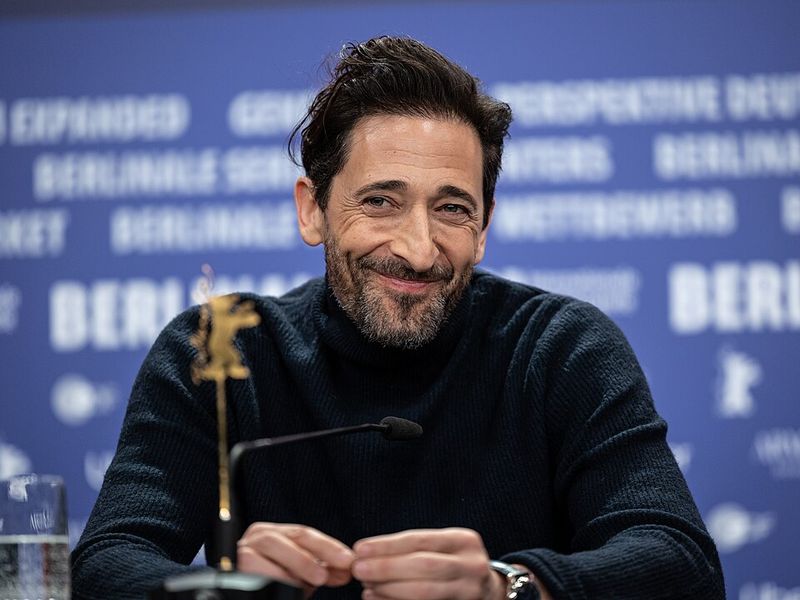
If commitment ever needed a real-world definition, Brody’s transformation delivers it in full. He lost significant weight, sold his car and apartment, and isolated himself to focus on the role to more authentically embody a Holocaust survivor’s experience.
Emotional fallout hit harder than expected.
A heavy sadness followed him long after filming wrapped, and returning to everyday life proved far more difficult than he anticipated. Brody has said the role changed him permanently.
16. Jim Carrey (Andy Kaufman In Man On The Moon)
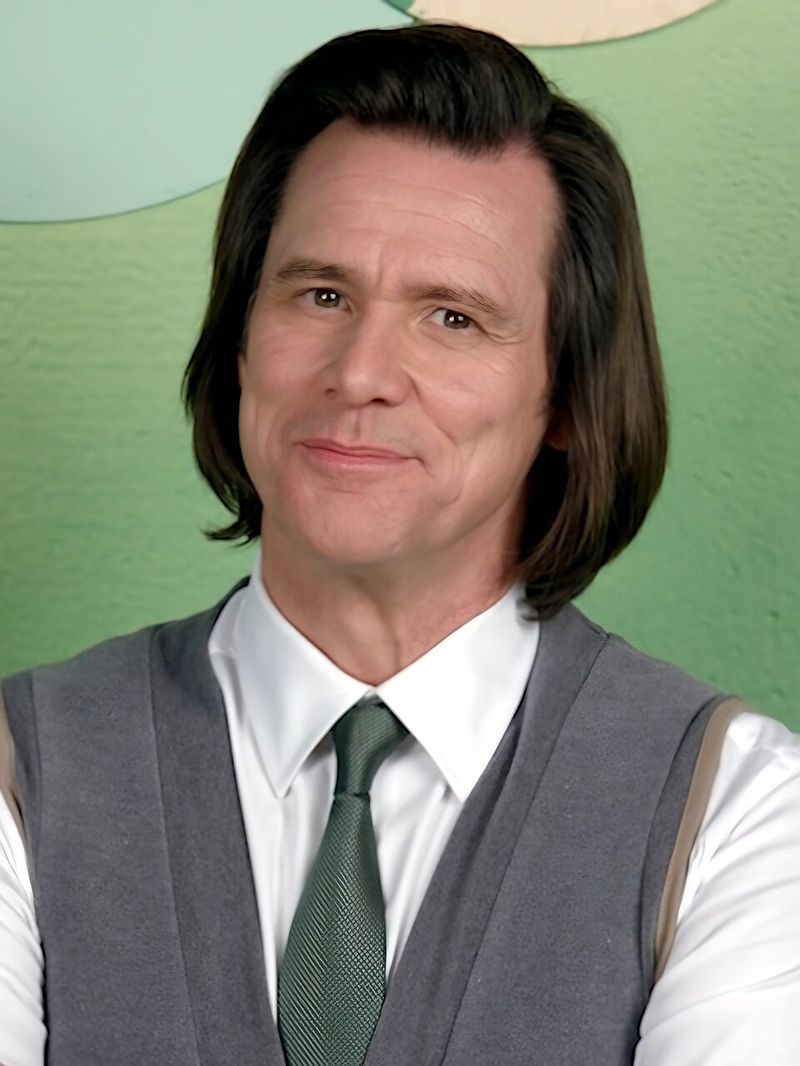
Method acting took on an entirely new meaning during this unforgettable performance.
Carrey didn’t just portray Kaufman, he lived as him, pushing the line between actor and subject so far that returning to himself became a genuine struggle. Fully immersing himself in the eccentric comedian affected Carrey in deep, lasting ways.
Reconnecting with his own identity afterward turned out to be far harder than anyone expected. The entire experience became a cautionary tale about what can happen when a role starts consuming the person playing it.
15. Natalie Portman (Nina In Black Swan)
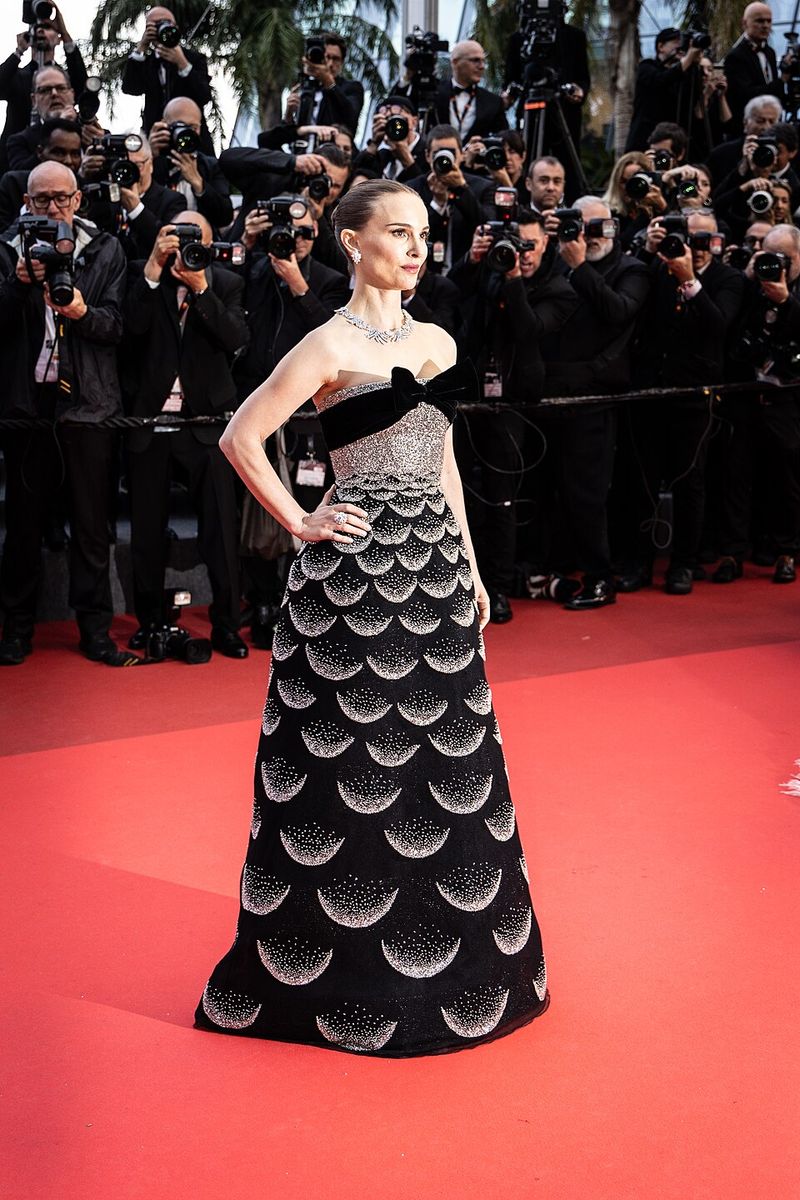
Ballet training and an intense physical routine came with real strain.
Portman’s commitment to Nina demanded an intensity that pushed her body and mind to their limits. The role required grueling physical preparation alongside deep emotional vulnerability.
She has openly discussed how the experience took a real toll on her well-being. Portman lost significant weight and described feeling the character’s psychological fracture seeping into her own reality.
14. Anne Hathaway (Fantine In Les Misérables)

Sometimes a role demands you give up more than just your time.
Hathaway lost 25 pounds rapidly, following a very restricted diet to embody the desperate, dying Fantine. The extreme physical transformation was matched by an emotionally rough journey into despair and hopelessness.
She’s been candid about how draining the process was, both mentally and physically. Recovering from the role took weeks as she worked to feel like herself again.
13. Lady Gaga (Ally In A Star Is Born)

Music superstar turned actress, Gaga learned that acting could hit harder than any moment on stage.
Playing Ally required a plunge into vulnerability, heartbreak, and loss, and the emotional strain left lasting marks. After filming ended, she struggled to steady herself and she’s said it took time to mentally step away from the character after filming.
Gaga has spoken publicly about how difficult it was to come back from that experience. The role served as a reminder that even the most resilient performers have limits.
12. Joaquin Phoenix (Arthur Fleck In Joker)

How far would you go to understand madness from the inside?
Phoenix lost 52 pounds and descended into the psychology of a man unraveling, which he described as mentally consuming and difficult throughout filming. The drastic physical changes impacted his mental state in unsettling ways.
He’s spoken about feeling the character’s instability bleeding into his own thoughts. Phoenix’s preparation became legendary for its intensity and the toll it extracted.
11. Austin Butler (Elvis Presley In Elvis)
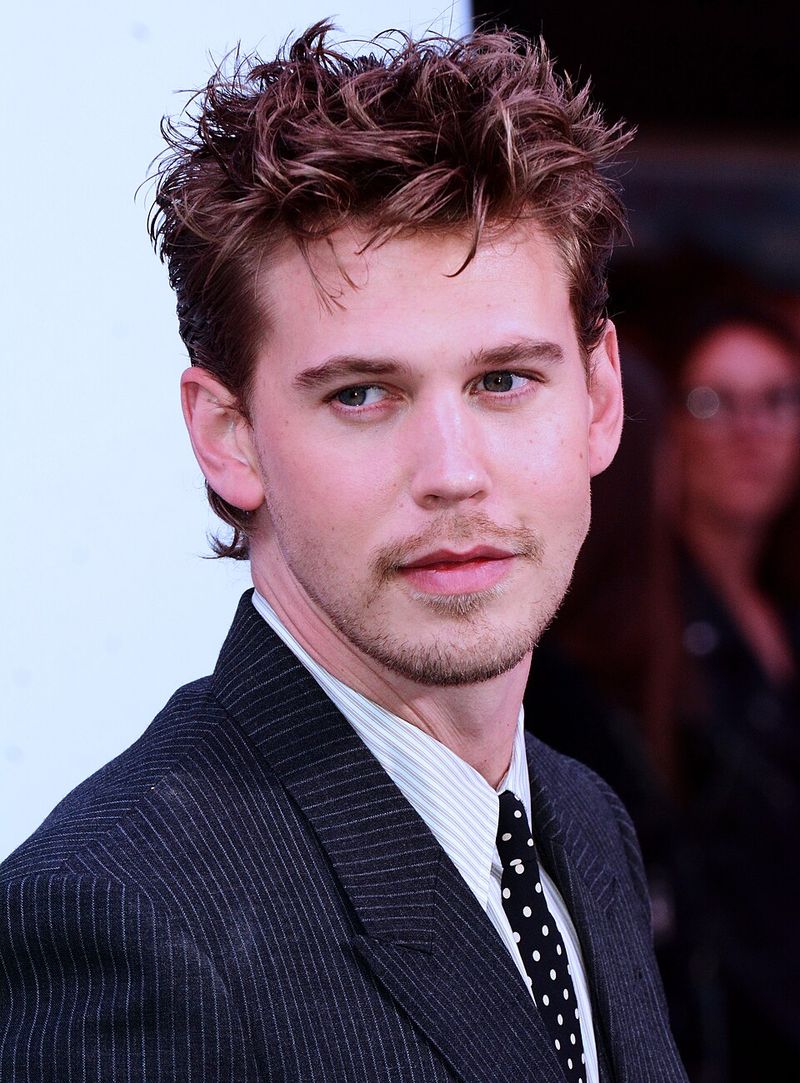
Becoming The King demanded far more than learning the hip swivel and capturing that iconic voice.
Butler immersed himself so deeply in Elvis’s mannerisms, speech patterns, and emotional world that separating from it afterward became genuinely difficult. Physical strain and emotional exhaustion came with the territory, and the role clearly took a toll.
He has said it took a long time to fully come down from the experience. Dedication was never in doubt, yet the personal cost was impossible to ignore.
10. Cillian Murphy (J. Robert Oppenheimer In Oppenheimer)
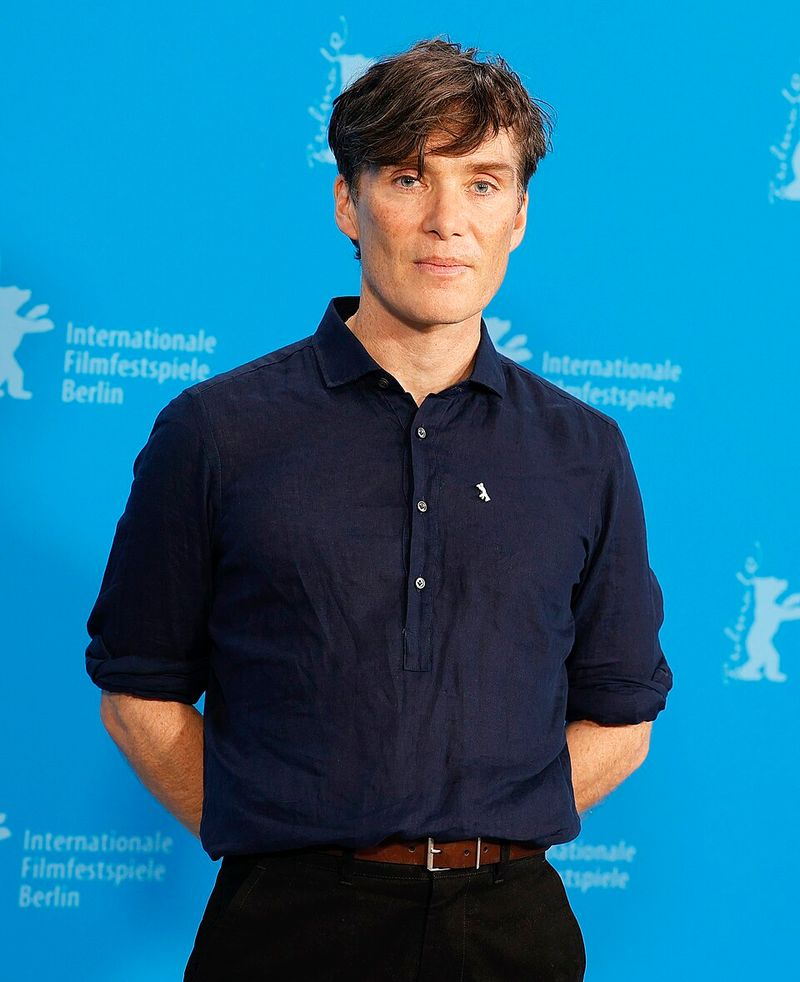
Carrying the weight of the atomic bomb on your shoulders isn’t just metaphorical when you’re playing Oppenheimer.
Murphy felt exhausted after filming, describing the enormous pressure he carried throughout the shoot. Portraying J.
Robert Oppenheimer, a central figure in the Manhattan Project meant grappling with moral complexity and historical gravity.
The role demanded intellectual and emotional depth that left Murphy drained. He’s been open about how taxing the experience truly was.
9. Kristen Stewart (Princess Diana In Spencer)
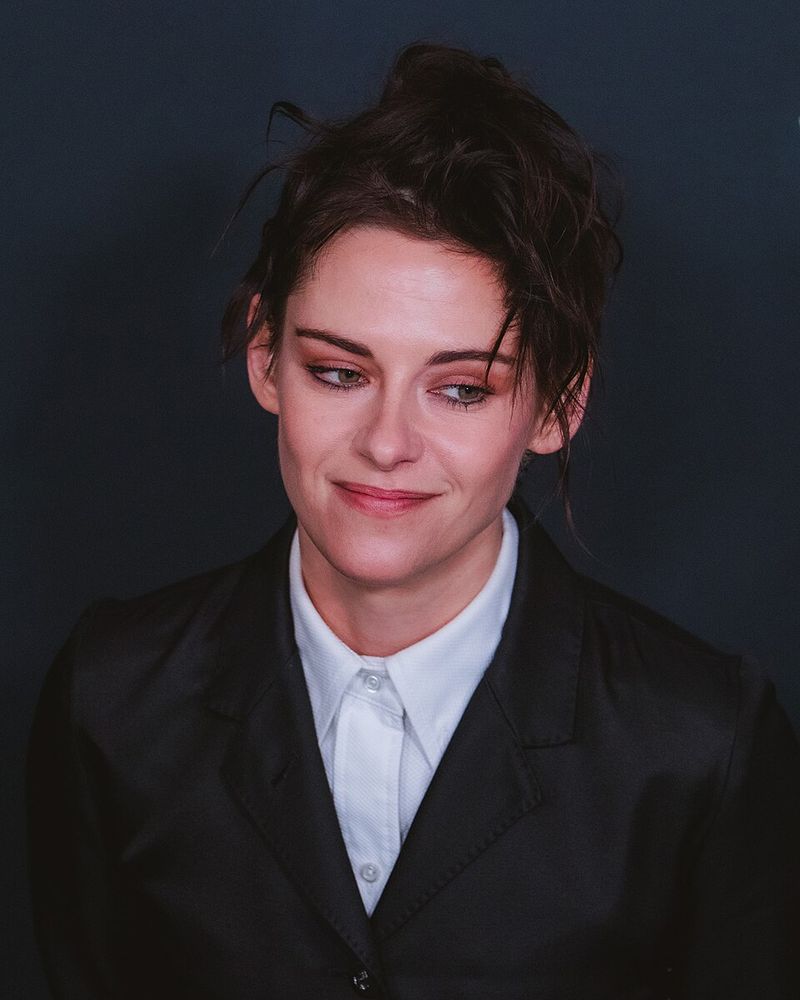
Taking on the role of one of the world’s most beloved figures came with unique challenges.
Stewart found the work intensely demanding, especially carrying Diana’s anxiety and inner struggles throughout filming. Emotional weight built quickly when portraying someone so vulnerable and constantly scrutinized.
She has discussed how the role required her to sit with uncomfortable feelings for long stretches. Stewart’s performance felt haunting in part because the experience stayed with her long after the cameras stopped.
8. Brie Larson (Joy “Ma” Newsome In Room)

Living for months in a tiny, confined space would be anyone’s worst nightmare.
Portraying a woman held captive with her young son carried an emotional weight that lingered long after filming ended. Larson described the work as an ‘emotional marathon,’ even if she’s also said she tries not to carry roles home.
One of the most challenging experiences of her career came with this role. Real time was needed to fully shake off what it demanded.
7. Michael B. Jordan (Erik ‘Killmonger’ Stevens In Black Panther)
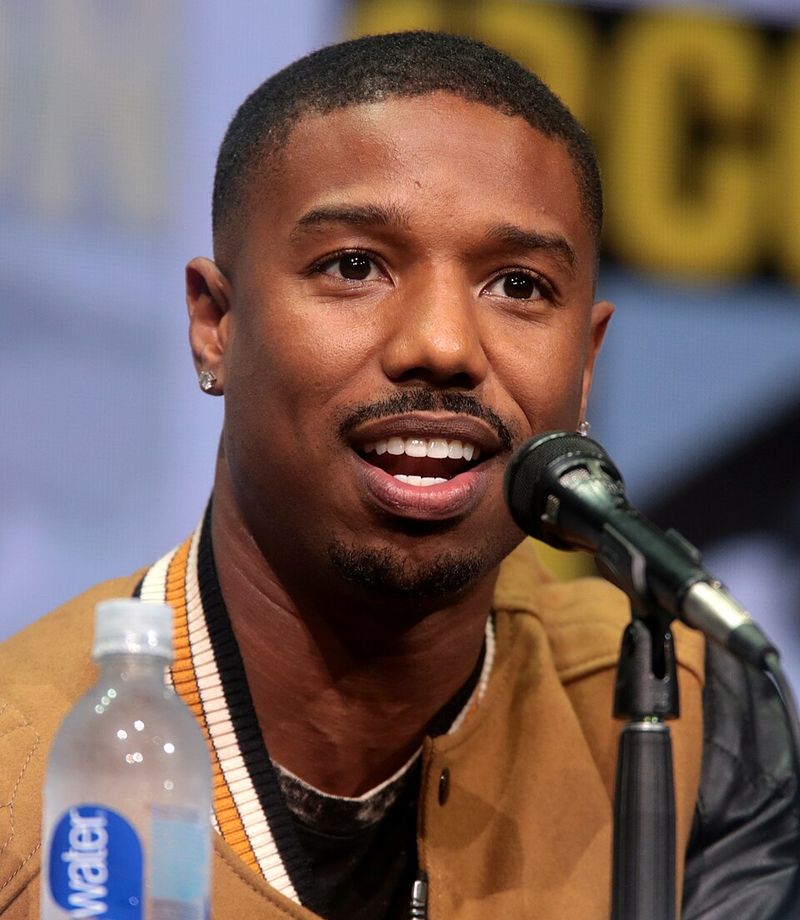
Starring in a boxing film is tough enough, but directing it simultaneously?
Jordan felt the combined weight of both responsibilities pushing him to his limits during production. The physical demands of training and fighting scenes merged with the mental pressure of helming the entire project.
He’s said he sought therapy afterward to decompress and prioritizing self-care afterward. Jordan’s honesty about needing support resonated with many facing similar pressures.
6. Lupita Nyong’o (Patsey In 12 Years A Slave)

Taking on an enslaved woman subjected to unspeakable cruelty wasn’t something that could be switched off at the end of the day.
Living in that material proved deeply painful, and leaving it behind each night became increasingly difficult. Emotional brutality surrounding Patsey’s story weighed heavily throughout filming.
Trauma carried over even after cameras stopped rolling. Breakthrough power came with a significant personal cost.
5. Charlize Theron (Aileen Wuornos In Monster)

Transforming into a serial killer meant sitting with darkness most people never encounter.
Theron underwent a dramatic physical transformation, gaining weight and altering her appearance, but the psychological shift was even more profound. She’s described the role as profoundly upsetting because of the emotional space she had to occupy.
Living with Wuornos’s pain, rage, and desperation took a real toll. Theron’s Oscar-winning performance came from a genuinely difficult place.
4. Jeremy Strong (Kendall Roy In Succession)
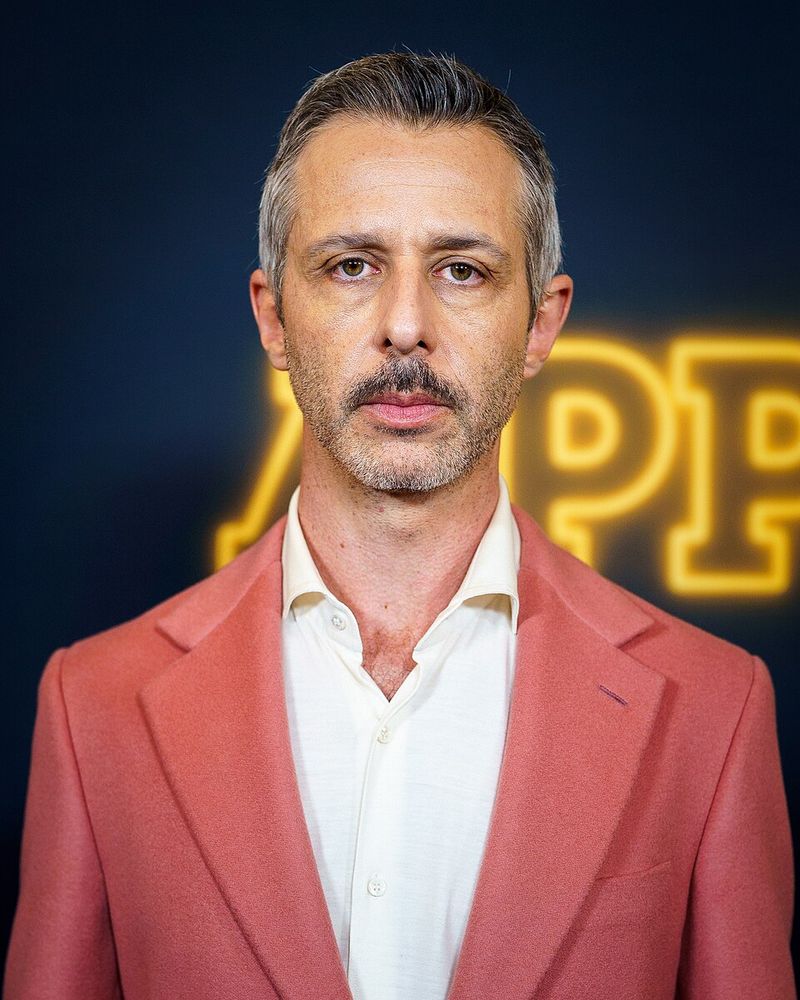
TV roles can be just as demanding as film, especially when a character spirals for multiple seasons.
A method approach to Kendall Roy meant living with anxiety, ambition, and dysfunction for years. The work became draining, and recovery time was needed after going that deep.
Commitment to authenticity meant rarely breaking character, and the toll was real. Acclaim followed in part because the performance felt so painfully real.
3. Leonardo DiCaprio (Hugh Glass In The Revenant)
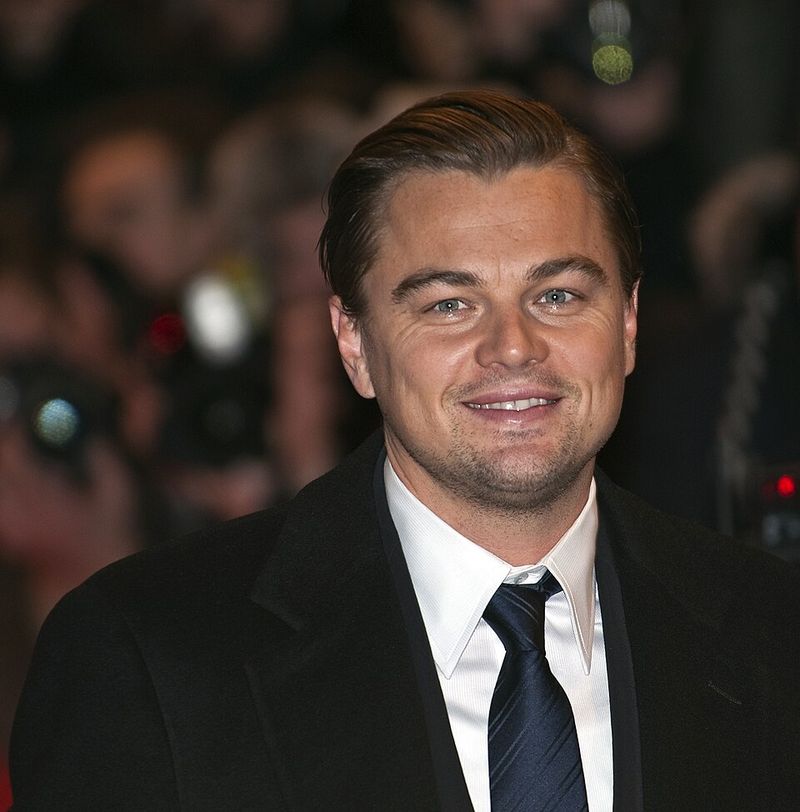
Freezing temperatures, sleeping in animal carcasses, eating raw bison liver – just another day at the office?
DiCaprio has repeatedly described the production as brutally difficult and the hardest film experience of his entire career. The physical demands were relentless, with shooting in harsh natural conditions for months.
Beyond the physical challenges, embodying Glass’s survival story required intense emotional commitment. DiCaprio’s long-awaited Oscar came from a role that genuinely pushed him to his limits.
2. Halle Berry (Dorothy Dandridge In Introducing Dorothy Dandridge)
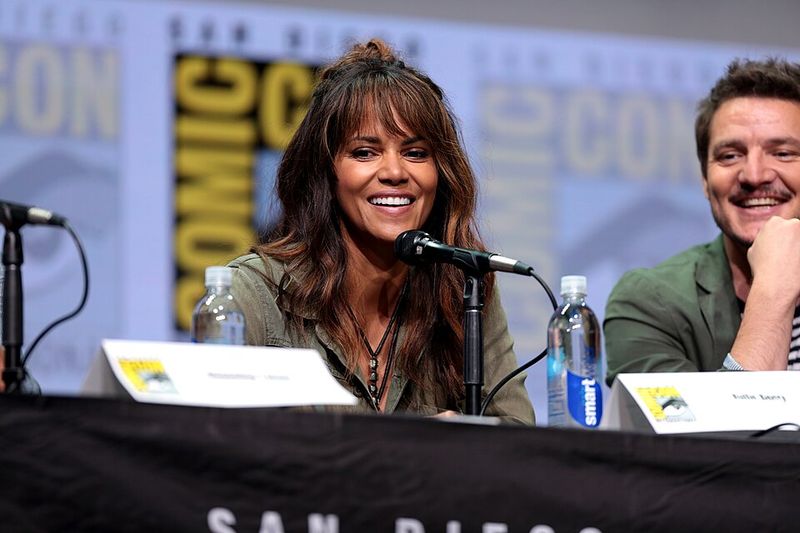
Playing a trailblazing actress who faced heartbreak and discrimination hit close to home for Berry.
She felt a deeply personal connection to Dorothy’s story, and portraying the Hollywood icon’s life affected her on an emotional level she hadn’t anticipated. The role required Berry to confront painful aspects of the entertainment industry’s history.
She’s described how Dorothy’s struggles resonated with her own experiences. Berry’s Emmy-winning performance came from a place of genuine emotional investment.
1. Heath Ledger (Joker In The Dark Knight)
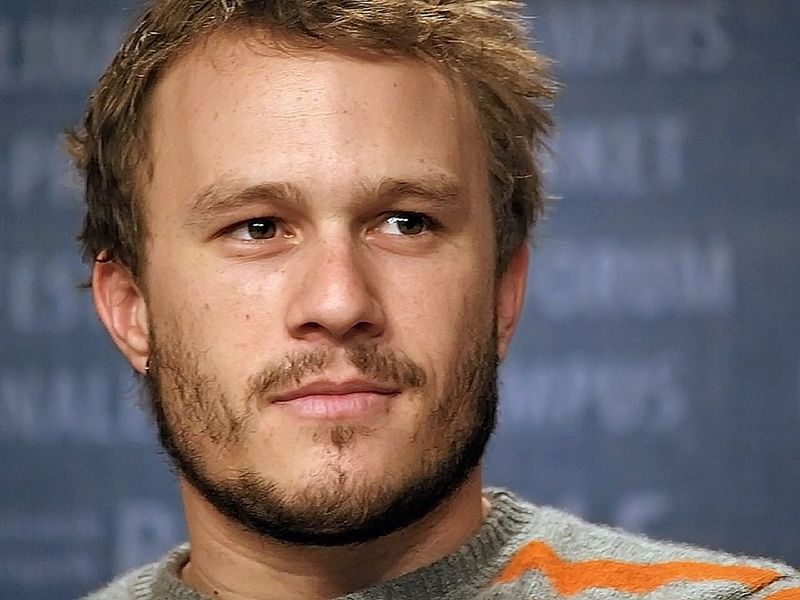
Ledger described intense sleeplessness during that period, and reports about his preparation often mention isolation and journaling. Exhaustion became constant, and sleep grew elusive while living with the role’s intensity.
Friends and family noticed the struggle during filming. A posthumous Oscar became a bittersweet recognition of extraordinary commitment.