
Actors Who Sank Their Teeth Into Vampire Roles
For more than a century, vampires have lingered at the edge of cinema, slipping between horror, romance, and pure fascination without ever losing their bite.
Actors across generations have stepped into the shadows, trading daylight for velvet capes, sharp wit, and the eternal burden of immortality.
Some performances became the very face of vampiric lore, while others rewrote the rules entirely, proving the undead never stay the same for long.
1. Bela Lugosi – Count Dracula, Dracula (1931)
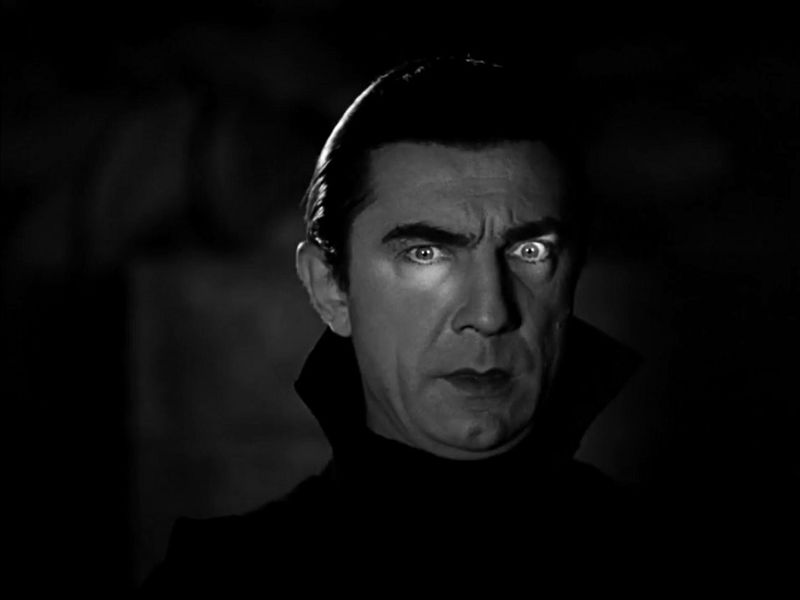
Bela Lugosi transformed Dracula into cinema gold with a thick Hungarian accent and a hypnotic stare carried over from his stage performance.
Slicked-back hair and a dramatic cape became the vampire uniform for generations of horror storytelling.
Slow, deliberate movements across the screen kept audiences gripping their theater seats. Lasting impact proved so strong that people still imitate his voice at Halloween parties nearly a century later.
2. Christopher Lee – Count Dracula, Dracula (1958)
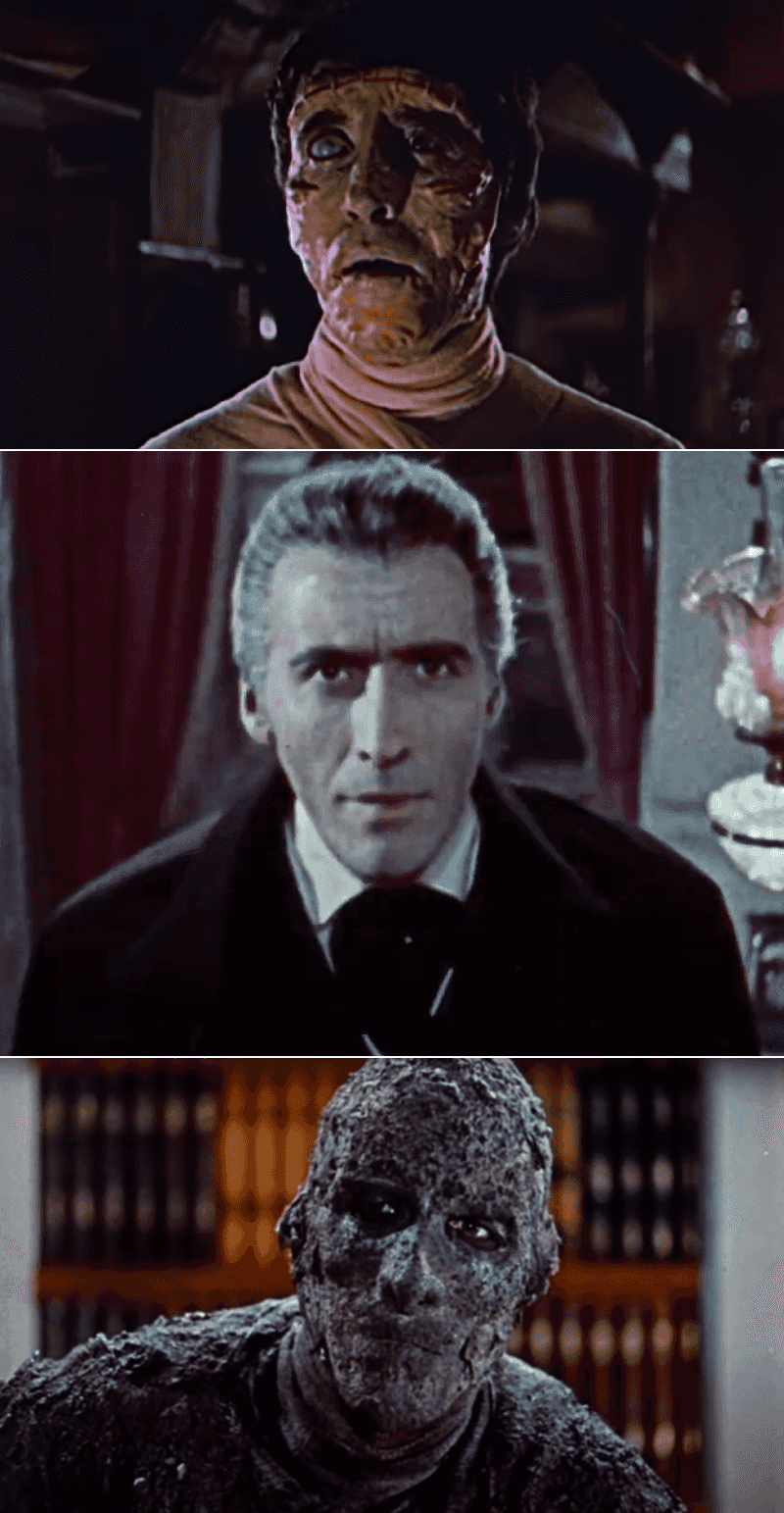
Standing at six foot five, Lee brought an imposing presence that made Dracula genuinely terrifying again.
With Hammer Films introducing color to horror, audiences finally saw the fangs-and-feeding imagery in vivid color.
Gone was the old world charm, replaced instead by pure menace. Those piercing eyes could freeze a viewer halfway through a popcorn grab.
After playing the count so many times, Lee often joked about being typecast, yet no one else ever claimed the role quite the way he did in those gothic British films.
3. Gary Oldman – Count Dracula, Bram Stoker’s Dracula (1992)
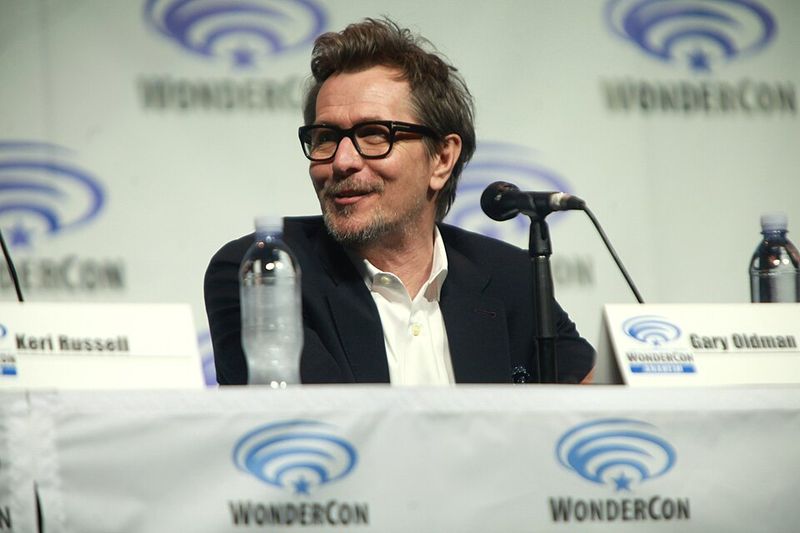
Oldman morphed through multiple versions of Dracula in one film, from ancient monster to romantic hero. The makeup team spent hours transforming him each day, creating looks that ranged from eerie to heartbreakingly handsome.
Coppola’s lavish production gave him room to explore the character’s tragic love story.
One scene he’s a withered old creature, the next he’s seducing Mina at a cinematograph showing. That range earned him praise for showing the vampire’s complexity beyond just fangs and fear.
4. Max Schreck – Count Orlok, Nosferatu (1922)
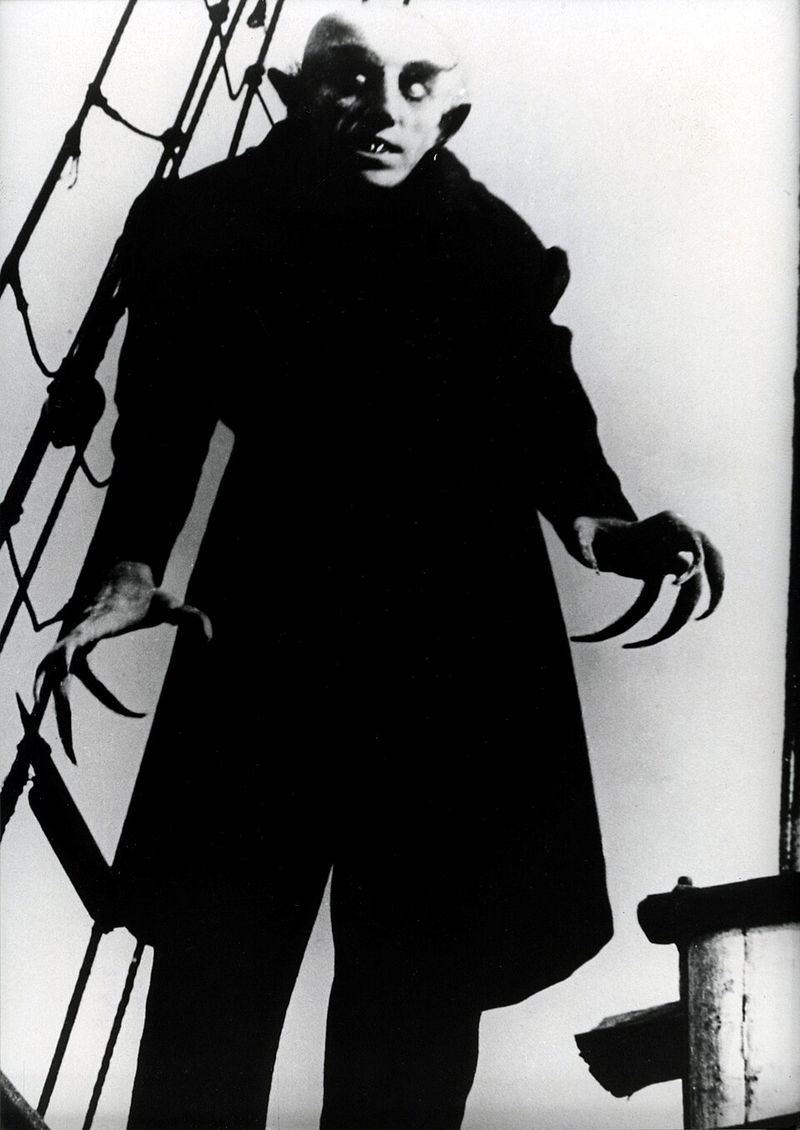
Unlike the suave vampires that followed, Schreck’s Orlok appeared deeply unsettling from the first frame. Bald, rat toothed, and skeletal, he resembled a gaunt apparition far more than a seductive nobleman.
Through German Expressionist lighting, shadows stretched his clawed fingers across walls like a shadow stretching forward.
Silent cinema depended entirely on visual horror, and Schreck delivered a performance that needed no spoken words. For years, folklore and fan myths even joked that he might be a real vampire, a testament to how convincingly disturbing his portrayal felt.
5. Klaus Kinski – Count Dracula, Nosferatu The Vampyre (1979)
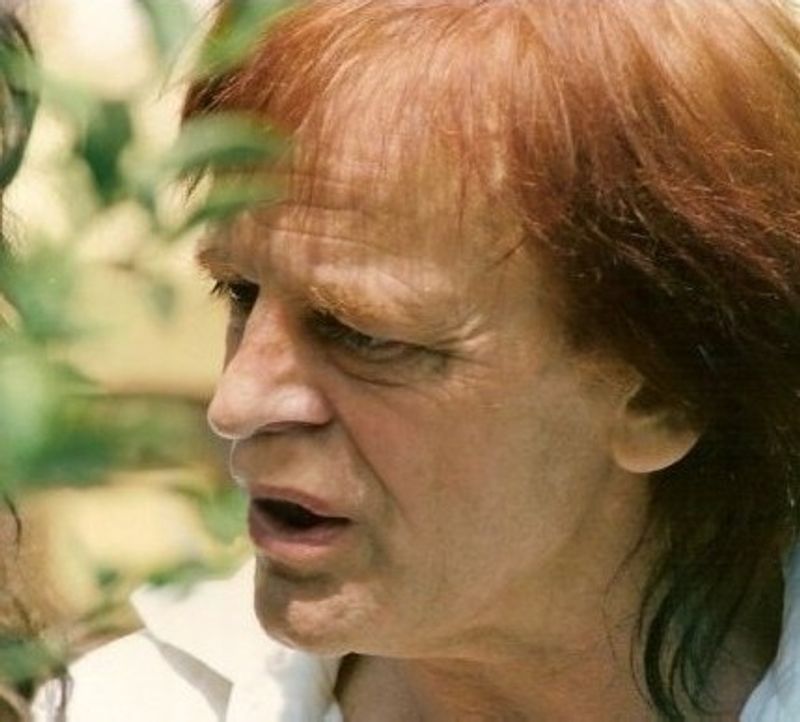
Kinski channeled loneliness instead of terror, playing Dracula as a tragic figure cursed with eternal existence. Director Werner Herzog wanted to capture the sadness behind immortality, and Kinski’s haunted eyes delivered that message without saying much.
His vampire felt tired of living forever.
The makeup echoed Schreck’s original Orlok but added layers of sorrow. Watching him move through shadowy castles felt like witnessing someone trapped in an endless, joyless routine they couldn’t escape.
6. Frank Langella – Count Dracula, Dracula (1979)
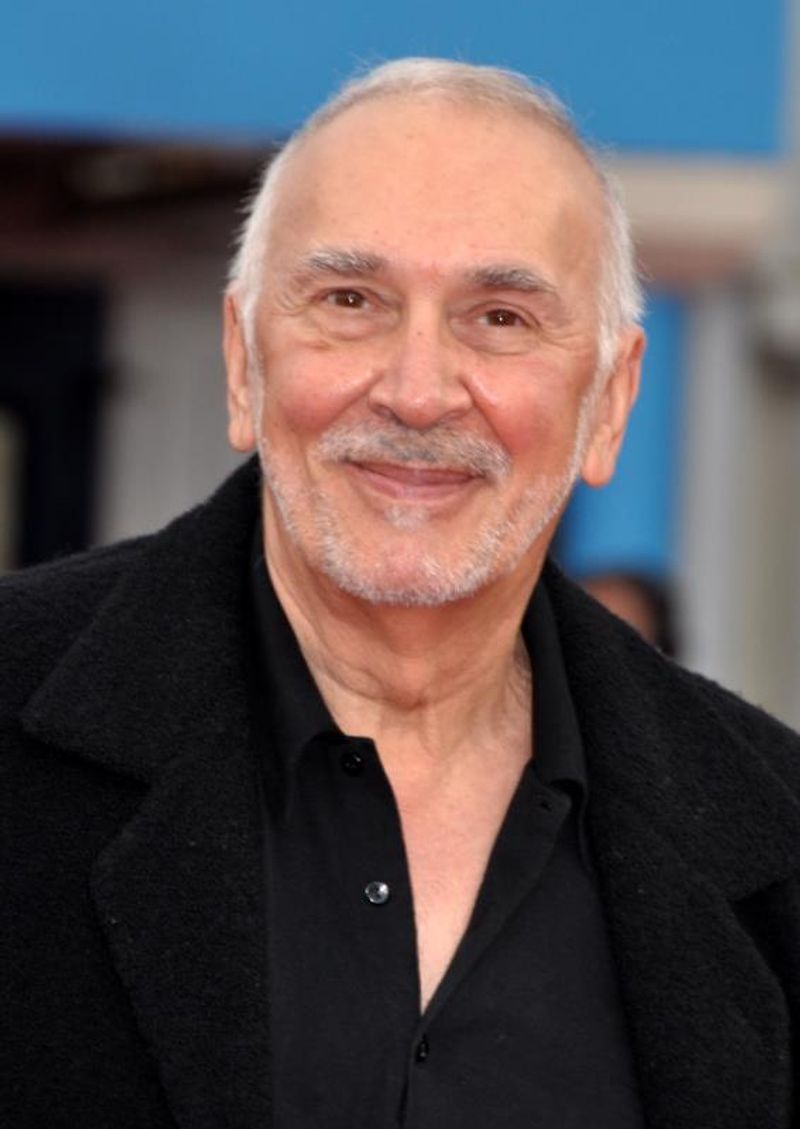
With Frank Langella in the role, Dracula became strikingly charismatic, the kind of vampire who makes the usual defenses feel useless.
A stage trained voice brought layers of sophistication that turned the count into a figure of forbidden romance rather than pure horror. Across the film, characters seem drawn into his orbit, drawn in by his magnetic presence.
Greater emphasis on romantic tension shifted the story toward dark romance instead of traditional scares.
Critics praised the way Langella balanced elegance with quiet menace, proving a vampire could exist as both romantic figure and threat at once.
7. Tom Cruise – Lestat, Interview With The Vampire (1994)
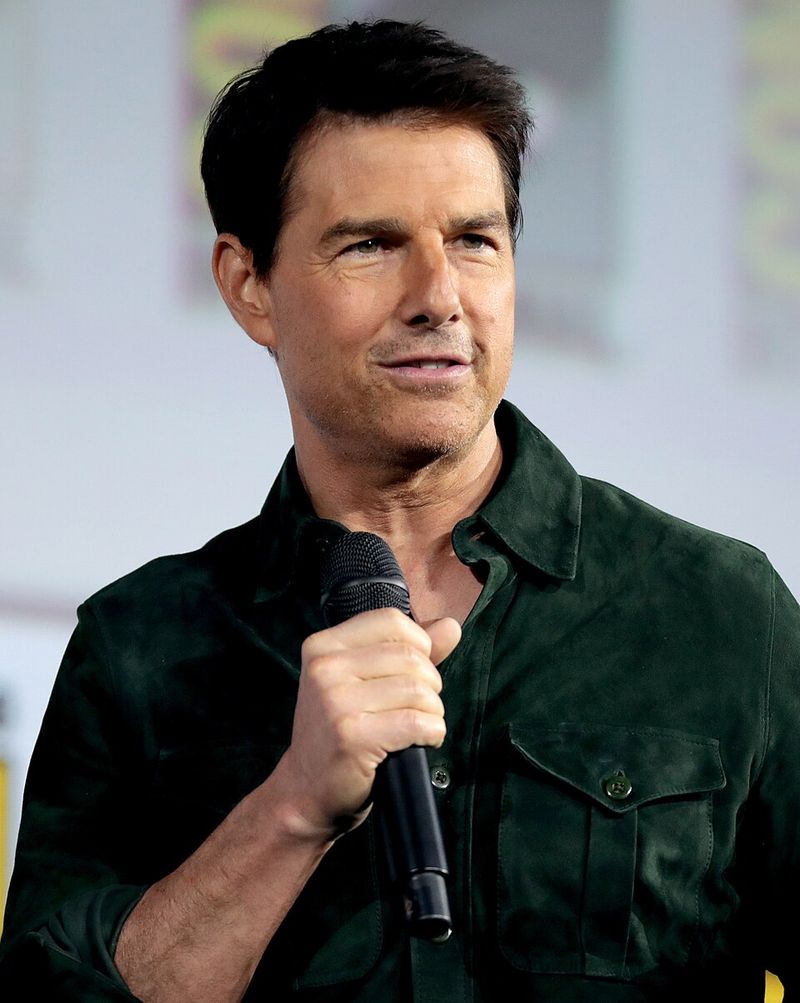
Casting Cruise as Lestat sparked controversy until audiences saw his wicked, playful performance.
He embraced the vampire’s cruelty and dark humor, making Lestat simultaneously charming and utterly merciless. Those blonde curls and period costumes transformed Hollywood’s action star into an 18th-century monster who loved being undead.
His Lestat threw tantrums, danced through on-screen attacks, and treated immortality like the ultimate party. Anne Rice, who initially criticized the casting, later publicly endorsed Cruise’s performance after seeing the film.
8. Brad Pitt – Louis, Interview With The Vampire (1994)
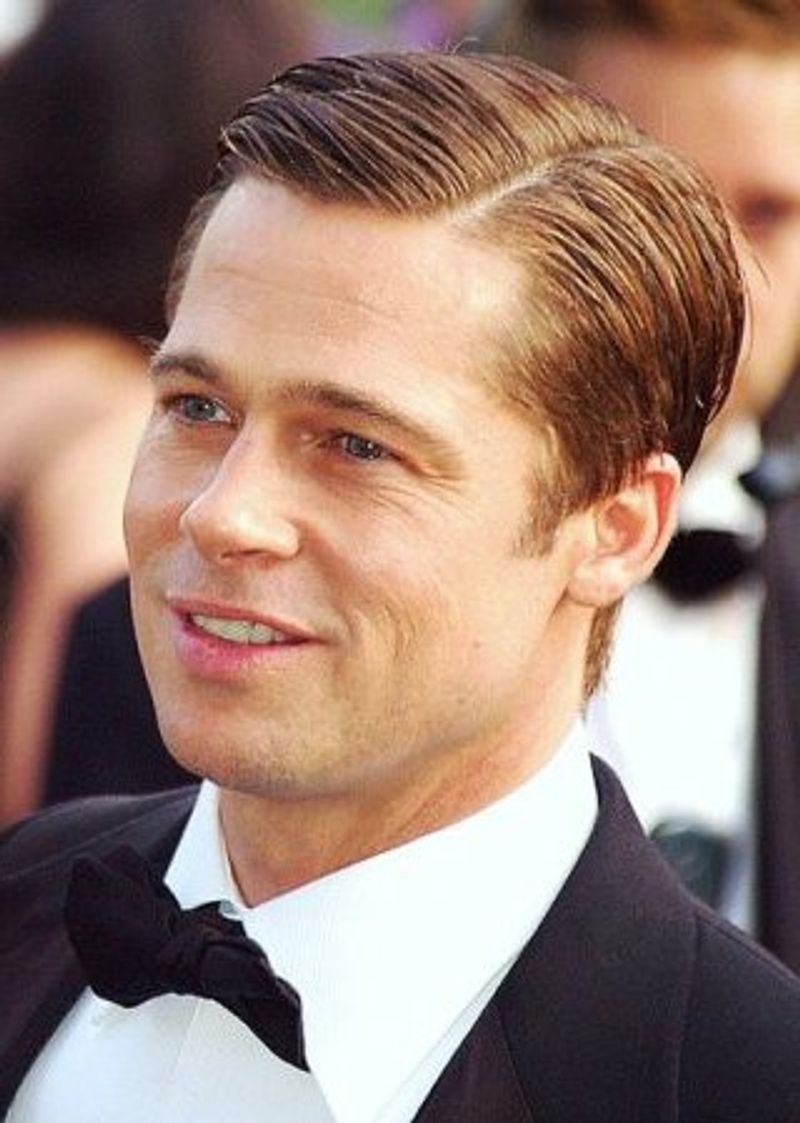
Two centuries of brooding define Louis, standing in sharp contrast to Tom Cruise’s gleefully ruthless Lestat.
A tortured conscience and a deep reluctance to take down, turn him into a sympathetic antihero audiences can still root for despite the fangs. Long dark hair and sorrowful eyes capture a soul eternally mourning a lost humanity.
As narrator, Louis guides viewers through vampire existence with regret threaded through every word.
That contrast with Lestat becomes the story’s central tension and gives the film its emotional core.
Disclaimer: Role descriptions reflect widely reported film credits and commonly discussed interpretations of vampire portrayals, and some behind-the-scenes anecdotes or long-running myths are included as cultural context rather than literal fact.
The content is provided for general informational and entertainment purposes and is not legal, financial, or professional advice.



.jpg)

.jpg)

_(cropped).jpg)
