Actors Whose Careers Were Impacted By Hollywood Blacklists
One day you had a script on your desk, the next your name vanished from the call sheet. In mid-century Hollywood, fear spread faster than gossip, and careers could collapse on nothing more than suspicion.
Actors, writers, and directors were pushed out of the industry, their work erased as studios scrambled to look “safe.” That chilling period left scars on American film, a reminder of how quickly art can be silenced when paranoia takes the lead.
Disclaimer: This article discusses a historically documented period in the U.S. entertainment industry and summarizes widely reported accounts of how the Hollywood blacklist affected specific performers’ careers.
Details can vary across biographies, archival records, and contemporaneous reporting, so any timelines and claims should be understood as based on publicly available information
12. John Garfield
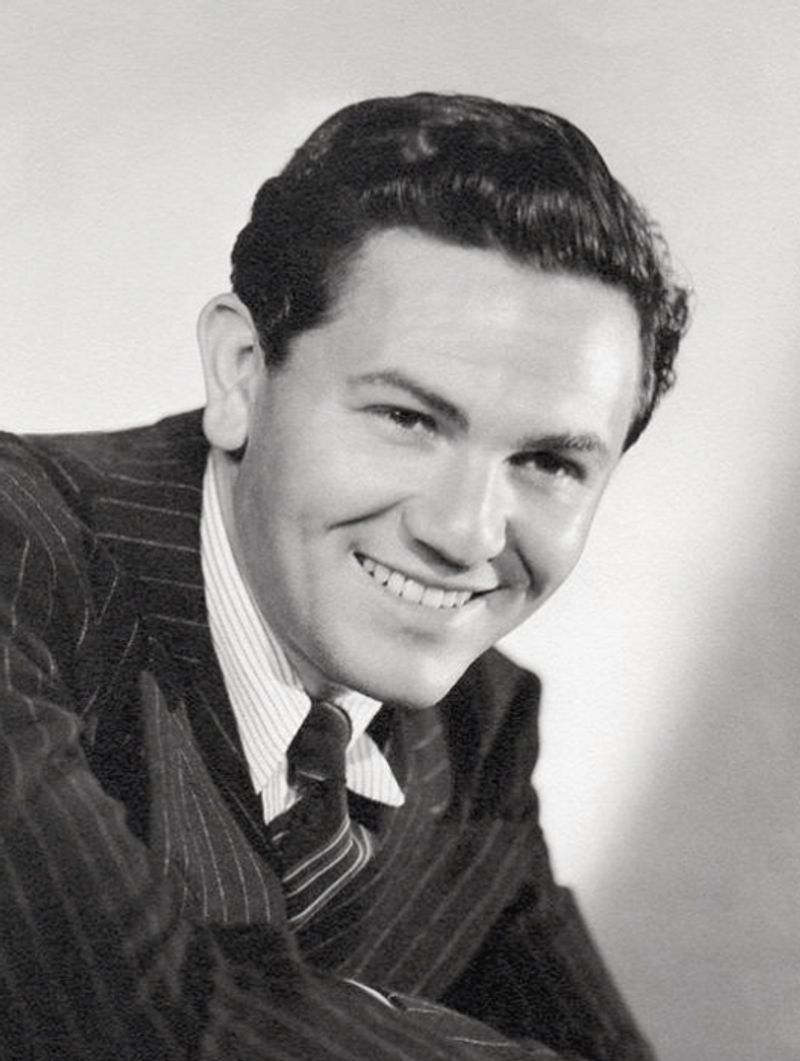
Phone calls dried up once John Garfield testified before HUAC in 1951 and refused to ‘name names.’ Rugged screen presence and working class appeal had made him a reliable box office name throughout the 1940s.
Studio opportunities faded quickly, and the strain began to show in ways close friends could not ignore.
He died of a heart attack on May 21, 1952, at age 39, leaving many to link the crushing pressure of the blacklist to a career and future cut tragically short.
11. Zero Mostel
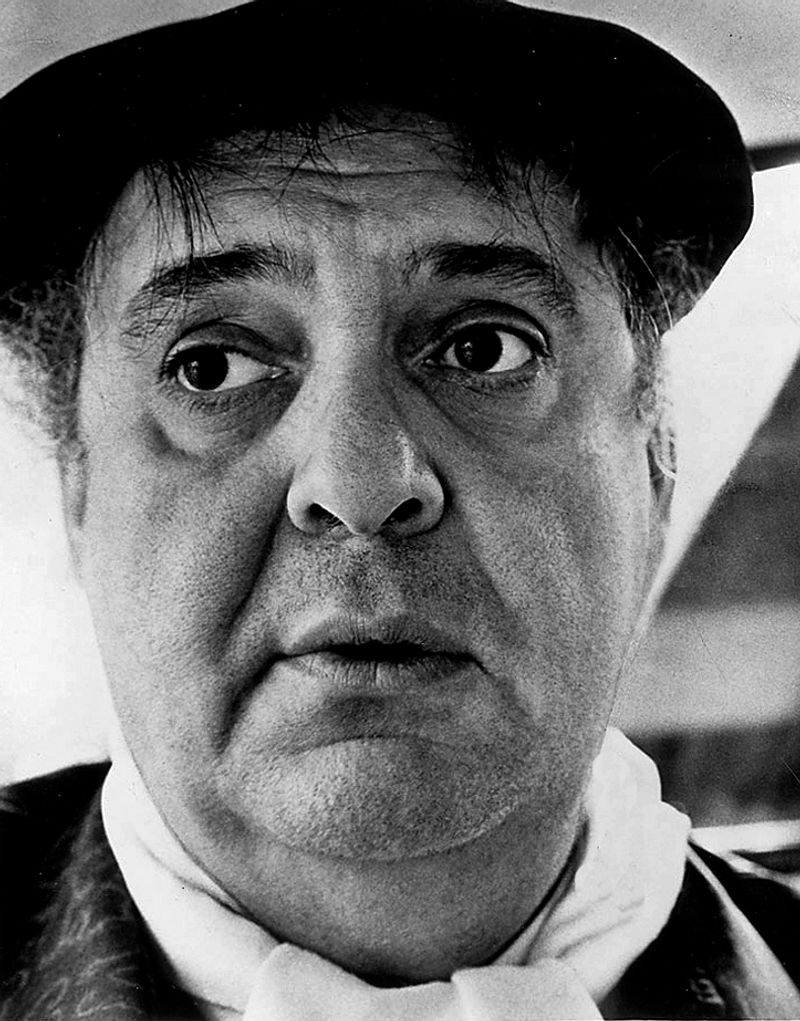
Picture a calendar with years crossed out, one after another. Zero Mostel watched his film career evaporate after he was identified to HUAC in 1952 and later subpoenaed to testify in 1955.
The blacklist kept this gifted comedian off screens for nearly a decade. Broadway became his refuge, where live theater offered steadier work during Hollywood’s political crackdown.
When he finally returned in the 1960s, Mostel proved unstoppable. His performance in “A Funny Thing Happened on the Way to the Forum” reminded everyone what they had been missing.
10. Lee Grant
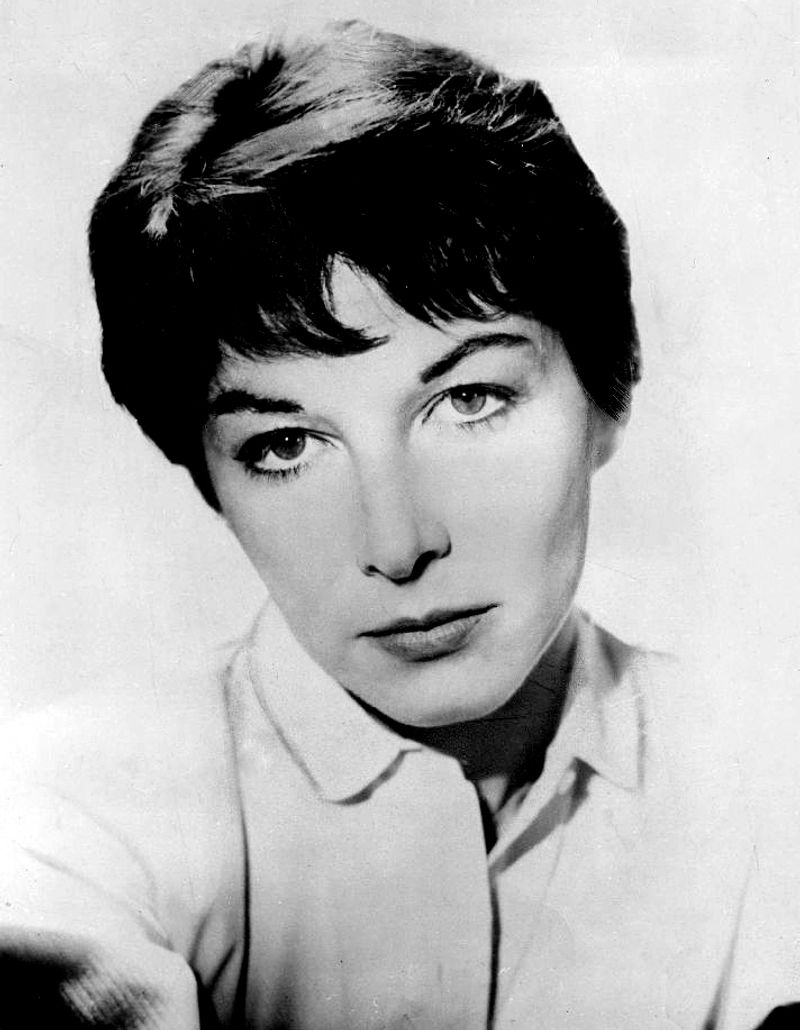
One heartfelt eulogy in 1951 altered the course of Lee Grant’s career almost overnight. After speaking at a colleague’s funeral, she found herself quietly pushed aside as studios stopped offering roles.
More than a decade passed before major film work returned, with those years spent performing on smaller stages to keep her skills sharp.
A powerful comeback in the 1960s restored her place in the industry, eventually leading to an Academy Award and proving that talent can outlast even the harshest political climates.
9. Anne Revere
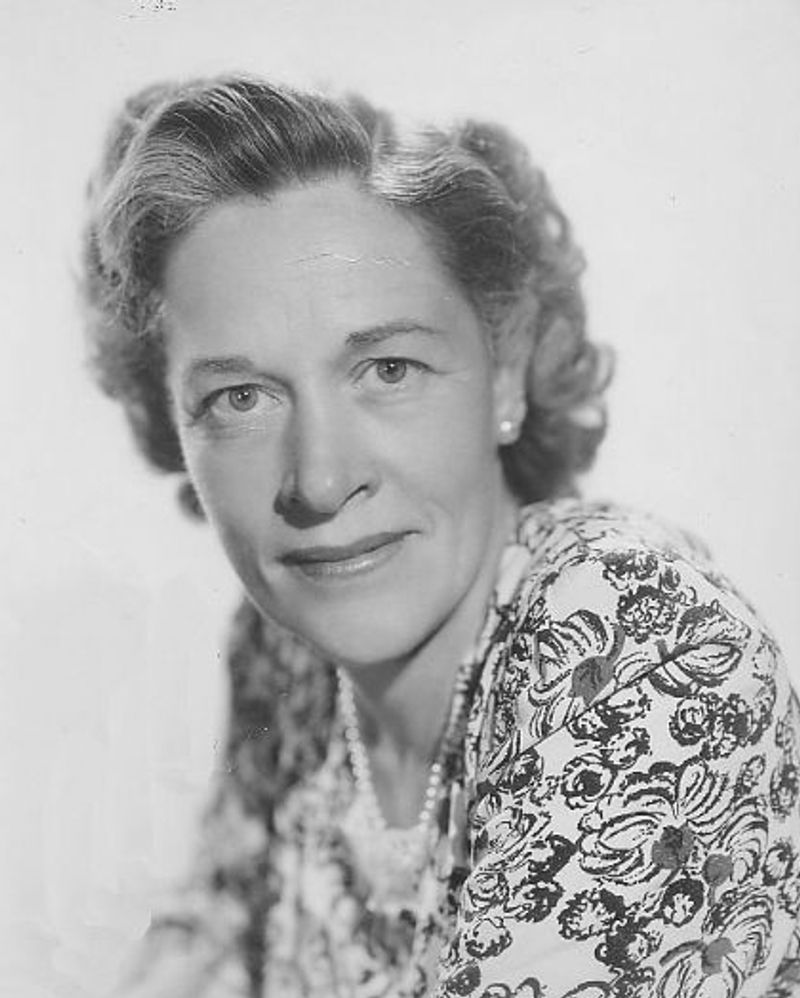
An Oscar sat on Anne Revere’s shelf when the blacklist arrived at her door. She had won Best Supporting Actress in 1945, but that golden statue couldn’t protect her career.
After being named in Red Channels in 1950, she was blacklisted and her Hollywood work largely dried up. Two decades of film work vanished like morning fog.
She returned to teaching and theater, waiting twenty years before Hollywood cautiously welcomed her back for small television roles.
8. Gale Sondergaard
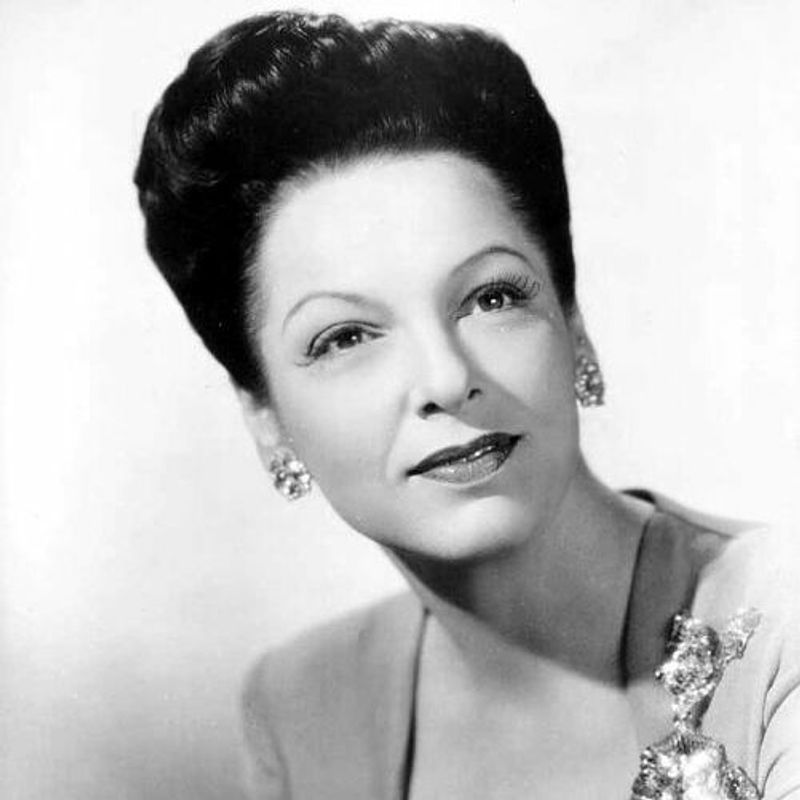
The first person ever to win a Best Supporting Actress Oscar found herself effectively shut out of Hollywood work. Gale Sondergaard’s 1936 Academy Award meant nothing once her name appeared on the blacklist.
Her refusal to cooperate with HUAC in 1951 ended a career built on playing memorable villains and mysterious characters. The roles dried up overnight.
Her screen work largely stopped after 1949, with her next substantial screen credits arriving much later.
7. Lionel Stander
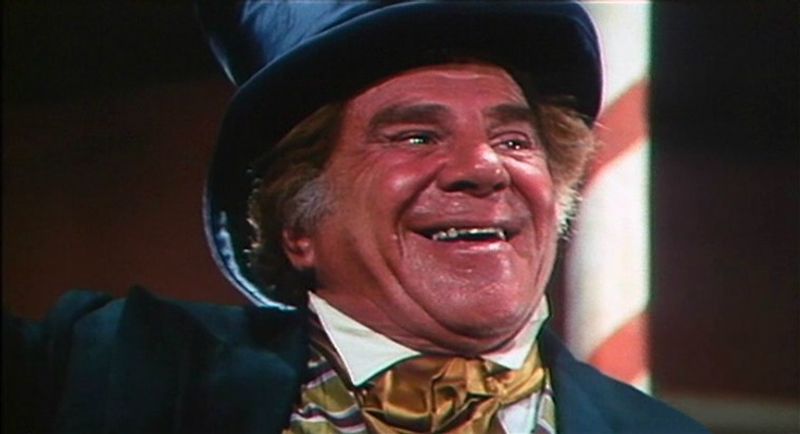
That gravelly voice became silent in American films for decades. After he was named during HUAC-era testimony in 1951, he faced a long stretch of blacklisting from film, TV, and radio.
European directors still hired him, so Stander packed his bags and moved overseas. Spaghetti Westerns and international productions kept his career breathing while Hollywood shut him out.
He finally returned to American television in the 1970s with “Hart to Hart,” proving his talent had only held up beautifully.
6. Larry Parks
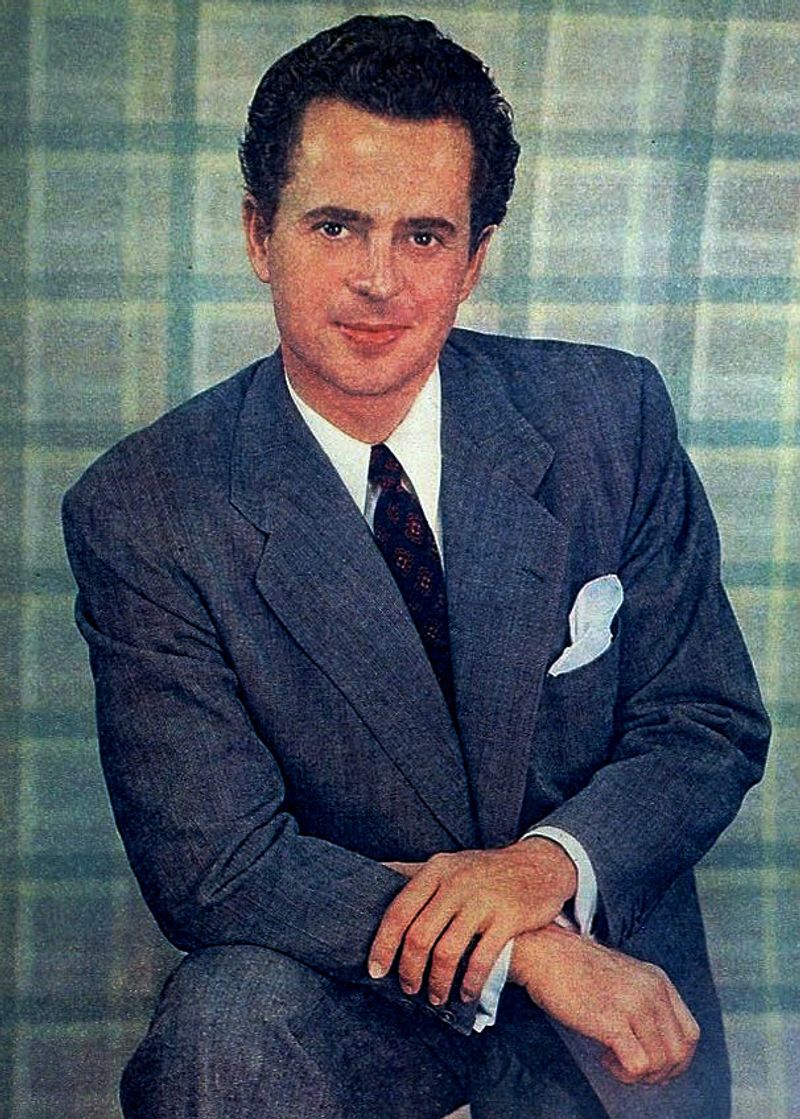
Playing Al Jolson made Larry Parks a star, but naming names before HUAC destroyed him anyway. His 1951 testimony, where he reluctantly identified colleagues, satisfied the committee but horrified the industry.
The industry backlash was severe, and roles dried up. The roles stopped coming despite his cooperation.
Parks spent the rest of his career in obscurity, a cautionary tale about how the blacklist ruined people regardless of their choices. Sometimes there were no good options.
5. Philip Loeb
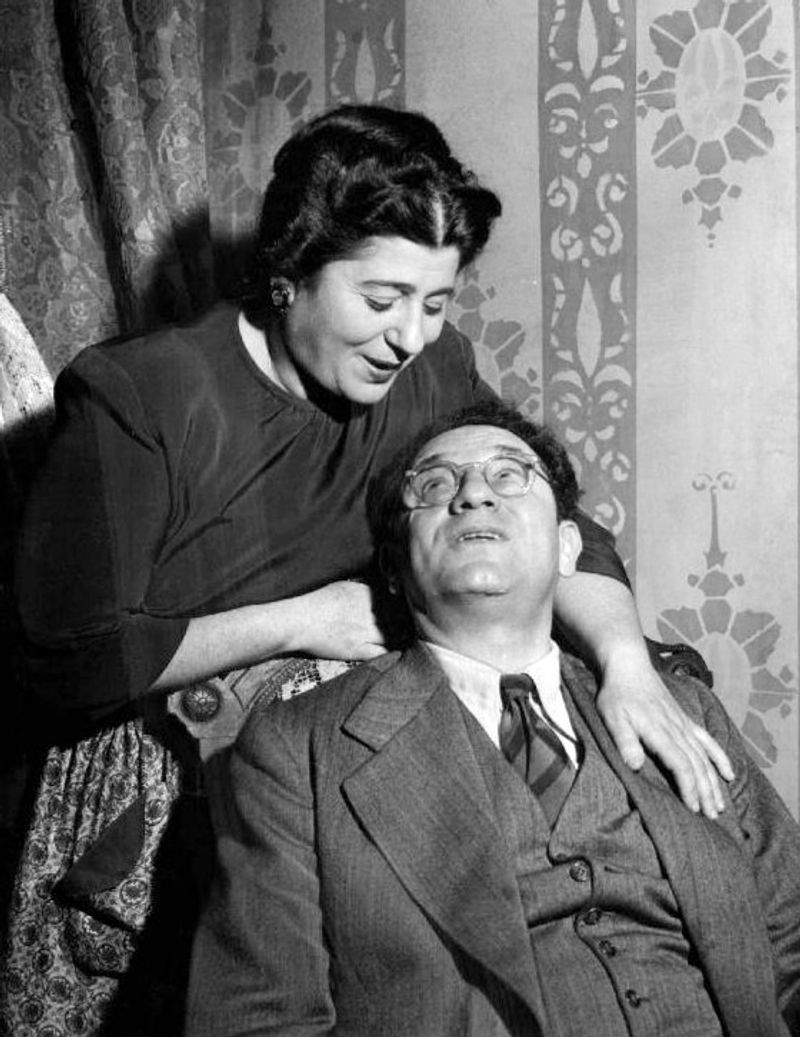
Television’s “The Goldbergs” made Philip Loeb a household name after he was named in Red Channels in June 1950. Sponsors pressured the network, and suddenly Loeb found himself written out of the show he had helped make successful.
Depression set in as work disappeared completely. Friends watched him struggle financially and emotionally under the weight of professional exile.
Loeb died in 1955 after years of professional and financial strain tied to the blacklist era.
4. Canada Lee
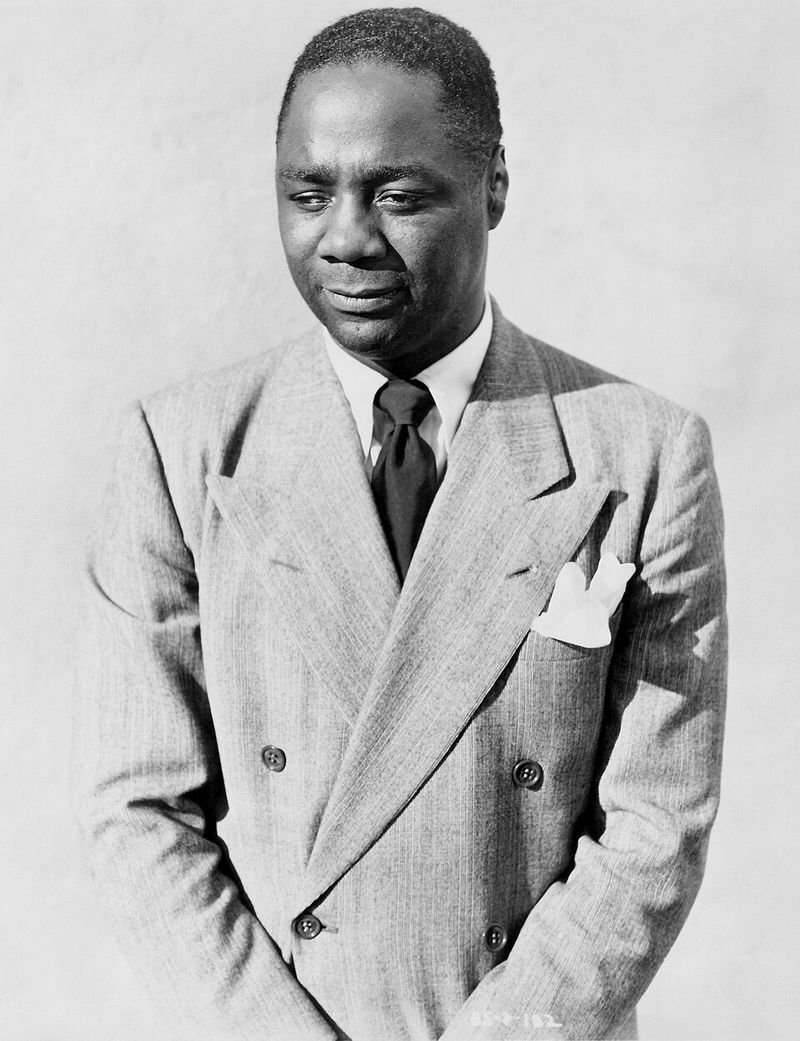
Breaking barriers in 1940s Hollywood, Canada Lee became one of the few Black performers to land substantial dramatic roles.
Open support for civil rights causes later placed him under suspicion as anti communist fears intensified during the Red Scare.
Limited opportunities for Black actors made the impact of blacklisting especially devastating, cutting off what little access to major roles already existed. Canada Lee died on May 9, 1952, at age 45, after his career was heavily constrained during the blacklist era.
3. Dorothy Comingore
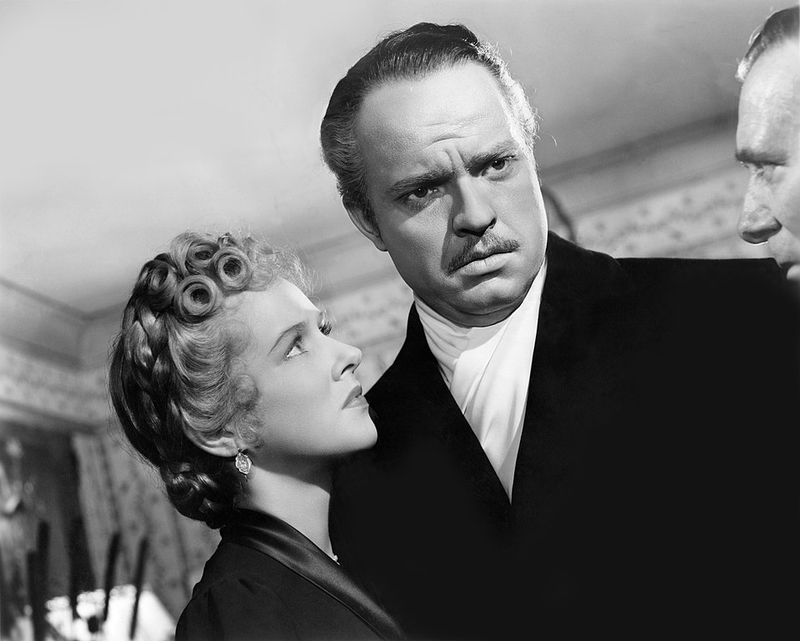
“Citizen Kane” made Dorothy Comingore unforgettable as Susan Alexander, yet the Hollywood blacklist later left her without steady work. Her career was sharply curtailed in the early 1950s after she was drawn into HUAC-era scrutiny and refused to answer questions or ‘name names.’
Roles dried up after she declined to cooperate with investigators, and personal challenges grew as professional options disappeared.
Life eventually unfolded far from the film industry’s spotlight, with a once promising career sharply curtailed by the era’s political pressures.
2. Lee J. Cobb
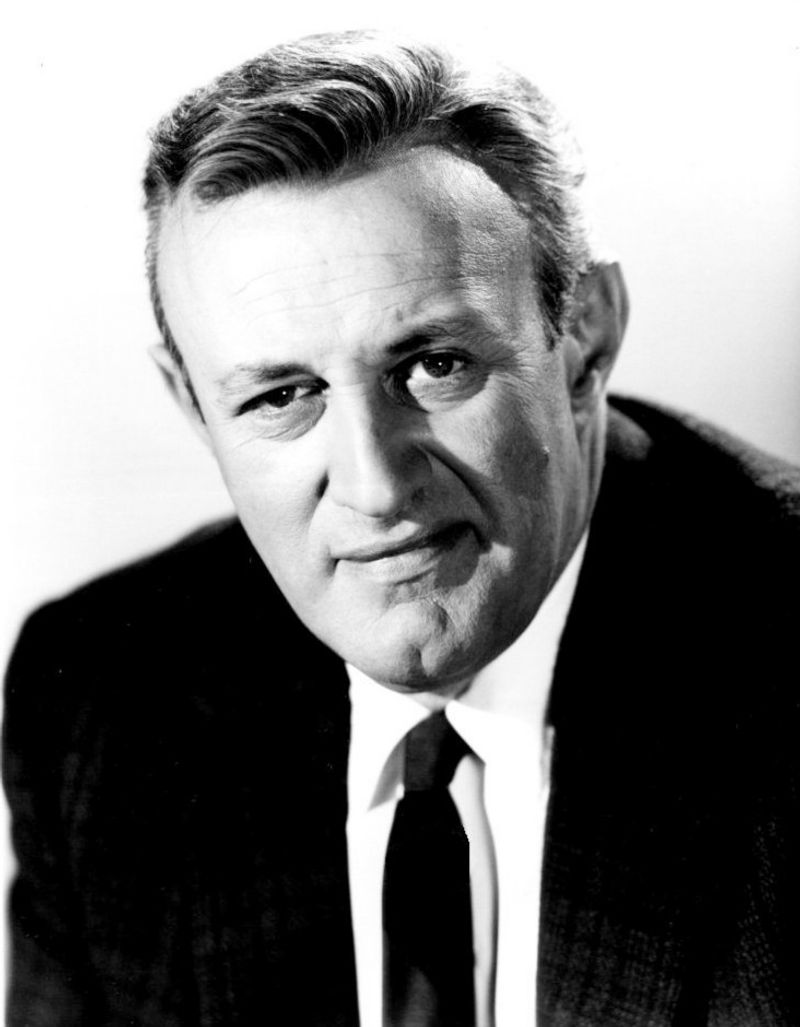
Early resistance to the House Un-American Activities Committee brought swift consequences for Lee J. Cobb, who found himself blacklisted for a time.
He relented in 1953 and provided HUAC testimony naming 20 people as former Communist Party members.
Professional success returned, but those close to him often sensed the lingering burden of how that comeback had been secured.
1. Charlie Chaplin
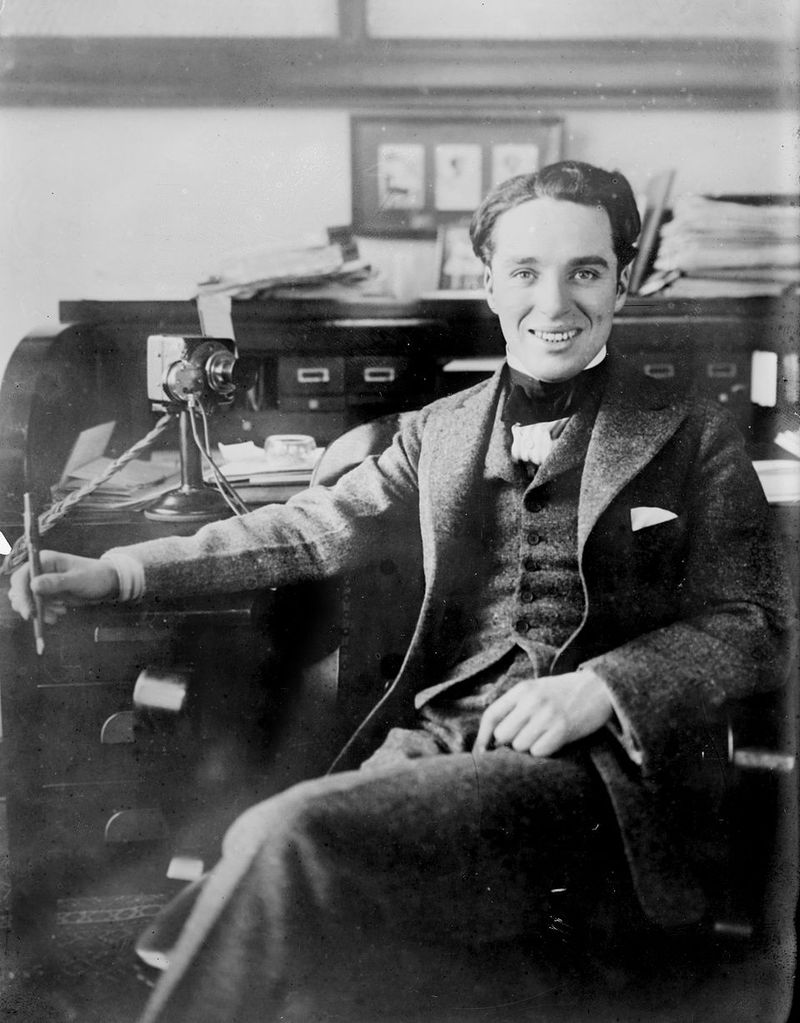
America lost the Little Tramp when Charlie Chaplin left and never truly returned. Political suspicion around his left leaning views led U.S. authorities to revoke his re-entry permit in 1952 while he was traveling abroad.
Rather than submit to questioning tied to the era’s anti communist investigations, he chose to settle in Switzerland. Hollywood had effectively pushed away one of its own pioneers during a period of intense political fear.
An honorary Academy Award in 1972 brought a moving moment of recognition, yet decades of distance from American audiences could never fully be undone.