14 Movies And TV Shows That Aged Into Controversy
A show can feel harmless when it first hits, especially when the jokes land and everyone quotes the same lines at school or work the next day. Years pass, the culture shifts, and a rewatch can hit very differently.
A scene that once played as “normal” might now feel awkward, careless, or flat-out uncomfortable, and the reaction often says as much about the moment we live in now as it does about the era that made it.
That’s where the conversation starts. Fans debate, critics reassess, cast members weigh in, and suddenly the legacy of a beloved title gets a complicated footnote.
Nobody watches with the same eyes forever, and pop culture has a long memory.
Disclaimer: Examples and interpretations reflect editorial analysis of shifting cultural norms and publicly available commentary at the time of writing, and reactions can vary by viewer, context, and historical perspective; the content is provided for general informational and entertainment purposes.
1. Breakfast at Tiffany’s (1961)
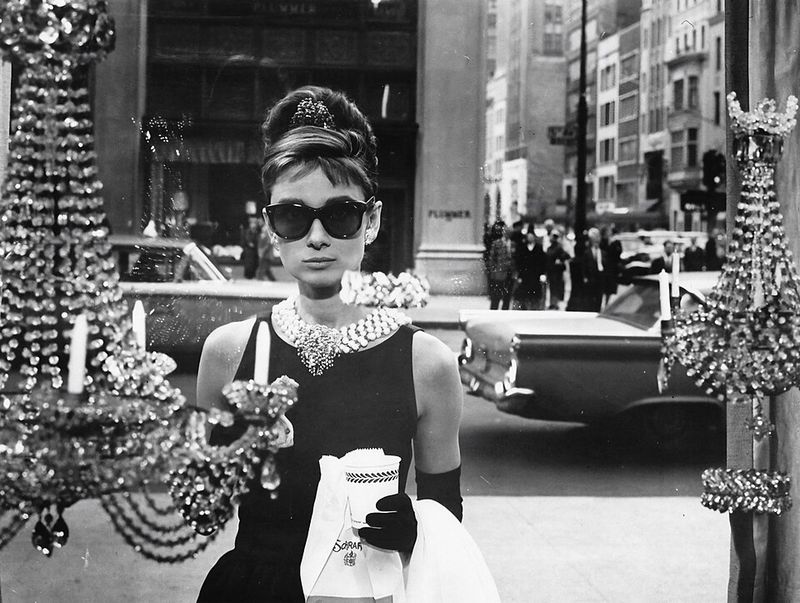
Audrey Hepburn’s iconic performance shines bright, but Mickey Rooney’s portrayal of Mr. Yunioshi casts a shadow over this classic.
His exaggerated accent and buck teeth makeup represent one of Hollywood’s most notorious yellowface performances.
Modern viewers often feel uncomfortable watching these scenes, which lean heavily into harmful Asian stereotypes.
2. Song of the South (1946)
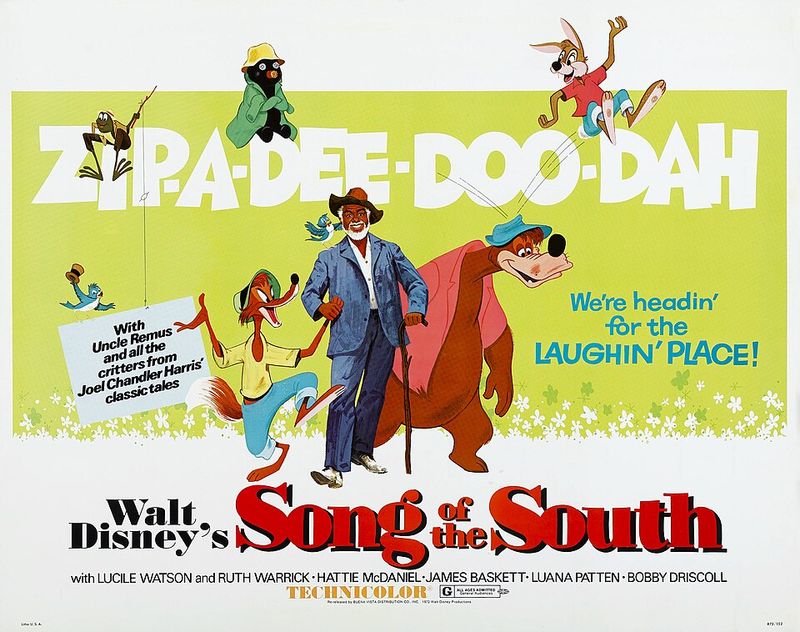
Disney keeps this one locked away tighter than Sleeping Beauty’s castle.
Uncle Remus tells stories through animation and song, but the film’s rosy view of plantation life ignores brutal reality.
Though the movie gave us Zip-a-Dee-Doo-Dah, its historical whitewashing caused Disney to pull it from U.S. home release entirely.
You won’t find it streaming on Disney+ either, as the company acknowledges its problematic depiction of post-Civil War South.
3. Ace Ventura: Pet Detective (1994)
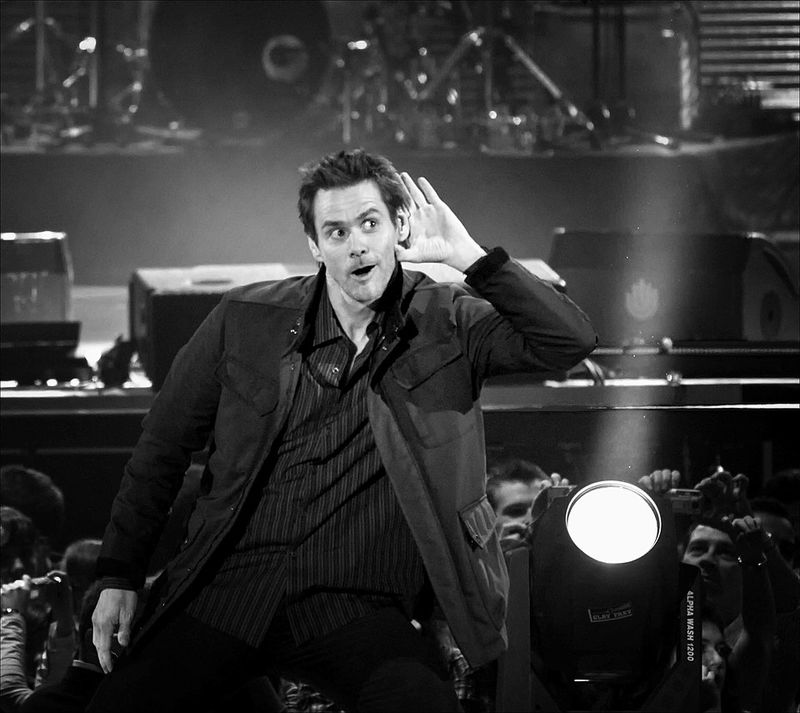
Jim Carrey’s rubber-faced comedy launched a franchise, but the film’s climax hasn’t aged like fine wine.
When Einhorn’s identity gets revealed, the movie treats it as a gross-out moment complete with characters literally vomiting in disgust.
Many viewers now recognize this ending as deeply transphobic, turning someone’s identity into a punchline and horror moment.
What was played for laughs in the ’90s now sparks serious conversations about representation and respect.
4. Revenge of the Nerds (1984)
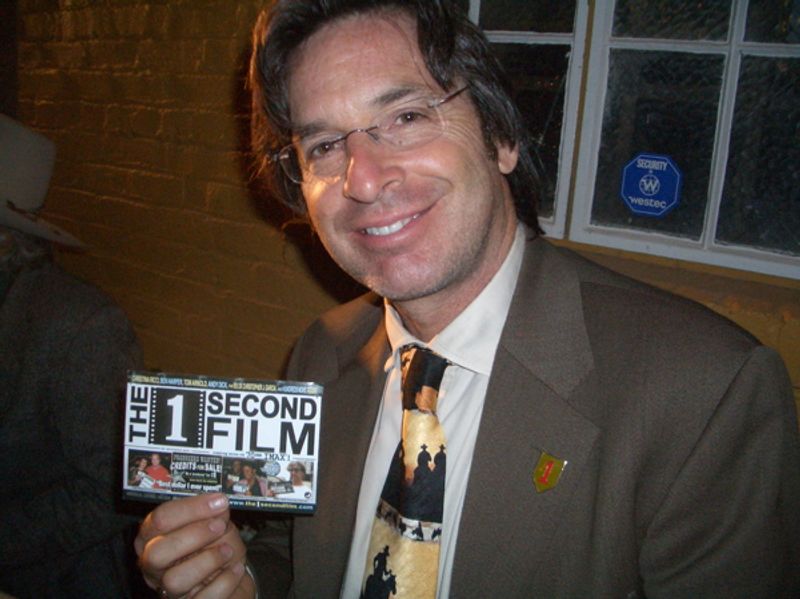
Geeks getting revenge on jocks sounds fun until you examine how they win.
One character disguises himself to sleep with someone who thinks he’s her boyfriend, which modern audiences immediately recognize as assault.
Back then, this scene was played for comedy and triumph. Today’s viewers rightfully call out this massive consent violation that the movie never acknowledges as problematic.
Rewatching this ’80s comedy hits differently when you spot the serious crimes treated as harmless pranks.
5. The Jazz Singer (1927)
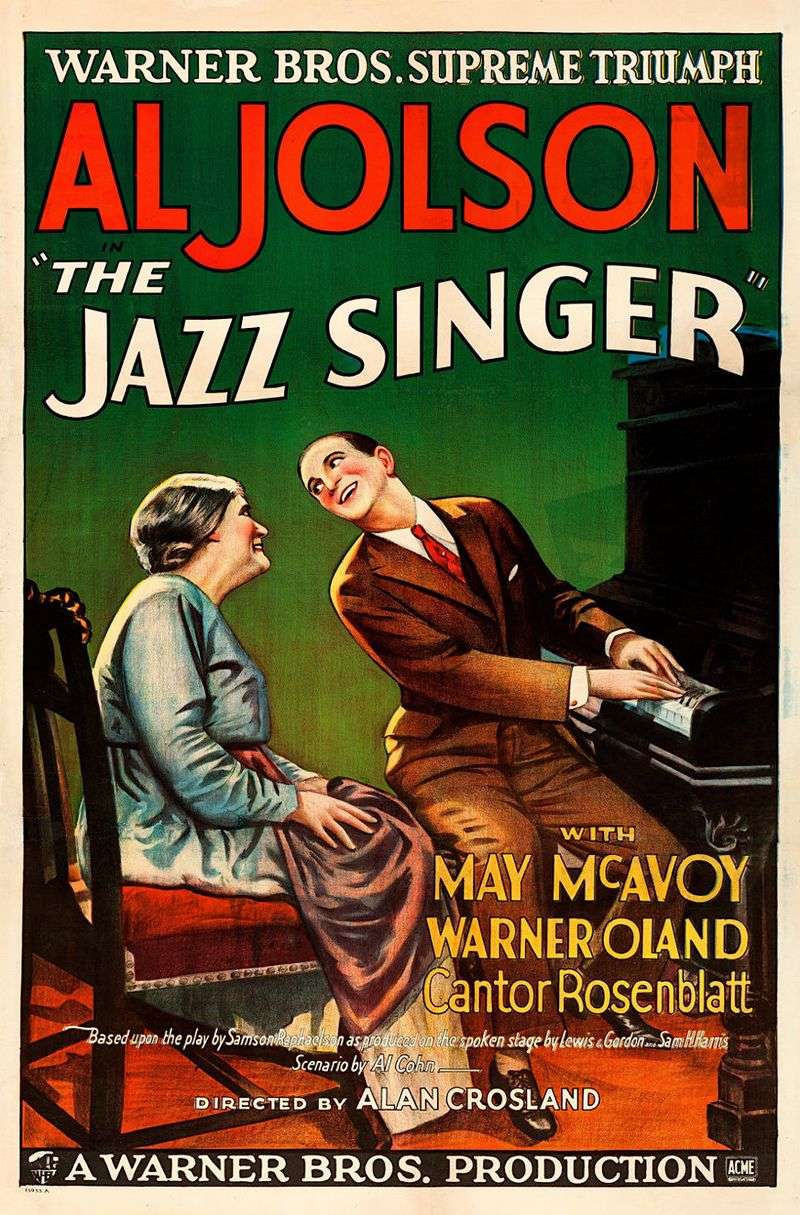
Hollywood’s first talkie made history for its groundbreaking sound technology. Unfortunately, it also featured extensive blackface performances that remain deeply offensive today.
Al Jolson’s makeup and exaggerated performances represent a painful chapter in entertainment history.
While the film’s technical achievements deserve recognition, its racist portrayals can’t be ignored or excused by historical context.
6. Love Actually (2003)
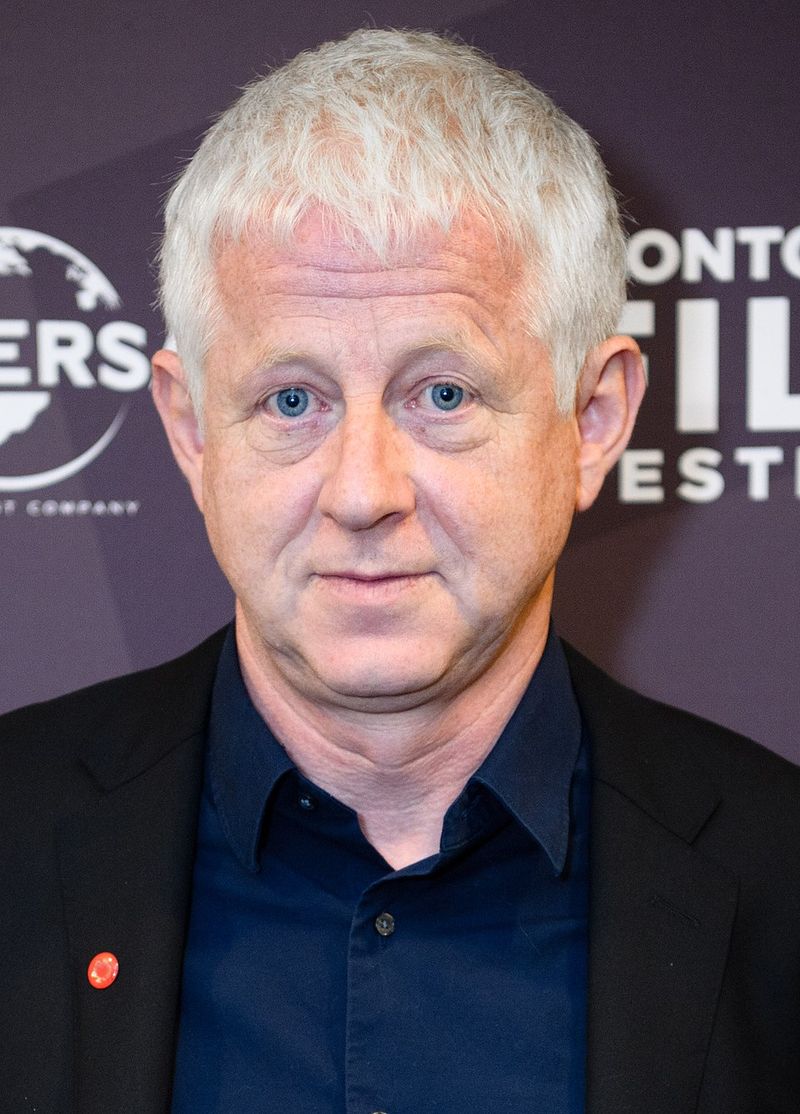
Christmas movie marathons often include this romantic comedy, though writer-director Richard Curtis himself admits it has problems.
Fat-shaming jokes and diversity issues make rewatches uncomfortable for many viewers.
Curtis publicly expressed regret about representation in his films, acknowledging that certain storylines haven’t aged well.
The movie’s treatment of Natalie’s weight and its overwhelmingly white London cast now spark discussions about who gets romantic storylines and why.
7. Notting Hill (1999)
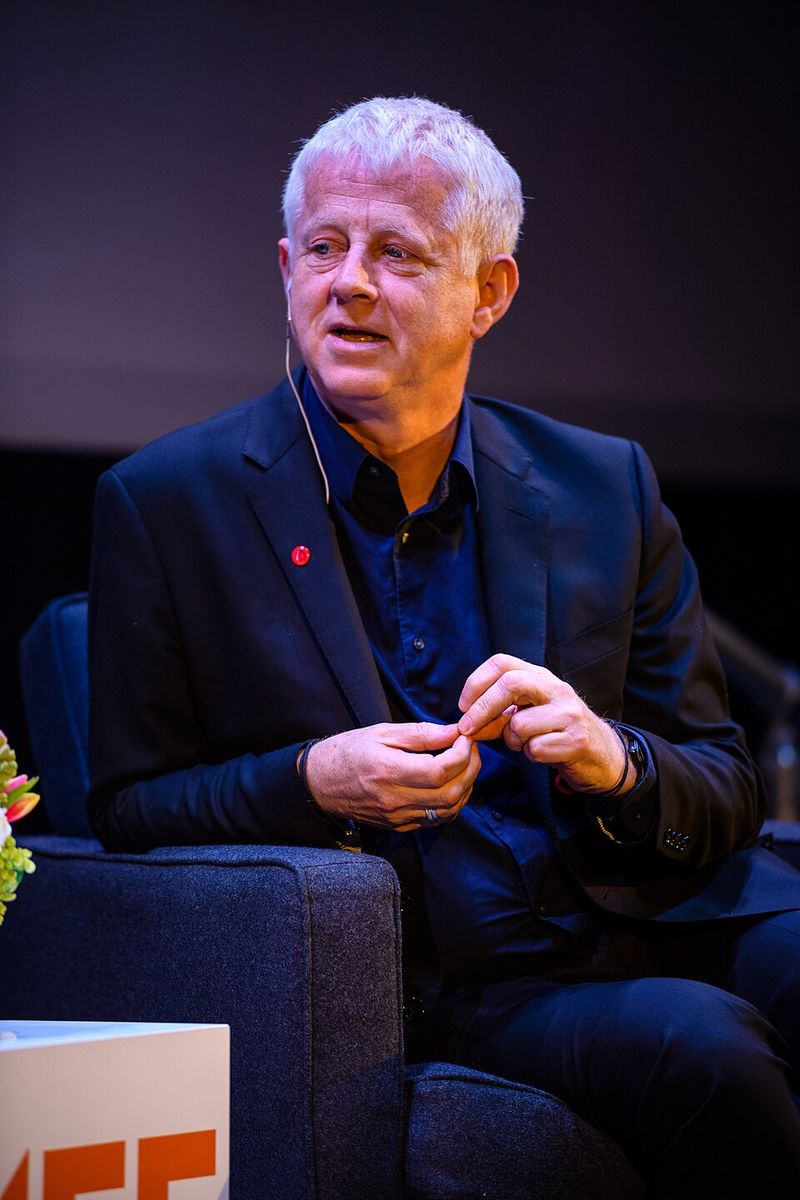
Another Richard Curtis rom-com faces similar scrutiny about its vision of London. The film presents an almost entirely white neighborhood in one of the world’s most diverse cities.
Curtis later acknowledged these representation failures, noting how his films didn’t reflect reality.
Watching this charming love story now means noticing who’s missing from the background and whose stories never get told.
8. Sixteen Candles (1984)
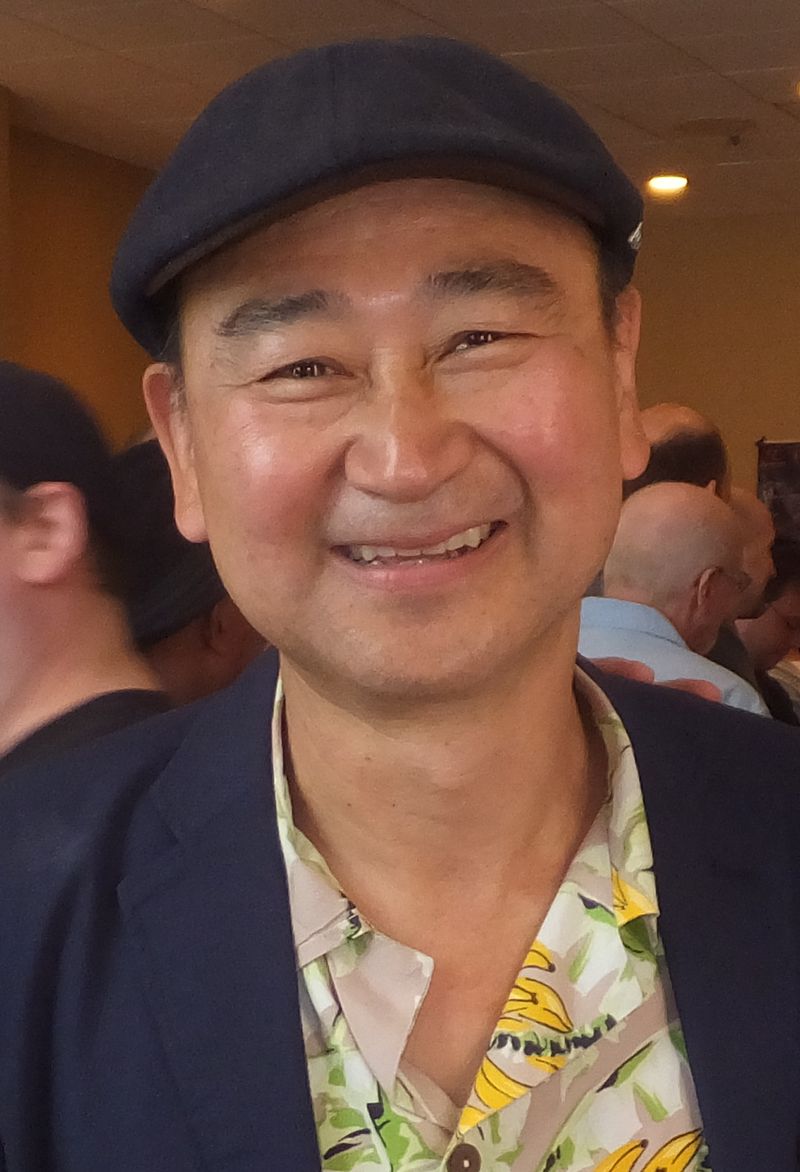
Long Duk Dong’s gong sound effect became comedy shorthand for this John Hughes classic’s biggest problem.
His character embodies every offensive Asian stereotype imaginable, complete with exaggerated accent and clumsy behavior.
Asian-American actors and critics frequently cite this character when discussing Hollywood’s representation failures.
9. Soul Man (1986)
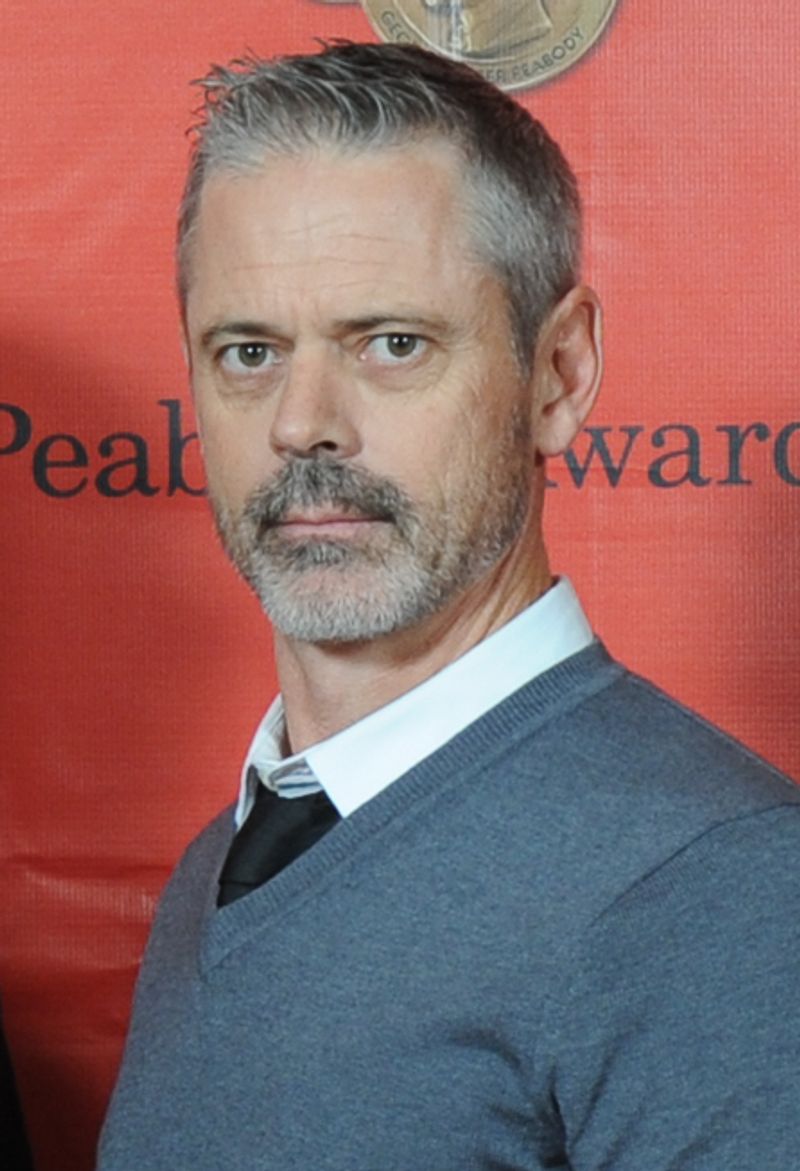
Imagine pitching this premise today: white student darkens his skin to get a scholarship meant for Black students. Yeah, that’s a hard no from everyone.
C. Thomas Howell’s character essentially performs blackface throughout the entire film, treating racial identity as a costume to wear and discard.
Even when the movie attempts to teach lessons about racism, it does so through a deeply offensive concept that modern audiences immediately reject as unacceptable.
10. America’s Next Top Model (2003–2018)
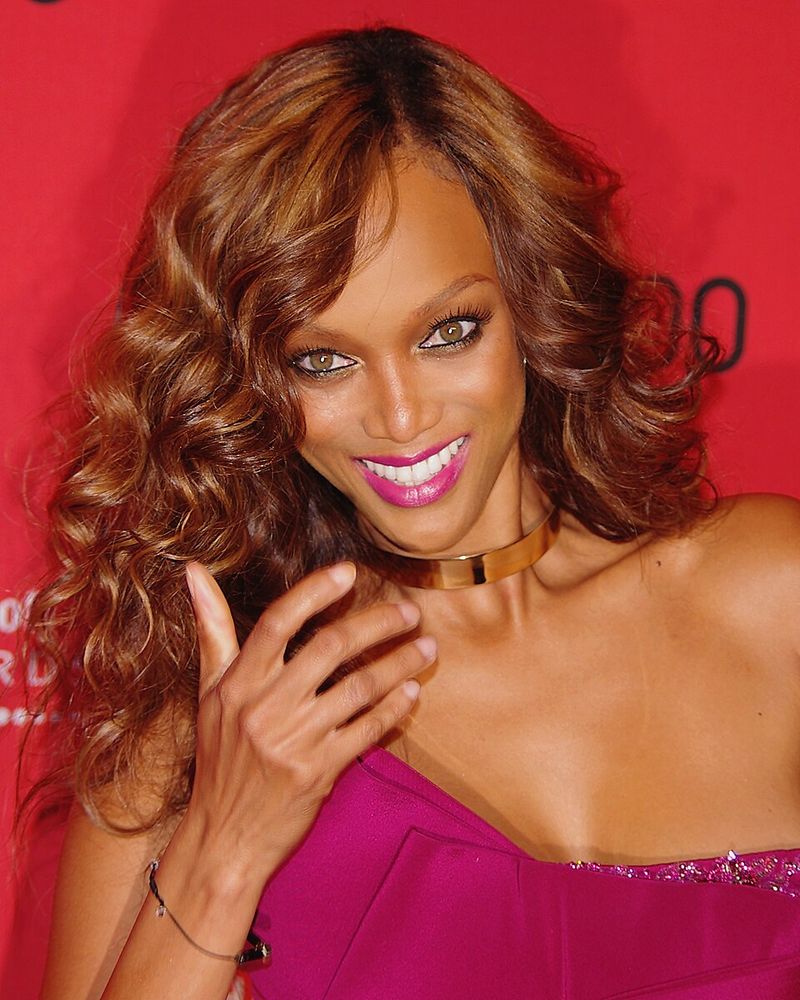
Smizing and fierce walks couldn’t hide this show’s problematic moments.
Former contestants and viewers now criticize racially insensitive photo shoots, including one where models wore different ethnicities as costumes.
Body-shaming comments from judges and questionable challenges receive fresh scrutiny through modern eyes.
Tyra Banks herself has addressed some controversies, but many episodes remain uncomfortable viewing.
Reality competition or exploitation? That debate continues as clips resurface online showing truly cringe-worthy moments.
11. Glee (2009–2015)
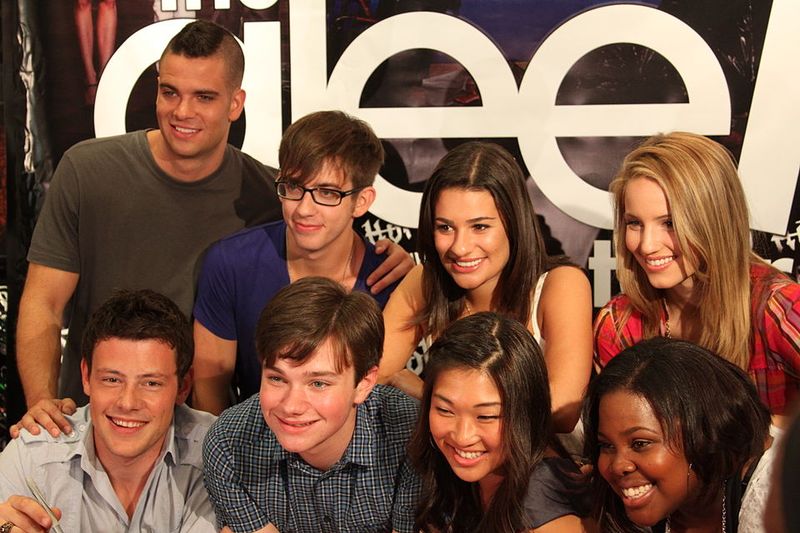
Show choir drama tried tackling serious issues but often stumbled into offensive territory. Storylines meant to be edgy or progressive now feel tone-deaf and insensitive to many viewers.
Characters making jokes about disabilities, eating disorders treated lightly, and questionable racial humor plague multiple episodes.
For a show celebrating acceptance and diversity, it ironically created many moments that excluded and hurt the communities it claimed to represent.
12. The Apprentice (2004–2017)
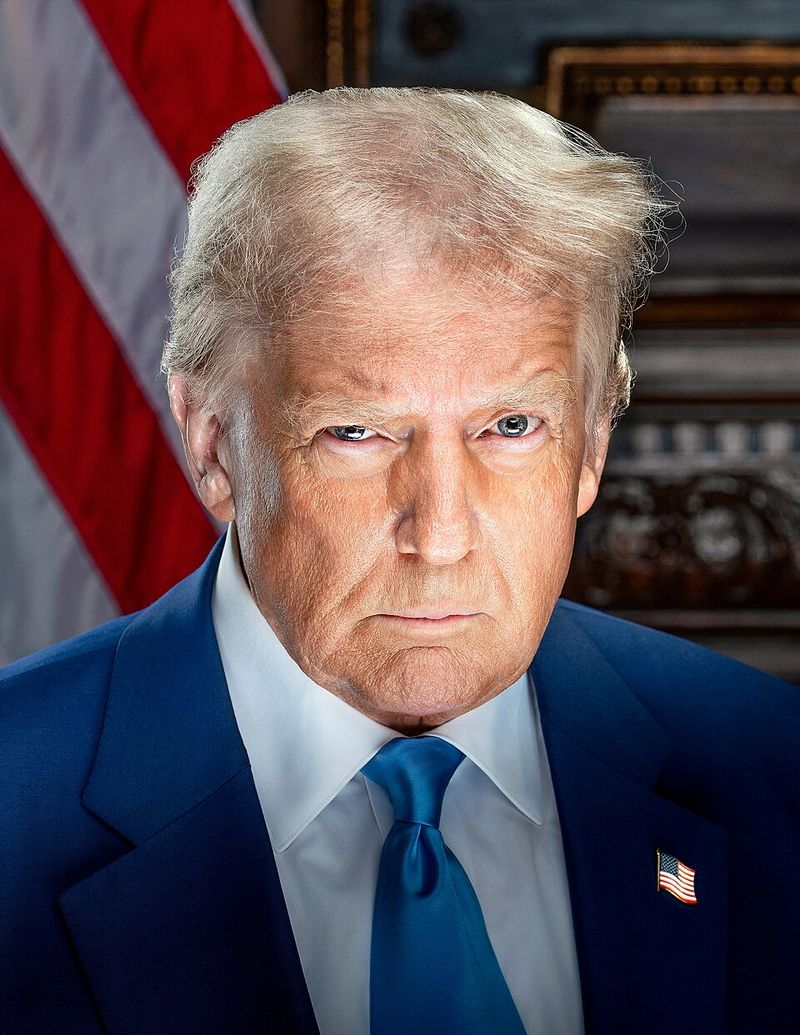
You’re fired takes on new meaning when examining this show’s legacy through political lenses.
Reality TV editing and manipulation tactics helped build a business mogul image that influenced real-world events.
Former contestants and crew members have spoken about how producers shaped narratives and created drama.
As the show’s star entered politics, people began questioning what was real versus manufactured.
13. SATC (1998–2004)
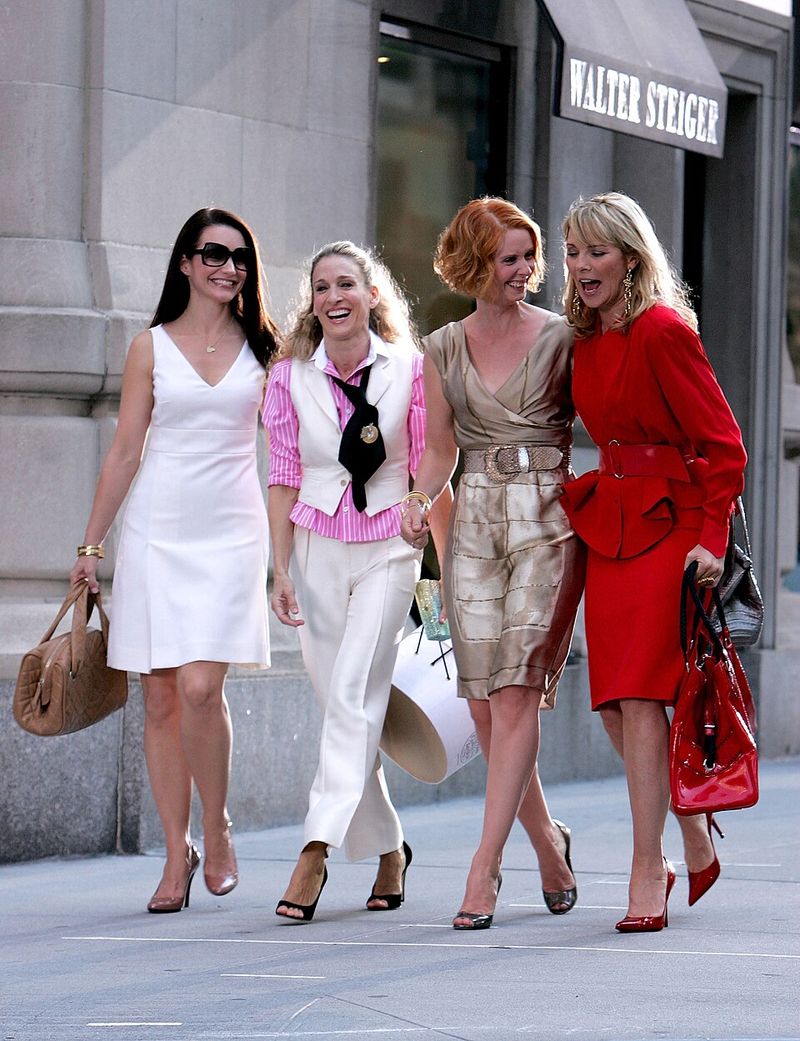
Cosmos and Manolos can’t distract from this show’s representation problems. Four white women navigate Manhattan while the city’s actual diversity barely registers in their fabulous world.
Dated portrayals of LGBTQ+ characters and some cringe-worthy racial moments pop up throughout the series.
Carrie’s casual dismissal of bisexuality and other storylines now spark criticism from viewers who once considered the show progressive.
Fashion stays timeless, but some attitudes definitely don’t.
14. Two and a Half Men (2003–2015)
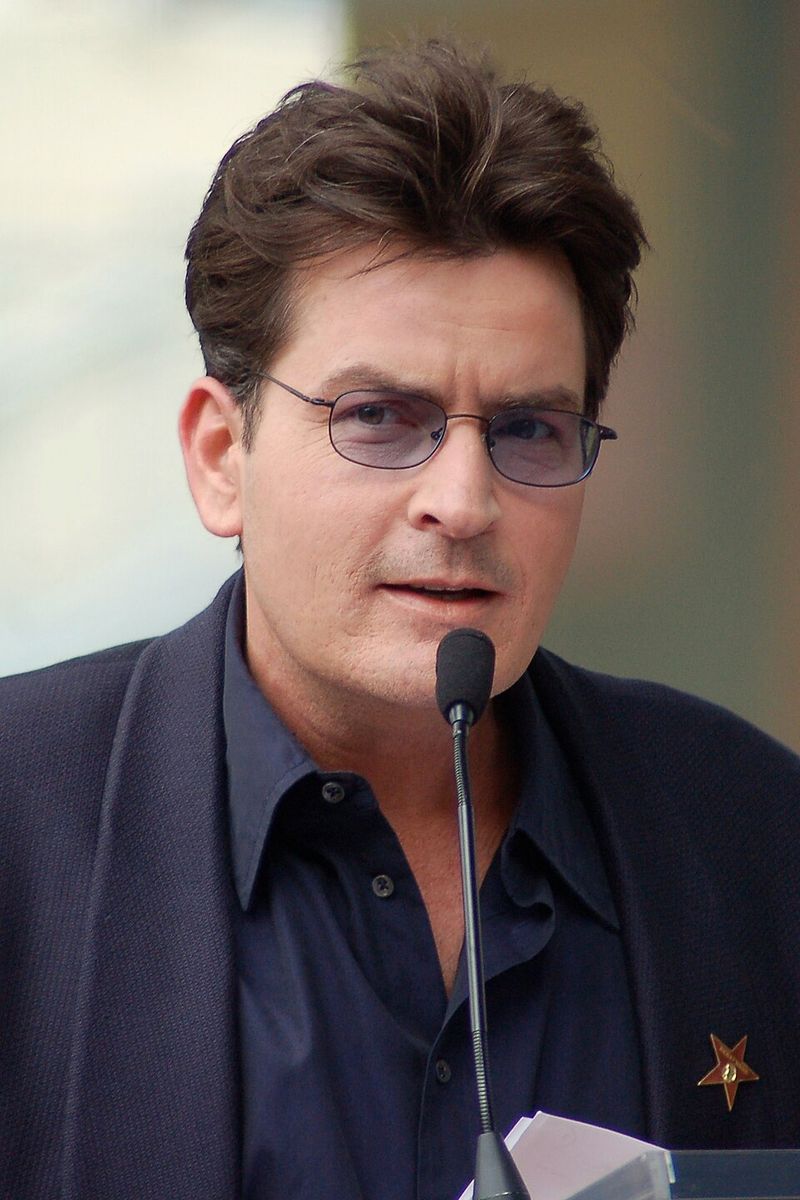
Charlie Harper’s womanizing antics played for laughs now land as deeply misogynistic to many viewers.
Women exist mostly as objects or stereotypes throughout this sitcom’s run.
Jokes about using and discarding romantic partners, plus constant objectification, create uncomfortable viewing experiences today.
What passed as edgy bro humor in the 2000s now feels outdated and offensive.
Even fans who enjoyed the show originally often admit certain storylines haven’t survived the test of time particularly well.