8 Al Pacino Performances That Fell Short Of His Legendary Standard
Al Pacino stands tall as one of cinema’s most electrifying forces, a master of intensity whose presence can turn a whisper into a thunderclap. Performances in The Godfather, Scarface, and Serpico did not just raise the bar, they made the bar an offer no actor could refuse.
Still, even a legend can take a wrong turn down a cinematic back alley. Across a career stretching over five decades, a few roles landed less like a standing ovation and more like an awkward curtain call.
A script might have seemed like gold, then turned into fool’s gold under the spotlight. At times, the fit felt off, like a suit tailored for another man.
Even a performer famous for going full throttle can stall when the material runs low on fuel. Greatness never means perfection, and Pacino proves it with style.
A handful of performances swing big and miss, yet remain fascinating in a way only he can deliver. Call it a heat check gone cold or a method moment gone rogue.
Either way, each misstep adds another layer to a career built on fearless choices and unforgettable fire.
1. Cruising (1980)
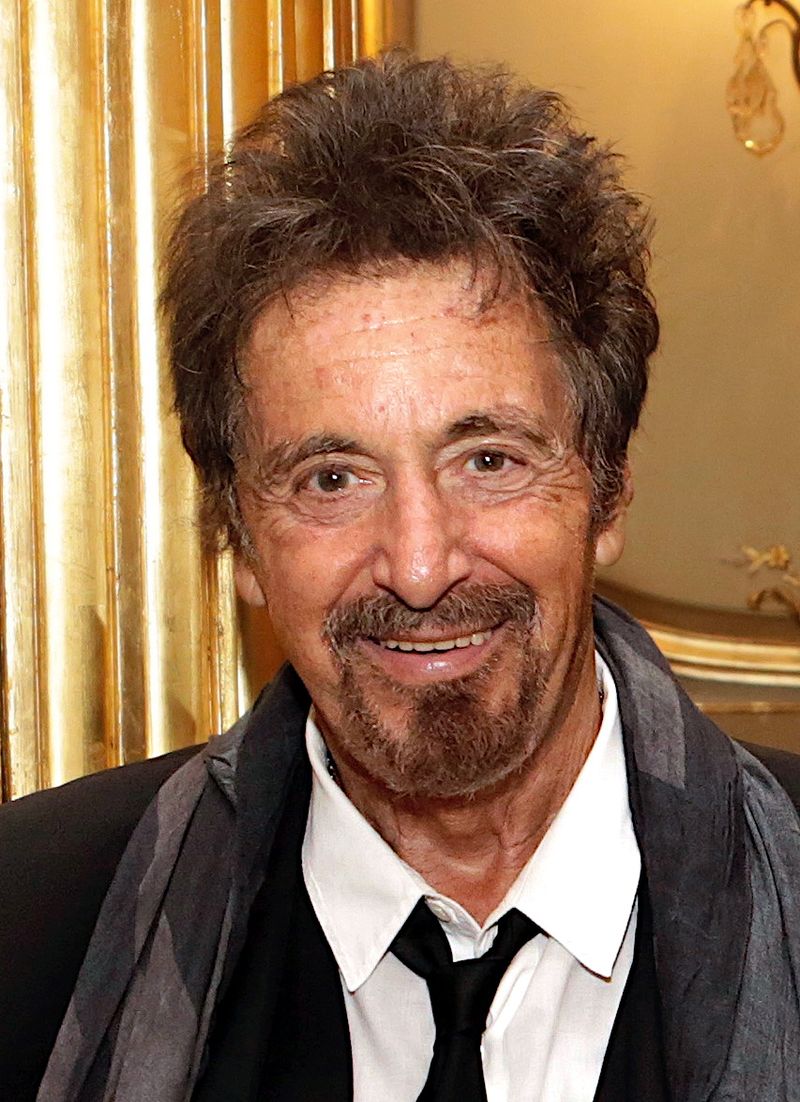
Going undercover sounds thrilling until the whole production becomes controversial before it even hits theaters. Pacino plays a cop infiltrating New York City’s underground scene to catch a serial terminator, but the film sparked massive protests during filming.
Critics argued the story handled its subject matter carelessly, and Pacino himself later admitted the movie felt exploitative. His performance, while committed, seemed lost inside a murky narrative with no clear moral compass.
Audiences left the theater confused rather than captivated. For an actor capable of commanding every scene, feeling directionless on screen was a rare and uncomfortable sight.
2. Author! Author! (1982)
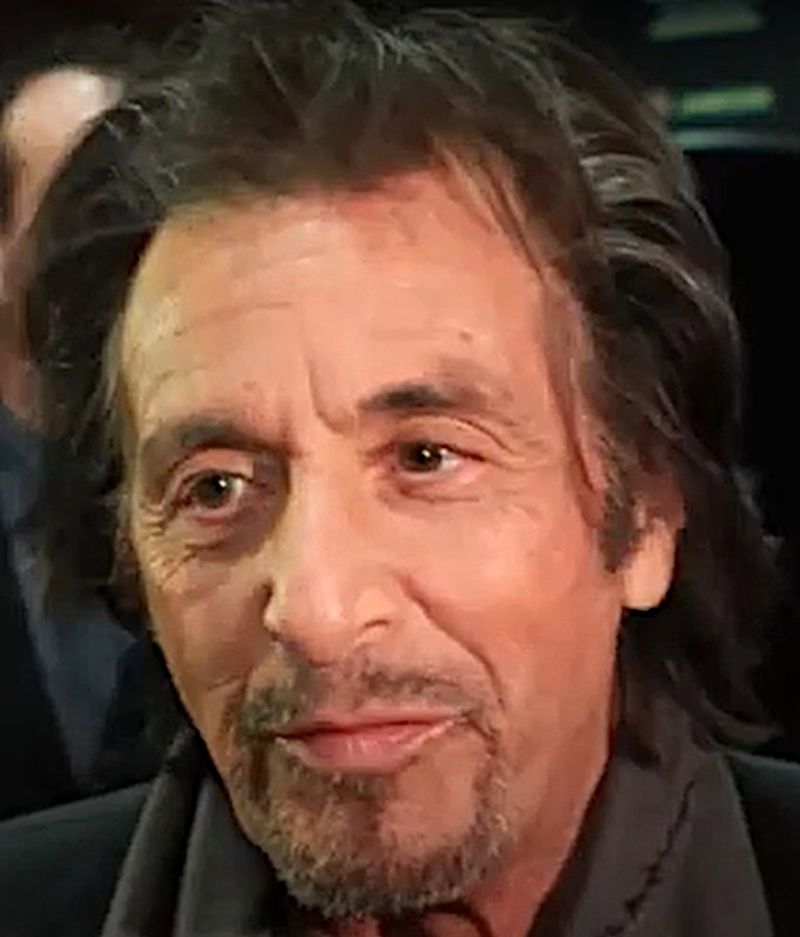
Switching gears to comedy-drama should have been a refreshing change of pace for Pacino. Instead, Author!
Author! landed somewhere between awkward and forgettable. He plays a playwright juggling a chaotic home life and a struggling career, which sounds relatable enough.
However, critics found his comedic timing unconvincing, and the film bombed commercially.
People expecting the raw intensity of his earlier roles got something far softer and less focused. It was like watching a lion try to do stand-up comedy.
Charming in theory, a little puzzling in practice. Not every dramatic powerhouse can effortlessly shift registers, and this film proved exactly so.
3. Revolution (1985)
Few films in Pacino’s career hurt his reputation quite like Revolution. Playing a fur trapper caught up in the American Revolution, he delivered a performance so widely criticized it reportedly pushed him away from films entirely for four years.
The accent was inconsistent, the character underdeveloped, and the story moved at a pace that made molasses look speedy.
Box office numbers were catastrophic, and reviewers showed zero mercy. Even Pacino’s most loyal fans struggled to defend it.
Sometimes a project just falls apart at every level simultaneously, and Revolution is a textbook example of cinematic ambition colliding headfirst into disappointing execution.
4. Sea of Love (1989)
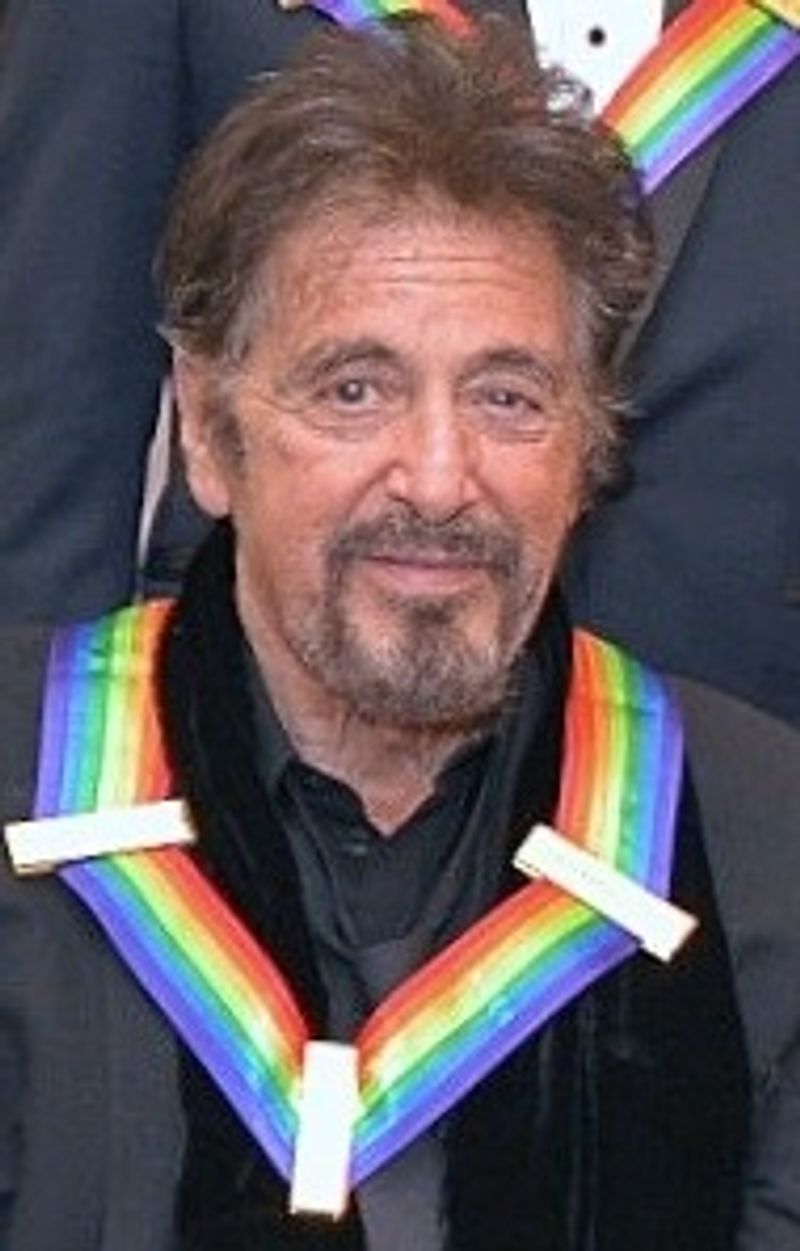
After his four-year break following Revolution, Pacino returned to screens hoping to reclaim his throne. Sea of Love offered a noir-tinged thriller about a detective investigating passing connected to a lonely-hearts newspaper column.
It had all the ingredients for a comeback. However, something felt slightly off throughout.
Critics noted a flatness in his energy, a missing spark compared to his earlier electrifying work. The film performed reasonably well commercially, but fans sensed Pacino was still finding his footing again.
Like a sports star returning after injury, the talent was clearly present. The full fire, though, had not quite reignited yet.
5. The Godfather Part III (1990)
Returning to one of cinema’s most iconic roles after sixteen years carries enormous pressure. Pacino stepped back into Michael Corleone’s shoes for The Godfather Part III, but critics argued the magic had faded considerably.
Michael felt less cunning and more melodramatic, reacting to events rather than controlling them like the chess grandmaster audiences remembered.
The film itself received mixed reviews, and many pointed to uneven performances across the cast as a key issue. Pacino was not solely to blame, but expectations were sky-high.
When you have set the gold standard yourself, anything less feels like a letdown, no matter how objectively decent the work actually is.
6. S1m0ne (2002)
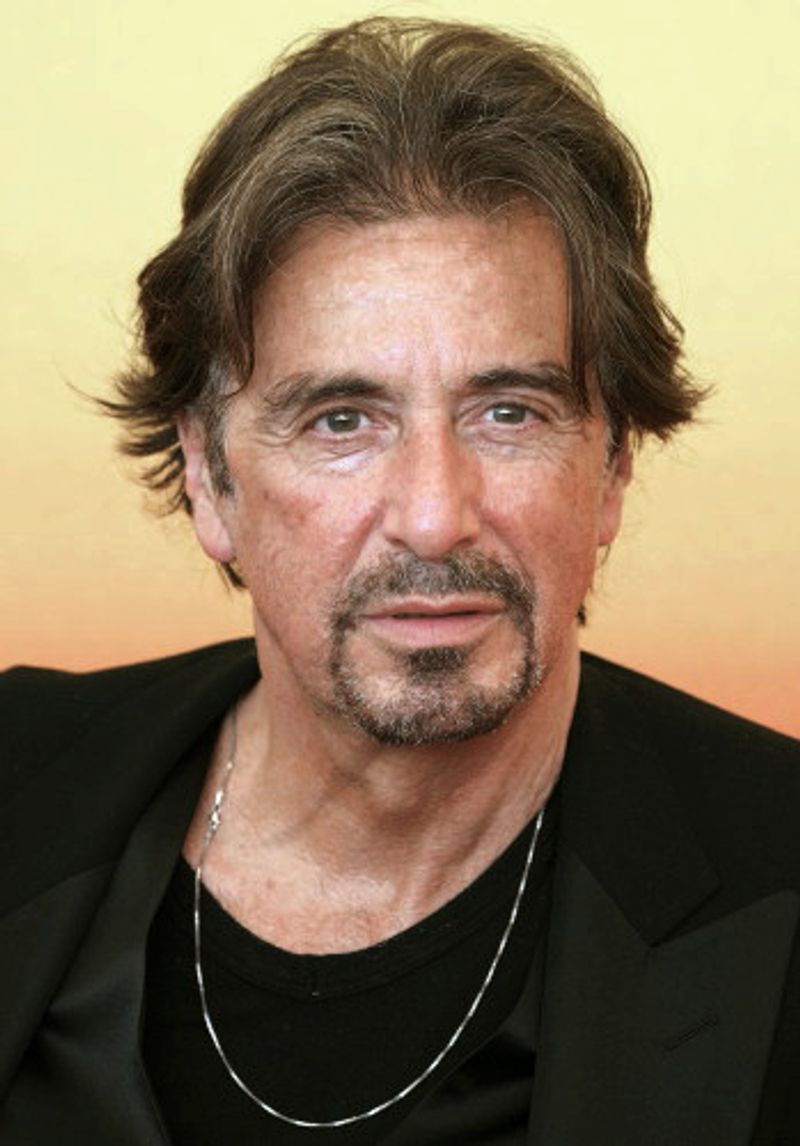
A satirical comedy about a filmmaker who creates a completely digital movie star sounds genuinely clever. S1m0ne had a sharp premise and arrived at a culturally relevant moment when digital technology was reshaping entertainment.
Somehow, though, the execution stumbled badly. Pacino’s performance felt disconnected and surprisingly low-energy for a man capable of chewing entire sets for breakfast.
The film flopped commercially and critically. Good ideas deserve great execution, and S1m0ne serves as a reminder how even fascinating concepts can unravel without conviction behind the camera and in front of it.
7. 88 Minutes (2007)
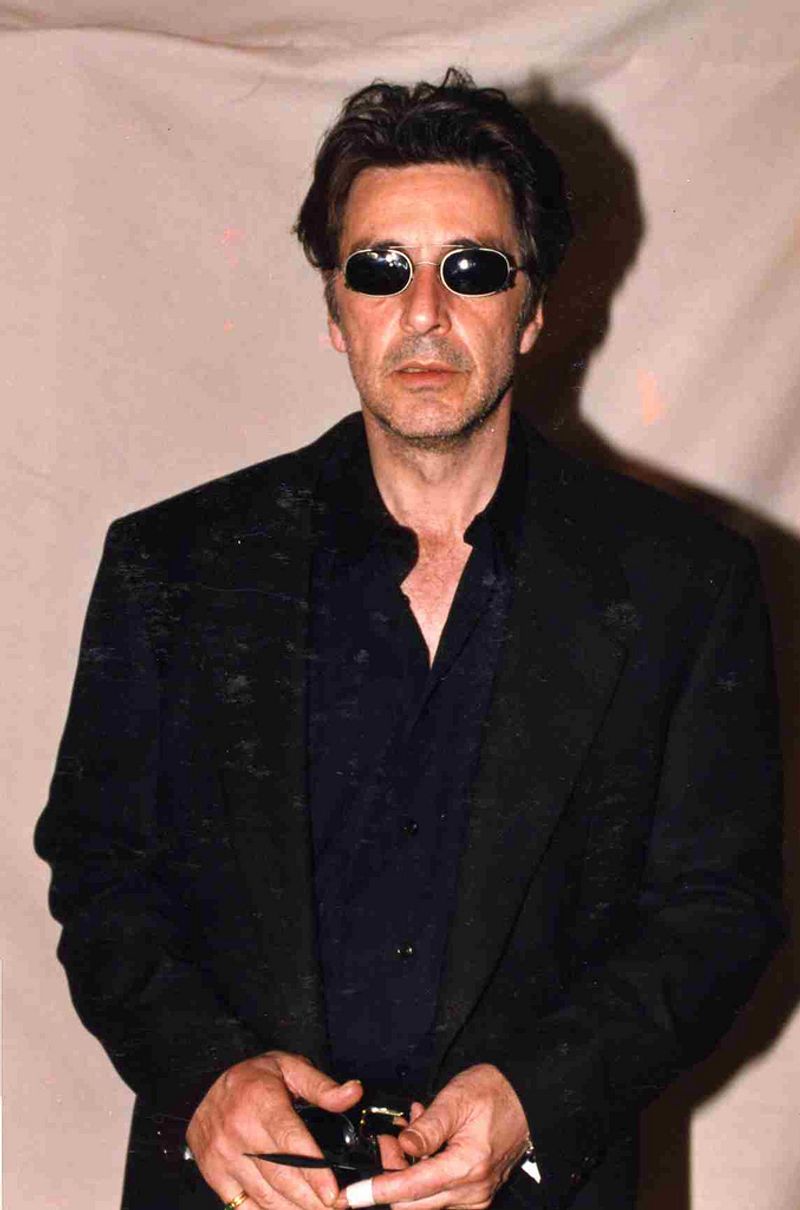
A forensic psychiatrist receiving threats and having exactly 88 minutes to solve his own fatality case sounds like edge-of-your-seat cinema. In practice, 88 Minutes was widely ridiculed as one of Pacino’s lowest career points.
The plot relied on twists that insulted audience intelligence, and Pacino sleepwalked through scenes that demanded urgency and raw fear.
One reviewer famously suggested the only thing truly tense about the film was waiting for it to end. Ouch.
Even legends occasionally sign contracts they later regret, and 88 Minutes stands as a cautionary tale about choosing scripts more carefully.
8. Jack and Jill (2011)
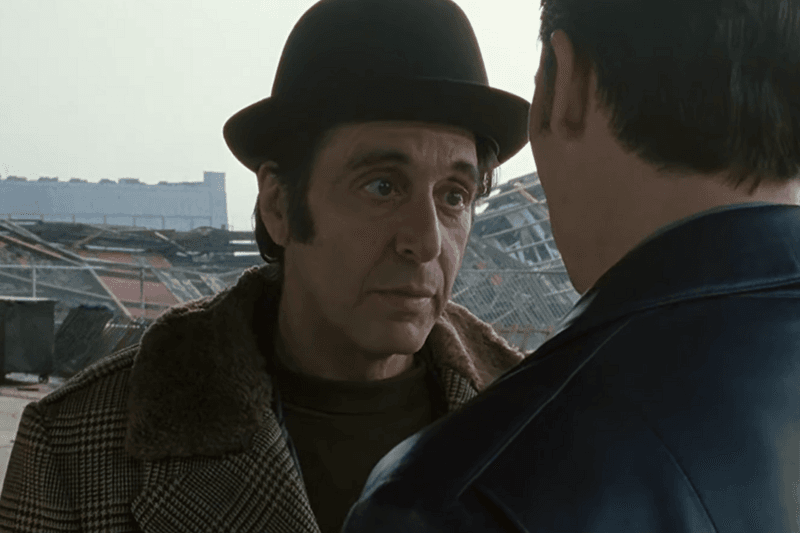
Nobody expected Pacino to pop up in an Adam Sandler comedy, playing a fictionalized version of himself hopelessly smitten by Sandler’s female alter ego. Yet here we are.
Jack and Jill swept the Razzie Awards, winning every single category it was nominated for, a genuinely historic achievement in bad filmmaking. Pacino’s cameo-turned-supporting-role was widely described as baffling.
Was it brave? Sure, in a bizarre way.
Did it work? Absolutely not.
Sometimes actors want to show their playful side, and that instinct is admirable. However, choosing the right vehicle matters enormously.
Jack and Jill remains the most talked-about career detour of Pacino’s legendary journey, for all the wrong reasons.