20 Albums Meant To Be Played Straight Through
Some albums are more than okay with the shuffle, others take one look at that idea and politely throw it out the window.
Play them out of order and the mood slips, the tension breaks, and the whole thing loses a little of the spell it was working so hard to cast.
With these albums one track opens the door, the next deepens the mood, and before long the record starts feeling less like a pile of songs and more like a full experience with its own pace.
Great ones know exactly when to speed up and when to land the emotional hit that makes skipping ahead feel almost disrespectful.
When a record is that well built, pressing play on track one feels less like a choice and more like the correct way to behave.
Disclaimer: This article is intended for general informational and entertainment purposes only. Opinions about album sequencing, listening order, and which records work best as front-to-back experiences reflect editorial perspective, and individual listeners may strongly disagree.
1. Pink Floyd — The Dark Side of the Moon
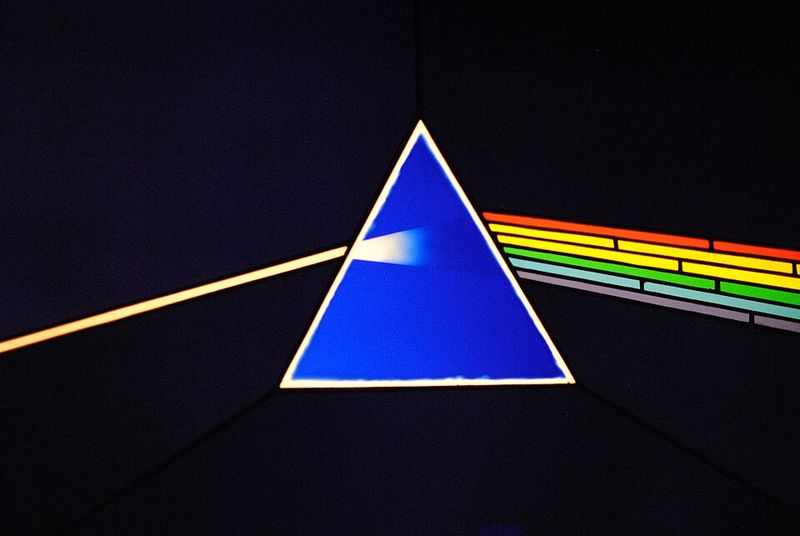
Few albums have ever felt this complete.
Released in 1973, Pink Floyd built a record that flows like one unbroken dream, stitching together heartbeats and guitar solos into something truly unforgettable.
Every transition between tracks was carefully designed to feel seamless.
How does a band make a record that stays on the Billboard charts for over 900 weeks? By treating the whole album as one giant idea.
The themes of time, money, and mental health connect every song like chapters in a novel. Skipping even one track breaks the spell entirely.
2. Kendrick Lamar — good kid, m.A.A.d city
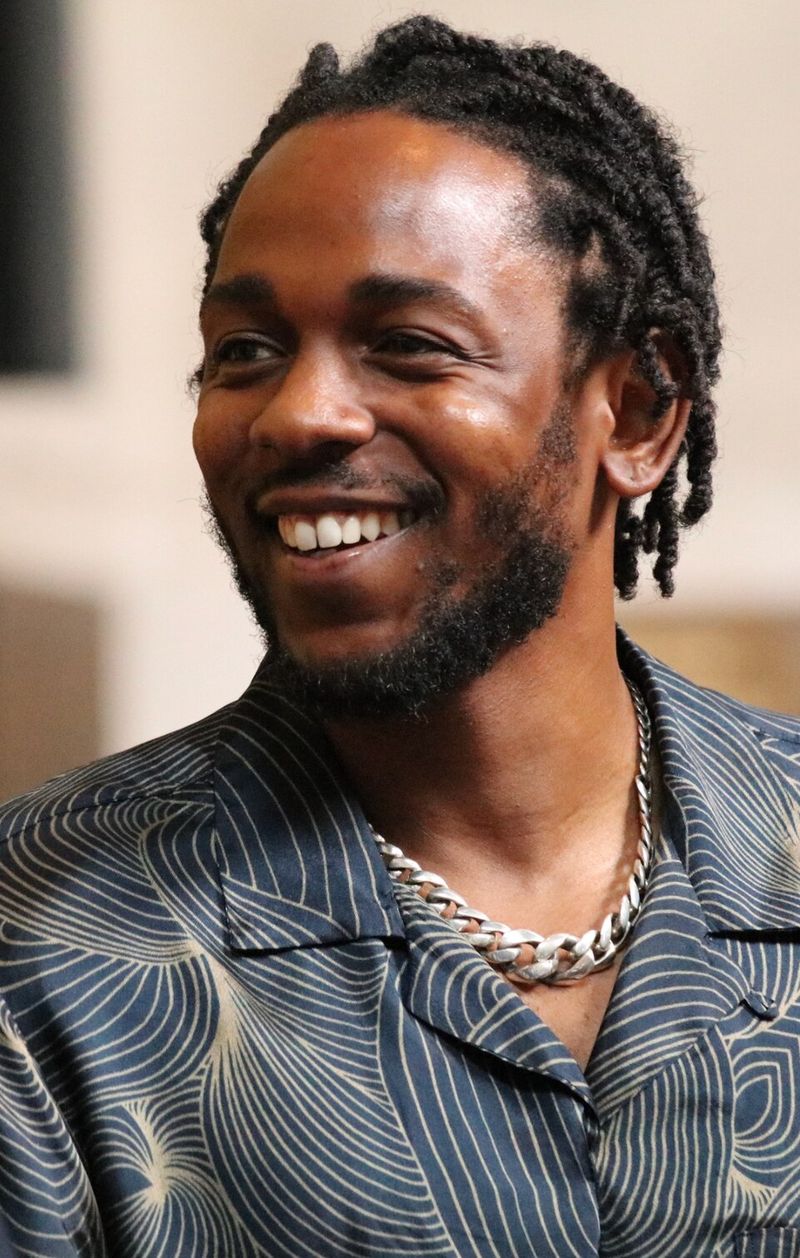
Picture a teenager navigating one dangerous day in Compton, California. That is the entire premise of this 2012 masterpiece, and every track moves the story forward like scenes in a coming-of-age film.
Kendrick even included voicemail messages between songs to keep the narrative alive. If you skip a track, you literally miss part of the plot.
The album explores peer pressure and survival with remarkable emotional honesty. Skits, interludes, and hard-hitting verses all serve the same story.
Listening straight through rewards you with one of hip-hop’s most powerful and complete cinematic experiences ever recorded.
3. Radiohead — OK Computer
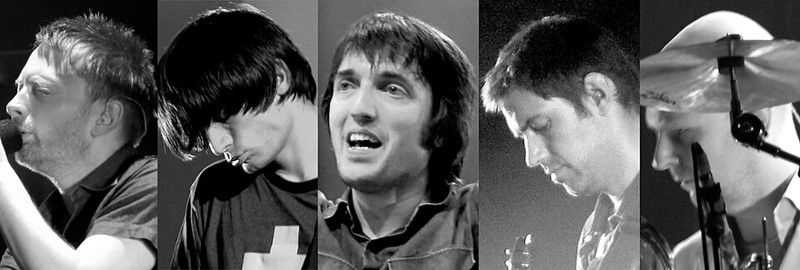
Released in 1997, OK Computer felt like a warning nobody wanted to hear.
Radiohead painted a picture of modern life drowning in technology and disconnection, and every song added another brushstroke to that bleak but beautiful canvas.
Tracks bleed into each other with an almost cinematic quality. Though each song works on its own, together they build an overwhelming emotional atmosphere that hits differently as a complete listen.
Paranoid Android, Exit Music, and The Tourist form a triptych of dread and wonder. Hearing it whole is the only way to truly feel what Thom Yorke meant.
4. The Who — Quadrophenia
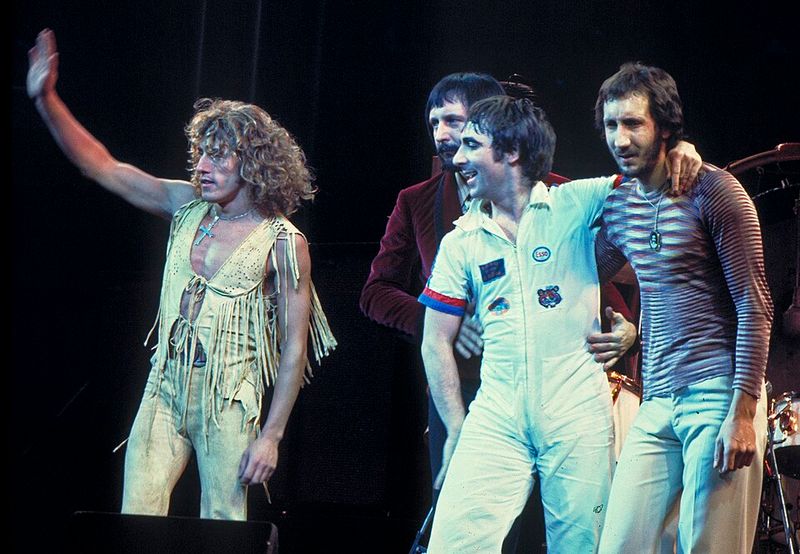
Rock operas do not get more ambitious than this. Released in 1973, Quadrophenia follows Jimmy, a troubled young mod in 1960s England, through identity crises and self-discovery.
Pete Townshend assigned each of the four band members a musical theme, then wove them together across the whole record.
However, what really makes this album demand a full listen is its emotional architecture. Every track builds tension or releases it in ways that only pay off if you have heard what came before.
By the time the final notes ring out, you feel like you lived Jimmy’s story yourself.
5. David Bowie — The Rise and Fall of Ziggy Stardust
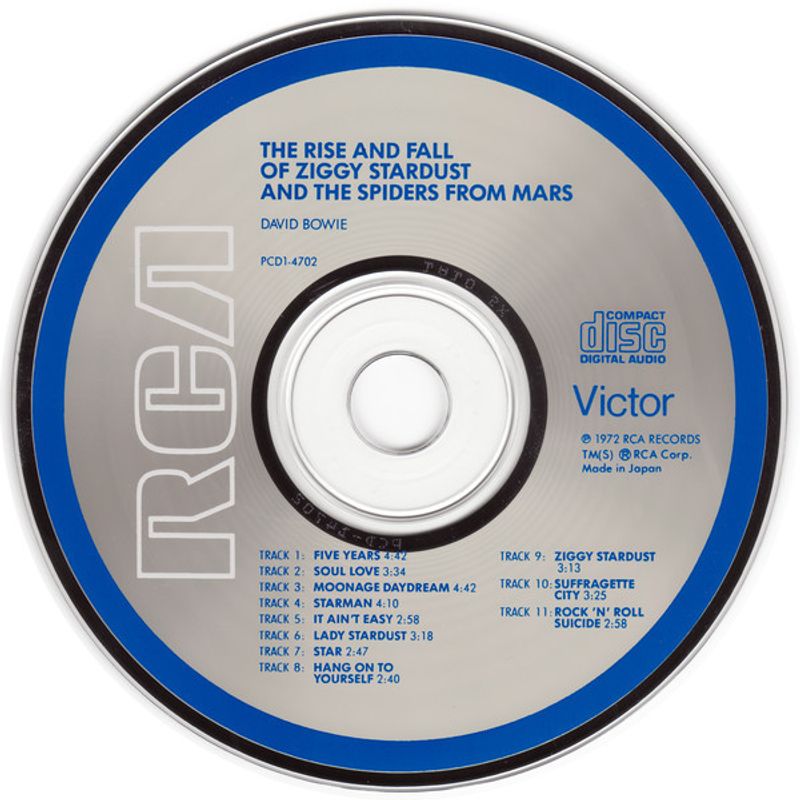
What if a rock star from outer space came to Earth to deliver a message and then burned out in a blaze of fame? That is the wild, thrilling premise of this 1972 concept album.
Bowie invented an entire alien persona named Ziggy Stardust and lived inside him completely. Every song traces Ziggy’s rise to stardom and his eventual destruction by fame.
The record feels like a short story collection that only makes sense read in sequence. Tracks like Starman and Ziggy Stardust hit harder when you understand their place in the arc.
6. Marvin Gaye — What’s Going On
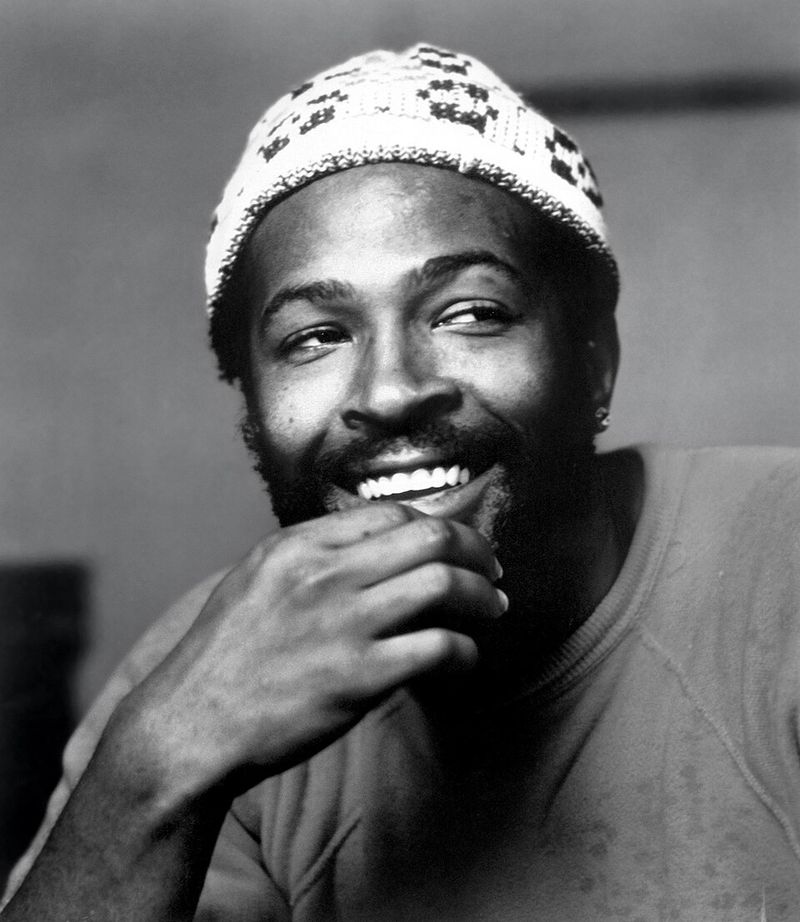
Soul music has rarely felt this urgent or this heartfelt.
Released in 1971, this album tackled Vietnam, poverty, and environmental destruction at a time when most pop records stayed safely away from politics. Marvin Gaye poured genuine pain and compassion into every note.
Motown originally did not want to release it, calling it uncommercial. Gaye pushed back, and the result became one of the greatest albums ever recorded.
Songs flow into each other without pause, creating a continuous emotional wave. The album ends feeling like a prayer.
7. Sufjan Stevens — Illinois
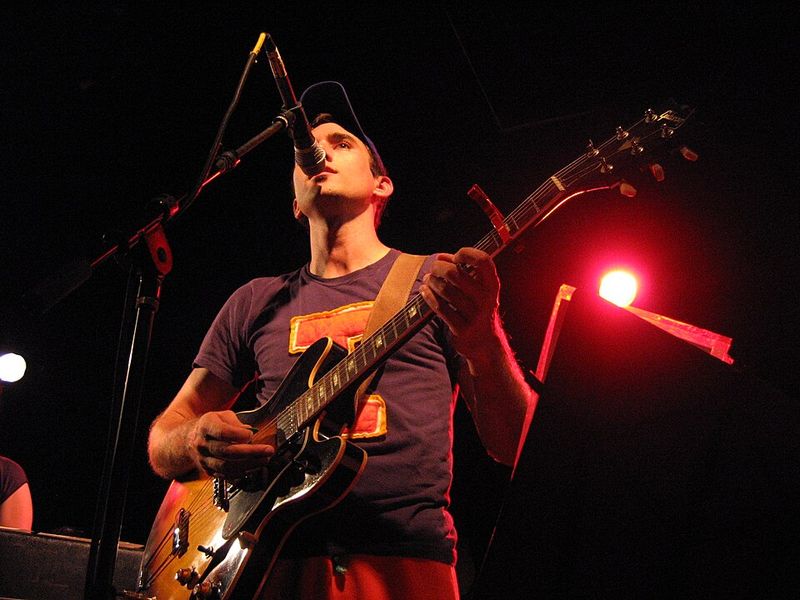
Sufjan Stevens set out to make an album about every single U.S. state. He only finished two, but Illinois alone might be enough to secure his legacy forever.
Released in 2005, this sprawling record treats an entire state like a character, exploring its myths, tragedies, and ordinary beauty.
Though it runs over 74 minutes, the album never drags because each song feeds into a larger emotional tapestry. References to historical figures, supernatural folklore, and personal grief all coexist here.
8. The Beatles — Sgt. Pepper’s Lonely Hearts Club Band
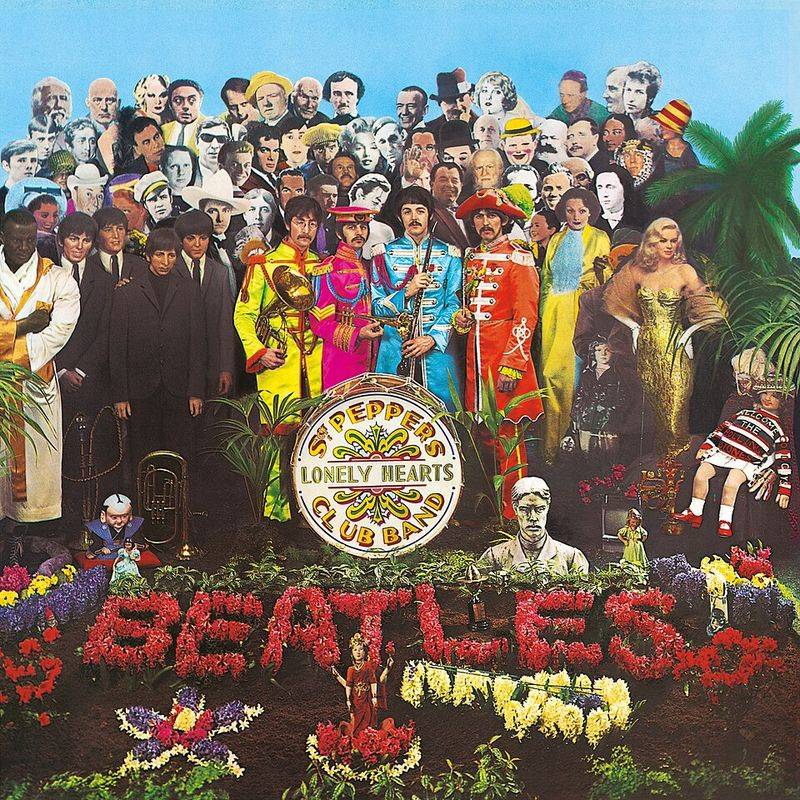
Imagine a band deciding to pretend they are a completely different band just to free their creativity. That is exactly what The Beatles did in 1967, and the result changed music forever.
The album opens and closes with the same theme, wrapping everything like a bow on a gift.
Where most albums of the era were just singles bundled together, Sgt. Pepper felt like a theatrical performance from start to finish.
The orchestral swells and dreamy production all serve one unified vision. Playing it out of order would feel like shuffling a movie’s scenes randomly.
9. Arcade Fire — The Suburbs
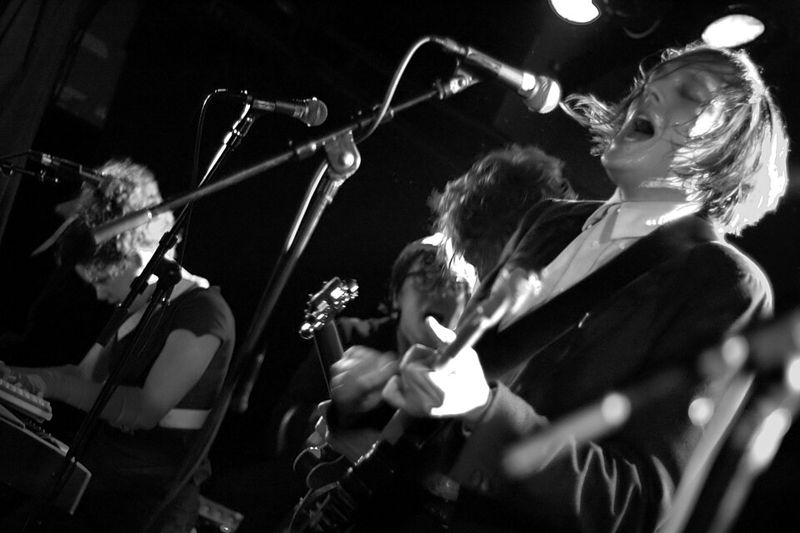
Growing up in the suburbs can feel like living inside a dream that slowly turns strange. Arcade Fire captured that exact feeling on this 2010 Grammy-winning masterpiece.
The album opens and closes with the same song, played differently each time, creating a perfect emotional circle.
Sixteen tracks explore nostalgia, restlessness, and the weird tension between childhood safety and adult disillusionment.
The songs build on each other thematically, so hearing them out of order loses the emotional payoff.
10. Pink Floyd — The Wall
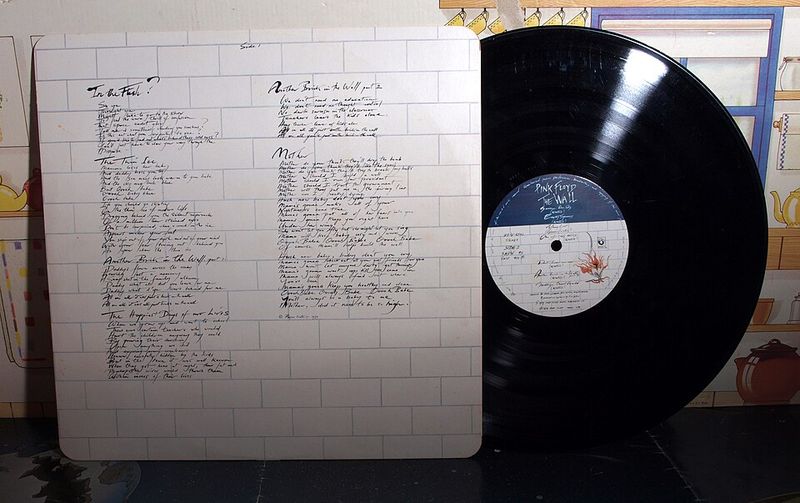
A rock opera about isolation and emotional walls built around the self. Released in 1979, The Wall follows Pink, a rock star who slowly bricks himself away from the world.
Roger Waters wrote it partly from personal experience, and that honesty burns through every track.
With 26 tracks spread across two records, this album is practically a movie. In fact, it literally became one in 1982.
Characters appear and disappear, motifs recur, and the final track leads directly back to the opening line.
11. Frank Ocean — Blonde
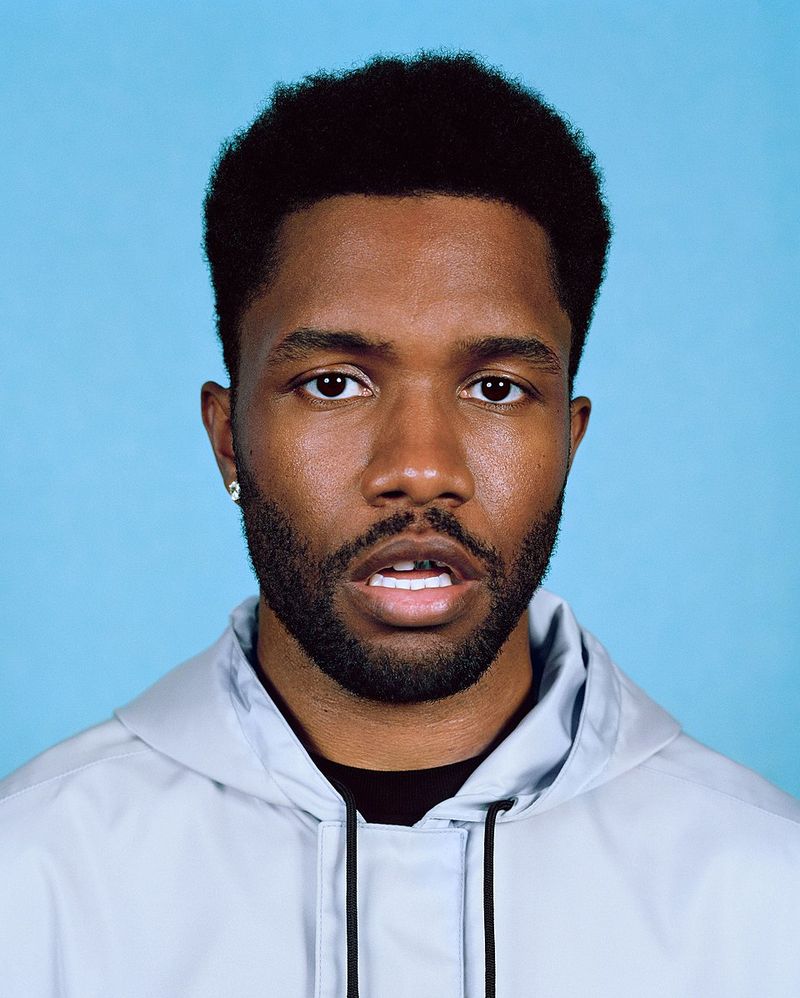
Released in 2016 after a four-year silence, Blonde felt like reading someone’s most private diary out loud.
Frank Ocean built an album that drifts between memory and identity with no clear boundaries between songs. Tracks blur into each other like half-remembered dreams.
There are almost no traditional song structures here. Instead, the album moves through emotional states, letting feeling guide the listener rather than verse-chorus formulas.
How does an artist make something so personal feel so universal? Ocean somehow pulls it off.
12. The Beatles — Abbey Road
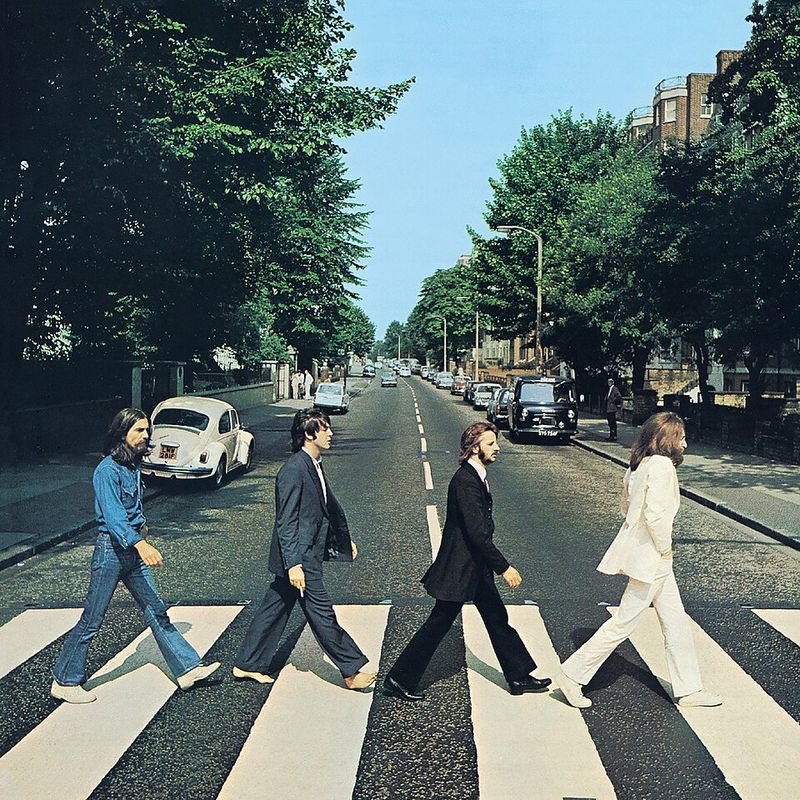
Side B of this album is one of the most celebrated musical achievements in history.
The Beatles stitched together a medley of unfinished song fragments into one glorious, flowing suite that builds and resolves with breathtaking elegance.
It was the last album they recorded together, and it sounds like a farewell.
Where Side A contains individual classics like Come Together and Something, Side B rewards listeners who stay seated. The medley moves through eight connected pieces that would each feel incomplete alone.
13. Clipping. — Splendor & Misery
Science fiction and hip-hop collide spectacularly on this 2016 concept album. Clipping. tells the story of the sole survivor of a revolt aboard a cargo spaceship, drifting alone through the cosmos.
It earned a Hugo Award nomination, which almost never happens for music albums. Every track builds the narrative with remarkable precision.
Silence, noise, and rhythm are all used as storytelling tools. The album feels more like an audiobook with beats than a traditional rap record. If you skip tracks, the story collapses.
14. Janelle Monáe — The ArchAndroid
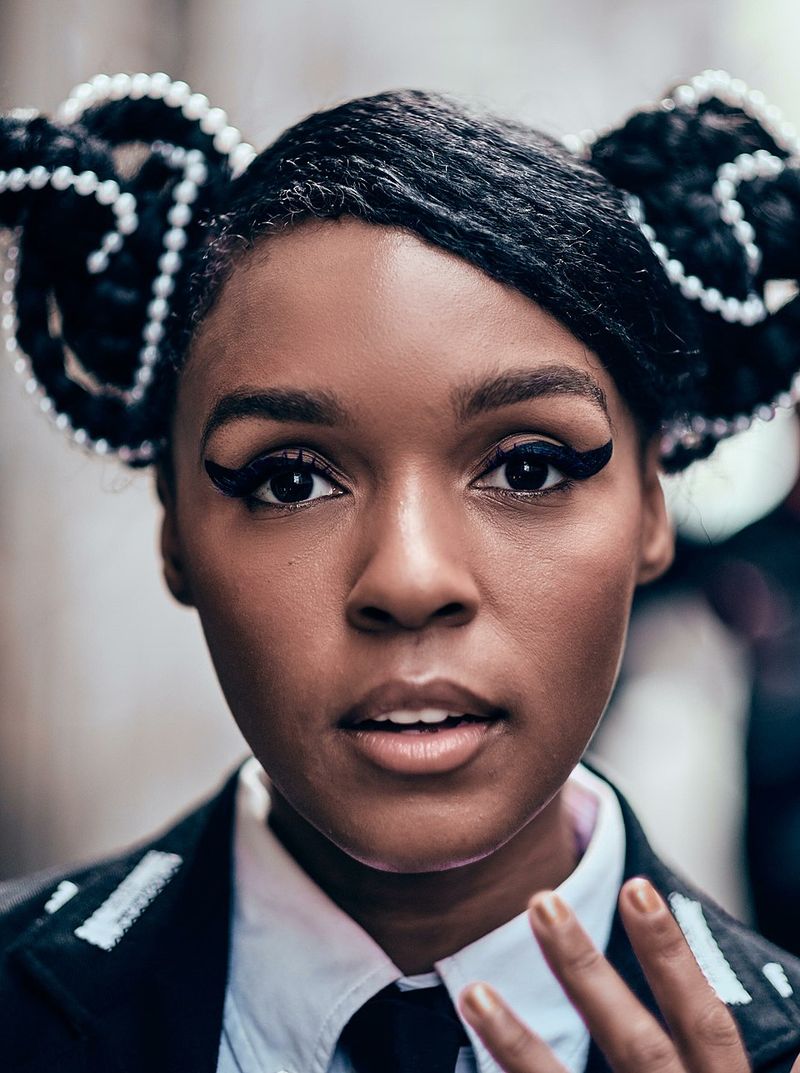
Janelle Monáe arrived on the scene in 2010 with a full science fiction mythology already built.
The ArchAndroid continues the story of Cindi Mayweather, an android fugitive in a dystopian future city, across two suites of music that span soul, funk, classical, and psychedelic rock.
The album is genuinely cinematic in scope. Overtures open each suite, setting the stage like a film score would.
Each song advances the plot while also standing as a brilliant piece of music. Monáe has compared her work to Fritz Lang’s classic film Metropolis.
15. Nine Inch Nails — The Downward Spiral
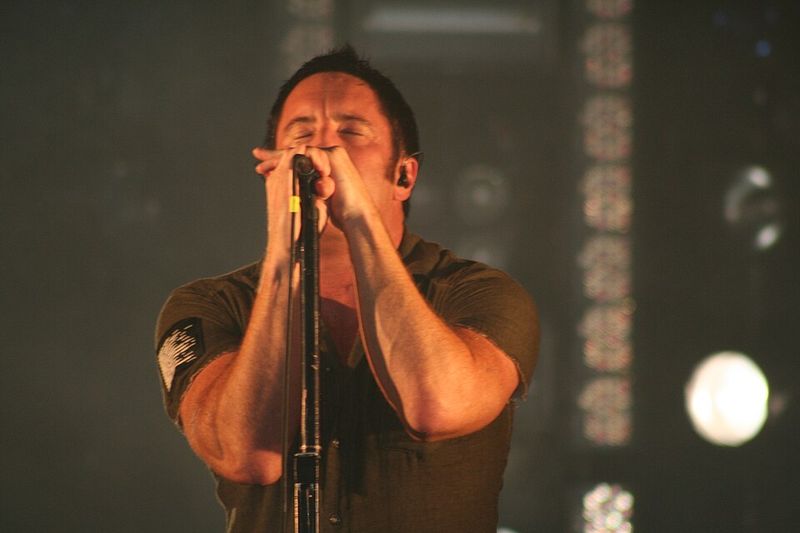
Trent Reznor recorded this album in the house where Sharon Tate lost her life in 1969. That unsettling fact matches the record’s atmosphere perfectly.
Released in 1994, The Downward Spiral traces a character’s psychological collapse across 14 relentlessly intense tracks of industrial rock fury.
However, beneath all the noise and aggression lies careful musical architecture. Quiet moments make the loud ones devastating.
Hurt, the final track, only lands with full emotional force if you have survived everything that came before it.
16. Daft Punk — Random Access Memories
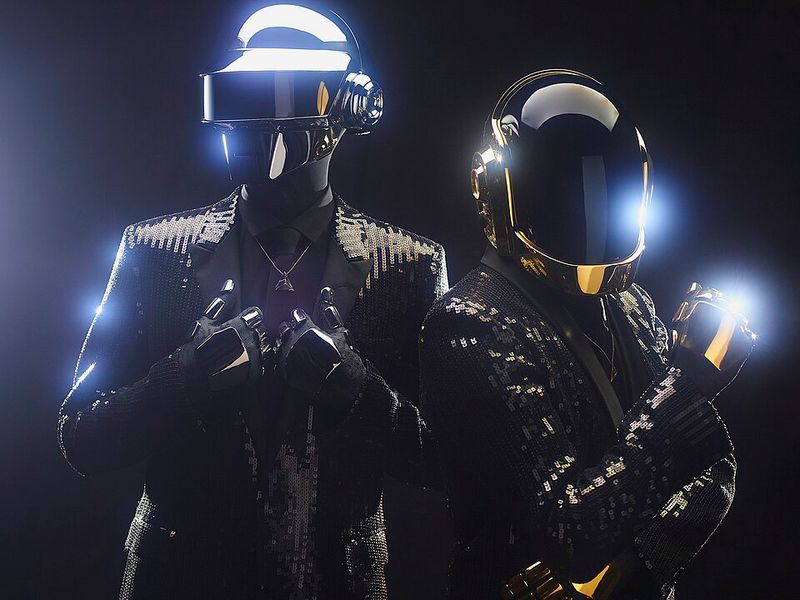
Two robots walk into a recording studio and make the most human-sounding album of the decade. That is basically what happened when Daft Punk released Random Access Memories in 2013.
Recorded almost entirely with live musicians, it is a love letter to the golden age of studio music. The album moves through disco, funk, and electronic music like a guided tour through sound history.
Giorgio by Moroder alone, featuring a 10-minute spoken word and synth epic, is worth the price of admission.
17. Fleet Foxes — Helplessness Blues
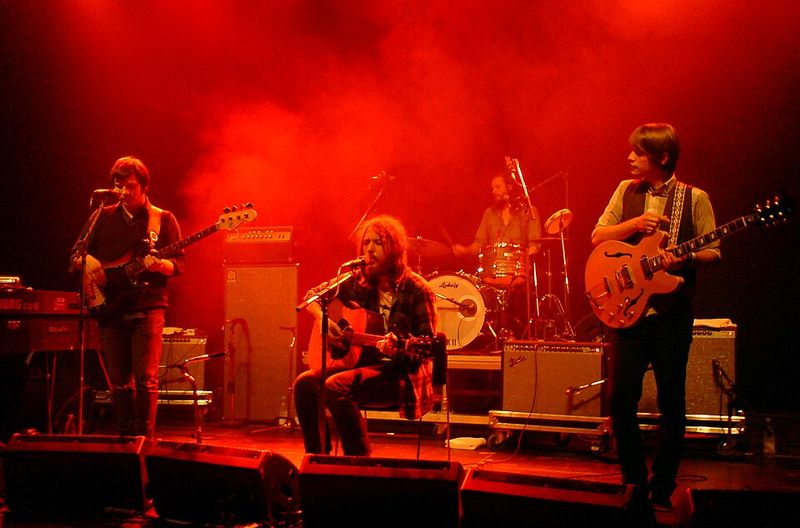
Fleet Foxes made folk music feel ancient and urgent at the same time. Released in 2011, Helplessness Blues grapples with questions of identity and belonging in a modern world that moves too fast.
Where the debut album was lush and immediate, this one builds slowly and rewards patience. Songs shift in tempo and mood like changing seasons.
The title track contains one of the most honest expressions of young adulthood ever written in a pop song.
Hearing the full album is like spending a long afternoon in a quiet meadow.
18. Green Day — American Idiot
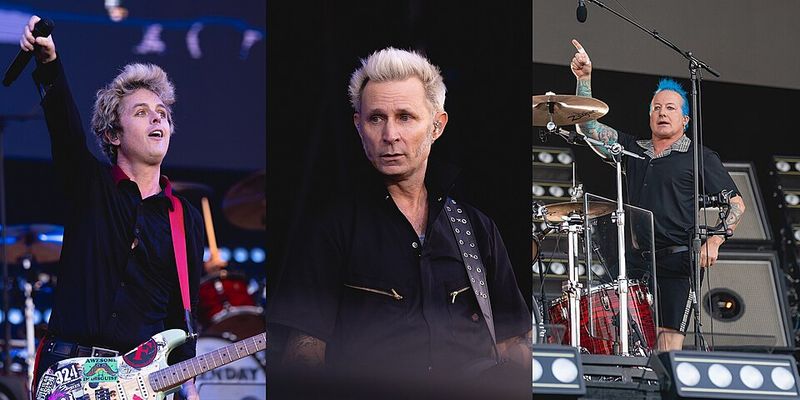
Punk rock opera sounds like a contradiction, but Green Day pulled it off brilliantly in 2004.
American Idiot follows the fictional Jesus of Suburbia through rebellion, disillusionment, and eventual self-reckoning against a backdrop of post-9/11 American culture. I
Songs bleed into each other with sharp dynamic swings and recurring musical themes. Characters like St. Jimmy and Whatsername appear and disappear across the tracklist like players in a stage production.
By the time the album closes with Whatsername, you actually feel the loss. Pure storytelling power.
19. Beyoncé — Lemonade

Released as a full visual album in 2016, Lemonade is one of the most ambitious artistic statements in modern pop history.
Beyoncé structured it around the stages of grief, moving from intuition through anger, apathy, and finally redemption. Every song fits a specific emotional chapter.
Skipping tracks here is like tearing pages out of a memoir. The spoken word poetry between songs adds layers of meaning that connect everything together.
Hold Up, Freedom, and All Night only reach their full emotional weight when heard in sequence.
20. Deltron 3030 — Deltron 3030
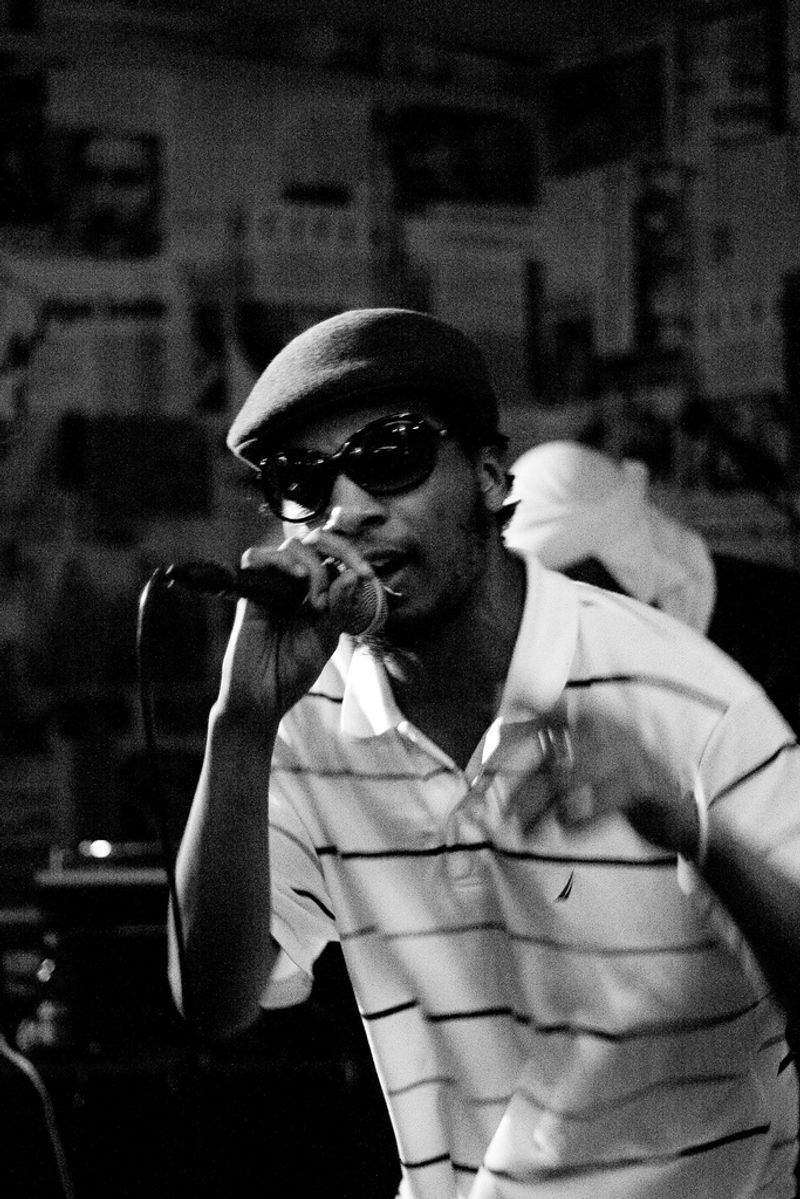
Set in the year 3030, this underground hip-hop concept album imagines a dystopian future where corporations control the galaxy and one rebel MC fights back through rap battles.
Del the Funky Homosapien, Dan the Automator, and Kid Koala built an entire world in under 70 minutes.
Though it flew under mainstream radar when released in 2000, Deltron 3030 became a cult classic beloved by hip-hop fans who appreciate ambitious storytelling.
The production sounds like a comic book come to life.