20 All Time Great Comedians Who Set The Standard
Comedy is one of the few art forms that has to prove itself instantly.
A song can win you over by the second chorus, a movie can build toward a payoff, but a joke has to land right now, in the moment, with zero excuses.
That pressure is exactly why the greats feel almost unreal.
Timing gets sharper, observations get braver, and a single bit can end up living in people’s vocabulary for years.
Plenty of comedians are funny. A smaller group changes the temperature of the room and what audiences expect next. Watching them work can feel like witnessing a master class disguised as a casual story.
Disclaimer: Comedian selections reflect editorial opinion based on cultural impact, performance legacy, and widely discussed influence, and individual preferences may vary by generation and taste; the content is provided for general informational and entertainment purposes.
1. Charlie Chaplin: The Silent Genius
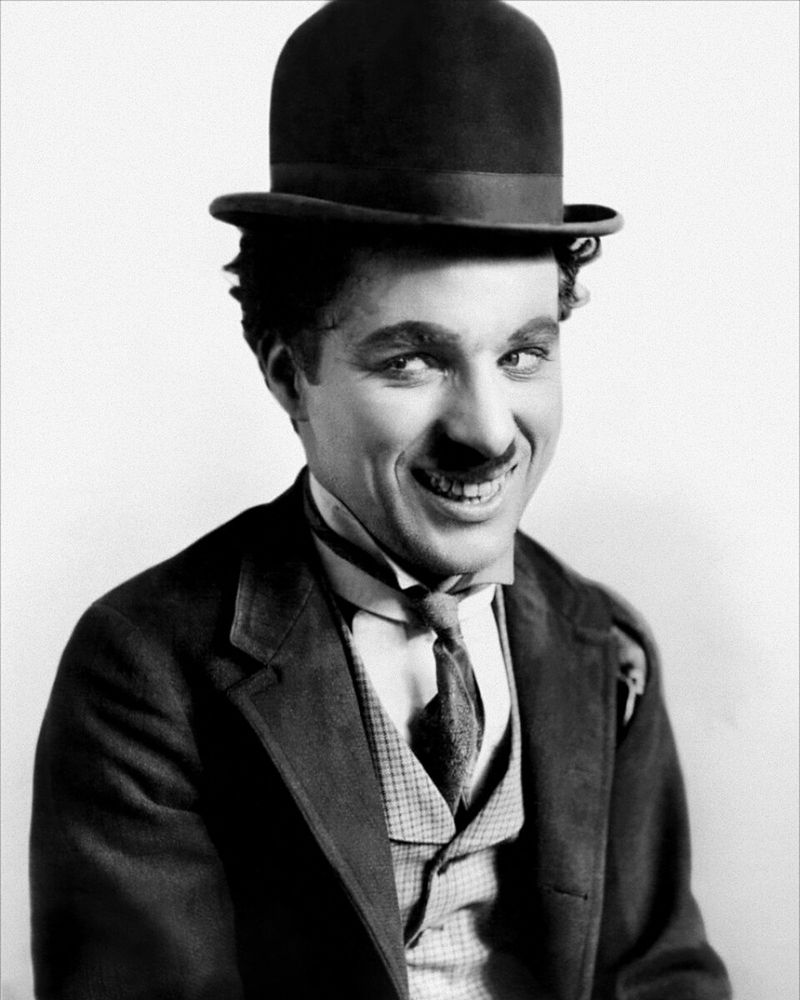
Before sound even existed in movies, one man made the entire world laugh without saying a single word.
Charlie Chaplin created a lovable underdog who tripped, stumbled, and waddled his way into billions of hearts.
His physical comedy was so precise it looked like a human cartoon.
If you have ever watched Modern Times or The Kid, you already know this man was operating on a different level entirely.
2. Buster Keaton: The Great Stone Face
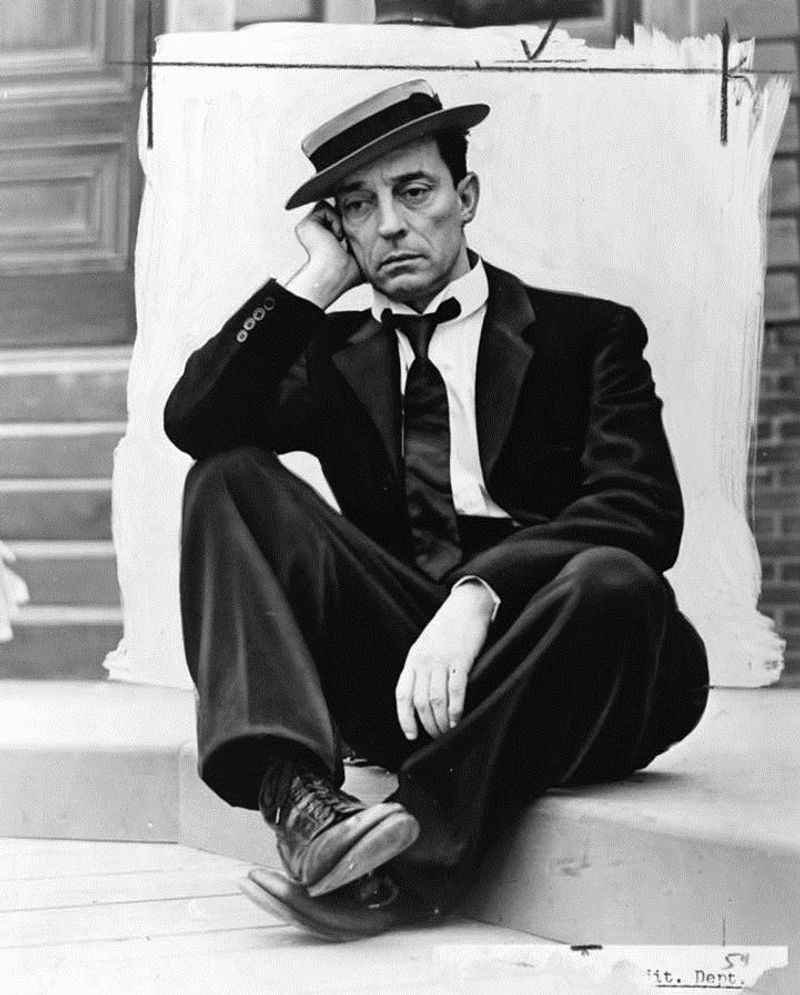
How does someone fall off a building, dodge a moving train, and keep an absolutely straight face through all of it? That was Buster Keaton’s entire brand, and honestly, it never got old.
Nicknamed “The Great Stone Face,” Keaton performed his own jaw-dropping stunts with zero safety nets and zero smiling.
His 1926 film The General is still studied in film schools today. Pure fearless genius wrapped in a porkpie hat.
3. Groucho Marx: King of the One-Liner
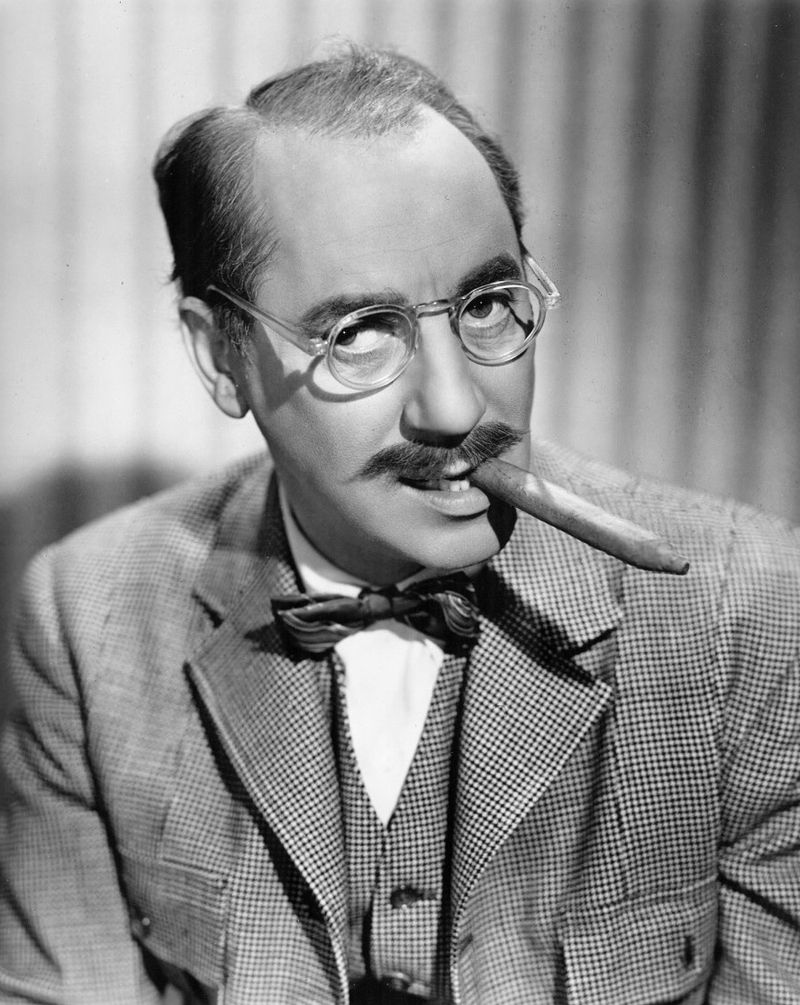
Rapid-fire wit, a painted mustache, and a cigar that seemed to punctuate every joke. Groucho Marx fired punchlines faster than most people could blink, and somehow every single one landed.
His style of wordplay and absurd logic shaped what we now call the modern one-liner.
Without Groucho, shows like 30 Rock or even Twitter roasts might look completely different.
Just saying, the man basically invented the art of being brilliantly rude in the funniest way possible.
4. Mae West: Fearless and Fabulous
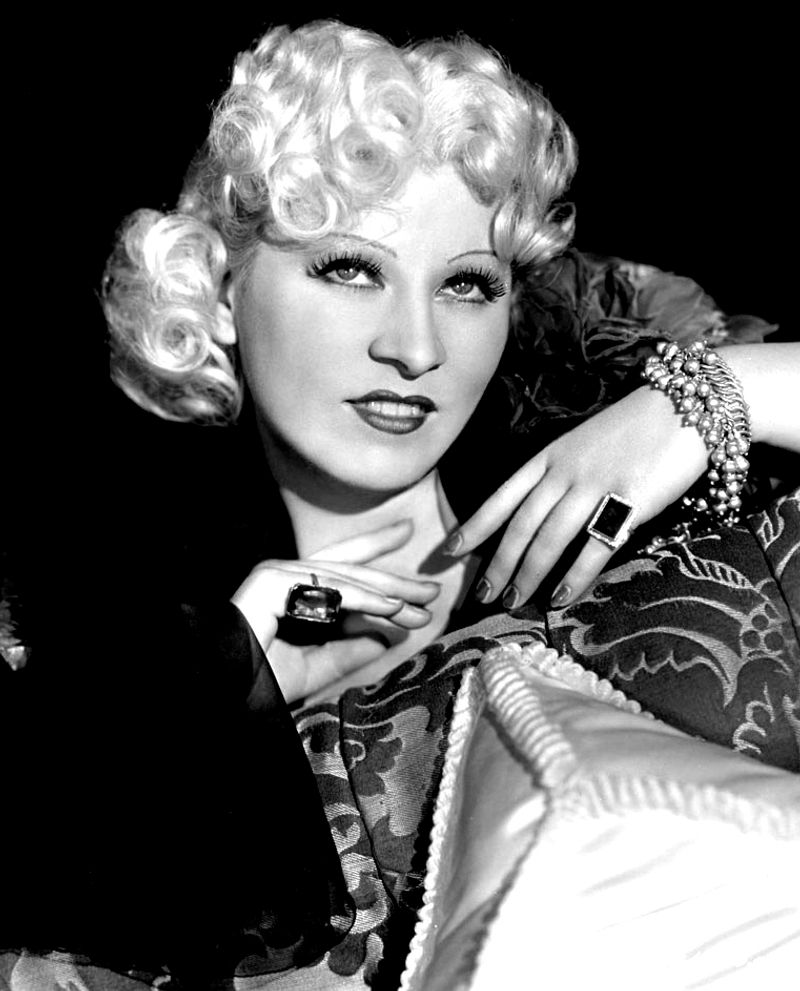
Long before the word “iconic” got overused, Mae West was already living it.
She wrote her own scripts and delivered punchlines with a slow, deliberate confidence that made audiences lean forward every single time.
West was arrested in 1927 for her Broadway play. Instead of backing down however, she turned the controversy into career fuel.
Her wit was a velvet sledgehammer, and Hollywood honestly never knew what hit it.
5. Jack Benny: Master of the Slow Burn
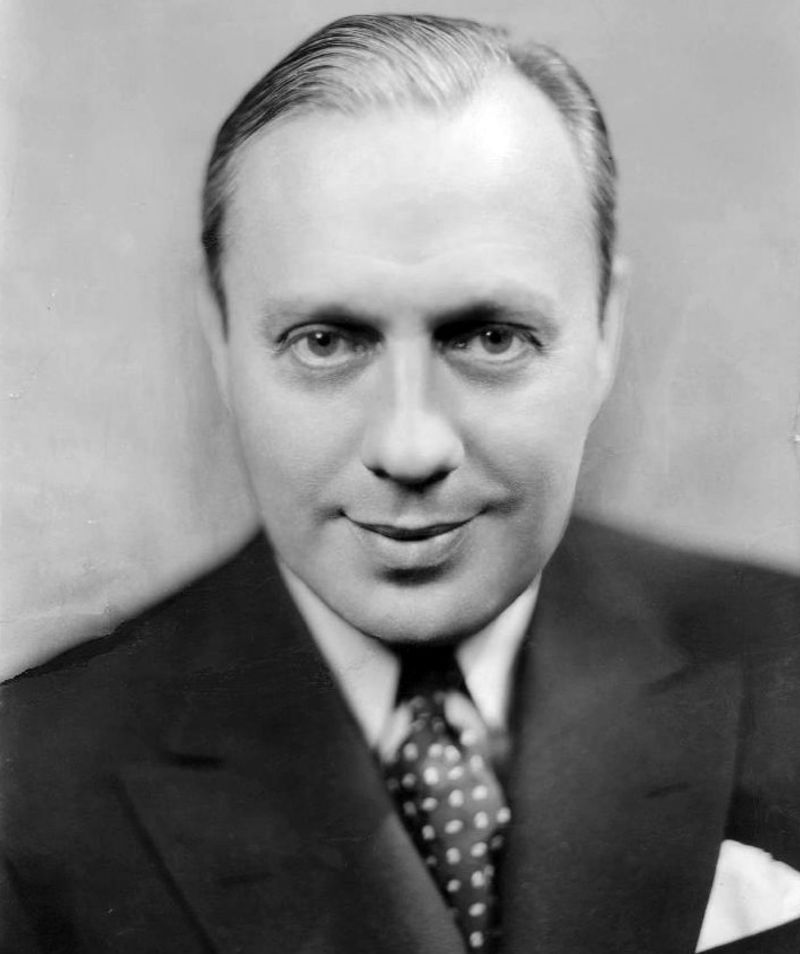
Silence can be the funniest punchline in the room.
Jack Benny understood that better than almost anyone, stretching a single pause into a laugh that felt like it lasted forever.
His legendary cheapness gag, where a robber demands his money or his life and Benny responds with nothing but silence, became one of the most famous comedy beats in radio history.
That pause alone taught generations of comedians that timing is not just important. It is everything.
6. Lucille Ball: Queen of the Sitcom
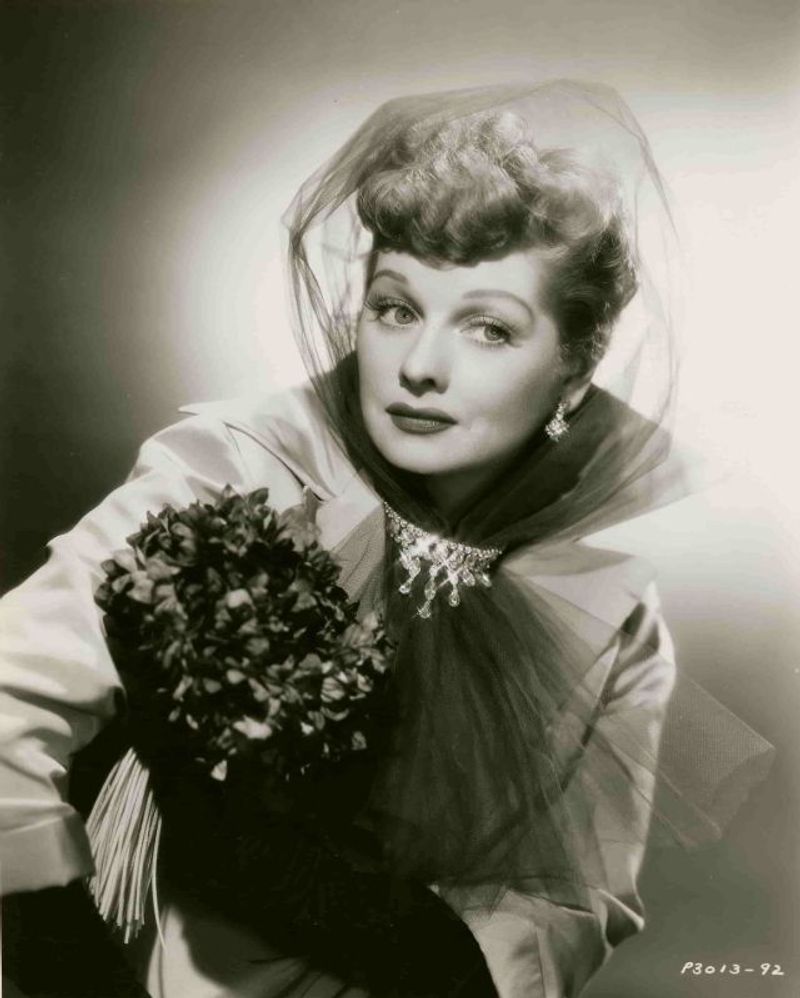
Picture a chocolate factory conveyor belt moving faster than humanly possible. Now picture one woman trying to keep up with it while stuffing candy into her hat and mouth.
That scene from I Love Lucy is pure comedy architecture, and Lucille Ball built every brick of it.
Beyond the laughs, she co-founded Desilu Productions, which later produced Star Trek and Mission: Impossible.
Funny AND a business powerhouse? She really did not come to play.
7. Richard Pryor: The Truth Teller
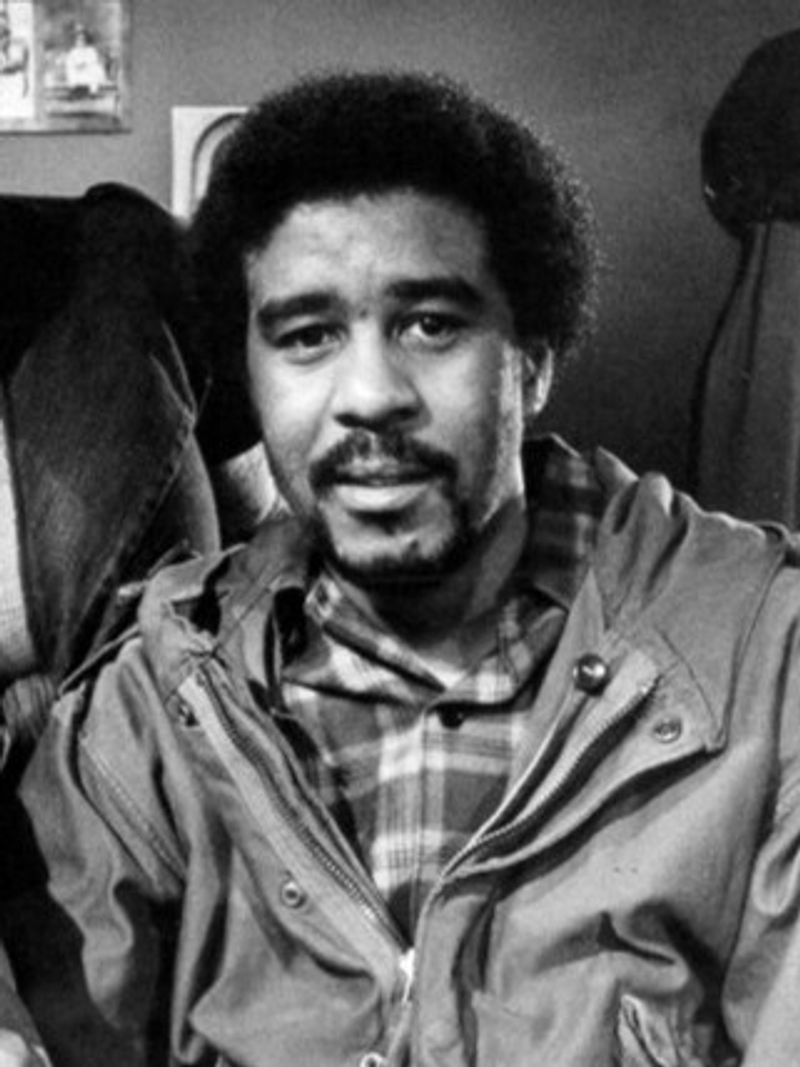
Raw, honest, and sometimes uncomfortably real.
Richard Pryor walked onstage and told stories from his actual life, including the painful parts, and somehow made audiences laugh and cry at the same time.
His 1979 concert film Live in Concert is widely considered the greatest stand-up performance ever recorded.
Pryor reset the ceiling for what comedy could be, proving that vulnerability is not a weakness on stage. It is the whole show.
8. George Carlin: The Word Surgeon
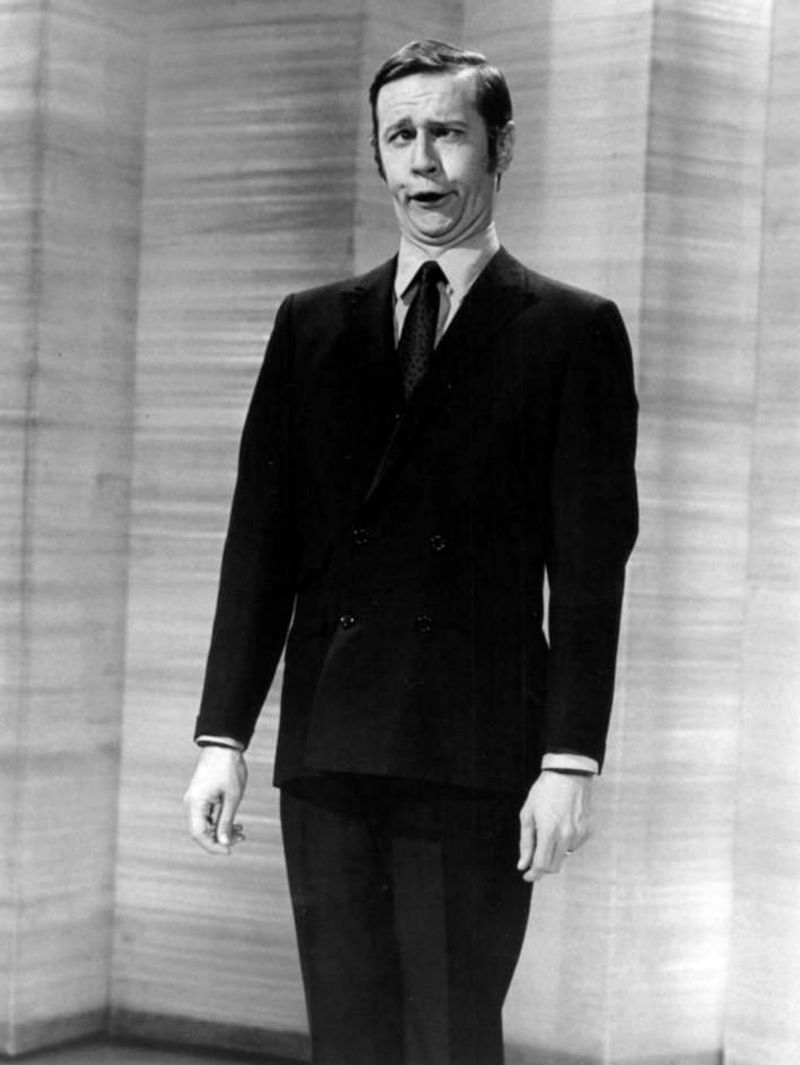
Words were George Carlin’s scalpel, and American culture was always on the operating table.
He dissected language, religion, politics, and everyday habits with a precision that felt more like a philosophy lecture than a comedy show.
His famous “Seven Words You Cannot Say on Television” routine went all the way to the Supreme Court in 1978. Carlin never stopped pushing.
Even in his later years, his material grew sharper and more daring. Honestly, the man aged like fine logic.
9. Lenny Bruce: The Rule Breaker
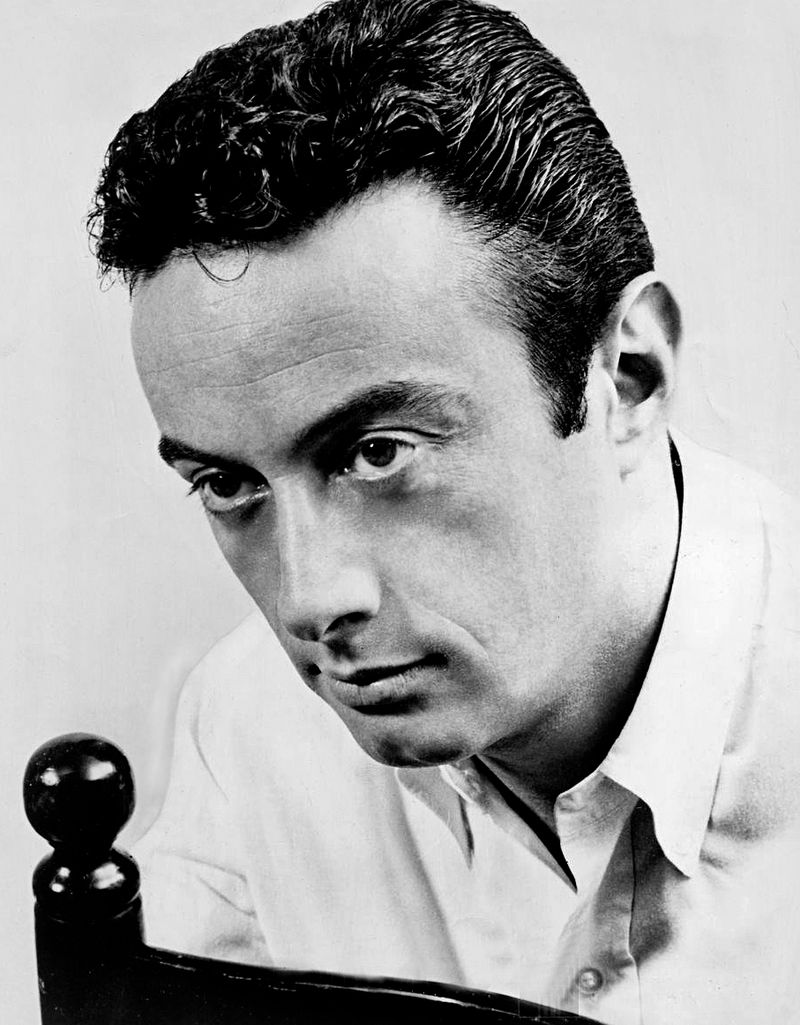
Before Lenny Bruce, comedians played it safe. After Lenny Bruce, the rulebook got thrown out the window entirely, and comedy clubs became places where real conversations could finally happen.
Bruce was arrested multiple times for his performances in the early 1960s, and he fought those charges until he passed away in 1966. New York officially pardoned him posthumously in 2003.
Though his career was short and complicated, his influence on free speech in comedy remains massive.
10. Joan Rivers: Punchline Machine
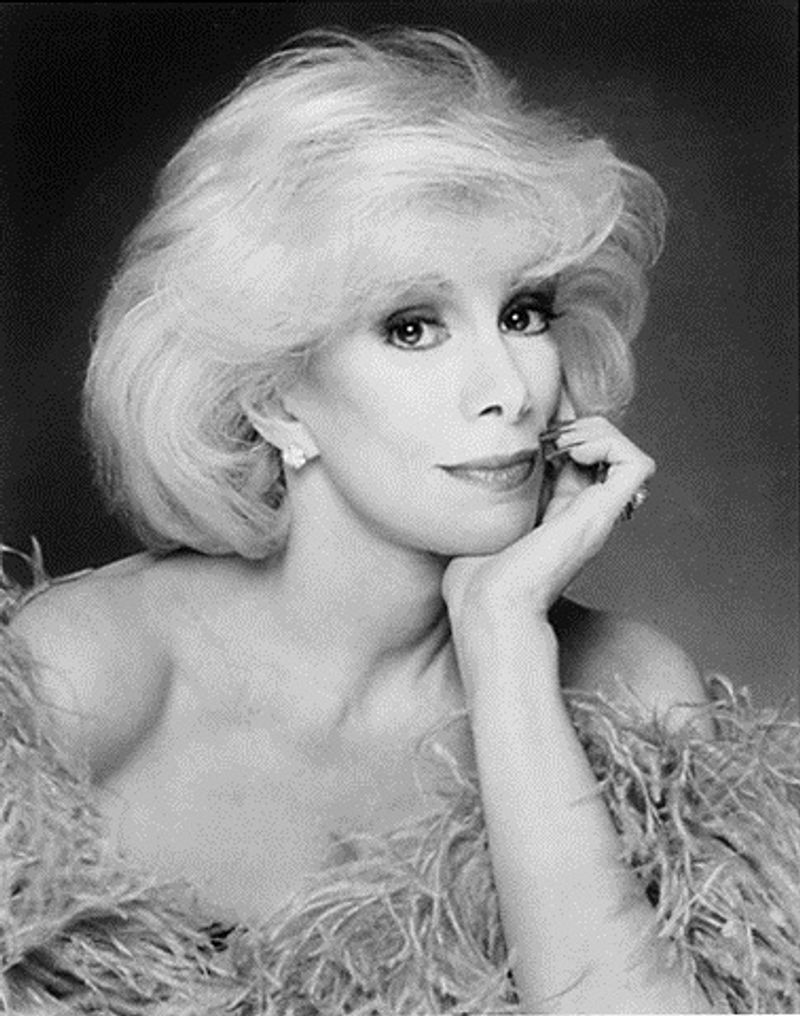
Nobody fired jokes faster or sharper than Joan Rivers.
She turned self-deprecating humor and celebrity roasting into a full-time Olympic sport, and she always won gold.
Rivers was also the first woman to guest-host The Tonight Show, paving the way for female comedians in late-night television.
Her relentless work ethic was legendary. She was still performing sold-out shows well into her 80s.
11. Johnny Carson: The Blueprint Host
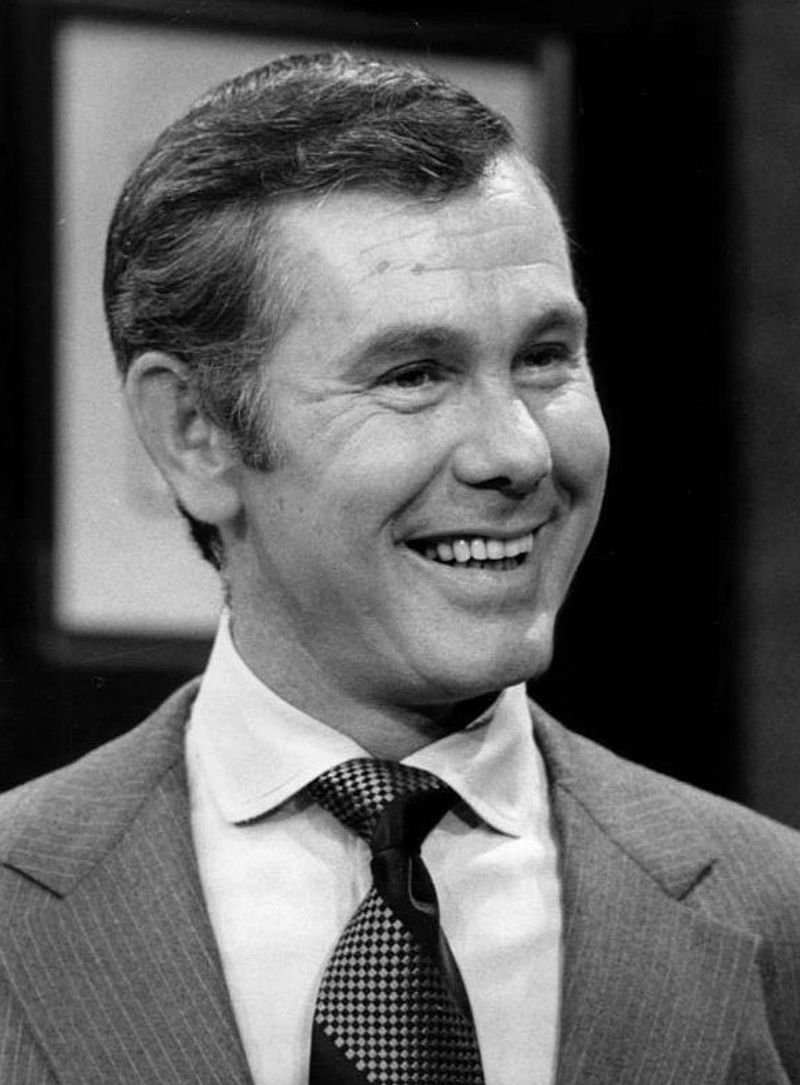
For 30 years, Johnny Carson was the last voice millions of Americans heard before falling asleep, and they were always laughing.
His late-night rhythm, monologue setup, and guest chemistry created the template every talk show host still follows today.
Carson launched the careers of David Letterman, Jay Leno, Jerry Seinfeld, and countless others by giving them national exposure on The Tonight Show.
Where would late-night television even be without him? Probably a lot quieter and a lot less funny.
12. Mel Brooks: The Parody King
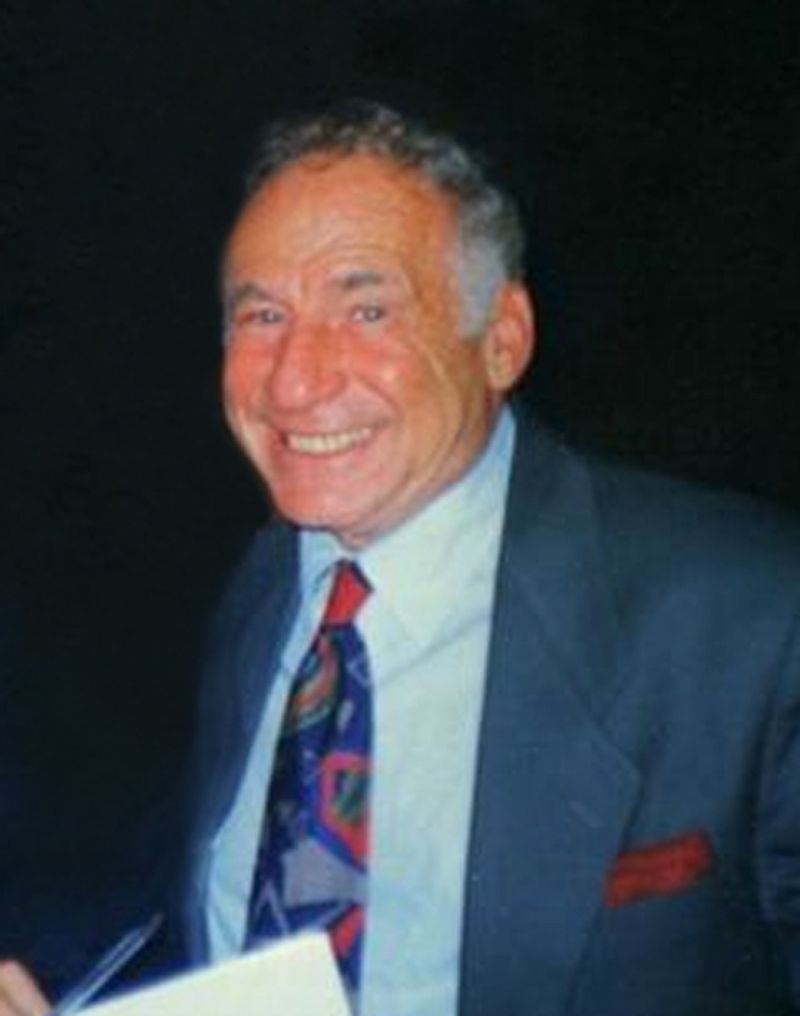
Spoofing serious films takes serious talent.
Mel Brooks somehow made Westerns, horror movies, and even history itself into playgrounds for absurd, perfectly timed comedy that never punched down.
Blazing Saddles, Young Frankenstein, and Spaceballs are three movies that belong in any comedy education.
Brooks once said comedy is tragedy plus time, but his films suggest he could not wait for the tragedy part. He just went straight to funny.
13. Bob Newhart: Comedy in a Whisper
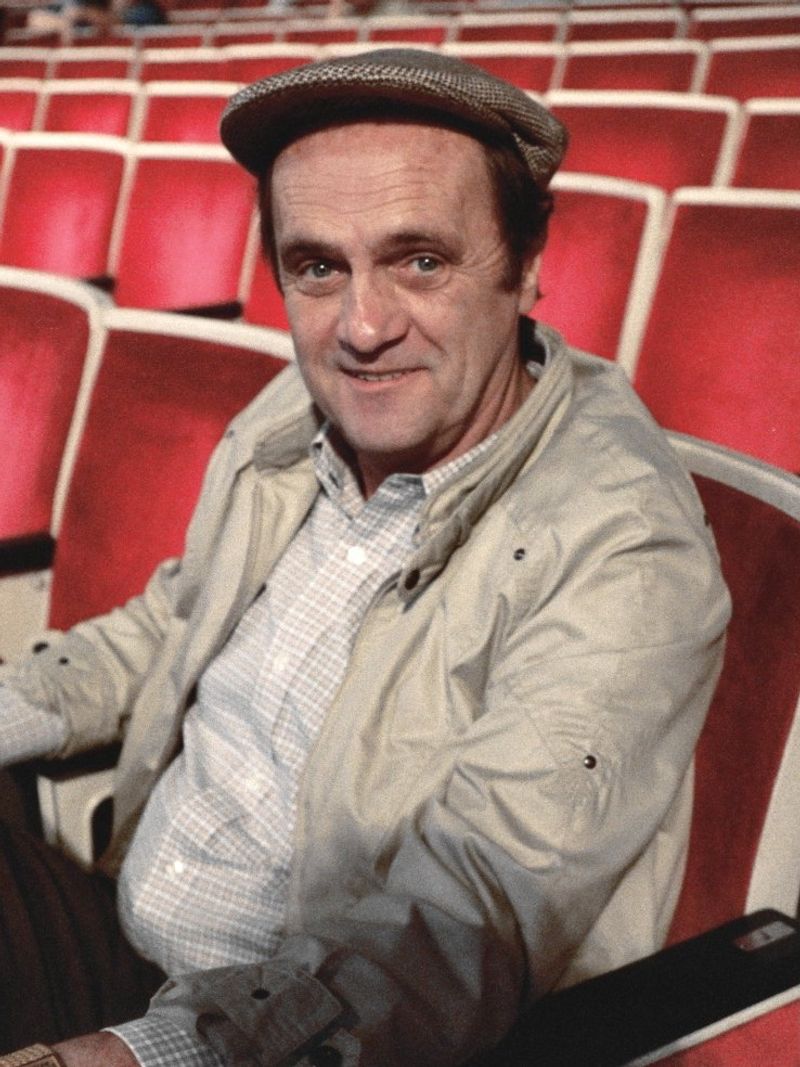
Loud comedy is easy. Quiet comedy that makes a room shake is something else entirely, and Bob Newhart spent decades proving exactly that point with almost zero effort.
His signature telephone monologues, where audiences only heard one side of a conversation, were simple, clever, and devastatingly funny.
The Button-Down Mind of Bob Newhart won the Grammy for Album of the Year in 1961.
14. Steve Martin: Comedy Rock Star
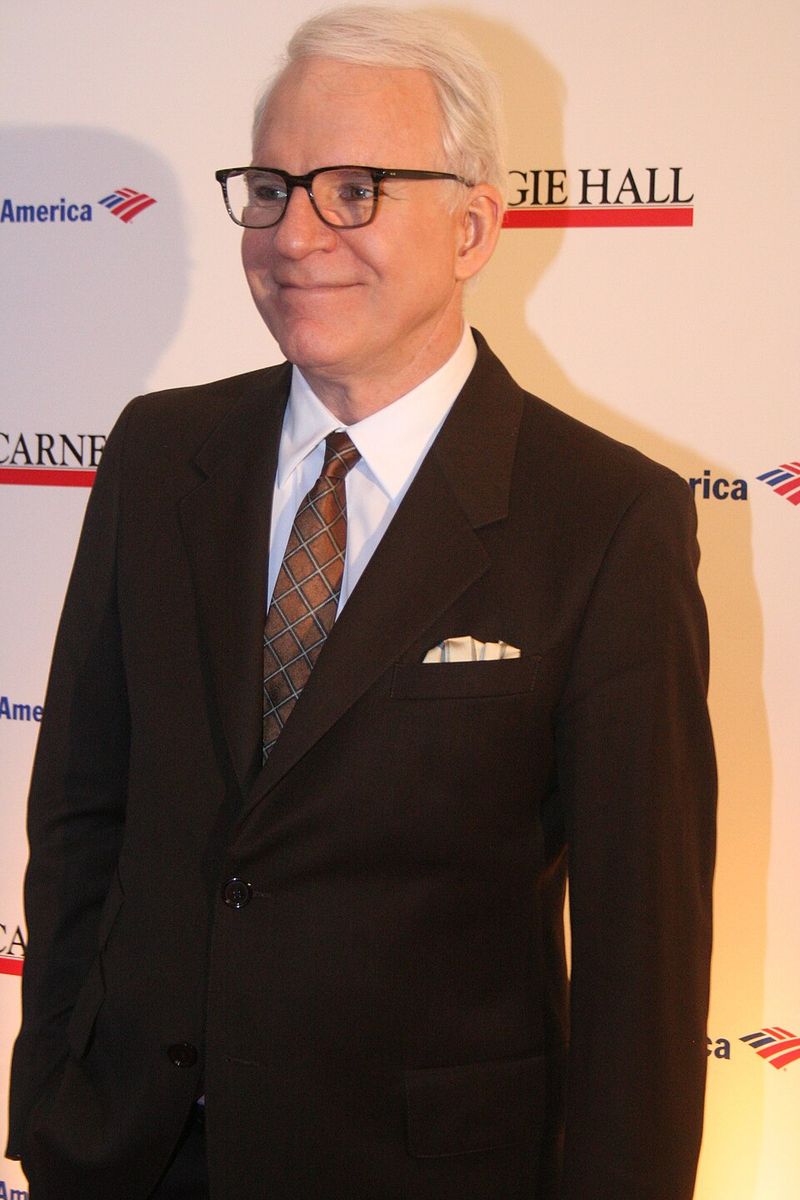
Wild and crazy guy! Steve Martin essentially turned stand-up comedy into a stadium sport in the late 1970s, selling out arenas that had previously only seen rock bands.
That is not a small deal.
His absurdist humor mixed balloon animals, banjo playing, fake arrows, and genuinely sharp writing into one unforgettable package.
Beyond stand-up, he wrote Roxanne and Bowfinger, proving the comedy was always backed by serious craft.
15. Eddie Murphy: Stage Lightning
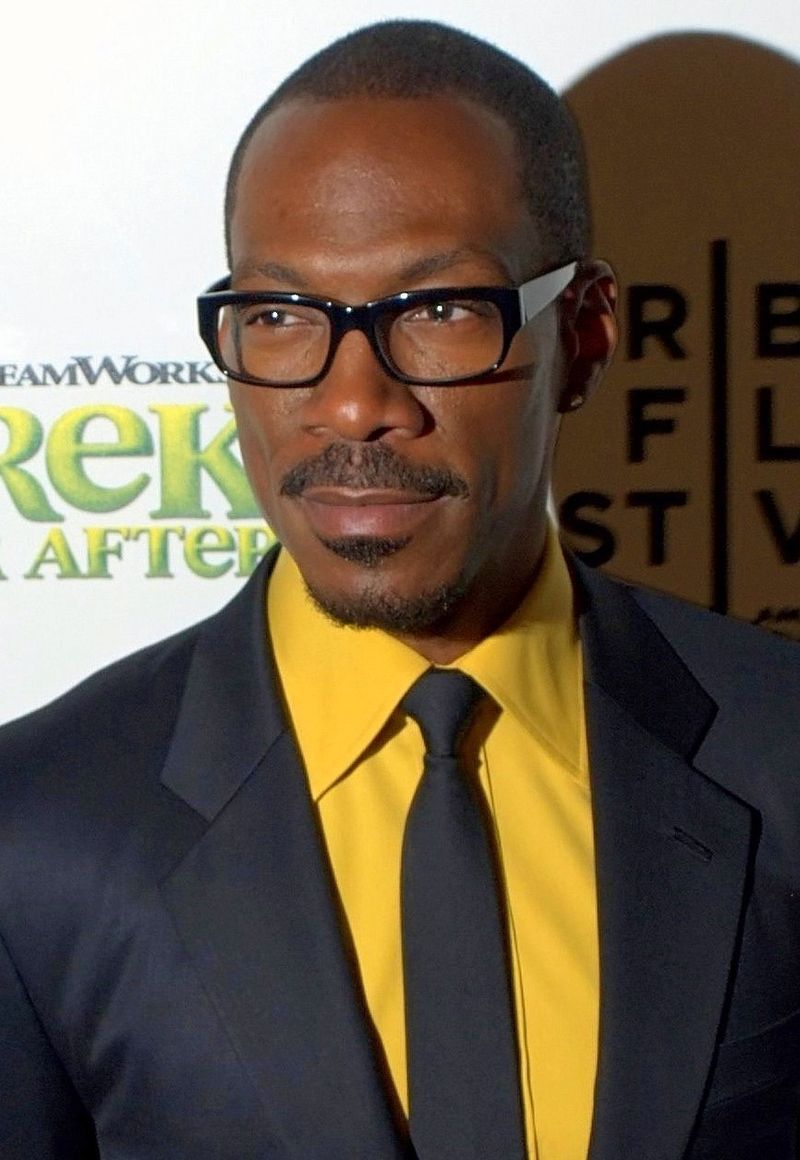
There is electric, and then there is Eddie Murphy in a red leather suit doing Delirious in 1983. That performance set a standard for stage charisma that comedians are still chasing decades later.
Murphy could slip between characters and stories so fast it felt like watching a one-man cast.
His influence stretches from Chris Rock to Kevin Hart, and his Saturday Night Live years are still studied as a masterclass in sketch performance.
16. Robin Williams: A Comedy Comet
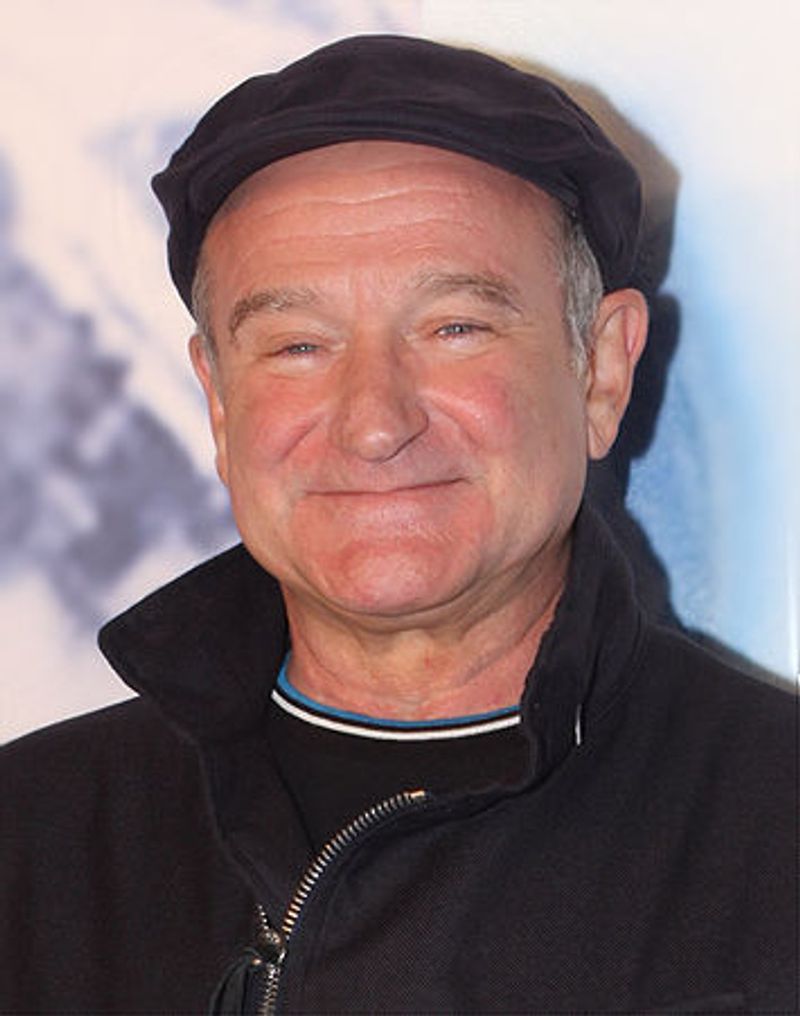
Watching Robin Williams perform live was like watching a lightning storm inside a person.
His improvisational speed was genuinely superhuman, jumping between accents, and emotions faster than most people can form a single sentence.
Beyond the laughs, Williams proved that great comedy lives right next to great drama. Good Morning Vietnam and Good Will Hunting showed a depth that floored critics.
However, it was his stand-up specials that showed the real engine behind all of it.
17. Jerry Seinfeld: The Setup Scientist
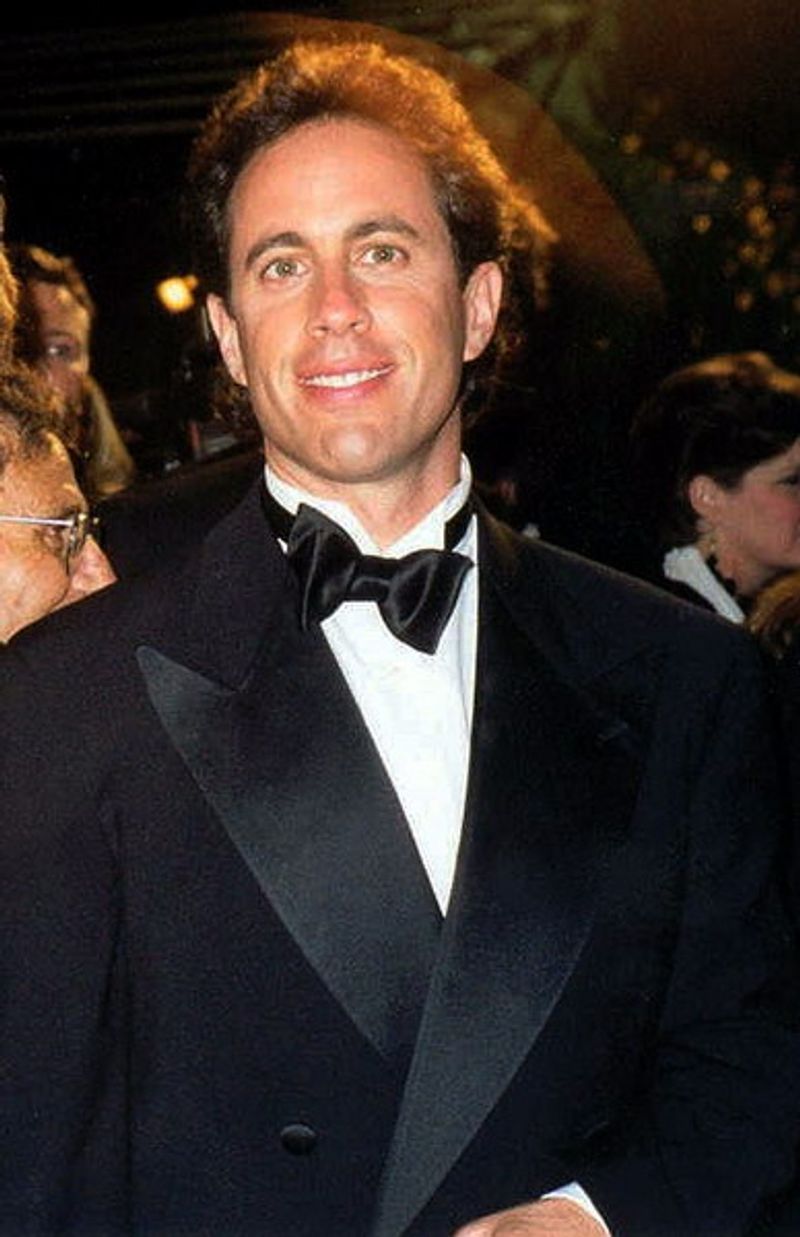
What is the deal with observational comedy? Well, Jerry Seinfeld basically perfected it, turning everyday annoyances like waiting in line or eating cereal into perfectly engineered laugh machines.
His setup-payoff structure is now literally taught in comedy writing courses.
Seinfeld, the sitcom he co-created, ran for nine seasons and is still syndicated globally. Even today, he performs over 80 shows a year because he genuinely loves the craft.
18. Chris Rock: Comedy With a Point
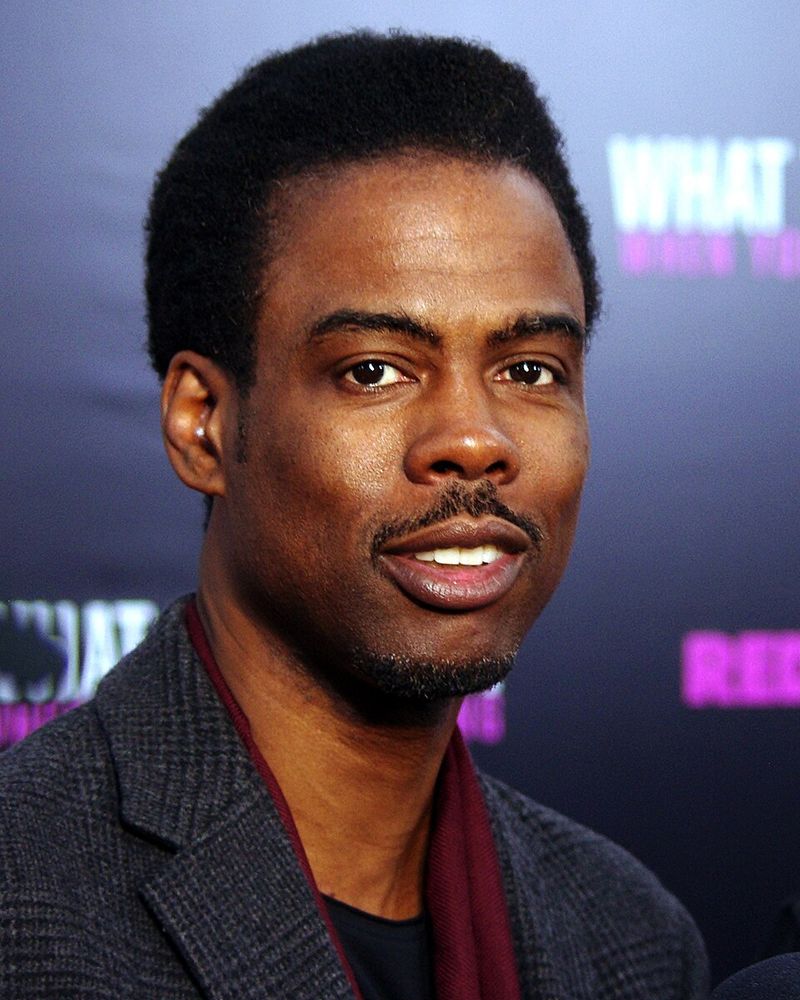
Sharp angles and absolutely no filler. Chris Rock approaches a comedy special the way a journalist approaches a headline.
Every word has to earn its spot or it gets cut.
His 1996 special Bring the Pain is frequently ranked among the greatest stand-up performances of all time, covering relationships and politics with a precision that felt more like surgery than entertainment.
Rock once said comedy is the blues for people who cannot play guitar. That line alone proves he is the real deal.
19. Dave Chappelle: The Long-Form Storyteller
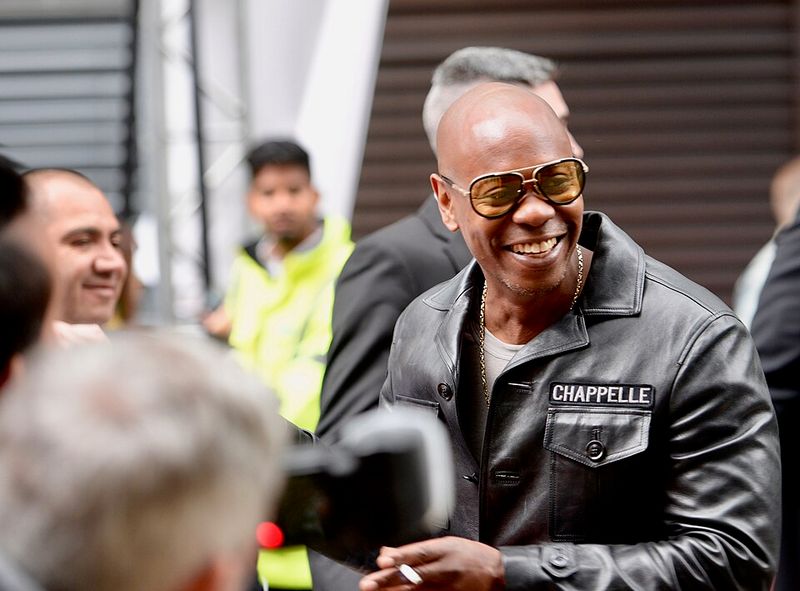
Where most stand-up acts sprint, Dave Chappelle takes a long, deliberate stroll that somehow ends exactly where it needs to.
His storytelling builds slowly, layers carefully, and then lands with a punchline that reframes everything you just heard.
Chappelle’s Show remains one of the most influential sketch programs in television history, and his Netflix specials consistently break streaming records.
Though his career has sparked major cultural debates, his technical control over comedic structure is genuinely hard to argue with.
20. Tina Fey: The Room Changer
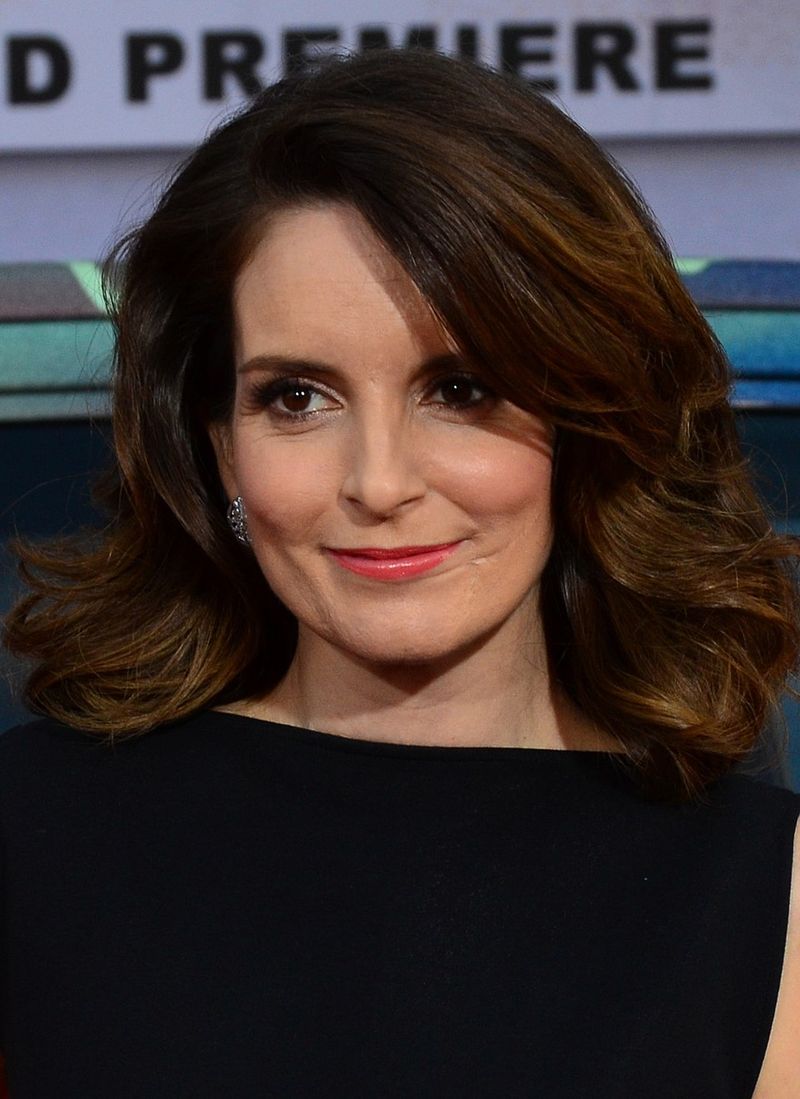
If comedy writing rooms had a Mount Rushmore, Tina Fey’s face would absolutely be on it.
She became the first female head writer at Saturday Night Live in 1999, and the writers’ room has never looked the same since.
30 Rock, which she created and starred in, ran for seven seasons and won 16 Emmy Awards.
Her Sarah Palin impression during the 2008 election became a genuine cultural moment.
Fey proved that the smartest person in the room can also be the funniest, and she did it with her own voice.