20 American Inventions That Became Childhood Favorites
Backyards, basements, and a little bit of curiosity turned into some of childhood’s best ideas. Simple fixes, lucky accidents, and “what if we tried this” moments somehow became toys that took over entire afternoons.
Fun shows up fast, and before long, those inventions turn into memories that stick around way longer than expected.
1. Crayola Crayons
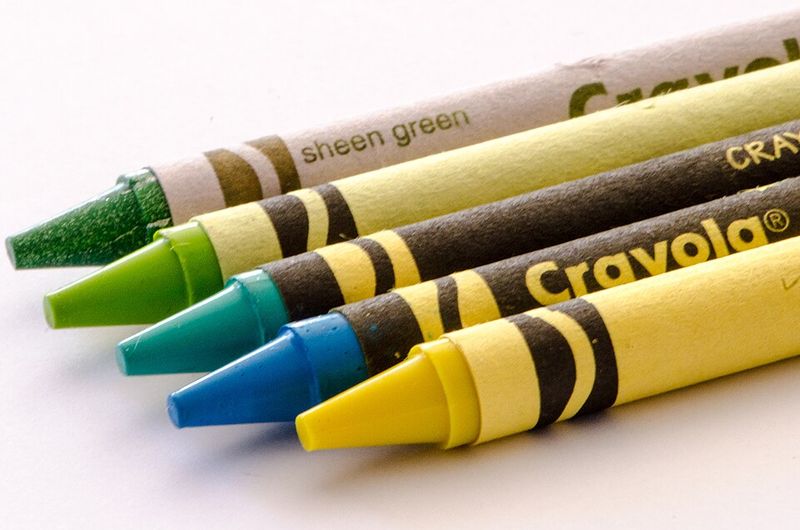
Somewhere between the cereal bowl and the school bus, a kid grabs a crayon and suddenly the whole world is a canvas.
Crayola launched its first box of eight colors in 1903, and the smell of those waxy sticks became one of childhood’s most iconic scents. Cousins Binney and Smith invented them in America, blending paraffin wax with pigment to create something teachers actually wanted in classrooms.
Crayola has produced well over 200 crayon colors over time. Macaroni and Cheese yellow, anyone?
2. Radio Flyer Wagon
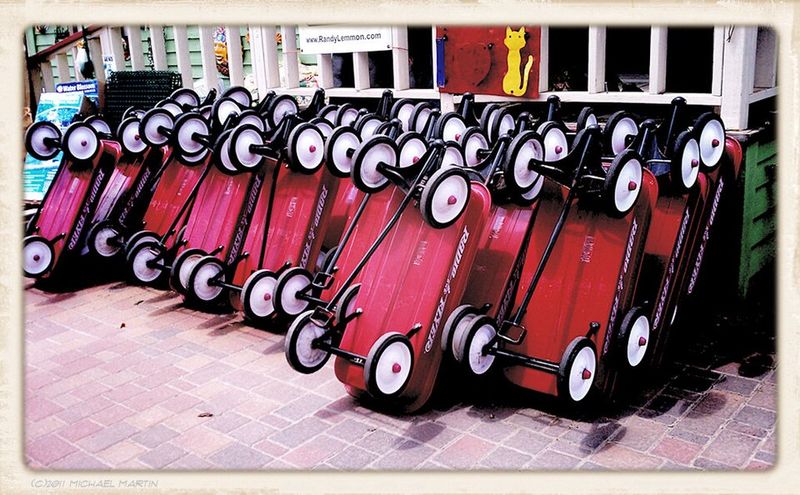
Sunlit Saturday energy fits perfectly with a red wagon full of stuffed animals rolling down the driveway like a tiny parade float.
Chicago became home to Antonio Pasin in the 1920s, where the Italian immigrant created the Radio Flyer and pulled its name from two fascinations: radio waves and flight.
Very little time passed before the little red wagon turned into a symbol of American childhood. Backyards across the country made room for it fast.
Classic appeal never really needed more than sturdy wheels and pure fun.
3. Tinkertoy
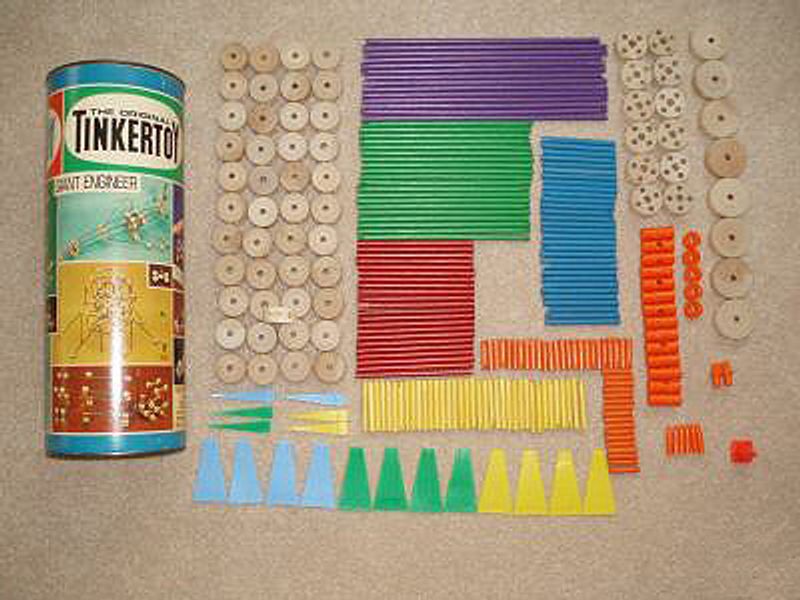
Observation of children at play led Charles Pajeau to imagine something new built from simple materials.
Launch of Tinkertoy in 1914 at a Chicago toy fair quickly captured attention, giving kids a hands-on way to create and experiment.
Wooden rods and circular hubs snapped together into windmills, animals, and whatever ideas took shape during long afternoons indoors. Simple concept opened the door to endless creativity, showing how imagination often grows strongest from the most basic beginnings.
4. Erector Set
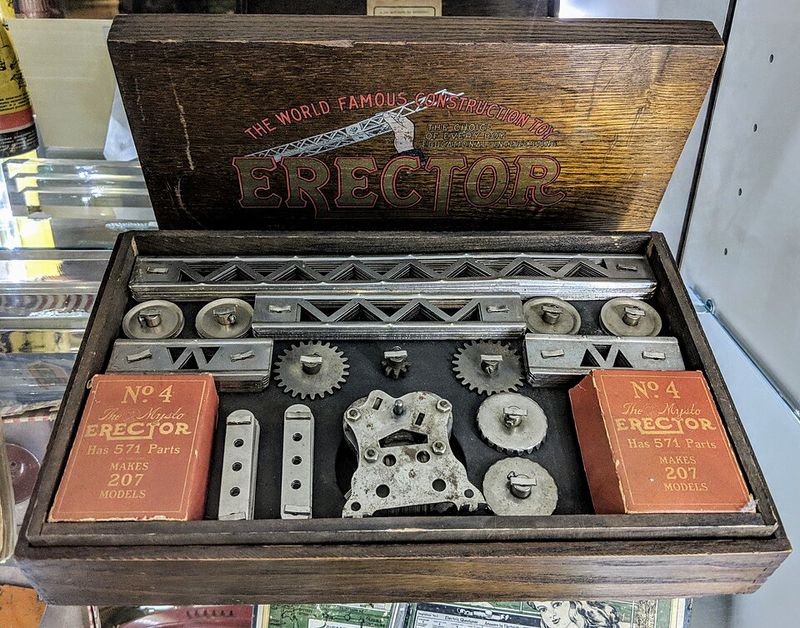
Metal beams, tiny nuts, a little wrench, and suddenly a kid in 1913 felt like the most capable engineer on the block.
A.C. Gilbert invented the Erector Set after spotting steel girders being used on a New York construction site from his train window.
He wanted boys to experience that same building thrill at home, so he packaged it all into a bright red tin box. Real tools, real pride, real fun.
5. Lincoln Logs
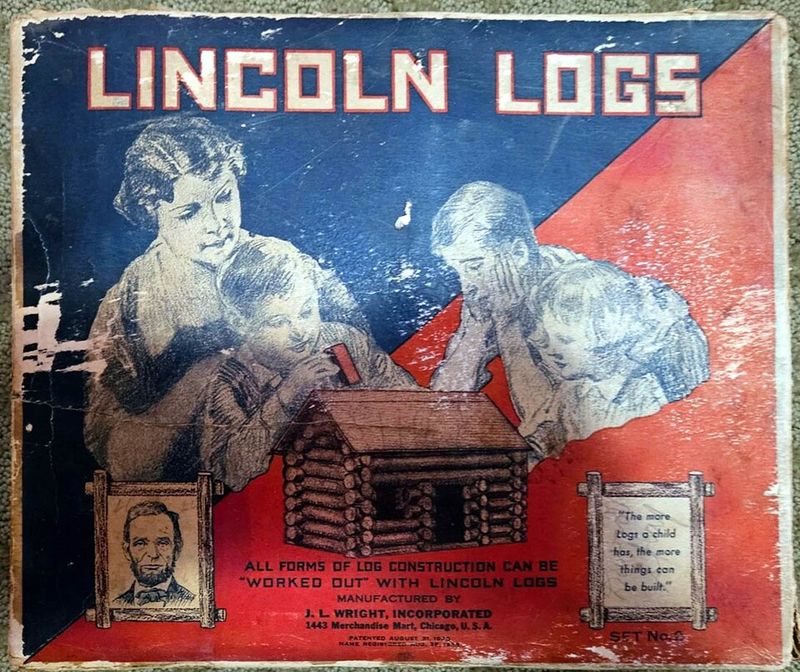
John Lloyd Wright developed the idea for Lincoln Logs around 1916–17, and the toy reached the market in 1924.
Notched wooden pieces stacked into tiny frontier cabins, barns, and forts, turning living room floors into full Wild West adventures.
Inspiration came from the interlocking foundation design used in his father’s Imperial Hotel in Tokyo. History class never had much chance of competing with that.
6. View-Master
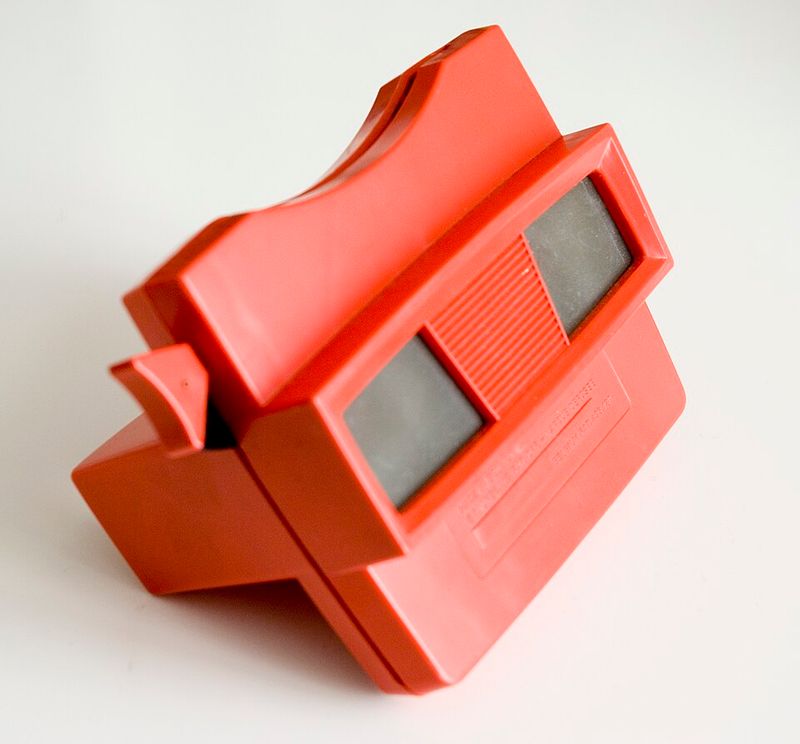
Click, and suddenly a new world comes into view. Invention from William Gruber and Harold Graves introduced the View-Master at the 1939 New York World’s Fair, quickly capturing the imagination of curious kids.
Bright red viewers paired with tiny photo reels carried scenes of national parks, cartoon adventures, and distant places straight into living rooms.
Small device delivered a sense of travel and discovery, turning everyday moments into something that felt far bigger than its size.
7. Play-Doh
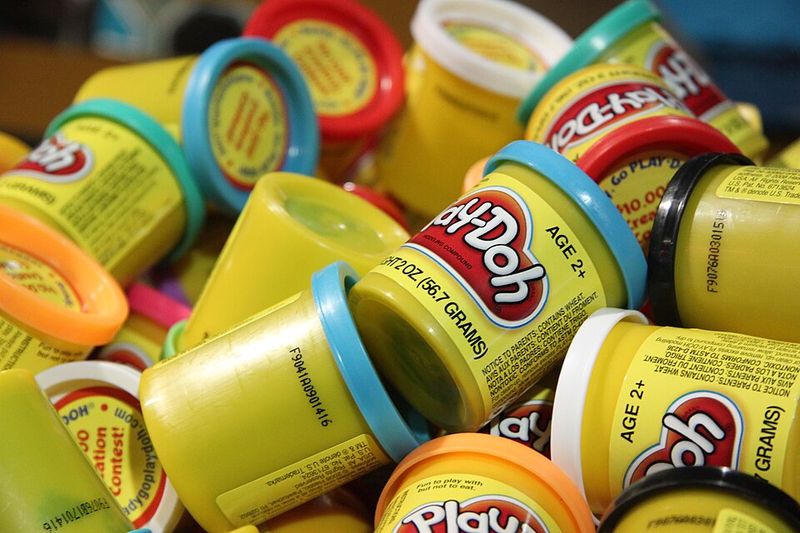
Wallpaper cleaner came first for Play-Doh, which still sounds made up even when it is completely true.
Everything changed once nursery-school teacher Kay Zufall helped turn the wallpaper cleaner into a modeling compound for children, and the product reached the toy market in 1956.
Few smells trigger childhood memories faster than that salty, doughy scent released the second the lid comes off. Quite a career leap for something that started out scrubbing walls.
8. Slinky
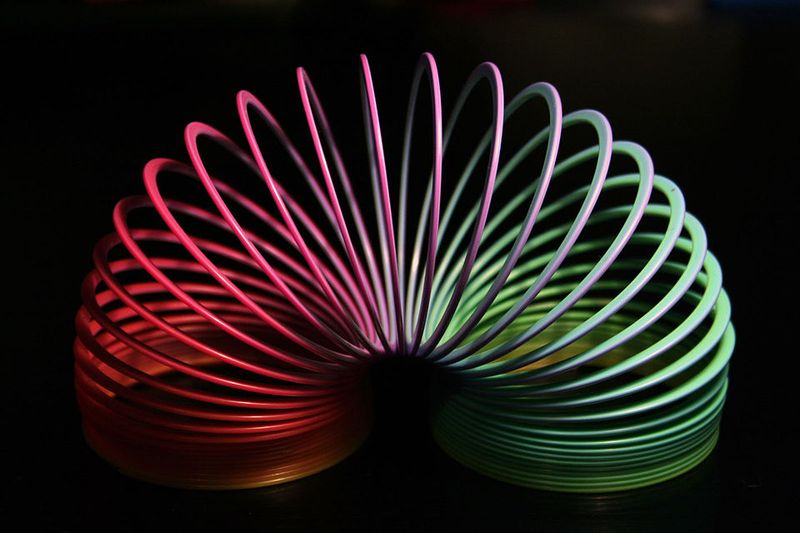
Accidental moment in 1943 led Richard James to notice a tension spring “walking” across the floor and imagine its potential as a toy. That idea became the Slinky, debuting at a Philadelphia department store in 1945 and selling out 400 units in just 90 minutes.
Coiled metal moving step by step down a staircase created a simple, mesmerizing rhythm that quickly became part of everyday play.
Gravity working with a spring turned into a lasting source of entertainment, proving how quickly a small discovery can turn into a classic.
9. Frisbee
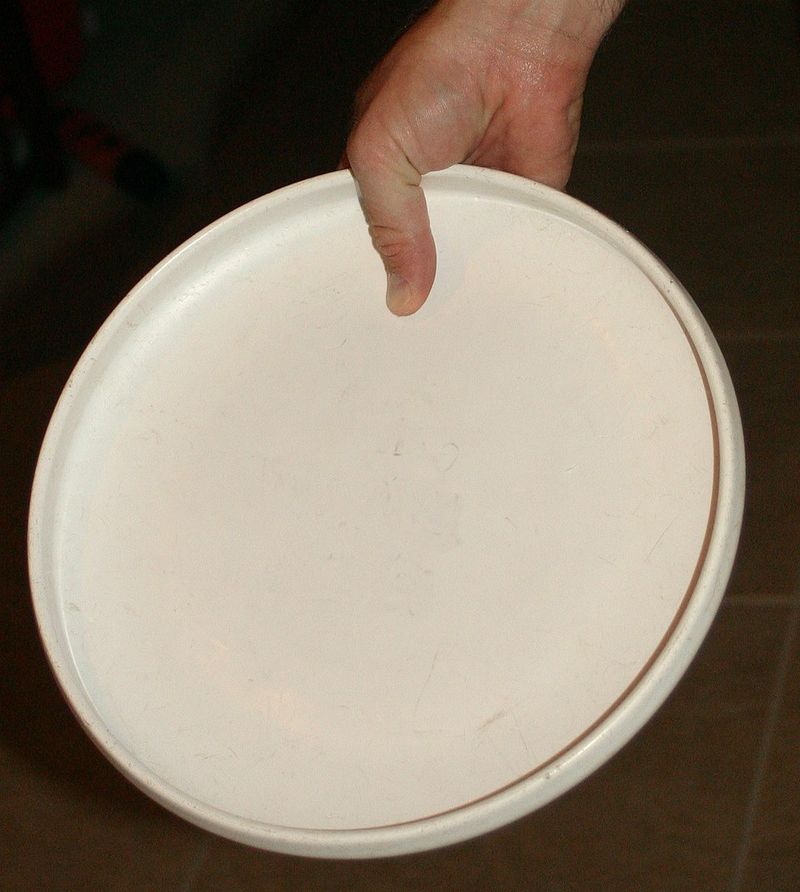
Flying-disc play grew out of people tossing Frisbie Pie Company tins, and later Walter Morrison’s plastic disc helped turn the idea into a mass-market toy.
Walter Morrison turned that airborne tin idea into a plastic flying disc, and Wham-O bought the design in 1957, officially naming it the Frisbee. Parks, beaches, and backyards have never been the same, especially when the dog decides to join the game uninvited.
Few things beat a perfect throw on a breezy afternoon.
10. Hula Hoop
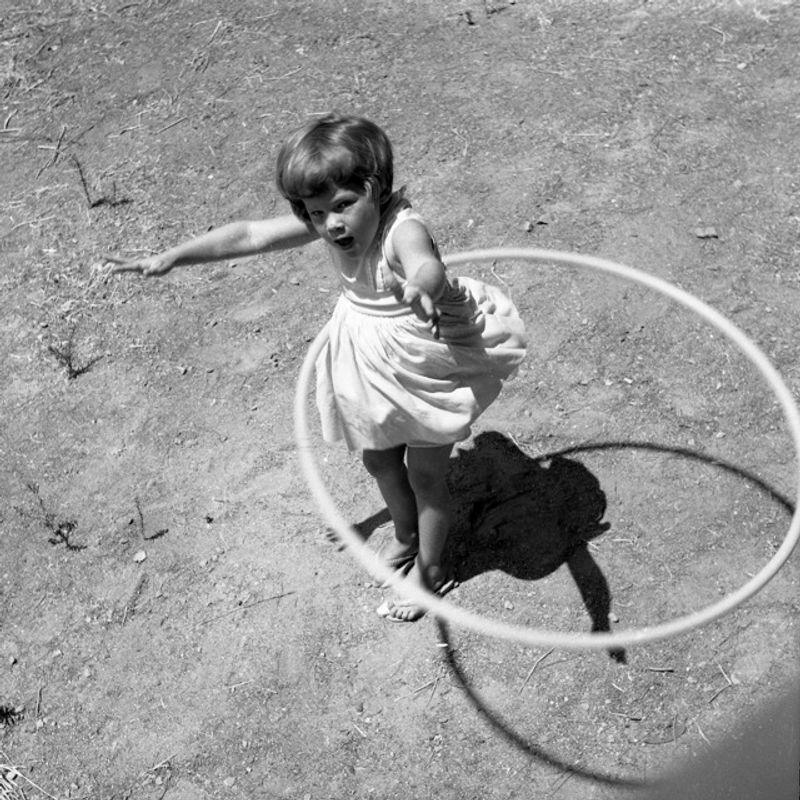
Toy executives would probably love to see numbers like Wham-O moving 25 million Hula Hoops in only four months after the 1958 launch.
Wham-O popularized a lightweight plastic version of the hoop in 1958 after seeing hoop play associated with Australian exercise culture.
Suddenly, every kid on the block needed one right away. Recess never stood a chance once those hips got moving.
11. Easy-Bake Oven
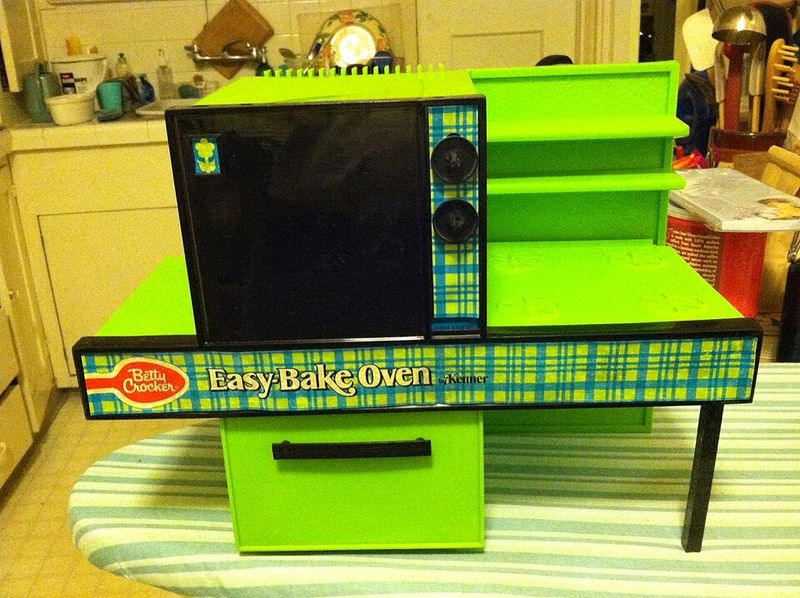
Idea from Ronald Howes at Kenner Products led to the creation of the Easy-Bake Oven in 1963, using a simple light bulb as a heat source.
Tiny appliance produced real, edible treats, giving young users a sense of independence and creativity in the kitchen.
Over the decades, more than 30 million units sold, showing how strongly the concept resonated with generations of kids. Small design delivered outsized excitement, turning simple baking into something that felt imaginative and rewarding.
12. Silly Putty
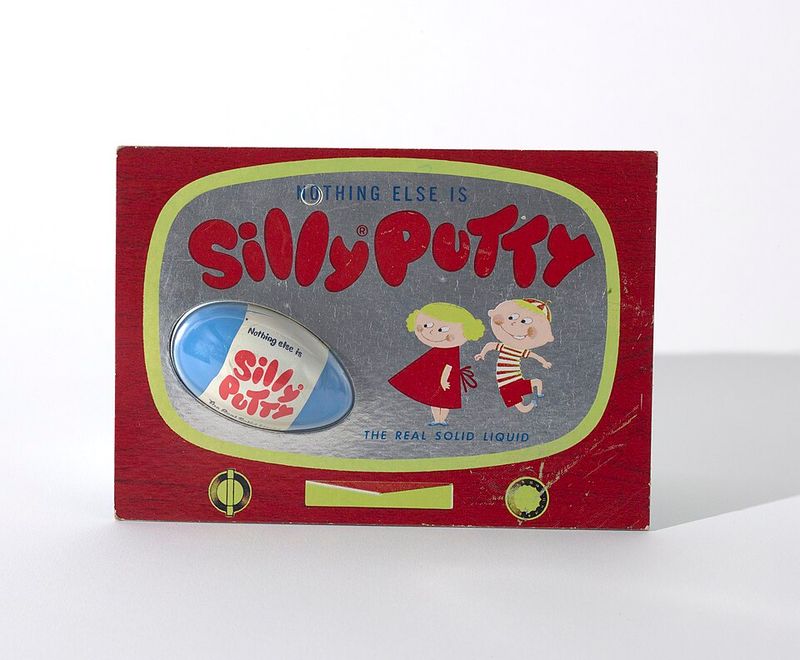
James Wright created the bouncing putty while working on a synthetic rubber substitute, and Peter Hodgson later recognized its toy potential and introduced Silly Putty in 1950.
Silly Putty hit toy stores in 1950 after marketer Peter Hodgson spotted its playful potential, packed it into plastic eggs, and sold it for a dollar apiece. Kids discovered it could copy comic strips right off the newspaper, which felt like magic every single time.
Happy accidents make the best inventions.
13. Rock ‘Em Sock ‘Em Robots
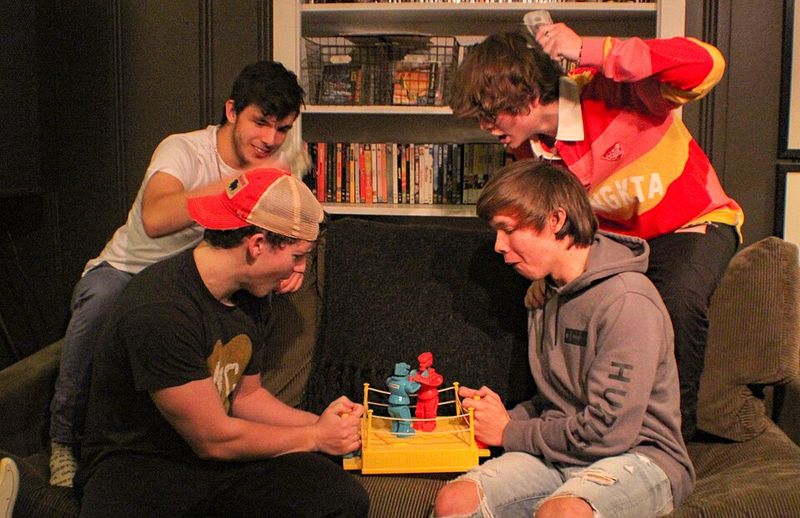
Plastic robots stepping into a boxing ring gave sibling rivalry its own official arena almost overnight.
Marx Toys launched Rock ’Em Sock ’Em Robots in 1964, and the game turned into a living room legend with barely any delay.
Button-mashing sends each fighter swinging jabs and uppercuts until one head springs off the neck with that perfect plastic pop people never really forget. Few toy battles have ever settled things with more style.
14. Super Soaker
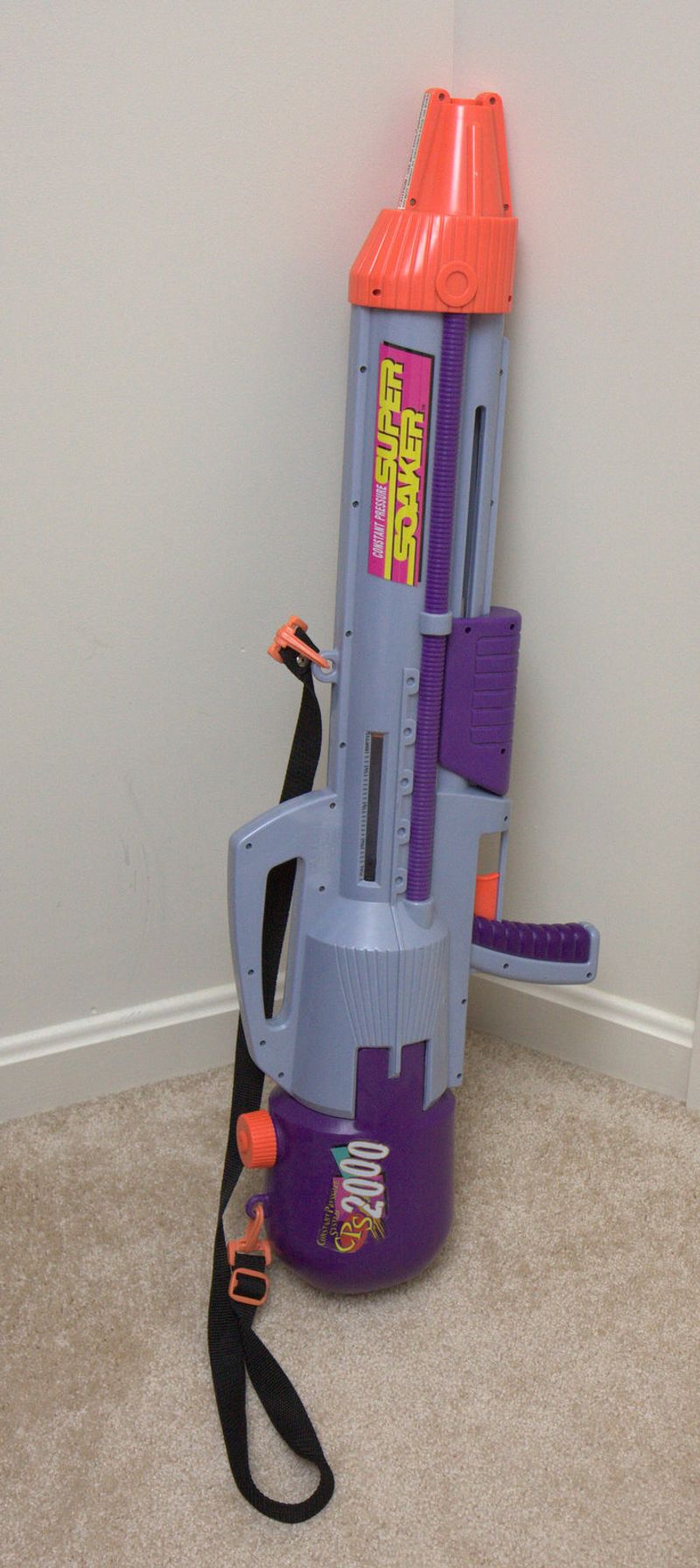
Experiment in 1982 led Lonnie Johnson to notice a powerful stream of water and recognize its potential as a toy. That idea became the Super Soaker, launching in 1990 and transforming backyard water fights with high-pressure streams.
Success of the invention helped establish Johnson as one of America’s most accomplished Black inventors.
Science and play came together in a way that turned summer afternoons into something far more memorable.
15. Slip ‘N Slide
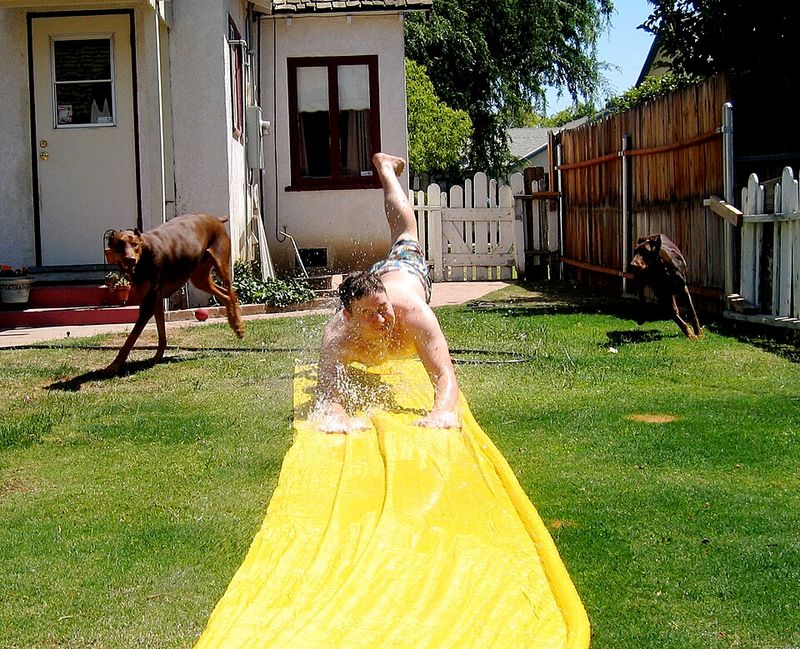
Robert Carrier invented the Slip ‘N Slide in 1961 after watching his kid slide across the wet grass in the backyard and thinking that needed to be longer and wetter.
Wham-O turned the idea into a long yellow vinyl runway that connected to a garden hose, and summer afternoons were never the same again. The squeal of bare feet hitting slick plastic on a blazing hot day is pure childhood gold.
No pool? No problem. Just add water.
16. K’Nex
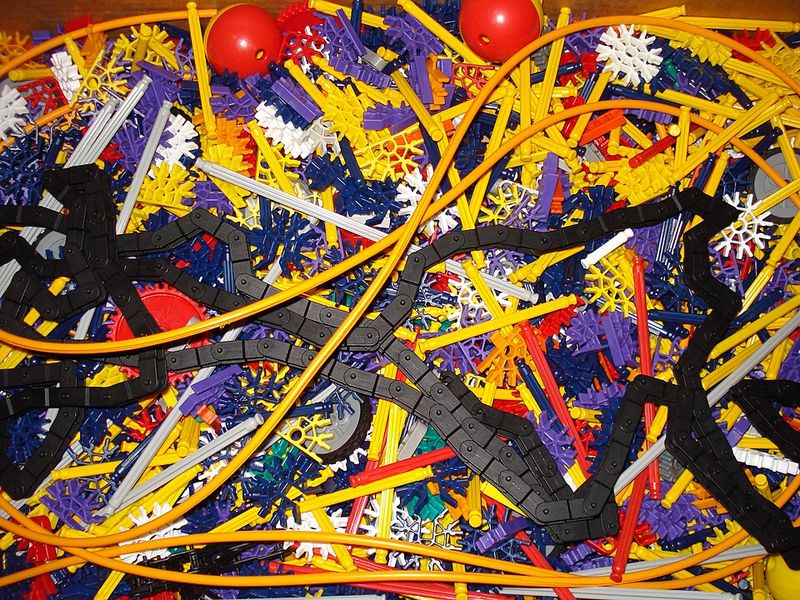
Plastic drinking straws at a 1990 wedding gave Joel Glickman the spark for an idea that would grow into something much bigger.
Store shelves got K’Nex a few years later, giving kids a building system that pushed far past simple blocks and turned colorful rods and connectors into roller coasters, ferris wheels, and bridges. Engineering suddenly looked brighter, bigger, and a lot more fun.
Big builds always start with small pieces.
17. Lite-Brite
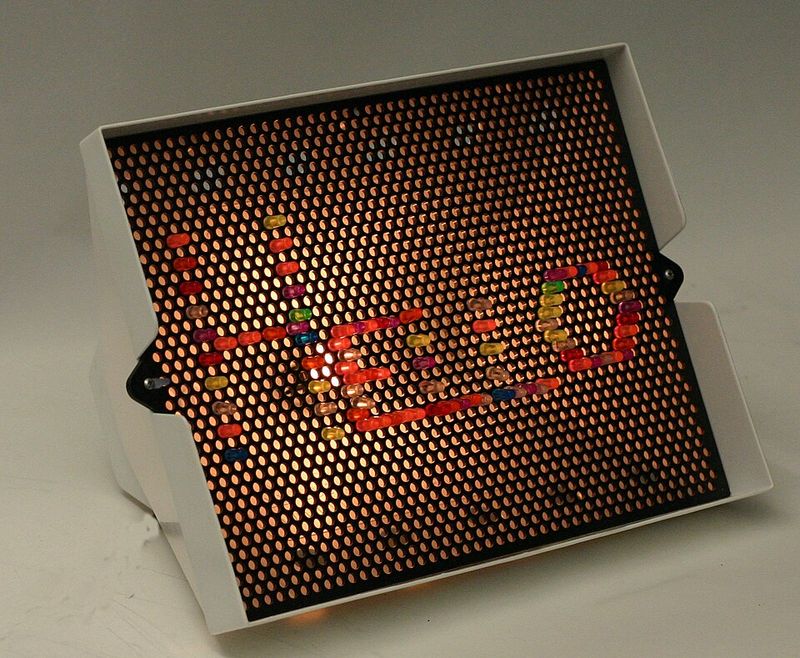
Pushing tiny colored pegs into a glowing grid felt like running a miniature light show from the bedroom floor.
Launch of Lite-Brite by Hasbro in 1967 introduced a creative ritual built around color, pattern, and illumination.
Dimmed lights transformed finished designs into bright displays, delivering a moment that felt surprisingly magical for such a simple setup. Art and light came together in a way that made creativity feel instantly rewarding and easy to return to again and again.
18. Magic 8 Ball
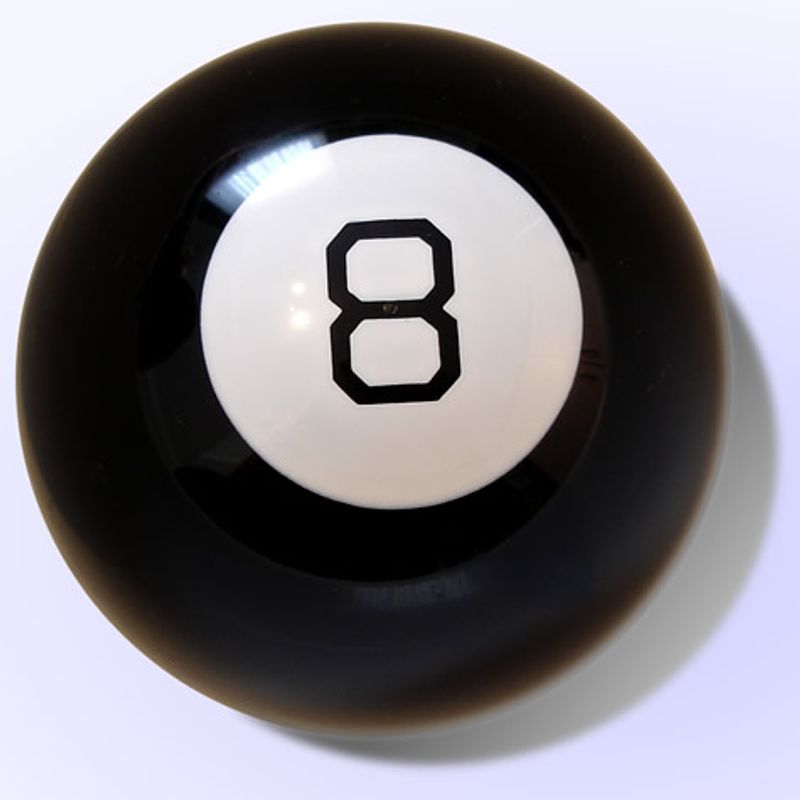
Ask it a question, flip it over, and wait for the murky blue window to reveal your fate. Will it say Outlook not so good? Signs point to yes?
Albert Carter and Abe Bookman’s invention evolved into the Magic 8 Ball in 1950, and it later became a favorite novelty toy for children. Twenty possible answers, zero actual magic, endless fun.
Reply hazy, try again. Obviously.
19. Speak & Spell
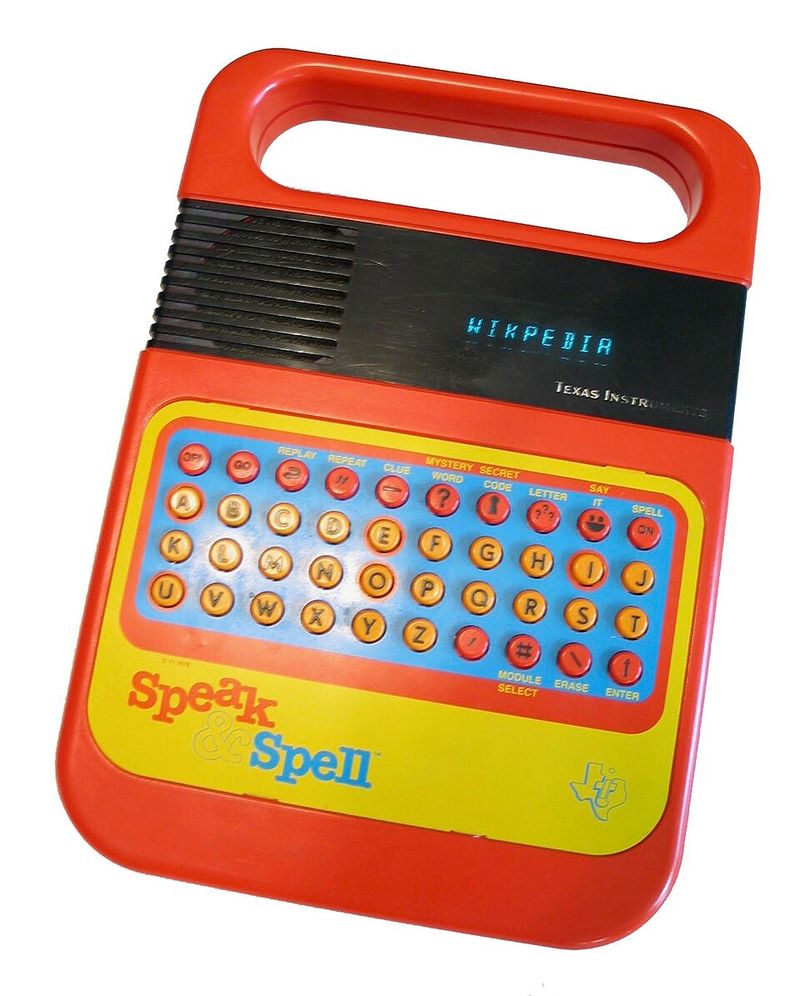
Texas Instruments introduced Speak & Spell in 1978, and the toy quickly felt like learning delivered by a patient little robot.
Chunky orange plastic, spelling quizzes, cheerful beeps, and gentle corrections gave the gadget a futuristic charm many classrooms could not match.
Even E.T. helped lock it into pop-culture memory. Few lessons ever sounded quite that futuristic.
20. Nerf
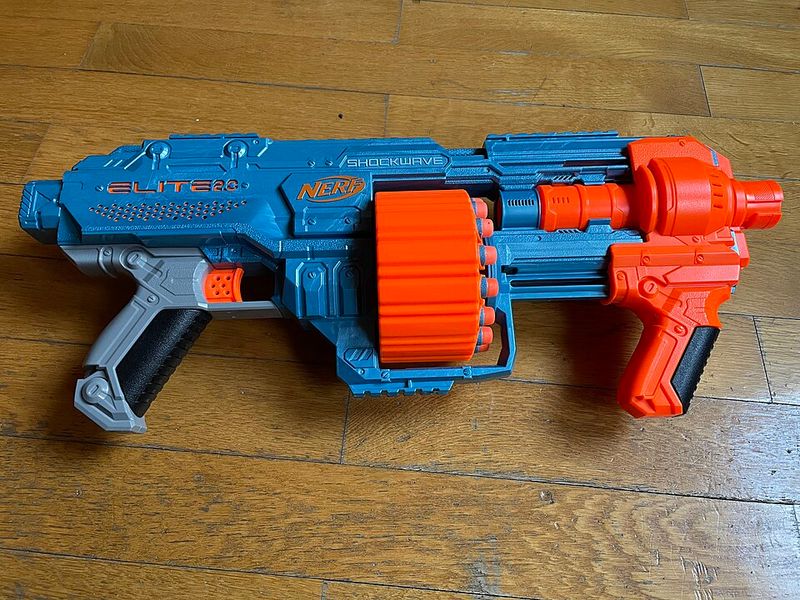
Idea from Reyn Guyer led to the creation of the Nerf ball in 1969, marketed as the first official indoor ball. Parker Brothers marketed Nerf as the first official indoor ball, emphasizing that it was soft enough for indoor play.
Promotion by Parker Brothers leaned into that safety, effectively giving kids permission to bring the game inside.
Soft foam launched an entire universe of toys, turning one simple concept into a lasting staple of everyday play.
Disclaimer: This article is provided for general informational and entertainment purposes and is based on publicly available toy histories, museum records, and company or reference materials available at the time of writing.