16 Audrey Hepburn Details That Add To Her Lasting Appeal
Audrey Hepburn had the kind of presence that makes “screen icon” feel almost too small.
Plenty of stars were glamorous. Very few made elegance look so effortless that an entire room seemed to rearrange itself around them.
That is part of why her appeal never really went anywhere. Style helped, obviously.
So did the voice, the grace, and the face that somehow managed to look both delicate and completely in charge.
Still, none of that tells the whole story. Real staying power comes from the smaller details, little pieces of personality that keep a legend feeling vivid instead of frozen in old photographs.
Audrey had plenty of those. Some make her seem even more polished. Others make her feel warmer, funnier, and more human than the myth usually allows.
1. An Oscar on Her Very First Try
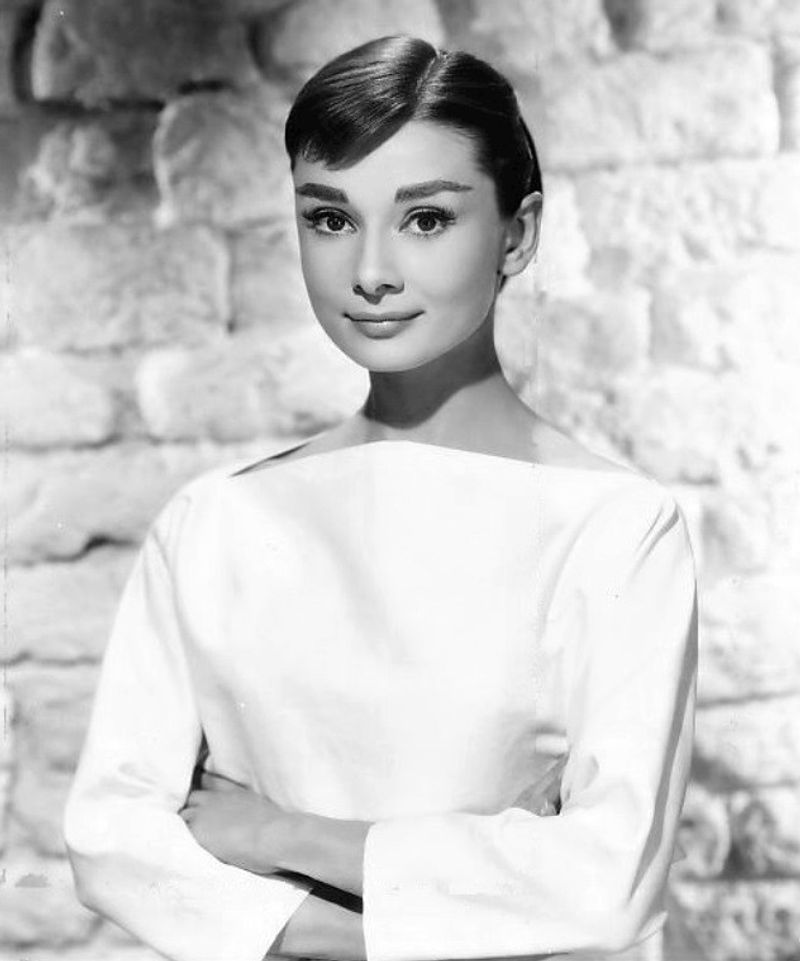
Winning an Academy Award on your first major starring role is not just impressive, it is almost unheard of.
At just 24 years old, Audrey Hepburn took home Best Actress for Roman Holiday at the 26th Academy Awards in 1954. That single win did more than fill a trophy shelf.
It told the entire film world that this was not a lucky casting choice. Her performance as Princess Ann was so believable and charming that audiences forgot they were watching acting.
That instant stamp of excellence gave her career a launchpad most stars only dream about.
2. Elegance That Never Looked Like Effort
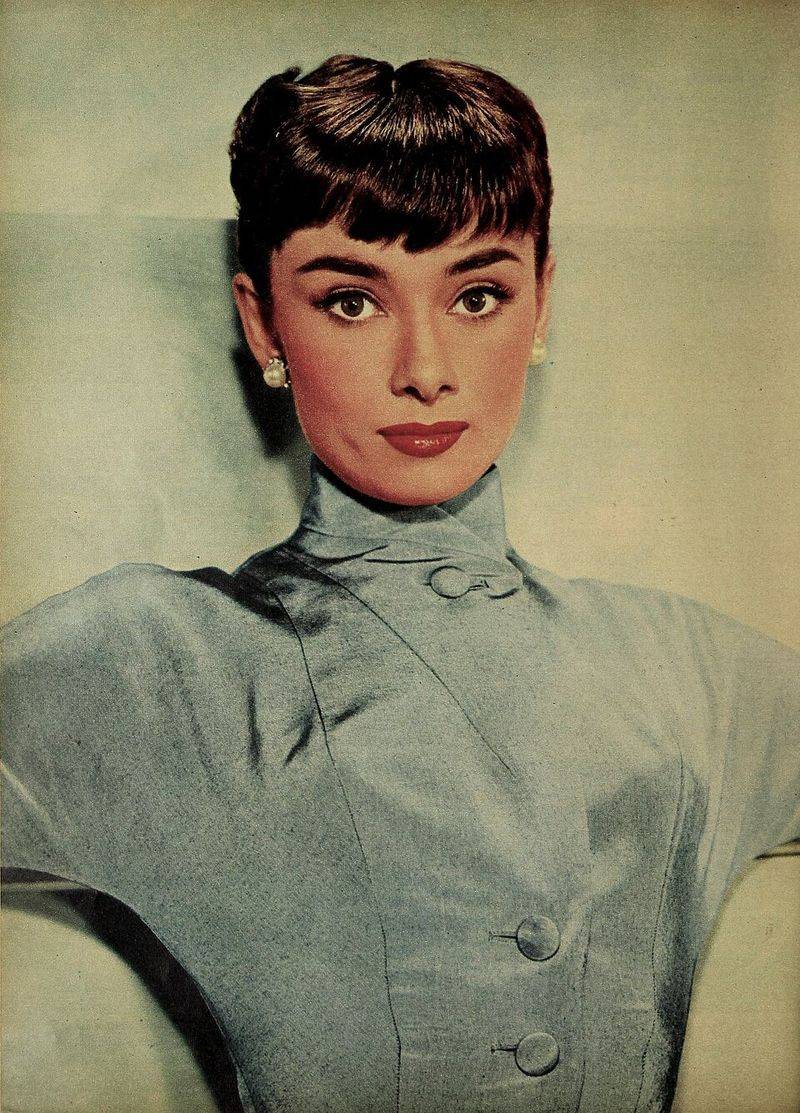
Ever notice how some people make looking amazing seem completely effortless? That was Audrey Hepburn’s secret weapon. Her poise was never stiff or performed.
Whether she was on a red carpet or running lines between takes, she moved through every room like the room was lucky to have her. That natural quality is what made her style feel timeless rather than trendy.
Flashy glamour fades fast, but quiet confidence? That sticks around.
Generations of fashion lovers keep returning to her image precisely because it never feels like she was trying too hard.
3. A Wartime Childhood That Shaped Everything
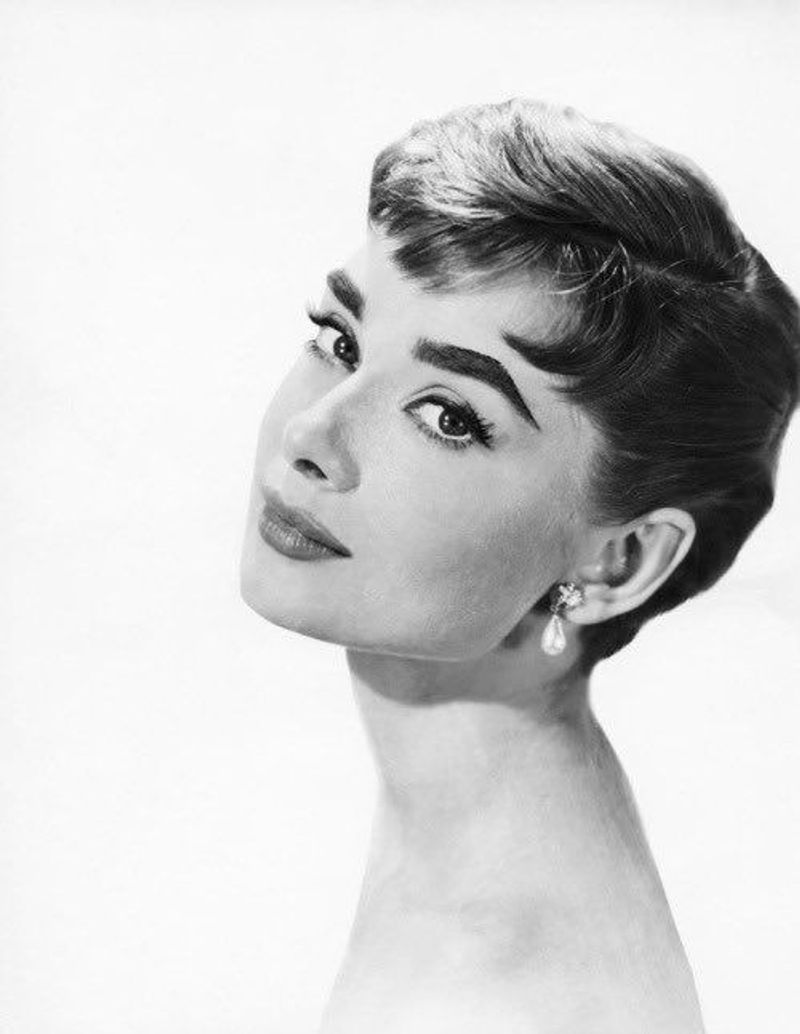
Behind the glamour was a girl who survived something truly hard.
Growing up in the Netherlands during World War II, Hepburn witnessed food shortages, fear, and loss firsthand.
Her family was directly affected by the German occupation, and those years left permanent marks on her. However, those marks became fuel.
The empathy she showed later in her humanitarian career was not manufactured for publicity. It came from real memory.
She was expressing something she had carried quietly inside her for decades.
4. Ballet Training Built Her Body Language
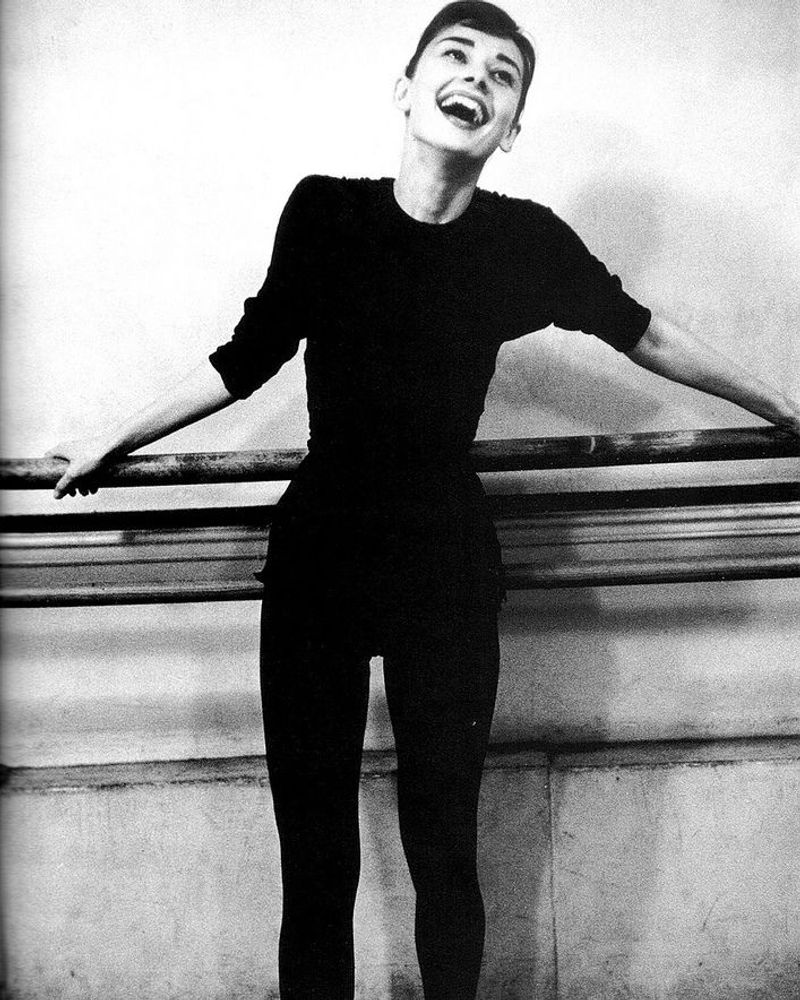
Before Hollywood came calling, Audrey Hepburn was seriously committed to ballet.
She trained under Sonia Gaskell in Amsterdam and later studied in London with Marie Rambert, two major names in the dance world. That dedication was not just a hobby phase.
Ballet gave her the physical vocabulary that made her so mesmerizing on screen. The way she held her neck, moved her hands, and carried her posture was all rooted in years of disciplined training.
Audiences felt the grace without knowing its source.
5. Soft on the Outside, Steel on the Inside
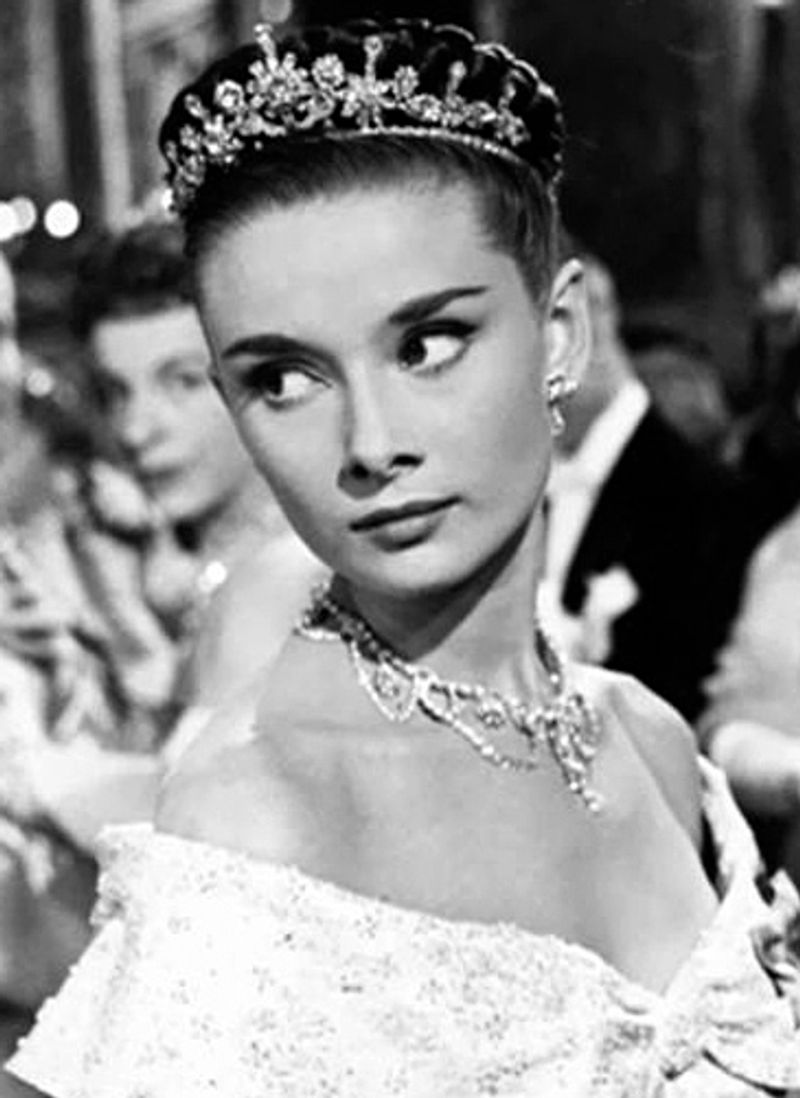
Hollywood had plenty of tough-girl archetypes and femme fatales, but Audrey Hepburn carved out something different.
Her characters were gentle, yes, but they were never pushovers. Think of Princess Ann in Roman Holiday, a woman who chooses duty over desire with quiet dignity. That takes backbone.
Her performances showed that softness and strength are not opposites. Wit, warmth, and resolve could all live in the same character without canceling each other out.
That combination felt fresh in mid-century cinema and still resonates today. Audiences, especially younger ones, connect with characters who are kind but also firmly themselves.
6. She Rewrote the Rules of Movie-Star Beauty

The 1950s had a very specific idea of what a movie star should look like. Think big hair, bold curves, and maximum drama.
Audrey Hepburn walked in and quietly disagreed with all of it. Her look was lean, understated, and built on clean lines rather than spectacle.
That choice changed things permanently. She proved that beauty did not need to shout to be noticed.
A cropped pixie cut and a simple dress could stop a room just as effectively as diamonds and sequins. Decades later, the minimalist aesthetic she championed still shows up everywhere from runways to Instagram feeds.
7. Givenchy Changed Fashion History With Her
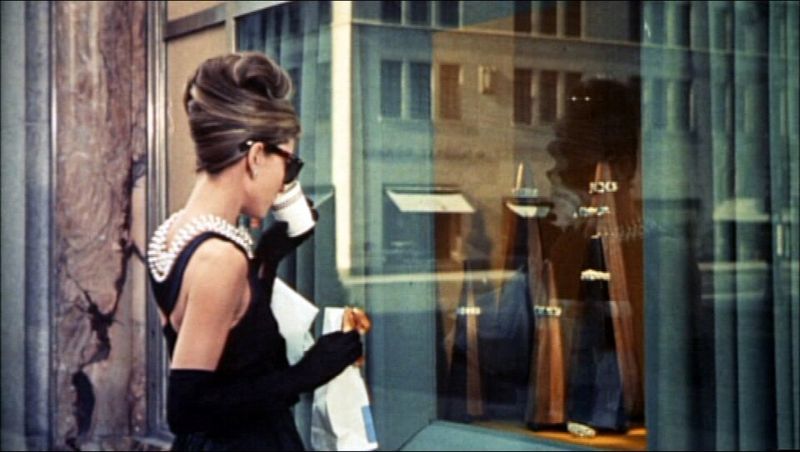
Few creative partnerships in fashion history have been as legendary as the one between Audrey Hepburn and designer Hubert de Givenchy.
Their collaboration began in 1953 when she walked into his Paris studio, and it never really ended. He dressed her for films, red carpets, and everyday life.
Givenchy once called her his muse, and the feeling was mutual. She wore his designs with such authenticity that the clothes and the woman became inseparable in public memory.
The iconic black dress from Breakfast at Tiffany’s is a Givenchy creation. Just saying, that is one outfit that broke the internet before the internet even existed.
8. Simplicity Was Her Superpower
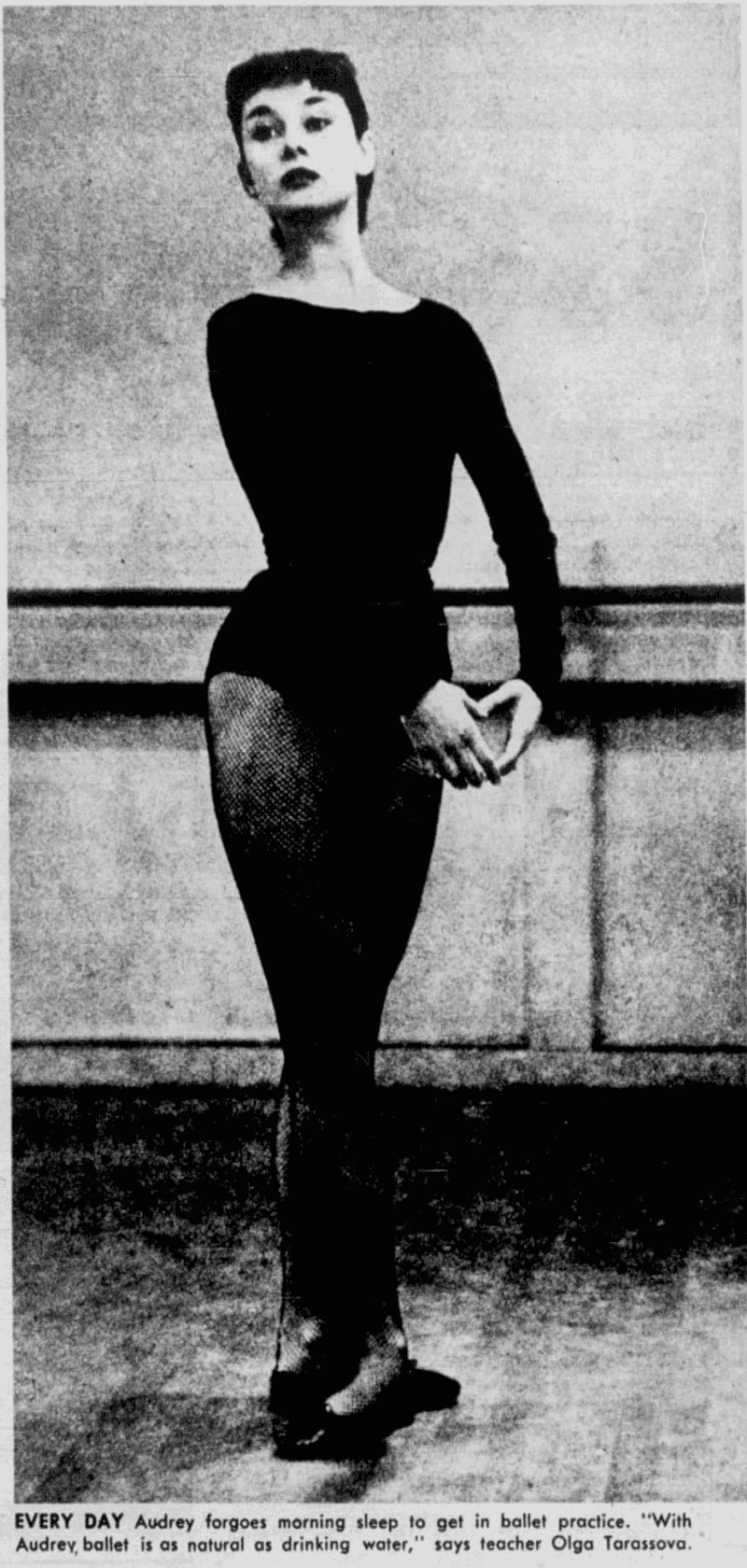
Black dresses. Ballet flats. Cropped trousers. Clean lines. On paper, that wardrobe sounds almost boring. On Audrey Hepburn, it became the most copied look in fashion history.
She had a gift for making the stripped-back version of anything feel like the definitive version.
Part of that magic came from confidence. She did not need accessories stacked to the ceiling or a dramatic entrance.
A simple outfit worn with complete conviction communicates something that no amount of embellishment can fake.
9. Her Comic Timing Was Genuinely Sharp
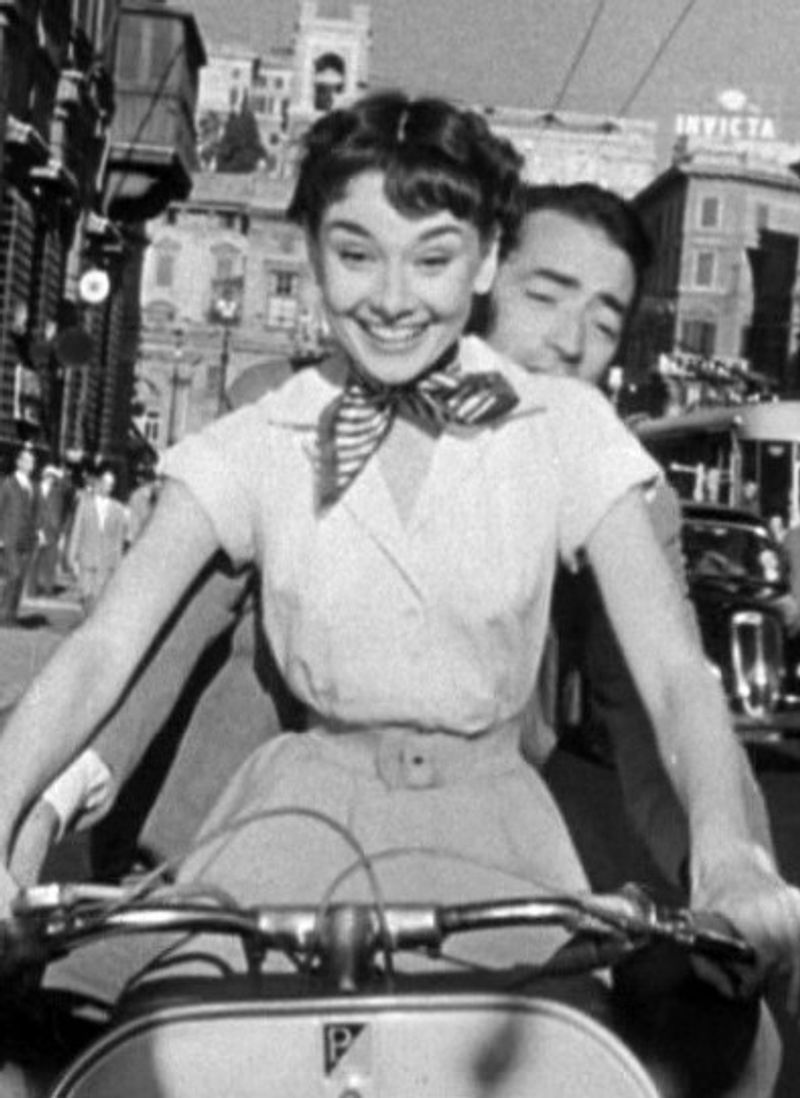
People remember Audrey Hepburn for elegance, but they sometimes forget she was genuinely funny. Watch her in Roman Holiday or Sabrina and you will catch it immediately.
Her timing was light and completely unforced. She never oversold a joke, which somehow made every comedic moment land harder.
Comedy is tricky and the temptation to push a punchline too far is real. She always knew exactly when to pull back.
Her humor felt like something overheard rather than performed, which made it feel real.
10. Fame Never Made Her Seem Untouchable

Peak fame can make celebrities feel like they exist behind glass. Hepburn was the opposite.
Even at the height of her stardom, she carried a warmth and modesty that made audiences feel genuinely close to her. She was not performing relatability for a camera. It seemed to be who she actually was.
That accessibility is rare and valuable. Fans love people who feel human.
Hepburn managed to be one of the most famous women on the planet while somehow still feeling like someone you might know.
11. A Face That Defined a Generation
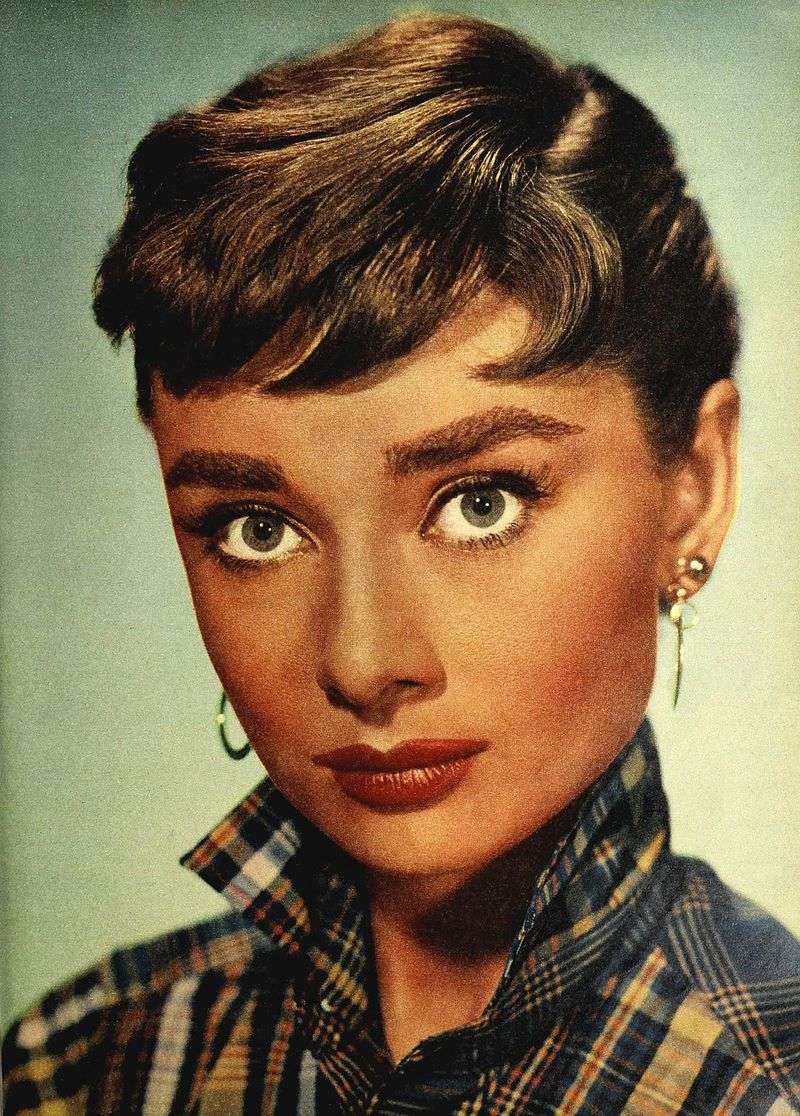
Big, luminous eyes. Expressive arched brows. A smile that somehow managed to be both playful and sincere at the same time.
Audrey Hepburn’s face was uniquely readable. Every emotion translated clearly, which made her extraordinary to watch in close-up shots.
Directors loved that quality. A great face in cinema is one that tells a story without a single line of dialogue.
Hers did that effortlessly.
Decades later, her image is still used in art, advertising, and pop culture because it communicates something instantly recognizable.
12. Her International Background Set Her Apart
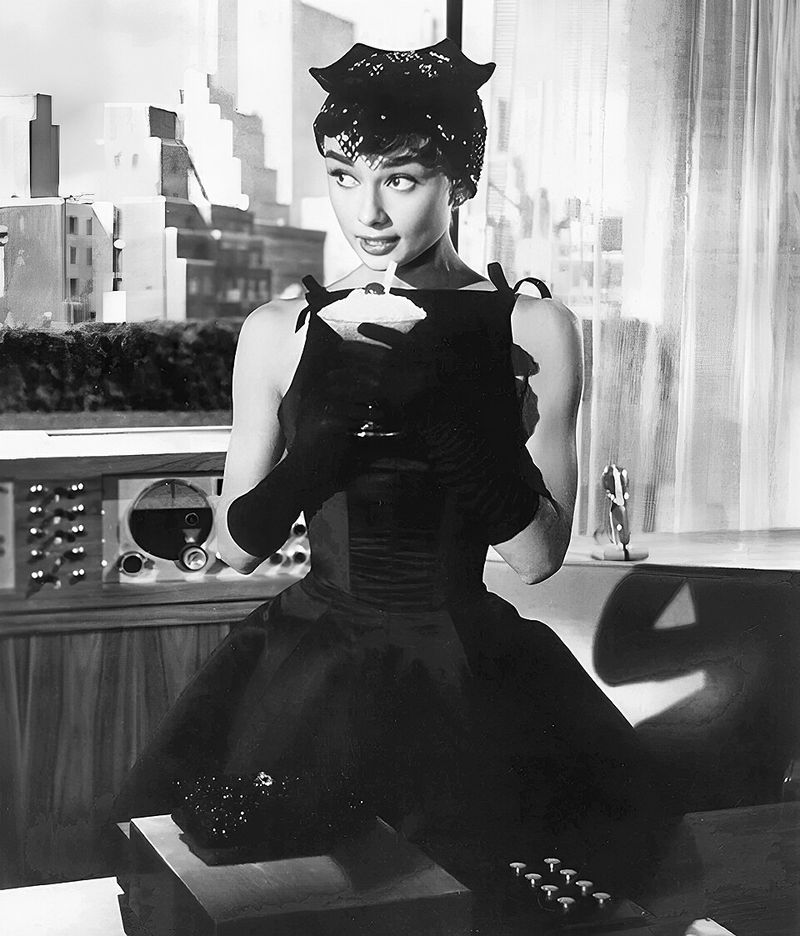
Born in Belgium, raised partly in the Netherlands, trained in London, and famous in Hollywood. That is a pretty remarkable geographic journey before turning 25.
Her accent and upbringing gave her a cosmopolitan quality that was genuinely unusual for mid-century Hollywood stars, most of whom had very American images.
Fluent in English, Dutch, French, Italian, Spanish, and German, she could connect with audiences across entire continents in ways that most stars simply could not.
That international texture made her feel like she belonged everywhere and nowhere at once, which is a quality that translates beautifully on screen.
13. Kindness Was Part of Her Brand Before That Was a Thing
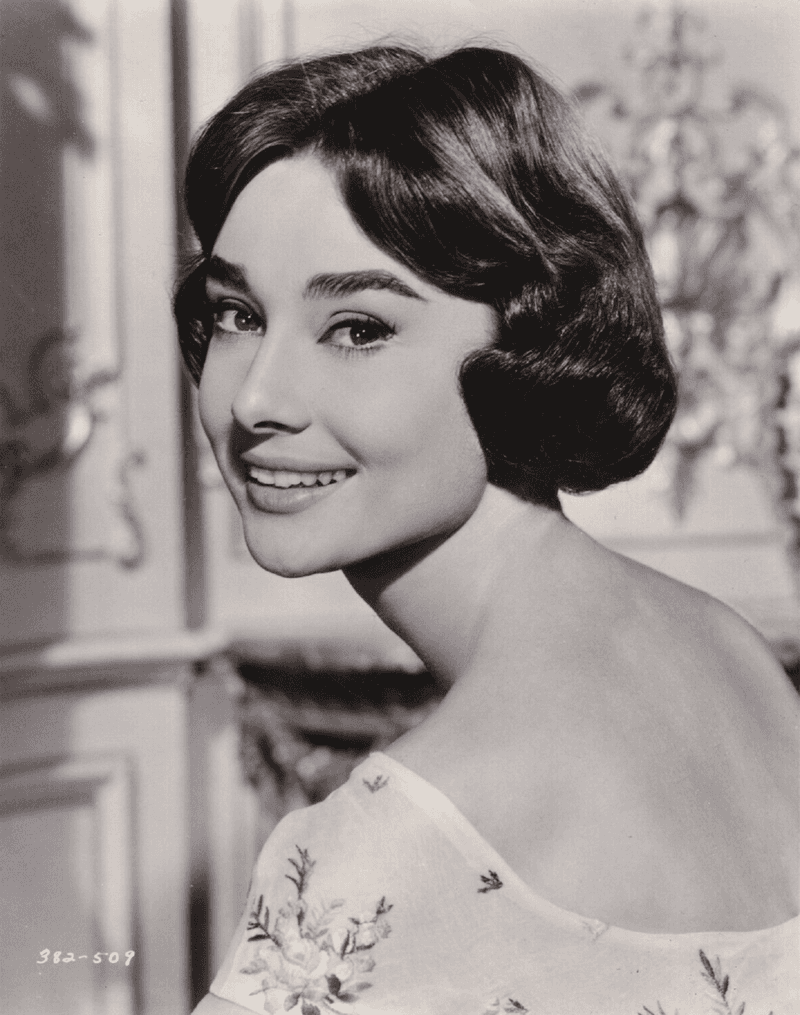
Plenty of celebrities are admired. Far fewer are genuinely remembered as kind.
Audrey Hepburn managed to build a reputation for real human warmth that ran parallel to her fame rather than being overshadowed by it.
People who worked with her consistently described her as thoughtful, considerate, and genuinely present. That reputation mattered then, and it matters even more now.
In an era where public image is managed to the millisecond, audiences are hungry for authenticity.
14. UNICEF Gave Her Legacy a Second Chapter
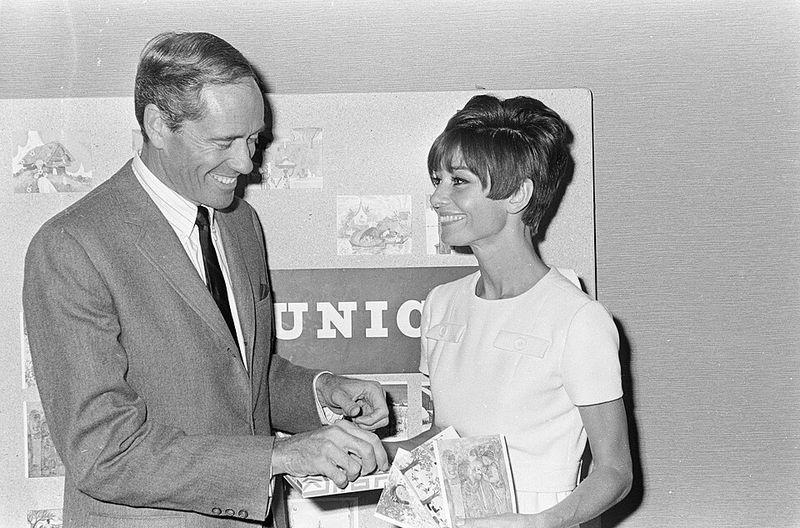
UNICEF appointed Hepburn as a Goodwill Ambassador in 1988, and she threw herself into that role with the same commitment she had brought to acting.
She traveled to Ethiopia, Sudan, Somalia, El Salvador, Bangladesh, and more, visiting children in some of the world’s most difficult conditions.
For someone who could have spent her later years in comfortable retirement, she chose hard travel and difficult conversations instead.
That choice added a whole new chapter to a legacy that was already remarkable. Her UNICEF work is not a footnote.
15. She Took the Ambassador Role Seriously
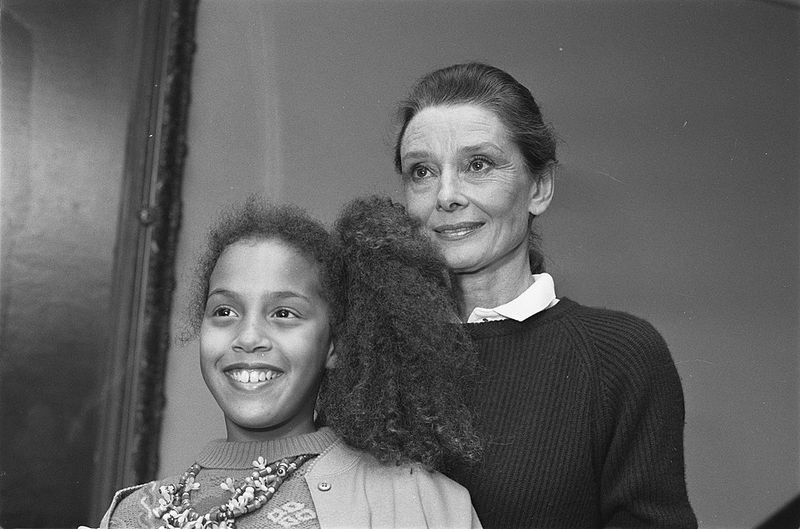
Some celebrity ambassador roles are mostly photo opportunities. Hepburn’s was not.
She traveled to regions experiencing active famine and conflict, met with local communities, held sick children, and then came home and spoke to governments and media with urgency and specificity.
Her reports from the field carried weight because she had actually been there. Aid organizations noted that her visits drew international attention to crises that might otherwise have been ignored.
That is real impact, not symbolic window dressing. When she spoke about what she saw, people listened because she had earned the authority to speak.
16. Her Legacy Has More Than One Layer
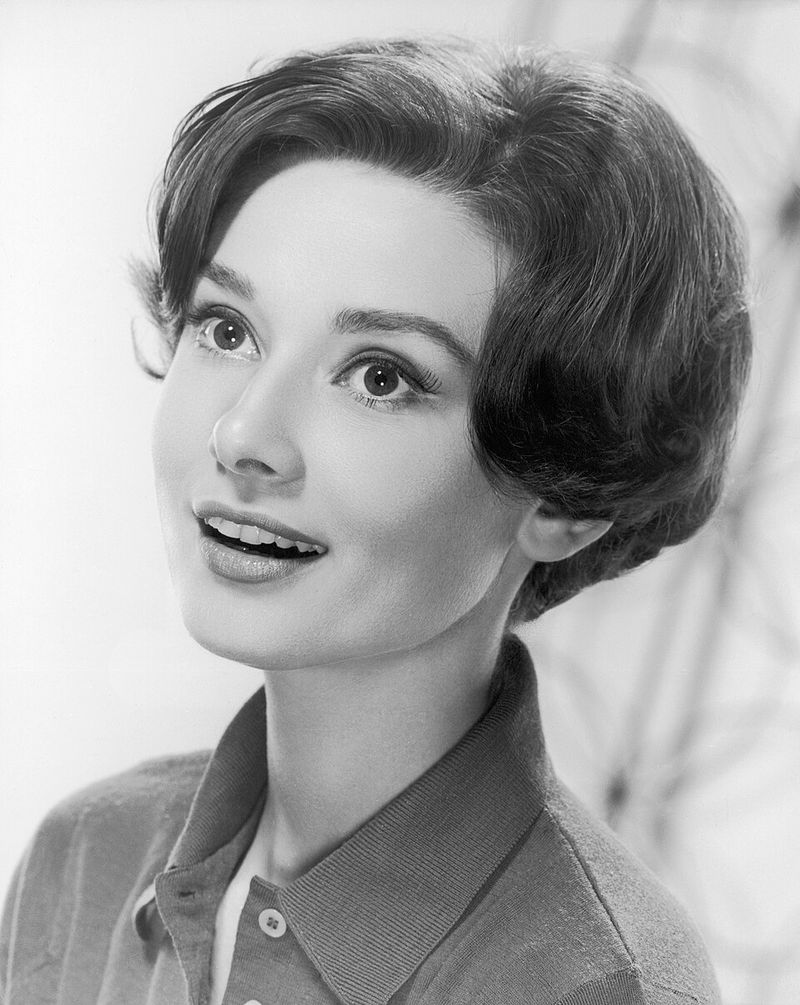
Many stars are remembered for one thing. Hepburn is remembered for three completely distinct ones: acting, fashion, and humanitarian work. That is unusual.
Each layer stands on its own, but together they create a portrait of a person who used her platform in every direction it could go.
That multidimensional legacy gives her staying power that purely cinematic fame rarely achieves. Movie trends change. Fashion cycles come and go.
But a person who combined genuine artistic achievement with real-world compassion and enduring style? That combination is much harder to replace or forget.