A Look Back At The Greatest 16 B-Sides Of The Physical Music Era
Back when music came on vinyl, cassettes, and CDs, record companies had to fill both sides of a single.
The A-side got all the radio play, but the B-side?
That’s where artists hid their most daring experiments, deepest cuts, and wildest creative risks.
Some of these forgotten flip-side tracks became more legendary than the hits they were paired with, proving that sometimes the best stuff is hiding in plain sight.
Disclaimer: This article reflects subjective editorial perspectives on notable B-sides from the physical music era and should not be interpreted as definitive fact or universal consensus.
1. The Beatles – Rain (B-side to Paperback Writer, 1966)
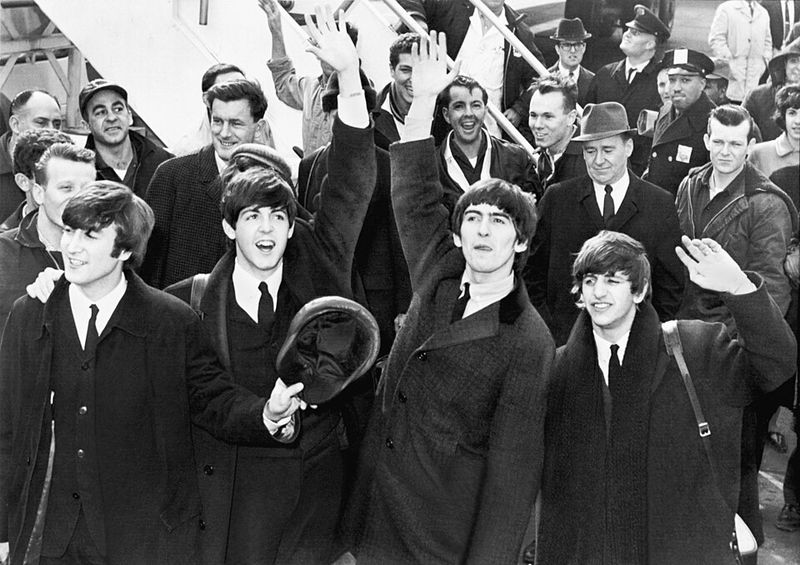
Backward vocals, slowed-down tape loops, and a hypnotic groove made this track sound like nothing else in 1966.
John Lennon called it one of his all-time favorite Beatles recordings, and honestly, who could blame him?
The song feels like a rainy afternoon turned into pure sonic magic.
Ringo’s drumming steals the show with thunderous fills that roll like storm clouds.
2. The Rolling Stones – Child of the Moon (B-side to Jumpin’ Jack Flash, 1968)
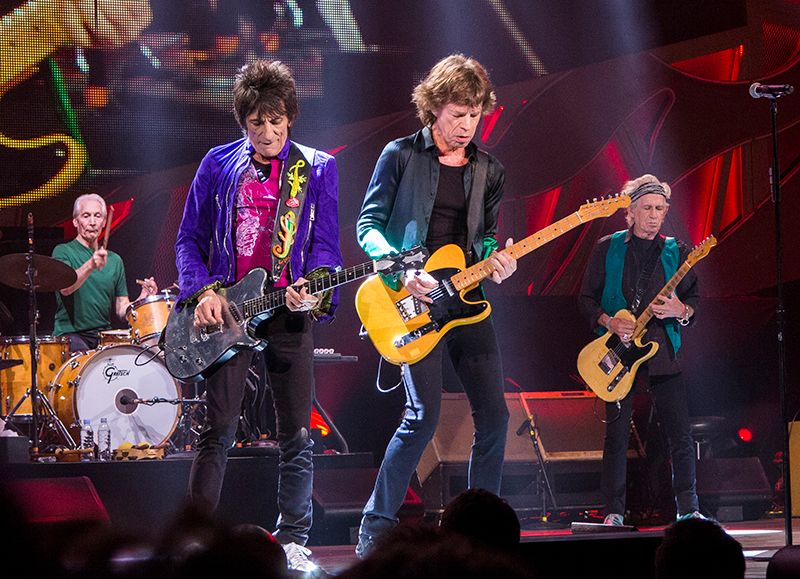
While everyone was jumping around to Jack Flash, this eerie gem sat quietly on the flip side, casting spells.
Mellotron swirls and Mick Jagger’s haunting vocals create an otherworldly vibe that feels like a midnight séance.
However, the track never made it onto a studio album, making it a true collector’s treasure.
Its dreamy, psychedelic soundscape captures the Stones at their most experimental.
3. Aretha Franklin – Ain’t No Way (B-side to Think, 1968)
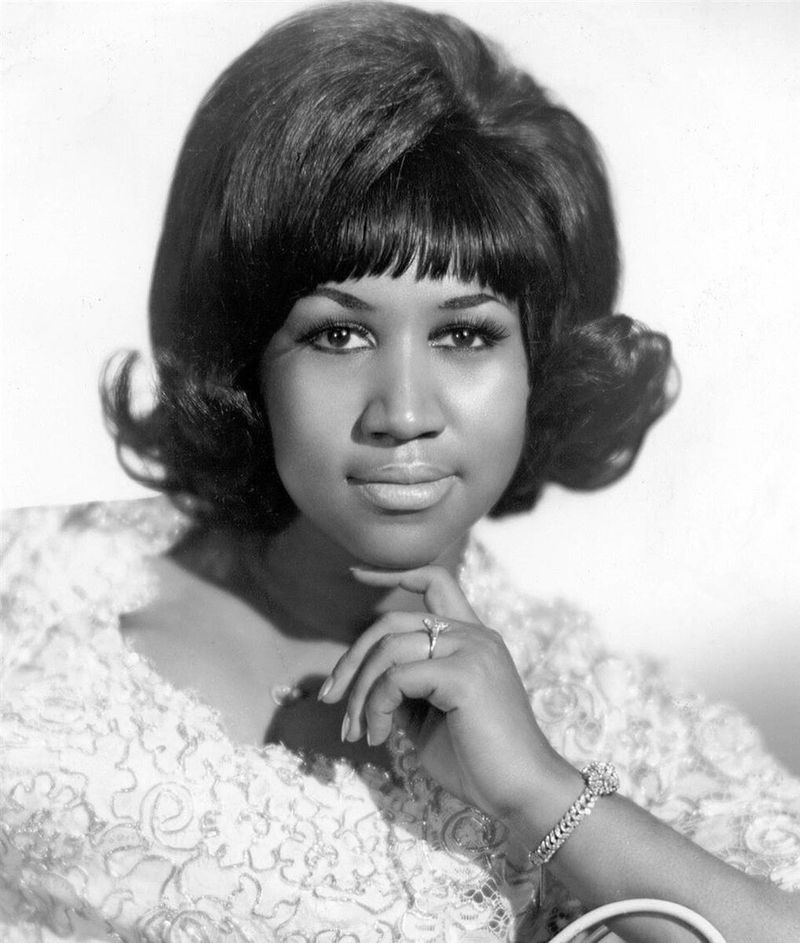
If you ever wondered what pure soul sounds like, start here.
Aretha’s sister Carolyn wrote this heartbreaker, and Aretha sang it like her life depended on it.
The vocal arrangement soars to impossible heights, with background harmonies that could make angels weep.
Though tucked behind the feminist anthem Think, this ballad holds its own emotional weight.
4. Marvin Gaye – God Is Love (B-side to Mercy Mercy Me (The Ecology), 1971)
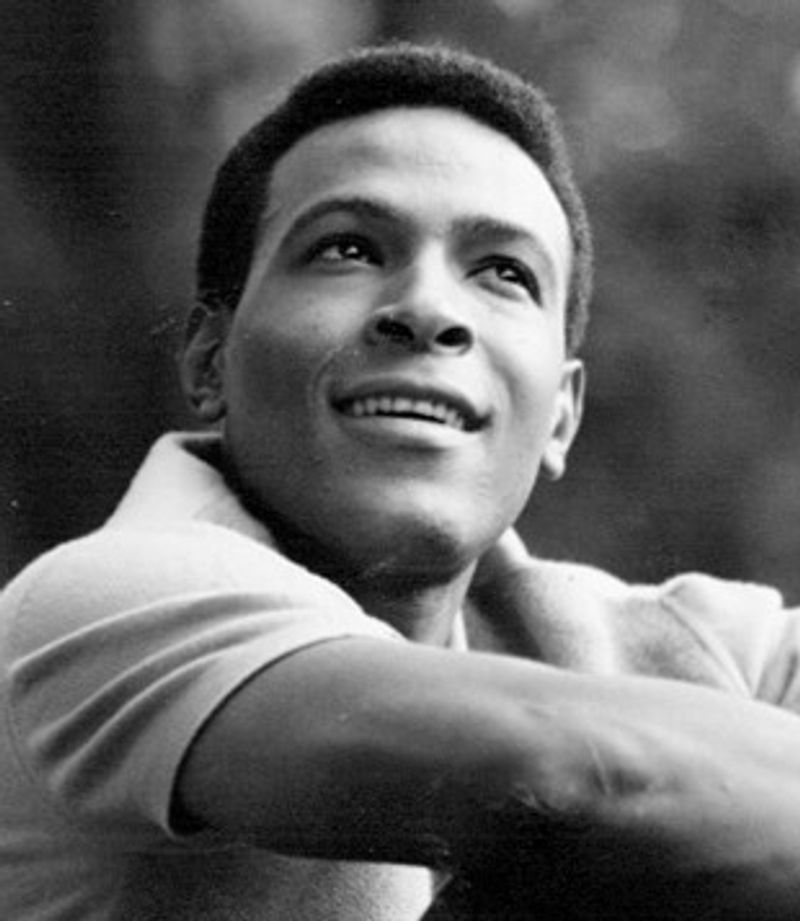
Tucked behind one of Marvin’s most famous environmental anthems sits this spiritual meditation.
The track glows with warmth, hope, and a gentle reminder that love conquers all.
Strings swell, Marvin’s voice floats like a prayer, and suddenly the world feels a little less heavy.
Where Mercy Mercy Me asked tough questions, God Is Love offered comforting answers.
5. The Clash – Armagideon Time (B-side to London Calling, 1979)

Punk rockers covering reggae?
Only The Clash could pull that off and make it sound revolutionary.
Originally by Willi Williams, this version crackles with urgency, dub effects, and Joe Strummer’s impassioned shouts.
The extended jam session captures the band loose, experimental, and absolutely fearless.
6. Siouxsie and the Banshees – Tattoo (B-side to Spellbound, 1981)
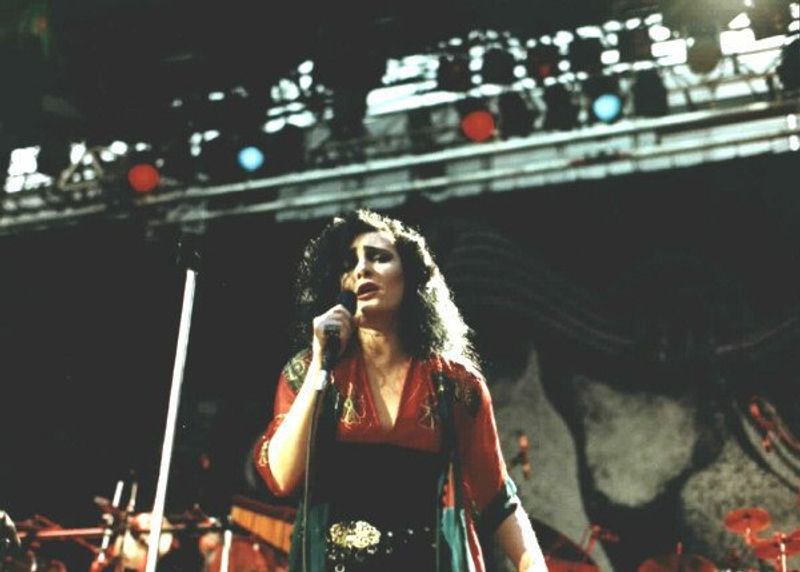
Tribal drums pound, guitars shimmer, and Siouxsie’s voice weaves tales of ancient rituals and body art.
The song pulses with primal energy, feeling both modern and timeless at once.
Where Spellbound was frantic and dizzying, Tattoo takes a slower, more hypnotic approach.
Its exotic instrumentation and mysterious lyrics transport listeners to faraway lands and forgotten ceremonies.
7. Prince – 17 Days (B-side to When Doves Cry, 1984)
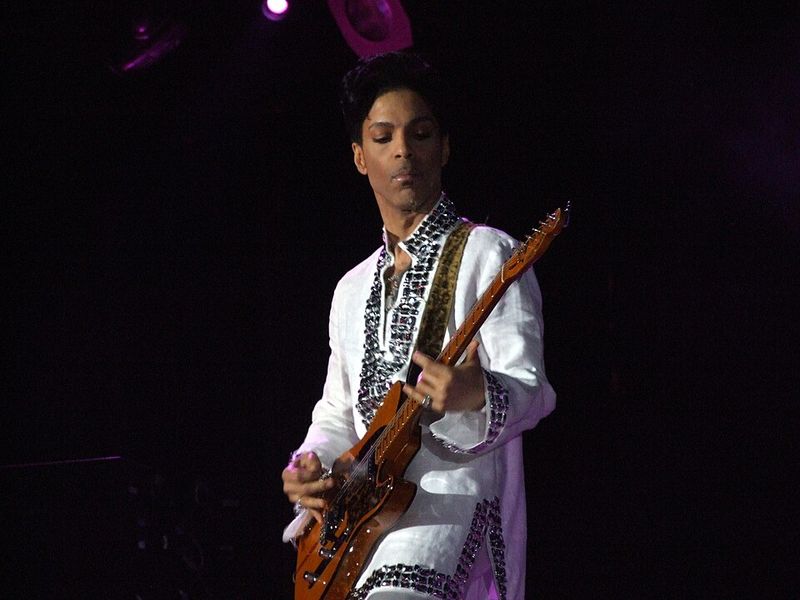
Funky, melancholic, and dripping with Minneapolis sound magic, this track showcases Prince at his most vulnerable.
The lyrics tell the story of longing and loneliness after a lover leaves for over two weeks.
Synth bass grooves, drum machines snap, and Prince’s falsetto aches with genuine emotion.
Though tucked behind one of his biggest hits, 17 Days became a fan favorite and concert staple.
8. The Smiths – How Soon Is Now? (B-side to William, It Was Really Nothing, 1984)
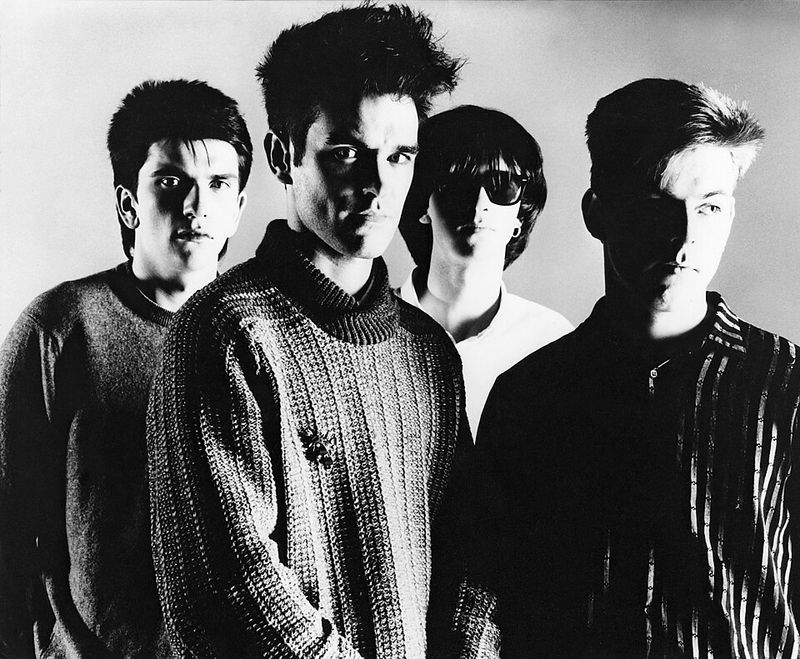
That tremolo guitar effect?
It’s one of the most recognizable sounds in all of rock history.
Johnny Marr created it by running his guitar through multiple amps, and the result was pure sonic genius.
Morrissey’s lyrics about loneliness and social anxiety struck a chord with misfits everywhere.
Originally a B-side, the song became so popular it was later released as a single itself.
9. Madonna – Into the Groove (B-side to Angel, 1985)
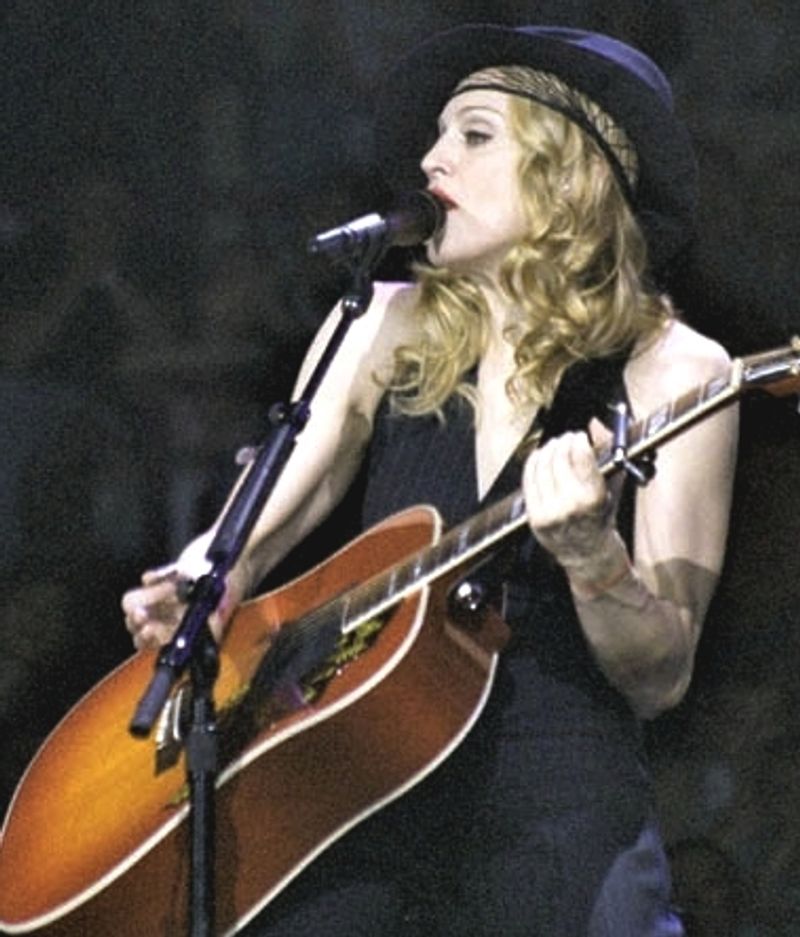
Originally recorded for the movie Desperately Seeking Susan, this dancefloor anthem almost didn’t get a proper release.
The pulsing bassline, infectious beat, and Madonna’s playful vocals made it impossible to resist.
In some countries, it became the A-side because radio DJs and fans demanded it.
The song captures mid-80s pop perfection.
10. The Cure – Breathe (B-side to Catch, 1987)
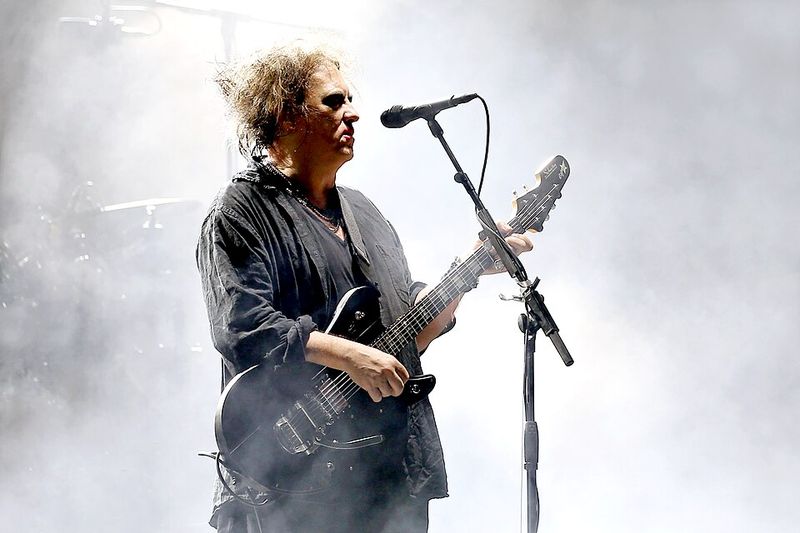
A soft, haunting beauty runs through this song, highlighting The Cure’s gentler side in a way that stays with you.
Robert Smith’s voice whispers and soars over shimmering guitars and atmospheric keyboards.
The lyrics explore themes of longing and connection, wrapped in the band’s signature melancholy.
Though overshadowed by the poppier Catch, Breathe reveals the emotional depth that made The Cure legends.
11. Depeche Mode – Dangerous (B-side to Personal Jesus, 1989)

This track feels brooding and seductive, with a hint of danger pulsing through its dark electronic intensity.
Dave Gahan’s voice drips with menace over pulsing synths and industrial beats.
The production feels claustrophobic and urgent, like something forbidden is about to happen.
It’s the perfect soundtrack for late-night drives through empty city streets, windows down, rules forgotten.
12. Nirvana – Even in His Youth (B-side to Smells Like Teen Spirit, 1991)
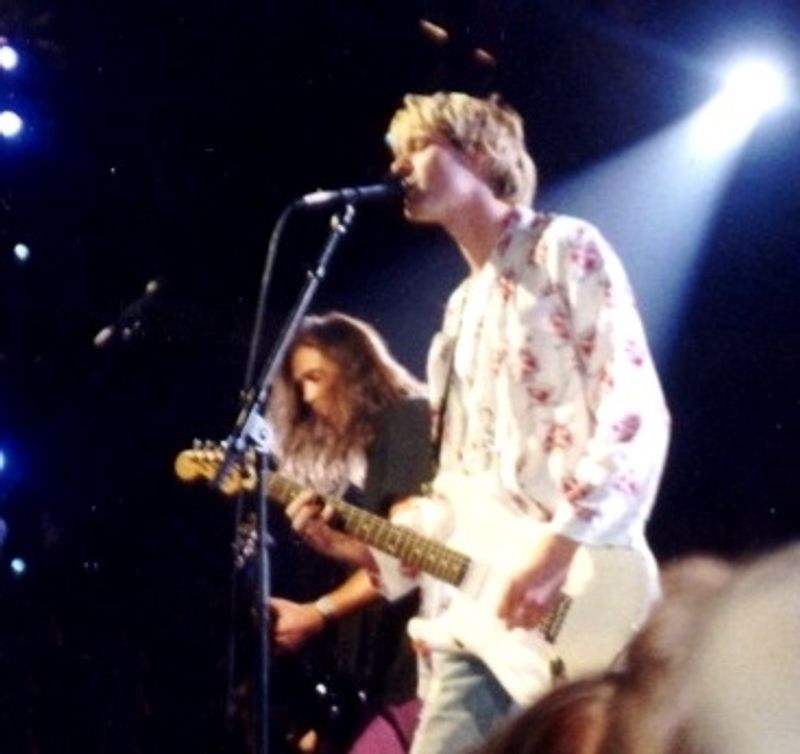
It hits raw and aggressive, capturing Nirvana before the wider world knew what was coming.
Kurt Cobain’s lyrics snarl with youthful anger and confusion, while the band bashes away with punk fury.
The production is deliberately rough, giving the song an authentic garage-band feel.
It’s three minutes of pure grunge chaos that hits harder than a Seattle rainstorm.
13. Oasis – Acquiesce (B-side to Some Might Say, 1995)
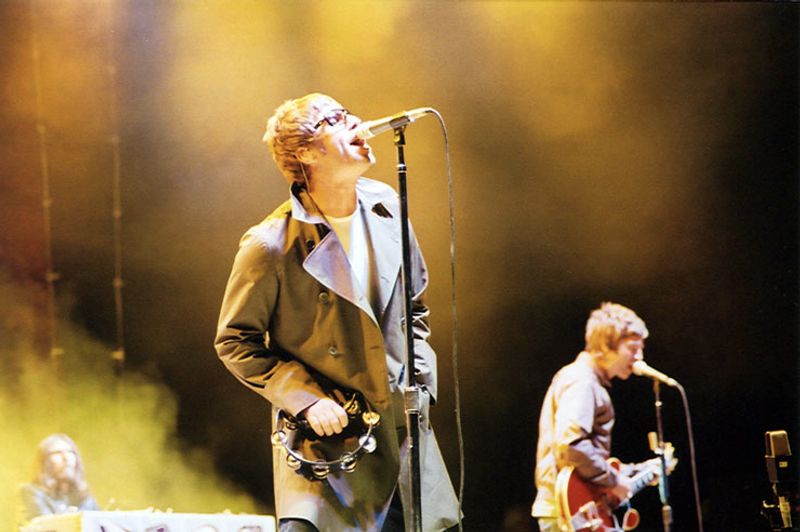
Brothers Liam and Noel Gallagher share vocal duties on this anthemic rocker about acceptance and unity.
The chorus explodes with singalong energy, making it a live show favorite that often outshined the A-sides.
Guitars jangle and soar, drums pound with confidence, and the whole thing feels like a stadium-sized hug.
Many fans consider it one of Oasis’s greatest songs.
14. Blur – Mace (B-side to The Universal, 1995)
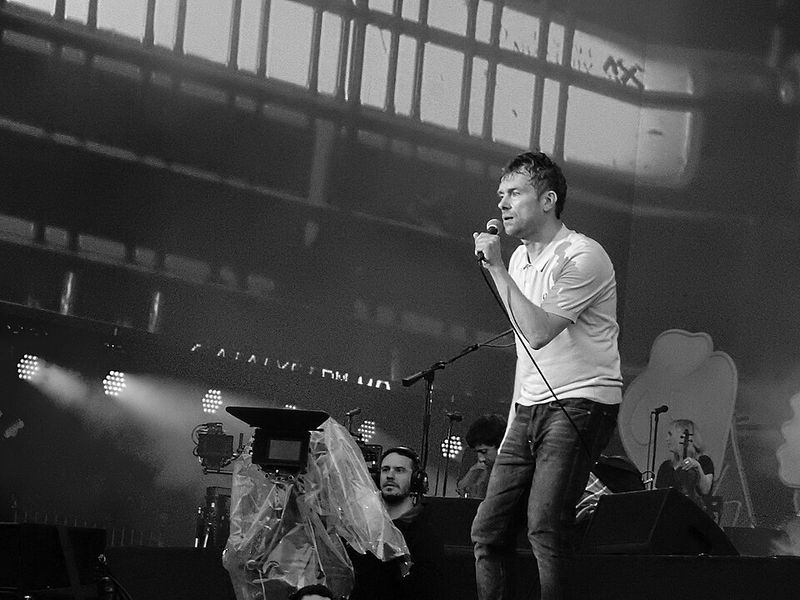
Blur goes delightfully strange here, leaning into noisy experimentation and making the weirdness feel effortless.
Distorted guitars clash with electronic elements, creating a sonic collage that defies easy categorization.
Where The Universal offered sweeping orchestral pop, Mace delivered art-rock chaos and creative freedom.
15. Radiohead – Talk Show Host (B-side to Street Spirit (Fade Out), 1996)
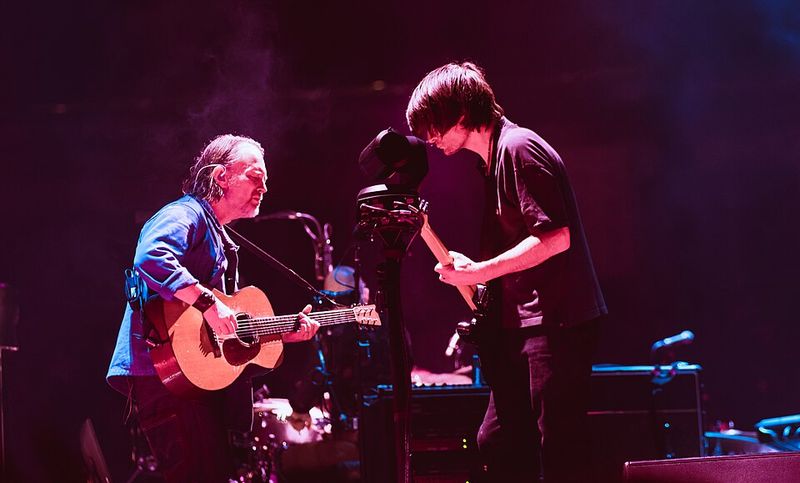
Smoky, seductive, and drenched in atmosphere, this track became a fan favorite and later appeared in Romeo + Juliet.
Thom Yorke’s falsetto floats over trip-hop influenced beats and shimmering guitar textures.
The song builds slowly, creating tension that never quite releases, leaving listeners suspended in beautiful unease.
16. Mariah Carey – Slipping Away (B-side to Always Be My Baby, 1996)
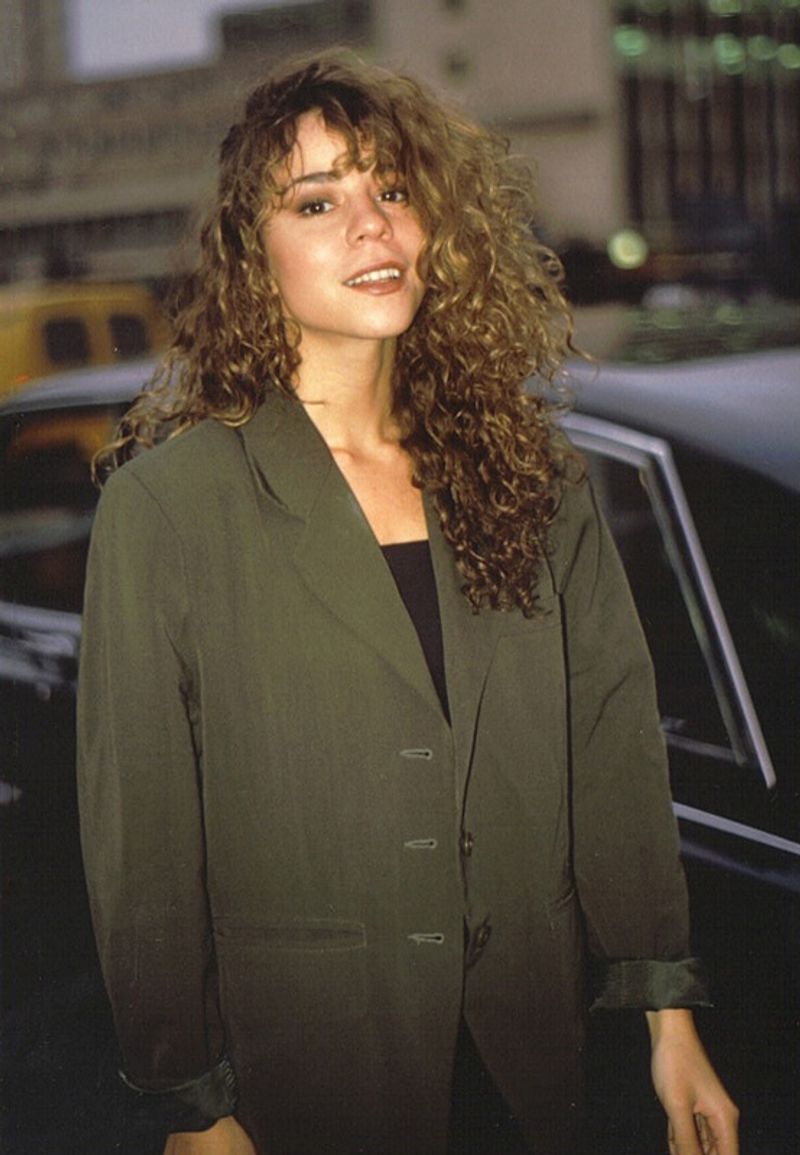
Mariah pours real tenderness into this heartfelt ballad, and her incredible vocal range makes it the kind of song that deserved far more attention than it got.
The lyrics explore the pain of watching a relationship slowly fade despite your best efforts.
Mariah’s voice climbs to breathtaking heights, hitting notes that seem physically impossible for mere mortals.