18 Backup Singers Who Stepped Into The Spotlight
Some voices spend years hovering just behind the main event, doing crucial work without getting the kind of attention they clearly deserve. Then the balance shifts.
A singer who once helped lift someone else’s chorus suddenly becomes the person the audience came to hear, and that change can be especially satisfying because it feels earned in a different way.
There is history behind it, along with patience, craft, and the kind of stage instinct that does not appear overnight.
Part of the appeal in stories like these comes from seeing how long greatness can hide in plain sight before the spotlight finally catches up.
1. Dionne Warwick
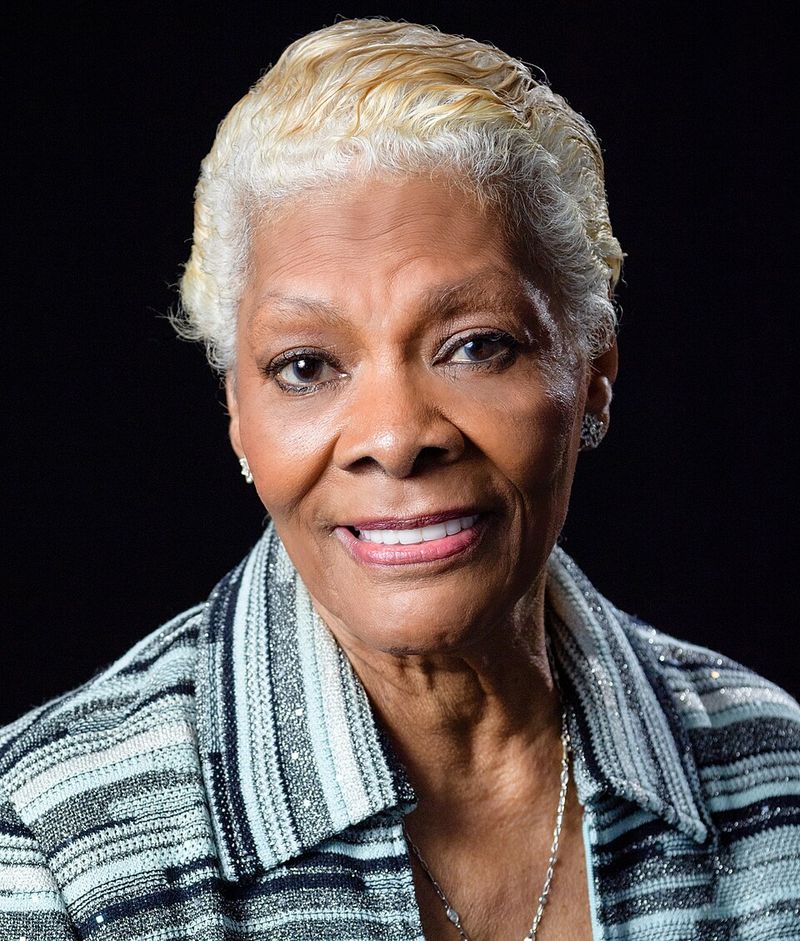
Before her name lit up marquees around the world, Warwick was lending her voice to Burt Bacharach recording sessions, helping shape some of the era’s most memorable sounds.
Her warm, silky tone stood out so clearly that staying in the background was never really an option.
Soon, Bacharach started writing songs specifically for her, and hits like “Walk On By” and “Say a Little Prayer” turned her into a global icon.
How wild is it that the backup booth basically launched a legend? Warwick’s journey proves that the right ears will always find the right voice.
2. Darlene Love
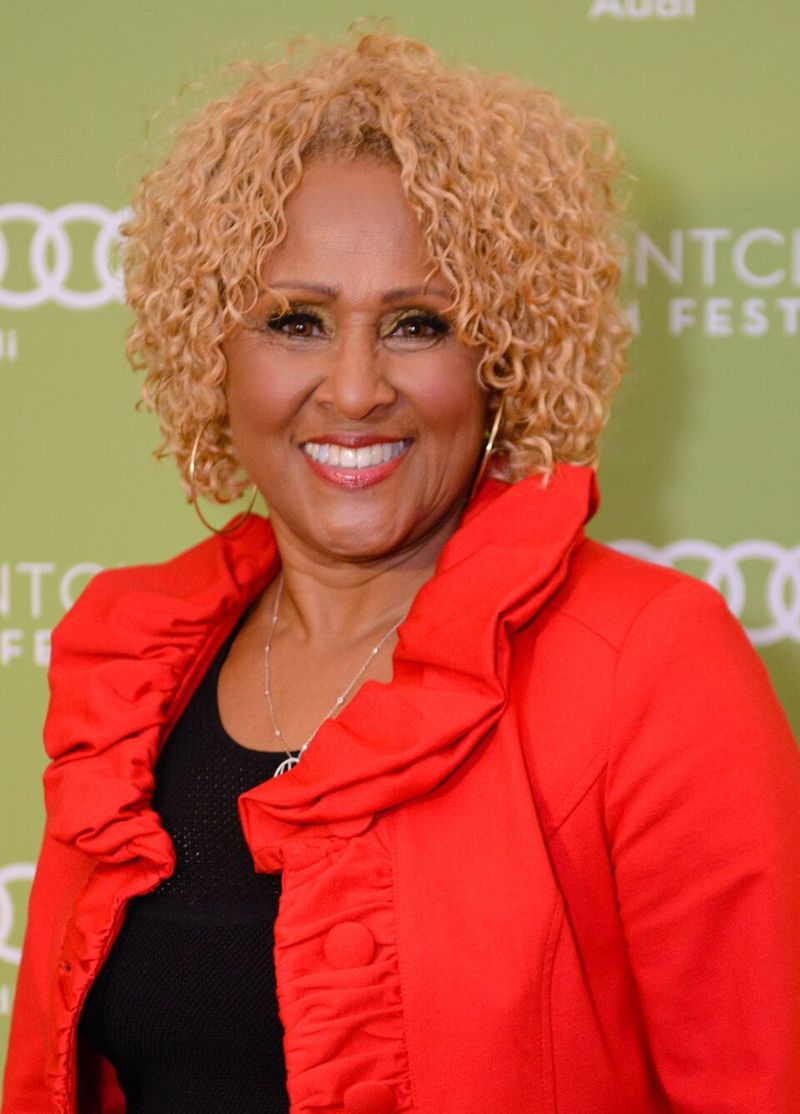
Few voices in pop history hit as hard as Darlene Love’s, yet for years her name stayed completely off the record labels.
Working as a session singer under Phil Spector, she recorded smash hits like “He’s a Rebel” that were credited to other groups entirely.
Her story is one of the music industry’s great injustices, but also one of its greatest comebacks.
Recognition finally arrived decades later, including a Rock and Roll Hall of Fame induction in 2011.
3. Betty Wright
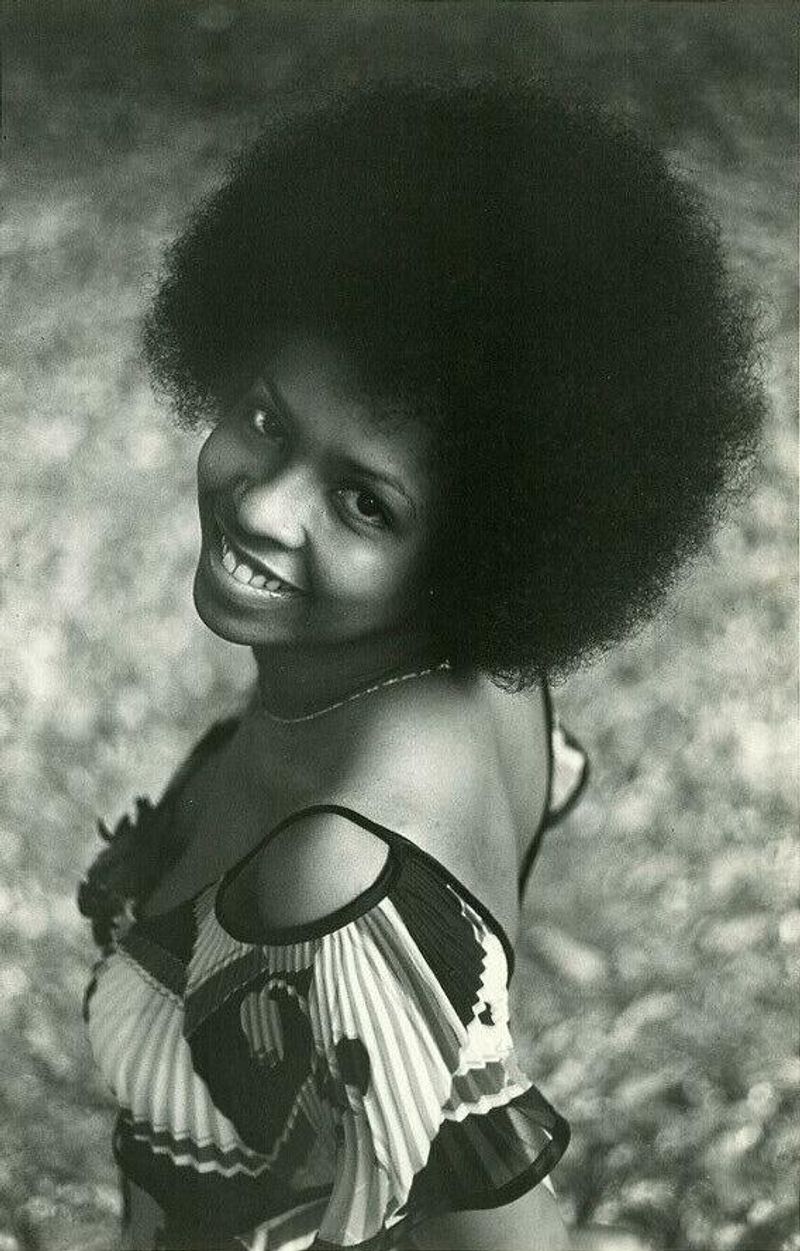
Starting out as a backup singer while still a teenager is pretty remarkable, but Betty Wright made it look easy.
She was already lending her voice to other artists before most kids her age had even picked a favorite radio station.
Her raw, soulful energy eventually demanded its own spotlight, and “Clean Up Woman” in 1971 became a massive R&B hit, making Wright a household name.
Beyond performing, she later became a respected producer and mentor, helping shape careers for artists like Joss Stone.
4. Celia Cruz
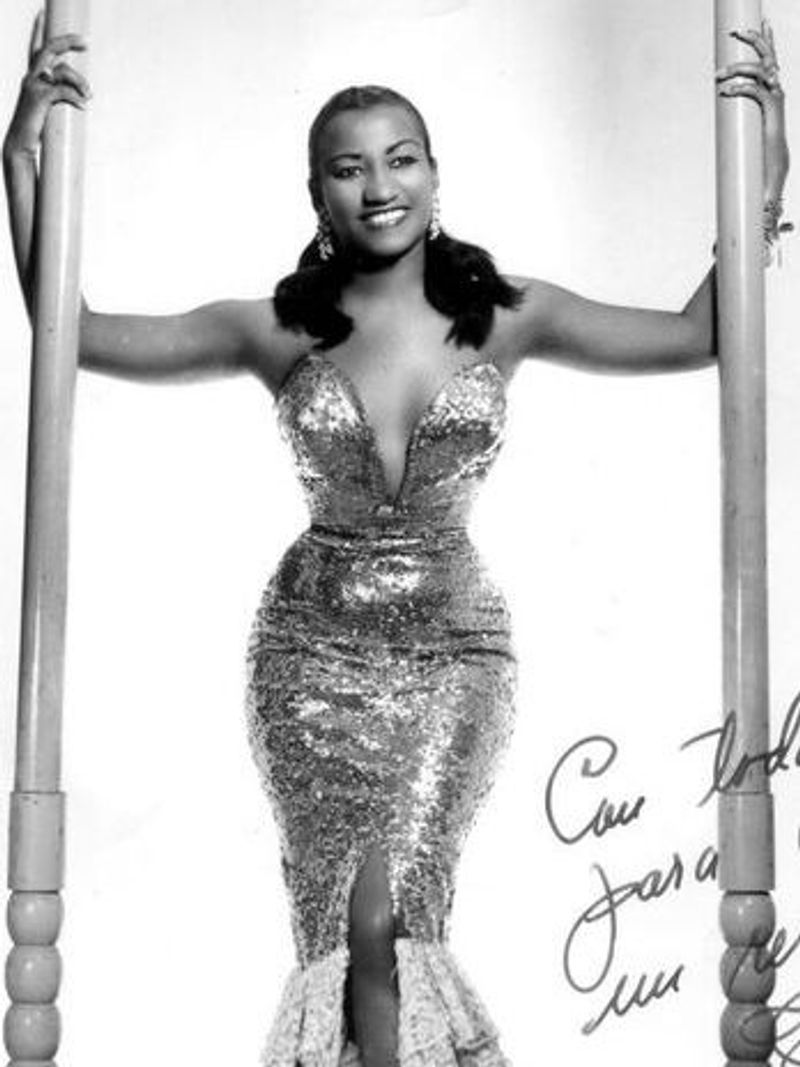
Known today as the undisputed Queen of Salsa, Celia Cruz had to work her way through the ranks before that crown was ever placed on her head.
Early in her career, she sang alongside various Cuban bands, building her chops and learning the rhythms that would later define her entire sound.
Her breakthrough came with La Sonora Matancera, where her extraordinary voice and electric stage presence turned every performance into a celebration.
5. Emmylou Harris
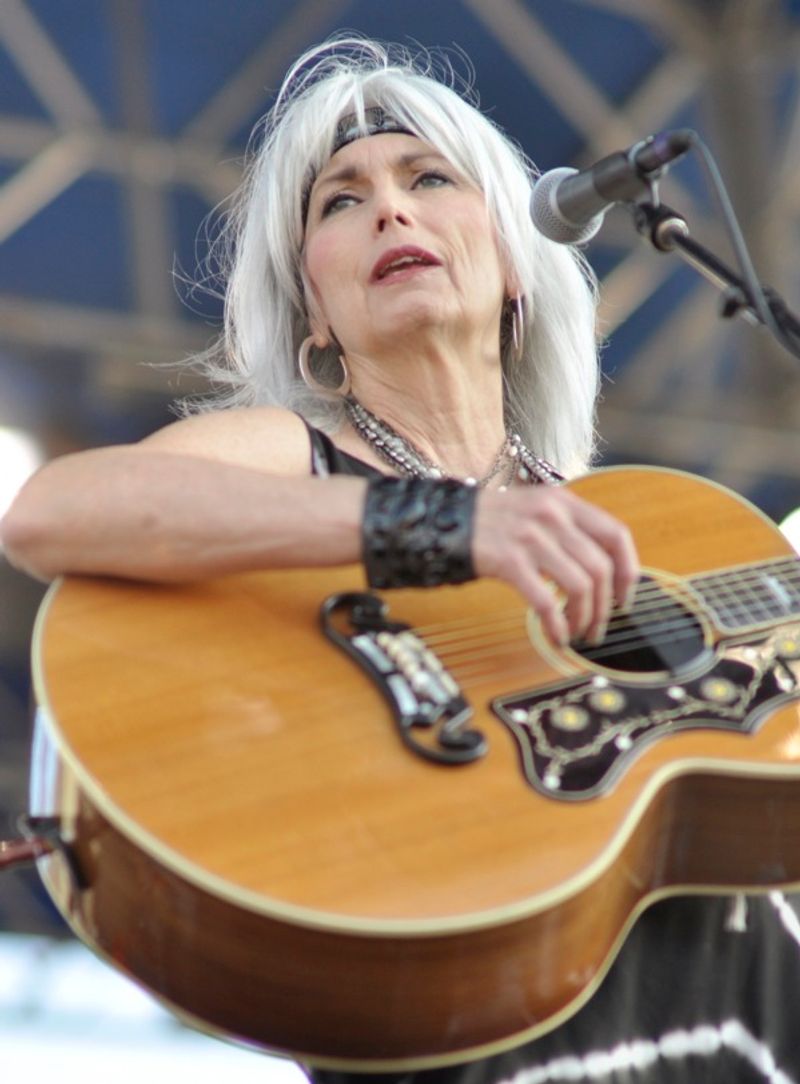
Gram Parsons had a vision for country-rock that needed a voice to match, and Emmylou Harris was exactly that voice.
Singing harmonies alongside Parsons, she helped craft some of the most emotionally resonant country music of the early 1970s, blending genres in ways that felt genuinely groundbreaking.
After Parsons passed away in 1973, Harris stepped forward and built a solo career that became just as influential as anything she had supported.
Albums like “Pieces of the Sky” established her as a country legend in her own right.
6. Cher
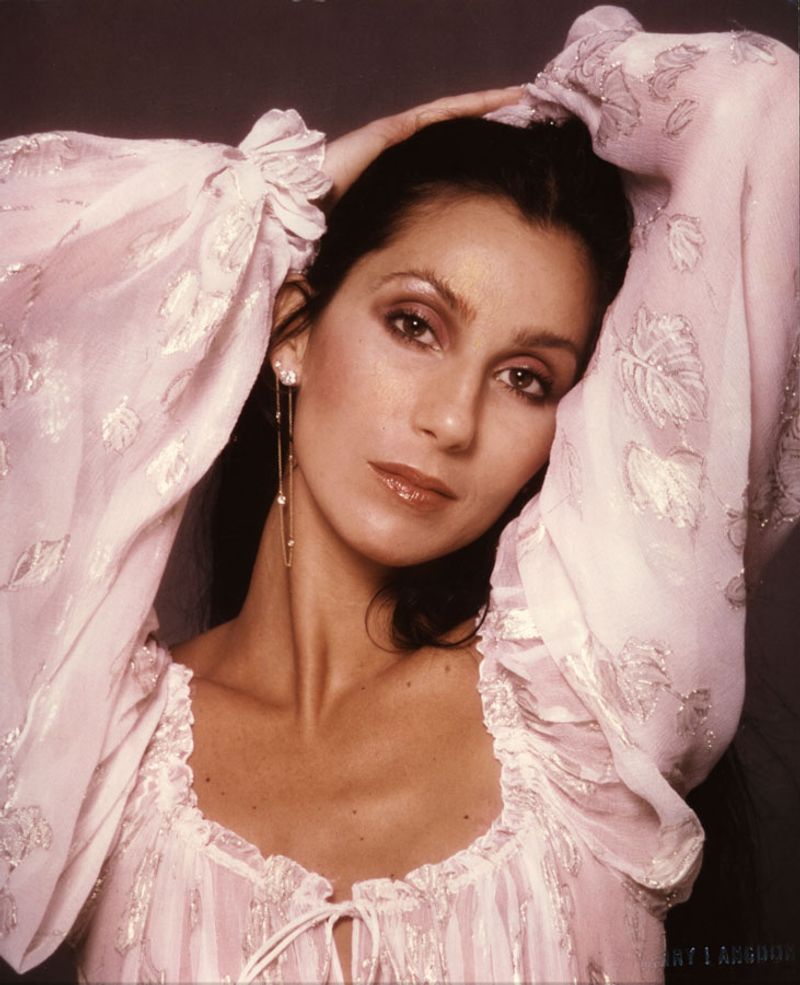
Long before the feather boas, the Vegas residencies, and the comeback tours, Cher was quietly stacking harmonies in Phil Spector’s legendary recording sessions.
Spector’s famous “Wall of Sound” relied on layers of voices, and young Cher was right there in the mix.
When she and Sonny Bono teamed up, her powerful voice finally moved to center stage. “I Got You Babe” became a massive hit, and the world suddenly couldn’t get enough.
She remains one of pop’s most enduring forces.
7. P.P. Arnold
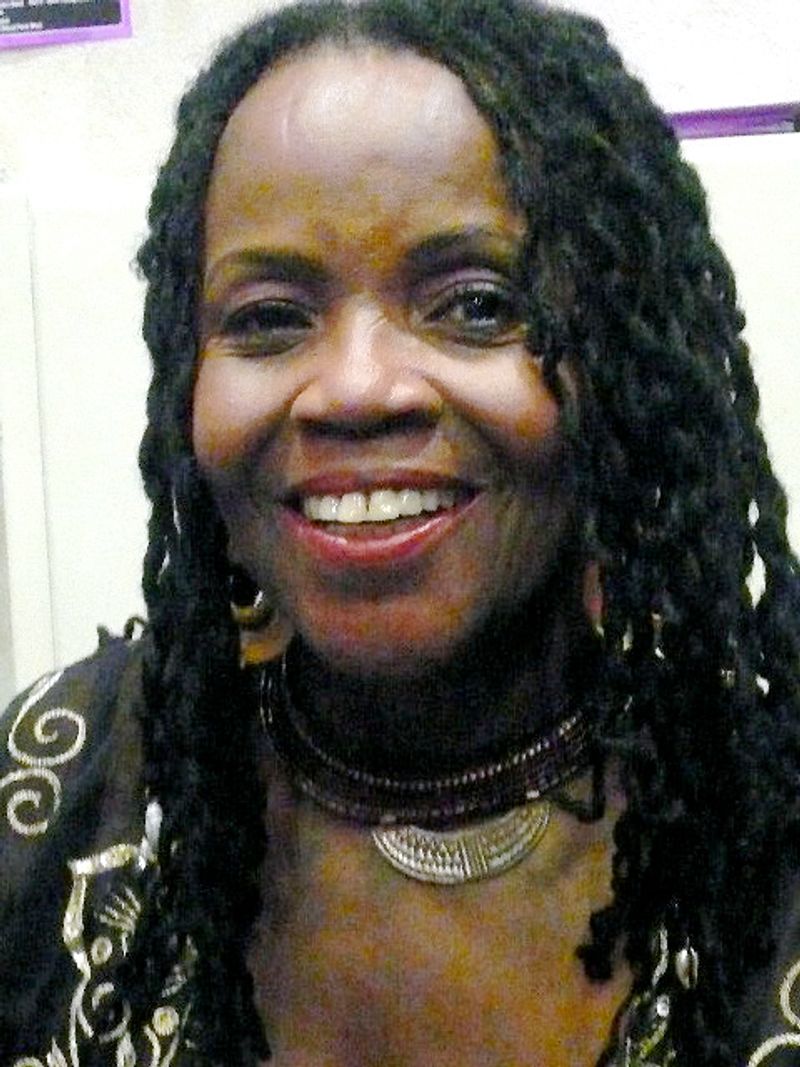
Pat Arnold started her career as one of the Ikettes, the high-energy backup dancers and singers who performed alongside Ike and Tina Turner.
It was flashy, demanding work that built her stamina and stage presence like nothing else could.
When she relocated to the UK in the mid-1960s, British audiences fell completely in love with her soulful voice.
Her single “The First Cut Is the Deepest” became a major hit, predating Rod Stewart’s famous version by years.
8. Luther Vandross
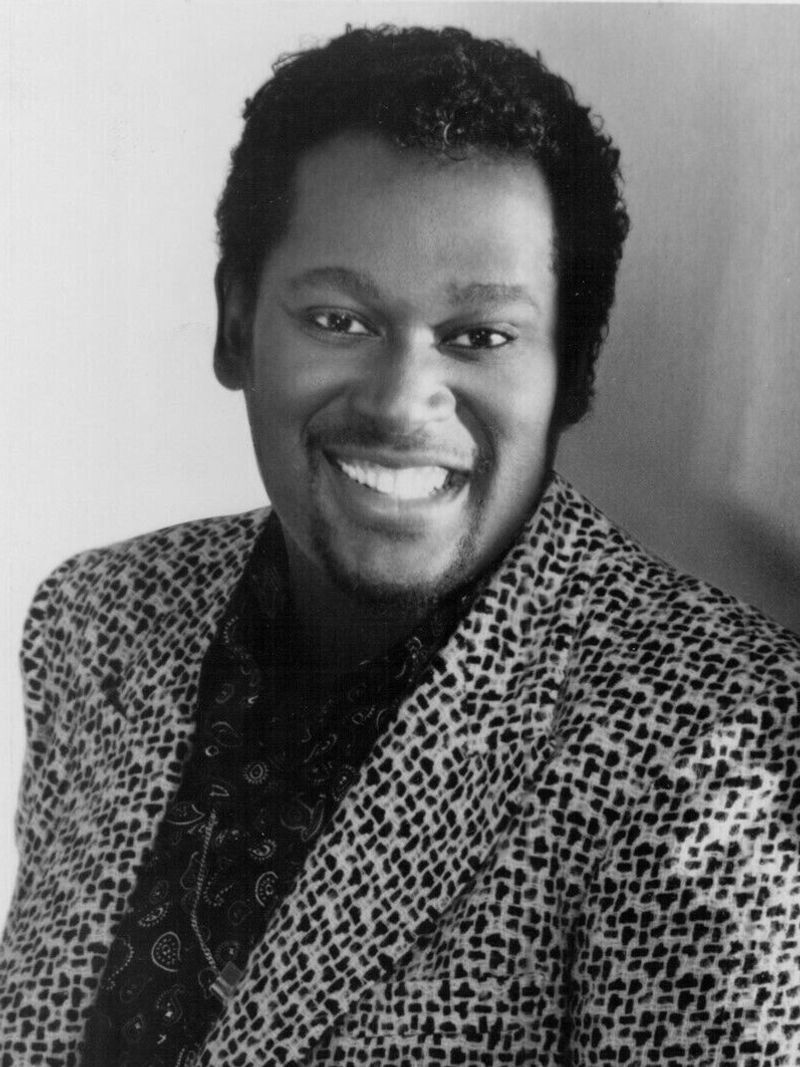
Before audiences swooned to his solo ballads, Vandross was one of New York City’s most in-demand session singers.
He provided backing vocals for David Bowie’s “Young Americans” album and lent his voice to Chic, Bette Midler, and Donna Summer, among many others.
He also wrote and performed the iconic jingle for the TV commercial “A Brand New Day.” When his debut album “Never Too Much” dropped in 1981, it shot straight to number one on the R&B charts.
9. Whitney Houston
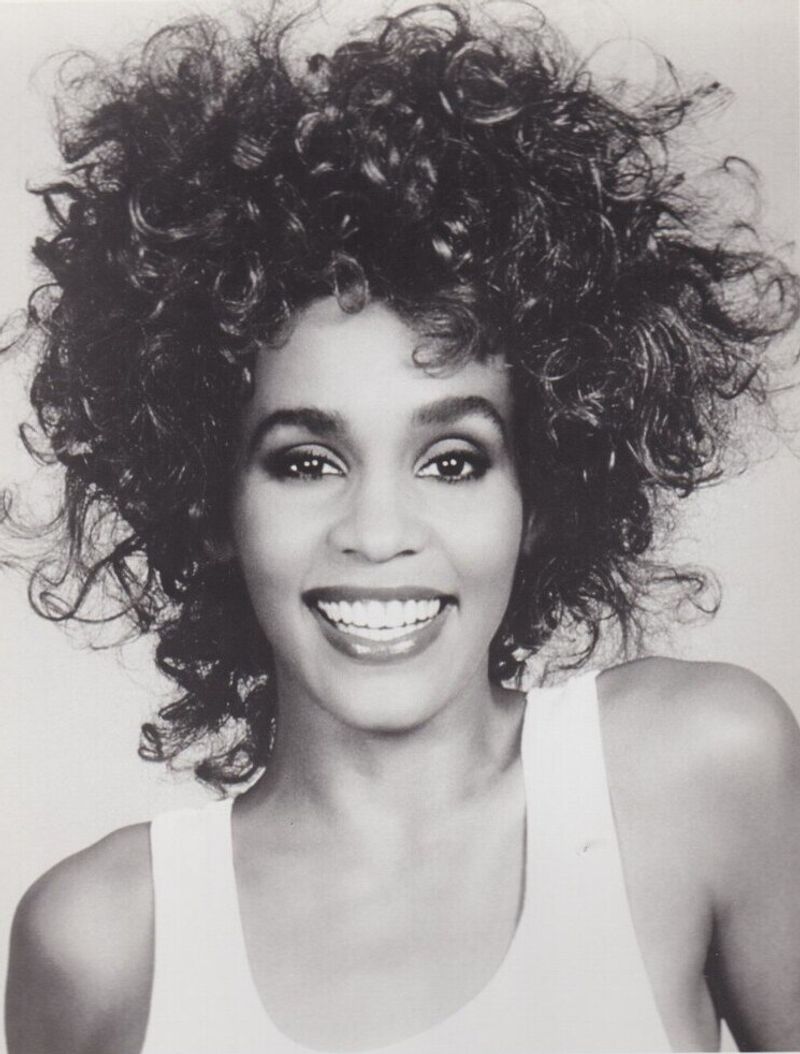
Growing up with Cissy Houston as a mother meant Whitney was surrounded by world-class musicianship from day one.
As a teenager, she sang backup on recordings and performed alongside her mom, quietly developing one of the most extraordinary voices the world had ever heard.
Her self-titled debut album in 1985 became one of the best-selling albums in history, launching a career full of records that seemed almost impossible to break. Grammys, American Music Awards, and a voice that left audiences breathless every single time.
10. Michael McDonald
That smooth, soulful voice didn’t appear out of nowhere.
McDonald spent formative years as a backup vocalist and keyboardist with Steely Dan, playing on some of the most sophisticated pop-rock records of the 1970s.
The experience sharpened his musical instincts enormously.
When he joined the Doobie Brothers, his blue-eyed soul style completely transformed the band’s sound, producing massive hits like “What a Fool Believes,” which won the Grammy for Record of the Year in 1980.
11. James Ingram
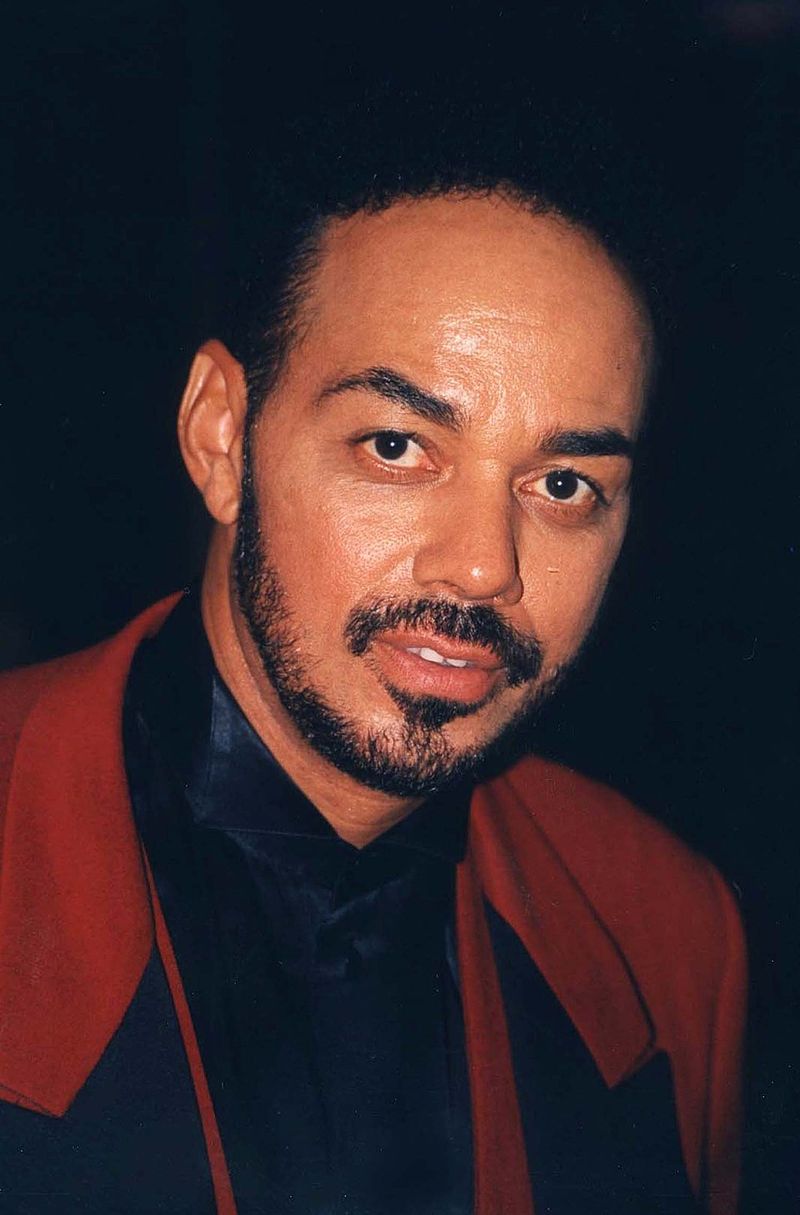
Quincy Jones first heard James Ingram’s voice on a demo tape and was so floored that he immediately brought him into the studio.
Before his own name appeared on album covers, Ingram was contributing background vocals and demo recordings for major artists, quietly building relationships that would matter enormously.
His duet with Patti Austin, “Baby, Come to Me,” hit number one in 1983, and his solo work earned him Grammy Awards and devoted fans worldwide.
12. Mariah Carey
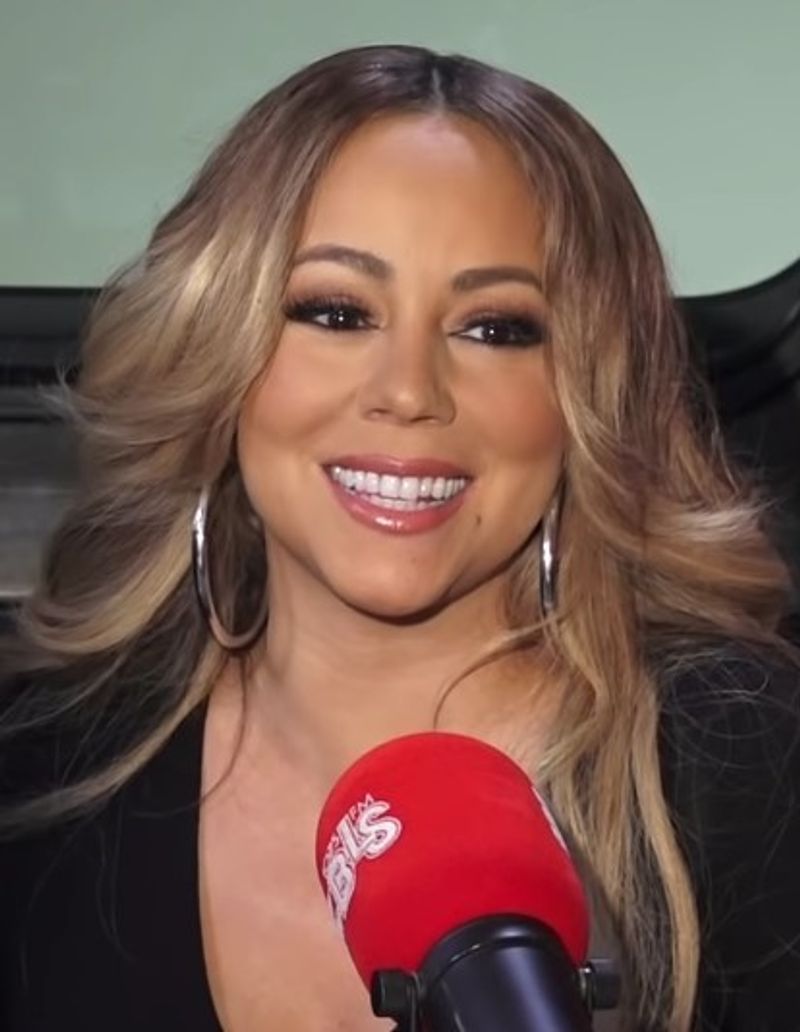
Picture this: a teenage Mariah Carey, demo tape in hand, singing backup for pop singer Brenda K. Starr while also working as a hat checker and waitress in New York City.
It sounds like the opening of a movie, but it was completely real life.
Brenda K. Starr was so impressed that she handed Carey’s demo to a Columbia Records executive at a party, and the rest is music history.
Carey’s debut album spawned four number-one singles, a record that had never been achieved before.
13. Sheryl Crow
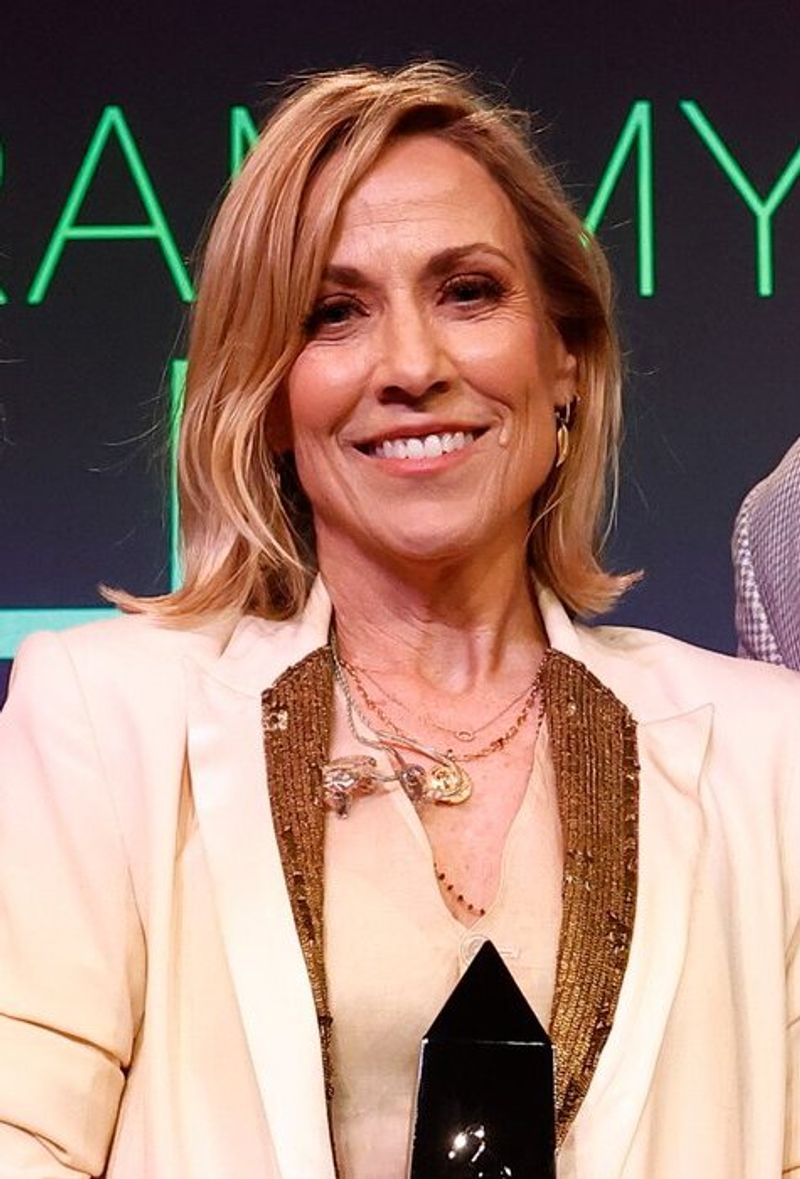
Before “All I Wanna Do” made her a household name, Crow was touring the world as a backup singer for Michael Jackson’s massive Bad World Tour from 1987 to 1988.
Performing in front of hundreds of thousands of fans every night was an education that no music school could replicate.
She spent several more years doing session work and writing songs before her debut album finally broke through in 1993.
Nine Grammy Awards later, Crow stands as one of rock music’s most respected voices.
14. Mary J. Blige
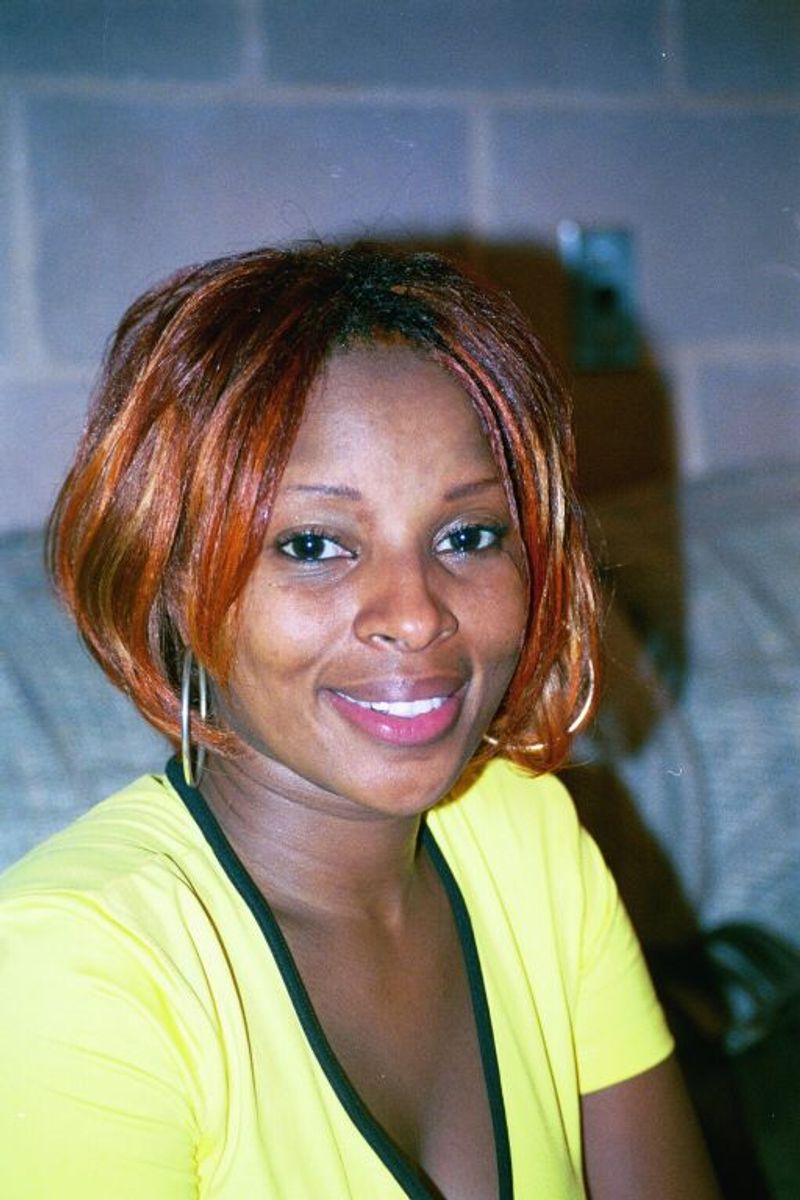
Her voice first reached the public through a somewhat unexpected door. Blige appeared as a backup singer on Father MC’s track “I’ll Do 4 U” in 1990, and sharp ears at Uptown Records immediately took notice.
The raw emotion and power packed into her background contributions hinted at something much bigger waiting to happen.
Her debut album “What’s the 411?” arrived in 1992 and created an entirely new genre lane, blending hip-hop and soul in ways that felt revolutionary.
Blige became the Queen of Hip-Hop Soul, a title nobody else has ever seriously challenged.
15. Dido
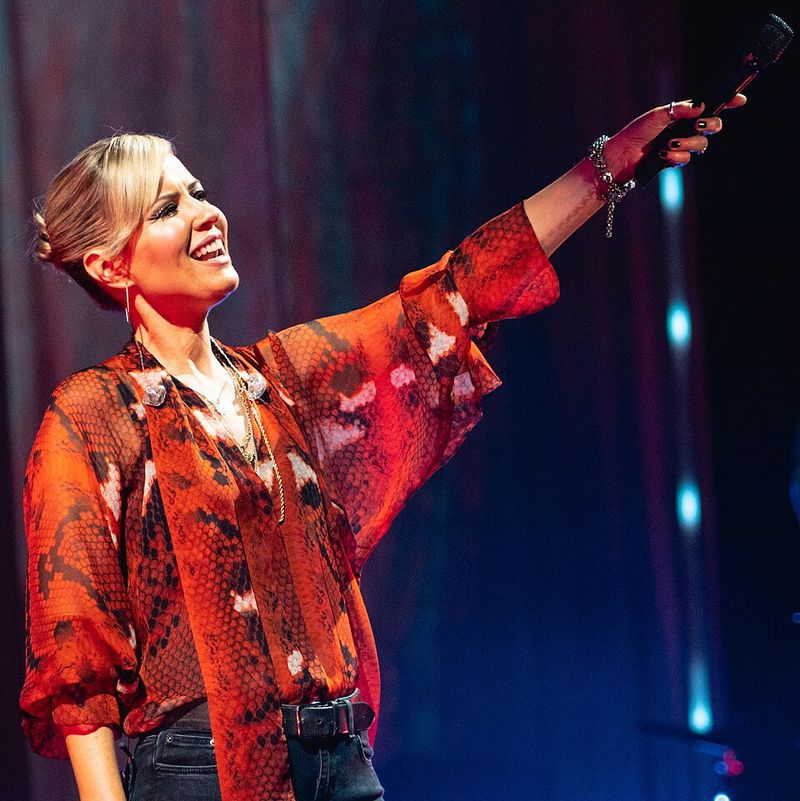
Faithless was already one of the UK’s most exciting electronic acts when a young Dido started lending her ethereal vocals to their recordings and live shows.
Her contributions gave tracks like “Take the Long Way Home” an emotional depth that perfectly balanced the group’s dance-floor energy.
When her solo debut “No Angel” dropped in 1999, it became one of the best-selling albums in UK history, eventually shifting over 21 million copies worldwide.
Eminem sampling her vocals on “Stan” introduced her to an even wider global audience.
16. Brandi Carlile
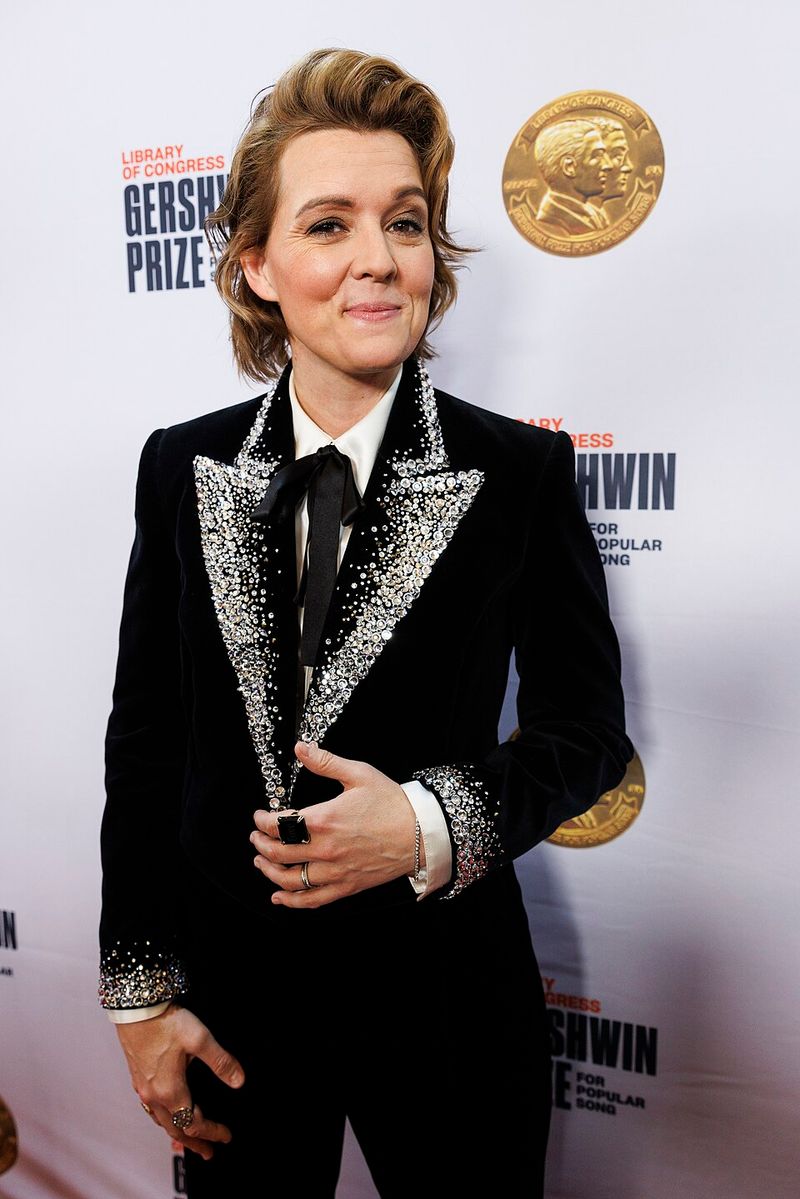
Washington State’s own Brandi Carlile spent early years in the music trenches, performing wherever she could, including backup vocal work, while writing songs that were clearly destined for something far bigger.
Her voice, capable of going from a whisper to a thunderclap, was impossible to keep in the background for long.
Her breakthrough truly arrived with the album “By the Way, I Forgive You” in 2018, which earned six Grammy nominations and three wins.
Carlile also became a passionate advocate for LGBTQ+ rights and social causes, making her artistry about more than just music.
17. Olivia Dean
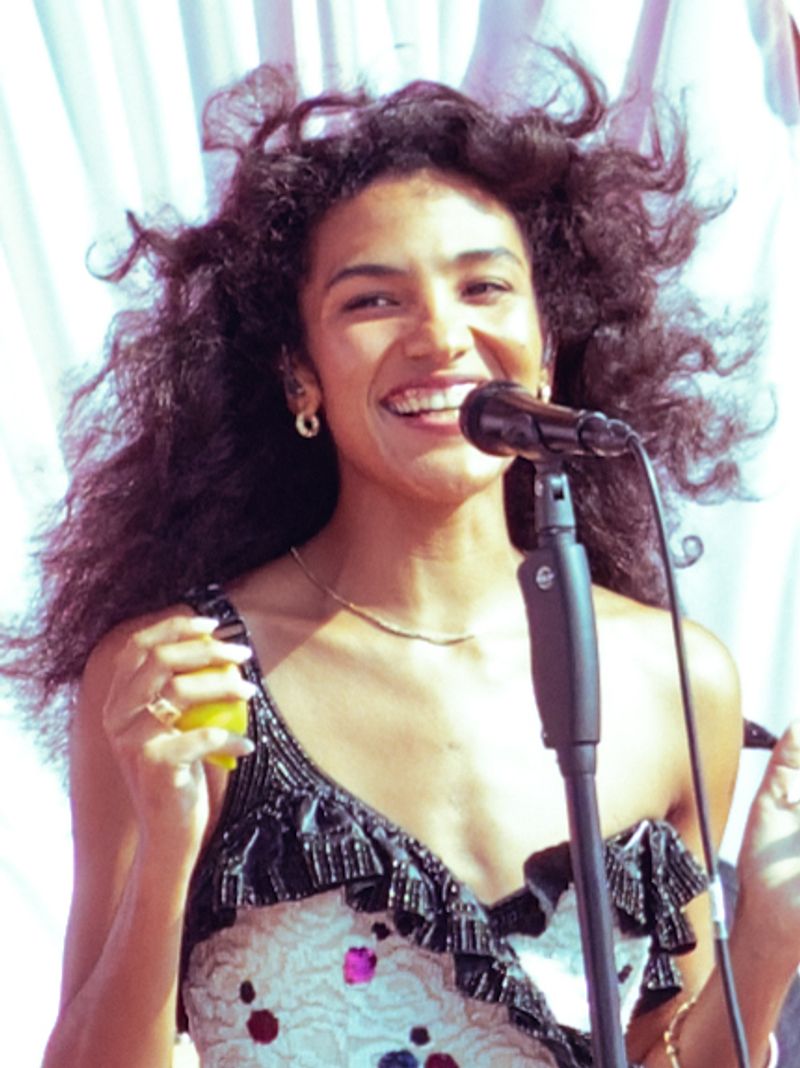
Touring as a backup vocalist with Rudimental gave Olivia Dean front-row seats to what large-scale live performance actually looks like.
Every night, she watched audiences connect emotionally with music, and she was quietly storing up all of that experience for her own moment.
That moment arrived with her debut album “Messy” in 2023, which earned widespread critical praise and introduced her warm, jazz-tinged soul sound to a rapidly growing fanbase.
Dean’s songwriting felt personal yet universal, the kind of music that makes strangers feel like old friends.
18. Larry Gatlin
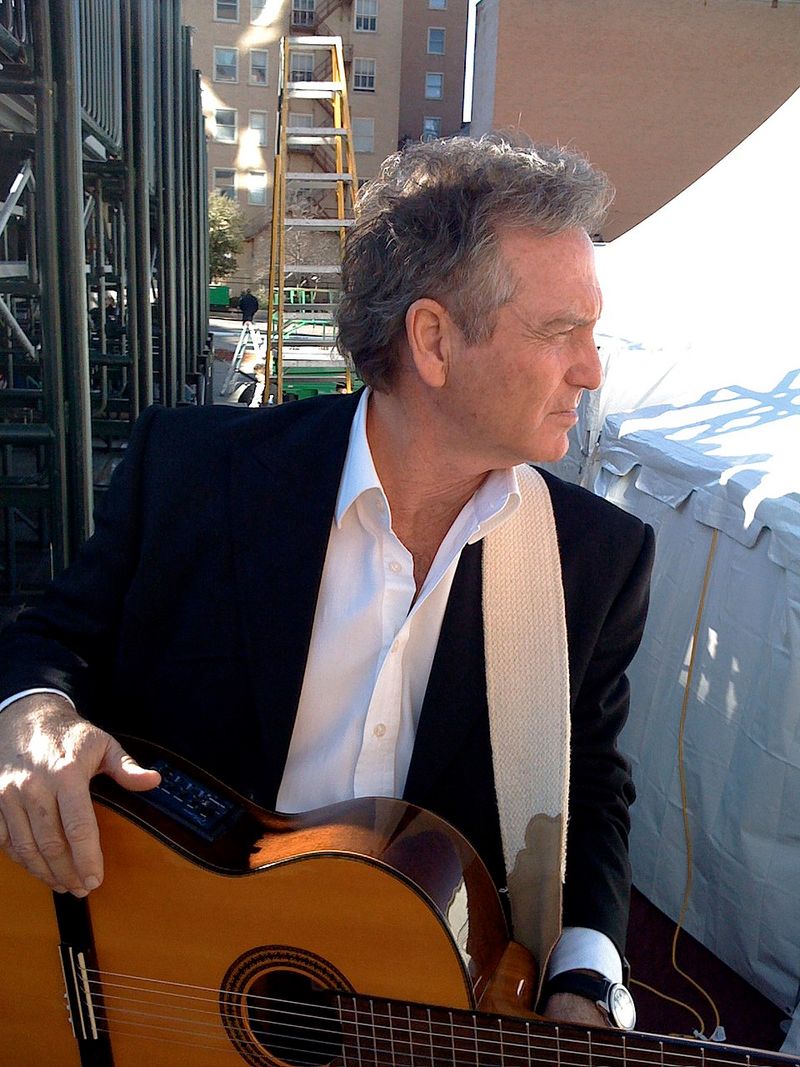
Kris Kristofferson was one of country music’s most celebrated songwriters, and having Larry Gatlin sing backup for him was a bit like hiding a sports car in a parking garage.
The voice was simply too strong to stay concealed for long.
Gatlin eventually formed Larry Gatlin and the Gatlin Brothers Band, scoring major country hits throughout the 1970s and 1980s, including “All the Gold in California” and “Houston.”
His songwriting talent matched his vocal ability, earning him a Grammy for Best Country Song.