15 Band Breakups That Got Complicated Fast
Volume goes up, tempers go higher, and suddenly the band is making more noise offstage than on it. Arguments hit louder than any guitar riff, egos refuse to share the spotlight, and things spiral into headlines nobody planned on writing.
Breaking up should be simple, but in rock history, it turns into a full production that nobody can ignore.
1. The Beatles
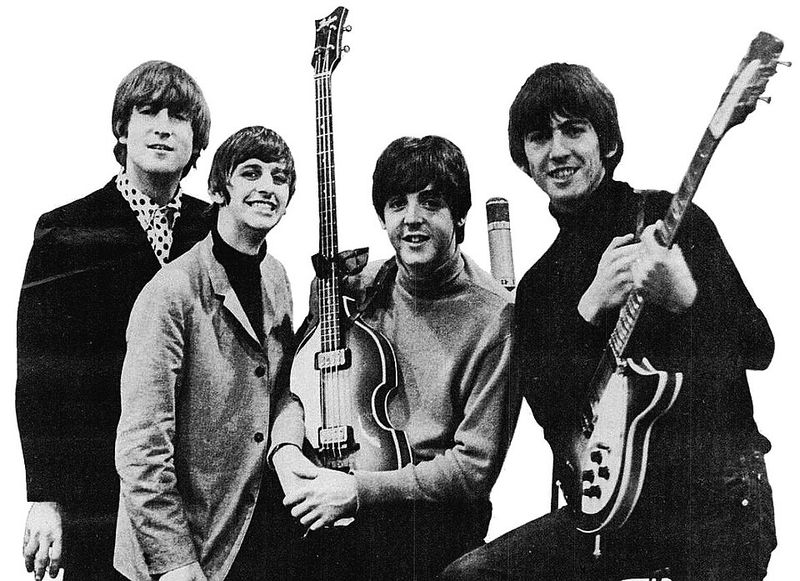
Courtroom scene held a strange reality where The Beatles still existed on paper even after everything had clearly unraveled. The public split took shape in 1970, but the Beatles Agreement was not signed until December 1974, with the legal dissolution finalized in January 1975.
Lawsuit filed by Paul McCartney pushed the process forward, much to the frustration of the other members. Stage once shared by four musicians gave way to a legal fight instead.
Rock and roll history took an unexpected turn in the process.
2. Fleetwood Mac
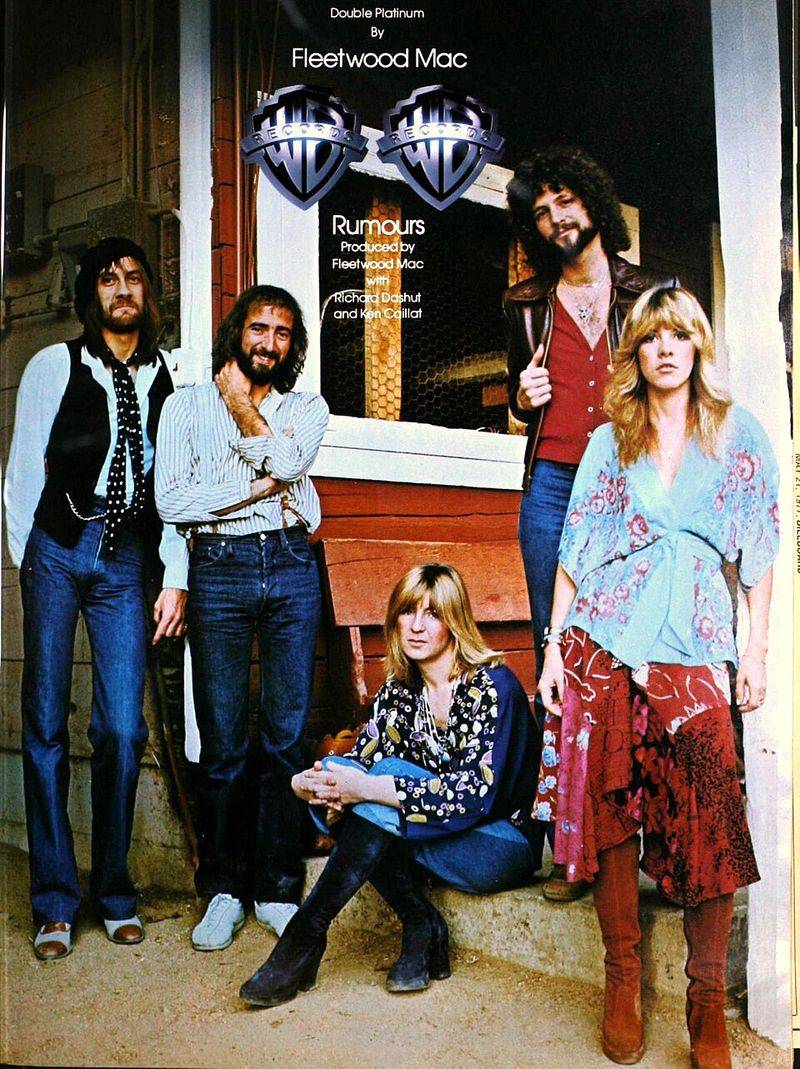
Recording an album while your romantic relationships are actively falling apart is one way to make things interesting. Stevie Nicks and Lindsey Buckingham had just broken up, and Christine and John McVie were divorcing, all while making Rumours.
The tension was so thick you could practically hear it crackling between the guitar chords. Somehow the album became one of the best-selling records ever made.
Chaos, apparently, has excellent taste in music.
3. Oasis
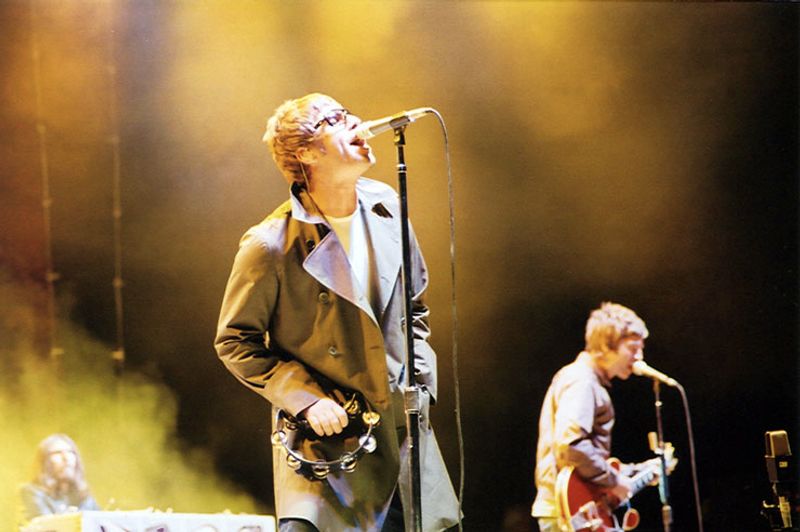
Backstage at a Paris festival in August 2009, Noel Gallagher walked out and brought Oasis to an abrupt end.
Years of feuding had already spilled into interviews, tour buses, and tabloid headlines, so the breaking point felt inevitable.
His statement made it clear he could no longer work with Liam, a line that surprised almost no one who had been following along. Two brothers built a legendary band, then ended it with what still feels like the loudest door slam in British rock history.
4. Pink Floyd
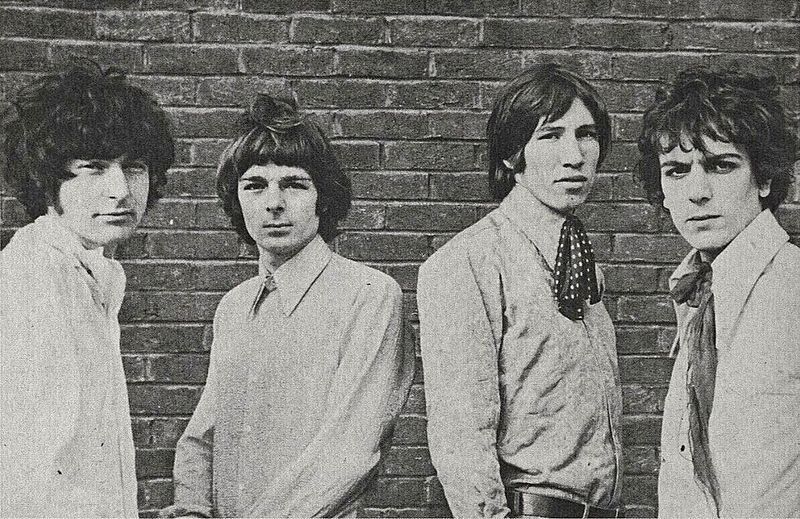
Walking away in 1985 should have closed the chapter, yet Roger Waters immediately tried to shut the book on Pink Floyd for everyone else too. Claim that the band could not exist without him did not land with David Gilmour or Nick Mason, who kept things moving anyway.
What followed turned into a drawn-out legal fight over the name and the catalog, with resentment that refused to fade quickly.
Messiness of leaving a band and then trying to control what survives adds a very specific kind of tension to the story.
5. Eagles
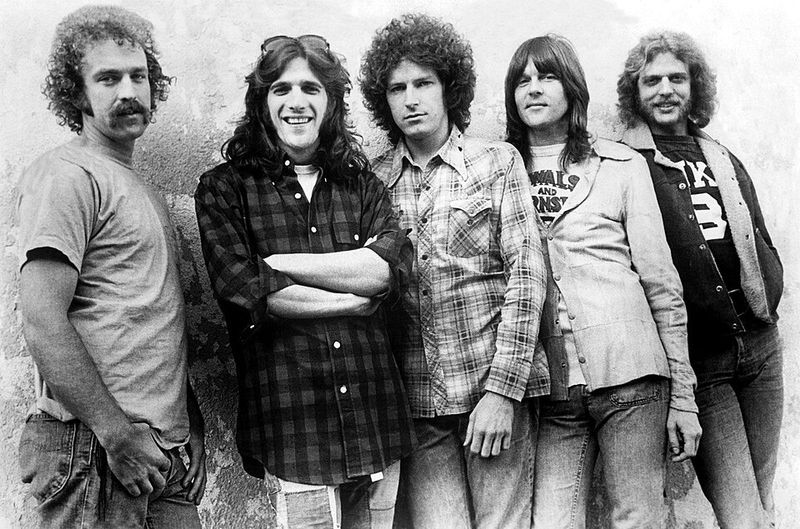
Simple disagreements had a way of turning into full productions when Don Felder, Glenn Frey, and Don Henley were involved. By 1980, years of internal fighting finally pushed the band into a breakup.
That 1994 reunion came with the famous line about hell freezing over, which says plenty about how things had been going.
More conflict followed, including lawsuits, money disputes, and a very public clash between Frey and Felder that ended with Felder being fired and then suing the band. Drama never really left the picture, even when the comeback tour got underway.
6. Guns N’ Roses
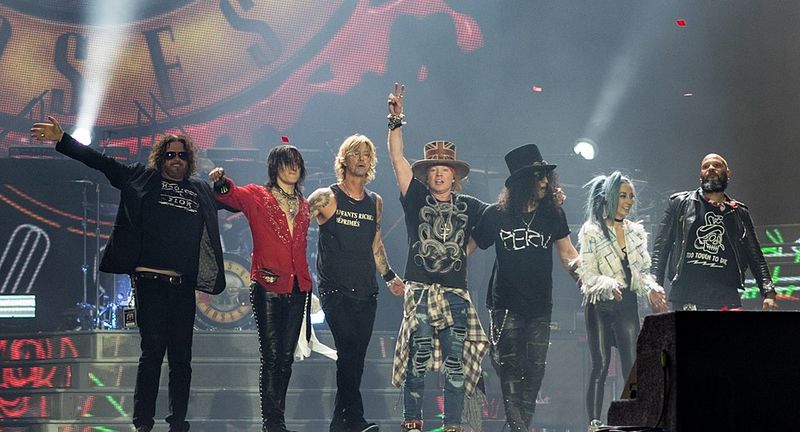
Most bands break up all at once, but Guns N’ Roses did it slowly, like a slow leak in a tire you keep hoping will fix itself.
Slash left in 1996, Duff McKagan left in 1997, and Axl Rose continued using the band name with a rotating lineup. Chinese Democracy finally arrived in 2008, fifteen years after work began on it.
Call it a breakup, call it a reinvention. Either way, it was messy.
7. The Police
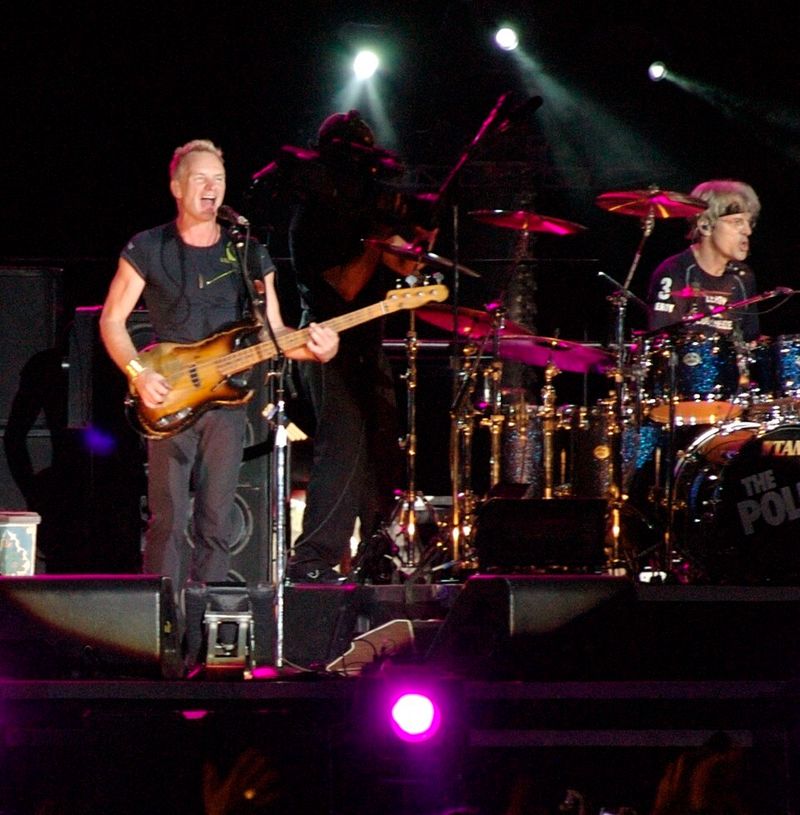
Tension between Sting and Stewart Copeland made time in the same room feel like a competition inside The Police. Early 1980s marked a clear shift toward Sting’s solo direction, which did not sit well with the rest of the group.
Short-lived 1986 reunion attempt collapsed quickly, bringing all the old friction right back to the surface.
Warm reunions exist in theory. Here, the vibe leaned closer to a handshake that slowly tightened into a stare-down.
8. The Smiths

Ending The Smiths in 1987 came down to a fax from Johnny Marr, a move that somehow fits the band’s tone perfectly.
After that, things turned far less poetic, with a royalties dispute pulling drummer Mike Joyce into court. A judge eventually ruled in his favor, forcing Morrissey and Marr to pay up while tensions lingered for years.
Songs about heartbreak gave way to a real-life version that played out through legal battles instead.
9. Creedence Clearwater Revival
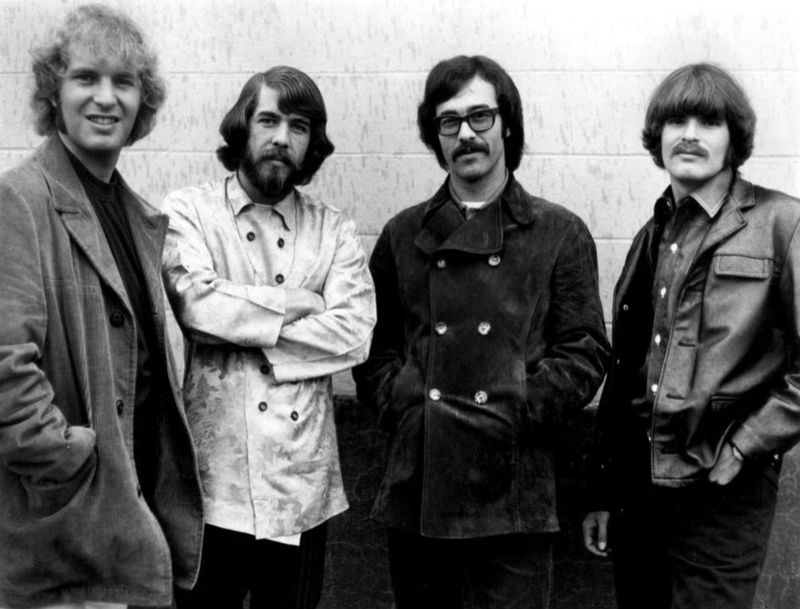
John Fogerty wrote most of the band’s major songs, but publishing, label control, and business arrangements left him bitter for years afterward.
When CCR broke up in 1972, the bitterness did not go quietly. His later legal and personal disputes around the CCR catalog only deepened that bitterness.
Writing the hits and owning the hits turned out to be two very different things.
10. Van Halen
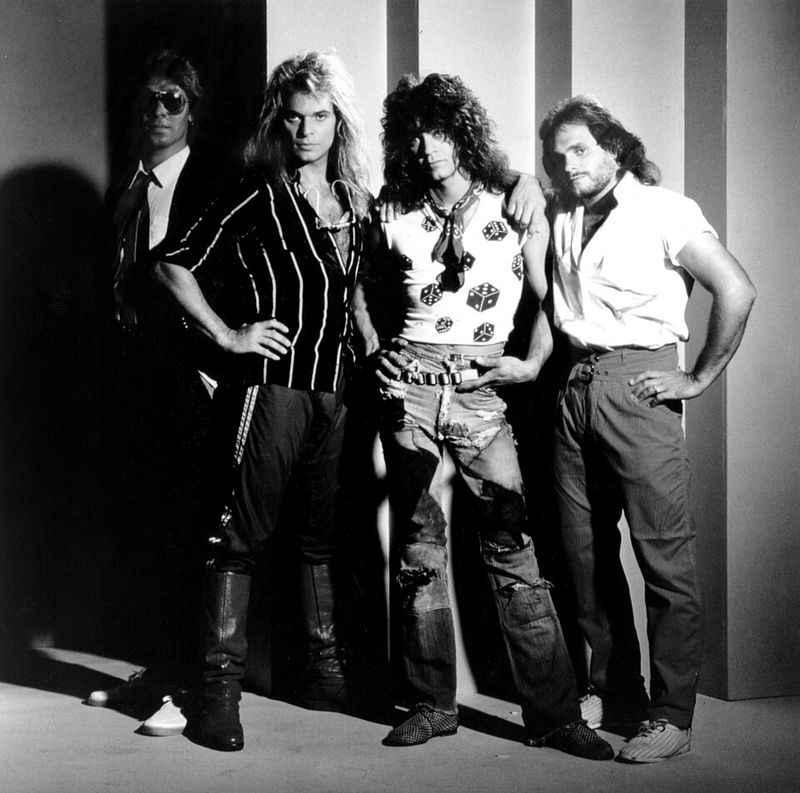
Departure in 1985 from David Lee Roth made it seem like the end for Van Halen, yet everything was only beginning.
Arrival of Sammy Hagar kicked off a cycle that never really settled, with exits, returns, and new attempts constantly reshaping the lineup.
Brief return from Roth, short-lived run with Gary Cherone, and another Hagar comeback kept the door spinning for years.
Lineup changes turned into a running storyline that stretched across two decades. Breakup somehow evolved into a serialized drama with no clear final chapter.
11. Talking Heads
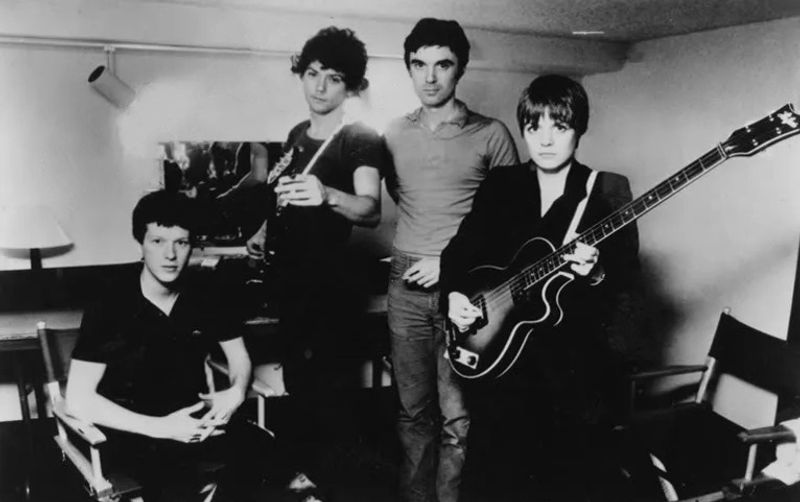
Quietly announcing a solo album in 1988 without telling the rest of Talking Heads set the tone for everything that followed.
By 1991, the band had officially split, yet the remaining members continued performing as The Heads until Byrne sued to block the name. That lawsuit succeeded, and any later reunion talks never quite managed to gain real momentum.
Even the farewell ended up with a sequel no one really needed.
12. The Kinks
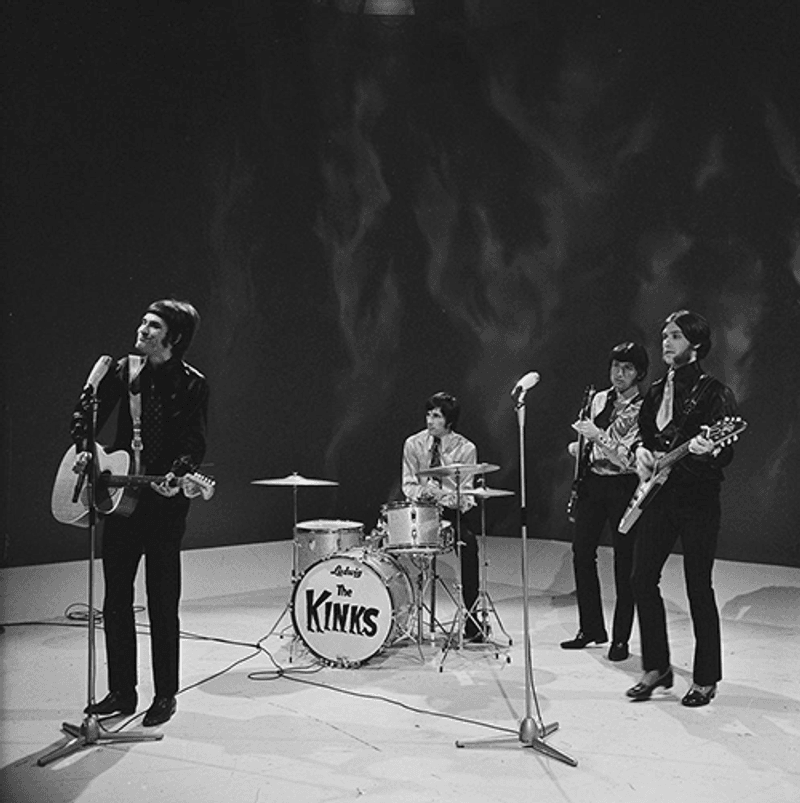
Brotherhood between Ray Davies and Dave Davies fueled both brilliant songwriting and equally memorable arguments.
Creative friction ran through decades of work, shaping classic albums while also leading to explosive moments behind the scenes.
Mid-1990s marked a quiet end for The Kinks, with a relationship that had been strained long enough to feel like part of the story itself.
Sibling rivalry rarely produces something lasting on this scale. Here, it helped build an entire catalog.
13. ABBA
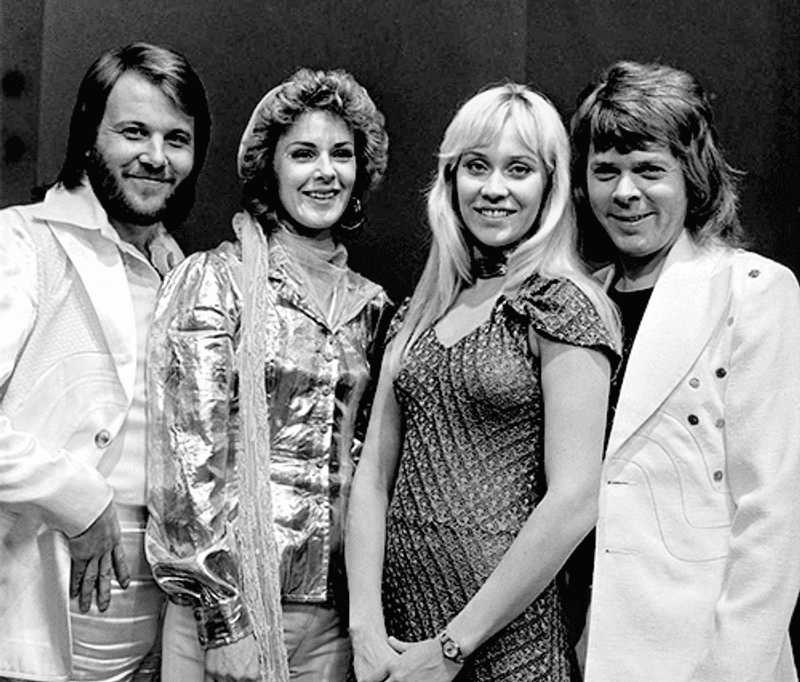
Forming a band out of two couples sounds like a great idea until both relationships begin to fall apart at the same time.
Benny and Anni-Frid separated in 1981 after Björn and Agnetha’s 1979 divorce, and that emotional weight carried into the group’s final recordings.
No official breakup ever came, with the band simply drifting into silence instead. Some endings feel more complicated when nothing is formally said.
14. Sex Pistols
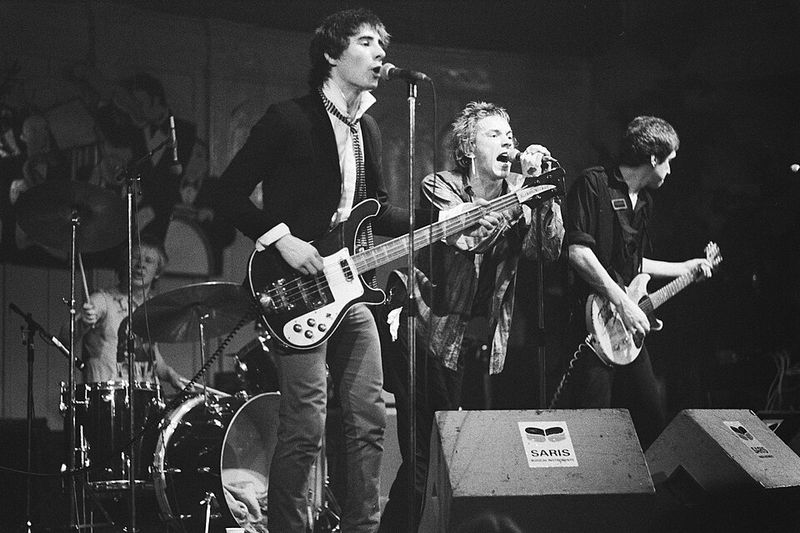
Johnny Rotten walked up to the microphone at the final show of the 1978 U.S. tour and asked the crowd, “Ever get the feeling you’ve been cheated?”
That was the end of the Sex Pistols, delivered in one sentence after a notoriously chaotic tour that had already pushed everyone to their limits. Sid Vicious passed away months later, and the legal battles over the band’s legacy dragged on for years.
A band built on chaos ended exactly the way it lived.
15. Journey
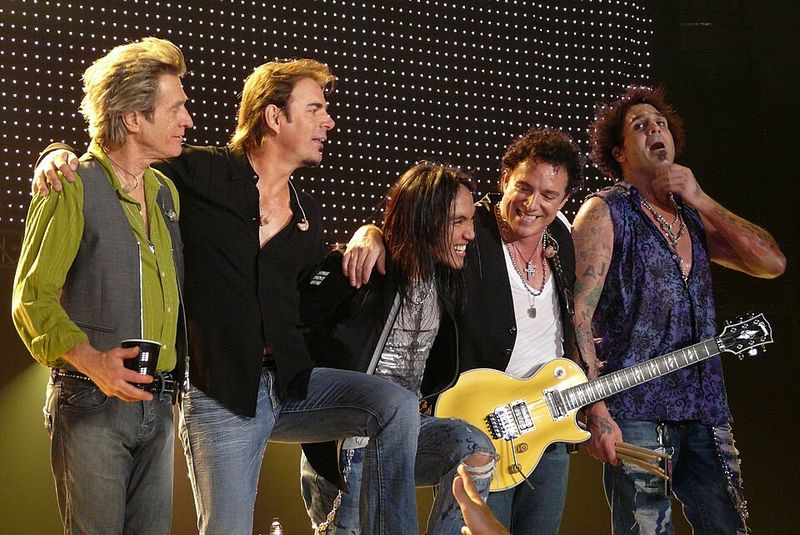
Signature voice from Steve Perry defined the identity of Journey, so his 1996 exit created a major void.
Health concerns contributed, yet ongoing tension within the group made the departure far from smooth.
Later years brought disputes over the band name, song rights, and even use of the logo, turning a classic rock legacy into a stack of legal issues. Walking off stage might be simple.
Untangling everything behind the scenes rarely is.
Disclaimer: This article reflects widely reported band breakups, legal disputes, lineup changes, and public statements connected to major music acts across different eras.
Because some groups drifted apart gradually rather than announcing a single clean ending, the focus here is on the broader pattern of conflict and fallout rather than one definitive breakup moment in every case. This content is provided for general informational and entertainment purposes.