15 Band Members Who Deserved More Spotlight
Every legendary band has that one member who quietly holds everything together while the lead singer grabs all the attention.
Sometimes the bassist writes the biggest hits, or the keyboardist creates the signature sound everyone remembers.
These talented musicians shaped the music we love, yet their names rarely make headlines.
Here are fifteen band members whose contributions deserve way more recognition than they ever received.
Disclaimer: This article offers general information and cultural commentary about well-known musicians and their contributions to popular bands.
All details have been reviewed for factual accuracy and screened for sensitive or inappropriate language.
1. John Paul Jones (Led Zeppelin)
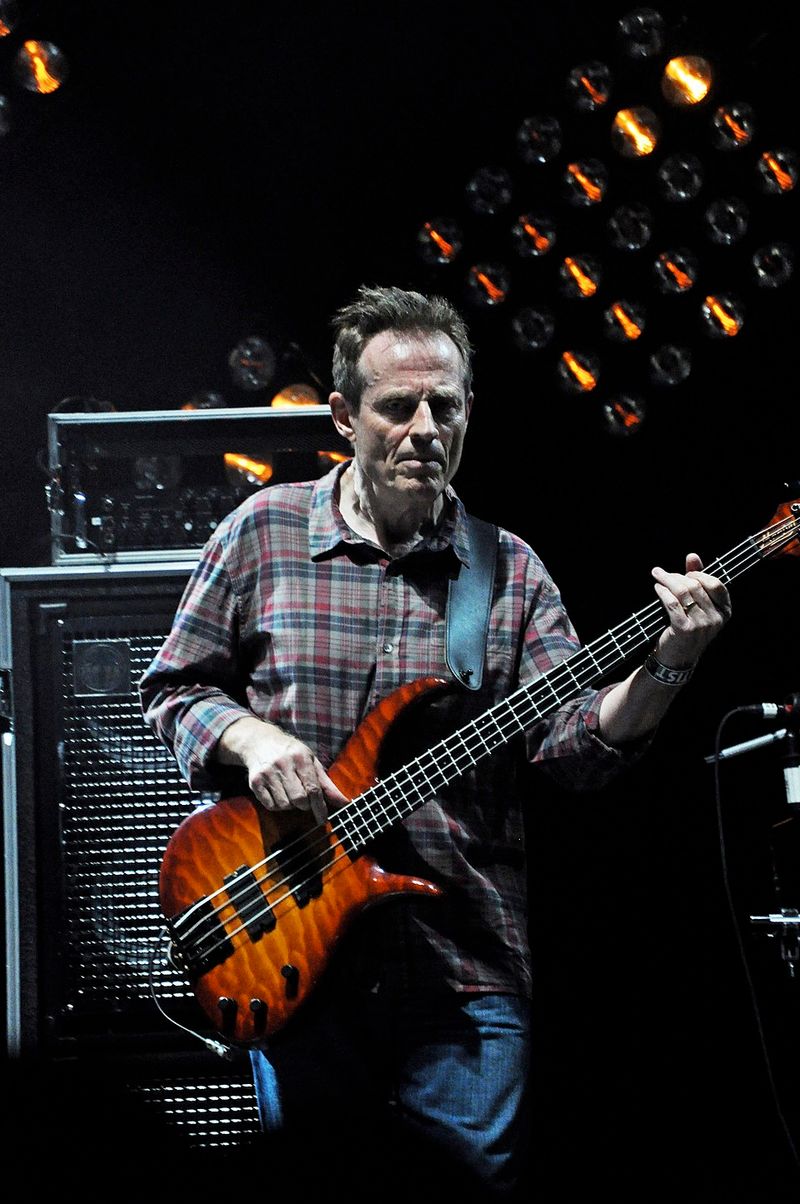
While Robert Plant and Jimmy Page dominated every magazine cover, Jones quietly crafted the backbone of Led Zeppelin’s sound.
His multi-instrumental talents meant he could switch from bass to keyboards to mandolin without missing a beat.
Tracks like “Ramble On” showcase his melodic bass lines that dance beneath Page’s guitar work.
Honestly, without his musical arrangements and production skills, Zeppelin would have sounded completely different.
He brought sophistication to hard rock when most bands just cranked up the volume.
2. John Deacon (Queen)
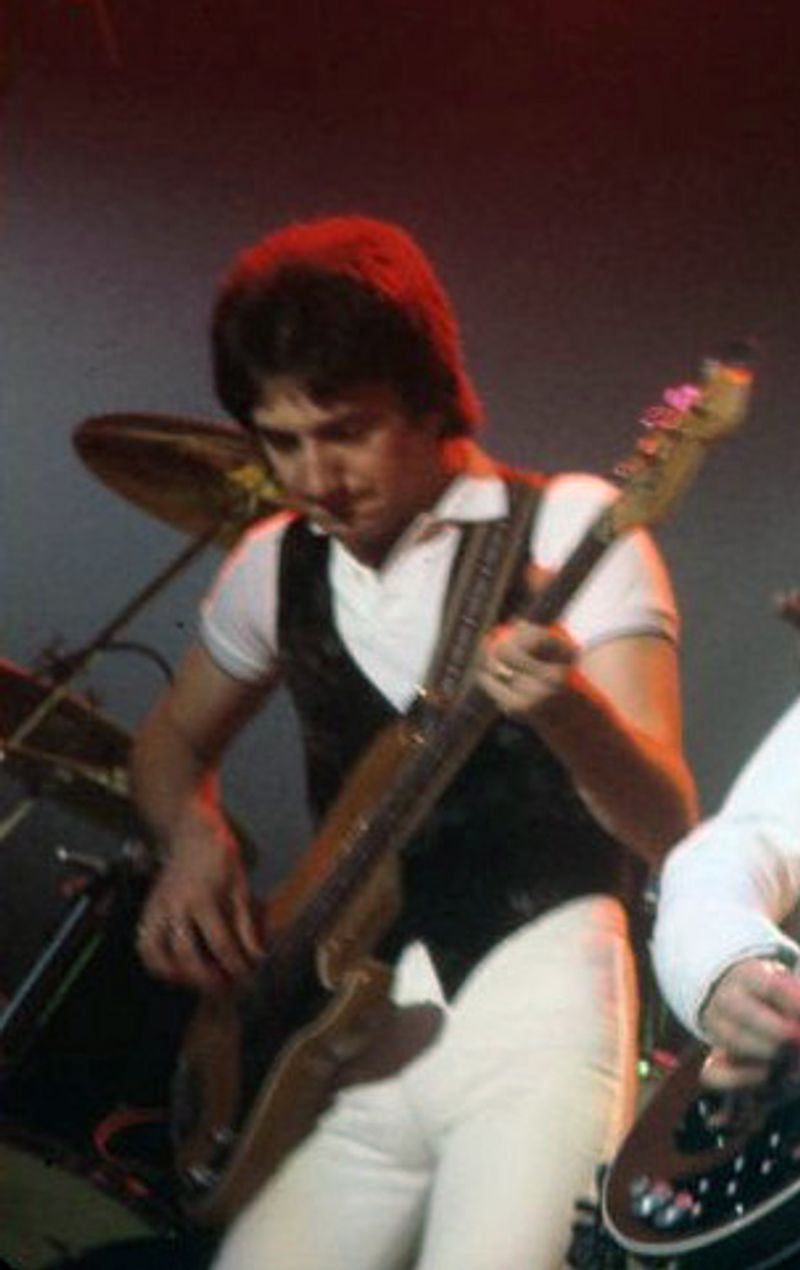
Behind Freddie Mercury’s theatrical presence, Deacon wrote some of Queen’s biggest commercial hits without seeking the spotlight.
“Another One Bites the Dust” came straight from his creative mind and became a global phenomenon.
He also penned “You’re My Best Friend” and “I Want to Break Free,” proving his songwriting chops repeatedly.
Maybe his quiet personality kept him out of interviews, but his bass grooves kept millions dancing.
Precision defined his playing style, anchoring Queen’s complex arrangements perfectly.
3. Richard Wright (Pink Floyd)
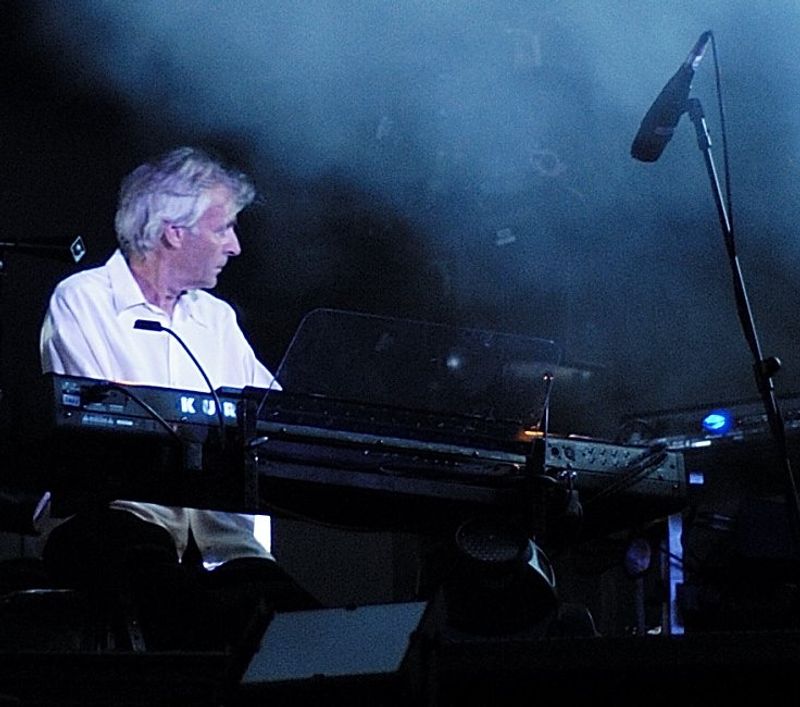
Close your eyes during “The Great Gig in the Sky” and those shifting keyboard layers feel like a doorway into another dimension.
Atmospheric textures shaped Pink Floyd’s signature haunting, space-driven sound in ways no other musician could duplicate.
Creative tension between Roger Waters and David Gilmour never diminished how essential Wright’s presence remained within the band.
Songs like “Us and Them” gain their full emotional weight only when those gentle piano lines drift through the arrangement.
Emotional depth arrived through understatement, proving subtlety can speak louder than any dramatic flourish.
4. Alex Lifeson (Rush)
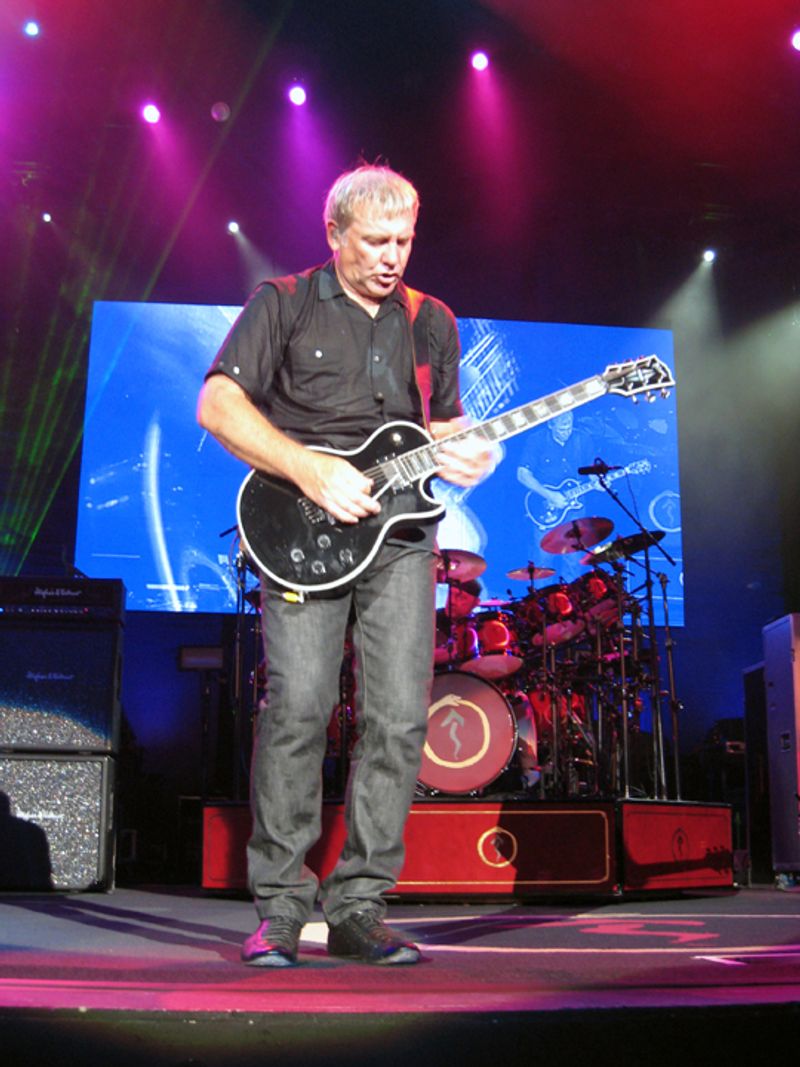
Positioned between Neil Peart’s legendary presence and Geddy Lee’s unmistakable vocals, Alex Lifeson still managed to carve out guitar work that helped define progressive rock.
One listen to the “Limelight” solo reveals a masterclass in tension, release, and emotional precision.
Many fans don’t realize how Rush’s intricate arrangements demanded a guitarist capable of navigating wildly shifting time signatures with total control.
Decades before modern rock embraced atmospheric effects, Lifeson was already weaving experimental textures into the band’s sound.
5. John Entwistle (The Who)
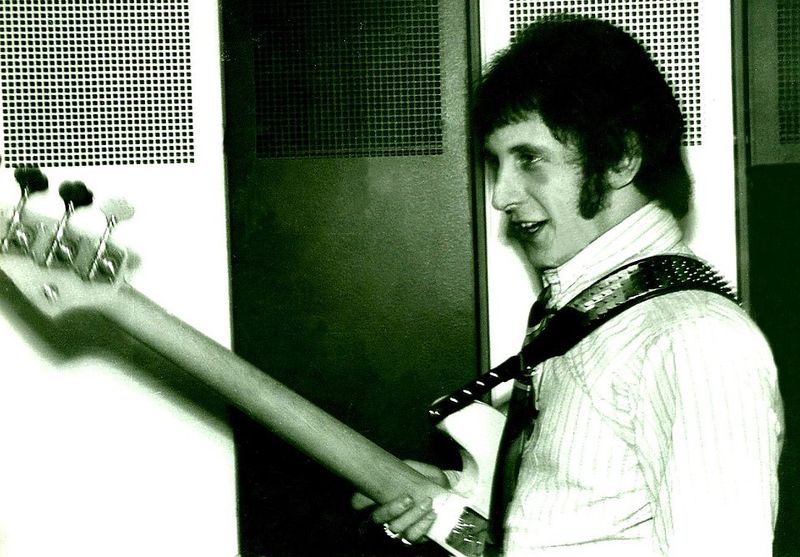
Nicknamed “The Ox” for his powerful playing style, Entwistle revolutionized what bass guitar could accomplish in rock music.
While Pete Townshend smashed guitars and Roger Daltrey swung microphones, Entwistle delivered thunderous bass solos that sounded like lead guitar parts.
His work on “My Generation” practically invented aggressive bass playing for future generations of musicians.
Curiously, he wrote darker songs like “Boris the Spider” that showcased his quirky sense of humor.
Technical precision met raw power every time he plugged in.
6. Bill Wyman (The Rolling Stones)
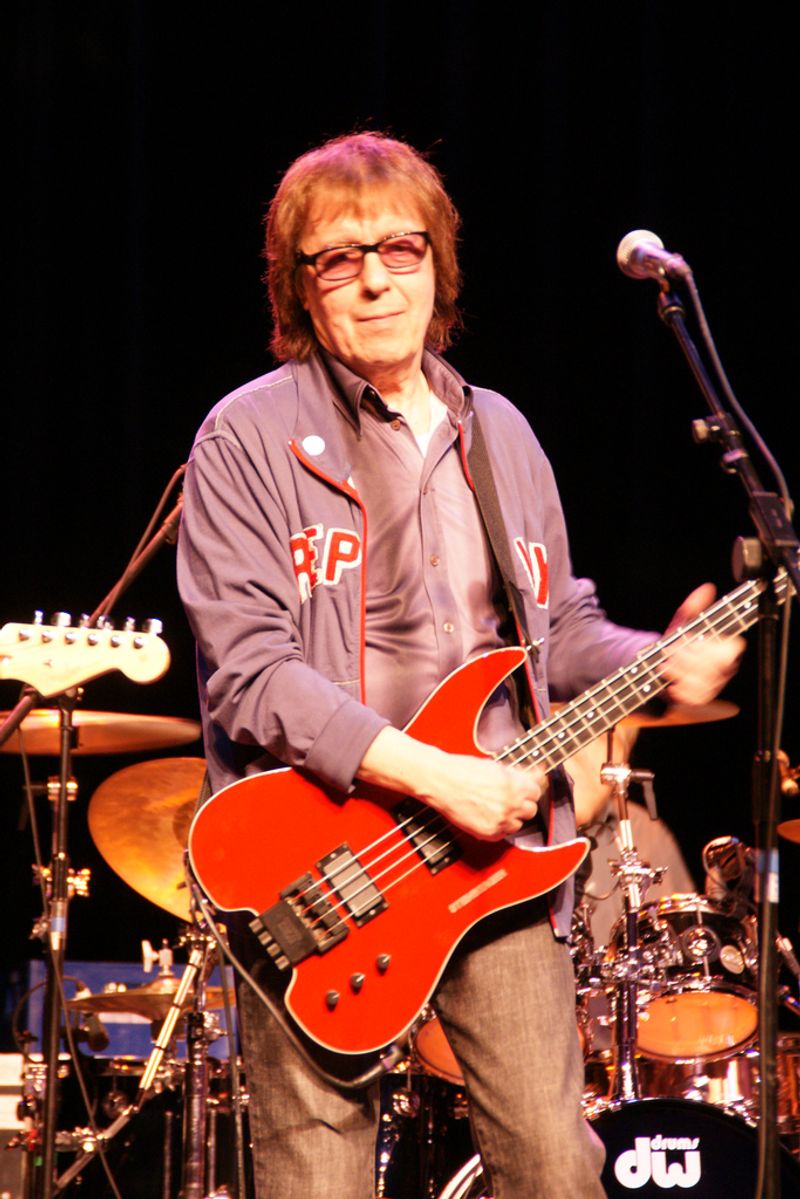
For over three decades, Wyman provided the steady rhythmic foundation that let Mick Jagger and Keith Richards shine brighter.
His understated bass lines on tracks like “Paint It Black” added depth without demanding attention.
Though he rarely grabbed headlines, his groove kept the Stones rolling through countless tours and recording sessions.
Actually, his photography and historical documentation of the band proved equally valuable to preserving their legacy.
Simplicity became his signature, proving that flashy playing isn’t always necessary for greatness.
7. Mick Taylor (The Rolling Stones)
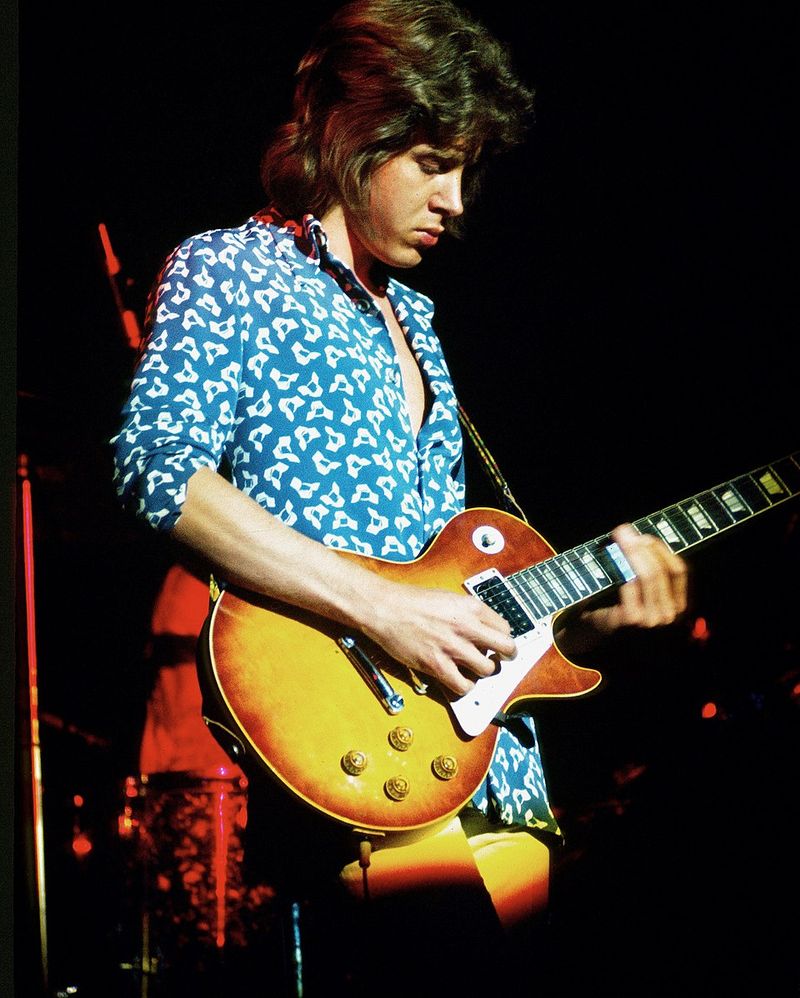
Taking over after Brian Jones might have looked like an impossible task, yet Mick Taylor delivered a bluesy refinement that elevated the Stones’ early-seventies sound immeasurably.
Fluid, extended solos on tracks like “Can’t You Hear Me Knocking” reveal a level of precision and artistry that created a striking contrast with Keith Richards’ rhythmic grit.
Albums such as “Sticky Fingers” and “Exile on Main St.” gained an extra layer of melodic nuance thanks to Taylor’s improvisational instincts and clean phrasing.
Recognition never fully matched the impact he had during that golden stretch, even as fans and critics reevaluated his contributions over the years.
8. Cliff Burton (Metallica)
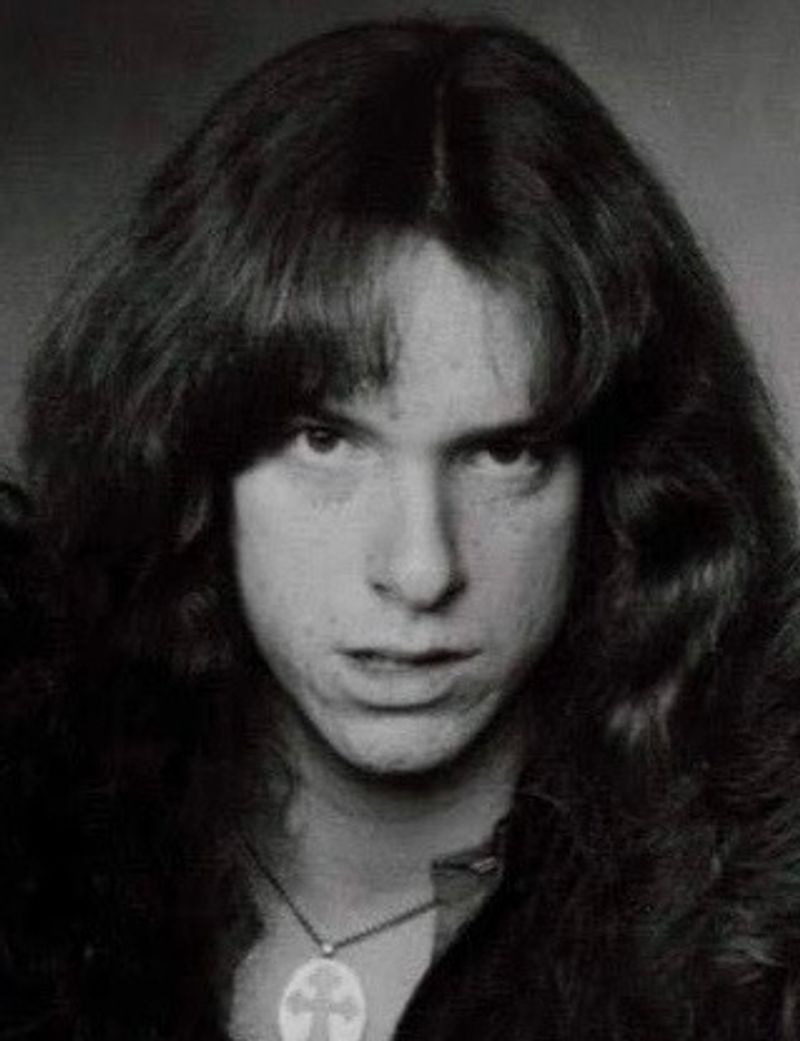
Before the tragic loss in 1986, Cliff Burton reshaped metal bass playing by turning what were once basic root notes into bold melodic ideas.
Classical training added an unexpected layer of sophistication to Metallica’s fierce thrash sound on milestone albums like “Master of Puppets.”
Tracks built around distorted bass leads, especially “Orion,” stand as instrumental showcases that pushed the entire genre forward.
Traditionally, metal bassists stayed buried in the mix, yet Burton carved out space with authority and refused to fade into the background.
9. Steve Hackett (Genesis)
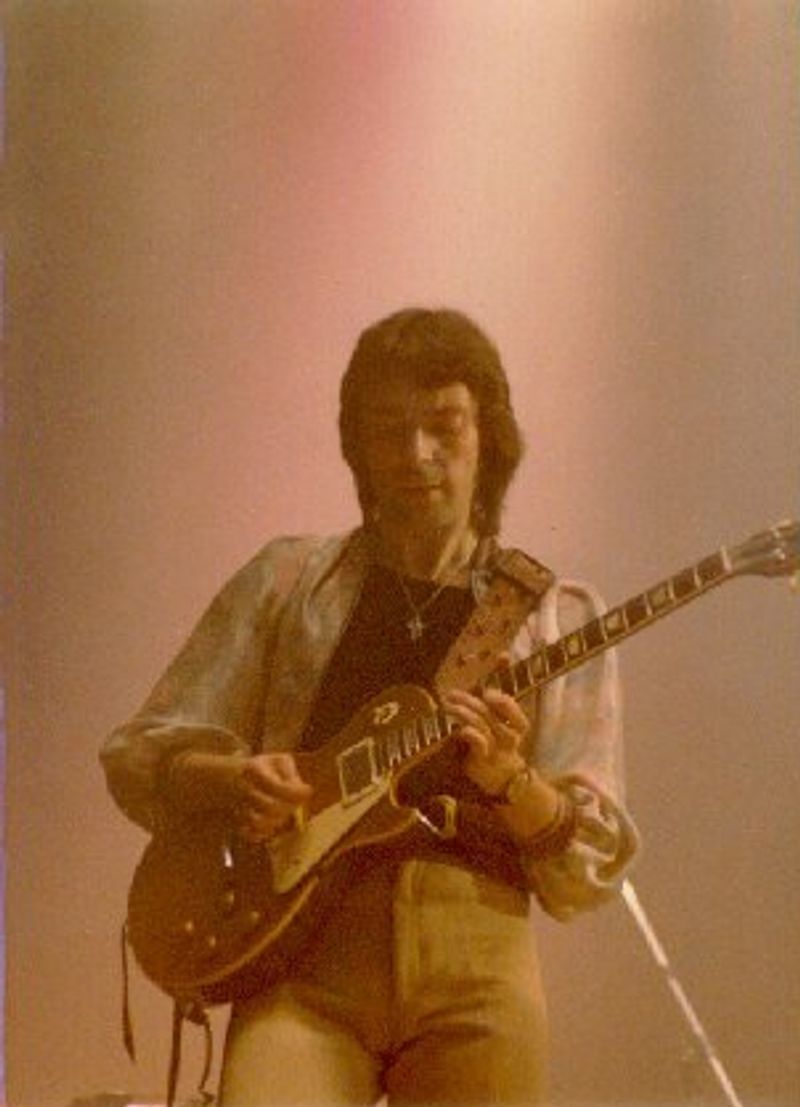
During Genesis’s progressive rock peak, Hackett developed the two-handed tapping technique that Eddie Van Halen later popularized worldwide.
His intricate guitar work on “Firth of Fifth” demonstrates breathtaking technical ability combined with genuine emotional expression.
Though Peter Gabriel and Phil Collins received most media attention, Hackett’s contributions defined the band’s complex musical identity.
Perhaps his departure in 1977 allowed him to explore solo work, but Genesis lost a crucial creative voice.
Precision and innovation characterized every note he played throughout his tenure.
10. Christine McVie (Fleetwood Mac)

While Stevie Nicks’s mystical persona captured imaginations, McVie wrote and sang some of Fleetwood Mac’s most beloved radio hits.
Songs like “Don’t Stop” and “You Make Loving Fun” showcased her gift for crafting perfect pop-rock melodies with heartfelt lyrics.
Her keyboard playing and warm vocals provided essential balance to the band’s sometimes turbulent creative dynamics.
Thankfully, later generations recognized her contributions, though she deserved equal billing from the beginning.
Consistency and professionalism defined her decades-long career with the band.
11. John McVie (Fleetwood Mac)
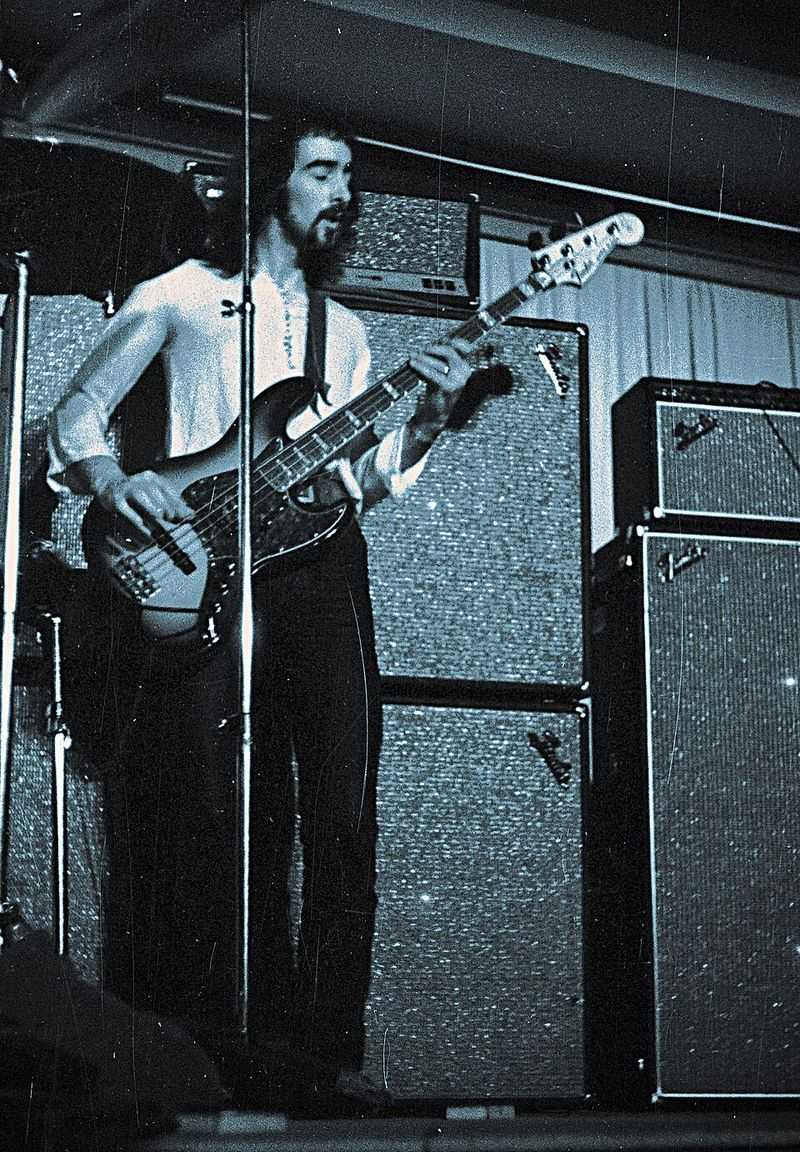
Half the band’s name belongs to him, yet McVie rarely received recognition for his rock-solid bass work that anchored every Fleetwood Mac hit.
Together with Mick Fleetwood, he formed one of rock’s most reliable rhythm sections, holding the group steady through every lineup shift.
Tracks like “The Chain” showcase a driving, deliberate bass line that quietly propels the entire song.
Really, his calm professionalism helped stabilize the group during the famously turbulent “Rumours” sessions.
12. Krist Novoselic (Nirvana)
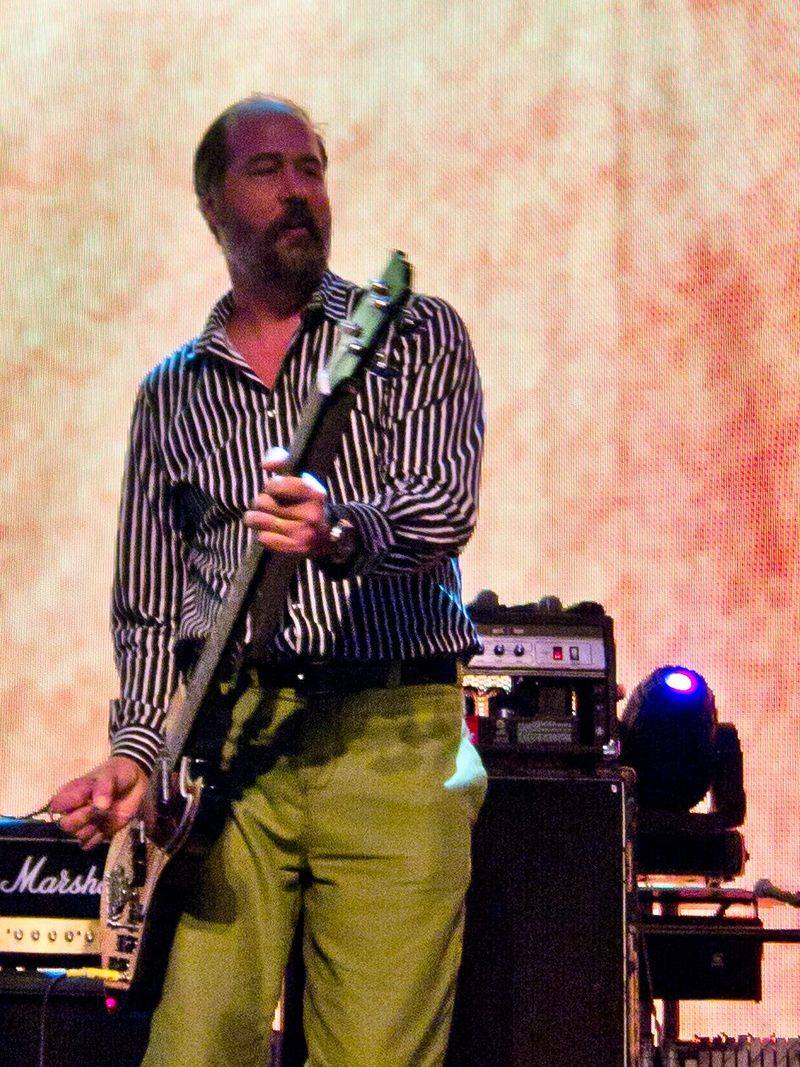
Standing over six feet tall, Novoselic shaped Nirvana’s sound with powerful, melodic bass lines that balanced Cobain’s raw guitar edge.
Contributions to “Smells Like Teen Spirit” helped cement the most recognizable grunge anthem of the early nineties.
Outside of recording studios, Novoselic devoted significant energy to political activism and advocacy for musicians’ rights.
Naturally, Cobain’s tragic death often dominated public conversation, yet Novoselic’s influence on the band’s musical chemistry stayed undeniable.
13. Phil Lesh (Grateful Dead)
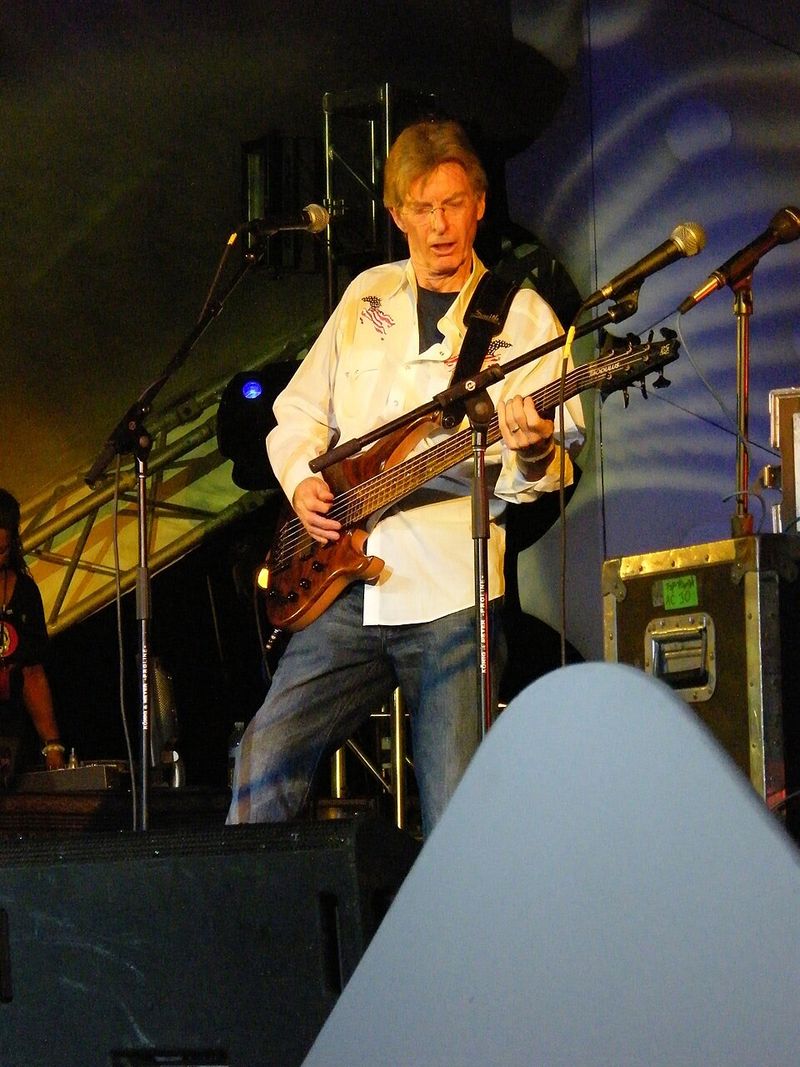
Instead of following traditional bass patterns, Lesh approached his instrument like a lead player, weaving countermelodies through the Grateful Dead’s improvisational jams.
His classical music training and experimental mindset pushed the band toward jazz-influenced territory that separated them from typical rock acts.
Songs like “Dark Star” showcase his willingness to take musical risks during extended live performances.
However, Jerry Garcia’s guitar wizardry typically dominated critical discussions of the band’s musical prowess.
Innovation drove his approach, constantly exploring new sonic possibilities.
14. Tony Banks (Genesis)
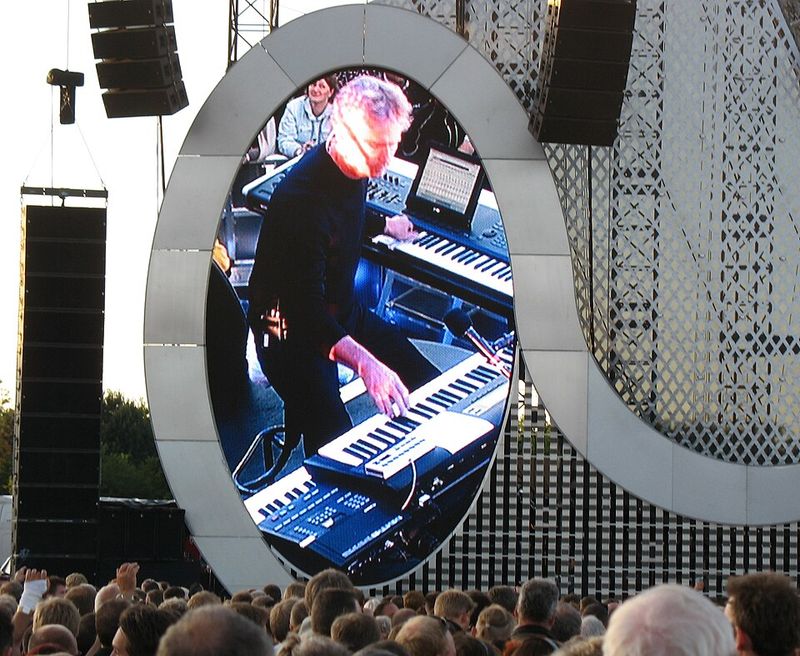
Primary composer for Genesis, Banks shaped the band’s identity through intricate keyboard arrangements that powered their progressive rock era.
Classical training infused tracks like “Supper’s Ready” with symphonic scale, turning long-form pieces into unforgettable musical odysseys.
Phil Collins may have stepped into the spotlight, yet Banks provided the steady creative foundation that carried the group through every transformation.
Eighties-era synthesizer innovations allowed Genesis to cross into pop territory while still holding onto the sophistication long-time fans admired.
15. Andy Summers (The Police)
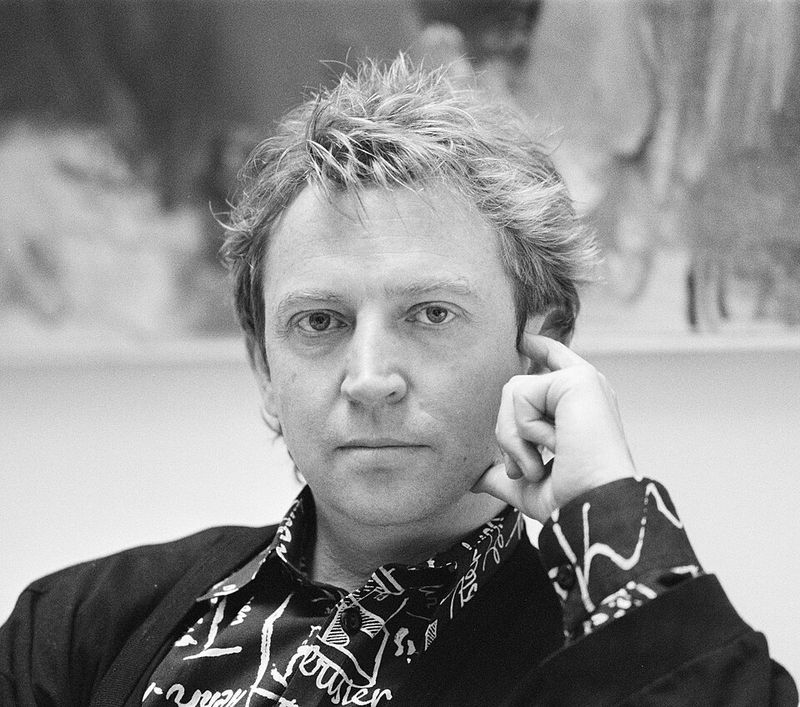
While Sting’s songwriting and vocals dominated The Police’s identity, Summers created the distinctive guitar textures that made their sound instantly recognizable.
His reggae-influenced rhythms and atmospheric effects on songs like “Every Breath You Take” added sophisticated layers to seemingly simple pop arrangements.
Jazz background informed his approach, bringing harmonic complexity to new wave music that typically favored simplicity over sophistication.
Fortunately, guitar enthusiasts recognized his innovative techniques, even if mainstream audiences focused elsewhere.
Texture and atmosphere defined his contributions to every Police recording.