13 Bands Whose Sound Changed After New Members Arrived
Door swings open, new face walks in, and suddenly the whole band sounds like it drank something different. Guitars hit a little louder, vibes shift, and everyone’s either cheering like it’s a comeback tour or staring like, “wait, what just happened?”
A lineup change can reshape everything, sometimes for the better, sometimes simply in a more noticeable direction, but either way, the story never sounds the same again.
1. Fleetwood Mac
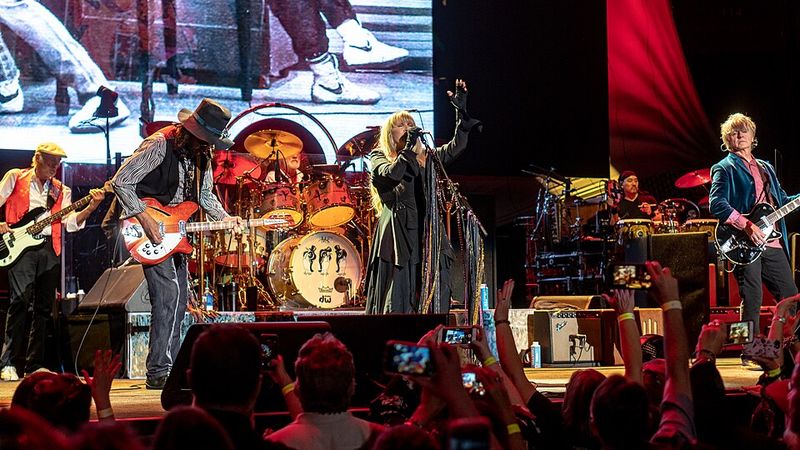
Shift from the gritty, smoky world of British blues to glossy American radio playlists feels almost surreal for a band in transition. Fresh energy arrived when Lindsey Buckingham and Stevie Nicks joined, steering Fleetwood Mac away from earlier blues roots and into a sleeker, more radio-friendly pop-rock sound.
Shift like that opened the door to the blockbuster Rumours era, one of the best-selling albums in history.
Greatest accidental glow-up in rock history feels like a fair way to describe it.
2. Journey
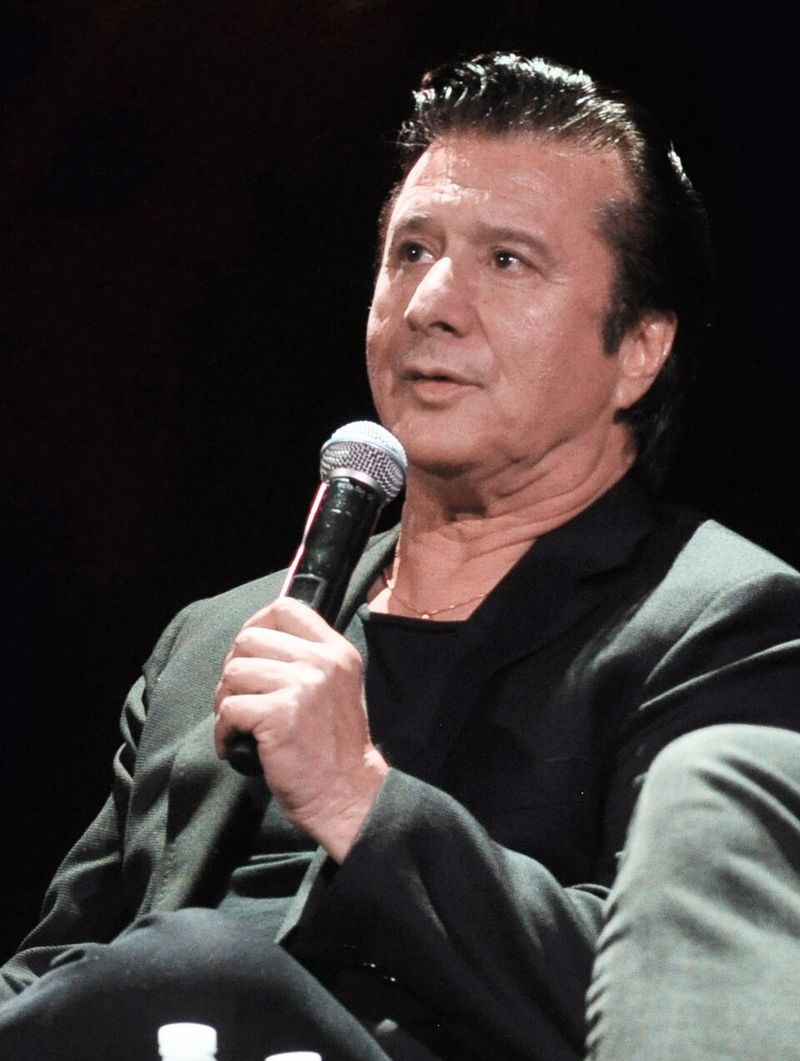
Steve Perry walked into Journey in 1977 and the band basically shifted away from its earlier progressive leanings and toward a more melodic arena-rock sound.
Columbia Records had pushed the group to find a stronger frontman, and Perry delivered something nobody expected: a voice that could fill any room on earth. Suddenly Journey was built for radio, for Friday nights, for every slow-dance moment a teenager could dream up.
Don’t stop believin’ that one hire changed everything.
3. Black Sabbath
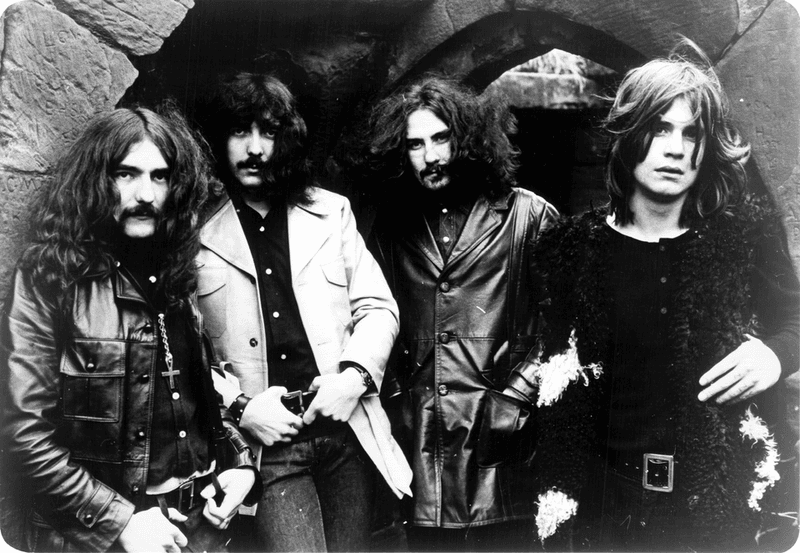
Stepping up to the microphone, Ronnie James Dio shifted Black Sabbath into something that felt like a fantasy novel set on fire.
Dramatic delivery paired with storytelling lyrics pulled the band away from Ozzy-era doom and into a more polished, theatrically charged metal universe.
Heaven and Hell opened that bold new phase with confidence. Different dragon, same fire, and somehow even louder.
4. Van Halen
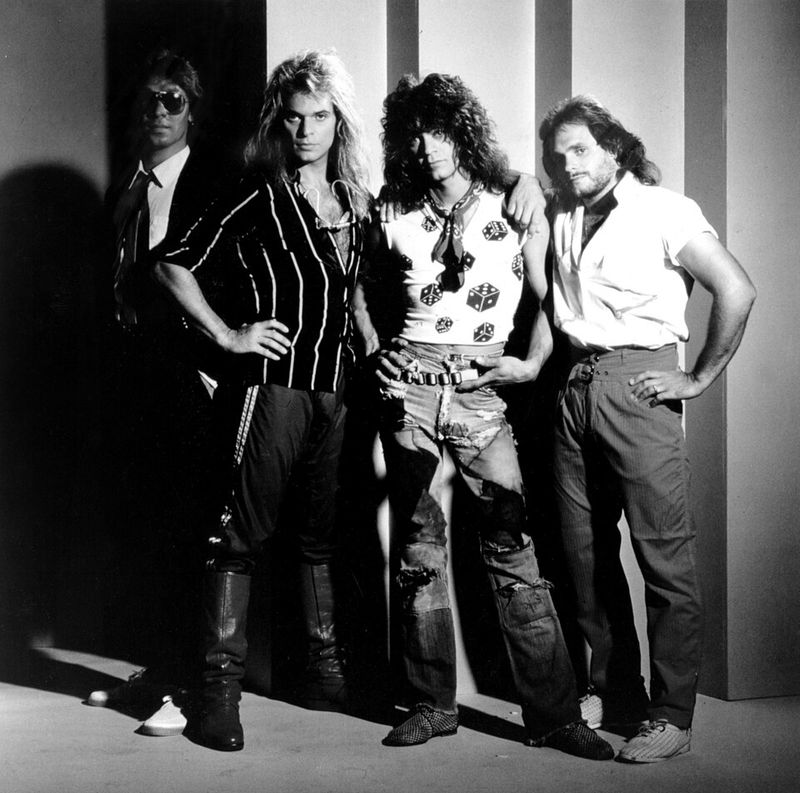
Swapping David Lee Roth for Sammy Hagar felt risky, like trading a leather jacket for a windbreaker, but the commercial results were hard to argue with.
Keyboards moved to the front of the mix, and the edges softened just enough to pull in listeners who had found Roth-era Van Halen a little too wild.
Four U.S. number-one albums followed, which is a pretty convincing argument for change.
5. Red Hot Chili Peppers
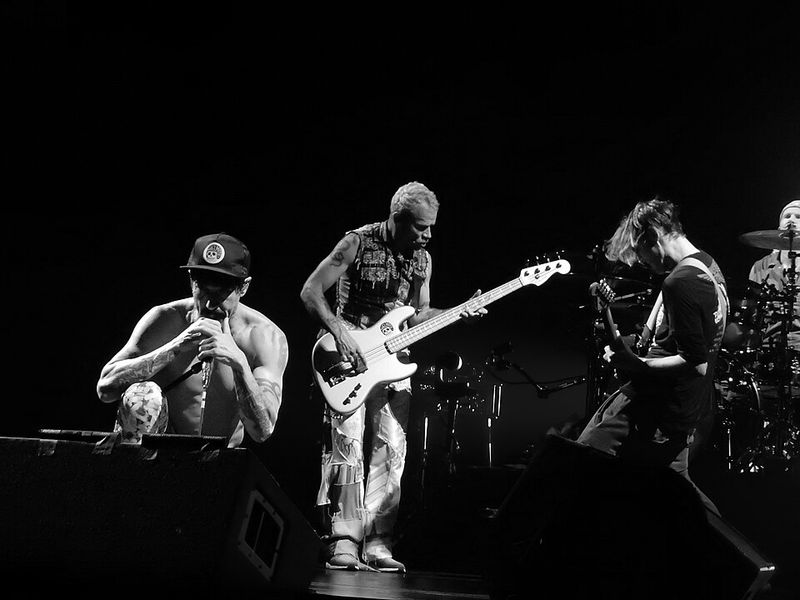
Guitar work suddenly leaned into melody and mood, bringing in a vocabulary the Chili Peppers had not spoken before. Chad Smith’s drumming added power and consistency, while John Frusciante’s guitar work brought in more melody and texture.
Together, those arrivals helped expand the group from a high-energy funk-rock act into one capable of more melodic and emotionally layered songs.
6. Faith No More
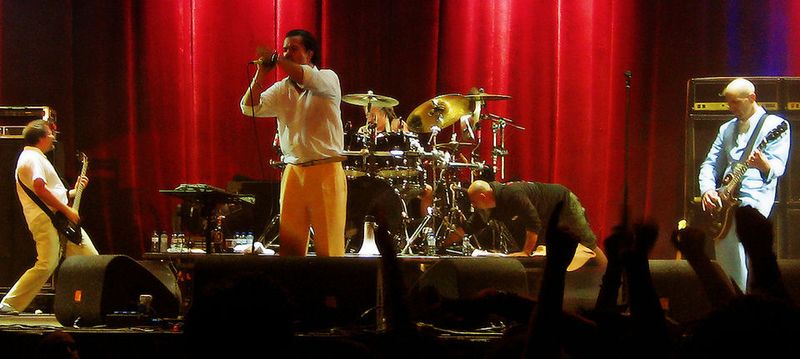
Joining Faith No More, Mike Patton immediately rewrote the rulebook, scribbling lyrics for The Real Thing almost before his luggage was unpacked.
Wild vocal range paired with a theatrical personality pushed the band into territory that refused easy labels, shifting from metal to funk to something almost operatic.
Unpredictability kept listeners guessing at every turn, and that constant surprise became the brand. Chaos, it turns out, is a marketable skill.
7. Pantera
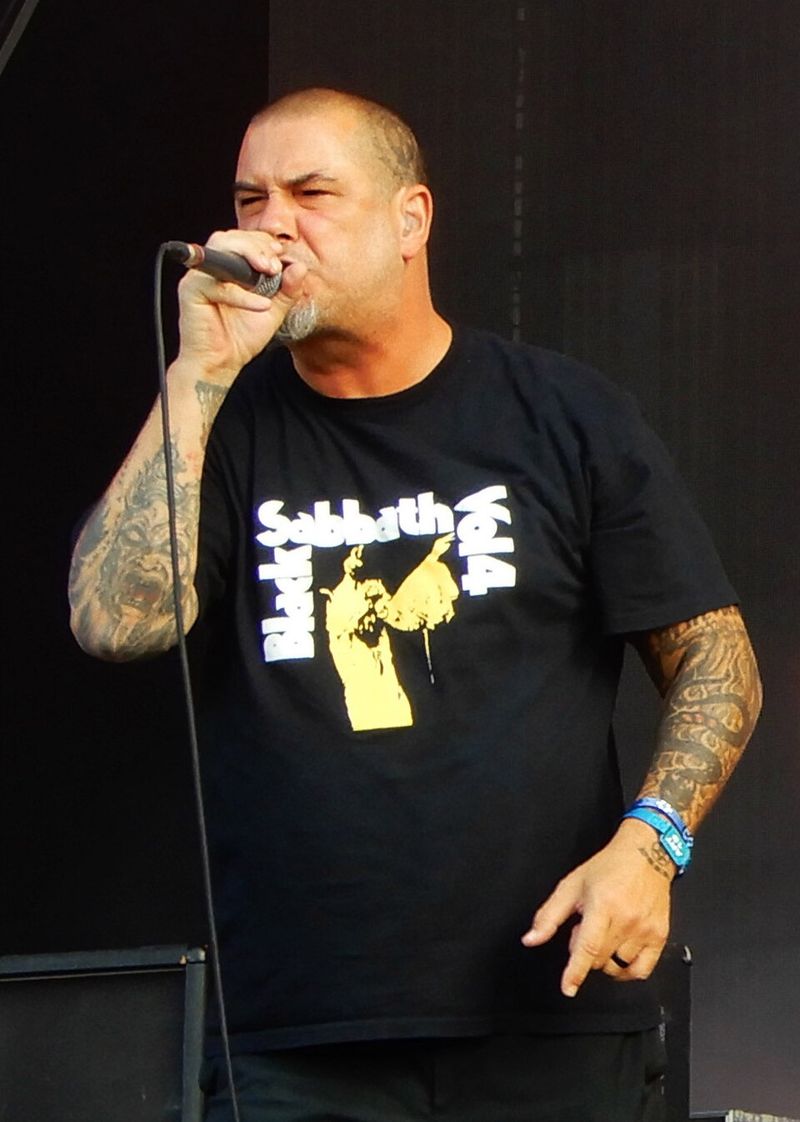
Before Phil Anselmo arrived, Pantera was doing its best glam-metal impression, and the hairspray budget must have been enormous.
Anselmo’s raw, confrontational presence was the trigger that pulled the band toward a heavier, groove-driven identity. Cowboys from Hell hit with a force that permanently changed the band’s reputation.
Sometimes the right voice completely rewrites the blueprint.
8. Pink Floyd
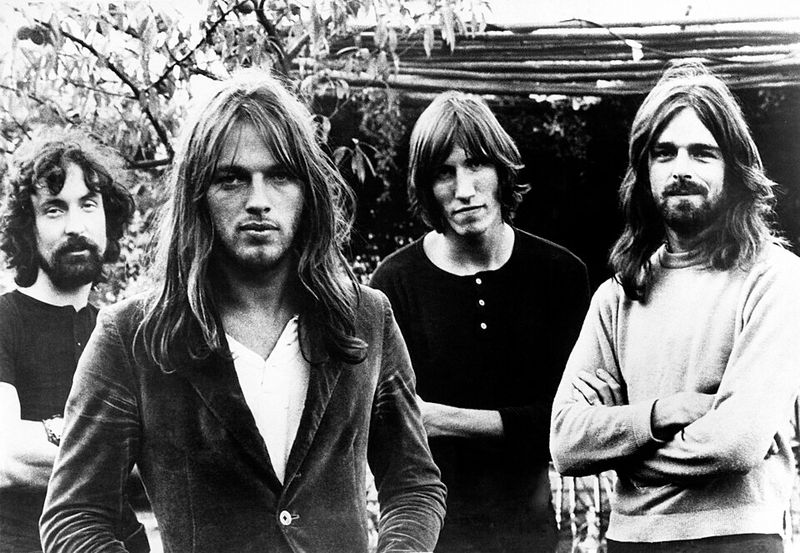
Shift away from Syd Barrett’s era came with real weight, and David Gilmour’s arrival quietly redirected Pink Floyd toward something vast and cinematic.
Whimsical psychedelic pop gradually gave way to long, sweeping compositions that felt like soundtracks for outer space.
Melodic guitar work became the emotional center the band built its progressive-rock identity around. Some of music’s biggest doors open during its hardest moments.
9. Deep Purple

Deep Purple’s Mark II lineup arrived with a heavier and more defined sound. Soaring vocals from Ian Gillan paired with Roger Glover’s bass work gave the band a heavier, more defined identity than earlier lineups had managed.
Deep Purple in Rock stood as a landmark that helped sketch the blueprint for hard rock and heavy metal as a whole.
Right people, right moment, right volume.
10. Depeche Mode
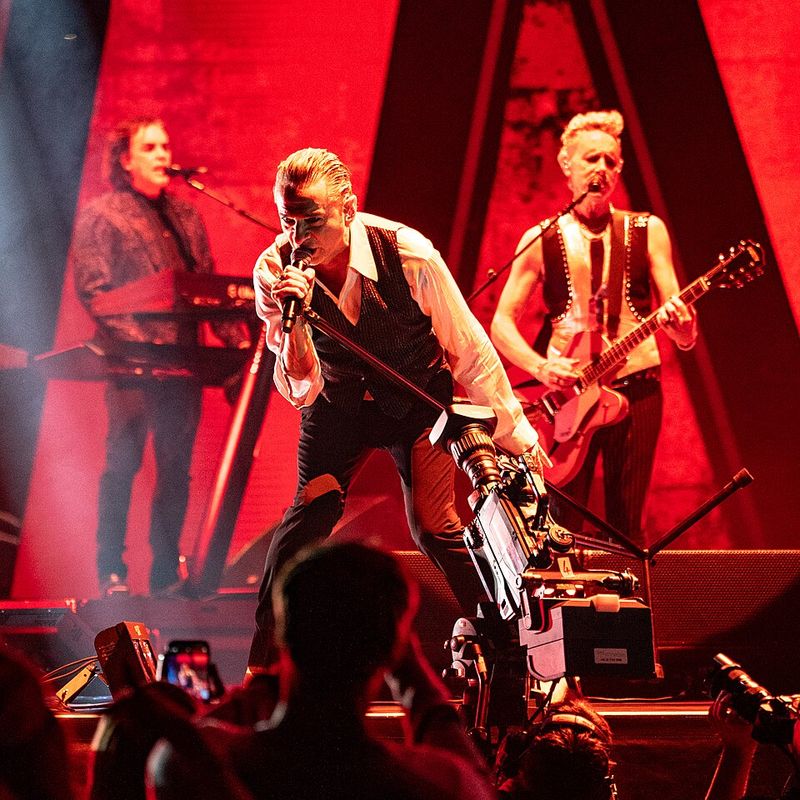
After Vince Clarke’s exit, Depeche Mode entered a transitional phase, and Alan Wilder later became a major part of the band’s next evolution.
Beginning with Construction Time Again, the music grew more layered and ambitious, adding industrial textures and emotional weight beyond the earlier pop-leaning approach.
Each album afterward pushed further into complex, sometimes haunting territory, expanding the group’s identity in bold ways. Growing pains occasionally produce masterpieces.
11. New Order
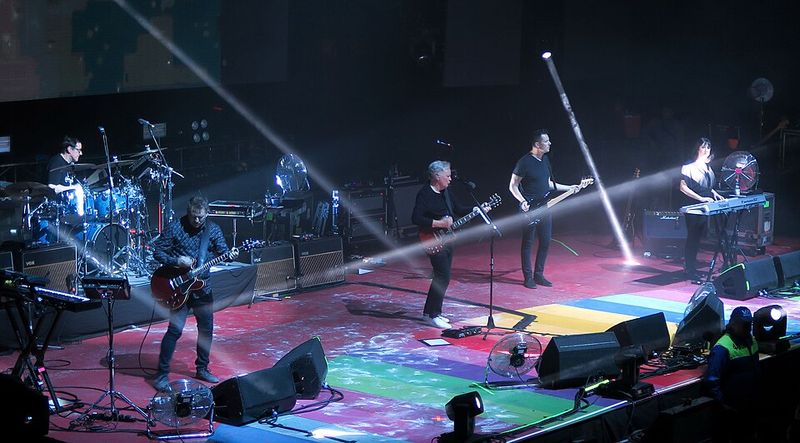
Joining New Order during a period of uncertainty after the loss of Ian Curtis, Gillian Gilbert helped shape what the band would become.
Keyboard and synthesizer work turned into the sonic glue that held post-punk roots together while pulling everything toward something more danceable and entirely new. That lineup built the signature sound fans still love today.
Blue Monday did not write itself, after all.
12. King Crimson

Shock hit longtime fans in 1981, with King Crimson sounding so different that the album sleeve suddenly felt like proof of identity.
Jagged guitar textures, unusual vocal textures, and elastic bass lines reshaped the sound, as Adrian Belew and Tony Levin pushed the band into something leaner and stranger.
Polyrhythms snapped into place, locking Discipline into a tight, almost mechanical groove while still pulling from world music and art rock in unpredictable ways. Reinvention stops looking like a risk and starts reading like a habit.
13. Yes
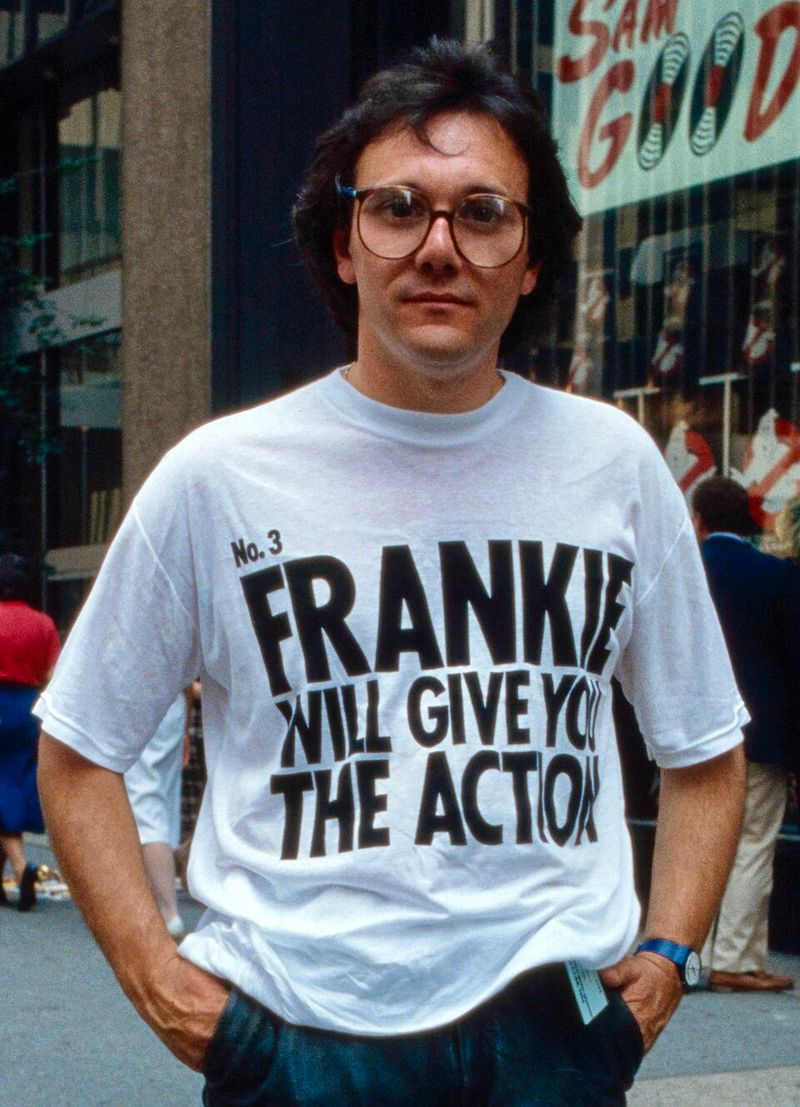
Trevor Horn and Geoff Downes stepped into Yes at a strange crossroads moment, replacing Jon Anderson and Rick Wakeman with almost no warning.
Drama had a heavier, more muscular feel than the airy, orchestral Yes records that came before it, catching fans completely off guard. Horn’s voice was different enough that some listeners did not even recognize the band at first.
It was a short-lived lineup, but it produced a distinctly different Yes album.
Note: Music history and artistic impact can be interpreted differently by listeners, so the content is provided for general informational and entertainment purposes and is not professional or academic music criticism.