15 Banned Books That Sparked Controversy Across America
Books have a way of slipping past expectations and landing straight in the heart of conversation. Some stories challenge ideas, others spark debate, and a few go so far that schools and libraries have tried to pull them off the shelves.
Across America, countless titles have been questioned, challenged, or removed for language, themes, or perspectives that pushed boundaries. What makes these stories even more powerful is the reaction they inspire.
Instead of fading away, many of these books gain momentum. Readers lean in closer, curiosity grows, and pages get turned faster.
A story that sparks controversy often becomes a story that refuses to be ignored, echoing through classrooms, book clubs, and late night reading sessions. Across classic novels and modern page turners, these works carry voices that refuse to be silenced.
Each one tells a story that shaped conversations, influenced generations, or simply made readers stop and think. Ready to explore the books that sparked debate, stirred emotions, and kept readers coming back for more?
1. The Catcher in the Rye by J.D. Salinger
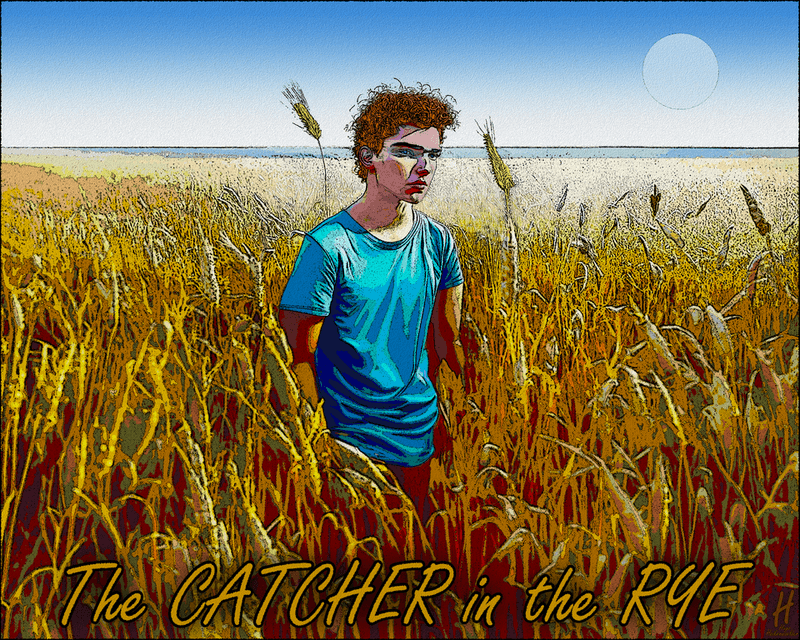
The Catcher in the Rye rattled parents and school boards with Holden Caulfield’s famous rant about a world full of phonies. Published in 1951, the novel follows a rebellious teenager navigating life after getting expelled from school, capturing a raw and unfiltered voice that challenged expectations and sparked lasting debate.
The raw, unfiltered voice of Holden felt scandalous to many readers of the time. Profanity, cynicism, and a general distrust of authority made it a lightning rod for controversy in schools nationwide.
Interestingly, it was also one of the most assigned novels in high school English classes for decades. Banned and beloved at the same time?
Now that is a plot twist.
2. 1984 by George Orwell
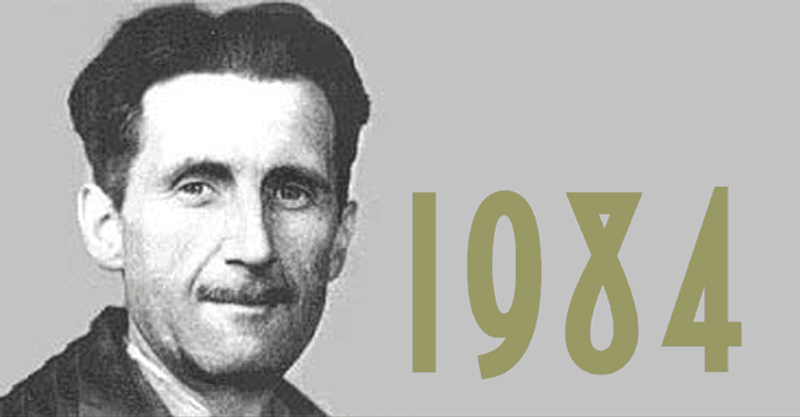
Big Brother is watching. Published in 1949, George Orwell’s chilling vision of a government that controls every thought and action has never felt more relevant.
Winston Smith lives in a world where truth is whatever the ruling Party says it is.
Ironically, a book warning about censorship has itself been censored. Some schools pulled it for political themes, while others flagged its dark content and references to adult situations.
Still, millions of students around the world study it as a critical text on freedom and power. If any book deserves a superhero cape for standing up to censorship, it is probably this one.
3. The Bluest Eye by Toni Morrison
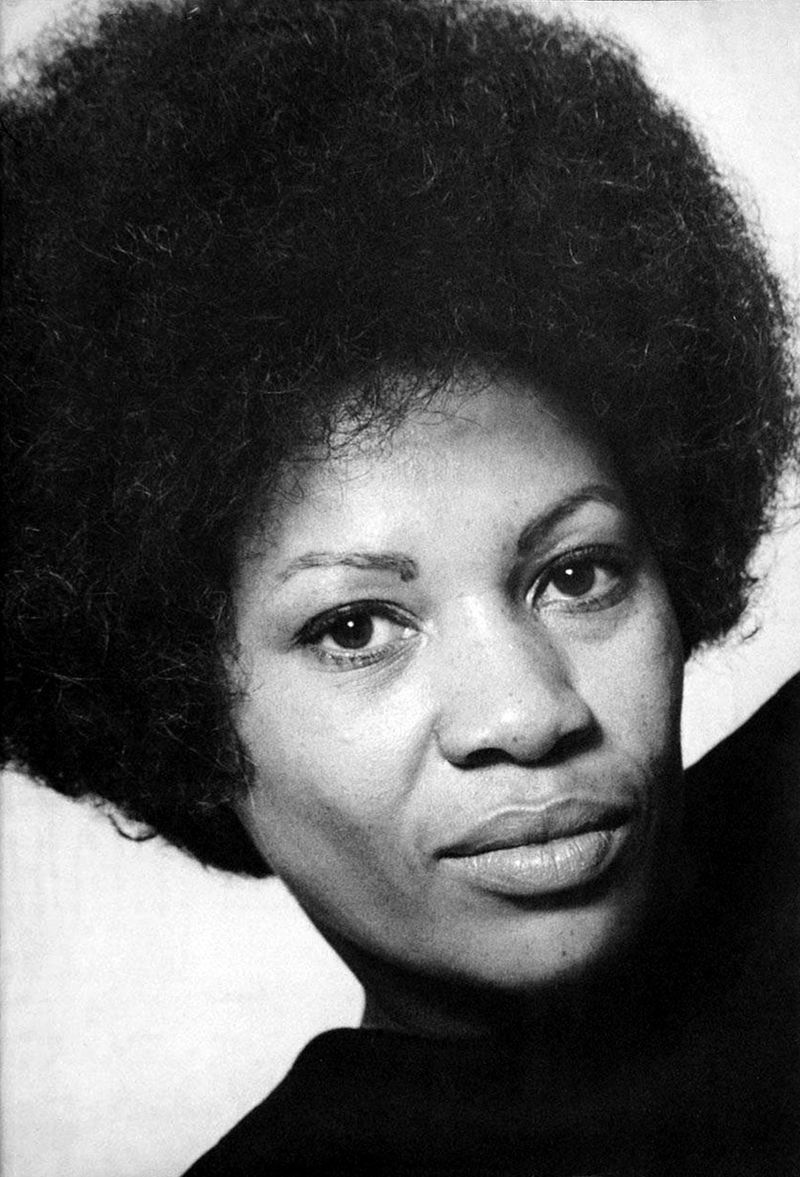
Nobel Prize-winning author Toni Morrison wrote her debut novel in 1970, and it remains one of the most challenged books in American libraries. At its heart, the story follows Pecola Breedlove, a young Black girl who desperately wishes for blue eyes, believing beauty would solve all her pain.
Morrison’s unflinching portrayal of racism, poverty, and abuse is what landed the book on banned lists. Several school districts have removed it for its depictions of violence and abuse.
The discomfort readers feel is precisely the point. Morrison wanted readers to sit with hard truths, not look away.
Challenging? Absolutely.
Necessary? Even more so.
4. Gender Queer: A Memoir by Maia Kobabe
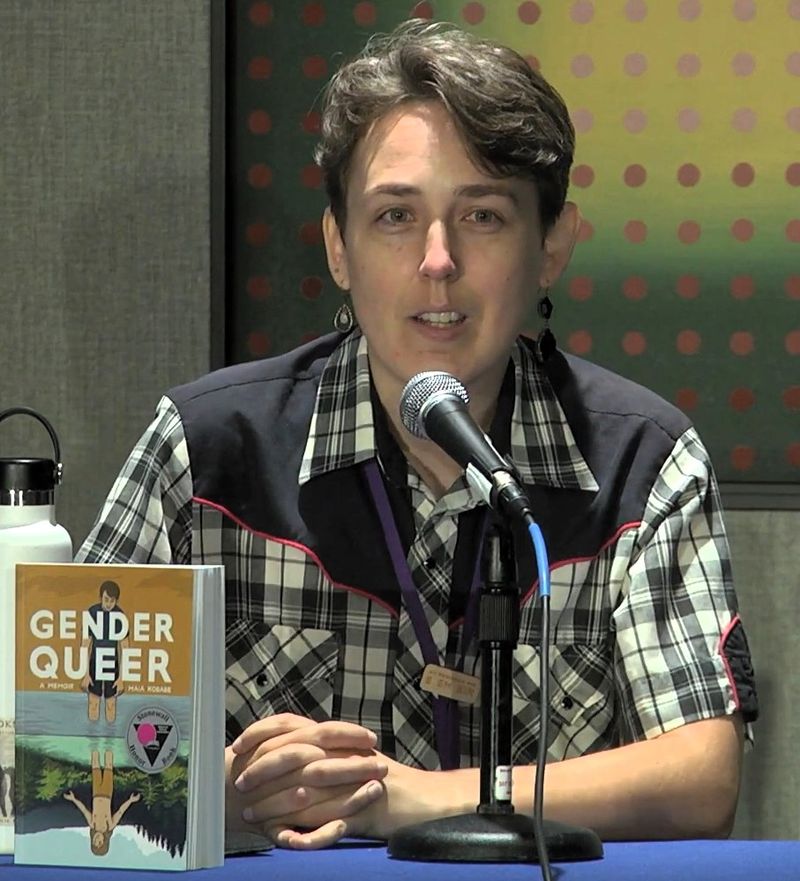
No book on recent banned lists has caused more debate than Maia Kobabe’s graphic memoir, published in 2019. Kobabe uses the memoir format to explore personal experiences with gender identity through illustrated panels and honest storytelling.
Since its release, it has topped the American Library Association’s list of most challenged books multiple years in a row. Critics argue some illustrations are too explicit for school libraries, while supporters call it a lifeline for young readers who feel unseen.
How a book makes someone feel less alone is rarely a reason to ban it. Yet here we are, still having that debate.
5. Fahrenheit 451 by Ray Bradbury
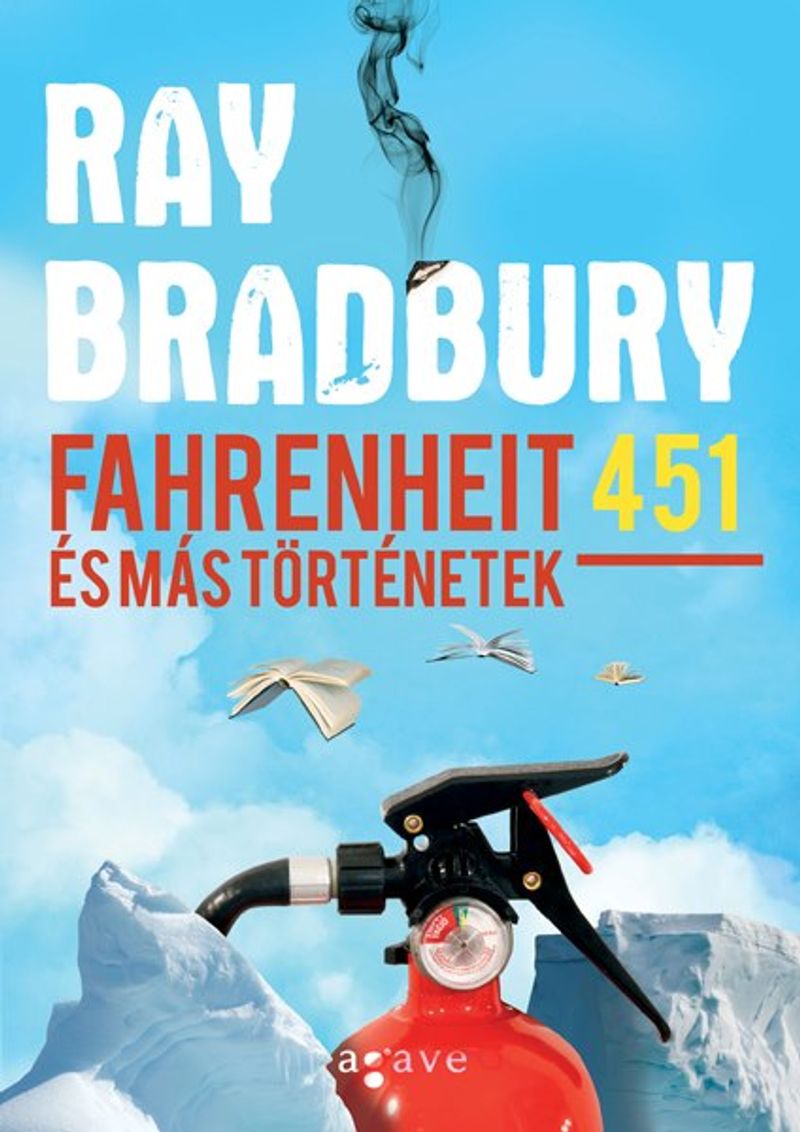
A book about burning books getting banned is the kind of irony even a cartoon villain would appreciate. Ray Bradbury published his fiery masterpiece in 1953, set in a future America where firemen do not put out fires, they start them, specifically to burn books.
Guy Montag, the story’s firefighter hero, begins questioning the society he serves. Some schools have challenged the novel for its portrayal of government control and religious references.
Bradbury himself was reportedly frustrated when he learned the book had been censored, considering it a deeply anti-censorship story. Sometimes the universe has a funny sense of humor, and sometimes it really does not.
6. The Handmaid’s Tale by Margaret Atwood
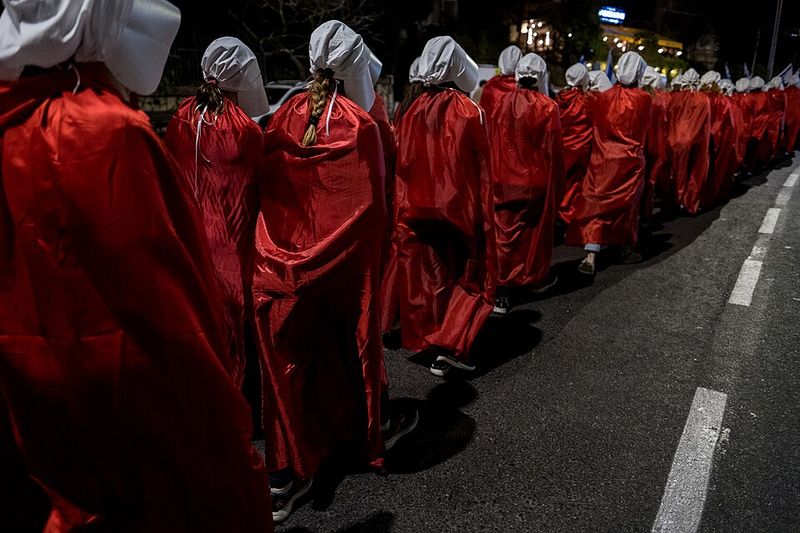
Margaret Atwood’s 1985 dystopian novel imagines a chilling future where a totalitarian government strips women of all rights. Narrated by Offred, a woman forced into servitude, the story is as gripping as it is unsettling.
Schools and libraries across America have challenged it for questionable content, violence, and political themes. Some communities felt the book’s dark vision of religion-based government was offensive or inappropriate for younger readers.
Atwood based much of the story on real historical events, which makes it even more powerful. If a book makes you uncomfortable enough to want it gone, it might be the exact book you need to read.
7. Beloved by Toni Morrison
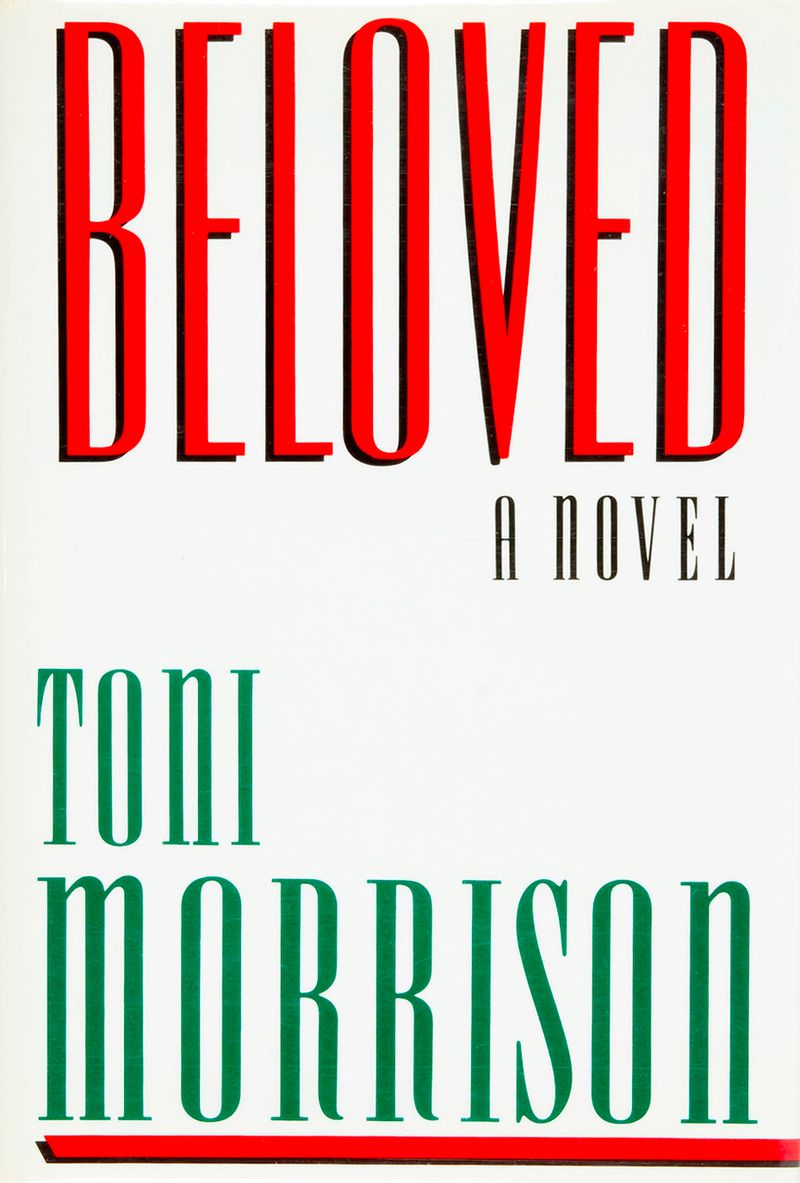
Winning the Pulitzer Prize in 1988 did not protect Beloved from controversy. Toni Morrison’s haunting novel centers on Sethe, a formerly enslaved woman haunted, literally, by the ghost of her child.
The book’s brutal honesty about slavery’s horrors has made it one of the most challenged texts in college and high school curricula. Parents and community members have objected to its graphic depictions of violence.
Morrison once said she wanted the book to be a place where readers could not avoid the truth of slavery’s legacy. Hard to argue with a two-time Nobel laureate, honestly.
8. Looking for Alaska by John Green
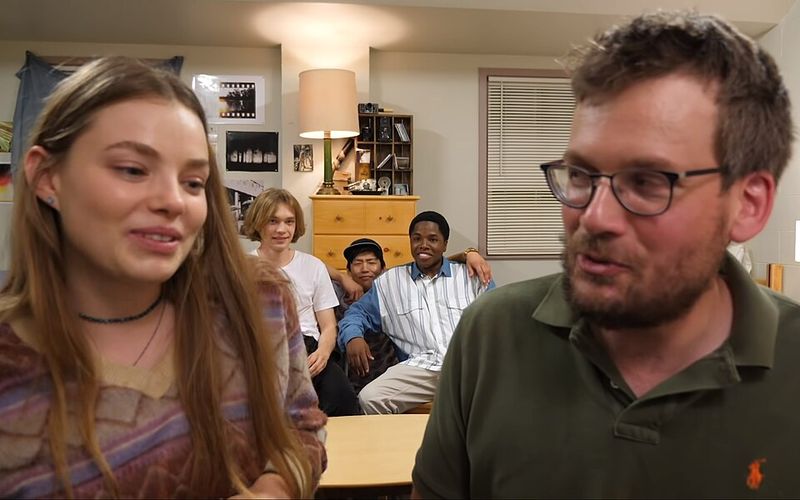
John Green’s debut novel, published in 2005, follows Miles Halter as he leaves home searching for what the poet Rabelais called the Great Perhaps. Along the way, he meets the unforgettable Alaska Young and discovers friendship, love, and devastating loss.
School boards across multiple states have challenged the book for language, a physical contact scene, and references to substances. A particularly notable challenge happened in Jefferson County, Kentucky, where parents pushed for its removal.
Green has spoken openly about his frustration, noting that the book’s emotional honesty is exactly what resonates with teenagers. Sometimes the most real stories are the ones adults find hardest to let kids read.
9. Animal Farm by George Orwell
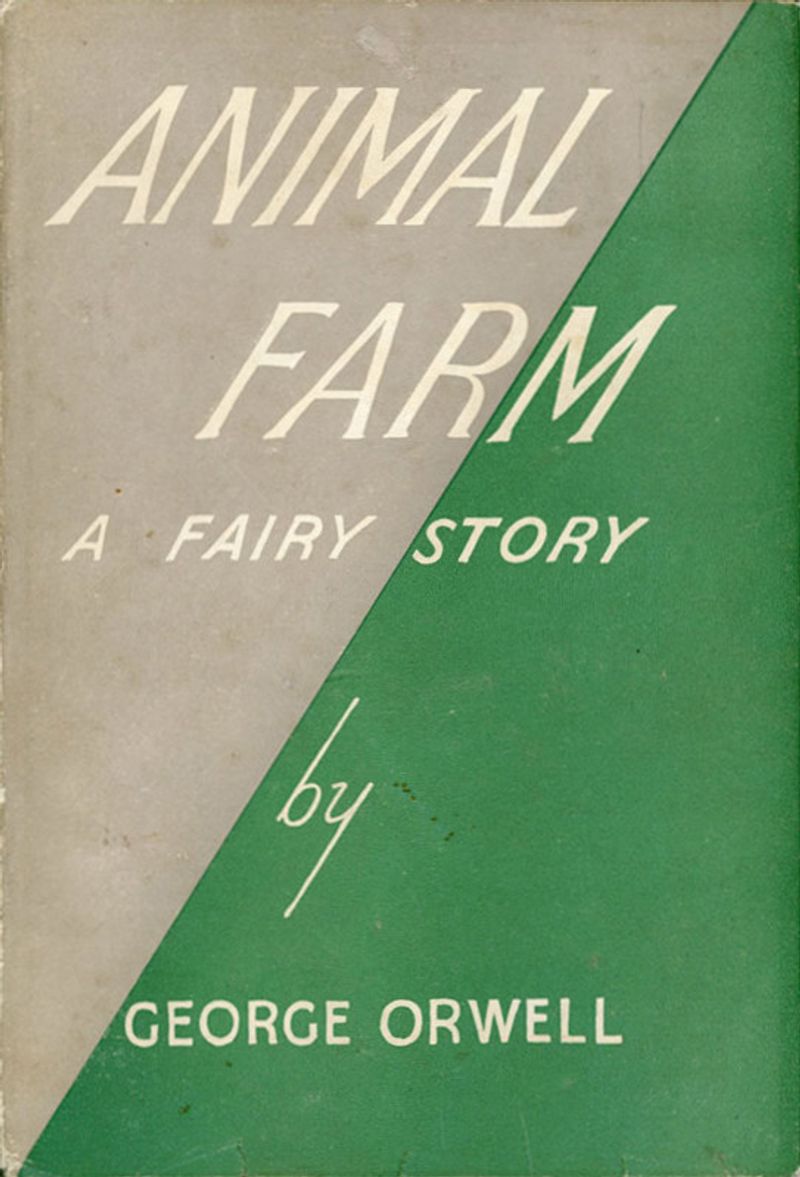
All animals are equal, but some animals are more equal than others. George Orwell’s short but razor-sharp allegory, published in 1945, uses a farm revolt to skewer Soviet-style totalitarianism.
Pigs take over the farm, rewrite the rules, and slowly become exactly like the humans they overthrew. Sound familiar?
Orwell meant it to.
Certain countries banned the book outright for its political commentary. In the United States, some schools flagged it for being too politically charged or confusing for young readers.
Generations of students have found it to be one of the most memorable, thought-provoking stories ever packed into fewer than 200 pages.
10. All Boys Aren’t Blue by George M. Johnson
George M. Johnson’s 2020 memoir-manifesto is a collection of personal essays about growing up Black and queer in New Jersey and Virginia.
Written in a warm, direct voice, the book speaks to young readers who have felt like outsiders in their own communities.
Since its publication, it has become one of the most frequently challenged books in American schools. Critics cite explicit passages and LGBTQIA+ content as reasons for removal from school libraries.
Supporters, including librarians and educators nationwide, argue that representation in literature saves lives. Few books in recent memory have sparked such passionate defense from both readers and advocacy groups at the same time.
11. Harry Potter and the Sorcerer’s Stone by J.K. Rowling
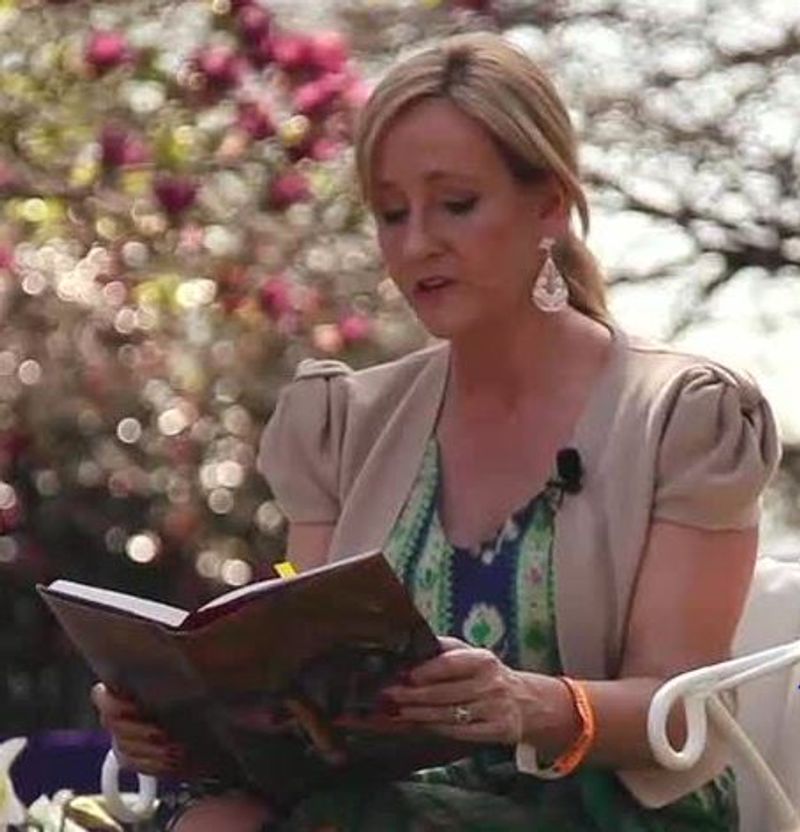
Perhaps no banned book on this list surprises people more than the story of a boy wizard who just wanted to belong somewhere. J.K.
Rowling’s 1997 debut launched one of the most beloved fantasy series in history, selling over 500 million copies worldwide.
Yet several American religious groups and school boards challenged the series for its portrayal of witchcraft, magic, and sorcery, arguing it could influence children negatively.
If a lightning bolt scar and a talking hat are enough to spark a national ban debate, you have to wonder what those folks think about fairy tales. Hogwarts, however, remains undefeated in the hearts of readers everywhere.
12. The Hate U Give by Angie Thomas
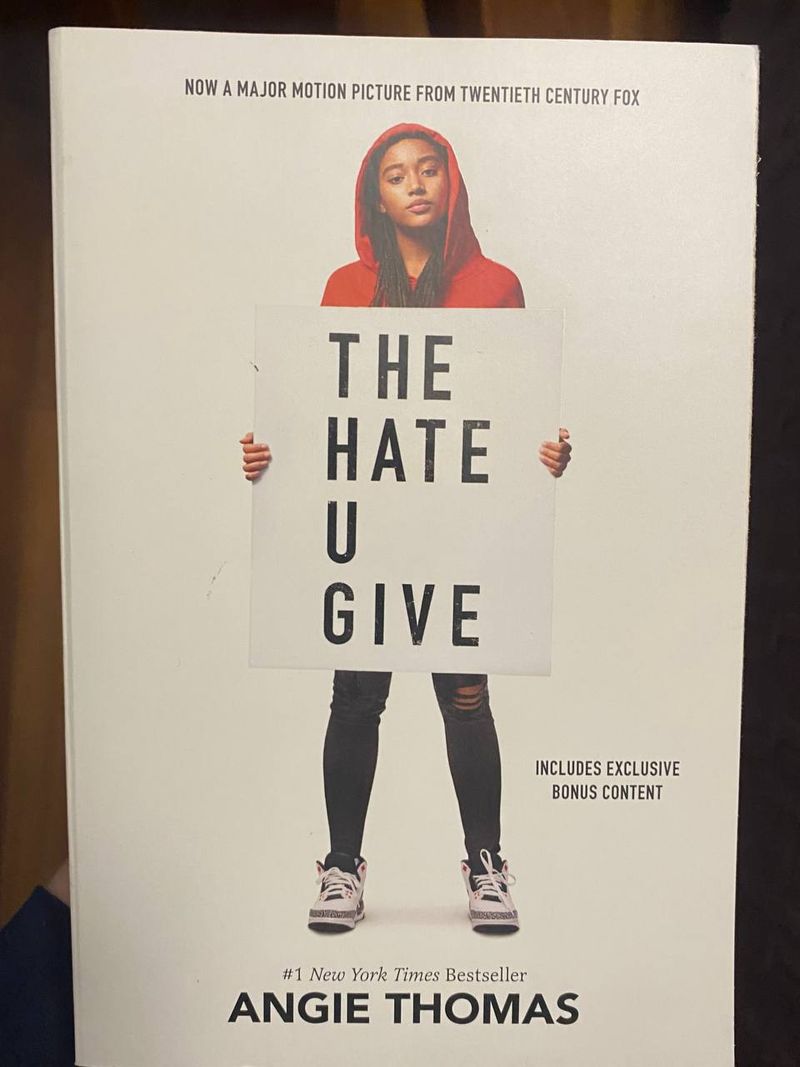
Inspired by the Black Lives Matter movement, Angie Thomas’s 2017 debut novel follows sixteen-year-old Starr Carter after she witnesses the fatal police shooting of her childhood friend Khalil.
Raw, urgent, and deeply human, the book became an instant bestseller and was adapted into a major film. Not everyone welcomed it.
School districts in several states challenged it for language, violence, and what some described as anti-police messaging.
Thomas wrote the book because she wanted young Black readers to see themselves as heroes of their own stories. A book that makes a generation feel seen is exactly the kind of story that should never be pulled from a shelf.
13. Brave New World by Aldous Huxley
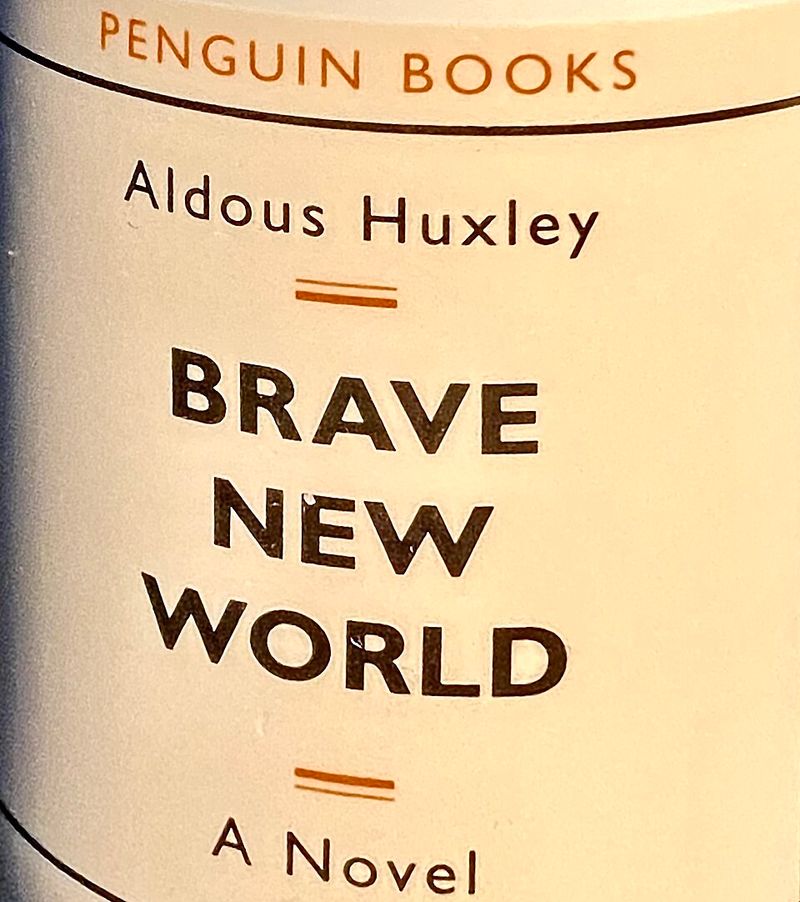
Published in 1932, Aldous Huxley imagined a future where everyone is happy, but happiness comes at the cost of freedom, family, and individuality. Citizens are engineered in labs, conditioned to love their roles, and entertained into submission.
Sound like a social media feed? Just saying.
Schools across America have challenged the novel for its adult-themed content, references to substances, and its bleak view of society.
Huxley’s warnings about comfort being used as a form of control feel more relevant than ever. Brave New World is the kind of book that makes you put it down, stare at the wall, and rethink everything.
14. Forever by Judy Blume
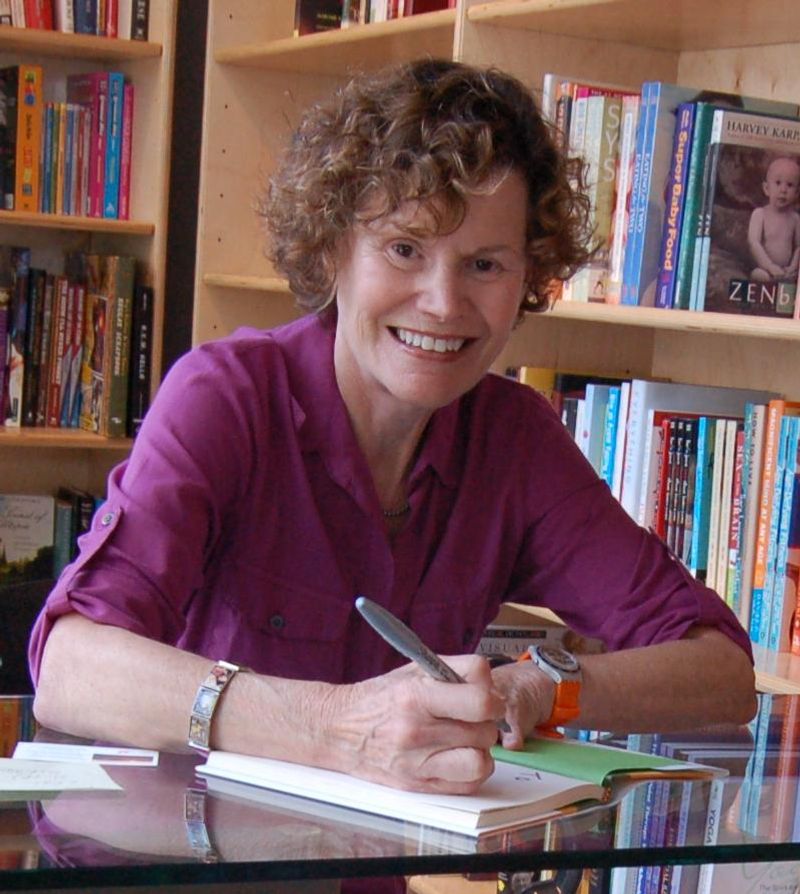
Judy Blume has been fighting book bans since before most of us were born, and Forever, published in 1975, is her most frequently challenged title. Written at the request of her daughter, who wanted a story about a teenager making responsible choices about a romantic relationship, the novel was groundbreaking for its time.
School boards across the country have banned it for its honest portrayal of teenage intimacy. Blume has spoken passionately about the importance of giving young people access to truthful stories.
Few authors have battled censorship as fiercely or as publicly as Blume, who once said a banned book is an invitation to read.
15. The Perks of Being a Wallflower by Stephen Chbosky
Charlie is fifteen, painfully shy, and writing anonymous letters to a stranger about his first year of high school. Stephen Chbosky’s 1999 novel captures the awkward, tender, and sometimes devastating experience of adolescence like few books before or since.
However, school districts across America have challenged it repeatedly for its portrayal of mental health struggles, trauma, and references to substances. Some communities have pushed for complete removal from school libraries.
Generations of teenagers have called it the book that made them feel understood for the first time. Pulling a book that helps a struggling kid feel less alone is, without question, the wrong call every single time.