Before Wi-Fi And Wealth Taxes: Inside The Age Of Butlers And Ballrooms
Ever wondered what life was like when having a butler was as normal as having a smartphone today?
Historical photographs capture the jaw-dropping opulence of the ultra-wealthy from centuries past, revealing ballrooms bigger than modern houses, servants galore, and parties that cost more than most people earned in a lifetime.
From gilded mansions to private yachts that could rival cruise ships, these images transport us to an era when the rich really knew how to show off their wealth.
Get ready to peek behind the velvet curtains and discover how the one percent lived before income taxes and Instagram influencers changed everything.
Along the way, you’ll spot the tiny details,like monogrammed everything and strict household hierarchies, that defined this ultra-luxe lifestyle.
It’s a fascinating reminder of just how much wealth, power, and “good taste” have changed… and how much they really haven’t.
Disclaimer: This article is for informational and entertainment purposes only. It explores historical lifestyles of the wealthy and is not intended to glorify inequality, excess, or exploitation. Some details and interpretations are based on archival sources and may reflect biases or limitations of the records from that time.
1. Alva Vanderbilt’s Legendary 1883 Costume Ball
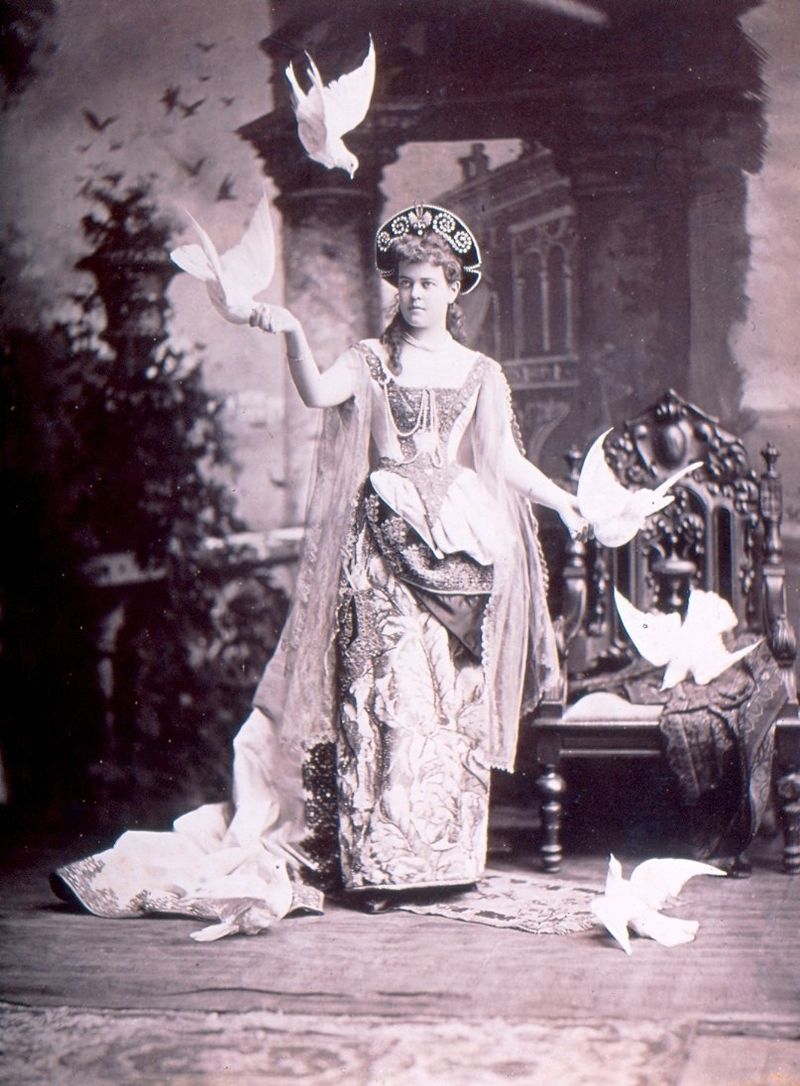
Picture this: over a thousand guests dressed as French royalty, dancing until dawn in a mansion so fancy it made Buckingham Palace jealous.
Alva Vanderbilt threw what might be the most talked-about party in American history at her Fifth Avenue home in 1883.
The ballroom sparkled with thousands of roses, and champagne flowed like water from a fire hydrant.
Guests spent months preparing their costumes, some dropping the equivalent of a new car’s price on a single outfit just for that one night.
Alva herself dressed as a Venetian princess, dripping in jewels that probably needed their own security team.
The party wasn’t just about showing off, though that was definitely part of it.
It was Alva’s way of forcing New York’s snooty high society to accept her family, and boy, did it work.
After that night, the Vanderbilts were officially in the cool kids’ club.
The ball cost around $250,000 back then, which would be millions today, just for one evening of fun.
Talk about an expensive way to make friends!
2. Cornelius Vanderbilt II’s French Chateau On Fifth Avenue
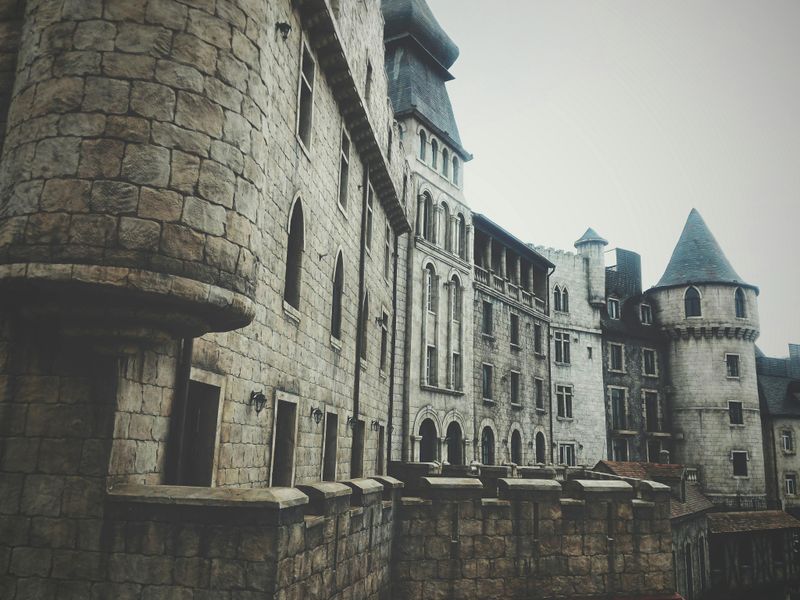
Imagine building a house so ridiculously fancy that newspapers called it the finest private home in all of America.
That’s exactly what Cornelius Vanderbilt II pulled off with his Fifth Avenue mansion in the 1890s.
The guy basically said, “I like French castles, so I’ll just build one in Manhattan,” and actually did it.
Designed to look like the Château de Blois in France, this place wasn’t just big, it was absolutely massive.
The entrance hall alone could fit most people’s entire apartments, and the ballroom measured 65 by 50 feet with ceilings soaring 35 feet high.
You could probably play basketball in there, though fancy rich folks preferred waltzing instead.
The mansion had more rooms than most hotels, each decorated with imported marble, hand-carved wood, and artwork worth fortunes.
Cornelius spared no expense, hiring the best architects and craftsmen money could buy.
Sadly, this architectural masterpiece was demolished in 1927 to make way for a department store.
Today, only photographs remain to show us just how ridiculously over-the-top wealthy people’s homes used to be.
3. The Breakers: A 70-Room Summer Cottage
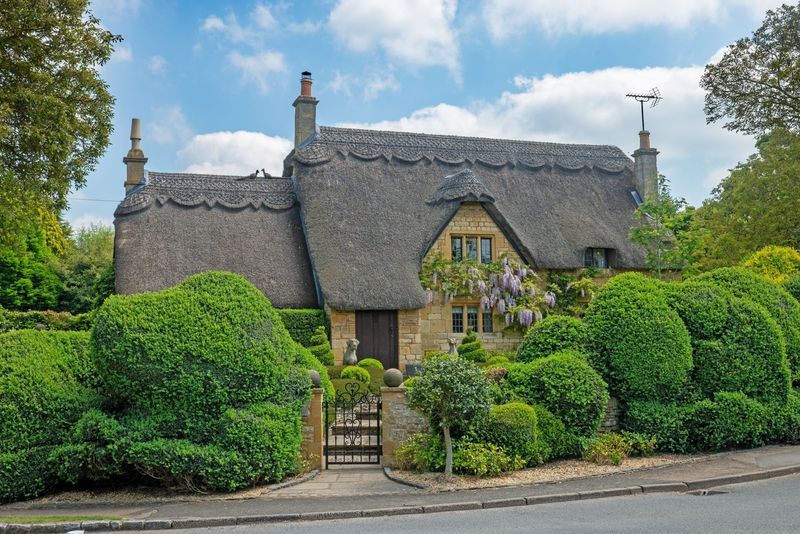
When rich people in the 1890s said they were heading to their summer cottage, they meant something completely different than the rest of us.
The Breakers in Newport, Rhode Island, was Cornelius Vanderbilt II’s idea of roughing it during vacation season.
This “cottage” had 70 rooms, including 48 bedrooms for family members and an army of servants.
Built in 1895, the mansion copied the style of Italian Renaissance palazzos, because apparently American architecture wasn’t fancy enough.
Every room dripped with luxury: marble imported from Italy, alabaster columns, gold-leaf ceilings, and crystal chandeliers weighing literal tons.
The place even had both electricity and gas lighting, which was cutting-edge technology back then.
Most people were still using candles, and here’s the Vanderbilts with backup lighting systems just in case.
The dining room could seat dozens of guests, and the kitchen was basically a restaurant-sized operation.
Today, The Breakers is a museum where regular folks can tour and imagine what it felt like to have more bedrooms than a modern hotel.
Spoiler alert: it probably felt pretty awesome.
4. Hearst Castle’s Grand Dining Hall Gatherings
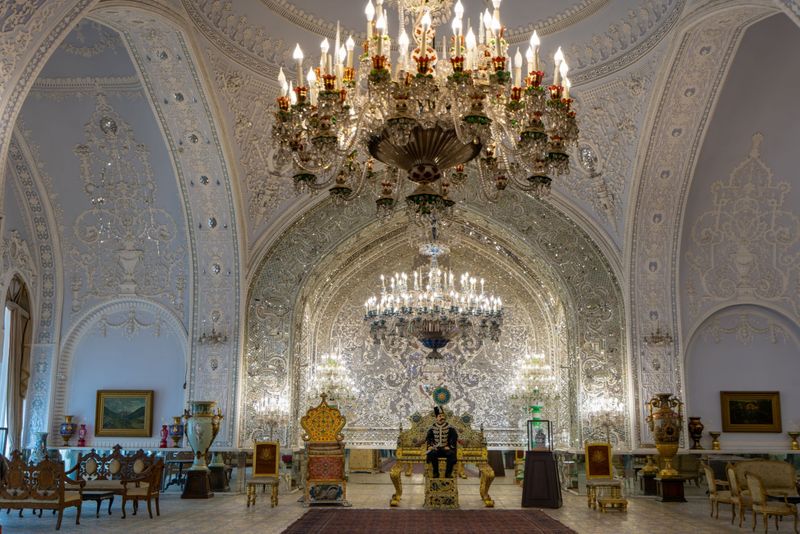
William Randolph Hearst didn’t just own newspapers, he owned a castle that made medieval kings look like they were living in shacks.
Hearst Castle in San Simeon, California, was where the newspaper tycoon entertained Hollywood’s biggest stars and most powerful politicians.
In 1930, a typical dinner party at Hearst’s place included movie stars like Marion Davies, his long-time partner, along with whoever else was famous that week.
The grand dining hall looked like something straight out of a European cathedral, with Gothic tapestries hanging on walls and a ceiling so high you’d need binoculars to see it properly.
Long tables stretched across the room, set with silver and china worth more than most people’s houses.
Hearst loved mixing celebrities with politicians, creating a social scene that was equal parts glamorous and influential.
Guests would dress in their finest evening wear, though Hearst himself sometimes showed up in casual clothes because, hey, it was his castle.
The food was prepared by professional chefs who could whip up anything from French cuisine to American comfort food.
Staying at Hearst Castle was like being in a five-star hotel, except the owner might sit next to you at breakfast and discuss world affairs.
5. Private Railroad Cars For Cross-Country Luxury Travel

Before private jets, ultra-wealthy folks traveled across America in their own personal railroad cars that made first-class look like economy.
These rolling palaces featured bedrooms, dining rooms, kitchens, and lounges all decorated like fancy hotel suites.
Velvet curtains, mahogany wood paneling, and actual chandeliers swinging gently as the train chugged along, talk about traveling in style.
Wealthy industrialists like the Vanderbilts and Carnegies owned these cars, attaching them to regular trains whenever they needed to go somewhere.
While regular passengers sat on hard benches eating stale sandwiches, the rich folks dined on gourmet meals prepared by their personal chefs.
Some private cars even had observation decks where owners could stand outside and wave at the common people like royalty on parade.
The cost of owning and maintaining one of these cars was astronomical, but hey, when you’re that rich, who’s counting?
Servants traveled along to ensure every need was met, from pressing clothes to mixing cocktails.
These luxury train cars represented the ultimate status symbol of the railroad age.
Owning one basically announced to the world that you had more money than sense, and you were totally fine with that.
6. Servants Lined Up For Formal Estate Photographs
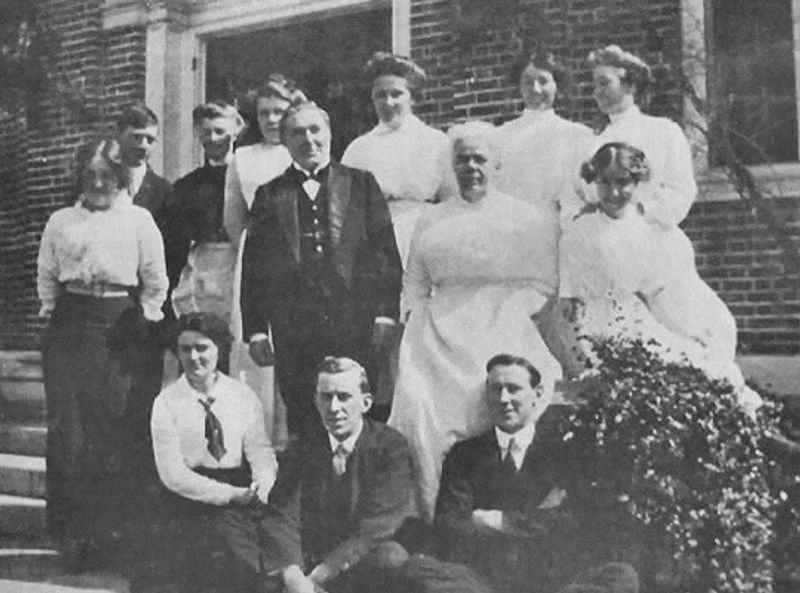
Ever wonder how many people it took to run a mansion in the old days?
Historical photographs show dozens of servants lined up outside estates like they’re posing for a school picture, except way more formal.
These weren’t just a few helpers, wealthy families employed entire armies of workers to keep their homes running smoothly.
Butlers, maids, cooks, footmen, valets, ladies’ maids, groundskeepers, stable hands, and more, each with specific jobs and strict hierarchies.
The head butler was basically the CEO of the servant world, managing everyone and making sure the household ran like clockwork.
Maids had different ranks too, from scullery maids scrubbing floors to lady’s maids helping wealthy women get dressed, which apparently required professional assistance.
Everyone wore uniforms that indicated their position, creating a visual pecking order that was impossible to miss.
These formal photographs were often taken to document the household staff, showing off just how many people the family could afford to employ.
Looking at these images today feels surreal, like peeking into a world where having fifty people work in your house was totally normal.
Most of us can barely manage to clean our own rooms, let alone supervise dozens of employees doing it for us.
7. Gilded Age Ballrooms With Thousand-Guest Capacity
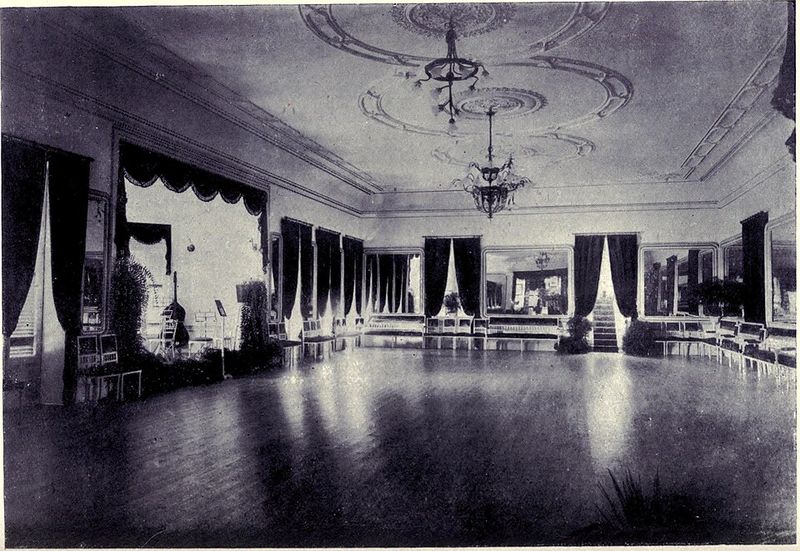
When you’re mega-rich in the 1890s, you don’t just have a living room, you have a ballroom that could fit a small village.
Gilded Age mansions featured ballrooms so large they needed multiple chandeliers just to light them properly.
Gold leaf covered everything: ceilings, moldings, even the picture frames, giving these rooms their “gilded” nickname.
Crystal chandeliers hanging overhead weighed hundreds of pounds and sparkled like frozen fireworks.
Marble columns imported from Italy or Greece held up ceilings painted with elaborate frescoes by famous artists.
These ballrooms hosted parties where a thousand guests could dance simultaneously without bumping into each other.
Live orchestras played from special musician balconies, filling the massive spaces with waltzes and polkas.
Women in enormous gowns with trains that needed their own zip codes twirled around with men in white tie and tails.
The floors were so polished you could probably see your reflection, assuming you could look down past all the fancy decorations.
Hosting a ball in one of these rooms was the ultimate flex, showing everyone you had the space, the staff, and the budget to pull off an event of that scale.
8. Private Yachts Rivaling Ocean Liners In Size
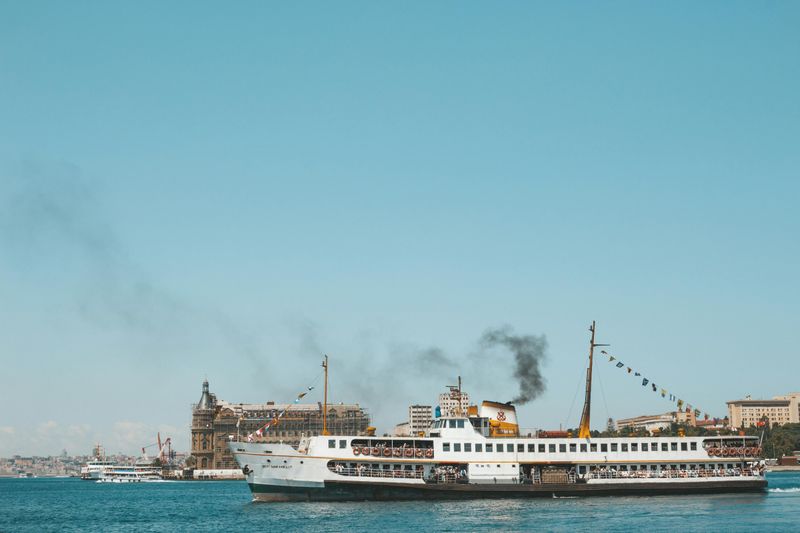
Some wealthy folks looked at cruise ships and thought, “I want one of those, but just for me and my friends.”
Private yachts owned by industrial tycoons in the early 1900s were basically floating mansions that could cross oceans.
These vessels had multiple decks, dozens of cabins, formal dining rooms, libraries, and even smoking lounges for after-dinner cigars.
J.P. Morgan’s yacht, Corsair, was so famous it became a symbol of wealth and power all by itself.
The crew needed to operate these floating palaces numbered in the dozens, including captains, engineers, deckhands, cooks, and personal servants.
Wealthy owners would cruise the Mediterranean or Caribbean, stopping at exotic ports to shop and sightsee before returning to their onboard luxury.
The yachts were decorated as lavishly as any mansion, with expensive wood paneling, Oriental rugs, and artwork bolted to walls so they wouldn’t slide around in rough seas.
Guests invited aboard were treated to the ultimate vacation experience, combining adventure with ridiculous comfort.
Maintaining these yachts cost fortunes annually, but for the super-wealthy, it was just another expense like paying for groceries, except way more expensive.
Today’s billionaire yachts are just continuing a tradition started over a century ago.
9. Grand Library Rooms Filled With Rare Book Collections
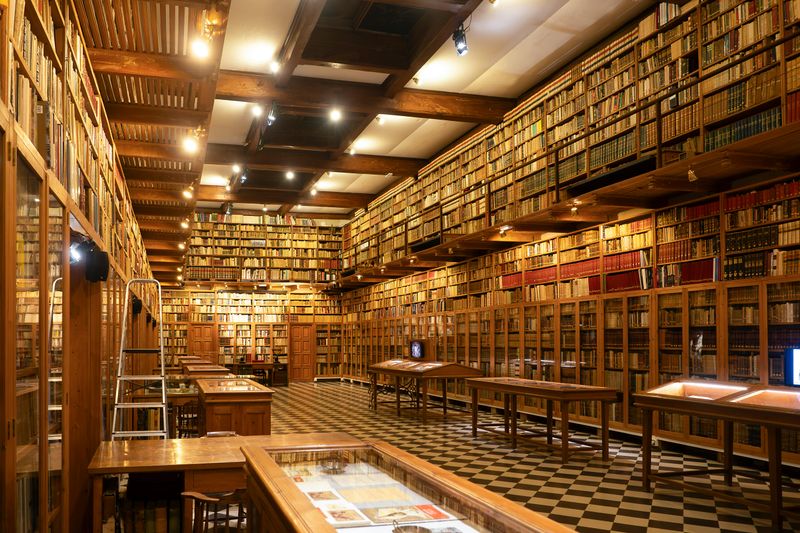
Book lovers today think having a full bookshelf is impressive, but wealthy collectors in the 1800s had entire rooms dedicated to their libraries.
These weren’t just places to store books, they were temples of knowledge designed to impress and intimidate visitors.
Floor-to-ceiling shelves made from expensive woods like mahogany or walnut held thousands of volumes, many of them rare first editions worth fortunes.
Rolling ladders allowed access to the highest shelves, making these libraries look like something straight out of a fantasy movie.
Leather armchairs perfect for reading sat near fireplaces, with side tables ready to hold books and reading lamps.
Some wealthy collectors never actually read most of their books, they just liked having them as status symbols.
Others were genuine bibliophiles who spent hours in their libraries, escaping into different worlds through the pages.
These rooms often featured globes, maps, and scientific instruments, showing off the owner’s intellectual interests.
The smell of old leather and paper filled these spaces, creating an atmosphere that made you want to whisper even when nobody else was around.
Today, many of these private libraries have been donated to universities or museums, sharing their treasures with everyone instead of just the wealthy few.
10. Horse-Drawn Carriages With Personal Coachmen
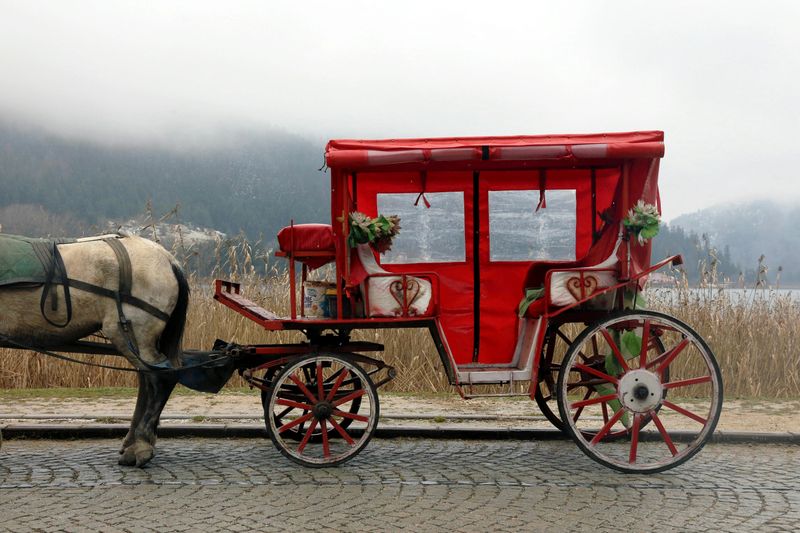
Before luxury cars, the ultimate status symbol was rolling up in a fancy horse-drawn carriage that probably cost more than a house.
Wealthy families owned multiple carriages for different occasions: formal ones for fancy events, lighter ones for afternoon rides, and enclosed ones for bad weather.
The carriages themselves were works of art, decorated with family crests, plush velvet interiors, and suspension systems that made the ride smoother.
Coachmen wore special uniforms called livery, often in the family’s colors, making them walking advertisements for their employers’ wealth.
The horses were carefully matched pairs, groomed to perfection and trained to behave impeccably in traffic.
Some families kept entire stables of horses just for pulling carriages, with dedicated grooms to care for them.
Arriving at an event in a spectacular carriage drawn by magnificent horses was like showing up in a Lamborghini today, except louder and smellier.
The coachman needed serious skill to navigate crowded city streets without causing accidents, making them highly valued employees.
Maintaining carriages, horses, and staff was incredibly expensive, but for the wealthy, it was worth it for the prestige.
These photographs capture a transportation era that seems impossibly romantic now, though probably less so when dealing with horse-related cleanup duties.
11. Private Art Galleries Within Estate Homes
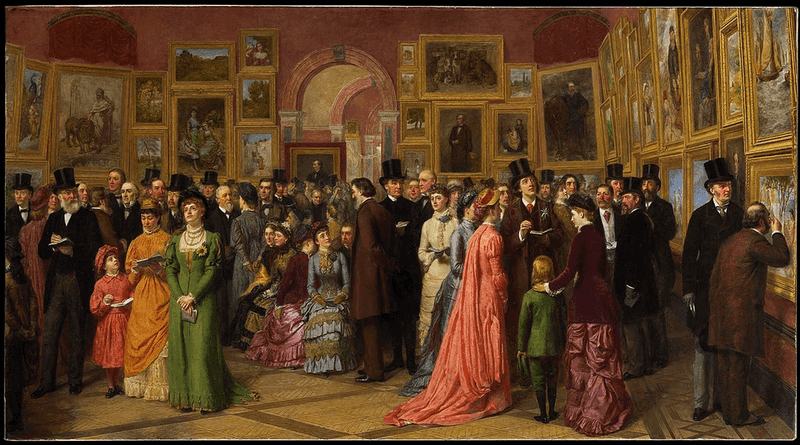
Why visit a museum when you can just build one inside your house?
Wealthy art collectors in the early 1900s created private galleries that rivaled public institutions, except only their friends got to see them.
Entire rooms were dedicated to displaying paintings, sculptures, and other artworks collected from around the world.
Walls were covered in artwork, sometimes floor to ceiling in the Victorian style, creating a visual feast that could be overwhelming.
Sculptures stood on marble pedestals, positioned to catch the best light from enormous windows or specially designed skylights.
Some collectors focused on specific periods or styles, creating curated collections that showed off their knowledge and taste.
Others just bought whatever was expensive and famous, turning their galleries into shows of wealth rather than artistic appreciation.
These private galleries often featured paintings by Old Masters, ancient sculptures, and contemporary works by living artists the collectors patronized.
Guests would tour the gallery during visits, with the owner explaining each piece’s history and significance, probably whether you wanted to hear it or not.
Many of these private collections were eventually donated to museums, meaning artwork once seen by only a privileged few is now available for everyone to enjoy.
That’s probably the one good thing to come from all that excessive wealth hoarding.
12. Elaborate Tea Services On Mansion Terraces
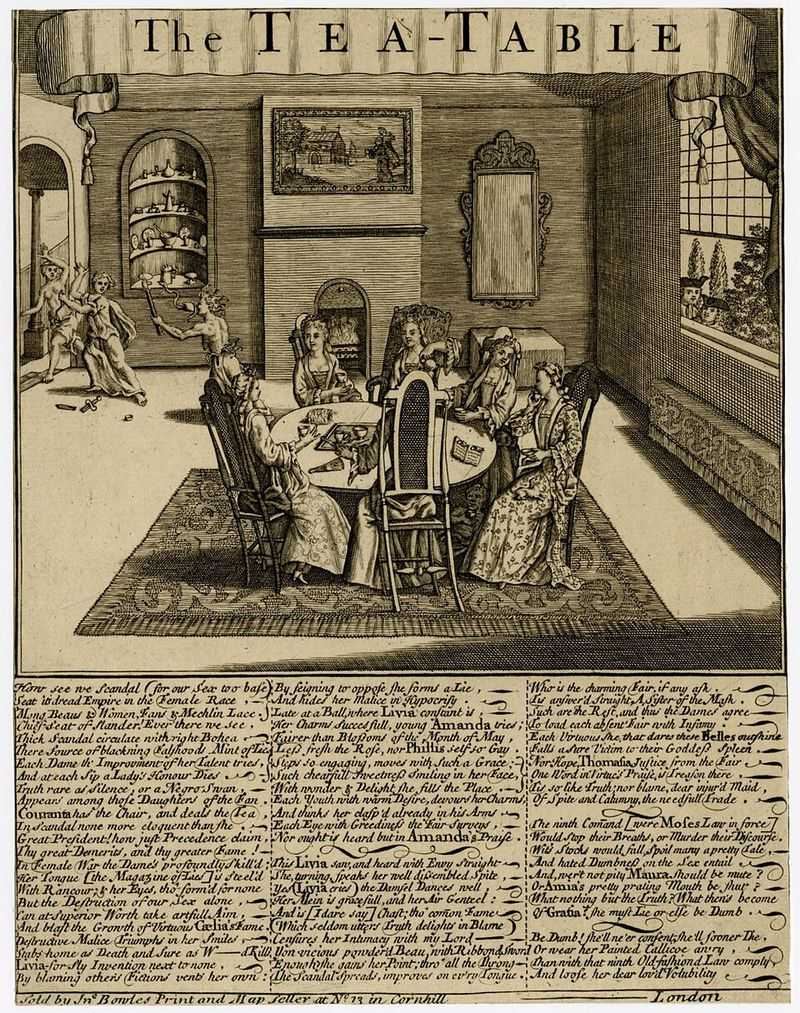
Afternoon tea wasn’t just a snack break for wealthy ladies in the early 1900s, it was a full-blown social event with more rules than a board game.
Mansion terraces provided the perfect setting for these gatherings, offering views of elaborate gardens while servants fussed over every detail.
Silver tea services gleamed in the afternoon sun, with matching teapots, sugar bowls, cream pitchers, and trays that probably cost more than a car.
Fine china cups so delicate you worried about breaking them just by looking at them sat on matching saucers with tiny spoons for stirring.
The actual tea was imported from exotic locations like India or China, because local tea was apparently too common for refined palates.
Alongside the tea came elaborate spreads of finger sandwiches, scones with jam and cream, petit fours, and other tiny foods that required multiple bites.
Ladies wore their finest afternoon dresses and enormous hats decorated with flowers, feathers, or whatever else was fashionable that season.
Conversation during tea followed strict social codes, with gossip disguised as concern and competition disguised as compliments.
Servants stood nearby ready to refill cups or bring more food, basically acting as human furniture that occasionally moved.
These tea services were less about drinking tea and more about showing off your terrace, your china, and your social connections all at once.
13. Smoking Rooms Reserved Exclusively For Gentlemen
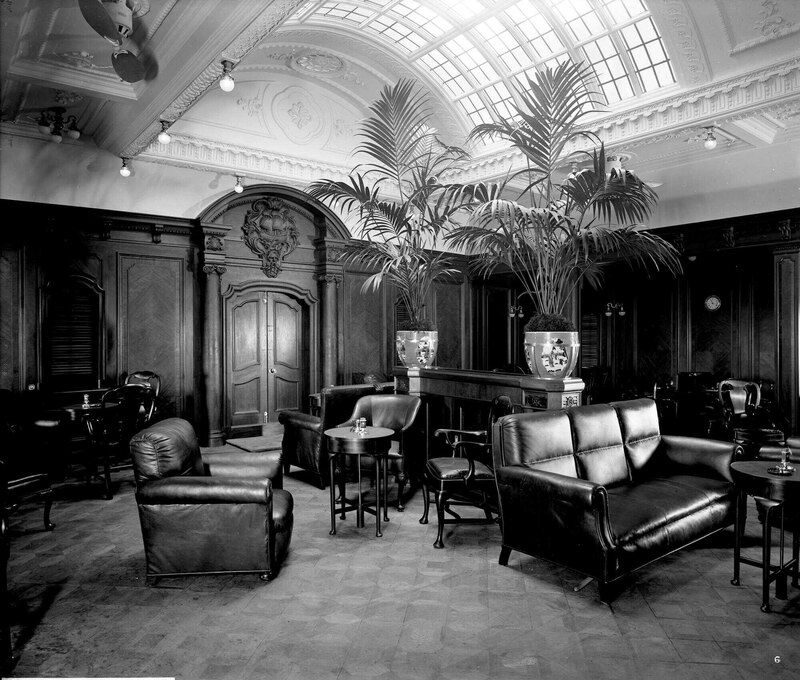
After dinner, wealthy gentlemen would retreat to special smoking rooms, leaving the ladies to do whatever ladies did, probably gossip about the men.
These rooms were decorated in dark, masculine styles with leather furniture, wood paneling, and animal trophies mounted on walls like creepy decorations.
Cigars and pipes were the entertainment, with humidors full of expensive tobacco imported from Cuba or other exotic locations.
The rooms were designed to contain the smoke, though modern air quality standards would probably shut them down immediately.
Decanters and glassware sat ready for use, because apparently every moment needed its own little ritual.
Gentlemen would discuss business, politics, and other “serious” topics deemed too important or inappropriate for female ears, which seems ridiculous now but was totally normal then.
The smoking room represented a male sanctuary where wealthy men could relax without worrying about proper manners or polite conversation.
Some mansions had incredibly elaborate smoking rooms with carved ceilings, expensive rugs, and artwork featuring hunting scenes or historical battles.
Spending hours in smoke-filled rooms inhaling cigars probably wasn’t great for their health, but nobody seemed to worry about that back then.
Today, these rooms seem like relics from a different world, which they absolutely were.
14. Children’s Nurseries With Full-Time Nannies
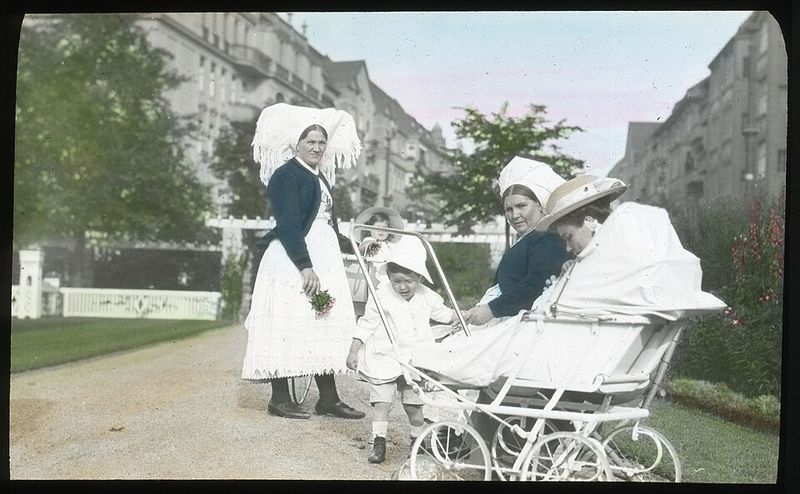
Rich kids in the early 1900s didn’t hang out with their parents much, they lived in separate nursery areas with nannies running the show.
These weren’t tiny bedrooms with a crib, they were entire suites with playrooms, bedrooms, and sometimes even small classrooms for early education.
Nannies, often hired from England because British nannies were considered the best, managed every aspect of the children’s daily lives.
The nurseries were decorated specifically for children but still fancier than most adults’ rooms, with expensive toys and furniture scaled to kid-size proportions.
Rocking horses, dollhouses bigger than actual houses, toy soldiers, and educational materials filled the spaces.
Children would eat their meals in the nursery, only joining their parents for brief formal visits or special occasions.
This arrangement seems cold and distant today, but wealthy parents believed professional nannies could raise children better than they could.
Nannies enforced strict schedules for meals, lessons, play, and bedtime, creating structured childhoods that left little room for spontaneity.
The children often formed closer bonds with their nannies than with their actual parents, which must have created some interesting family dynamics.
Photographs of these nurseries show spaces that were simultaneously privileged and lonely, filled with expensive things but lacking the warmth of parental presence.
15. Indoor Swimming Pools With Marble Surroundings
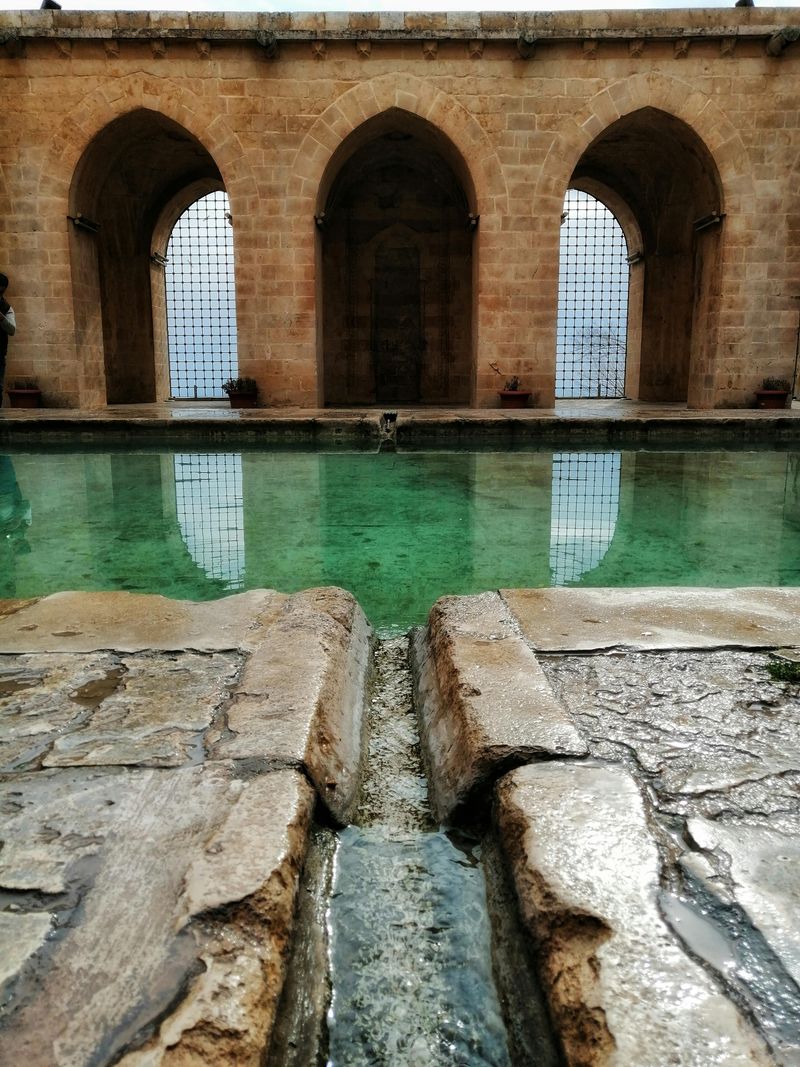
Having a swimming pool today is nice, but having an indoor pool in the 1920s was basically like owning a spaceship.
Wealthy families built elaborate indoor pools that looked more like Roman baths than places to do laps.
Marble columns, mosaic tile work, and stained glass windows created spaces that were equal parts athletic facility and art installation.
The pools themselves were often designed with fancy shapes rather than simple rectangles, because straight lines were apparently too boring.
Heating systems kept the water warm year-round, which was seriously advanced technology when most people still used outhouses.
Wealthy families and their guests would swim in the privacy of these indoor pools, away from the public beaches where common people splashed around.
Bathing costumes from the era covered way more skin than modern swimsuits, making swimming look like a fully clothed activity.
Some pools featured diving boards, underwater lighting, and changing rooms that were fancier than most people’s bedrooms.
Maintaining these pools required full-time staff to clean, balance chemicals, and keep everything running properly.
These indoor pools represented the ultimate luxury, combining cutting-edge technology with classical design in ways that still look impressive in photographs today.
16. Conservatories Housing Exotic Plant Collections
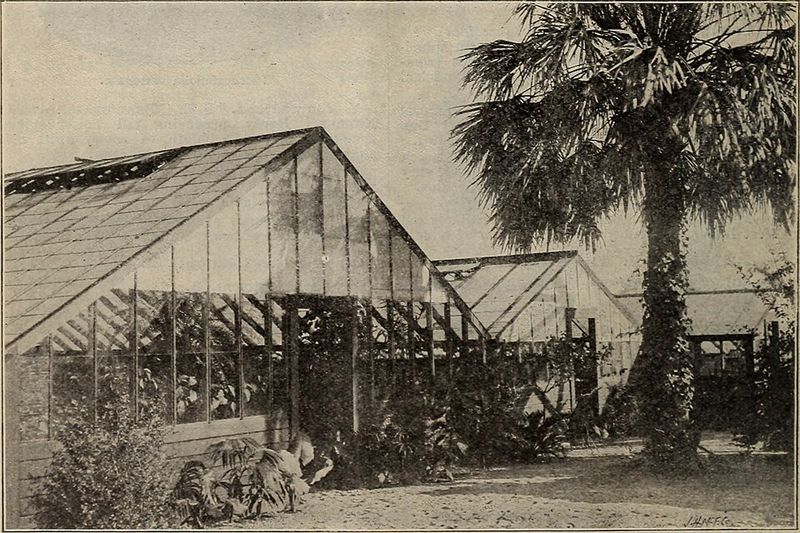
Wealthy plant enthusiasts in the 1800s built enormous glass conservatories attached to their mansions, creating tropical paradises in cold climates.
These structures featured glass walls and ceilings that let in maximum sunlight, basically functioning as giant greenhouses for showing off rare plants.
Inside, you’d find palm trees, orchids, ferns, and other exotic species that had no business surviving in places like New York or London winters.
Heating systems kept the conservatories warm enough for tropical plants, burning through coal or other fuels at impressive rates.
Families would stroll through their conservatories like they were taking walks through jungles, except without bugs or danger.
Some conservatories included fountains, ponds with fish, and seating areas where people could relax surrounded by greenery.
Professional gardeners worked full-time maintaining these collections, watering, pruning, and ensuring every plant looked perfect.
Owning rare plants was a status symbol, with wealthy collectors competing to obtain the most unusual or difficult-to-grow species.
Guests would tour the conservatory during visits, admiring the exotic specimens while the owner explained where each plant came from and how much it cost.
These conservatories represented humanity’s desire to control nature, bringing the entire world’s plant life into one wealthy person’s backyard.
17. Formal Music Rooms With Grand Pianos and Harps
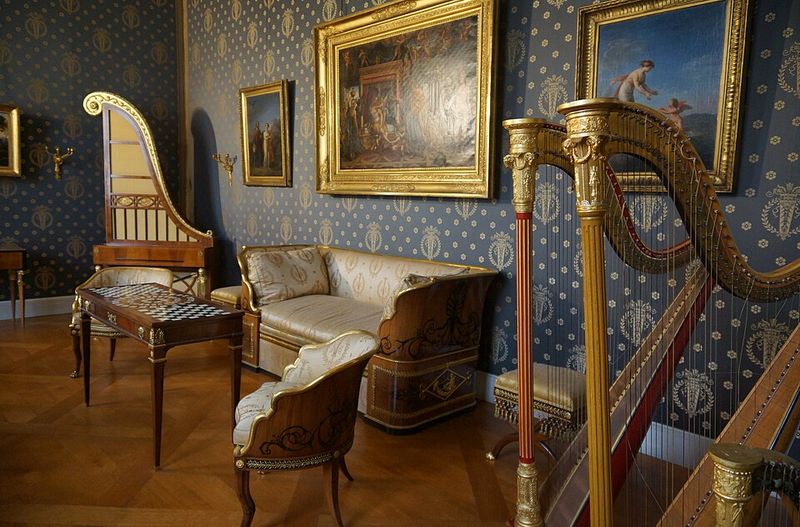
Before Spotify, wealthy families created live music in dedicated music rooms that probably had better acoustics than modern concert halls.
These rooms centered around grand pianos so shiny you could see your reflection, often positioned near windows for natural light during practice sessions.
Harps stood in corners looking elegant and impossible to play, which they absolutely were without serious training.
Other instruments like violins, cellos, or flutes might be displayed on special stands, ready for impromptu chamber music performances.
The rooms were designed with sound in mind, featuring high ceilings and specific materials that enhanced musical tones.
Wealthy families expected their children to learn musical instruments as part of proper education, so these rooms saw daily practice sessions.
Evening entertainment often involved family members or hired musicians performing for guests gathered in the music room.
The walls might display portraits of famous composers or sheet music from important works, creating an atmosphere of cultural sophistication.
Seating arrangements allowed audiences to watch performances comfortably, turning the music room into a private concert venue.
These rooms represented the importance wealthy families placed on cultural refinement and artistic accomplishment.
Today, most of us just have Bluetooth speakers, which is way less impressive but definitely more convenient than learning to play the harp.
18. Private Chapels For Family Religious Services
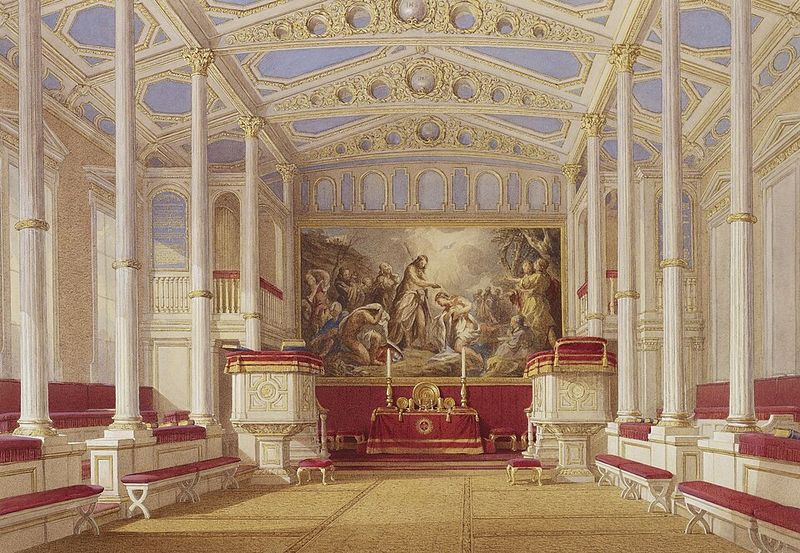
Some wealthy families were so fancy they couldn’t even attend regular church with common people, so they built private chapels right in their homes.
These weren’t just small prayer corners, they were fully functional miniature churches complete with altars, pews, and religious artwork.
Stained glass windows depicted biblical scenes, casting colorful light across the chapel interior during services.
Wooden pews carved with intricate details provided seating for family members and guests during private religious ceremonies.
Some chapels even had small organs for musical accompaniment, because apparently hymns sounded better with instrumental backing.
Private chaplains were sometimes employed to lead services, pray with the family, and provide spiritual guidance on demand.
Weddings, christenings, and other religious ceremonies could be held in these private chapels, keeping important family events exclusive and controlled.
The chapels represented both genuine faith and status symbols, showing that the family was wealthy enough to have God’s house as a wing of their own house.
Decorations included crosses, religious paintings, and sometimes relics or artifacts collected from holy sites around the world.
These private chapels blurred the line between devotion and display, serving spiritual needs while also impressing visitors with the family’s piety and wealth.
Today, most of these chapels are historic curiosities, reminding us of an era when even religion was privatized for the wealthy.
19. Hunting Lodges Stocked With Exotic Game
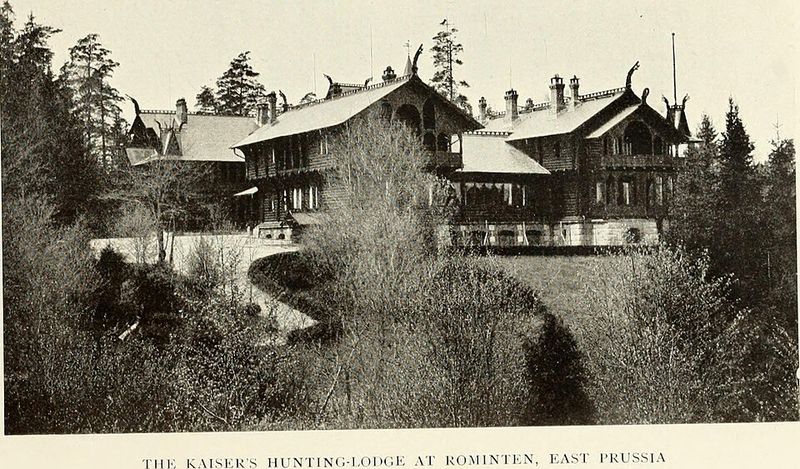
Wealthy men in the early 1900s loved hunting so much they built entire lodges dedicated to it, often on remote parts of their enormous estates.
These weren’t rustic cabins, they were substantial buildings designed for comfort while pursuing outdoor activities.
The walls were covered with mounted animal heads and full-body taxidermy specimens, creating displays that would horrify modern animal rights activists.
Bears, deer, elk, boars, and sometimes exotic animals from African safaris stared down from walls with glass eyes that were equal parts impressive and creepy.
Specialized sporting equipment was displayed in locked cases, representing both cherished hobbies and valuable collections.
Leather furniture and animal-skin rugs reinforced the hunting theme, creating masculine spaces where wealthy men could feel rugged despite their pampered lifestyles.
Some estates actually stocked their properties with exotic game animals, creating private hunting preserves where success was practically guaranteed.
Hunting parties became social events where wealthy men bonded over outdoor pursuits, followed by elaborate meals featuring the day’s game.
Servants accompanied these hunting expeditions, carrying equipment, preparing meals, and basically doing all the hard work while the wealthy men took credit.
These hunting lodges represented a romanticized version of outdoor life, where wealthy men could play at being wilderness adventurers while still enjoying every modern comfort.
20. Ornate Entrance Halls Designed To Impress Visitors
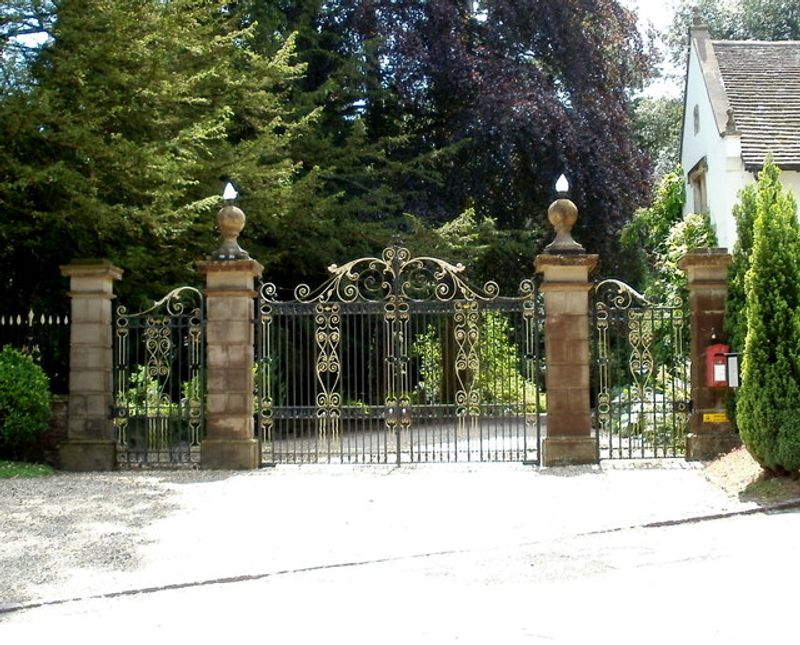
First impressions matter, so wealthy families made sure their entrance halls were jaw-droppingly impressive, like walking into a palace.
These weren’t just doorways, they were architectural statements designed to make visitors feel small and the owners feel powerful.
Marble staircases swept upward in dramatic curves, often wide enough for three people to walk side-by-side in their enormous gowns.
Crystal chandeliers hung from ceilings that soared two or three stories high, creating spaces that echoed with every footstep.
Expensive artwork lined the walls, usually portraits of ancestors or famous paintings meant to show off the family’s culture and taste.
Marble or mosaic floors created patterns so intricate you’d worry about tracking dirt across them.
Butlers stood ready to greet arriving guests, taking coats and hats while maintaining expressions of professional indifference.
The entrance hall set the tone for the entire visit, announcing the family’s wealth and status before visitors even reached the main living areas.
Architectural details like columns, arches, and decorative moldings added layers of visual interest and expense.
Some entrance halls featured fountains or elaborate floral arrangements that required daily maintenance by dedicated staff.
These spaces were designed for impact, ensuring that anyone entering the mansion immediately understood they were in the presence of serious wealth and power.