16 Beloved Anime Series That Slowly Fell Off
Anime fandom has a long memory, which makes a slow decline feel especially noticeable.
A series can start with real momentum, building trust through strong arcs, sharp animation, and characters viewers genuinely want to follow.
Then something shifts. Pacing drags. Stakes get muddy. Production quality dips. Story choices start feeling less confident. The love does not vanish overnight, but the excitement fades in small pieces.
What makes “fell off” stories so interesting is that the early promise often remains undeniable. Fans can still point to the season or arc where everything clicked, and that is exactly why later missteps sting.
Disclaimer: This list reflects editorial opinion and fan-perspective critique, not definitive fact or universal consensus about which anime “fell off” or when.
1. Tokyo Ghoul
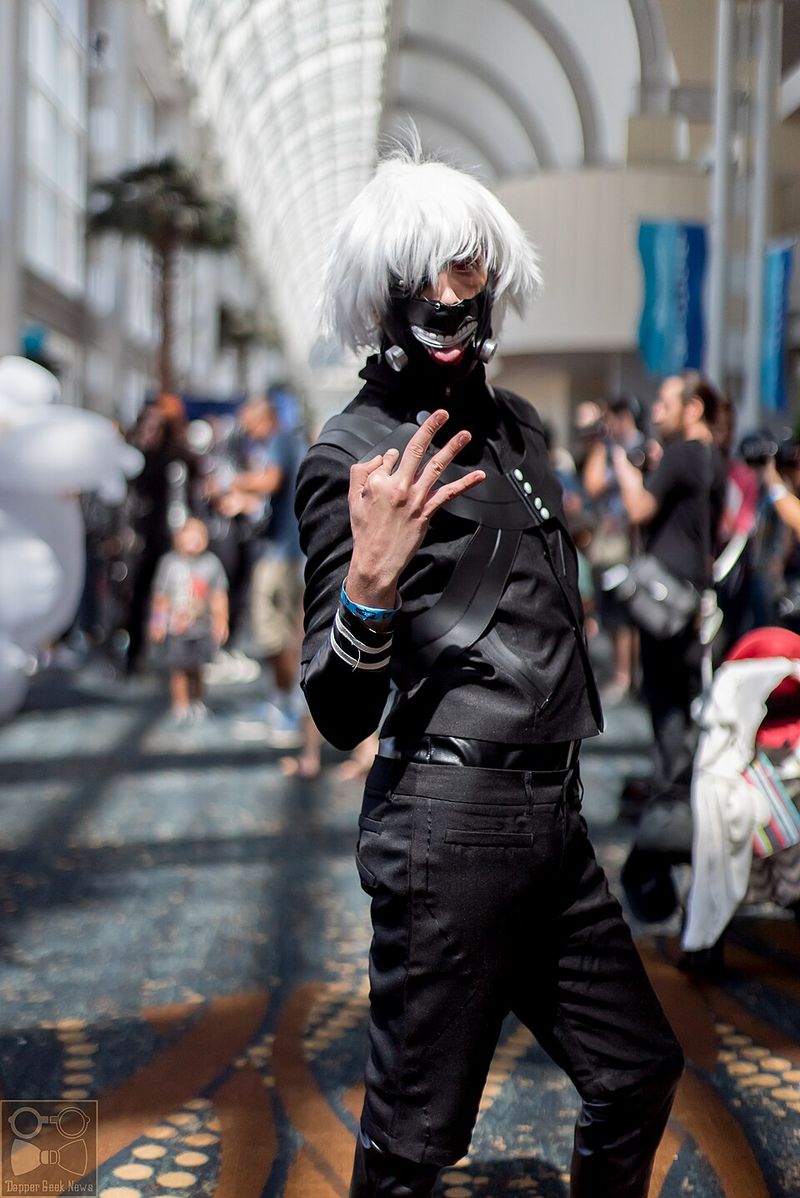
The opening episodes pulled viewers into a world where humans and ghouls collided in terrifying ways. Ken Kaneki’s transformation from shy college student to something darker felt raw and real.
But then the anime took a hard left turn from the manga’s path.
Season two introduced original storylines that confused even dedicated fans, leaving plot threads dangling like broken puppet strings.
By the time later seasons tried course-correcting, many viewers had already said goodbye to this once-gripping horror tale.
2. Sword Art Online
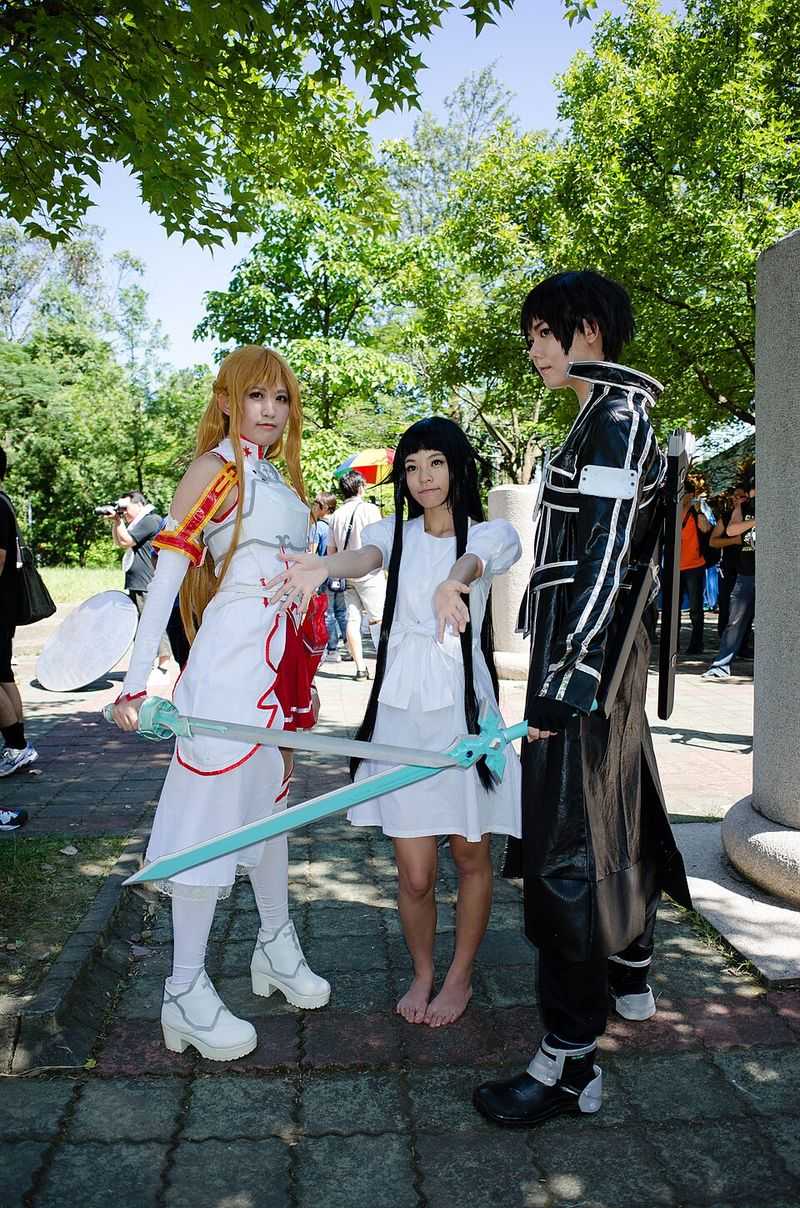
When this show dropped, it revolutionized how anime tackled virtual reality gaming. Kirito and Asuna’s romance inside a game had viewers emotionally invested from episode one.
Later story arcs sparked heated debates across every anime forum imaginable. Some fans loved the fairy wings and new worlds, while others felt the series lost what made it special.
Love it or leave it, this franchise became the poster child for inconsistent storytelling across multiple seasons.
3. The Promised Neverland

Season one had fans holding their breath with every twist. The suspense was tighter than a villain’s trap, and viewers couldn’t stop theorizing about what came next.
Then season two arrived and speed-ran through crucial story beats like it was late for class.
Important character arcs vanished, major plot points got skipped, and manga readers watched in horror as their favorite moments disappeared.
What could have been anime’s next masterpiece became a cautionary tale about rushing perfection.
4. One-Punch Man
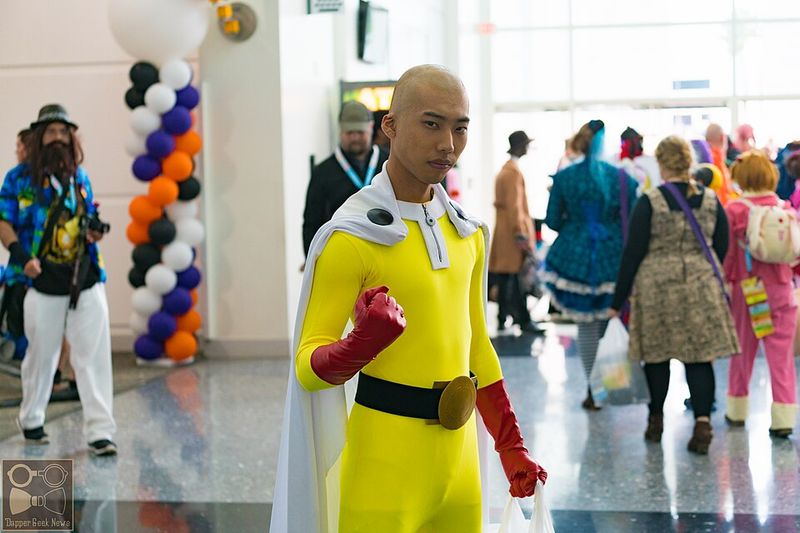
Saitama’s ability to defeat any enemy with a single punch created comedy gold.
The first season’s animation was so smooth it practically sparkled, making every fight scene a work of art.
Season two arrived with different animators, and fans immediately noticed the downgrade. Fight choreography that once flowed like water now felt stiff and awkward.
While the story remained entertaining, the visual drop-off left many viewers wishing they could punch their way back to season one’s glory days.
5. The Rising of the Shield Hero
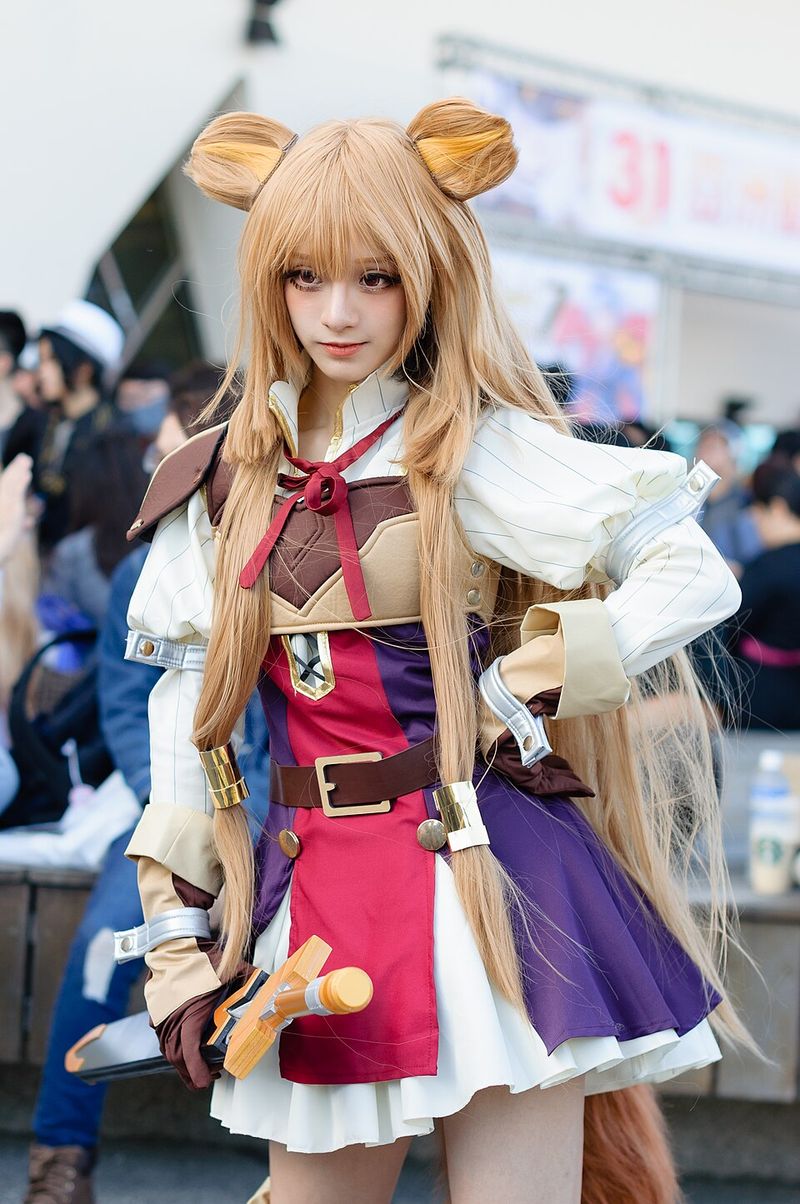
A false accusation and a brutal fall from grace gave the story real bite, tapping into anger and injustice that felt raw rather than manufactured.
The climb back up felt hard-won, and that sense of earned momentum made it easy to root for payback.
Over time, that edge softened. As later arcs unfolded, the narrative drifted toward familiar isekai comfort zones, trading tension and moral gray areas for safer, more predictable beats.
Viewers who were drawn in by the darker revenge-driven premise of The Rising of the Shield Hero ended up with something far tamer, leaving the early promise feeling diluted rather than fulfilled.
6. Tower of God
The climb up that mysterious tower had all the ingredients to spark obsession, pulling viewers in with a fresh sense of rules, layered personalities, and a setting that felt deliberately unfinished in the best way.
Then the ascent stopped short. A single-season adaptation cut the journey off early, leaving the story little time to settle or deepen.
Instead of letting tension build naturally, the pacing rushed ahead, skipping the slow burn that made the source material so compelling.
7. Blue Exorcist
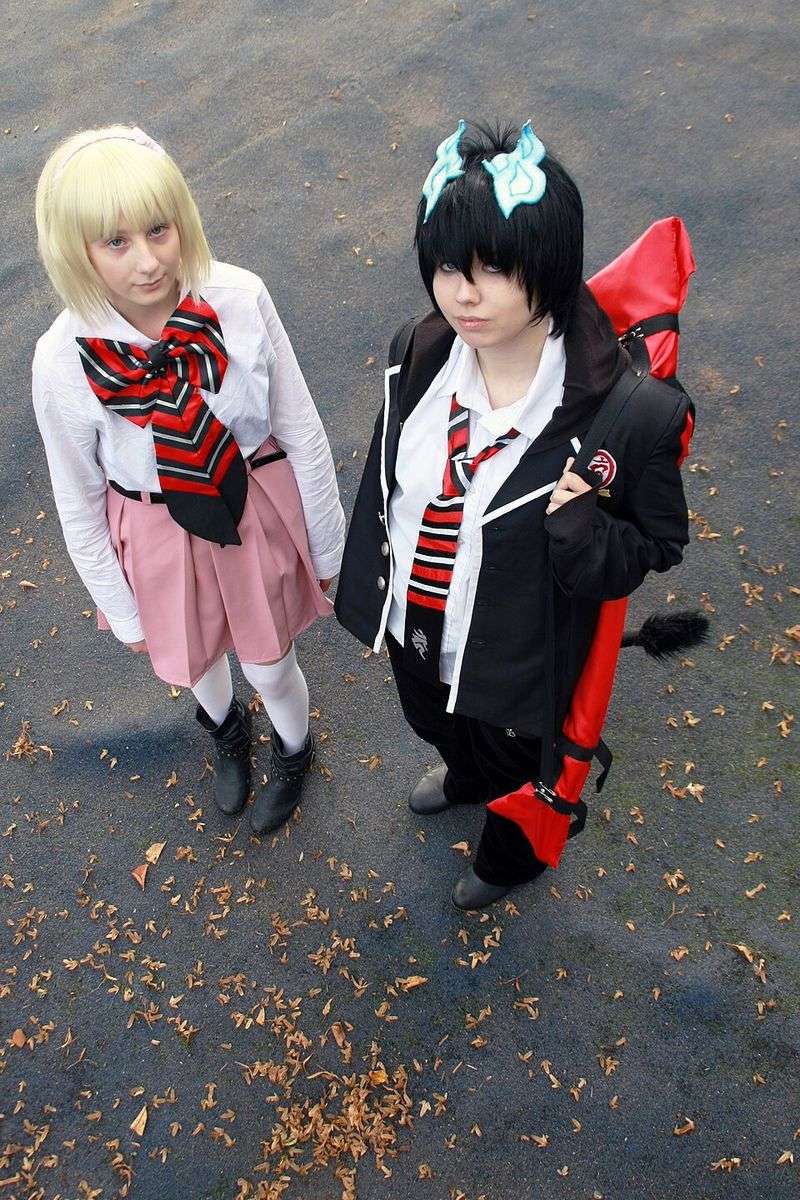
Rin discovering he’s Satan’s son delivered an explosive premise that hooked viewers instantly. The blend of demonic action and school life created something genuinely fresh and exciting.
Then the anime diverged from the manga with an original ending that satisfied basically nobody. Years later, they tried again with a sequel that pretended the original ending never happened.
This continuity confusion left fans scratching their heads and wondering which version of events they should actually care about moving forward.
8. Rent-A-Girlfriend
The concept of renting a girlfriend to save face was quirky enough to grab attention.
Early episodes balanced cringe comedy with genuine character moments that kept viewers coming back.
But then the show discovered its comfort zone and refused to leave. Season after season, Kazuya made the same mistakes while romantic progress moved slower than a turtle in molasses.
Fans started joking that they’d be grandparents before any real relationship development happened, and honestly, they might be right about that prediction.
9. Great Pretender
Style carried this con artist caper straight out of the gate, with slick animation, bold colors, and scams flashy enough to rival Ocean’s Eleven.
The early cons balanced clever setups with clean, satisfying payoffs, delivering that effortless cool that kept episodes flying by.
As the story stretched on, things grew more tangled. Elaborate twists began stacking on top of one another, and the breezy confidence that once defined the series started to feel weighed down by its own ambition.
Some viewers still champion the full ride, but plenty feel Great Pretender hit its high point early.
10. Food Wars! Shokugeki no Soma
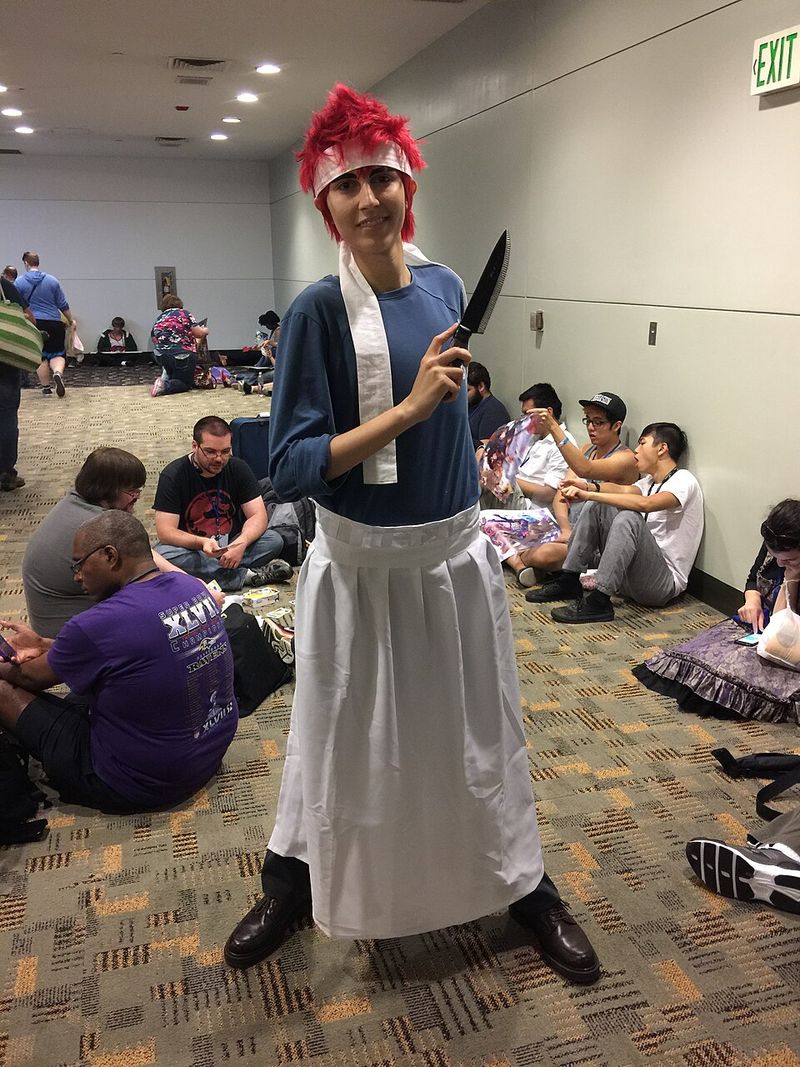
Shonen-style intensity turned cooking battles into pure spectacle, mixing wild creativity with exaggerated reactions that made each episode feel like an event.
Soma’s inventive dishes and fearless approach kept the focus on food as competition, craft, and personality all at once.
That balance slipped in the later arcs.
Escalating stakes pushed the series toward absurd power scaling, while character growth slowed and the cooking itself took a back seat to near-supernatural abilities.
11. Wonder Egg Priority

The opening episodes tackled heavy themes like bullying and trauma with stunning visuals and emotional depth. Every frame looked like art, and the mystery kept viewers theorizing wildly.
Then the finale arrived and left everyone more confused than a cat in a dog park.
Plot threads remained unresolved, character arcs felt incomplete, and the special episode only raised more questions.
12. Darling in the Franxx
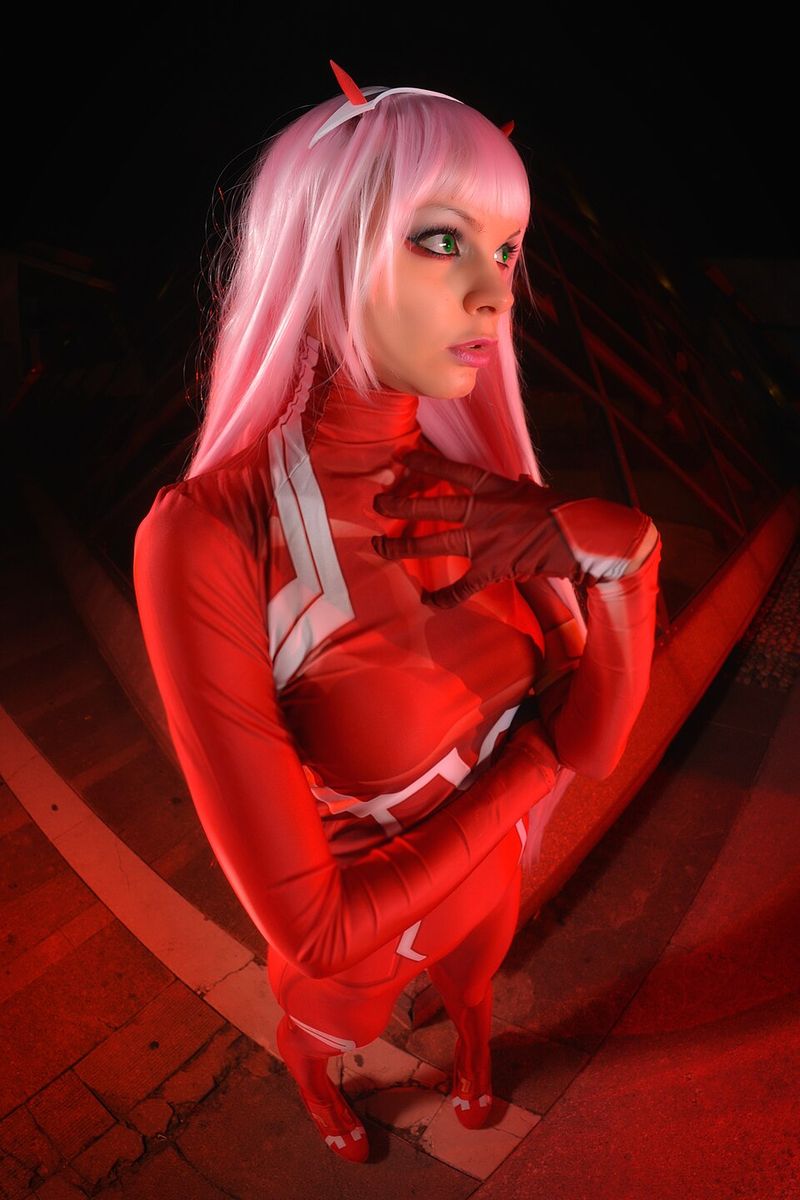
Early episodes leaned hard into emotion, pairing striking mecha designs with intriguing world-building and a romance that quickly pulled viewers in.
The connection between Zero Two and Hiro became the emotional anchor, giving the story real momentum and heart.
That foundation cracked once space aliens abruptly took center stage.
The tonal shift felt abrupt and disorienting, as if the narrative changed direction without warning, leaving many viewers scrambling to adjust.
13. Kemono Friends
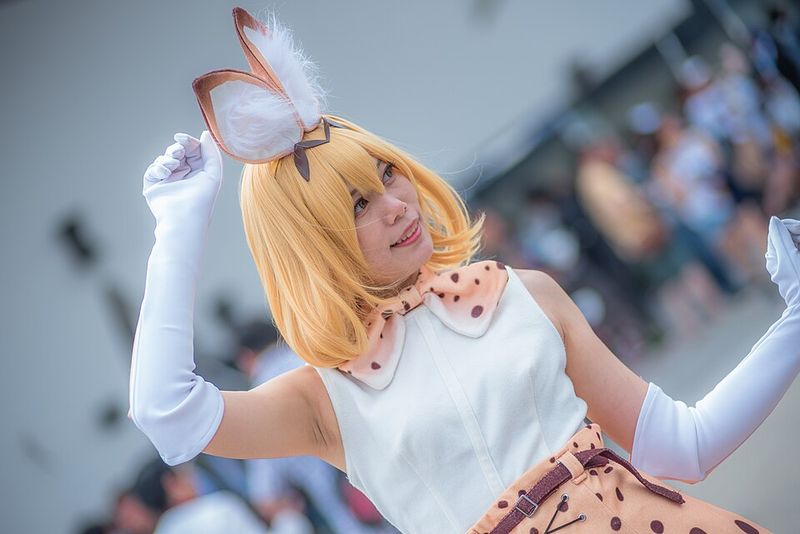
Few could have predicted that a modest, low-budget series about animal girls would explode into a genuine cultural moment.
Warmhearted tone and quietly intriguing lore combined to create a surprise hit that seemed to be everywhere at once.
The follow-up told a very different story. With the original director no longer involved, the second season felt noticeably off, and much of the gentle spark that defined the debut vanished almost immediately.
Behind-the-scenes turmoil only deepened the disappointment, shifting the conversation away from celebration and toward frustration.
14. Aldnoah.Zero

The first half dropped viewers into an intense war between Earth and Mars with incredible mecha battles. Strategic combat and political intrigue created edge-of-your-seat tension every episode.
Then the second half made controversial choices that split the fanbase down the middle.
Character decisions felt inconsistent, and the ending left many viewers unsatisfied with how everything resolved.
What began as a promising mecha series ended up as another example of squandered potential and missed opportunities that can’t help but frustrate fans
15. Guilty Crown
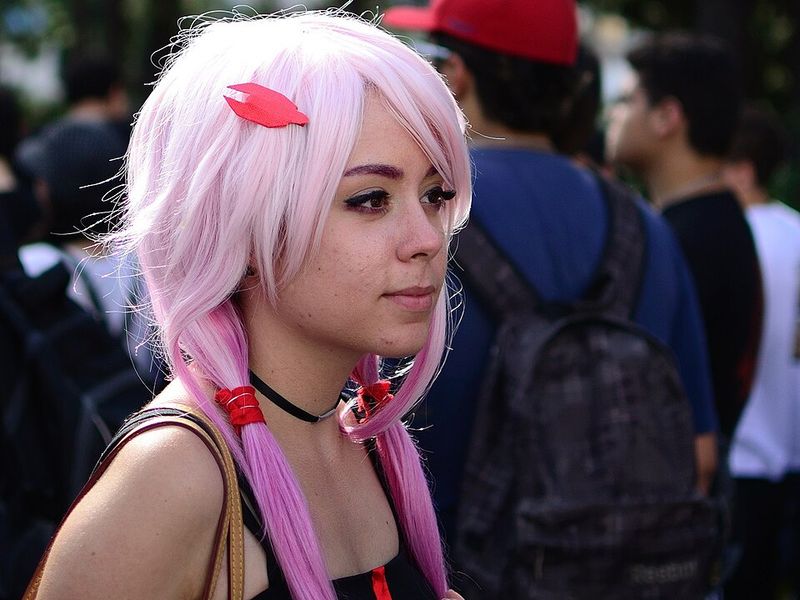
Striking visuals and a soaring soundtrack turned the series into pure sensory overload, with the ability to pull weapons from people fueling action scenes that looked genuinely breathtaking.
Every fight felt stylized and ambitious, selling the idea that spectacle alone could carry momentum.
As the episodes stacked up, clarity slipped away.
Many viewers stayed for the animation and music alone, but far fewer could defend the narrative turns that sent Guilty Crown off the rails, leaving behind a visually stunning experience undermined by its own storytelling choices.
16. The Melancholy of Haruhi Suzumiya
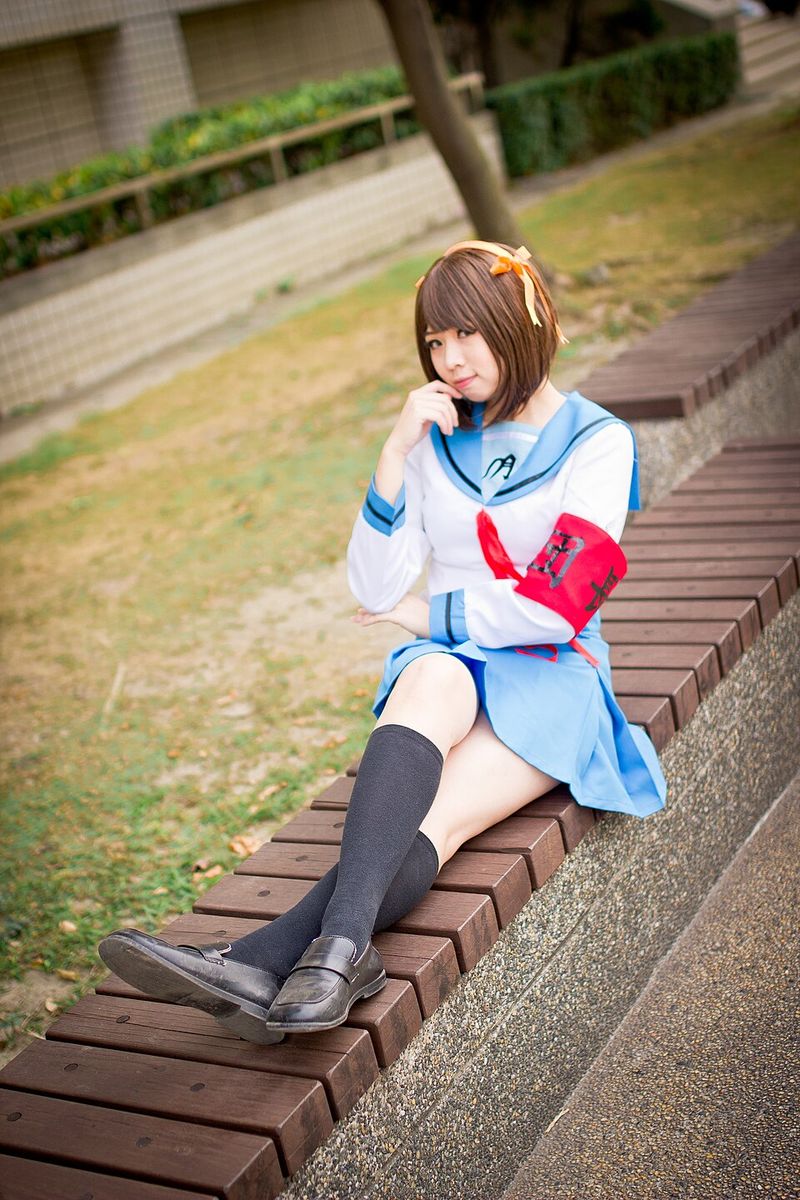
This series practically defined mid-2000s anime culture.
Haruhi’s reality-warping abilities and the SOS Brigade’s adventures became legendary, influencing countless shows that followed its success.
Then came the Endless Eight arc, where the same episode repeated with minor variations for two months straight. Fans’ patience evaporated faster than summer vacation.
While the franchise remains beloved by many, that controversial decision and the lack of satisfying follow-up content cooled the once-blazing enthusiasm that made Haruhi a cultural phenomenon.