14 Black Actresses Hollywood Tried To Forget And We Remember
Hollywood’s history with diversity has been complicated, leaving some of its most talented performers lost in the shuffle. Black actresses who broke barriers and delivered unforgettable, show-stopping performances often faced limited opportunities because of their race.
Their work shaped the screen, inspired generations, and proved that talent transcends stereotypes. Celebrate these trailblazers, dive into their iconic roles, and honor the legends who transformed cinema while demanding the recognition they’ve long deserved.
1. Nina Mae McKinney: The Black Garbo
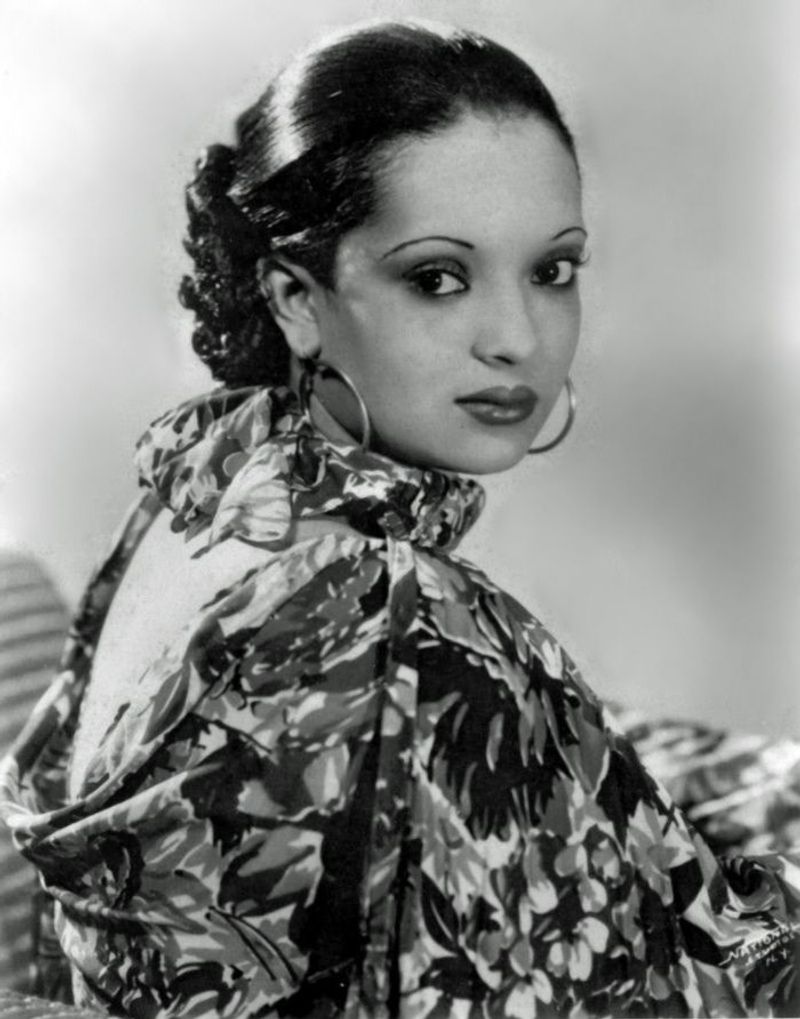
Nicknamed ‘The Black Garbo,’ Nina Mae McKinney became one of the first African-American film stars in United States history. Her breakthrough role in the 1929 musical Hallelujah! showcased her incredible singing and acting talents to audiences everywhere.
However, Hollywood’s racial barriers meant she couldn’t land the leading roles she deserved. Instead of becoming a household name in America, McKinney found more success performing in Europe where audiences appreciated her gifts without prejudice.
2. Theresa Harris: More Than A Maid
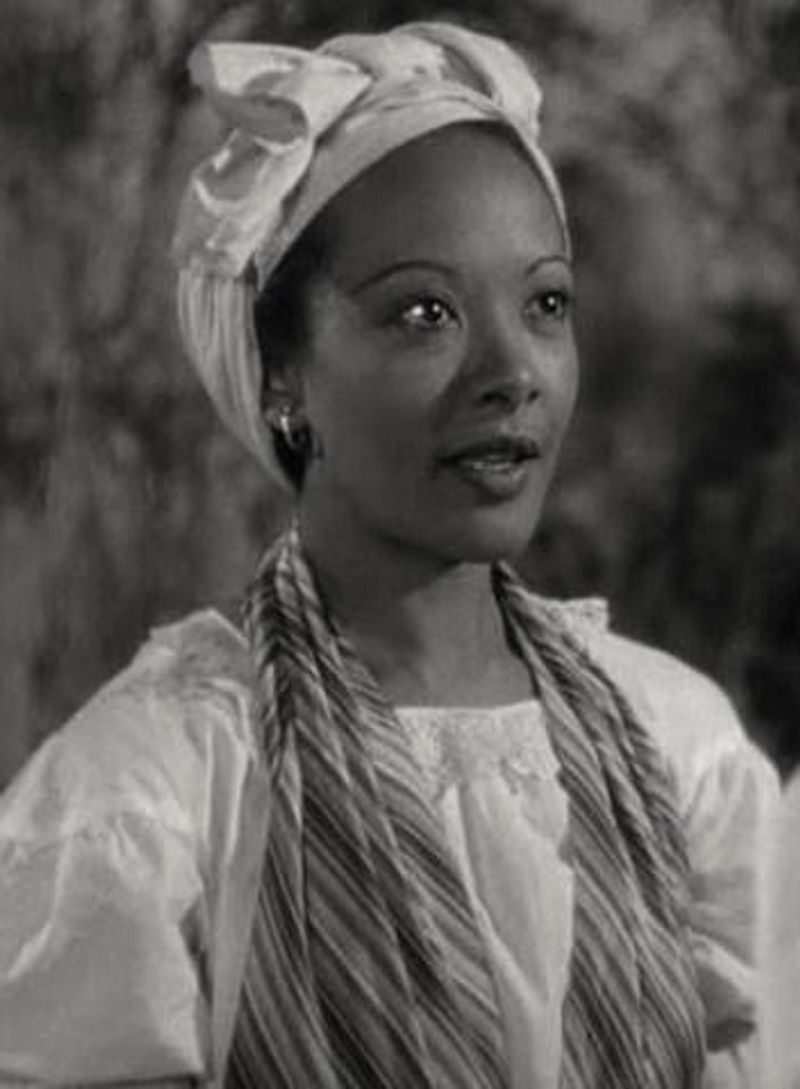
If you watched movies in the 1930s and 40s, you probably saw Theresa Harris on screen without knowing her name. She appeared in over 100 films, bringing warmth and personality to every scene she graced with her presence.
Studios constantly cast her as maids and servants, rarely giving her the chance to show her full range. Despite these limitations, Harris made each role memorable, proving that true talent shines through even when Hollywood tries to dim your light.
3. Louise Beavers: The Heart Of Imitation Of Life
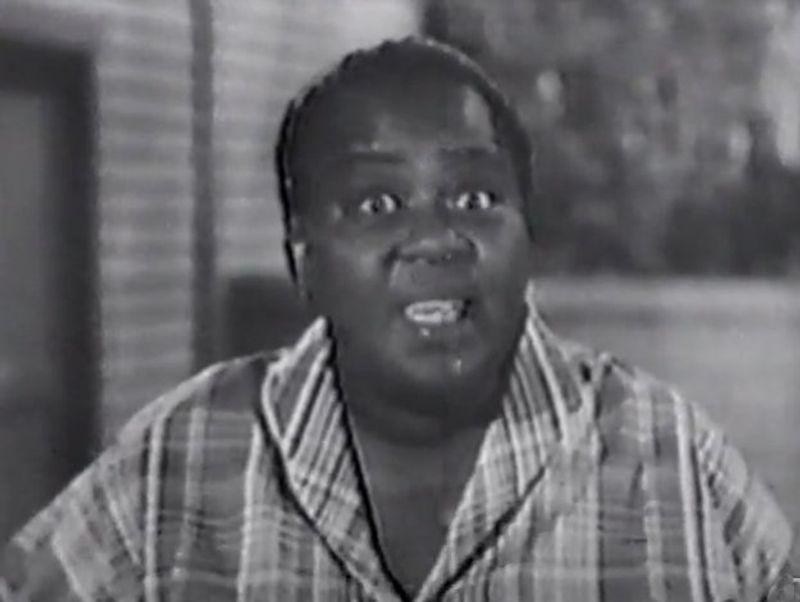
One of cinema’s most moving performances came from Louise Beavers in the 1934 film Imitation of Life, portraying a single mother with dignity and depth. Critics praised the work, and audiences connected with the emotional truth brought to the screen.
Appearing in nearly 200 films throughout a career, Hollywood repeatedly offered the same type of servile roles. Leading lady treatment was deserved but never granted, limiting what could have been an even more remarkable legacy.
4. Fredi Washington: Passing For More Recognition
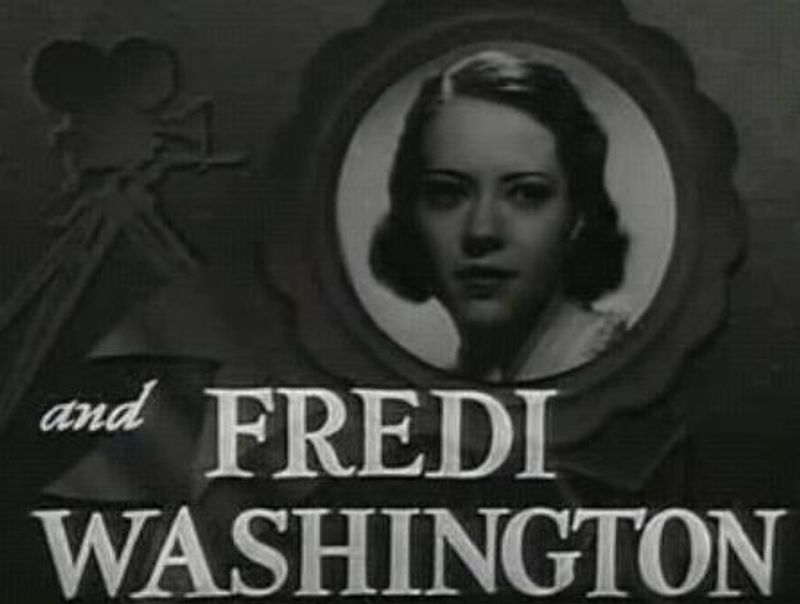
Fredi Washington’s portrayal of Peola in the original Imitation of Life tackled the painful topic of racial passing with nuance and power. Her light skin allowed her to play this complex character, but it also created unusual challenges in her career.
Hollywood didn’t know what to do with an actress who didn’t fit their narrow stereotypes for Black performers. Washington refused to pass as white in real life and became an activist for civil rights, proving her courage extended far beyond the silver screen.
5. Butterfly McQueen: Beyond Prissy
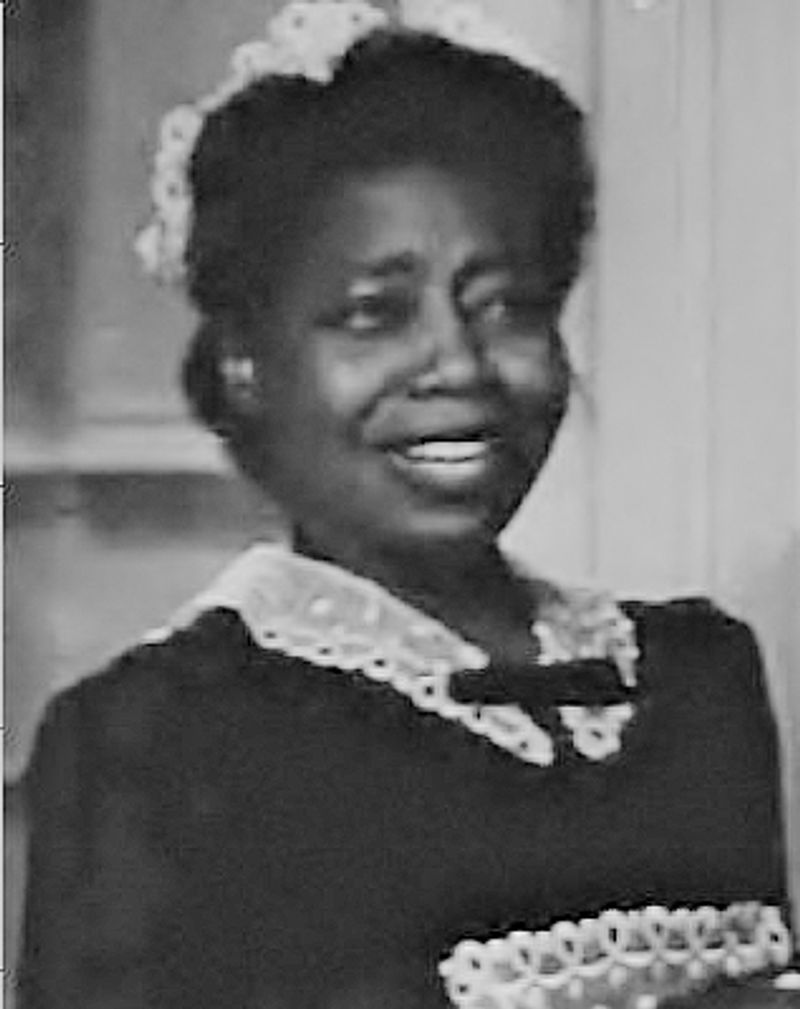
When Butterfly McQueen uttered her famous line in Gone with the Wind, she became instantly recognizable to millions of moviegoers. Her unique voice and comedic timing made her unforgettable, yet Hollywood only wanted her to play similar characters repeatedly.
Frustrated by the discrimination and stereotypical roles, McQueen eventually walked away from acting altogether. She returned to school, earned a degree, and found work that respected her intelligence and humanity beyond what Hollywood offered.
6. Dorothy Dandridge: Hollywood’s First Black Glamour Queen
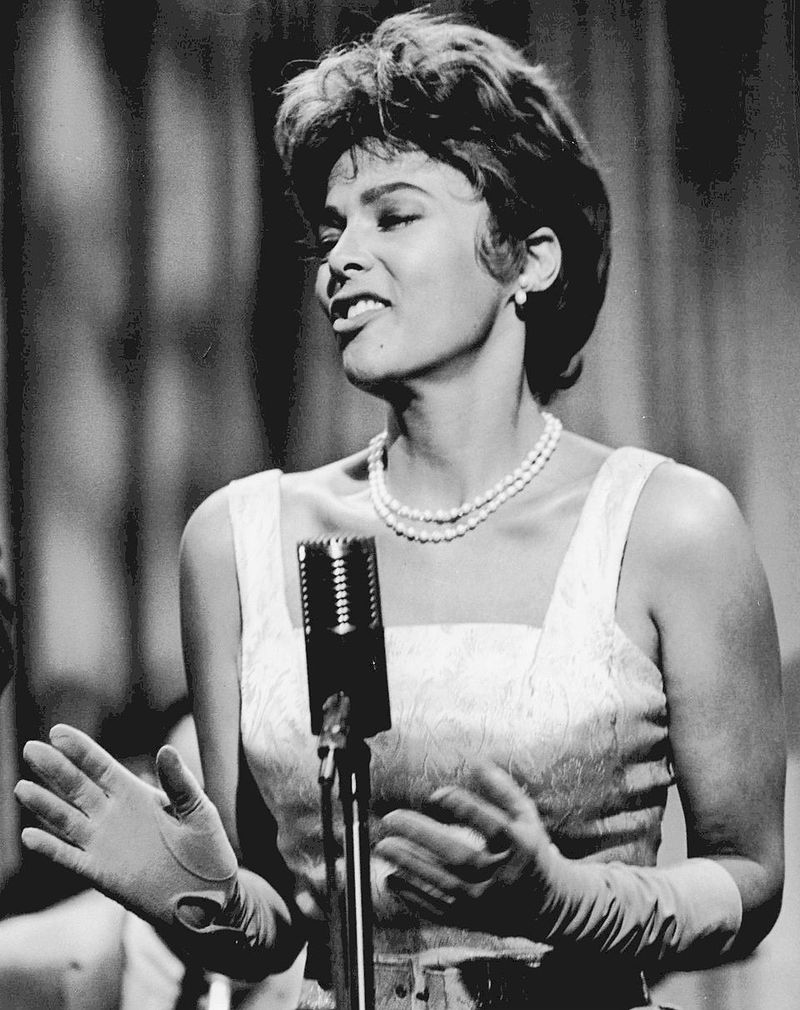
History was made when the first Black actress earned a Best Actress Oscar nomination for Carmen Jones. Beauty, talent, and sophistication challenged everything Hollywood believed about Black performers in the 1950s.
Despite groundbreaking achievements, studios offered few quality roles after the nomination. Opportunities rarely matched abilities, and a tragic early death at age 42 deprived the world of more brilliant performances.
7. Ethel Waters: From Blues To Broadway
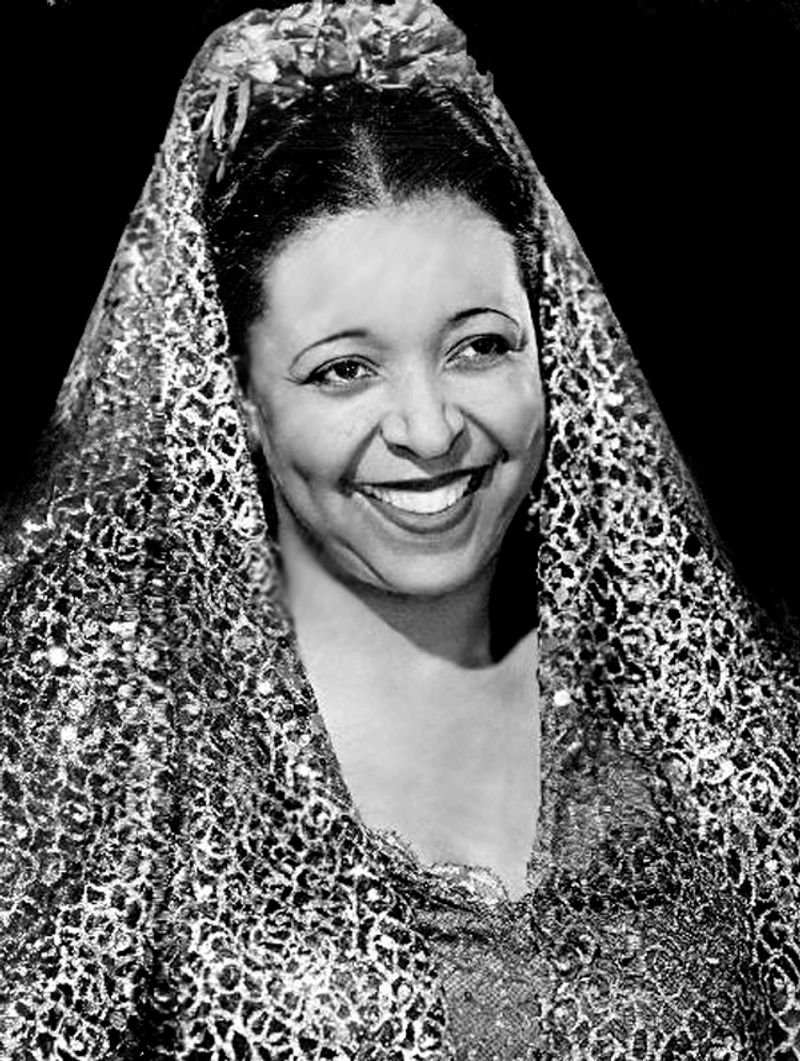
Before becoming a respected actress, Ethel Waters conquered the music world as a blues and jazz singer with a voice that could move anyone to tears. Her transition to acting brought the same emotional power, earning her an Oscar nomination for Pinky in 1949.
Waters broke barriers on stage and screen, yet Hollywood kept her opportunities limited compared to white actresses with similar acclaim. Her autobiography revealed the pain of fighting for recognition while delivering performances that audiences and critics absolutely loved.
8. Hattie McDaniel: Oscar Winner, Limited Options
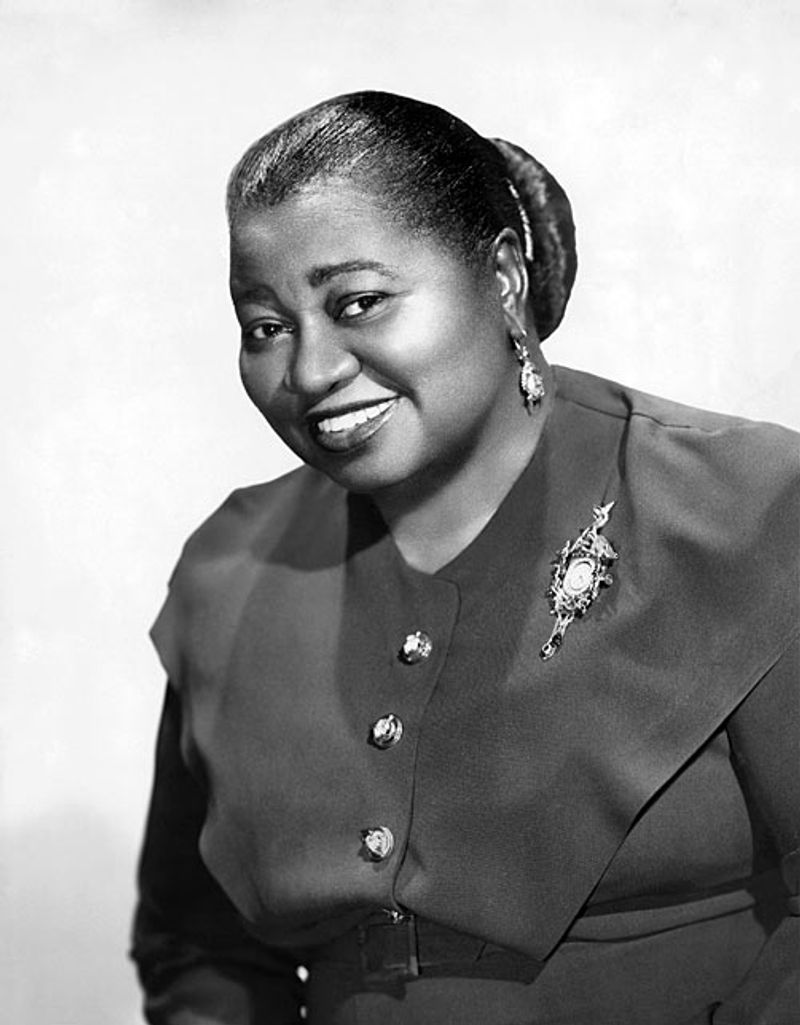
The first African-American to win an Academy Award achieved the milestone with a supporting role in Gone with the Wind in 1940. Humanity and strength were brought to a character that could have been one-dimensional in less capable hands.
Winning Hollywood’s highest honor didn’t shield her from criticism by both white and Black communities for the types of roles accepted. She famously responded that making money playing a maid was better than being one, highlighting the impossible choices Black actresses faced.
9. Lena Horne: Beauty Wasn’t Enough
Lena Horne’s striking beauty and incredible singing voice earned her a contract with MGM, making her one of the first Black performers signed to a major studio. Her appearances in films like Cabin in the Sky and Stormy Weather showcased her tremendous gifts.
However, MGM often filmed her musical numbers so theaters in racist areas could easily cut them out. Horne refused to play maids and servants, which meant she got fewer roles than she deserved throughout her entire Hollywood career.
10. Ruby Dee: Stage And Screen Excellence
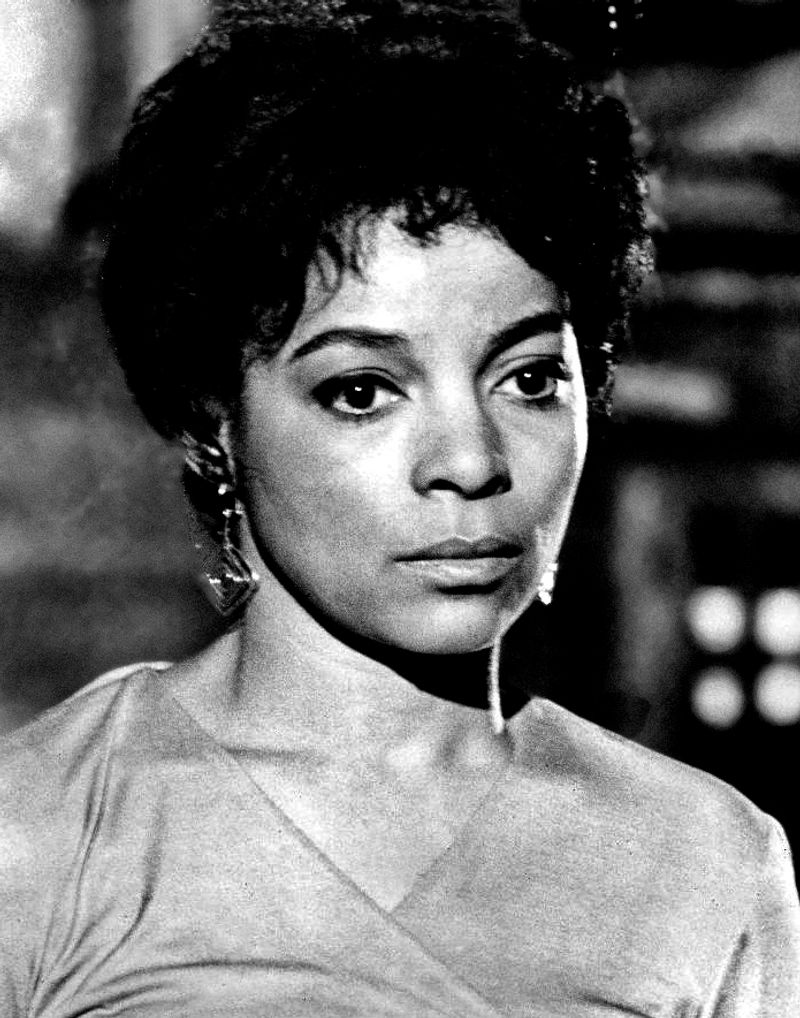
Intelligence and grace were brought to every role, from A Raisin in the Sun on Broadway to numerous film and television appearances. Partnership with husband Ossie Davis created one of entertainment’s most respected power couples.
Critics consistently praised the work, yet Hollywood offered limited opportunities for a Black actress who refused to compromise dignity. Continuing in theater and independent films, a legacy was built that finally earned an Oscar nomination at age 83.
11. Diahann Carroll: Breaking The TV Barrier
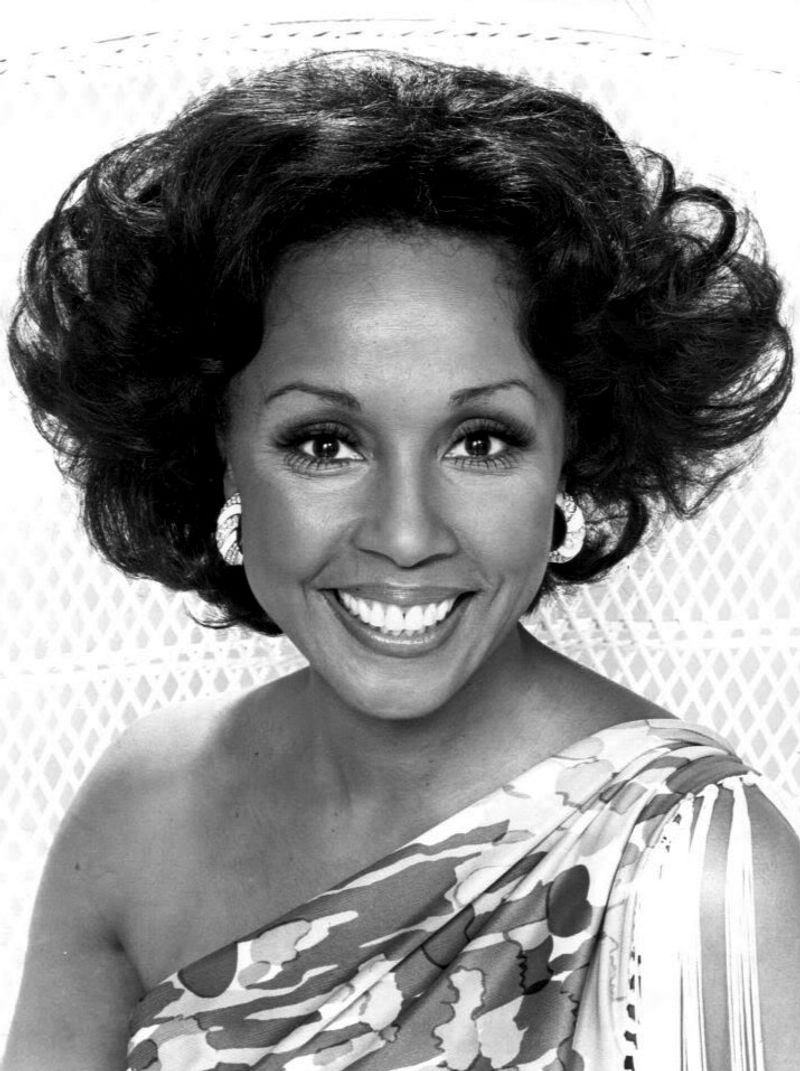
Television barriers were shattered when Diahann Carroll starred in Julia, the first series featuring a Black woman in a non-stereotypical role. Portraying a widowed nurse raising her son, she showed Black families in a positive, professional light rarely seen on TV.
Despite this groundbreaking success, Hollywood studios didn’t rush to cast her in major film roles. Film career achievements never matched television triumphs, even though talent and beauty rivaled any actress of that era.
12. Cicely Tyson: Dignity Over Dollars
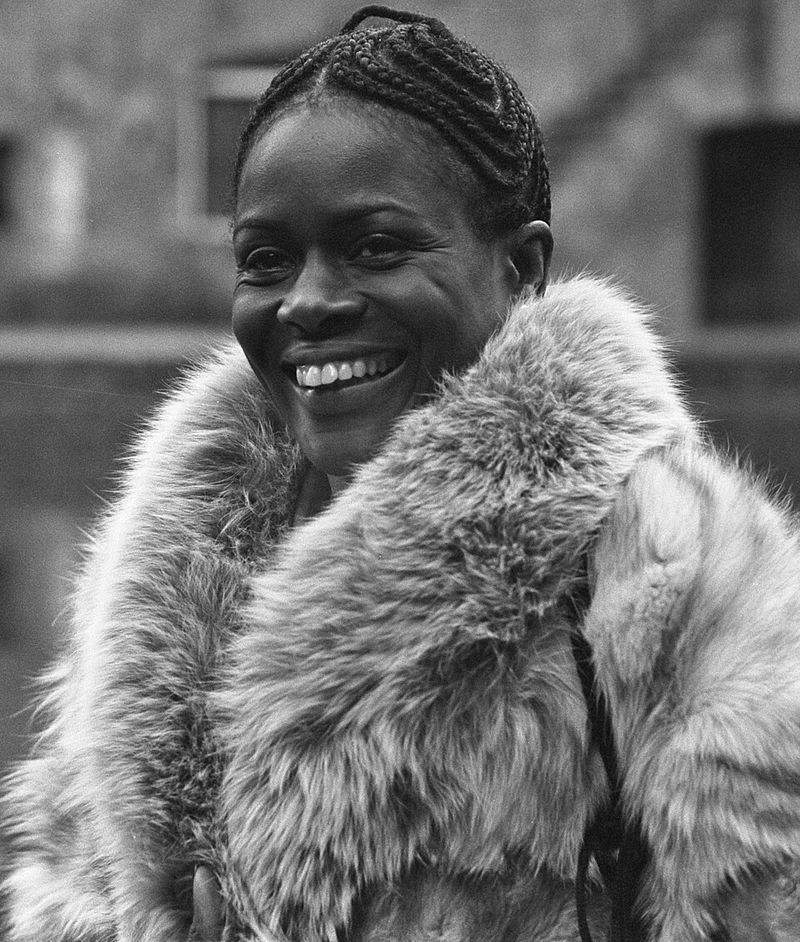
A conscious decision early in her career led Cicely Tyson to accept only roles that portrayed Black women with dignity and strength. This choice meant fewer opportunities, but every performance became memorable and meaningful.
Emmy-winning work in The Autobiography of Miss Jane Pittman and an Oscar-nominated role in Sounder showcased undeniable talent, yet Hollywood consistently offered fewer roles than it did to white actresses of comparable skill.
13. Pam Grier: Action Hero Without Recognition
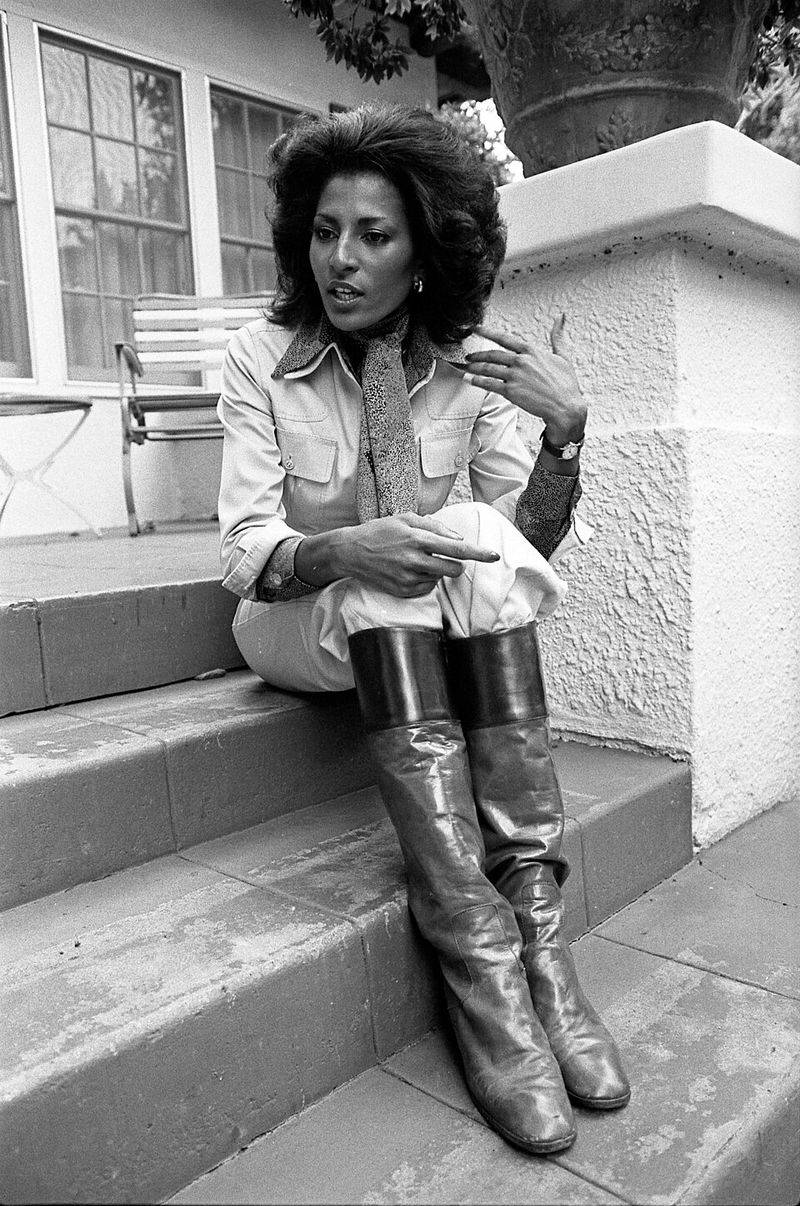
Doors were kicked down and names taken in action films like Foxy Brown and Coffy, proving women could carry action movies long before it became trendy. Physical presence and acting chops made Pam Grier a genuine movie star during the blaxploitation era.
When that genre faded, Hollywood didn’t know what to do with a Black female action star. Grier struggled to find quality roles for decades, despite influencing countless action heroes who came after her groundbreaking performances.
14. Rosalind Cash: Character Actress Extraordinaire
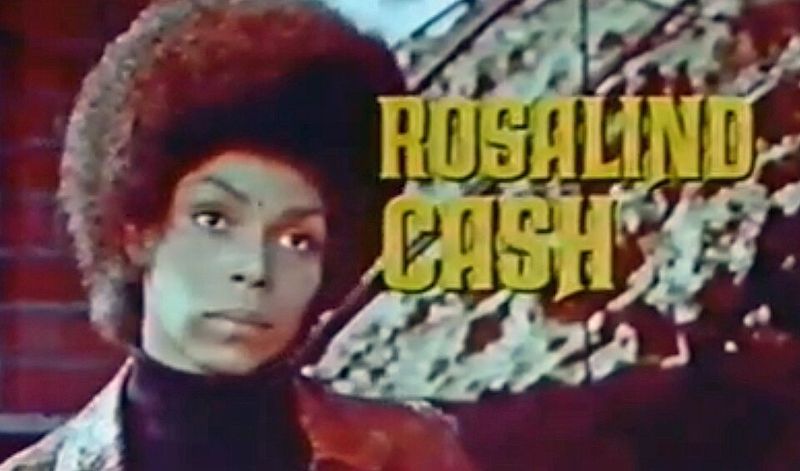
Fierce intelligence was brought to every role, from The Omega Man to television work in shows like A Different World. The ability to portray complex, strong women made her stand out in an industry that often simplified Black female characters.
Respected by peers and critics, she never became a household name. Hollywood’s tendency to overlook Black character actresses meant considerable talents reached fewer people than they should have.