Actors Who Struggled To Bounce Back After Superhero Roles
Landing a superhero role sounds like winning the Hollywood lottery, right?
But for some actors, wearing the cape or mask became more of a career trap than a launching pad.
When audiences lock you into one iconic character, breaking free can feel impossible, no matter how talented you are.
These performers faced an uphill battle trying to convince casting directors and fans they could be more than just their spandex-wearing alter egos.
Disclaimer: This article reflects editorial opinion discussing actors whose careers were widely perceived as being shaped or limited by major superhero roles; interpretations are subjective and intended for entertainment and general informational purposes only.
1. Brandon Routh (Superman Returns)
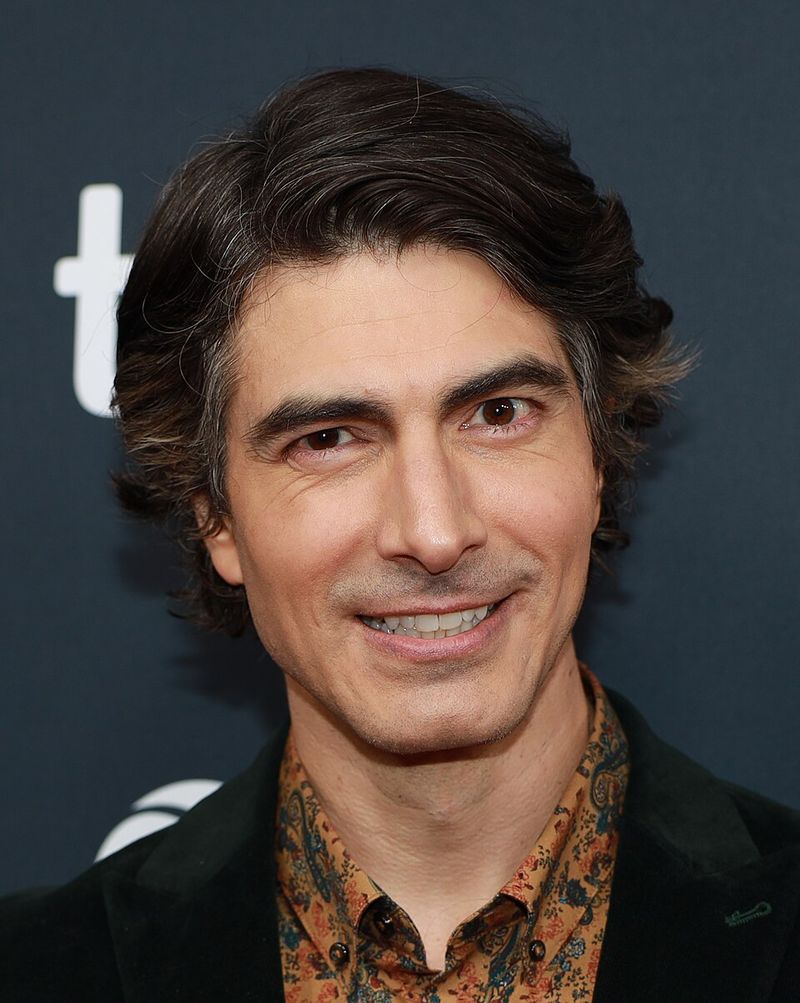
Stepping into Christopher Reeve’s legendary boots seemed like the ultimate career move in 2006.
However, when Superman Returns didn’t spark the franchise revival Warner Bros. hoped for, Hollywood’s doors didn’t exactly fly open afterward.
Big-budget leading roles stayed frustratingly out of reach. Instead of becoming the next A-list action star, Routh found himself auditioning for parts that felt like major steps backward.
Television eventually became his superhero salvation through the Arrowverse. Ray Palmer gave him a second chance to wear tights, but this time with way less pressure and actually more fun.
2. George Reeves (Adventures of Superman)
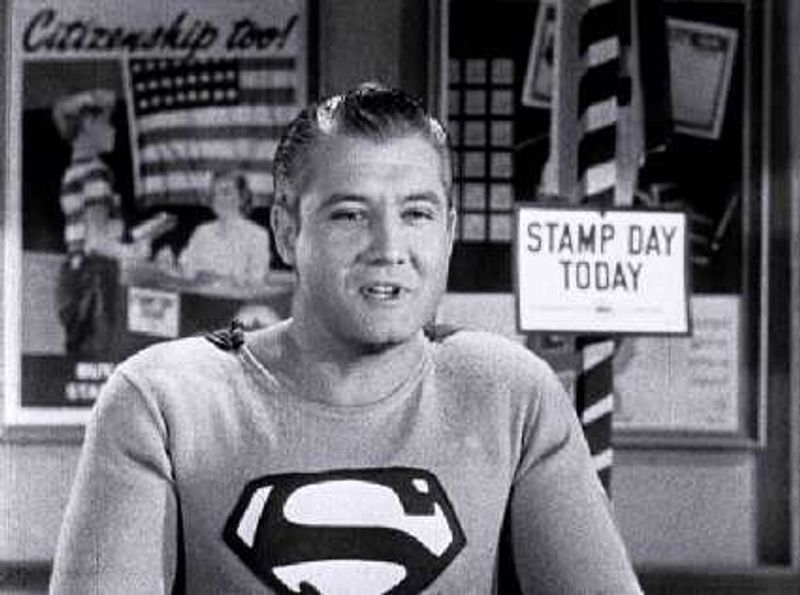
Back in the 1950s, television was still figuring itself out, and so was George Reeves.
Playing Superman across 104 episodes made him a household name, but it also painted him into a corner he couldn’t escape.
Directors stopped seeing him as an actor and only saw the Man of Steel. Serious dramatic roles vanished from consideration because audiences couldn’t separate fantasy from reality.
3. Kirk Alyn (Superman Serials)
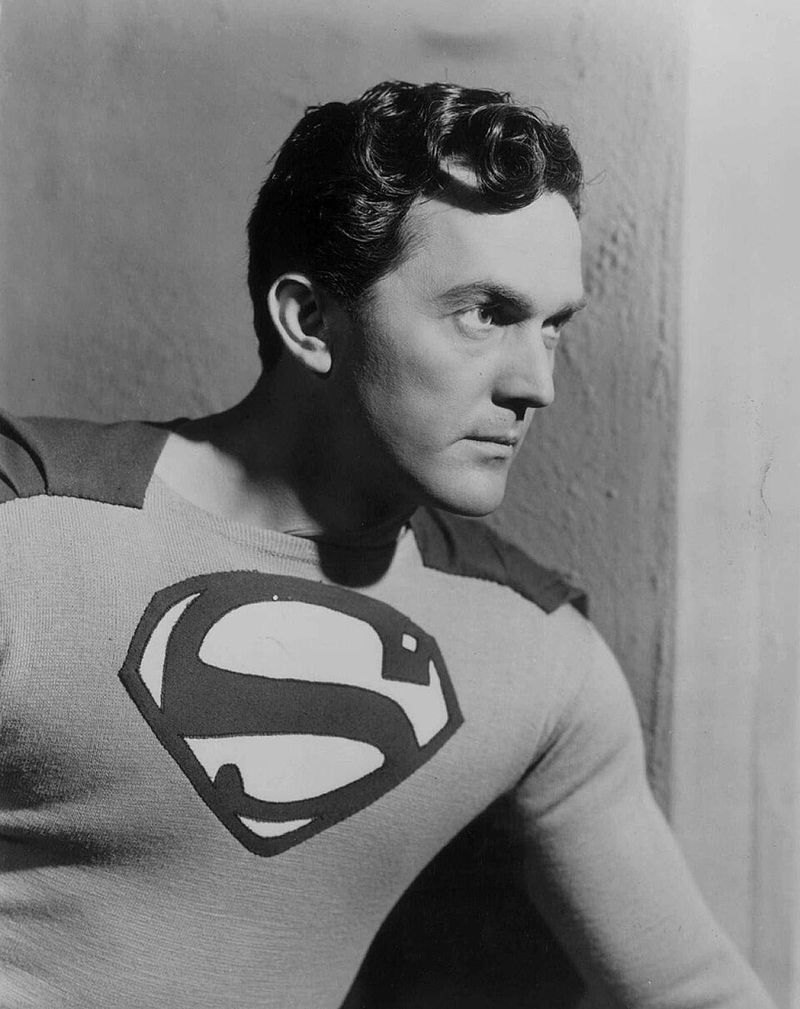
Before TV even existed, Kirk Alyn became the very first actor to portray Superman on screen in 1948.
Those Saturday matinee serials were wildly popular with kids, but Hollywood executives treated them like second-class entertainment.
Being the original Superman should have opened doors everywhere.
Instead, it slammed them shut because movie studios considered serial work beneath “real” cinema, and the superhero label stuck like superglue.
Alyn spent decades trying to land substantial roles that never materialized. His pioneering work got forgotten until comic book movies became respectable, which happened way too late for his career.
4. Chris O’Donnell (Batman Forever, Batman & Robin)
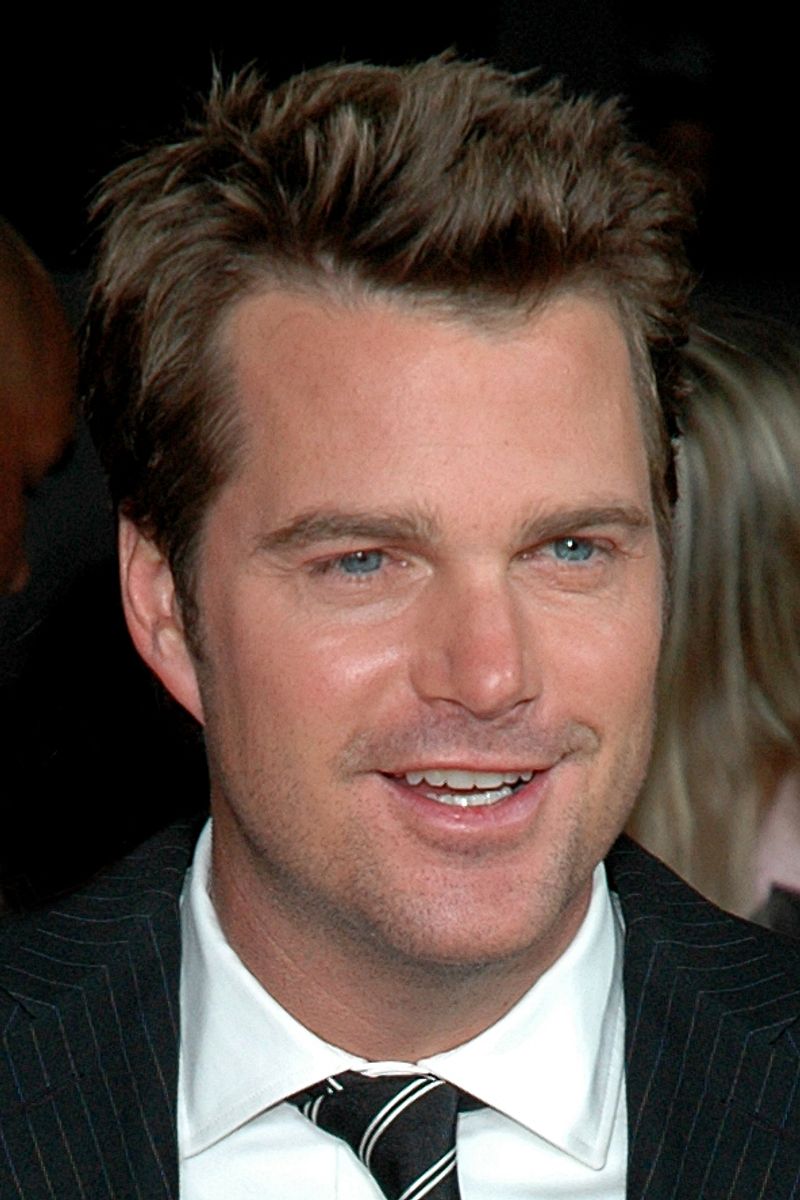
Playing Robin opposite Val Kilmer and George Clooney should have been a career rocket booster.
Unfortunately, Batman & Robin became one of the most ridiculed superhero movies ever made, and everyone involved got splashed with that toxic waste.
O’Donnell kept working steadily, which is more than some can say. But his trajectory shifted from potential movie star to reliable TV actor, eventually landing NCIS: Los Angeles instead of blockbuster leads.
There’s nothing wrong with television success, obviously. Still, you have to wonder what might have happened if this role never happened.
5. Alicia Silverstone (Batman & Robin)
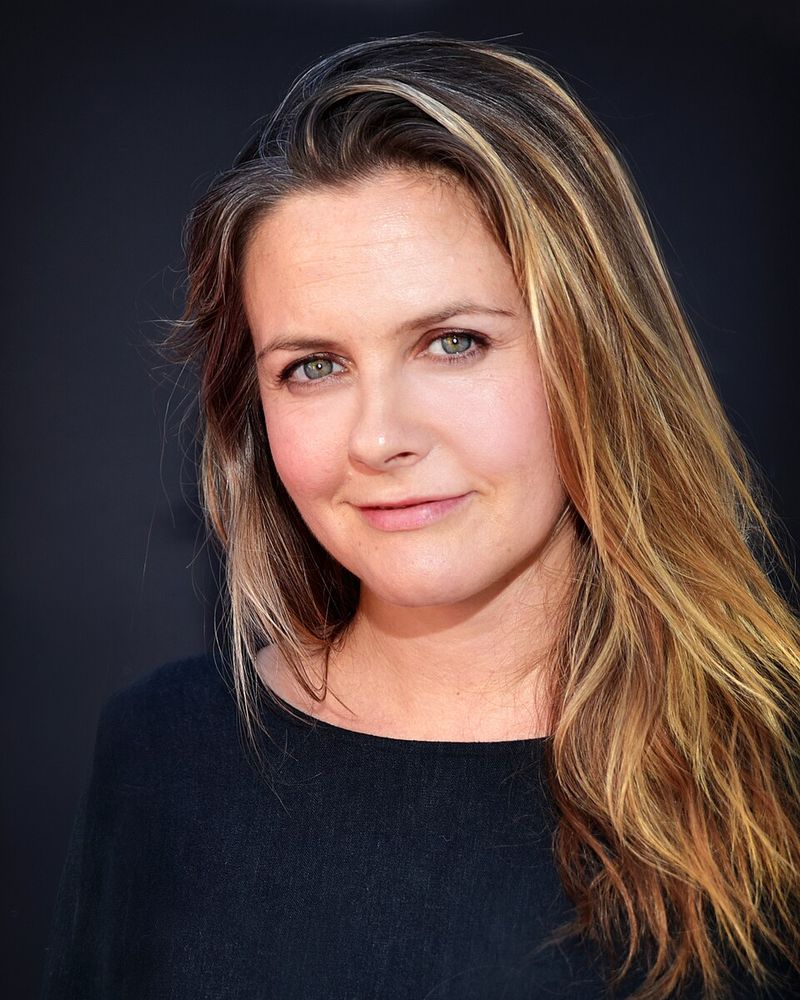
Fresh off Clueless, Alicia Silverstone was Hollywood’s golden girl when she signed on as Batgirl.
Then Batman & Robin happened, and suddenly critics were sharpening their knives over everything from her acting to her appearance in the suit.
The backlash felt personal and cruel in ways male actors rarely experience.
Major studios became hesitant to cast her in prestige projects, and the momentum from her earlier success just evaporated.
She’s continued acting and built a whole different life focused on wellness and advocacy.
6. Halle Berry (Catwoman)
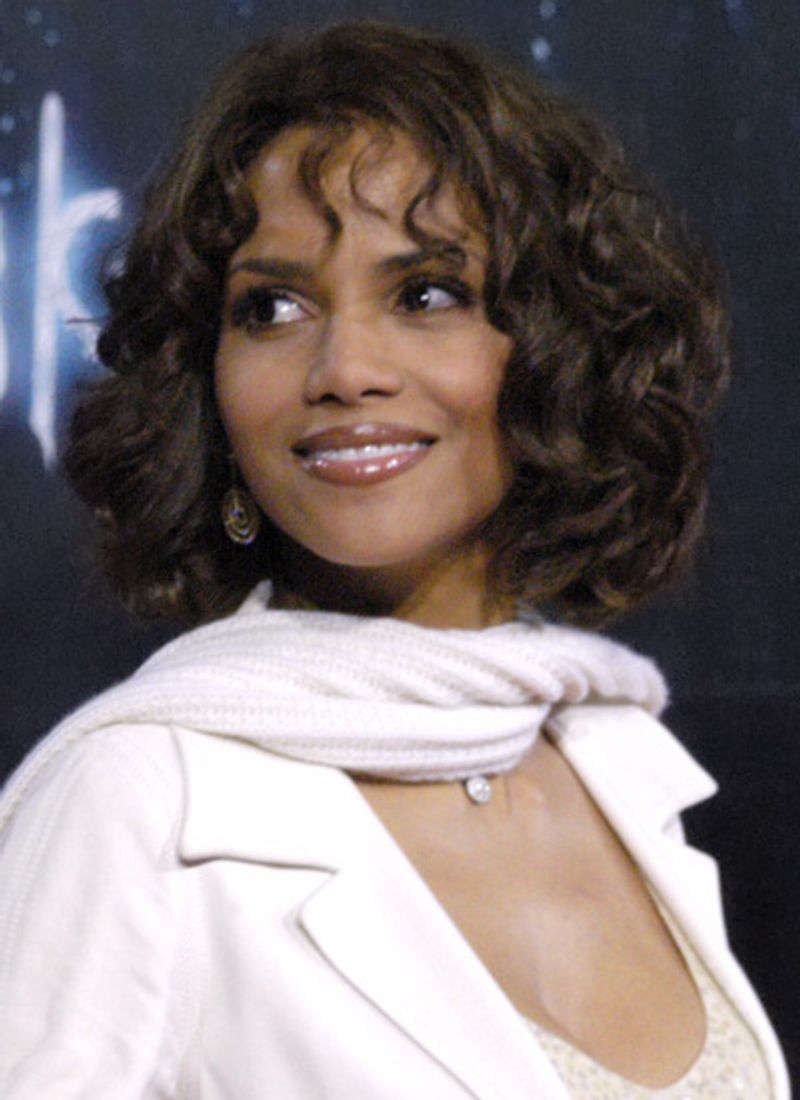
Winning an Oscar should protect you from career disasters, right? Well, Catwoman proved that even Academy Award winners aren’t immune to superhero catastrophes that haunt them for years.
Berry famously accepted her Razzie Award in person, showing humor about the situation.
But jokes aside, that film became the first thing journalists mentioned in every interview for the next decade, overshadowing her actual talent.
She kept landing roles because she’s Halle Berry, after all. However, Catwoman became career baggage she had to drag around everywhere, constantly explaining and defending a movie nobody actually liked.
7. Ioan Gruffudd (Fantastic Four)
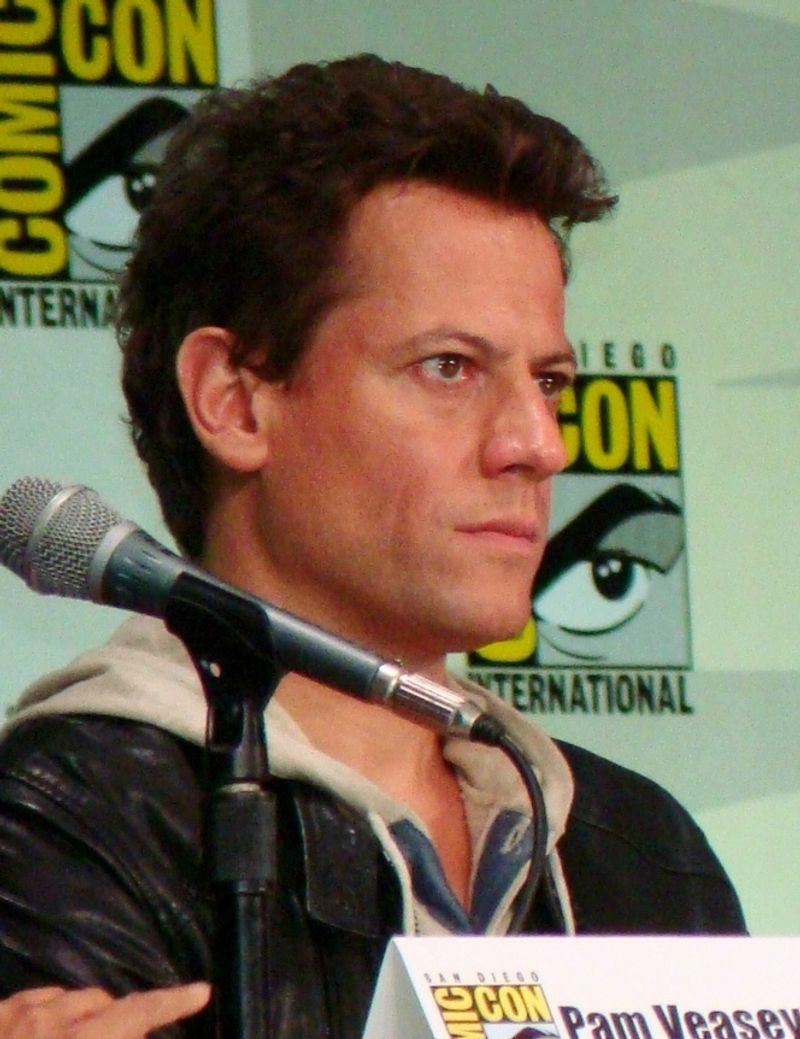
Playing Reed Richards seemed like the perfect breakout role for this talented Welsh actor.
Fantastic Four made decent money, even spawned a sequel, but somehow never translated into the mega-stardom everyone predicted.
Gruffudd delivered a solid, likable performance that fans appreciated. Yet Hollywood didn’t come calling with those franchise-leading opportunities that typically follow superhero success stories.
8. Jessica Alba (Fantastic Four)
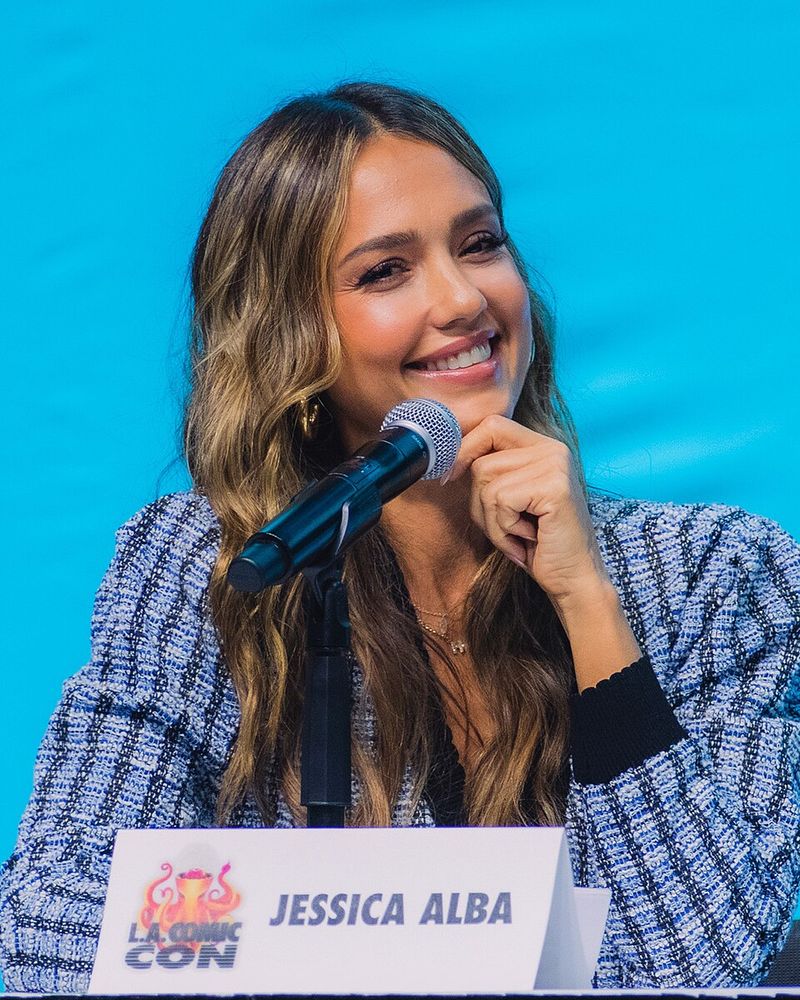
Sue Storm made Jessica Alba a global superstar, but not necessarily the kind of star she wanted to be.
Critics focused more on her looks than her acting, which became frustrating when she clearly wanted respect for her craft.
After Fantastic Four, her film choices didn’t lead toward that “serious actor” reputation. Instead, she pivoted brilliantly into entrepreneurship, founding The Honest Company and becoming a business mogul.
Her post-superhero spotlight shifted completely away from Hollywood prestige.
9. Topher Grace (Spider-Man 3)
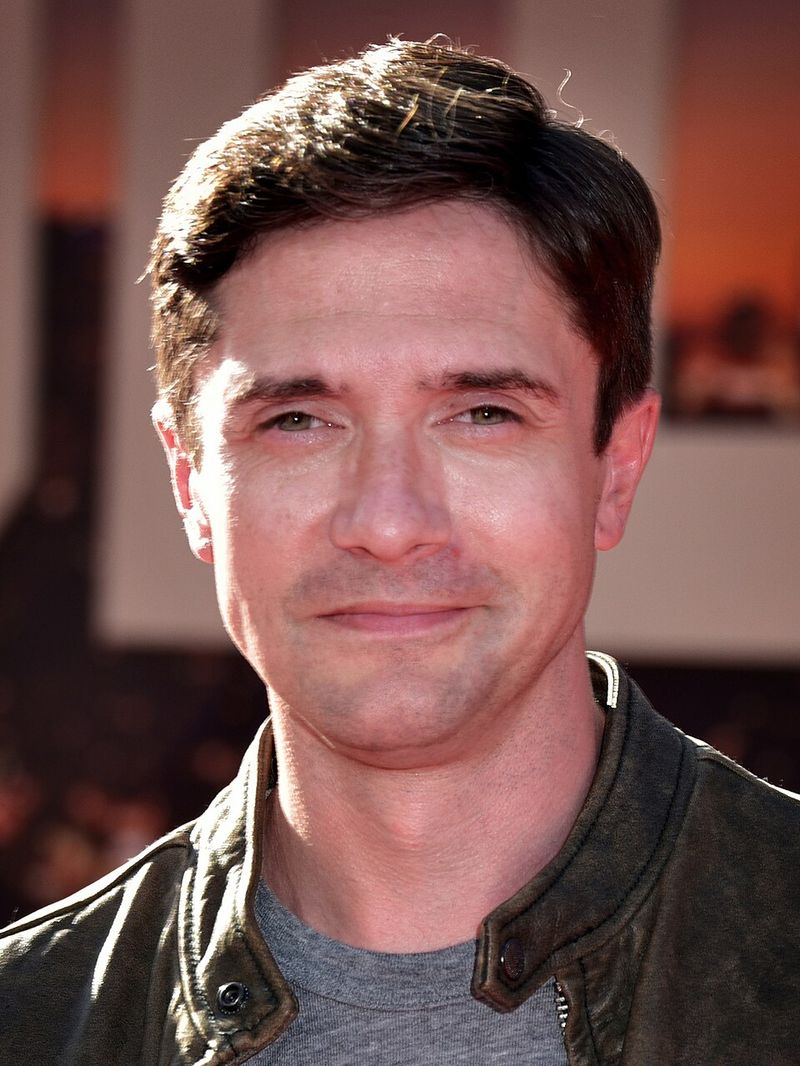
Casting the lovable guy from That ’70s Show as Venom seemed weird from the start.
When Spider-Man 3 became an overstuffed mess with too many villains, Grace’s Eddie Brock got lost in the shuffle and became a punching bag for disappointed fans.
He continued acting in various projects after the web-slinging disaster. But that big blockbuster leading-man lane never opened up the way it does for most actors who join mega-franchises.
Grace has found steady work in smaller, quirkier projects that suit him better. Still, you sense that Spider-Man 3 closed certain doors that might have stayed open with better material.
10. Ben Affleck (Daredevil)
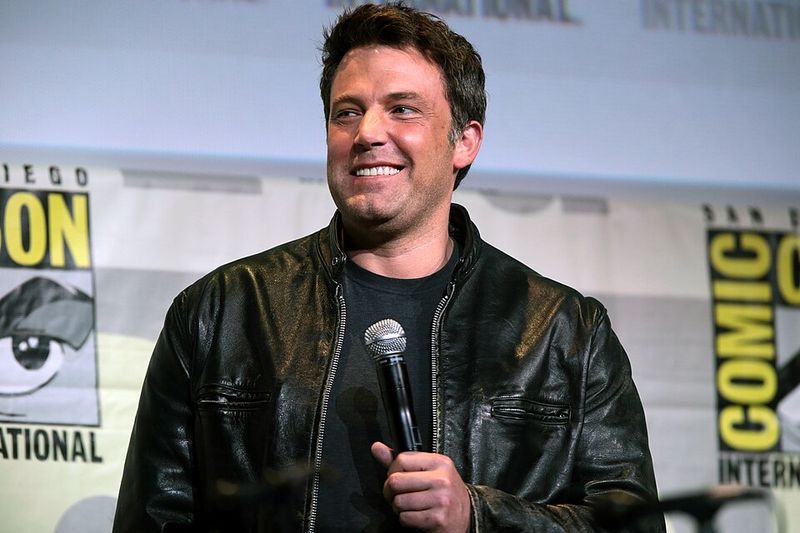
Daredevil was supposed to launch Ben Affleck into superhero superstardom.
Instead, it became a critical punching bag that he openly regretted for years, calling the experience genuinely painful.
The film’s failure coincided with a rough personal period and tabloid troubles.
Affleck had to completely reinvent himself as a director before Hollywood took him seriously again. He eventually returned to superhero movies as Batman, which felt like redemption.
But Daredevil remains this role he had to outrun before his career could shift into its next successful phase.
11. Aaron Eckhart (The Dark Knight)
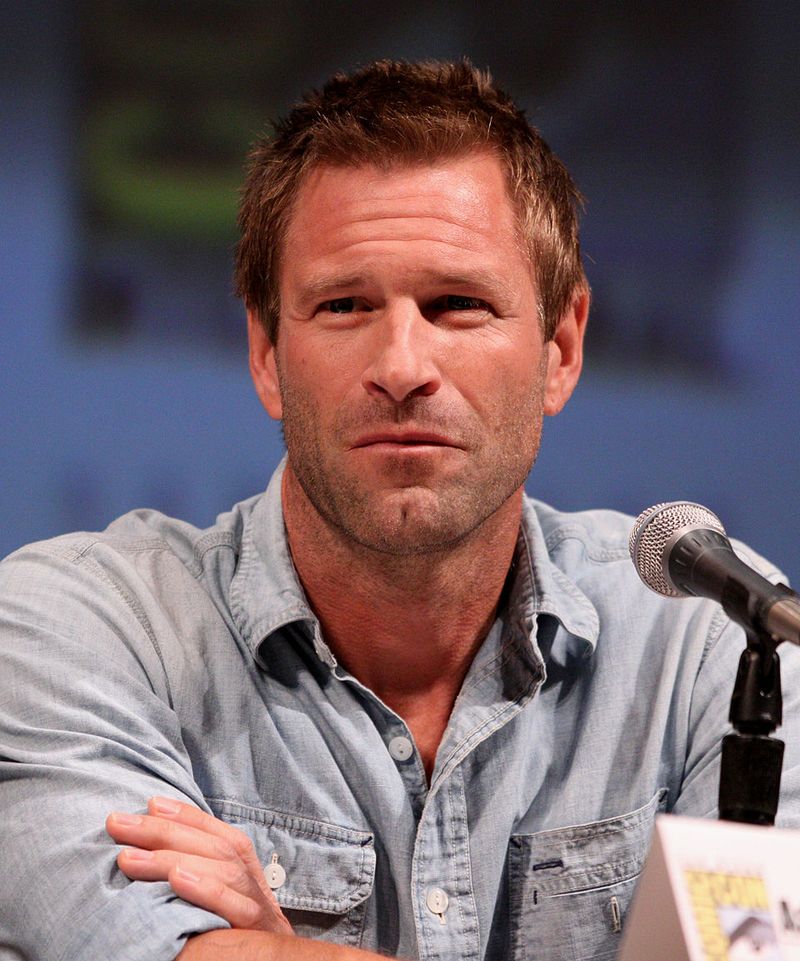
Playing Harvey Dent opposite Heath Ledger’s Joker was both a blessing and a curse.
Eckhart delivered a powerful performance in one of the greatest superhero films ever made, but that towering shadow proved impossible to escape.
He’s stayed consistently employed in various action and drama projects. However, Two-Face became the peak that overshadowed everything else in public memory, making it hard for later work to register.
Respect from industry peers never disappeared, thankfully. But when your defining role is in a movie that legendary, everything afterward feels like a step down whether that’s fair or not.
12. Finn Jones (Iron Fist)

Iron Fist became controversial before it even premiered, with debates about casting and cultural representation overshadowing everything.
Finn Jones found himself defending the show constantly, and the negative reception created a heavy label he couldn’t shake.
The series got cancelled after two seasons, and his post-Marvel trajectory didn’t keep him in that same spotlight lane.
Other Defenders cast members bounced back more successfully, which made his situation feel especially tough.