15 Brilliant Movies That Flopped For All The Wrong Reasons
Some movies are destined to become legends, yet not all receive a hero’s welcome when they first hit theaters. Poor timing, confusing marketing, or being ahead of their era can leave even the most brilliant films overlooked and misunderstood.
Over time, word of mouth, critical reevaluation, and growing fan devotion helped these cinematic gems find their audience, transforming initial flops into beloved classics that continue to influence filmmakers and pop culture today. Ready to uncover the films that proved true artistry can’t be ignored?
Step into the worlds that time almost forgot and discover why these movies remain iconic.
1. The Shawshank Redemption
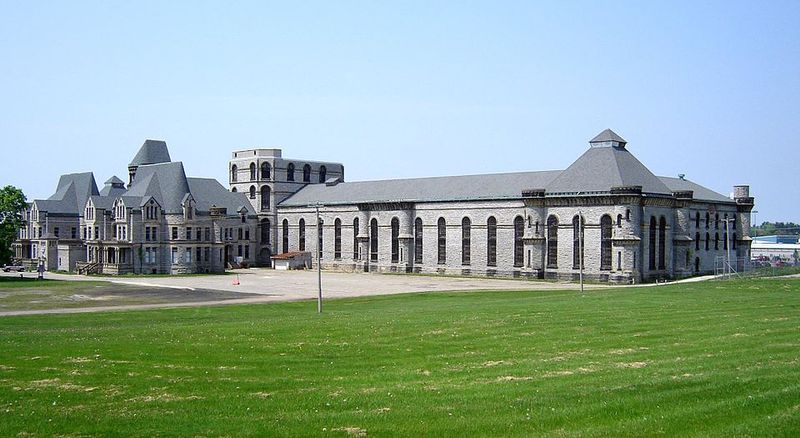
Released opposite Pulp Fiction and Forrest Gump, this Stephen King adaptation never stood a chance at the box office. Frank Darabont’s masterpiece about hope and friendship in the bleakest place imaginable earned just $16 million during its theatrical run.
Fast forward to today, and it consistently tops “greatest films ever made” lists worldwide. Cable TV reruns and word-of-mouth transformed this quiet drama into a cultural phenomenon that continues inspiring millions with its message of resilience.
2. Blade Runner
Ridley Scott’s visionary sci-fi noir confused audiences expecting a straightforward action flick like Star Wars. Its philosophical questions about humanity and stunning visual design were simply too cerebral for 1982 moviegoers, resulting in disappointing ticket sales.
Critics initially dismissed it as slow and pretentious. Yet this meditation on what makes us human became the blueprint for cyberpunk culture, influencing everything from video games to fashion and spawning a sequel 35 years later.
3. The Thing
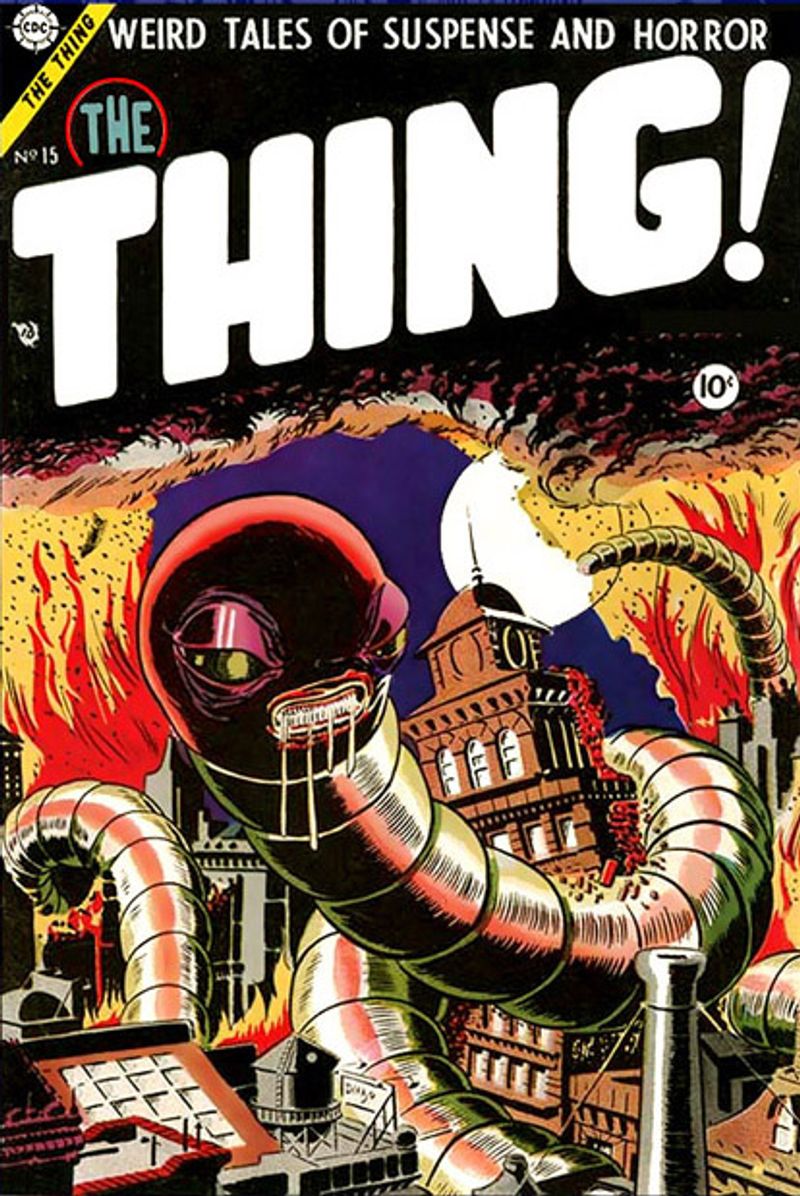
John Carpenter’s Antarctic nightmare arrived two weeks after E.T., and audiences weren’t ready to trade Spielberg’s friendly alien for a shape-shifting monstrosity. Its gruesome practical effects and paranoid atmosphere earned terrible reviews and empty theaters.
Critics called it “too much” and “disgusting,” missing the point entirely. Today, film schools study its groundbreaking creature effects, and horror fans worship it as a masterclass in building tension and distrust among characters trapped together.
4. The Wizard of Oz
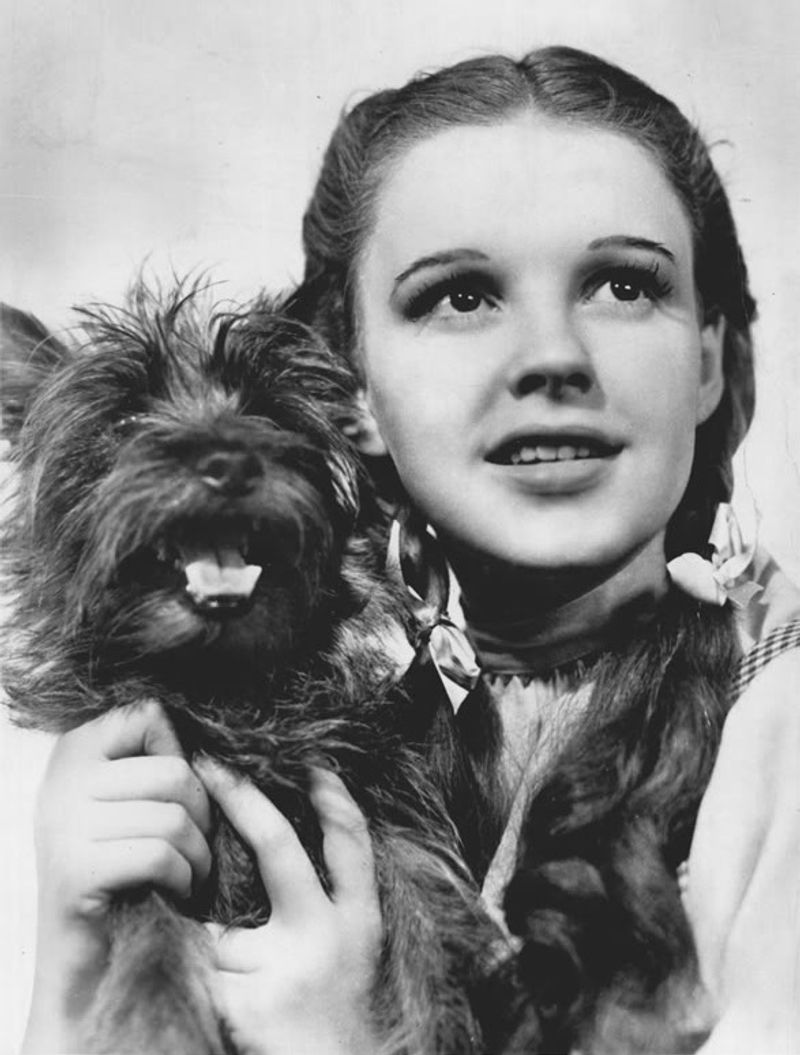
Believe it or not, this iconic musical barely broke even during its original 1939 release. MGM spent a fortune on Technicolor production, but audiences were distracted by Gone with the Wind and didn’t immediately embrace Dorothy’s journey.
Annual television broadcasts starting in 1956 changed everything, introducing new generations to Oz’s magic. Those ruby slippers, that rainbow song, and the message that there’s no place like home became embedded in American culture forever.
5. Fight Club

An explosive critique of consumer culture and masculinity struggled at the box office in 1999. Marketed as a straightforward action film, its satirical edge and psychological depth were completely overlooked.
Audiences walked in expecting punches and walked out confused by the twist ending and anti-capitalist themes. DVD sales and college dorm room discussions transformed it into a generation-defining film, though some fans ironically missed the satire entirely.
6. Scott Pilgrim vs. The World
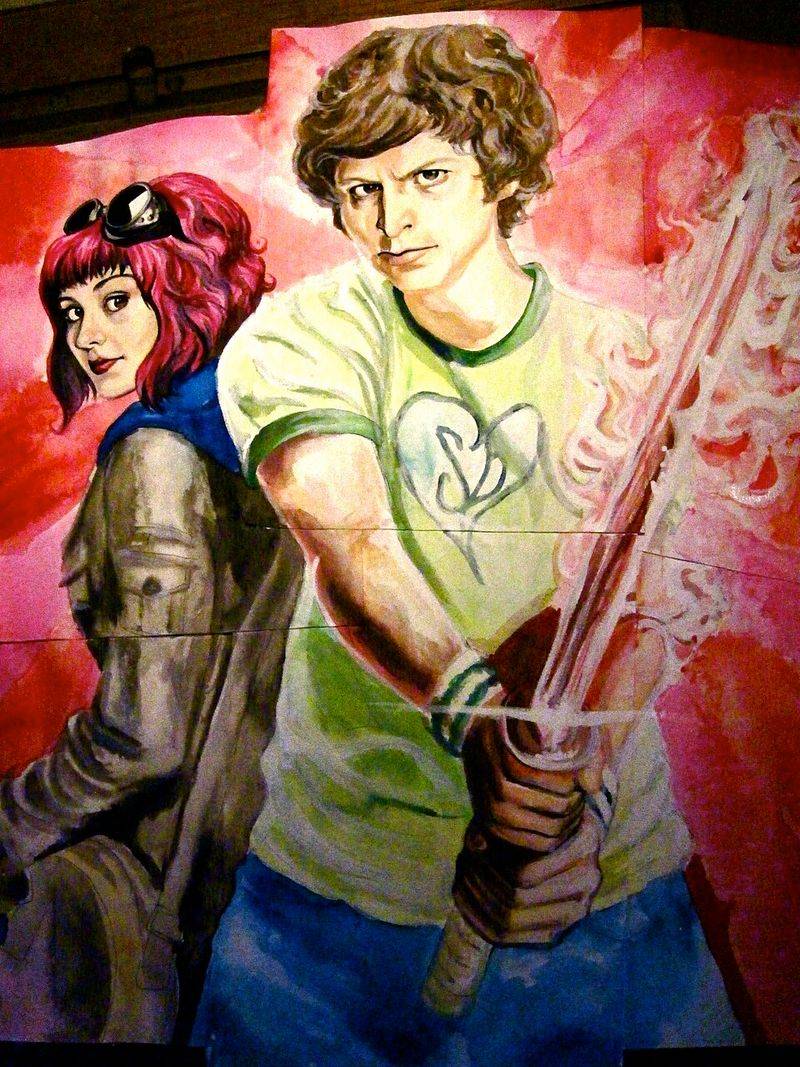
A video game-inspired love story brought a visual revolution with rapid-fire editing, comic book graphics, and nerdy references, but in 2010, audiences largely ignored it, finding it too niche for the mainstream and too mainstream for hardcore gamers Marketing couldn’t figure out who to target, and the film tanked hard. However, streaming platforms introduced it to its true audience: millennials and Gen Z who grew up with the references, making it a beloved cult classic.
7. The Iron Giant

Brad Bird’s animated masterpiece about a boy and his robot arrived during Disney’s Renaissance, and Warner Bros. barely promoted it. This Cold War-era tale of friendship and sacrifice deserved packed theaters but instead played to nearly empty seats.
Kids who discovered it on home video grew up treasuring its emotional depth and stunning hand-drawn animation. That “Superman” moment still makes grown adults cry, proving that true quality eventually finds its audience, even without marketing budgets.
8. Donnie Darko
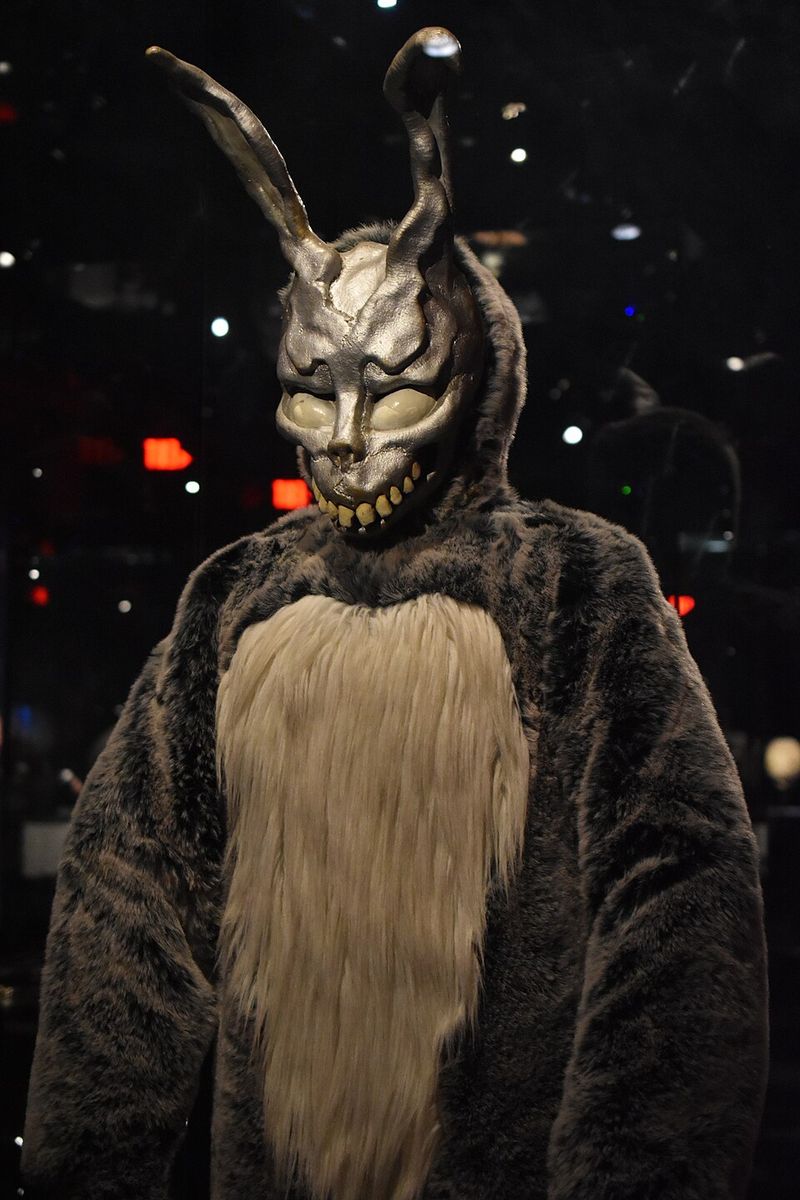
Richard Kelly’s mind-bending thriller about time travel and suburban angst hit theaters three weeks after 9/11. Americans weren’t ready for a disturbing film about a plane engine falling from the sky, and it vanished quickly from multiplexes.
College students discovered it on DVD, endlessly debating its timeline paradoxes and symbolic imagery. That terrifying rabbit costume became iconic, and the film’s exploration of teenage isolation resonated deeply with audiences who felt misunderstood themselves.
9. Citizen Kane
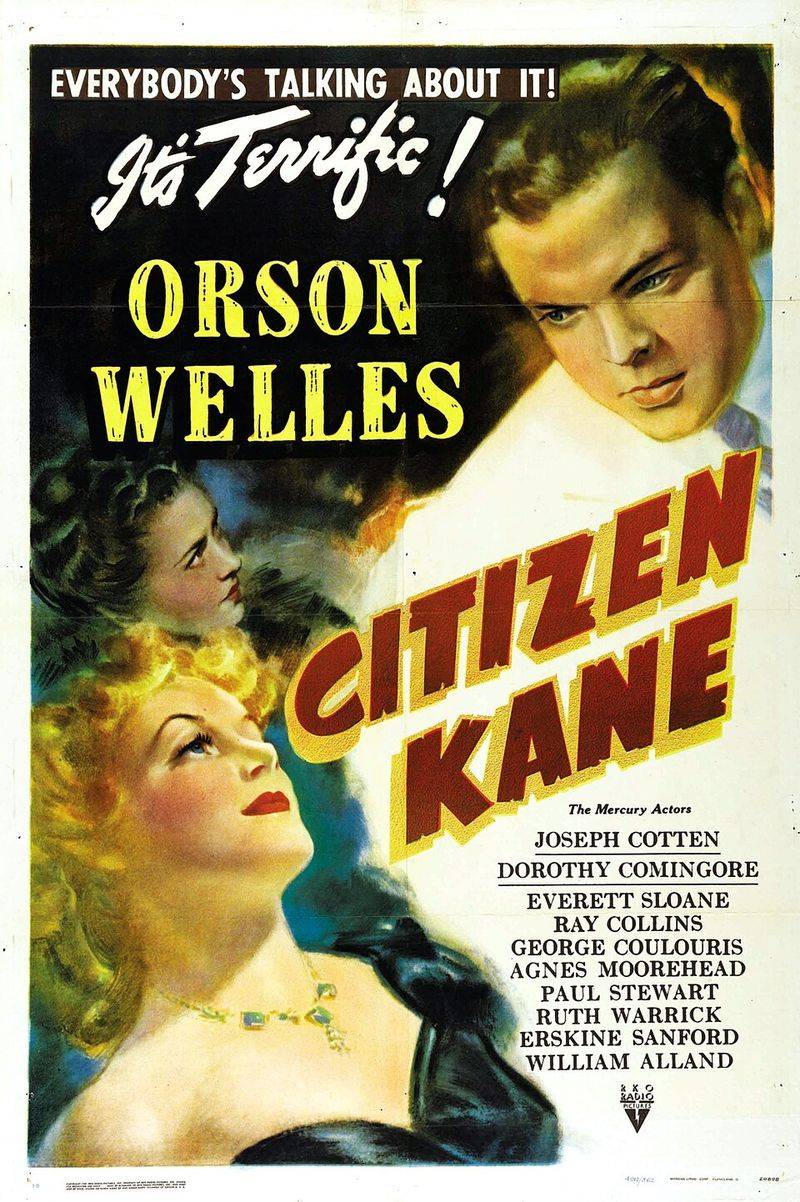
At just 25, cinema was revolutionized with *Citizen Kane*, but newspaper magnate William Randolph Hearst saw himself in the story and tried to bury it. A media empire blocked ads and pressured theaters, leading to minimal box office returns.
Film critics and scholars recognized its genius immediately, studying its innovative camera techniques and narrative structure. Every film school professor uses it to teach deep focus photography, and “Rosebud” remains cinema’s most famous last word.
10. Big Trouble in Little China
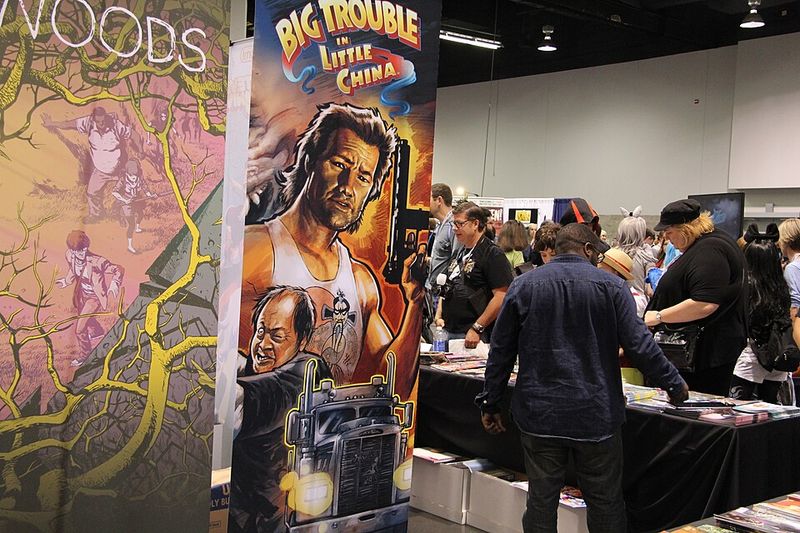
In 1986, a martial arts fantasy comedy left audiences scratching their heads. Was it action, comedy, or horror?
Kurt Russell’s cocky truck driver navigating Chinese mysticism didn’t fit any marketing category, and moviegoers largely stayed away. Video rentals revealed its perfect blend of humor and adventure, making it a staple of late-night cable.
Russell’s performance as the hilariously incompetent hero influenced countless action comedies, proving confidence doesn’t require actual competence.
11. Willy Wonka & the Chocolate Factory
When it premiered in 1971, the now-iconic tale of a mysterious candy maker barely registered with audiences. Poor marketing by Paramount and Roald Dahl’s disapproval of the adaptation kept a sequel off the table for decades.
Television broadcasts turned it into a childhood staple, with kids memorizing every Oompa Loompa song. Wilder’s manic energy and the film’s darker edges made it surprisingly sophisticated for a children’s movie, proving that pure imagination sometimes needs time to find believers.
12. The Princess Bride

Rob Reiner’s fairy tale adventure suffered from terrible marketing that made it look like a children’s film or a romance. In reality, it’s a perfectly balanced mix of action, comedy, and heart that appeals to everyone. “As you wish” became a romantic catchphrase, and lines like “Inconceivable!” entered everyday vocabulary.
Parents showed it to their kids, who showed it to theirs, creating a multi-generational fanbase that proves true love and adventure never go out of style.
13. Office Space
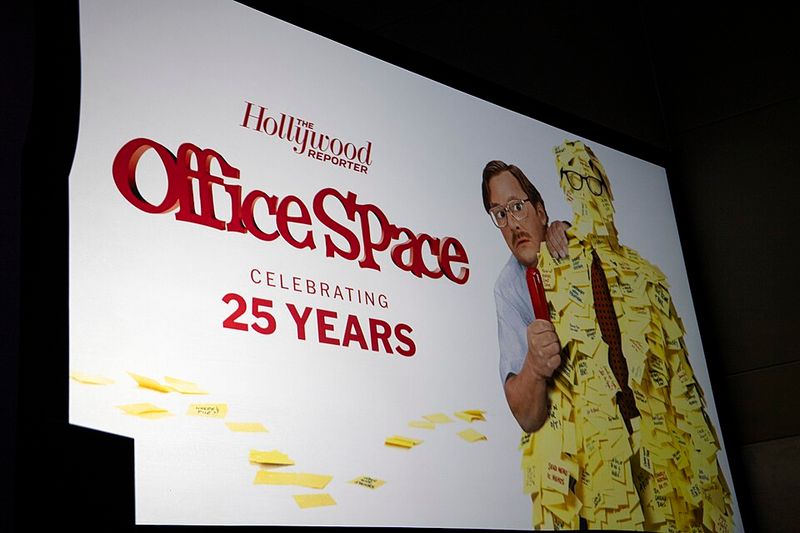
Mike Judge’s workplace satire barely made a dent in theaters during 1999. Its quiet observations about corporate drudgery and soul-crushing cubicle life didn’t translate to exciting trailers or flashy marketing campaigns.
Anyone who’s ever worked in an office eventually discovers this film and sees their own frustrations reflected perfectly. The printer-smashing scene became therapeutic viewing for frustrated employees worldwide, and “case of the Mondays” entered the lexicon of workplace complaints.
14. The Big Lebowski
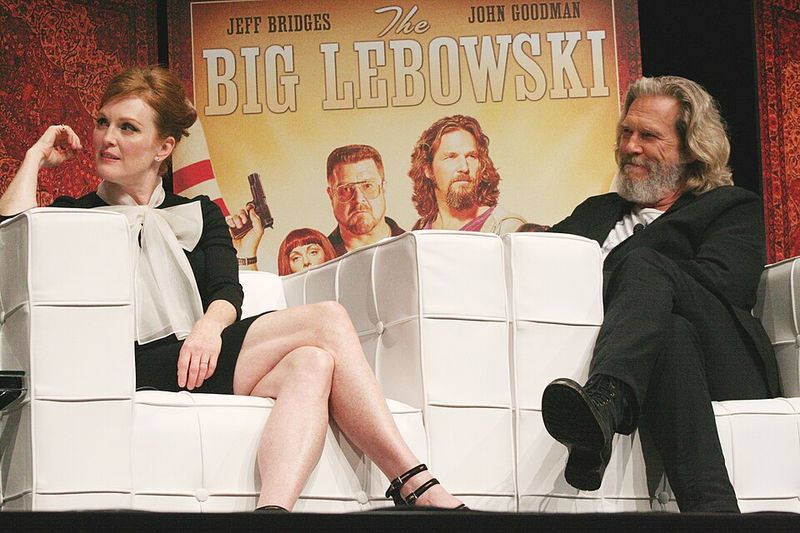
The Coen Brothers’ stoner noir about a mistaken identity case involving a soiled rug baffled critics and audiences in 1998. Coming after their Oscar-winning Fargo, this meandering comedy about bowling and White Russians seemed pointlessly weird. “The Dude abides” became a life philosophy, and annual Lebowski Fest conventions celebrate its laid-back wisdom.
Jeff Bridges’ performance as the ultimate slacker inspired countless Halloween costumes and proved that sometimes a rug really can tie a room together.
15. A Clockwork Orange

Stanley Kubrick’s ultraviolent satire shocked audiences in 1971, earning an X rating and condemnation from critics who missed its social commentary. Britain banned it for decades after copycat crimes, and American theaters pulled it amid controversy.
Film scholars recognized Kubrick’s genius in adapting Anthony Burgess’s novel about free will versus social control. Its distinctive visual style influenced music videos and fashion, while its questions about punishment and rehabilitation remain disturbingly relevant today.