Cadbury Just Broke Easter Expectations With A “Mini” Egg That Weighs A Massive Nine Stone
Hold onto those Easter baskets, because Cadbury just served up an April Fool’s prank that hits sweeter than a surprise chocolate stash. A “Mini” Egg tipping the scale at a wild nine stone (around 126 pounds!) feels like pure Willy Wonka energy: playful, over-the-top, and impossible to ignore.
A brand built on tiny, candy-coated bites suddenly teasing something boulder-sized? Iconic mischief.
Behind the joke sits a delicious mix of nostalgia and bold marketing flair. Cadbury knows Easter isn’t just a holiday, it’s a full-on chocolate celebration.
Bright wrappers, pastel colors, that satisfying crunch of a Mini Egg shell… it all taps straight into childhood joy. Then comes this giant twist, turning something familiar into something hilariously massive.
Fans aren’t just laughing; they’re sharing, tagging, and craving a handful (or ten) of the real deal. That’s the magic.
A playful stunt becomes a reminder of why those little eggs hold such a big place in Easter traditions. One oversized prank, endless sweet buzz, and suddenly everyone’s in the mood for chocolate.
Go on, crack a smile, grab a handful, and egg-sperience the hype before it melts away
1. The “Mini” Egg Origins Story
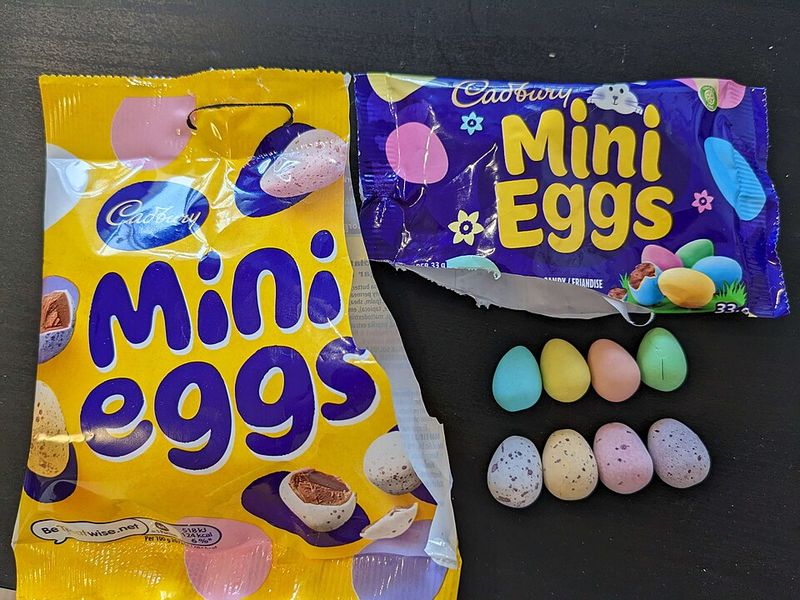
Back in 1967, Cadbury introduced Mini Eggs to the world, and Easter snacking was never the same again. Solid milk chocolate wrapped in a crisp, speckled sugar shell became one of the most iconic seasonal treats on the planet.
Just saying, not every candy earns a cult following that spans decades.
Originally sold in modest quantities, Mini Eggs grew into a global phenomenon. Supermarket shelves practically tremble every spring when bags hit the displays.
How a candy so small built such a massive fan base is honestly one of chocolate history’s greatest plot twists.
2. Nine Stone? The Math Is Wild
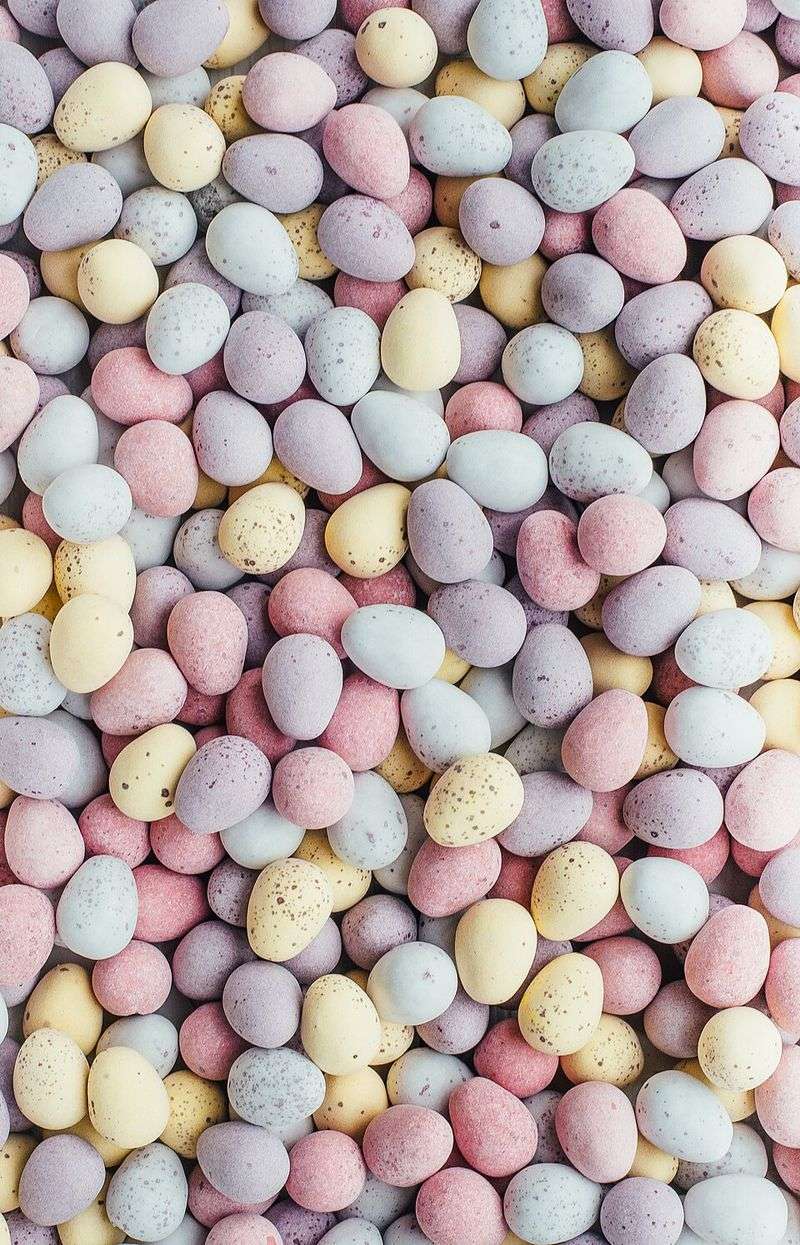
Nine stone equals 57 kilograms, or approximately 126 pounds. To put that into superhero-level perspective, a standard bag of Cadbury Mini Eggs weighs around 9 ounces.
So scaling up to nine stone means multiplying the original by roughly 224 times.
If stacked side by side, enough regular Mini Eggs to match nine stone would fill a bathtub. Twice.
No exaggeration needed here because the numbers do all the dramatic heavy lifting on their own.
Cadbury basically turned a snack into a spectacle, proving that sometimes the best marketing move is going so big it breaks the internet.
3. April Fool’s Genius or Real Deal?
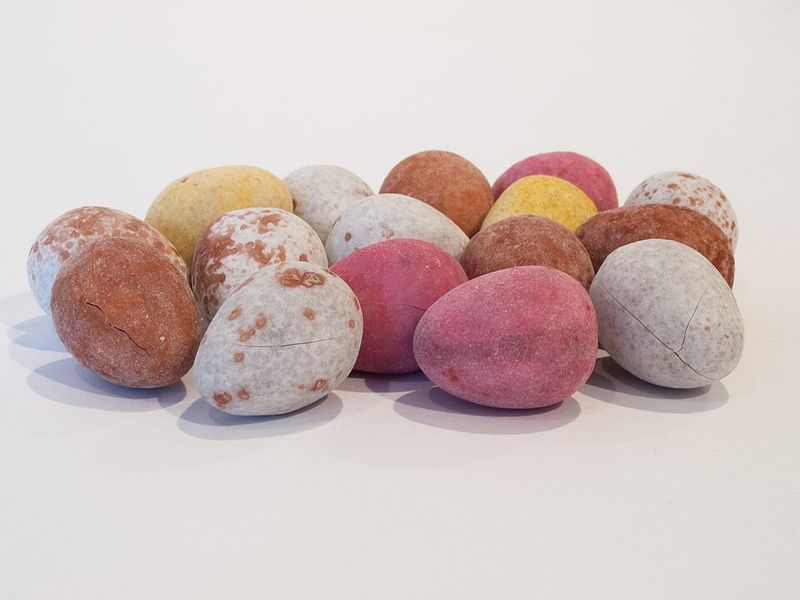
Cadbury’s announcement landed suspiciously close to April 1st, raising eyebrows faster than a cartoon character doing a double-take. Brands love using April Fool’s Day to generate buzz without spending millions on traditional advertising.
Smart, right?
However, the line between a prank and a genuine limited-edition stunt has blurred significantly in recent years. Companies like Heinz and KFC have launched “joke” products that actually hit shelves after fan demand exploded online.
Could Cadbury be testing public appetite before making a real nine-stone egg a reality?
Either way, the conversation it sparked proves one thing: bold ideas, real or imaginary, always win the attention game.
4. How Viral Marketing Cracked the Internet
Social media erupted the moment news of a nine-stone Mini Egg dropped. Memes flooded timelines faster than chocolate melts on a warm car dashboard.
Hashtags trended, fans debated, and food bloggers scrambled to post hot takes before lunch.
Cadbury understood something powerful: shock value plus beloved nostalgia equals unstoppable shareability. A brand does not need a Super Bowl budget if one ridiculous, lovable idea can travel globally in hours.
If anything, the nine-stone egg story is a masterclass in modern marketing. Keep it weird, keep it fun, and let the audience carry the message across every platform imaginable.
5. Cadbury’s Bold History of Oversized Stunts
Cadbury is no stranger to going big for Easter. Over the years, enormous hollow chocolate eggs have become a seasonal tradition, gifted to loved ones as a symbol of celebration.
Some specialty eggs have tipped the scales at several kilograms, earning spots in viral news cycles worldwide.
In 2012, a Cadbury-themed Easter egg weighing over 4,000 pounds was crafted in Argentina, setting a world record. So the brand’s DNA has always carried a flair for dramatic chocolate moments.
A nine-stone Mini Egg feels less like a wild leap and more like the next logical chapter in a long, delicious story of Easter showmanship.
6. Why Mini Eggs Hold Such Emotional Power

Ask almost anyone who grew up in the UK, Canada, or Australia about Mini Eggs, and watch their face light up instantly. Few candies trigger that level of emotional memory.
Crunching through a pastel shell to reach creamy milk chocolate is a sensory experience practically coded into Easter childhood memories.
Nostalgia is one of marketing’s most powerful forces, and Cadbury wields it masterfully every spring. Limited seasonal availability makes Mini Eggs feel precious, almost urgent.
Hoarding a bag before Easter ends is practically a sport. So naturally, a nine-stone version of something so deeply loved hits differently than any ordinary chocolate announcement ever could.
7. What a Nine-Stone Egg Would Actually Look Like
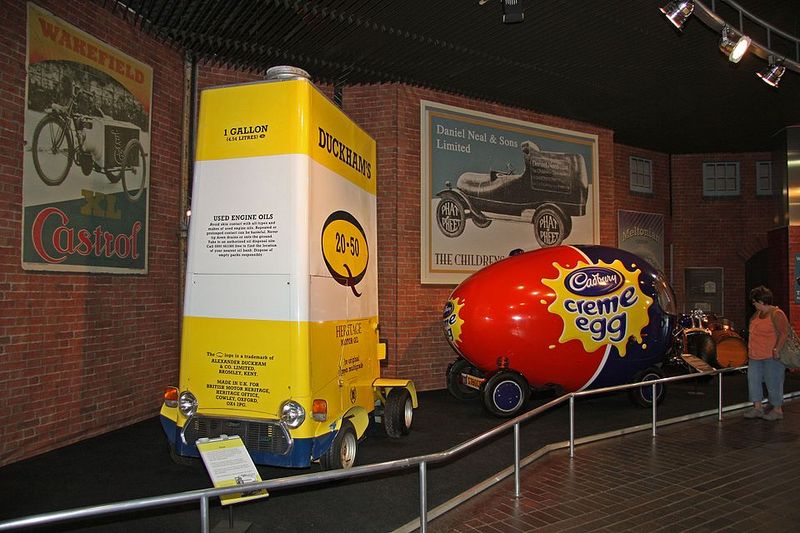
At 126 pounds, a nine-stone Mini Egg would stand roughly as tall as a golden retriever and nearly as wide as a doorframe. Covering it in Cadbury’s signature speckled pastel sugar shell would require industrial-grade candy coating equipment working overtime.
Structurally, hollow construction would be the only realistic option, since solid chocolate of that mass would take days to set properly and cost a small fortune. Even so, hollow or solid, the sight of it would stop foot traffic cold.
Forget the Easter Bunny; delivering something nine stone heavy would require a forklift, a flatbed truck, and probably a team of very confused delivery drivers.