10 Car Chases That Shaped Action Scenes In Film History
Hold on, I’m typing this with one hand while the other is desperately pretending to steer.
Car chases aren’t just fast driving, they’re cinematic chaos, where laws of physics take a coffee break and tires scream louder than the dialogue. Seats get clutched, snacks go airborne, and suddenly everyone in the room is leaning like it helps.
These sequences didn’t just raise the speed limit, they floored it and never looked back.
Note: Information in this article reflects widely reported film credits and commonly documented production notes available at the time of writing, and the list is subjective.
1. Bullitt (1968) – San Francisco Hills Chase
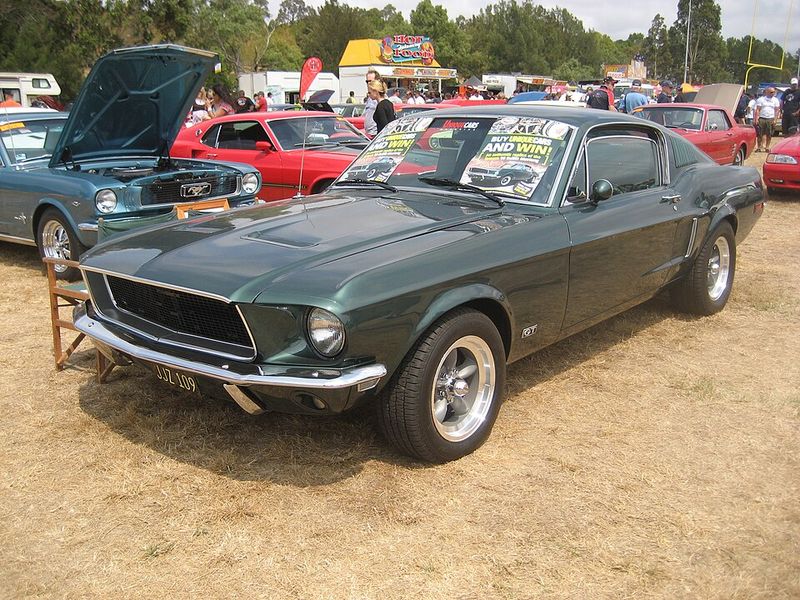
Grip on the wheel tightens, and suddenly every car chase before it feels like a Sunday drive thanks to Steve McQueen. Across San Francisco’s hills, a Mustang roars and slams down hard while a black Dodge Charger gives chase through narrow streets, with engine growl and tire squeal carrying the scene instead of a musical score.
The chase runs about 10 minutes and became a benchmark for grounded, street-level pursuit filmmaking. Behind the scenes, McQueen performed much of the driving, with stunt specialists used for specific moments, helping the sequence feel unusually direct and physical.
Blueprint status followed, leaving directors with a master class to study whenever a pursuit needs to feel real in Bullitt.
2. The French Connection (1971) – Under The Elevated Train
Gene Hackman floors it under the elevated train, dodging pedestrians and oncoming traffic like a man possessed. The camera shakes with every pothole, every near-miss with a baby carriage or delivery truck.
Many street-level shots were filmed with minimal traffic control and are widely described as having been shot without standard street permits, which contributes to the scene’s raw danger. The result feels dangerous because it was – every panicked face in the crowd is genuine.
This chase proved that chaos, when captured with raw urgency, beats polished choreography hands down.
3. Ronin (1998) – High-Speed European Pursuit Style

Shotgun seat belongs to Robert De Niro as professional drivers push German engineering to its absolute limit through Paris. A mix of cars, including the Audi S8, is pushed through tight city streets in chase sequences staged for maximum realism and legibility.
For authenticity, director John Frankenheimer hired real rally drivers and mounted cameras inside the cars, meaning the speed on screen matches the speed on the street.
Pure physics and nerve power a masterclass in geographic clarity, where positions stay clear and every turn carries weight in Ronin.
4. Mad Max: Fury Road (2015) – Modern Chase Grammar At Scale
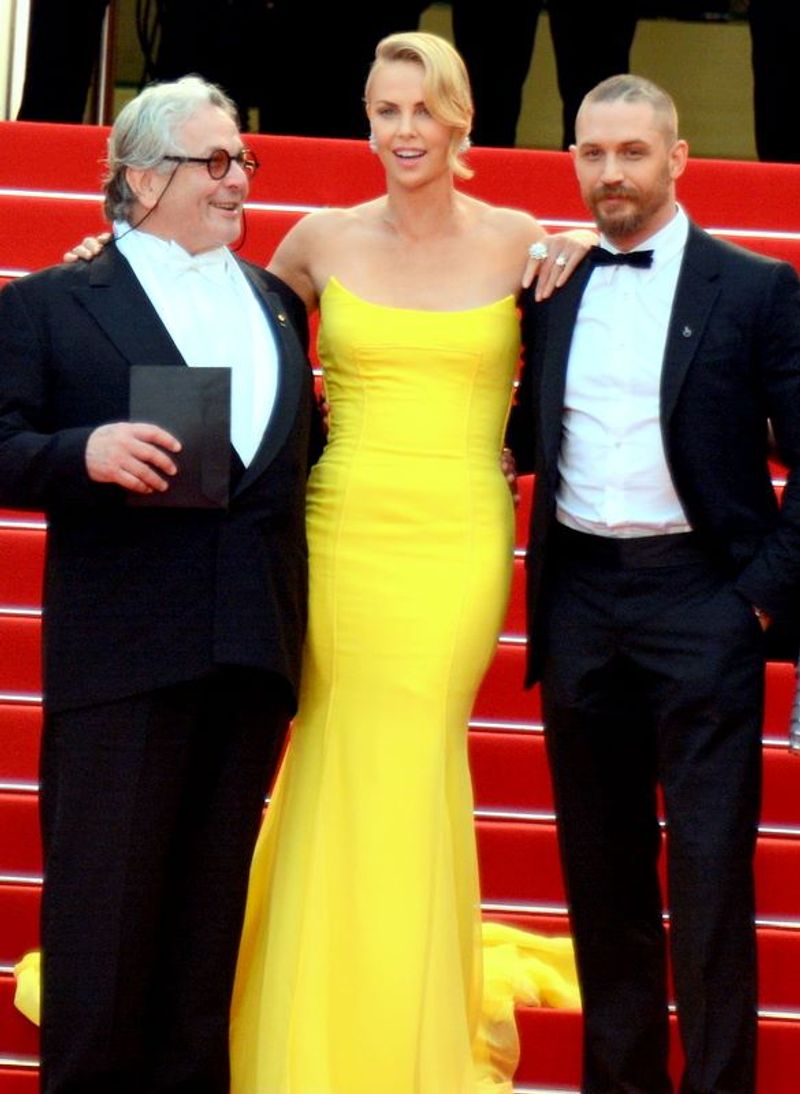
Director George Miller transformed a two-hour chase into a roaring symphony of chrome and fire.
Furiosa’s war rig tears across the Wasteland with Immortan Joe and his army in relentless pursuit, turning every vehicle into a character and every stunt into something jaw-dropping that somehow made it to the screen.
Kinetic editing stays clear and readable because Miller treats the 180-degree rule with near-religious discipline, keeping your eye locked on the action at all times. Real drivers flipping real trucks at real speed dominate the spectacle, setting a modern gold standard for vehicular mayhem in Mad Max Fury Road and proving old-school stunt work still rules.
5. The Bourne Identity (2002) – Compact, Handheld Getaway Chaos
Matt Damon throws a Mini Cooper into Parisian alleyways barely wide enough for a bicycle, and suddenly action cinema gets a caffeine jolt. The camera shakes, the cuts come fast, and every impact feels like it’s happening in your passenger seat.
Director Doug Liman stripped away the glossy sheen of 90s action, replacing it with handheld urgency and geographic claustrophobia.
The chase isn’t about horsepower – it’s about improvisation, tight spaces, and a driver who treats physics like a suggestion. This sequence launched a thousand imitators and redefined how 2000s thrillers staged their getaways.
6. The Italian Job (1969) – Mini Chase As Choreography
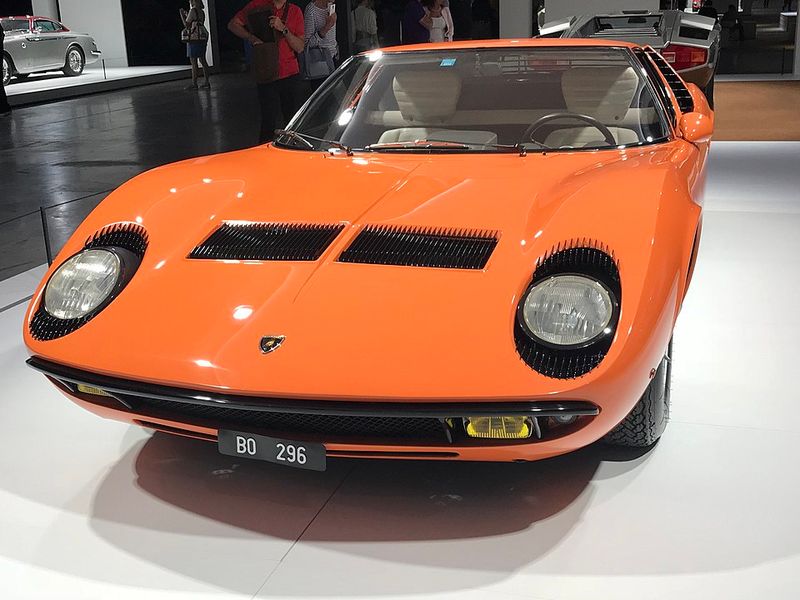
Three Mini Coopers dance through Turin like they are auditioning for a ballet company. Shopping arcades, staircases, and rooftops turn into pathways as a gold heist transforms into a precision driving exhibition.
Guided by Michael Caine, the crew treats the city like an obstacle course, with every tight squeeze timed down to the second.
Focus stays away from raw speed and lands instead on spatial problem-solving, where the smallest car holds the advantage. Decades later, directors still study the sequence in The Italian Job when geography needs to become a character and the environment must matter as much as the vehicles themselves.
7. The Blues Brothers (1980) – Spectacle, Pileups, And Comic Timing
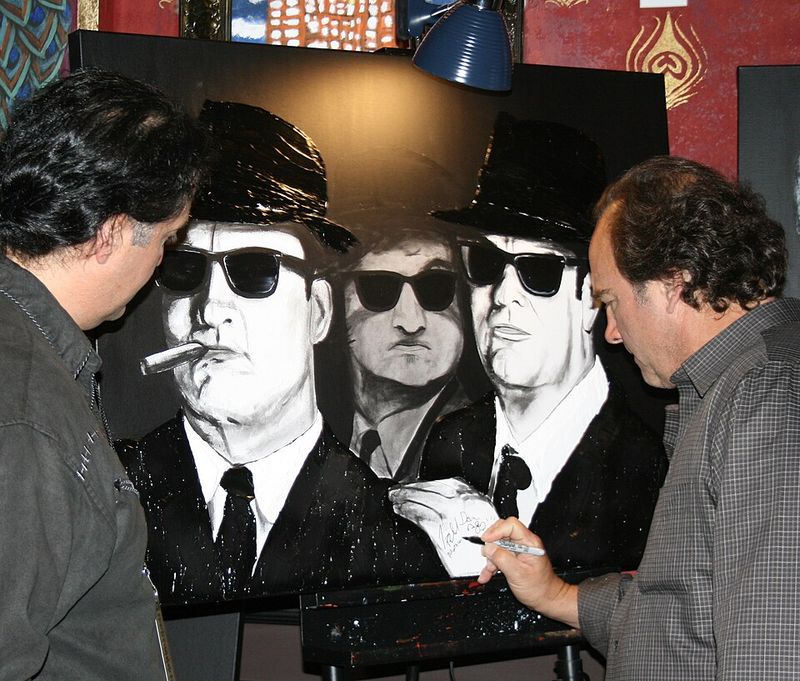
Chaos erupts as Jake and Elwood trigger a small army of police cars into one of cinema’s most spectacular pileups, somehow landing laughs instead of gasps. Bluesmobile leaps over drawbridges and barrels through shopping malls, while cop cars stack up behind it like a cartoon avalanche led by Jake Blues and Elwood Blues.
Behind the camera, the production became famous for its large-scale vehicular destruction, with reports commonly citing about 104 cars destroyed.
Comic escalation keeps the chase working, with each gag cleanly topping the last through careful timing.
Enduring proof arrives that unforgettable spectacle does not need seriousness to shine in The Blues Brothers.
8. Terminator 2: Judgment Day (1991) – Big-Machine Pursuit Energy

A liquid-metal killing machine drives a semi-truck through the L.A. River, and Arnold Schwarzenegger rides a Harley to keep up.
The scale is massive – James Cameron stages the chase in concrete flood channels, where the truck feels like an unstoppable avalanche of steel. Every shot emphasizes size and weight, making the T-1000’s relentless pursuit feel like fate itself is chasing our heroes.
The practical stunt work holds up decades later, proving that real vehicles and real speed create tension no computer can match. It’s the definitive big-machine chase.
9. Duel (1971) – The Chase As Pure Suspense Engine
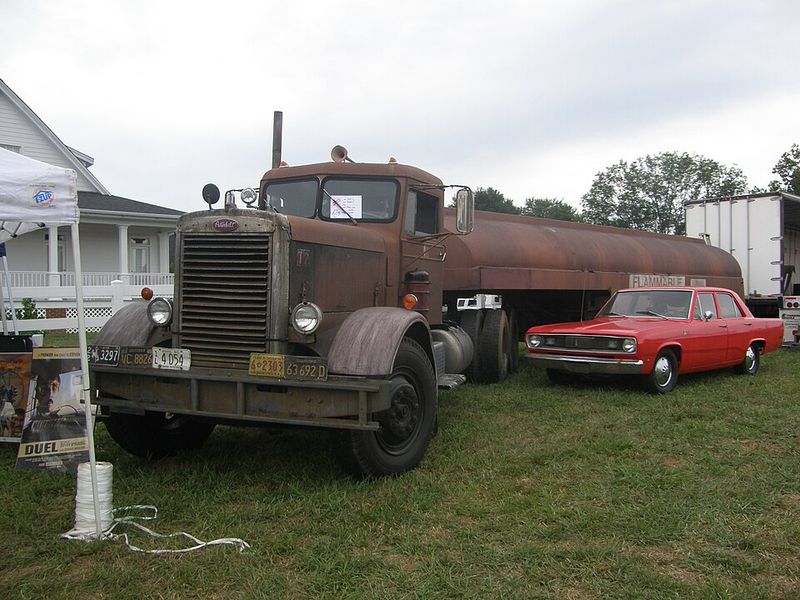
Visionary direction from Steven Spielberg turns a truck into a monster, making an ordinary highway feel like a waking nightmare.
A businessman played by Dennis Weaver cannot shake a grimy Peterbilt truck stalking him across the California desert, and the unseen driver only deepens the dread. Growling engine noise and grimy chrome give the truck its own personality, letting machinery itself become the villain.
Relentless tension pours out of the cat-and-mouse pursuit, showing that terror does not require explosions or gunfire.
Pure distillation of chase-as-horror takes clear shape in Duel, where open road turns into a trap with no safe exit.
10. Baby Driver (2017) – Music-Synced Chase Editing
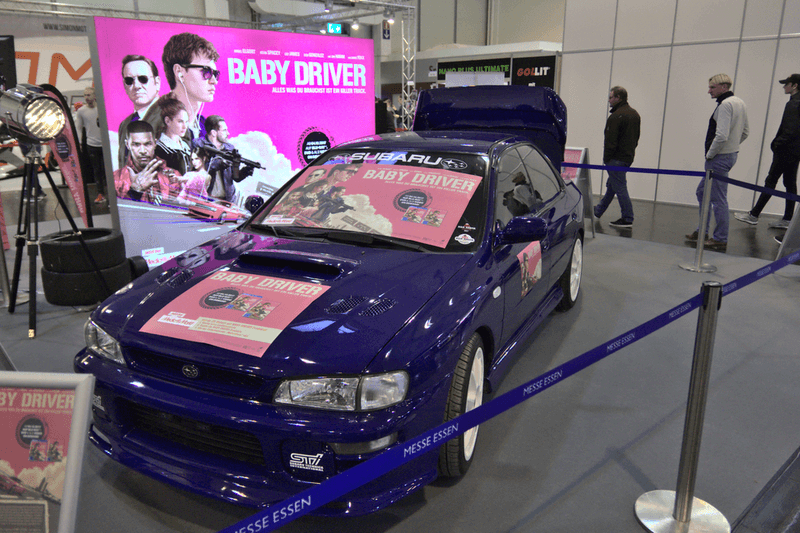
Ansel Elgort taps the steering wheel to the beat, and suddenly the chase is a music video with consequences.
Director Edgar Wright cuts every drift, every gear shift, every screech to the rhythm of the soundtrack, turning a getaway into a kinetic dance number. The red Subaru slides through Atlanta traffic like it’s choreographed, because it is – every movement locked to the song playing in Baby’s ears.
It’s a fresh take on chase editing, proving that rhythm and timing can make familiar stunts feel brand new. The whole film pulses like a heartbeat.