Ranking 20 TV Characters From The 1970s Who Left A Lasting Impression
Television in the 1970s had a way of making characters feel like part of the household.
Living rooms filled with sitcom families, workplace crews, and larger-than-life personalities who reflected a decade of shifting attitudes and sharper, more adult humor.
Writing grew bolder, social issues surfaced more openly, and performances leaned into quirks that made characters instantly recognizable after only a few scenes.
Viewers connected to flawed heroes, lovable troublemakers, and scene-stealers who could flip a moment with one look.
Many of these characters still show up in reruns, pop-culture references, and modern reboots, proving their staying power across generations.
Disclaimer: Rankings are based on cultural impact, critical reception, and historical influence. Audience perception of “lasting impression” may vary.
1. Archie Bunker (All in the Family)
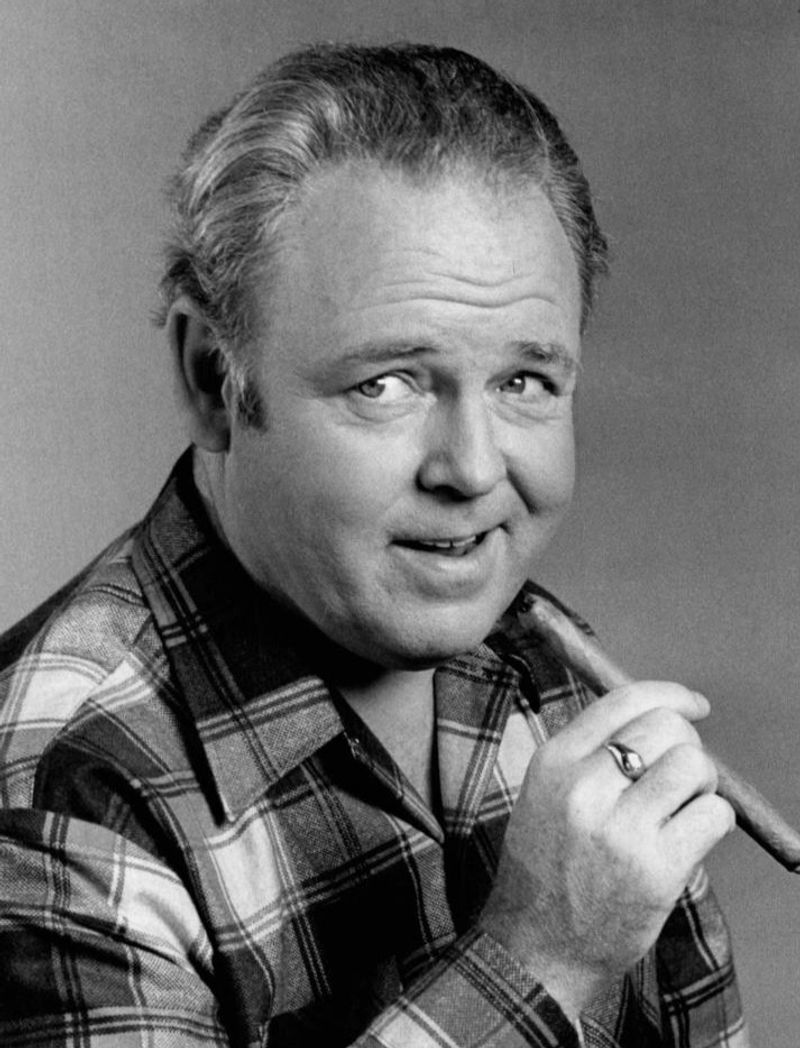
Blunt opinions and zero filters made this working-class patriarch television’s most controversial figure.
Carroll O’Connor brought complexity to a character who could’ve been just another bigot, instead creating someone audiences loved despite disagreeing with him constantly.
Every episode sparked national conversations about race, politics, and family dynamics that Americans were finally ready to have out loud.
His clashes with son-in-law Michael represented the generational divide tearing the country apart during the Vietnam era.
2. Mary Richards (The Mary Tyler Moore Show)
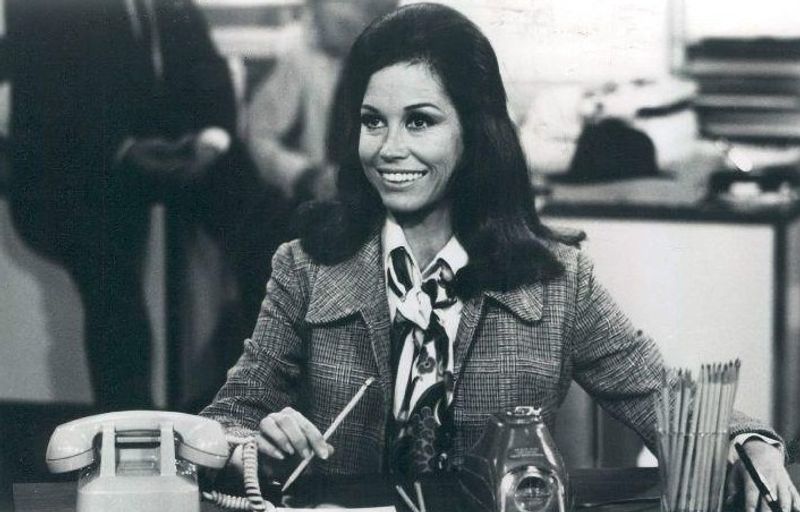
Career ambition over wedding bells? Revolutionary stuff for 1970!
Mary proved single women could thrive professionally without apologizing for choosing independence over marriage and motherhood.
Her newsroom became television’s first workplace where female characters weren’t just secretaries waiting for Prince Charming.
Smart, capable, and genuinely funny, she navigated office politics with grace while maintaining her integrity.
3. J.J. Evans (Good Times)
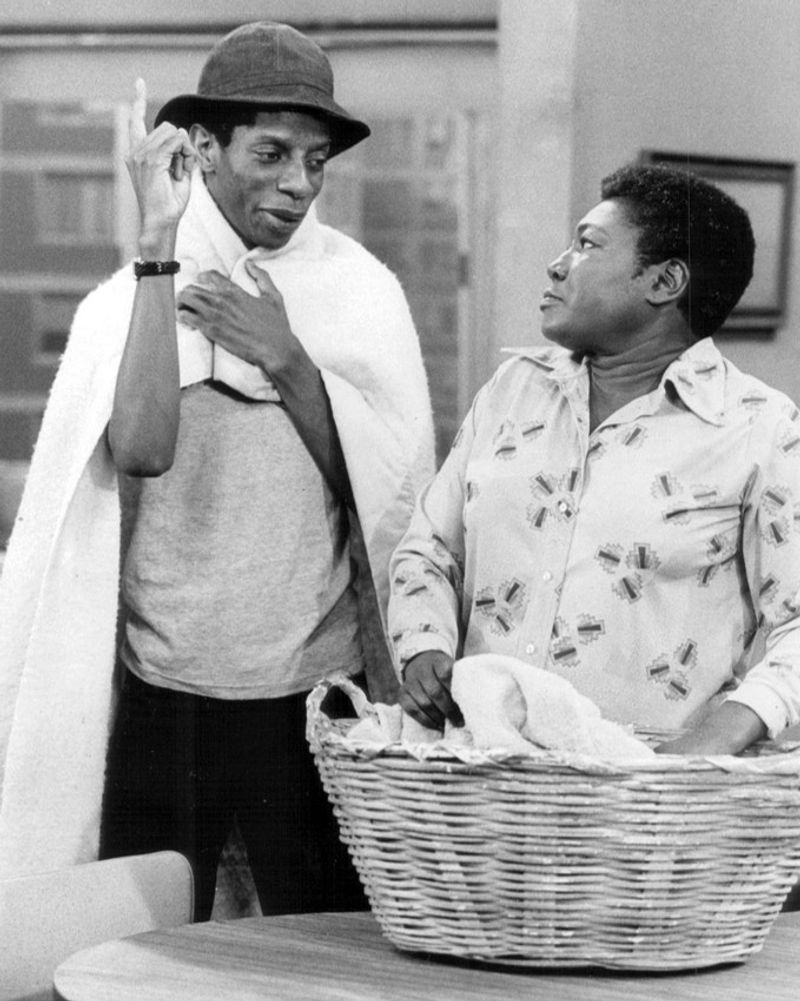
Dy-no-mite! Three syllables that exploded into American pop culture faster than you could say disco.
Jimmie Walker’s portrayal brought humor and hope to a family struggling in Chicago’s housing projects.
Beyond the catchphrase, this character represented Black youth navigating poverty with creativity and resilience.
His artistic talents and entrepreneurial schemes showed kids everywhere that circumstances don’t define your potential.
Critics sometimes worried the character leaned too heavily on comedy, but audiences saw themselves reflected in his determination to lift his family through laughter and hard work.
4. Arthur Fonzarelli – The Fonz (Happy Days)
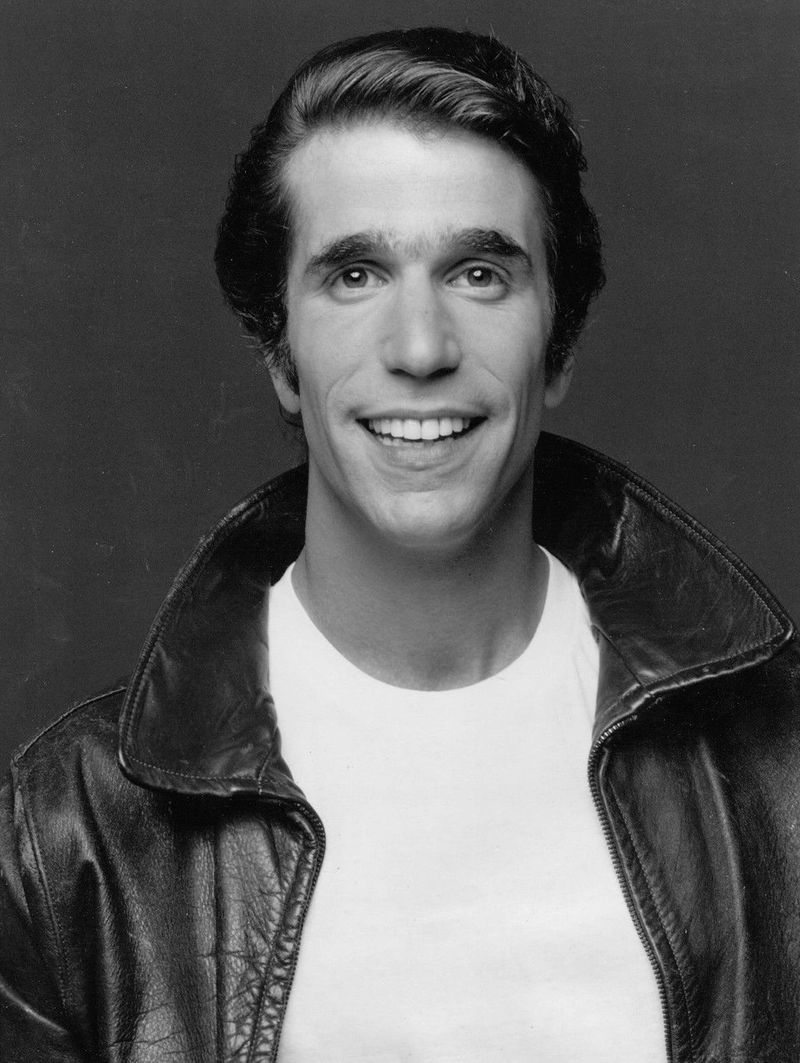
Leather jacket, slicked-back hair, and a thumbs-up that could stop traffic – coolness personified!
Henry Winkler transformed what started as a supporting role into the show’s breakout phenomenon.
His magical ability to fix jukeboxes by hitting them perfectly captured the Fonz’s entire vibe: effortless mastery over everything around him.
Underneath that tough exterior beat the heart of someone fiercely loyal to friends and surprisingly wise.
Kids wanted to be him, parents trusted him, and everyone recognized that sometimes the coolest people are those who genuinely care about others.
5. Maude Findlay (Maude)
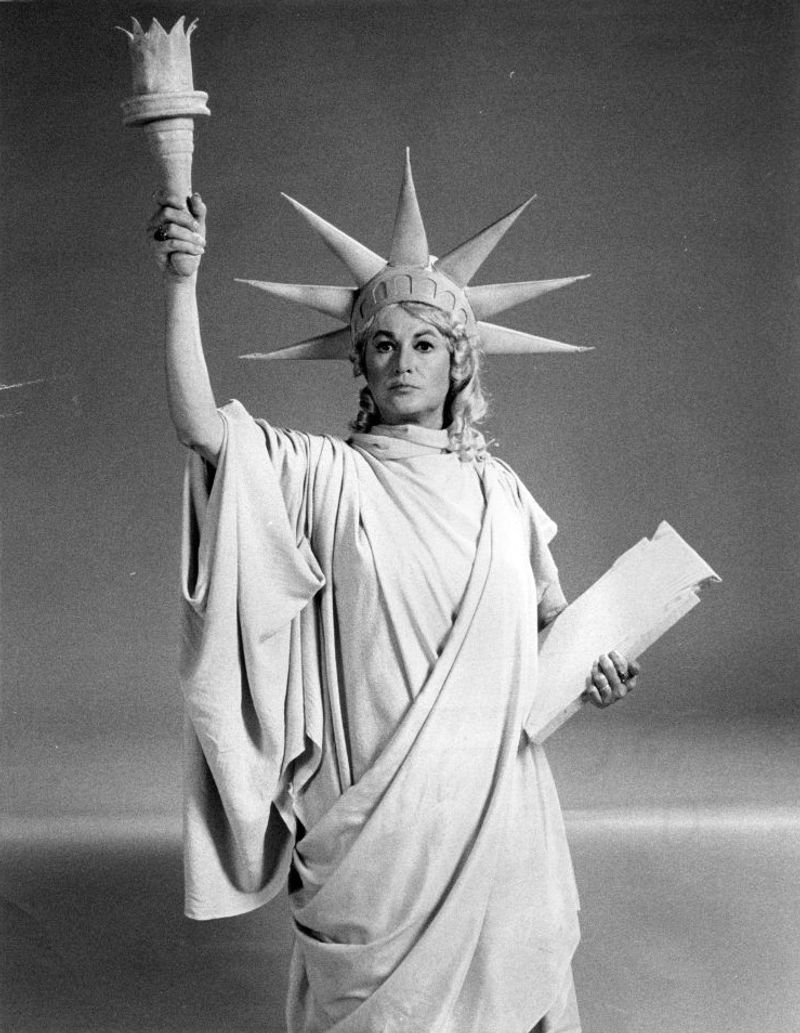
Loud, proud, and absolutely unafraid to speak her mind!
Bea Arthur created television’s first unapologetically feminist character who tackled abortion, aging, and drinking when other shows stuck to safe topics.
Her sharp wit cut through nonsense like a hot knife through butter.
Arguments with her conservative neighbor Walter provided comedy gold while addressing real political divisions splitting American families.
Women everywhere finally saw someone on screen who refused to shrink herself to make others comfortable – revolutionary representation that paved the way for countless complex female characters.
6. Columbo (Columbo)
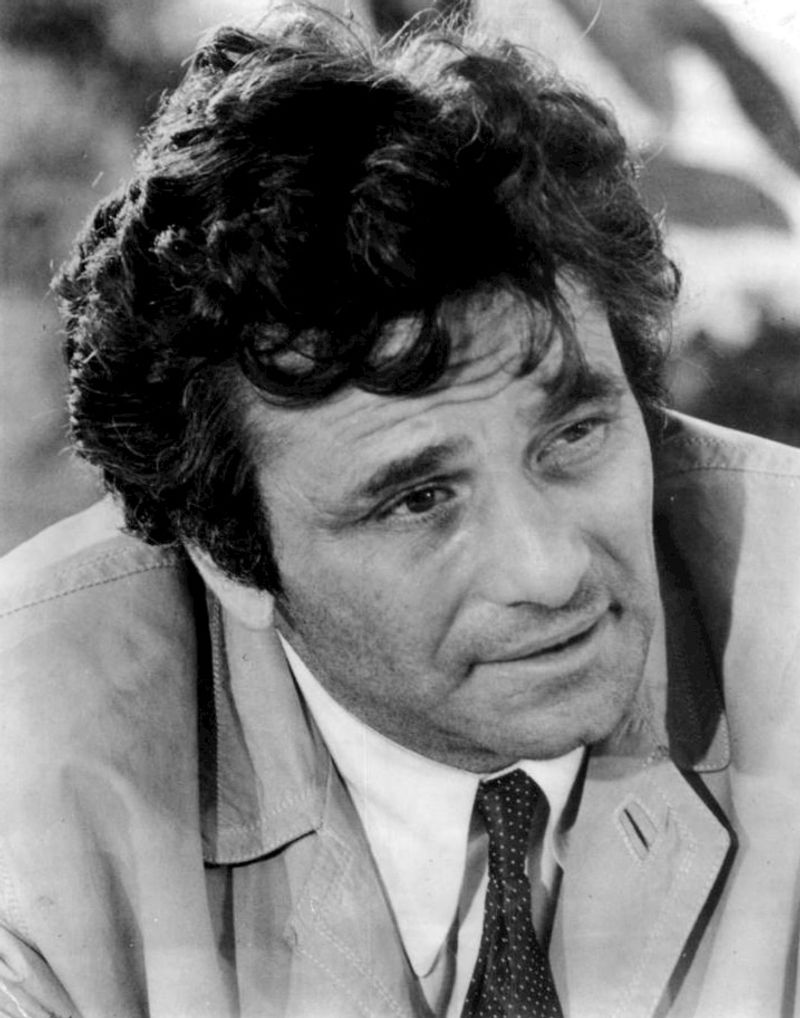
Just one more thing… Those four words struck fear into guilty hearts everywhere!
Peter Falk’s rumpled detective looked completely harmless – exactly what made him television’s most dangerous investigator.
Unlike flashy cops who relied on guns and car chases, this genius solved crimes through relentless curiosity and pretending to be confused.
Criminals consistently underestimated him, mistaking his shabby raincoat and bumbling manner for incompetence.
7. Fred Sanford (Sanford and Son)
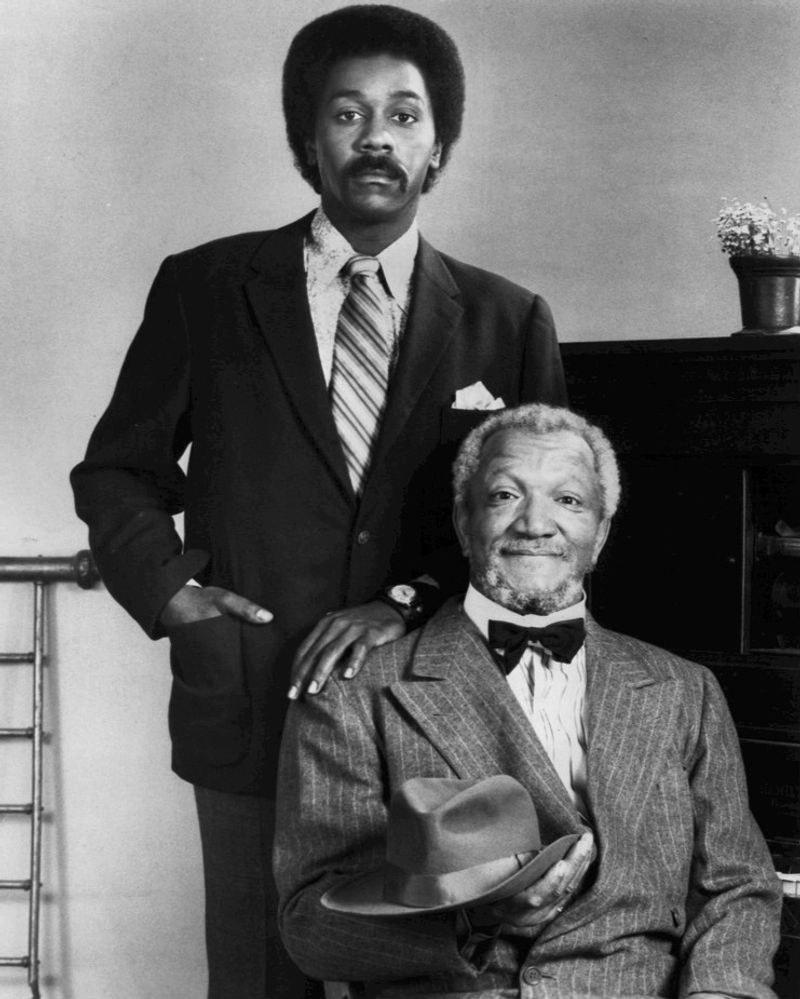
Fake heart attacks became comedy gold in the hands of Redd Foxx! This junkyard owner turned complaining into an art form, constantly clashing with his son Lamont over everything imaginable.
His sharp tongue and schemes to get rich quick reflected real struggles facing Black entrepreneurs in urban America.
Behind the grumpiness lived someone deeply devoted to family, even when showing affection meant hurling insults.
The show broke ground by centering Black working-class life without sugarcoating hardships or sacrificing humor that made audiences of all backgrounds laugh together.
8. Rhoda Morgenstern (The Mary Tyler Moore Show / Rhoda)
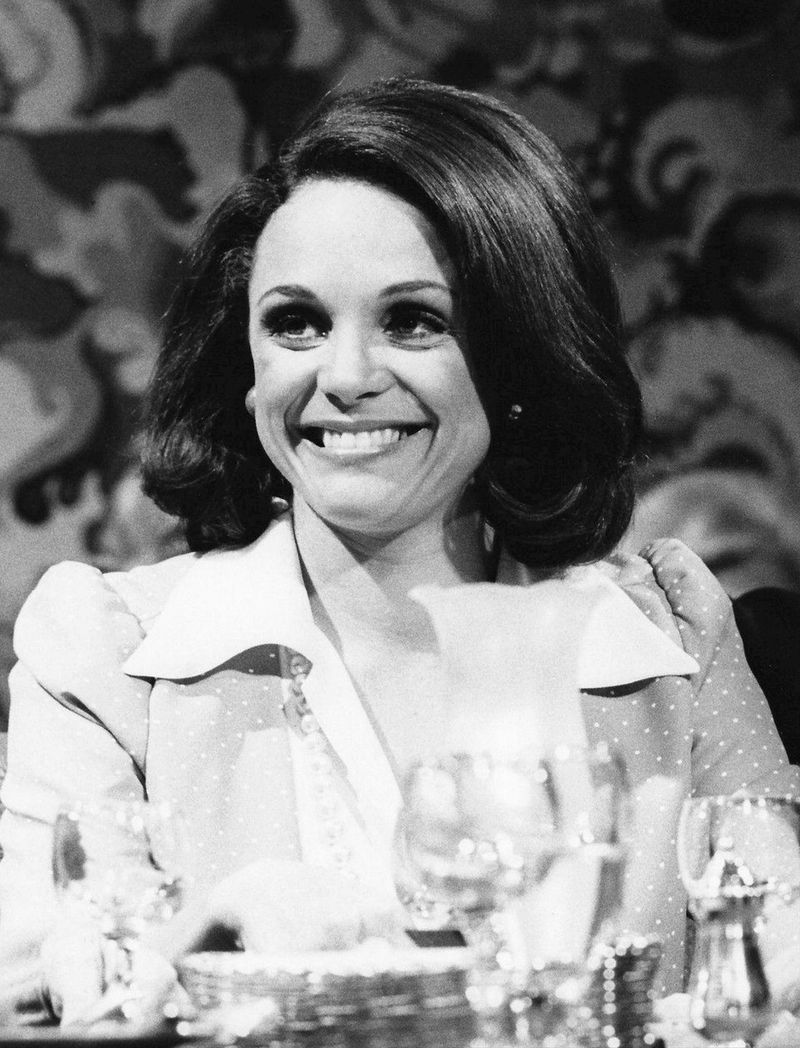
Sarcasm, style, and self-deprecating humor made Rhoda Mary’s perfect best friend.
Valerie Harper brought street-smart New York energy that contrasted beautifully with Mary’s Midwestern sweetness.
Her popularity earned a spinoff where audiences watched her navigate marriage, career changes, and eventually divorce – groundbreaking television that showed women surviving heartbreak stronger than before.
Fashion-forward and quick-witted, she represented real women juggling insecurities with confidence.
9. Diana Prince / Wonder Woman (Wonder Woman)
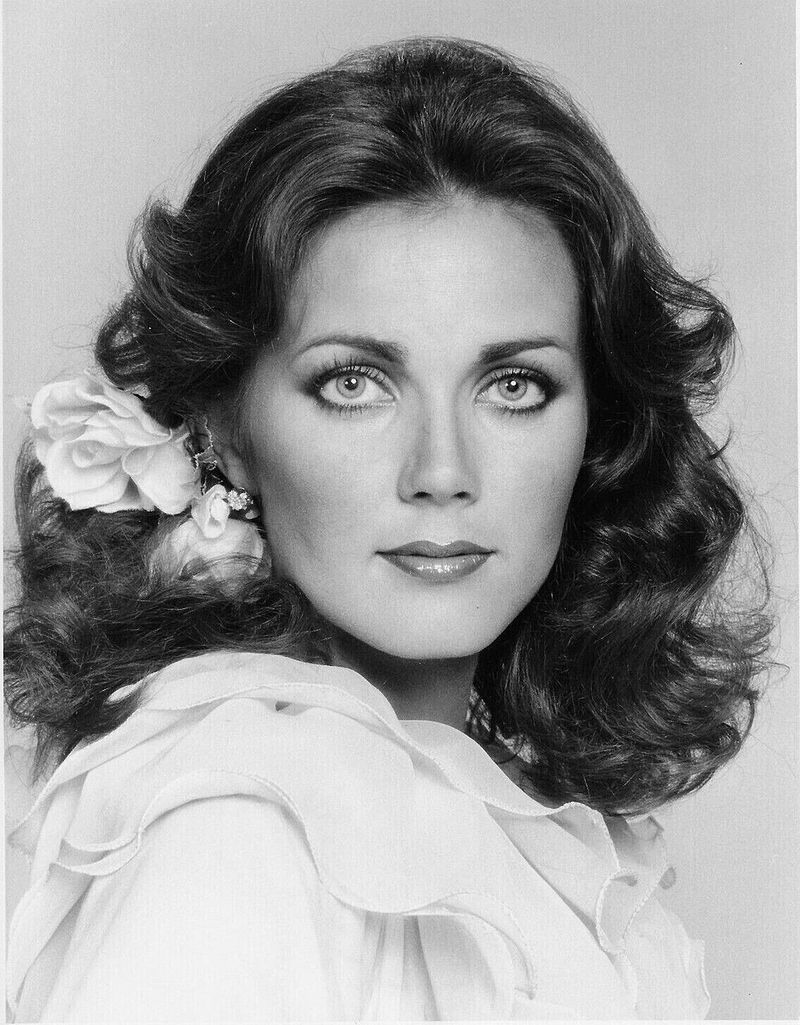
Spinning into action while patriotic music swelled! Lynda Carter embodied strength, grace, and justice wrapped in star-spangled glory that inspired millions of young girls.
This Amazonian princess proved women could be beautiful AND powerful, compassionate AND fierce, traditionally feminine AND completely capable of saving the world solo.
Her golden lasso compelled truth from villains while her bullet-deflecting bracelets provided unforgettable action sequences.
Unlike male superheroes who relied purely on strength, Wonder Woman used intelligence and empathy alongside physical prowess.
10. Starsky & Hutch (Starsky & Hutch)
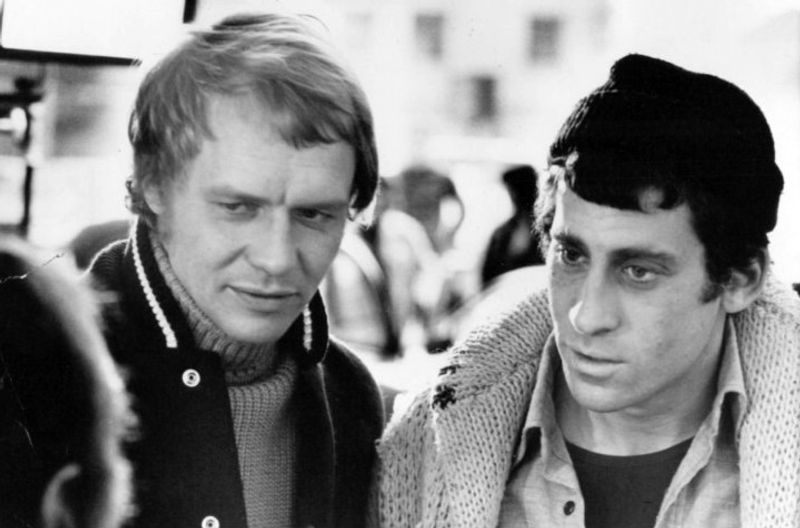
Paul Michael Glaser and David Soul defined buddy-cop chemistry that every partnership since tries desperately to replicate.
Their contrasting styles – Starsky’s street smarts versus Hutch’s by-the-book approach – created dynamic tension that kept cases interesting and their friendship genuine.
Informant Huggy Bear added urban flavor that made the show feel authentically gritty.
Action-packed chases and shootouts thrilled audiences, but their unwavering loyalty to each other provided the emotional core that elevated this above typical cop shows.
11. George Jefferson (The Jeffersons)
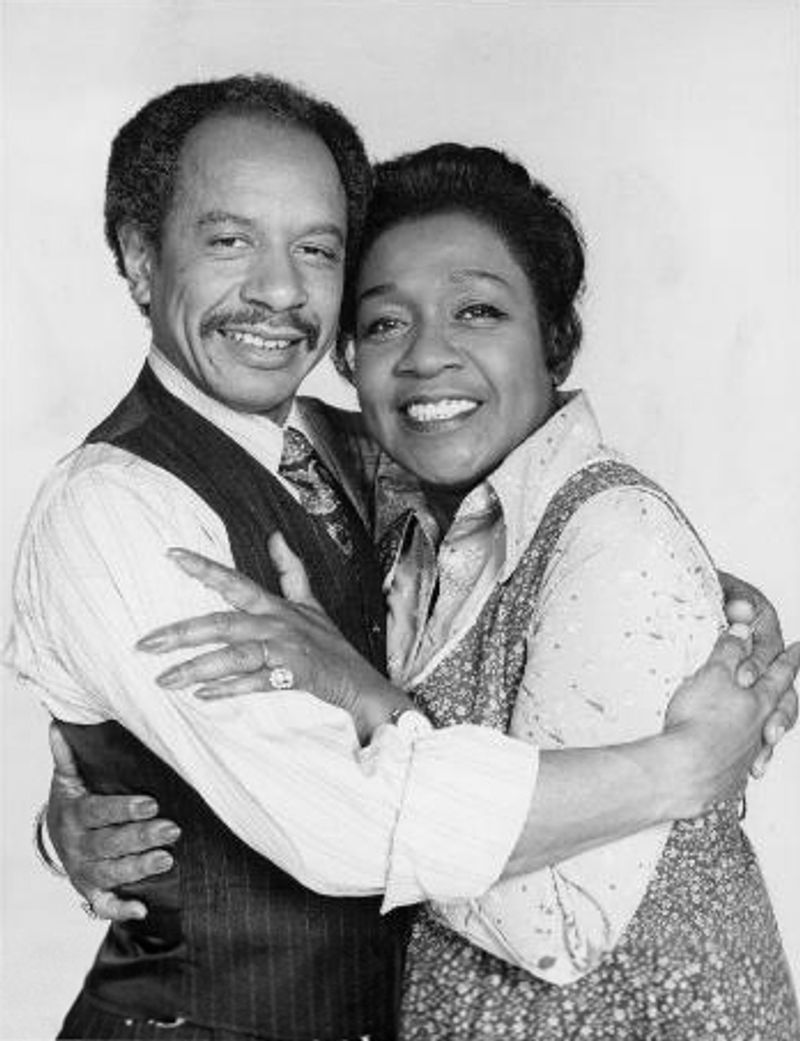
Movin’ on up to the East Side! Sherman Hemsley’s portrayal of a successful dry-cleaning entrepreneur challenged stereotypes about Black wealth and ambition during a transformative decade.
His brash confidence and occasional prejudices made him complex rather than saintly – a Black character allowed to be flawed, funny, and fully human.
The show tackled interracial marriage, class divisions, and economic mobility with humor that never sacrificed honesty about racial tensions still simmering beneath America’s surface.
12. Laverne DeFazio & Shirley Feeney (Laverne & Shirley)
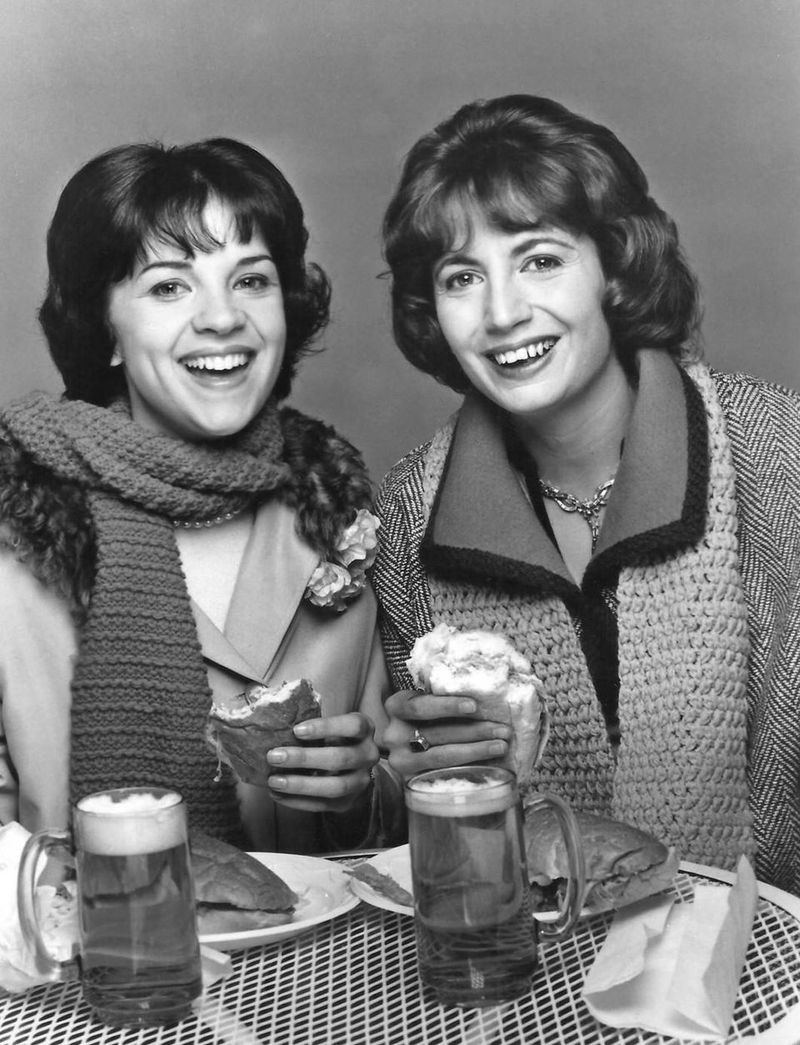
Schlemiel! Schlimazel! Hasenpfeffer Incorporated! Those opening credits showed two working-class women chasing dreams while bottling beer and surviving Milwaukee winters together.
Penny Marshall’s tough-talking Laverne perfectly balanced Cindy Williams’ optimistic Shirley, creating television’s greatest female friendship.
Their physical comedy rivaled classic duos like Lucy and Ethel while addressing real struggles facing single working women.
13. Jim Rockford (The Rockford Files)
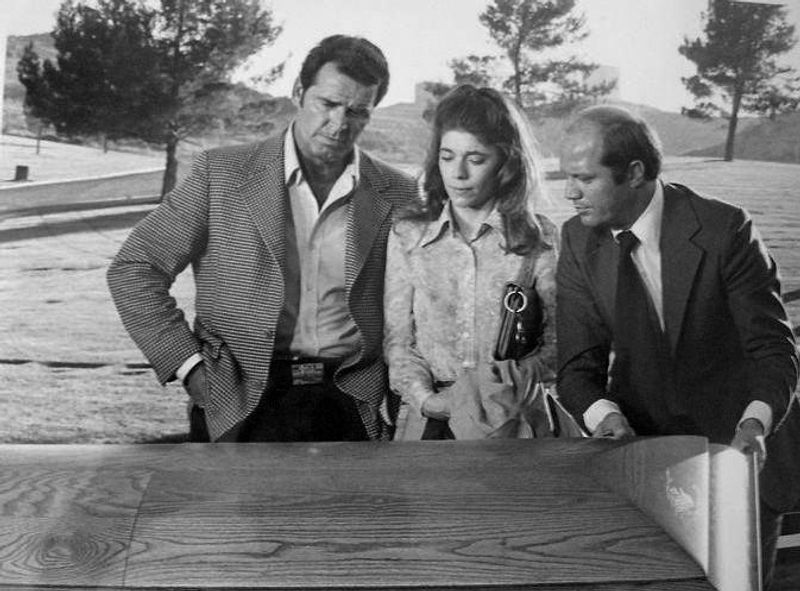
Living in a beachside trailer while solving crimes? James Garner made the struggling private investigator lifestyle look surprisingly appealing despite constant danger and unpaid bills.
His sarcastic wit and reluctance to carry guns separated him from typical tough-guy detectives.
Instead of glorifying violence, Rockford preferred talking his way out of trouble – usually unsuccessfully, resulting in hilarious situations.
That iconic answering machine at each episode’s start became television history, showing a detective whose clients often stiffed him yet he kept fighting for justice anyway.
14. Mork from Ork (Mork & Mindy)
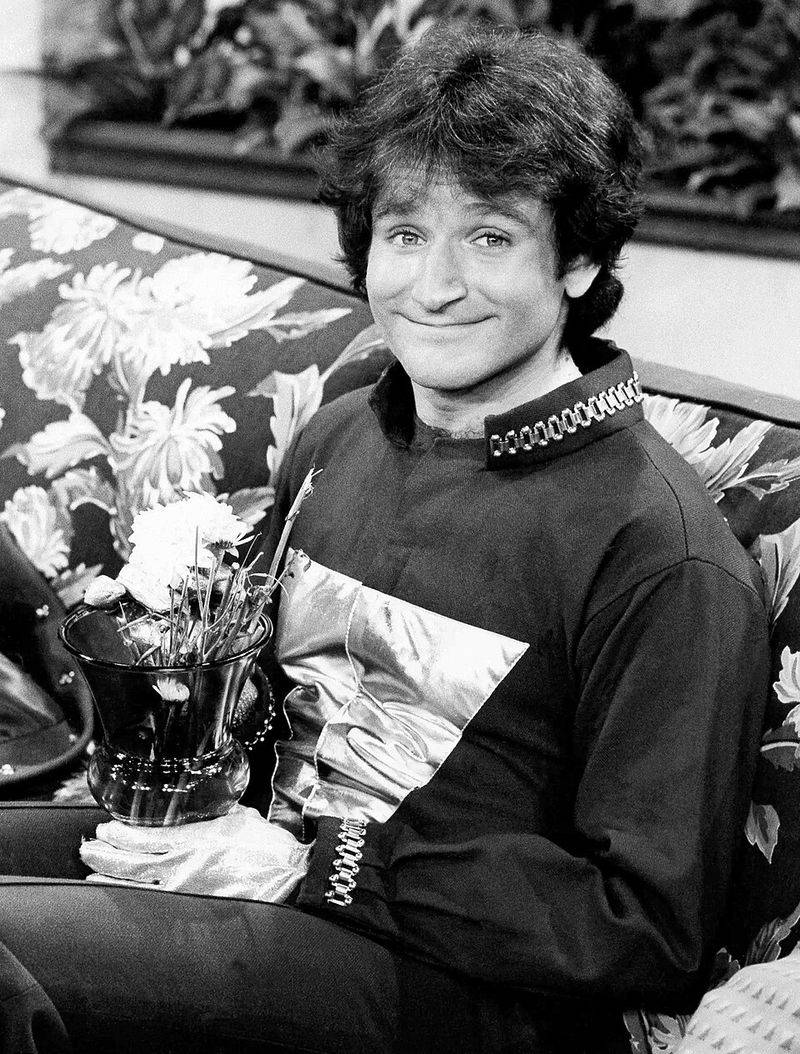
Nanu nanu! Manic, unstoppable energy burst from Robin Williams the moment he hit TV screens, blowing past scripts and the usual rules of comedy.
This innocent alien observing human behavior allowed Williams to improvise brilliant commentary on Earth’s absurdities.
Sitting upside down, misunderstanding social customs, and reporting back to Orson provided endless opportunities for physical comedy and surprisingly touching moments.
His childlike wonder at everyday experiences reminded viewers to appreciate simple joys we take for granted, while his friendship with Mindy showed love transcends all boundaries.
15. Hawkeye Pierce (M*A*S*H)
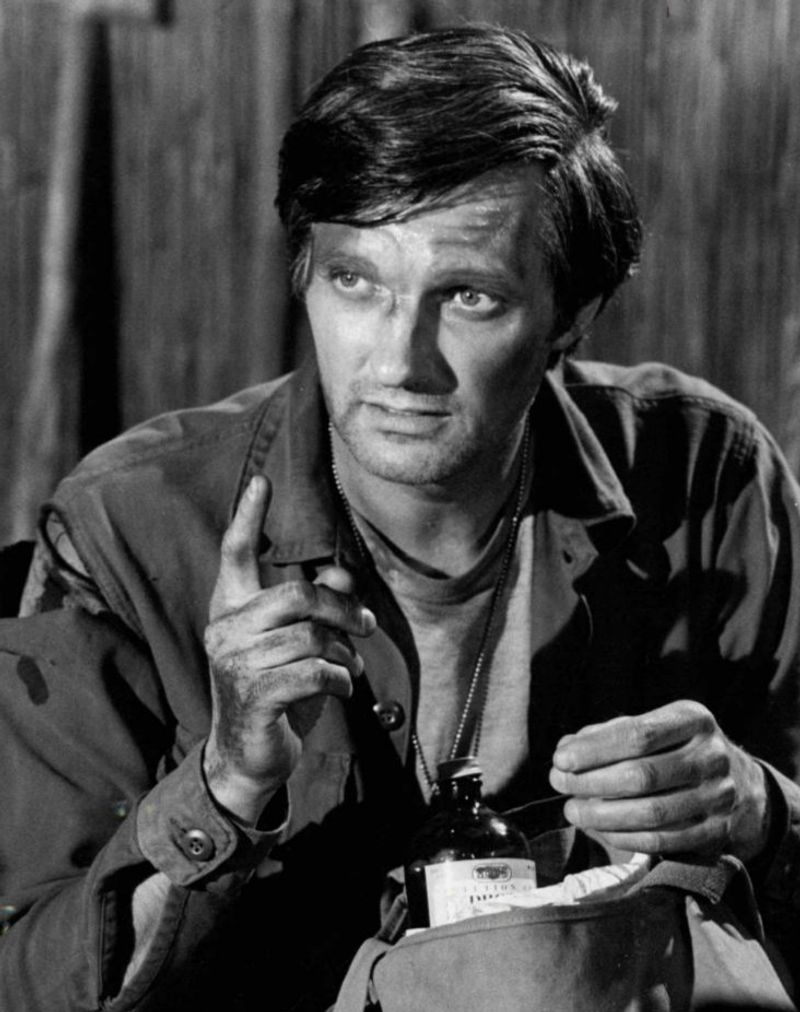
Wisecracking through wartime horror!
Television gained one of its most layered military characters in Alan Alda’s brilliant surgeon, who wielded humor as armor against the daily carnage around him.
His pranks on Frank Burns and romantic pursuits provided comedy, but those quiet moments in surgery revealed someone profoundly affected by saving lives.
Anti-war sentiments reflected America’s changing attitudes toward military conflict.
The show balanced laugh-out-loud comedy with heartbreaking drama, proving sitcoms could make audiences think while entertaining them.
16. Carol Burnett (The Carol Burnett Show)
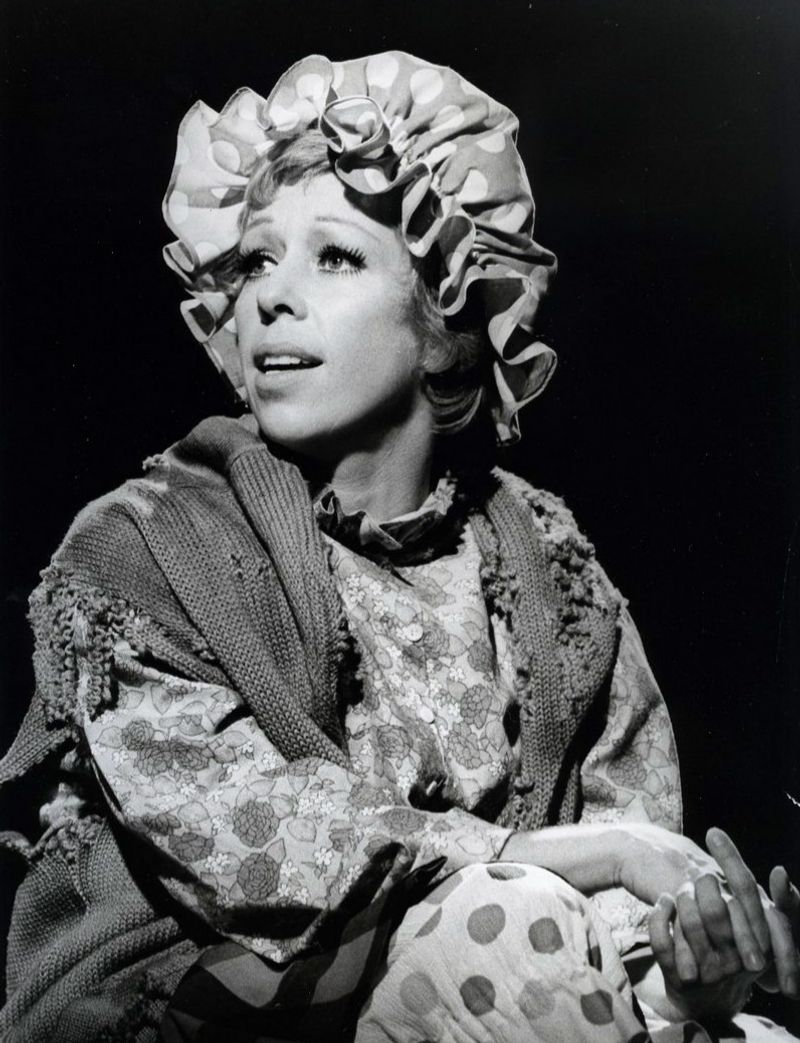
That Tarzan yell and signature ear tug!
Carol Burnett reigned as sketch comedy’s undisputed queen, proving women could be just as hilarious as any male comedian.
Her willingness to look ridiculous – whether wearing a curtain rod dress parodying Gone with the Wind or slipping on banana peels – showed true comedic fearlessness.
Breaking character and laughing during sketches made audiences feel included in the fun, creating intimate connections despite performing for millions of viewers nationwide.
17. Ann Romano (One Day at a Time)
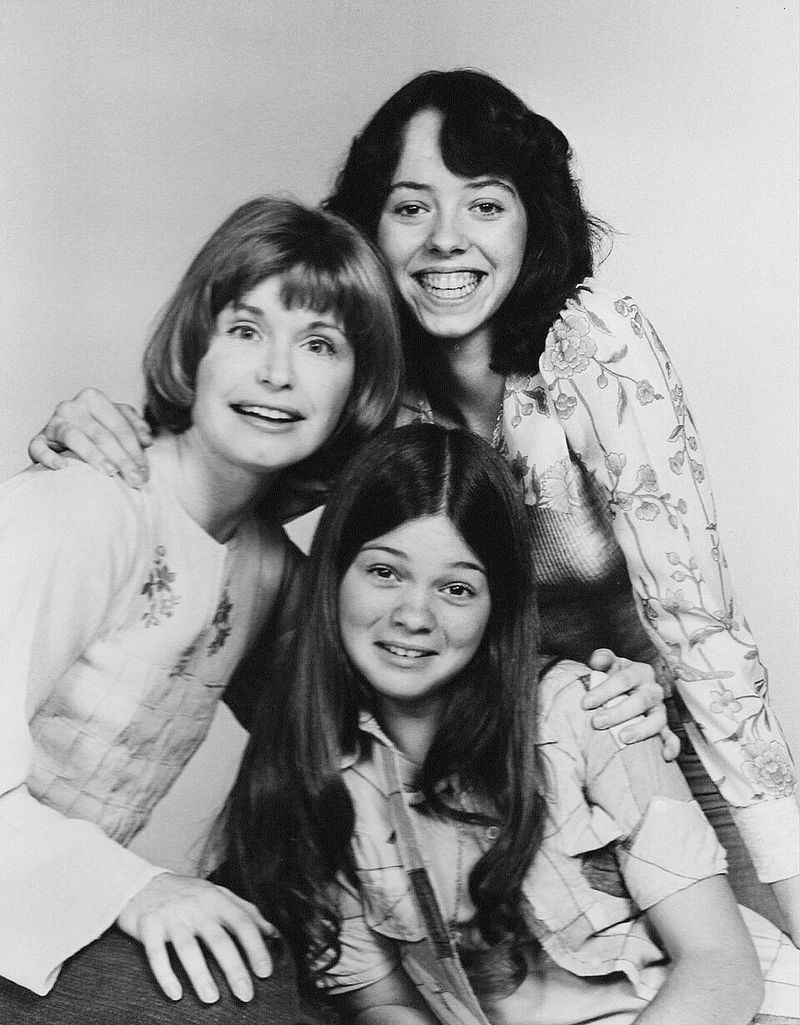
Divorce didn’t mean failure – revolutionary messaging for 1975!
A newly single mother rebuilding her life, Bonnie Franklin’s character raises two teenage daughters with confidence and zero apology.
Her struggles balancing work, parenting, and personal identity resonated with millions of women navigating similar situations during America’s divorce rate explosion.
Building superintendent Schneider provided comic relief, but Ann’s determination to succeed independently showed daughters everywhere that women don’t need rescuing – they need opportunities.
18. Edith Bunker (All in the Family)
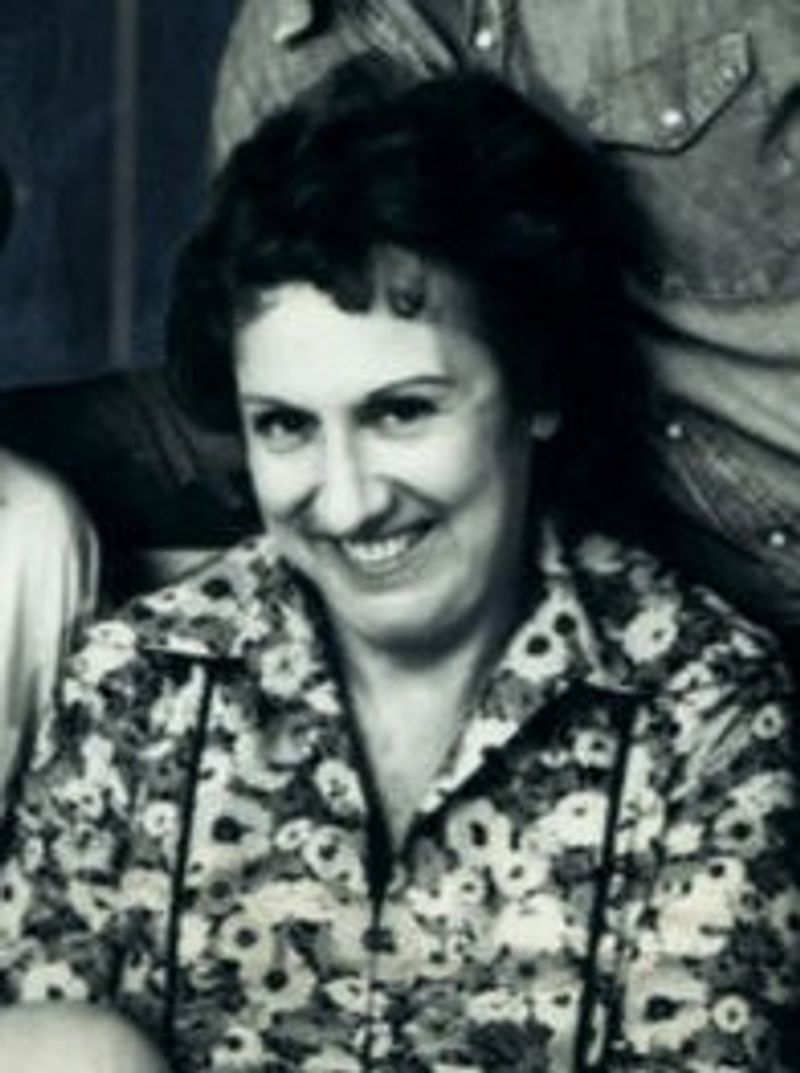
That high-pitched voice masked surprising wisdom! Edith was the perfect counterbalance to Archie’s bluster – seemingly naive yet possessing more emotional intelligence than everyone around her combined.
Her unconditional love and patience with Archie’s prejudices could’ve made her pathetic, but Stapleton showed strength in kindness.
When pushed too far, Edith’s rare angry outbursts proved she chose compassion deliberately, not from weakness.
19. Lou Grant (The Mary Tyler Moore Show)
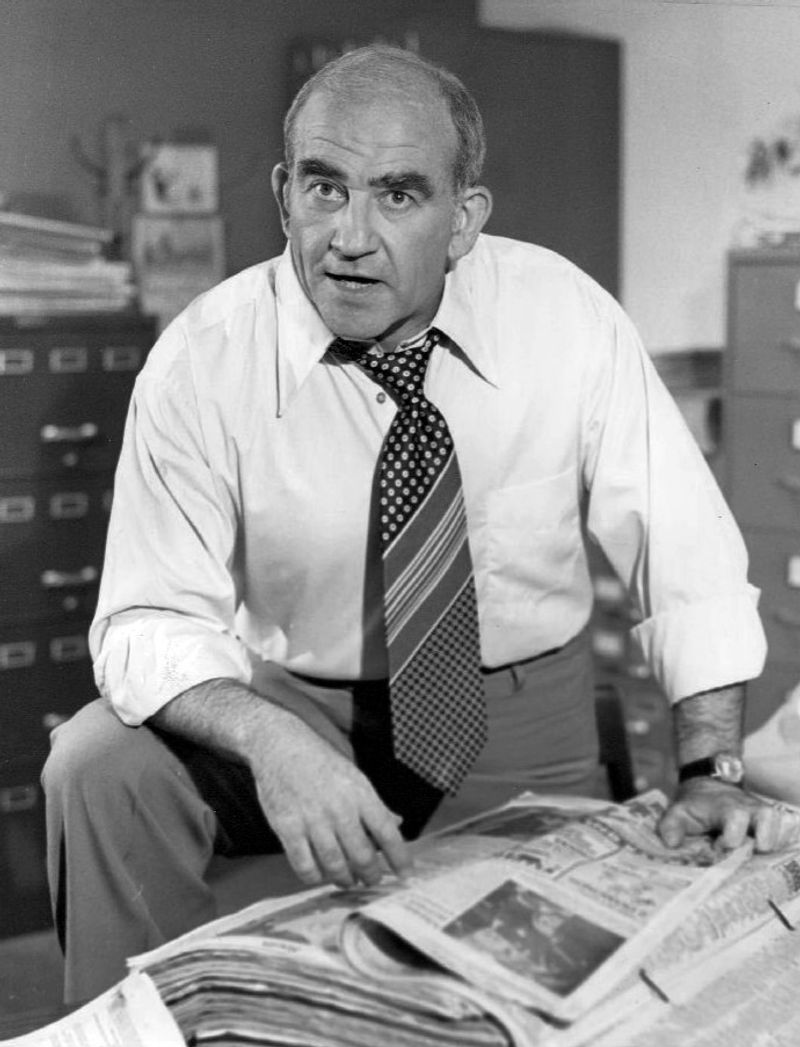
Gruff exterior hiding a marshmallow heart!
He represented authority figures who actually cared about their employees’ wellbeing beyond productivity numbers.
His mentorship of Mary showed male bosses could support women’s careers without romantic ulterior motives – shockingly progressive for television.
Tough love and high standards pushed his team toward excellence while genuine affection made them loyal.
The character proved so compelling that Lou earned his own dramatic spinoff, transitioning from sitcom boss to serious journalist – unprecedented success showing Asner’s incredible range.
20. Richie Cunningham (Happy Days)
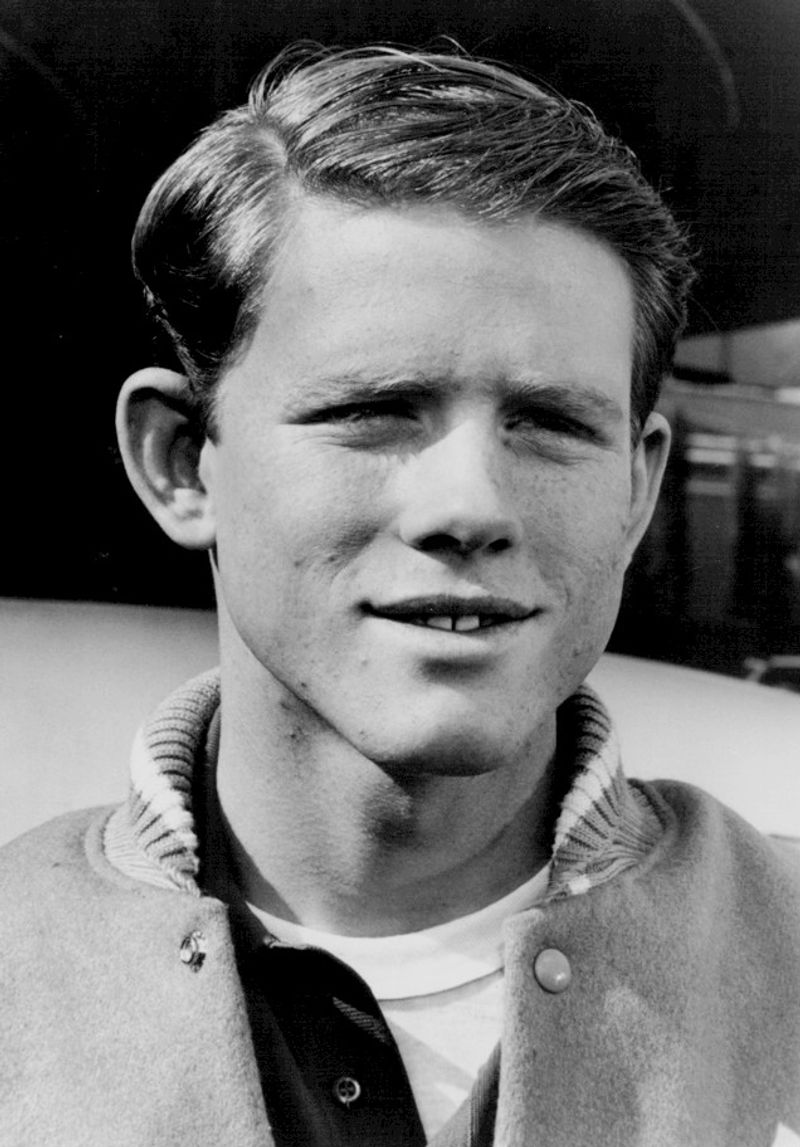
Ron Howard brought sincerity and relatability to television’s favorite teenager navigating first loves, friendship dramas, and growing up during idealized 1950s nostalgia.
While the Fonz stole scenes, Richie provided the emotional anchor keeping Happy Days grounded in genuine family values and teenage struggles.
His romance with various girlfriends felt authentic rather than sitcom-silly.
As the show’s narrator, his perspective framed stories with warmth and humor that made audiences feel like they’d traveled back to simpler times when biggest problems involved asking girls to dances.