15 Cinematic Journeys To The Underworld That Changed Film
Ever wonder what happens after the credits roll on life itself?
Movies have been exploring death, the afterlife, and those spooky places beyond our world for over a century.
These groundbreaking films didn’t just entertain us – they changed how we think about storytelling, special effects, and what cinema can achieve when it dares to explore the great unknown.
Disclaimer:
This article provides general entertainment commentary for informational purposes.
Film summaries include fictional depictions of spiritual or metaphysical concepts and are presented in a family-appropriate, nonliteral context.
All content has been reviewed for accuracy and suitability at the time of publication.
1. L’Inferno (1911)
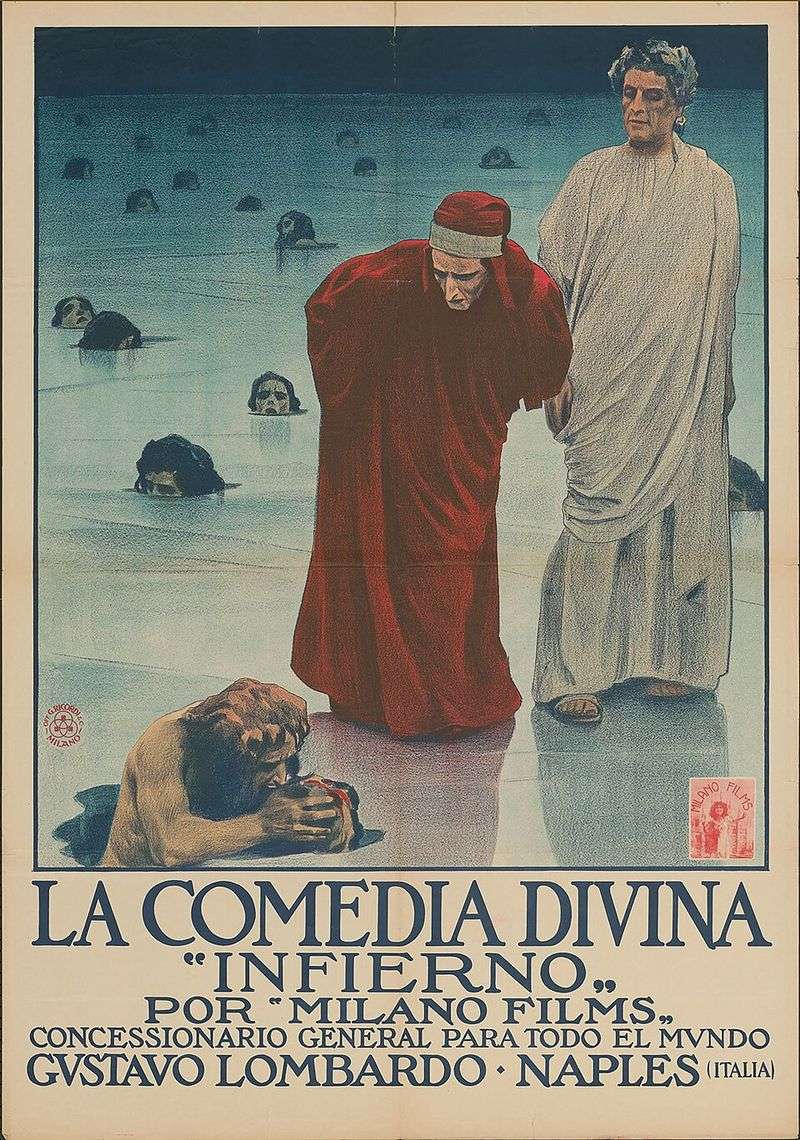
Back when movies were brand new, Italian filmmakers created something absolutely wild.
This silent epic brought Dante’s famous poem to life with special effects that blew minds in 1911.
Imagine watching dramatic imagery of the afterlife flickers across the screen when most films were just people standing around talking!
It took over three years to make and used groundbreaking camera tricks that influenced horror movies for decades.
Though it’s over a century old, its haunting images still pack a punch.
Without sound or color, it proved visuals alone could transport audiences straight to the underworld.
2. The Phantom Carriage (1921)
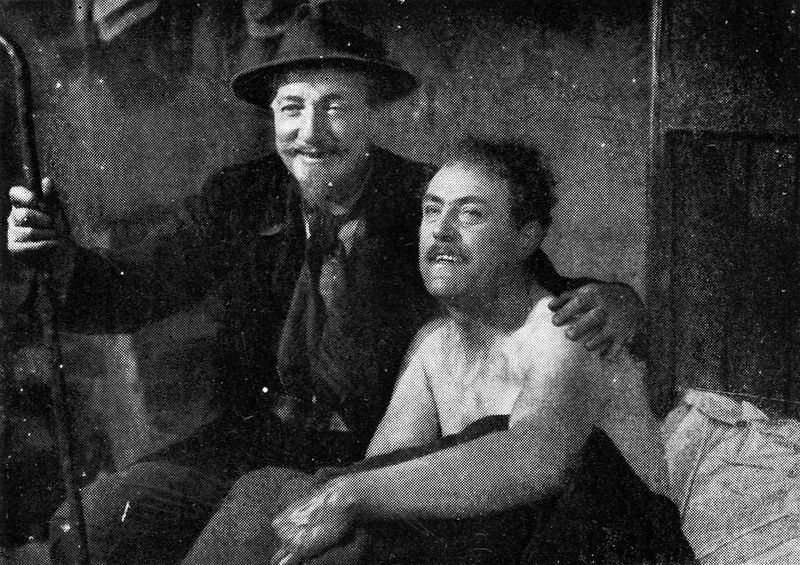
Swedish director Victor Sjöström crafted a chilling tale about Death’s chariot collecting souls on New Year’s Eve.
What made this spooky?
Revolutionary double-exposure techniques that let ghosts walk through walls and float around like actual spirits.
Directors like Stanley Kubrick and Ingmar Bergman later admitted this film taught them how to create atmosphere and dread.
It follows a man confronting his terrible past while riding alongside Death himself.
The ghostly carriage became cinema’s most iconic vehicle until the Batmobile came along.
Seriously, this 1920s masterpiece invented tricks filmmakers still use today!
3. Destiny (Der Müde Tod) (1921)
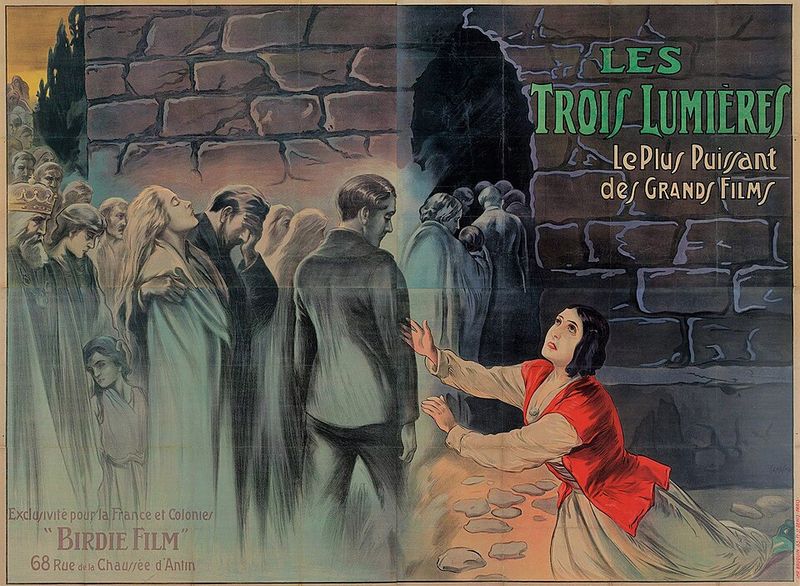
Fritz Lang’s romantic fantasy follows a young woman who literally bargains with Death to save her boyfriend.
Dedication doesn’t get more intense than that.
Three chances are granted across different eras and locations to prove that love truly conquers all.
Massive sets and innovative visual effects helped shape the work, influencing everyone from Disney to Tim Burton.
Portraying Death as a weary, almost sympathetic figure completely reshaped how movies imagined the Grim Reaper.
Audiences had mostly seen a frightening figure until this moment.
Cinema suddenly embraced a more complex, even relatable version of Death – a shift that rippled through film history like a ghost slipping through walls.
4. A Matter Of Life And Death (1946)

Picture this: Heaven in black-and-white, Earth in glorious Technicolor.
Directors Michael Powell and Emeric Pressburger flipped expectations by making the afterlife look boring compared to our vibrant world.
A British pilot survives a plane crash but gets caught between two realms, leading to a celestial court trial about whether he should live or die.
The film’s stunning visuals and philosophical questions about love and fate influenced sci-fi classics like The Matrix.
It proved that movies about death could be romantic, funny, and visually groundbreaking all at once.
5. The Seventh Seal (1957)
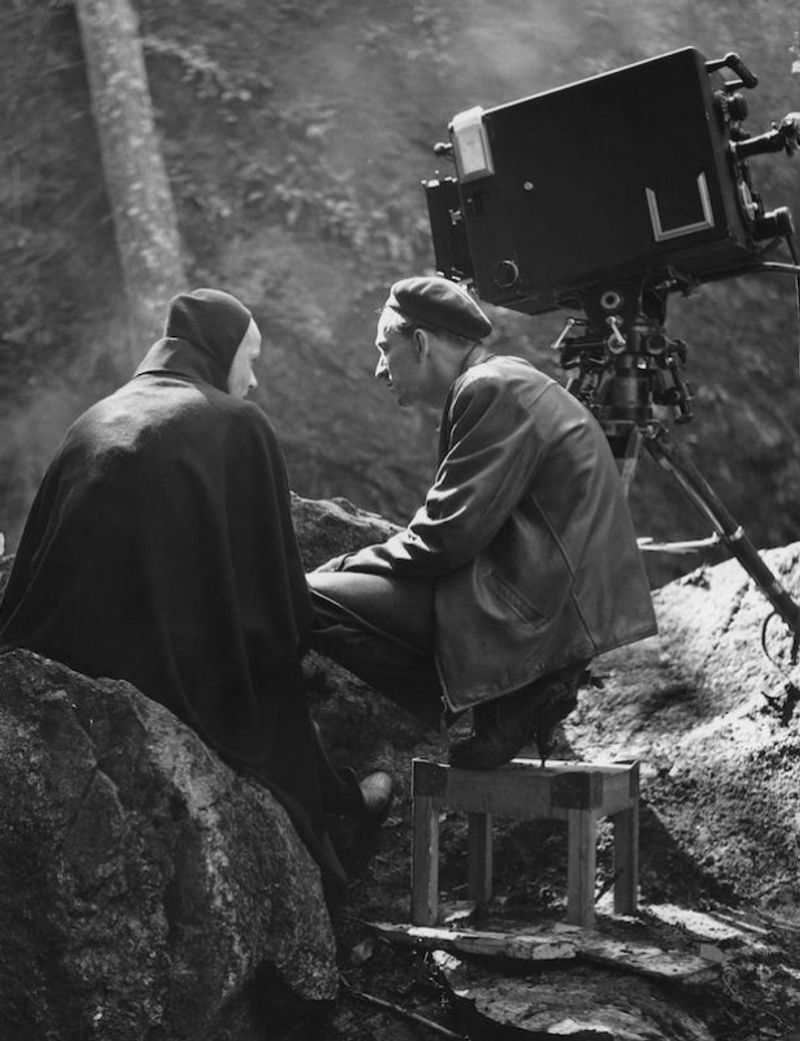
Ingmar Bergman gave the world cinema’s most famous chess game – and the opponent across the board was Death himself.
A returning Crusader challenges the Grim Reaper to a match, hoping to delay his fate while searching for life’s meaning.
Sweden’s landmark masterpiece became the ultimate art-house touchstone, referenced and parodied everywhere from Bill and Ted’s Bogus Journey to countless memes.
Stark imagery combined with heavy existential questions showed audiences that film could tackle philosophy just as powerfully as any book.
That iconic chess-on-the-beach moment has circulated so widely that many people recognize it long before ever watching the movie.
6. Carnival Of Souls (1962)

Made on a shoestring budget, this unsettling independent film punches way above its weight class.
After surviving a car crash, a young woman finds herself drawn to a spooky abandoned carnival while mysterious figures appear around her.
Director Herk Harvey shot it guerrilla-style in Kansas, creating an eerie atmosphere that influenced horror legends like George Romero and David Lynch.
The film’s twist ending and dreamlike quality made it a cult classic that proved you don’t need Hollywood money to scare audiences silly.
Its lonely, disconnected vibe still feels modern today – like scrolling social media at 3 a.m.
7. Monty Python’s The Meaning Of Life (1983)

Leave it to Monty Python to turn death and the afterlife into comedy gold!
Their sketch-comedy movie features the Grim Reaper showing up at a dinner party and Heaven as a bizarre Las Vegas-style resort.
The British comedy troupe tackled birth, death, and everything between with their signature absurdist humor.
While other films treated the underworld seriously, Python asked, “What if it’s all just ridiculous?”
Their irreverent approach influenced comedies for generations, proving that even death doesn’t have to be depressing.
Plus, that “Every Sperm is Sacred” musical number? Absolutely unforgettable, just saying.
8. Beetlejuice (1988)

Tim Burton transformed the afterlife into a bureaucratic nightmare full of weird waiting rooms and stranger rules.
When a sweet couple transitions into the afterlife, they discover being dead involves handbooks, caseworkers, and dealing with obnoxious living people invading their home.
Enter Beetlejuice: a wild, gross, hilarious “bio-exorcist” who haunts the living instead of the dead.
Burton’s gothic-yet-goofy visual style created an underworld that felt like Halloween met a DMV office.
The film’s creative production design and dark comedy influenced countless movies and TV shows.
Honestly, who knew death could be this entertaining and stylish?
9. Spirited Away (2001)

Hayao Miyazaki takes viewers into a spirit world that’s equal parts beautiful and terrifying.
When 10-year-old Chihiro’s parents transform into pigs (yikes!), she must work in a bathhouse for gods and spirits to save them.
Forget any typical underworld – this realm serves as a sanctuary where forgotten spirits come to rest and cleanse themselves.
Breathtaking animation and strong environmental themes helped the movie earn an Oscar and reshape how Western audiences viewed anime.
A blend of Japanese folklore and universal coming-of-age elements creates something magical that resonates across cultures.
Think Alice in Wonderland filtered through traditional Japan.
10. Corpse Bride (2005)

Tim Burton strikes again, this time with stop-motion animation that makes the Land of the Dead look way more fun than the living world!
Victor accidentally marries a deceased bride while practicing his wedding vows in the woods.
Whoops!
The underworld here bursts with color, music, and personality, while the living world looks drab and gray.
Burton flipped the script by making death seem liberating rather than scary.
The painstaking animation process – moving tiny puppets frame by frame, created a tactile, handmade quality that CGI can’t match.
It’s gorgeously unsettling in the best possible way.
11. Coraline (2009)

Neil Gaiman’s dark fairy tale received a stop-motion makeover from studio Laika, creating nightmare fuel for kids everywhere.
A doorway leads Coraline into an alternate world where everything seems perfect – until those unsettling button eyes give the truth away.
An “Other World” operates like an underworld, trapping children’s souls for eternity.
Henry Selick pushed boundaries with innovative 3D-printing techniques that produced thousands of facial expressions for the puppets.
A genuinely unsettling atmosphere demonstrated that animation can be just as frightening as live-action horror.
Many parents assumed they were in for a cute kids’ movie.
And then the Other Mother started removing her face. Yikes!
12. The Book Of Life (2014)

Jorge Gutierrez brought Mexican folklore to mainstream animation with this visually explosive celebration of Día de los Muertos.
The film follows a love triangle that extends into two afterlife realms: the vibrant Land of the Remembered and the forgotten Land of the Forgotten.
Unlike most underworld movies, death here is a joyful celebration where ancestors party eternally as long as the living remember them.
The animation style mimics wooden folk art, giving everything a handcrafted feel.
Gutierrez proved that different cultures view death differently – and those perspectives can create stunning cinema that educates while entertaining.
13. Kubo And The Two Strings (2016)
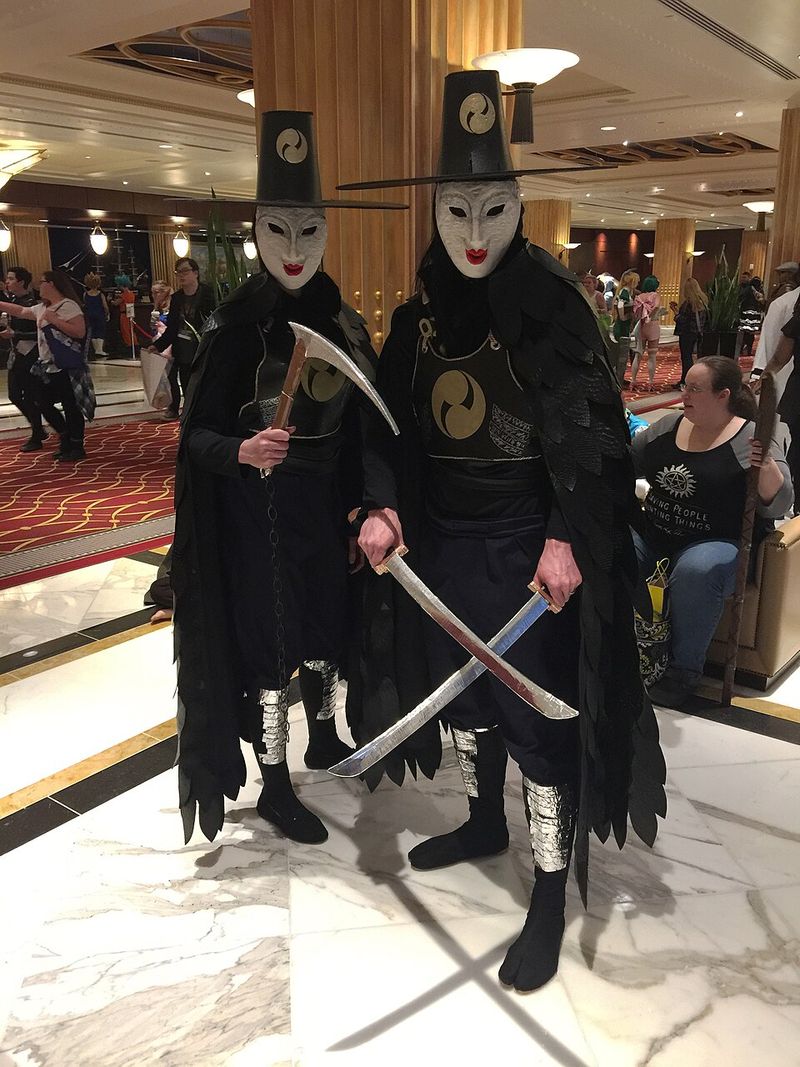
Laika Studios outdid themselves with this Japanese-inspired epic about a boy journeying to the underworld to find his father’s armor.
Kubo must face spirits, including his deceased father, while learning about his family’s complicated past.
The film blends stop-motion animation with Japanese folklore, creating breathtaking visuals that honor cultural traditions.
One puppet – the giant creature – stands 16 feet tall and required an entire warehouse to animate!
The movie’s themes about memory, storytelling, and honoring the dead resonated deeply with audiences.
It’s proof that animation can tackle complex emotional territory while delivering spectacular action sequences.
14. Coco (2017)

A single animated film managed to make audiences cry while celebrating Mexican culture and the Land of the Dead with stunning beauty.
An accidental journey carries young Miguel into a dazzling realm shaped by Día de los Muertos traditions, where his family’s musical history finally comes into focus.
Seeing death portrayed as a vibrant, colorful celebration rather than something frightening shifted how many viewers think about mortality.
Extensive research into Mexican customs allowed animators to build an authentic and deeply respectful world that resonated across the globe.
One unforgettable emotional peak arrives when Miguel sings to his great-grandmother, leaving audiences openly sobbing in theaters.
Awards followed along with widespread love, proving that animated films can handle profound cultural themes with exceptional grace.
15. Soul (2020)

Pixar asked the biggest question: What makes life worth living?
Jazz musician Joe has an unexpected experience that separates him from the physical world and ends up in the Great Before, where souls develop personalities before birth.
Instead of a traditional underworld, Pixar created metaphysical realms exploring consciousness, purpose, and existence itself.
The film’s abstract animation during spiritual sequences pushed boundaries for what mainstream animation could depict.
It tackled heavy philosophical concepts – like whether life needs grand purpose or if small moments are enough – in ways that resonated with pandemic-era audiences.
Sometimes the deepest underworld journeys happen inside our own minds.