6 Classic ’80s Movies That Made Late-Night TV Legendary
Late-night television during the ’80s offered something magical: a chance to stumble upon wild, weird, and wonderful films you’d never see during prime time. Flipping channels past midnight meant discovering cult classics, oddball comedies, and genre-bending adventures that felt like secret treasures only night owls knew about.
Cable channels like TBS, USA Network, and HBO filled the graveyard shift with movies that were too strange, too daring, or too underground for mainstream audiences. But that’s exactly what made them legendary.
Night after night, insomniacs, teenagers sneaking TV time, and curious cinephiles found themselves glued to the screen, watching films that would become lifelong favorites. The ’80s late-night lineup didn’t just entertain; it created a whole generation of movie lovers who bonded over the bizarre, the brilliant, and the unforgettable.
1. After Hours
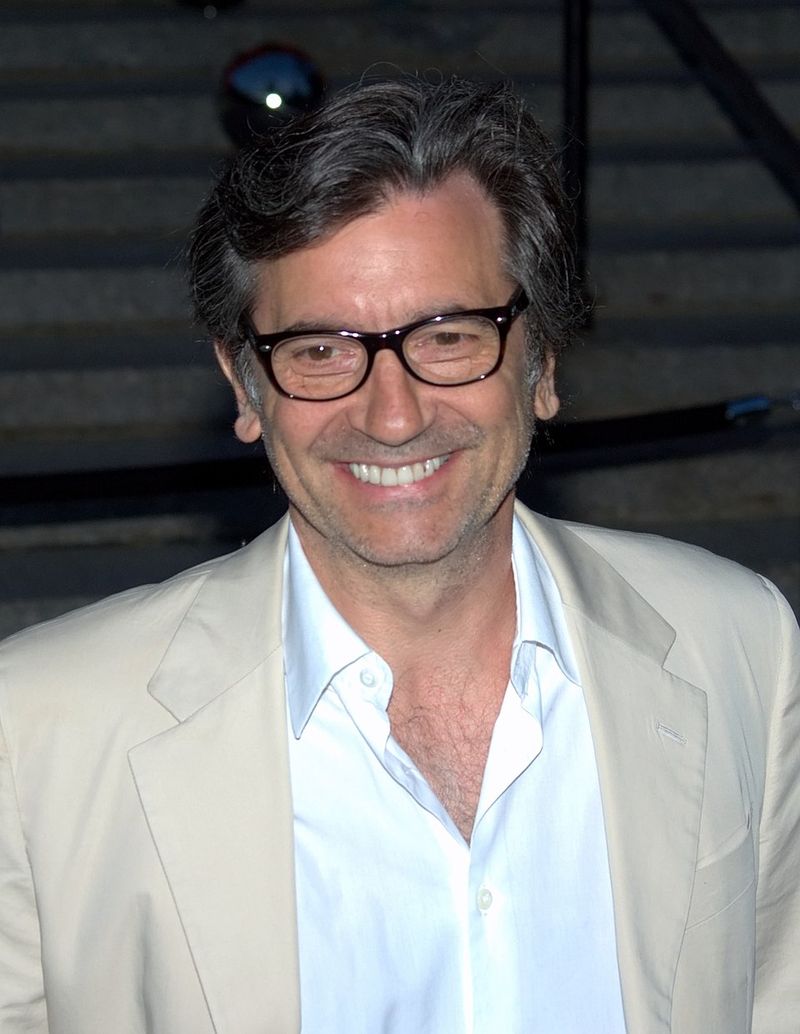
Martin Scorsese directed this nightmare comedy about Paul, an ordinary office worker whose night out in SoHo turns into an increasingly surreal disaster. Everything that can go wrong does go wrong, and the movie never lets up.
Griffin Dunne stars as Paul, who meets a woman at a coffee shop and agrees to visit her downtown apartment. But once he arrives in the artsy neighborhood, he can’t seem to escape, and every person he meets drags him deeper into chaos.
Rosanna Arquette, Teri Garr, and Catherine O’Hara appear in memorable roles as the strange characters Paul encounters. The film captures the paranoia and absurdity of being trapped in an unfamiliar place at 3 AM perfectly.
2. The Adventures of Baron Munchausen
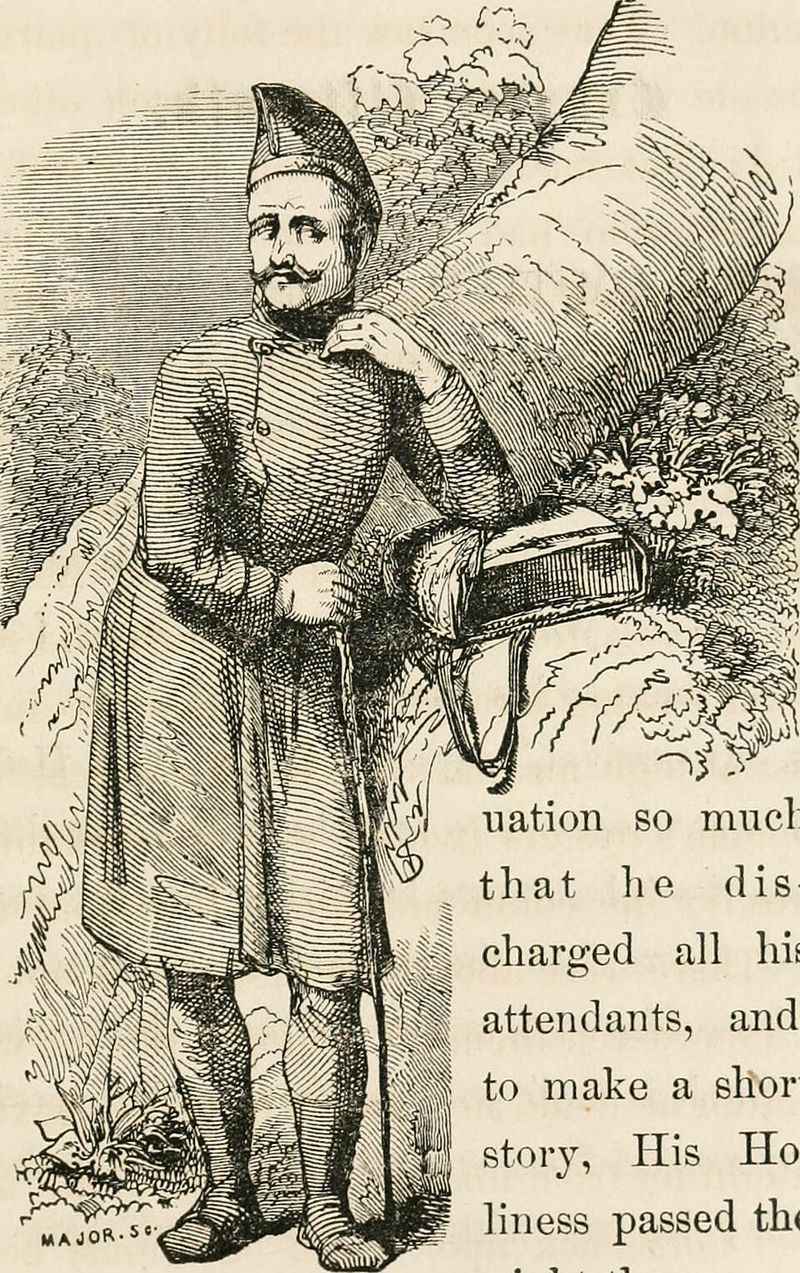
Terry Gilliam brought the tall tales of Baron Munchausen to life in this visually stunning fantasy adventure released in 1988. The baron and a young girl journey through impossible worlds to save a city under siege, encountering gods, monsters, and miracles.
John Neville plays the elderly baron who insists his outrageous stories are absolutely true. The film features appearances by Robin Williams as the King of the Moon, Uma Thurman as Venus, and Oliver Reed as Vulcan.
Gilliam’s signature visual style fills every frame with imaginative details and surreal imagery. Though it flopped at the box office initially, late-night cable screenings helped audiences discover its ambitious storytelling and breathtaking production design over time.
3. Videodrome
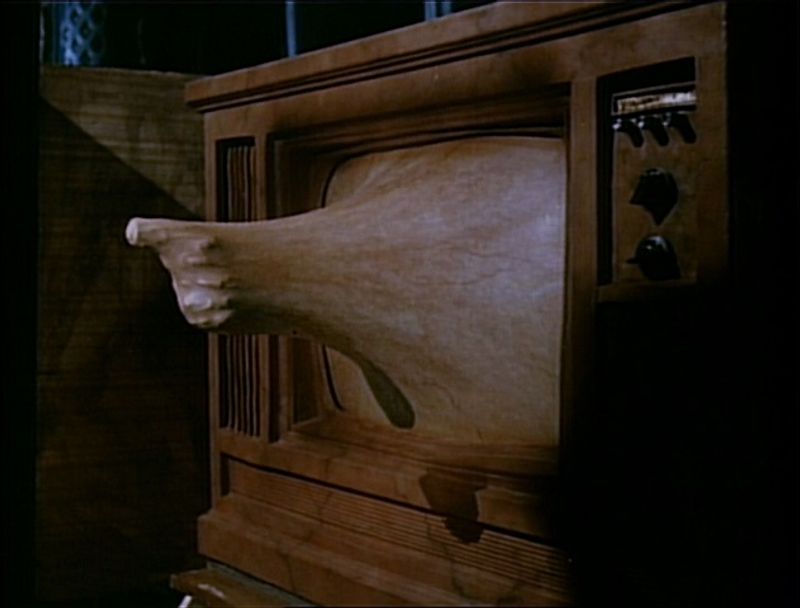
David Cronenberg’s mind-bending horror film follows Max Renn, a sleazy cable TV programmer who discovers a broadcast signal showing extreme violence. As he investigates its origins, reality and hallucination blur together in increasingly disturbing ways.
James Woods stars as Max, whose obsession with the mysterious Videodrome signal leads to grotesque physical transformations. Debbie Harry of Blondie fame plays his girlfriend, a radio personality drawn into the conspiracy.
The film explores themes of media addiction, technology’s effect on humanity, and corporate manipulation decades before these became mainstream concerns. Cronenberg’s signature body horror imagery made it controversial but fascinating, and late-night screenings attracted viewers hungry for cerebral scares and philosophical nightmares.
4. Big Trouble in Little China
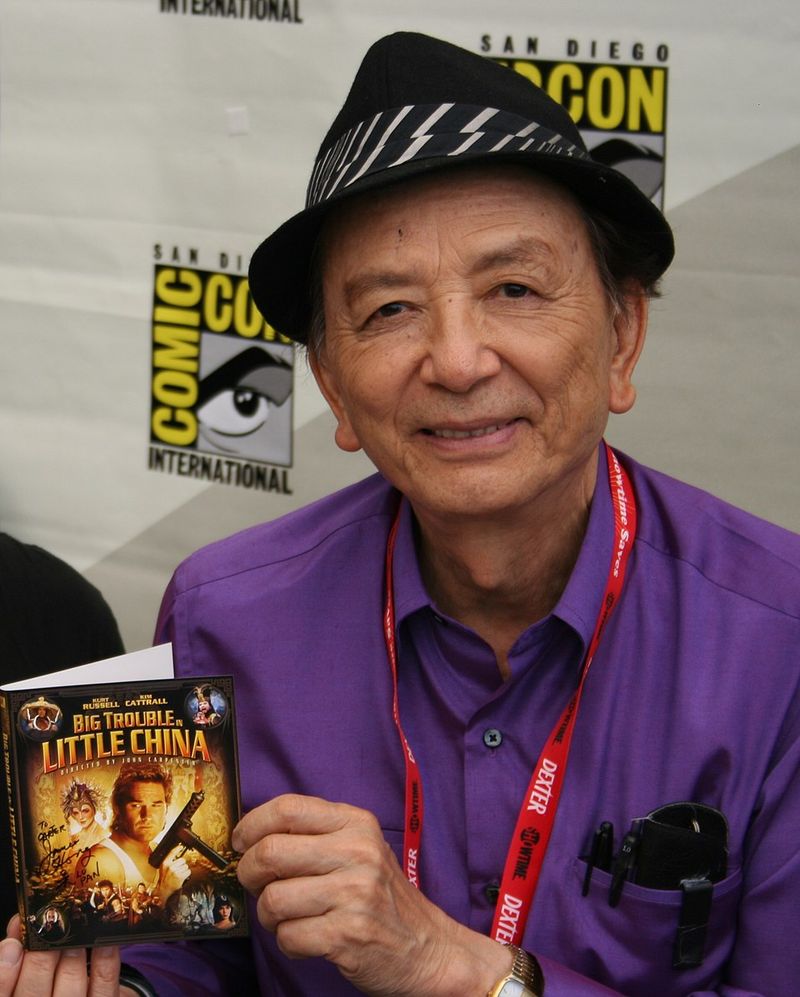
Kurt Russell plays Jack Burton, a truck driver who stumbles into an ancient battle between good and evil sorcerers beneath San Francisco’s Chinatown. Despite being the hero, Jack is hilariously incompetent while his Chinese-American friend Wang does most of the actual heroic work.
John Carpenter directed this wild blend of martial arts, comedy, horror, and fantasy that bombed in theaters but found its audience on cable. The movie features flying martial artists, demons, magic storms, and a villain with glowing eyes.
Russell’s performance as the overconfident, clueless Jack Burton became iconic. Late-night viewers quoted his macho one-liners and rewatched the incredible fight choreography and special effects that made every scene unpredictable and entertaining.
5. They Live
A drifter discovers special sunglasses that reveal the truth: aliens have infiltrated society and are controlling humanity through subliminal messages hidden in advertising and media. Rowdy Roddy Piper stars in John Carpenter’s satirical sci-fi thriller about conformity and consumerism.
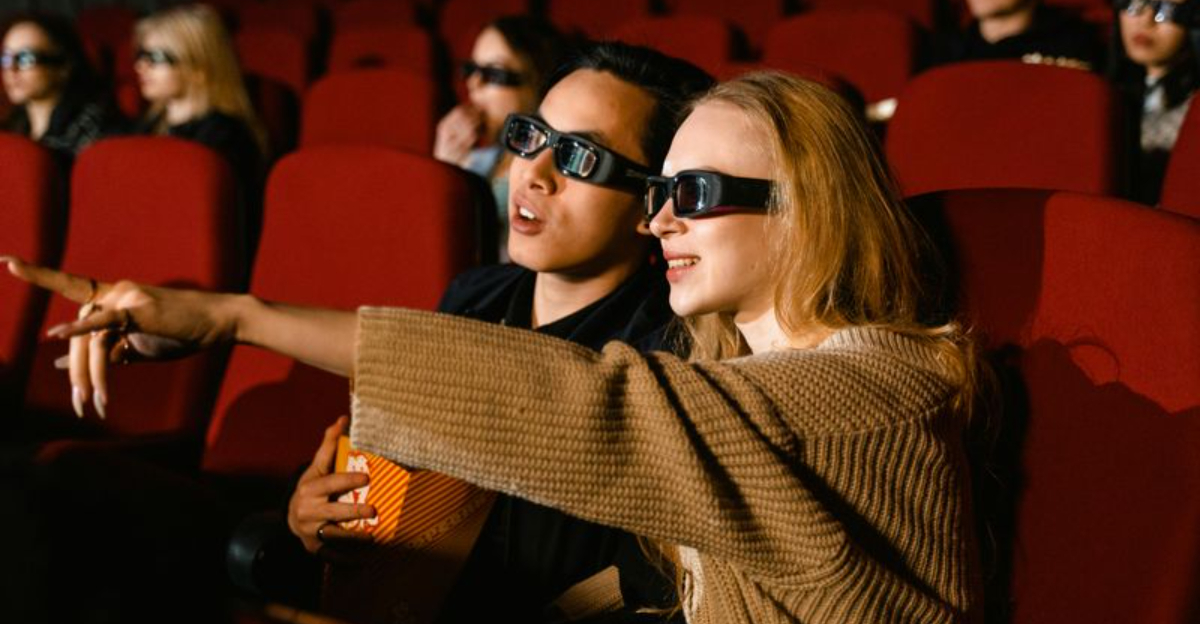
When wearing the sunglasses, billboards reveal messages like “OBEY” and “CONSUME,” while well-dressed people are exposed as grotesque aliens. The film includes an infamous five-minute alley fight scene between Piper and Keith David over putting on the glasses.
Carpenter made the movie as social commentary on Reagan-era capitalism and media manipulation. Late-night audiences appreciated its paranoid atmosphere, quotable dialogue, and willingness to blend action with genuine political critique about who really controls society.
6. Liquid Sky
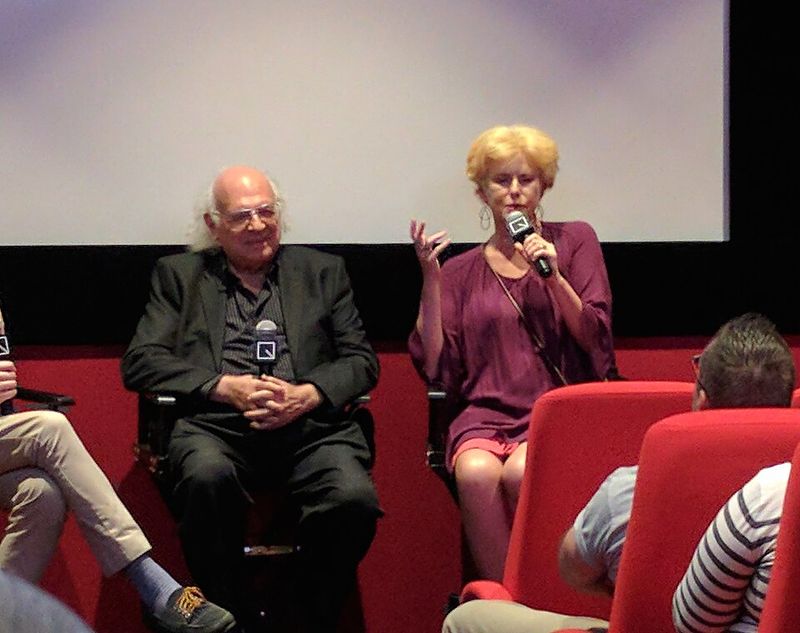
Tiny aliens land on a New York City rooftop, drawn to the endorphins produced during drug use and sexual activity. A androgynous fashion model becomes the focus of their bizarre feeding habits in this ultra-low-budget cult classic.
Anne Carlisle plays both the female lead and a male model in this exploration of early ’80s downtown New York punk and new wave culture. The film’s neon-soaked visuals, electronic soundtrack, and avant-garde performances created something completely unlike mainstream cinema.
Director Slava Tsukerman captured the underground art scene with documentary-like authenticity while telling a genuinely weird science fiction story. Late-night cable gave the film exposure it never received theatrically, attracting viewers fascinated by its experimental style and subcultural authenticity.