20 Classic Movies That Reach The 40-Year Milestone In 2026
Four decades have passed since a single year reshaped pop culture with movies that refused to fade quietly into history.
Back in 1986, theaters filled with stories that pushed technology forward, introduced characters that became legends, and captured the spirit of an era hungry for spectacle and heart.
Jet-fueled action, otherworldly visitors, and deeply personal coming-of-age tales all shared the screen, leaving an imprint that still influences filmmakers today.
Reaching their 40th anniversaries in 2026, these twenty films stand as proof that the right moment, the right story, and the right audience can create movie magic that lasts for generations.
Disclaimer: This entertainment roundup is meant for general information and nostalgia.
Movie descriptions summarize widely known plot elements and cultural impact, and individual reactions to themes and content may differ by viewer.
1. Top Gun

Maverick soared into hearts worldwide when Tom Cruise donned aviator sunglasses and took control of an F-14 Tomcat fighter jet.
High-octane action transformed naval aviation into the coolest career imaginable, complete with legendary beach volleyball scenes and a soundtrack that dominated radio waves.
Audiences watched Pete Mitchell navigate intense rivalries, romance, and personal tragedy while competing at the elite Fighter Weapons School.
Decades later, viewers still feel the need for speed whenever that iconic theme music plays.
Cinematic history remains forever changed by this high-flying tribute to the daring pilots of the United States Navy.
2. Aliens

Ripley returned to face her worst nightmare when James Cameron directed this action-packed sequel that redefined science fiction horror.
Sigourney Weaver brought fierce maternal instincts to the role, protecting young Newt from xenomorph creatures on a distant colony.
The film introduced Colonial Marines, pulse rifles, and the terrifying Alien Queen in sequences that kept audiences gripping their armrests.
This masterpiece proved sequels could surpass originals when creativity and storytelling merge perfectly.
3. Ferris Bueller’s Day Off
Breaking the fourth wall became an art form when Ferris Bueller convinced everyone that life moves pretty fast.
Matthew Broderick charmed audiences as the ultimate high school slacker who orchestrated an elaborate sick day involving a Ferrari, a parade, and downtown Chicago.
Teenage rebellion captured with such infectious joy ensured that generations of students wished they could pull off similar adventures.
Anyone who has ever wanted to skip responsibilities for one perfect day understands why such a classic comedy remains timeless.
Cinema history remembers the clever suburban mastermind who turned a simple day off into a legendary exploration of friendship and freedom.
4. Platoon

Oliver Stone brought raw authenticity to Vietnam War cinema by drawing from personal combat experience.
The film follows young soldier Chris Taylor as he witnesses the moral breakdown of his platoon in the jungle’s brutal conditions.
Charlie Sheen, Willem Dafoe, and Tom Berenger delivered performances that exposed war’s psychological toll without glorifying violence.
Viewers left theaters understanding that heroism and horror often occupy the same battlefield, changing perspectives on conflict forever.
5. The Color Of Money
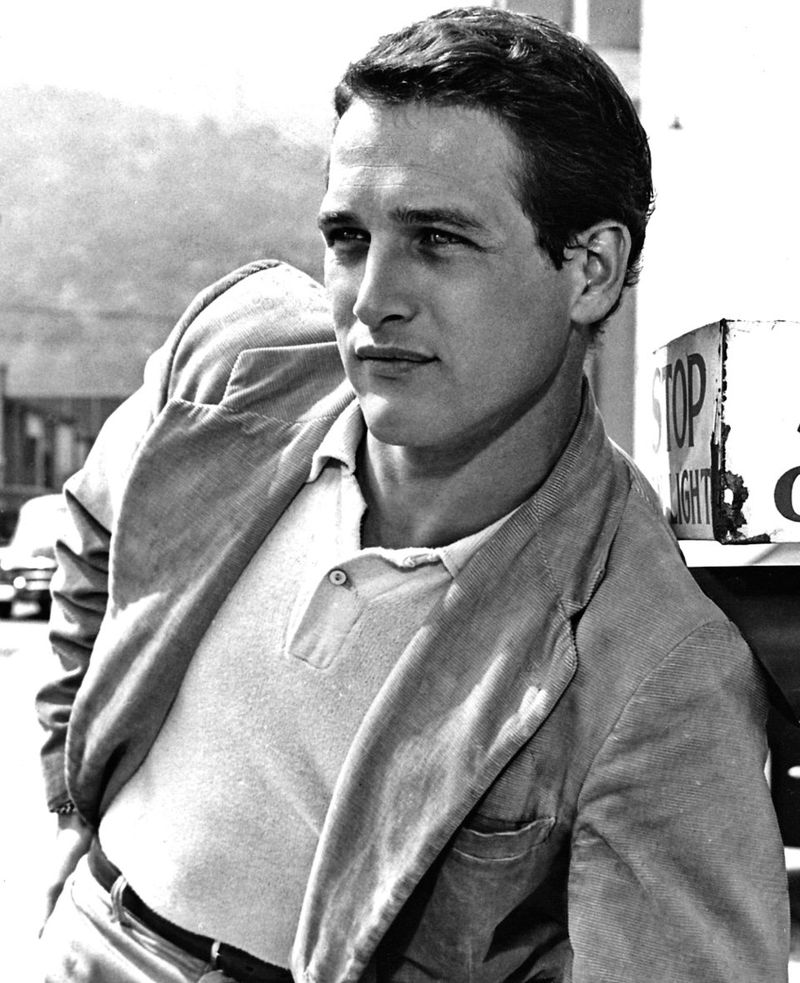
Fast Eddie Felson picked up his pool cue again, proving Martin Scorsese could work magic with any genre.
Paul Newman reprised his iconic role from The Hustler alongside a young Tom Cruise, creating mentor-student dynamics filled with hustle, ambition, and redemption.
Gritty pool halls transformed into high-stakes stages where character and skill collided under neon lights and late-night haze.
Long-overdue Oscar recognition finally arrived for Newman while he taught audiences that second chances sometimes appear decades later than expected.
Masterful cinematography and sharp dialogue ensured this sequel earned its place among the greatest sports dramas in cinematic history.
6. The Fly

Body horror reached disturbing new heights when David Cronenberg reimagined this sci-fi tale with stomach-churning special effects.
Jeff Goldblum portrayed scientist Seth Brundle, whose teleportation experiment merged his DNA with a common housefly in increasingly grotesque ways.
Transformation sequences shocked viewers while exploring themes of obsession, decay, and humanity’s fragile boundaries.
Practical effects teams created nightmare fuel that still makes audiences squirm four decades later, proving CGI isn’t always necessary for horror.
7. Blue Velvet

David Lynch peeled back suburban America’s wholesome facade to reveal darkness lurking beneath manicured lawns.
Kyle MacLachlan discovered a severed ear in a field, launching an investigation into mystery, obsession, and Dennis Hopper’s terrifying Frank Booth.
The film blended surrealism with noir, creating an unsettling atmosphere where nightmares invaded daylight reality.
Audiences either loved or hated Lynch’s vision, but nobody could deny its haunting power to disturb comfortable assumptions about normalcy.
8. Hannah And Her Sisters

Woody Allen orchestrated a quintessential New York ensemble piece exploring love, jealousy, and family dynamics across multiple storylines.
Mia Farrow anchored the film as Hannah, while Michael Caine and Dianne Wiest delivered Oscar-winning performances navigating deeply interconnected romantic complications.
The narrative unfolded across three successive Thanksgiving celebrations, capturing Manhattan’s intellectual circles with trademark wit and emotional honesty.
Viewers recognized their own relationship struggles reflected in characters who searched for meaning between family dinners and existential crises.
Masterful writing and structural depth solidified this film’s reputation as one of the most sophisticated comedies of the 1980s.
9. Hoosiers
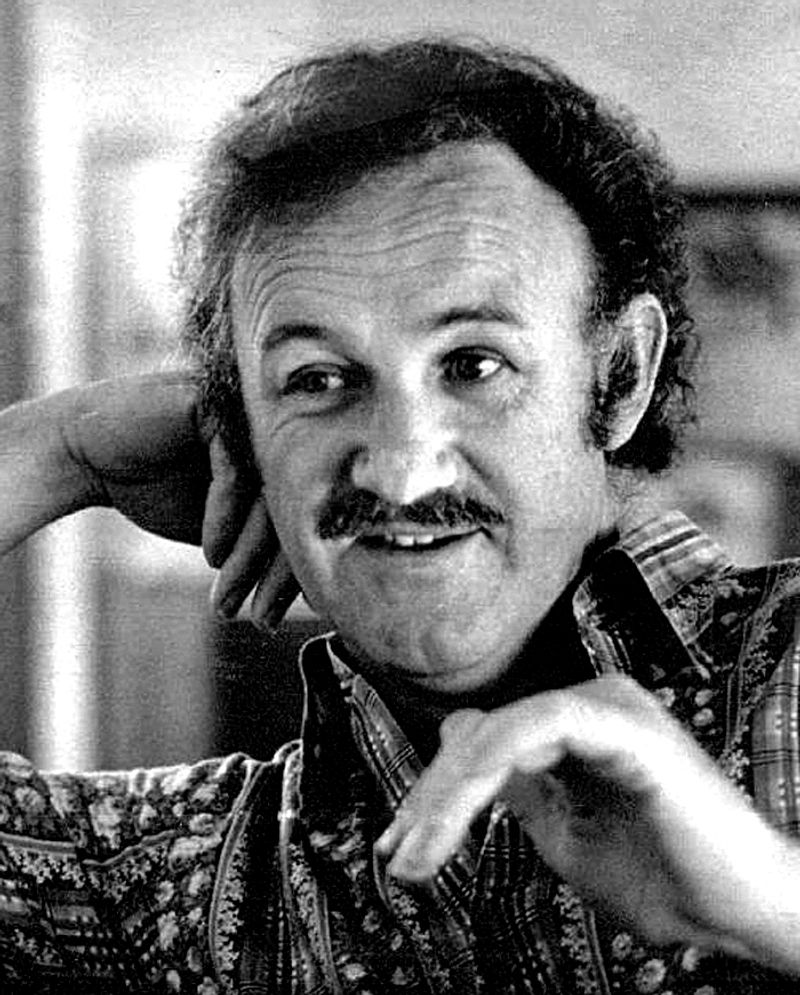
Small-town Indiana basketball became cinema gold when Gene Hackman coached a underdog team toward state championship glory.
The film captured 1950s heartland America where high school sports united communities and second chances transformed troubled souls.
Dennis Hopper earned an Oscar nomination playing the town drunk who found redemption as assistant coach.
Sports movie formulas work when executed with this much heart, proving that fundamental storytelling never goes out of style regardless of era.
10. Crocodile Dundee
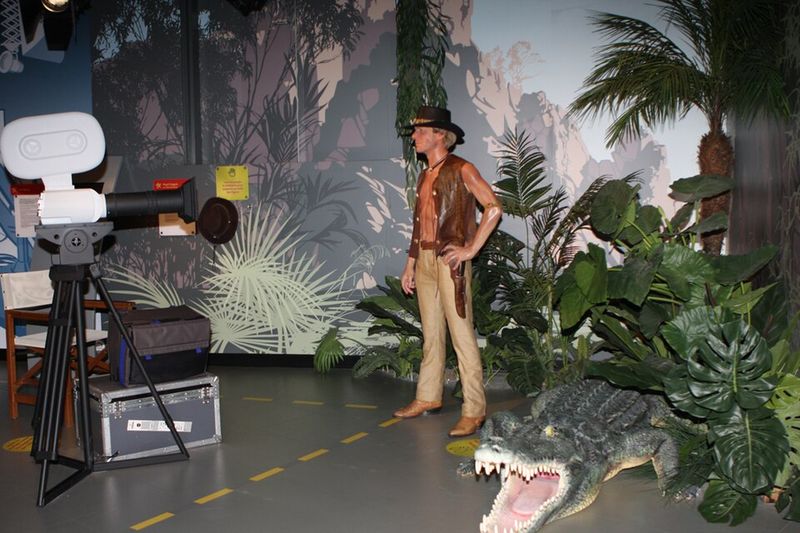
Australia’s Outback met Manhattan when Paul Hogan introduced the world to Mick Dundee, a bushman navigating urban jungles.
Fish-out-of-water comedy elements fueled an international phenomenon, showcasing Australian culture while charming audiences with genuine warmth.
Hogan’s laconic humor and survival skills contrasted hilariously with New York sophistication, creating memorable moments involving knives and muggers.
Universal themes within a regional story allowed a surprise blockbuster to conquer global box offices without massive Hollywood budgets.
Mick Dundee remains a legendary cinematic icon who bridged the gap between the rugged wilderness and the bustling city streets.
11. The Karate Kid Part II

Daniel LaRusso traveled to Okinawa where Mr. Miyagi’s past emerged, revealing deeper layers to the beloved mentor-student relationship.
Ralph Macchio faced new challenges in Japan while learning that karate’s true lessons transcend tournament competition.
The sequel expanded the franchise’s emotional scope by exploring honor, tradition, and reconciliation against beautiful Japanese landscapes.
Fans discovered that wax-on, wax-off philosophy applied universally, whether facing bullies in California or adversaries overseas seeking revenge.
12. Star Trek IV: The Voyage Home

Kirk and crew time-traveled to 1980s San Francisco on a mission to save humpback whales and Earth’s future.
Leonard Nimoy directed a lighter Trek installment that balanced environmental messages with comedy, as Spock learned colorful metaphors.
Audiences outside the usual fanbase welcomed the film for its fish-out-of-water humor and optimistic vision of humanity.
Watching Scotty talk into a computer mouse reminded viewers that even advanced civilizations find primitive technology hilariously baffling.
Cinematic sci-fi reached a heartwarming peak through this unique blend of space exploration and modern-day environmentalism.
13. Labyrinth

Jim Henson created a puppet-filled fantasy world where David Bowie ruled as Jareth, the Goblin King with impossible hair.
Jennifer Connelly navigated the elaborate maze to rescue her baby brother, encountering creatures that blended whimsy with mild menace.
Bowie’s musical numbers and androgynous costumes added surreal elements that confused and captivated young viewers simultaneously.
The film became a cult classic despite initial box office disappointment, proving some magic takes time to fully appreciate.
14. Highlander

Immortal warriors battled across centuries while Queen’s soundtrack thundered, creating a mythology that spawned franchises and catchphrases.
Christopher Lambert portrayed Connor MacLeod, learning that there can be only one survivor in the eternal fight for “The Prize.”
Scenes jumped between modern New York and medieval Scotland, weaving romance, sword fights, and existential loneliness into a fantasy adventure.
Despite plot inconsistencies, bold vision and epic scope earned the movie devoted fans who still debate Quickening rules today.
Sean Connery added star power as the eccentric mentor Ramirez, teaching MacLeod that life is a race through time.
15. Big Trouble In Little China
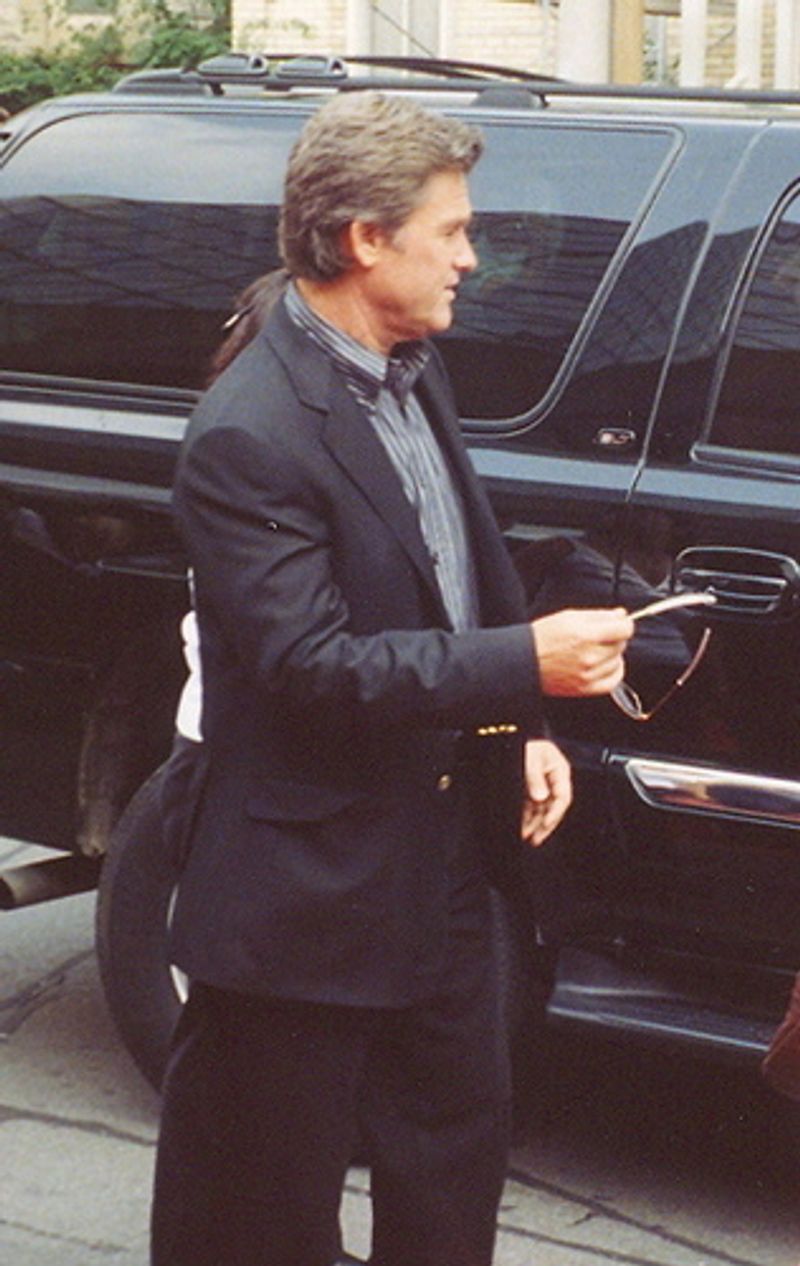
Kurt Russell swaggered through San Francisco’s mystical underworld as Jack Burton, a truck driver hilariously out of his depth.
John Carpenter blended martial arts, comedy, and supernatural horror into a cult classic that defied genre classification.
The film subverted hero tropes by making the white protagonist incompetent while Asian characters displayed actual skill and wisdom.
Box office failure couldn’t diminish this wild ride’s eventual recognition as an inventive, self-aware action comedy decades ahead of its time.
16. The Mission
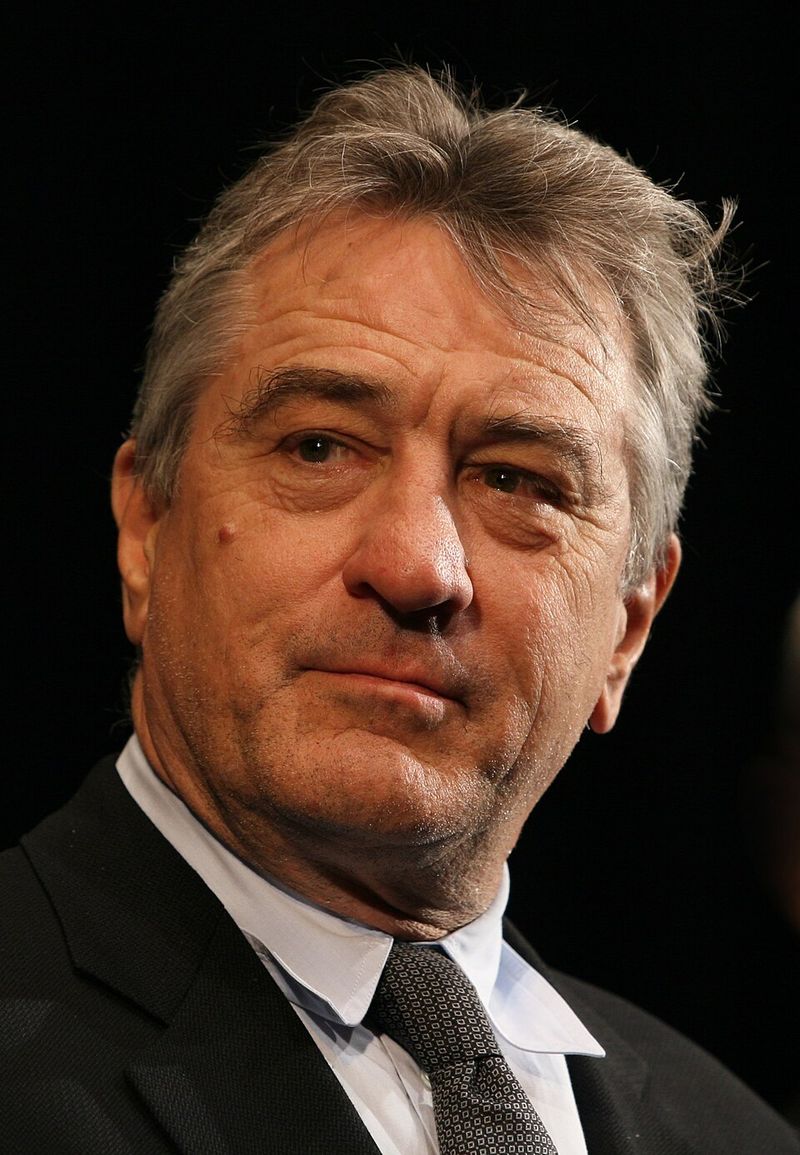
Jesuit priests and mercenaries clashed in 18th-century South America as colonialism threatened indigenous communities and spiritual missions.
Robert De Niro and Jeremy Irons anchored a visually stunning epic that examined faith, redemption, and political power.
Ennio Morricone’s haunting score elevated the film’s emotional impact, particularly during scenes of sacrifice and waterfall imagery.
Moral complexities challenged viewers to consider where religious conviction, violence, and exploitation intersected throughout colonial history.
Palme d’Or recognition at Cannes solidified this masterpiece as a definitive exploration of the struggle between spiritual ideals and worldly greed.
17. The Name Of The Rose
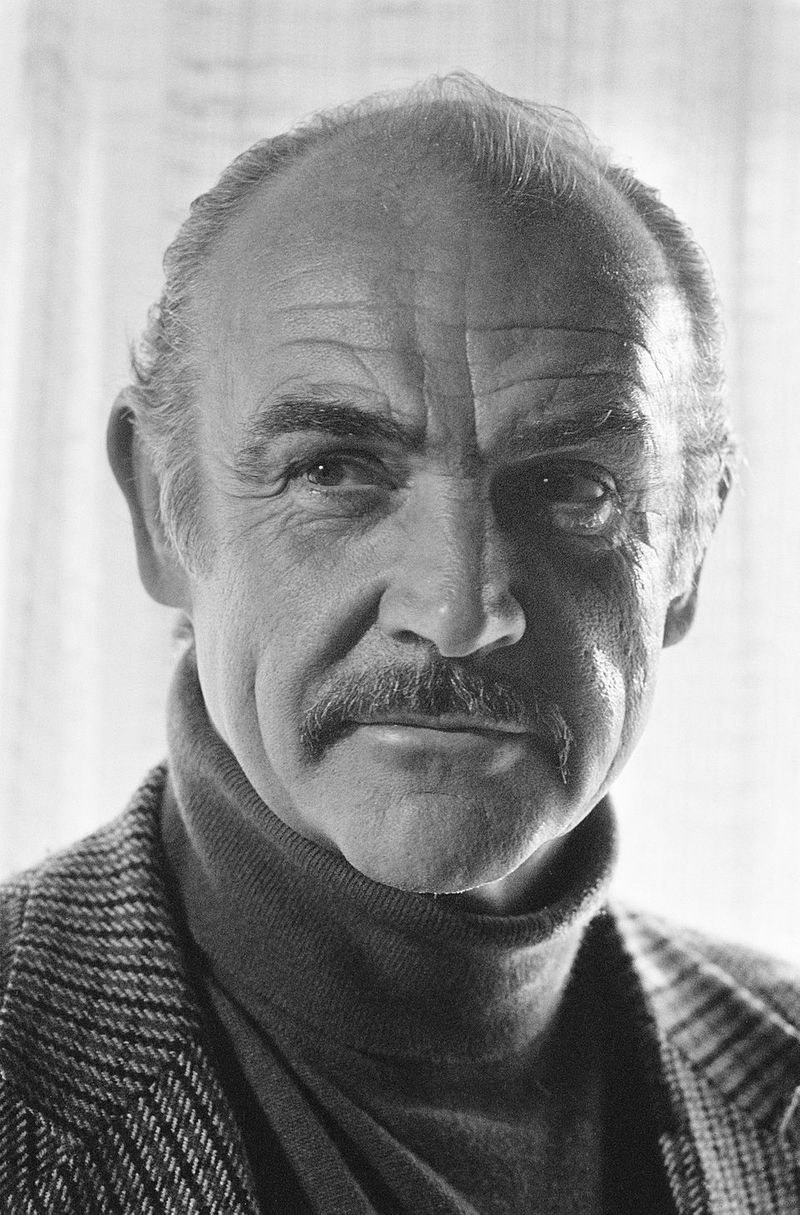
Medieval monasteries harbored deadly secrets when Sean Connery played Franciscan friar William investigating mysterious murders.
Based on Umberto Eco’s novel, the film combined intellectual mystery with period atmosphere, exploring knowledge, superstition, and forbidden texts.
The labyrinthine library became a character itself, representing both enlightenment and danger in an age of religious control.
Connery brought gravitas to philosophical dialogue while navigating political intrigue, proving literary adaptations could balance thought and entertainment successfully.
18. Stand By Me

Four boys embarked on a journey to find a dead body, but discovered friendship, courage, and childhood’s end instead.
Rob Reiner adapted Stephen King’s novella into a tender coming-of-age story anchored by young Wil Wheaton, River Phoenix, and Corey Feldman.
Oregon railroad tracks became a path toward maturity as the friends confronted bullies, family troubles, and mortality.
Audiences recognized their own youthful adventures in this bittersweet tale about bonds formed during life’s most formative summers.
Ben E. King’s classic title track provided the perfect nostalgic heartbeat for a film that remains the definitive portrait of adolescent brotherhood.
19. Castle In The Sky
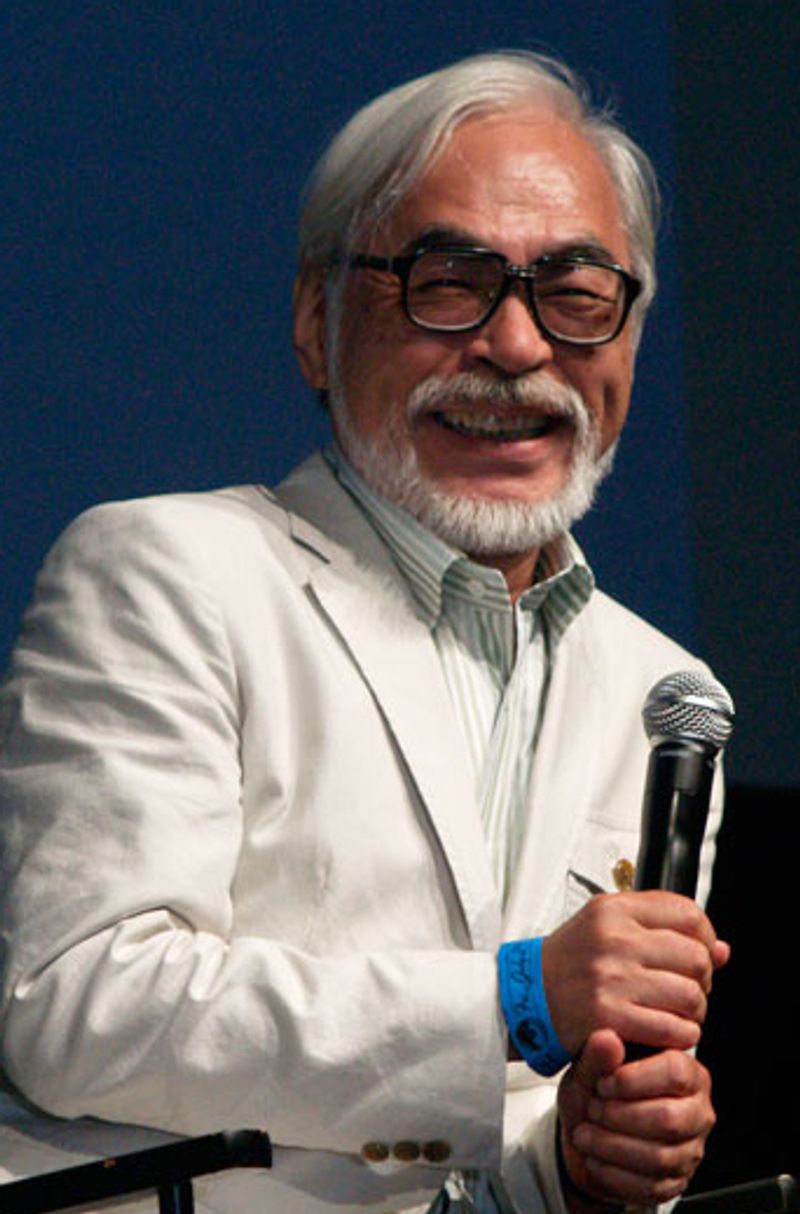
Hayao Miyazaki launched Studio Ghibli’s legendary run with an airborne adventure featuring floating islands and ancient technology.
Young orphans Pazu and Sheeta searched for Laputa while escaping sky pirates and government agents seeking the legendary city’s power.
Breathtaking hand-drawn animation showcased Miyazaki’s signature blend of environmental themes and strong heroines.
Western audiences discovered Japanese animation’s storytelling depth through a gateway film that proved cartoons could convey profound wonder and imagination.
Orchestral scores by Joe Hisaishi breathed life into every frame, cementing the movie’s status as a timeless masterpiece of world cinema.
20. The Money Pit
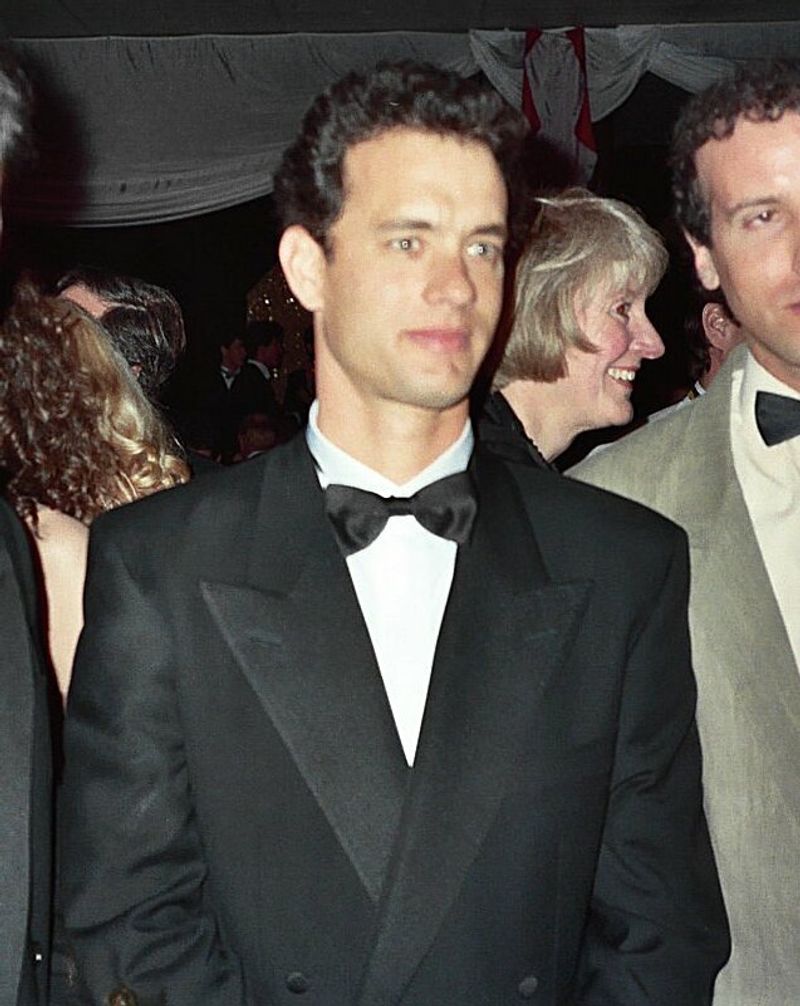
Homeownership nightmares became comedy gold when Tom Hanks and Shelley Long purchased their dream house, which promptly fell apart.
Every renovation revealed new disasters, from collapsing staircases to exploding plumbing, testing the couple’s relationship and sanity.
Hanks delivered physical comedy brilliance, particularly during his famous hysterical laughter scene amid mounting chaos.
Anyone who has tackled home repairs recognizes the escalating frustration when simple fixes become expensive catastrophes requiring professional intervention immediately.