19 Coldest Countries In The World Where Winter Never Feels Far Away
Summer can be on the calendar and some countries still look like they are holding a grudge against warmth.
Snow lingers, wind bites, and local forecasts have a talent for sounding mildly threatening even on a good day.
Cold in these places is not just a season that sweeps in and politely leaves. It hangs around like an uninvited extra in every outdoor plan.
Maps make them look distant and dramatic, but the real appeal is how normal life keeps rolling in places where most people would lose the will to unzip their coat.
Cities stay busy, roads stay moving, and somebody is definitely out there acting like minus temperatures are a minor inconvenience.
Each country on this list has built a reputation around serious cold, the kind that can humble travelers fast and make “bring a jacket” sound like a criminal understatement.
Disclaimer: This article is intended for general informational and entertainment purposes only. Weather patterns, seasonal conditions, and climate extremes can vary by region and over time, and individual experiences of cold may differ.
1. Russia
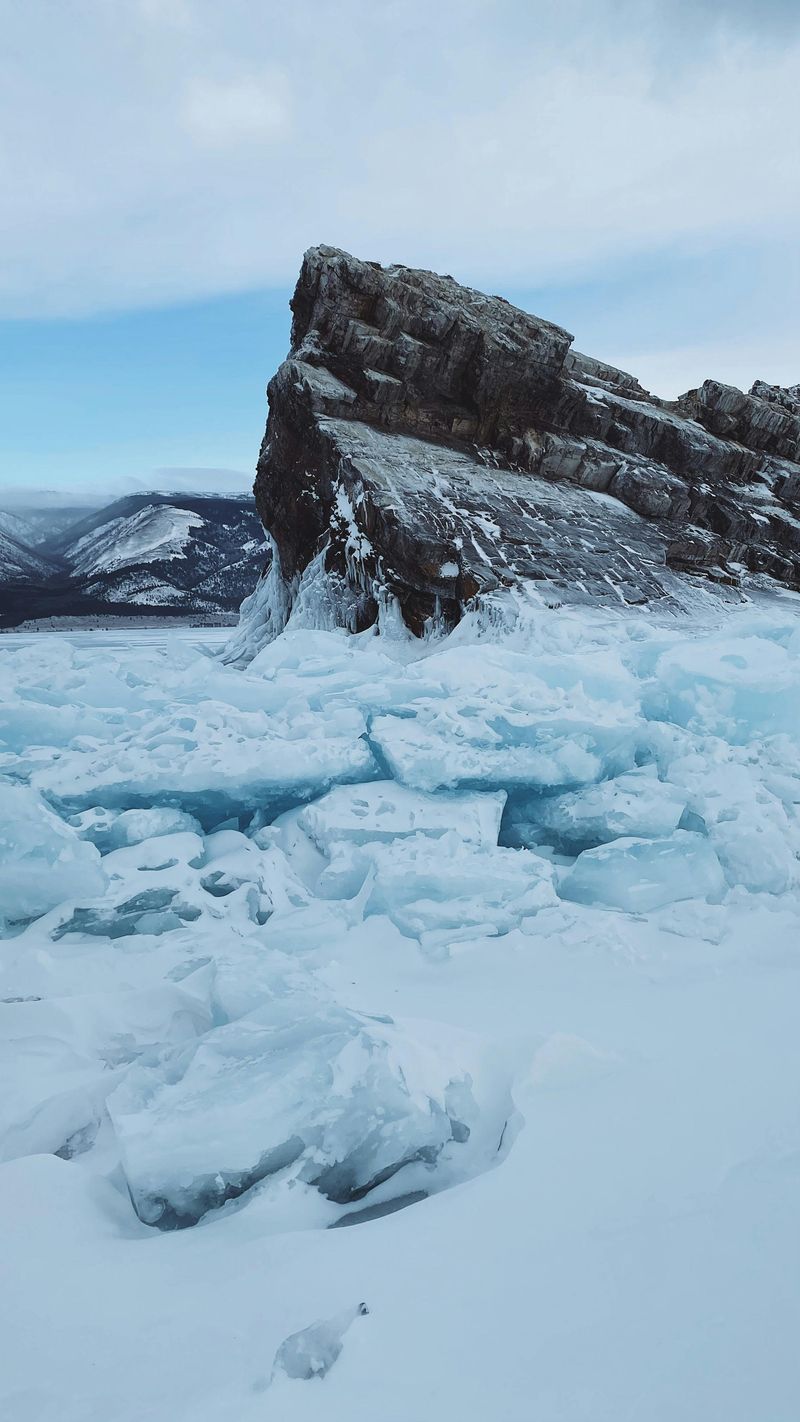
Spanning eleven time zones, Russia holds the title for being one of Earth’s most frigid nations with an average temperature hovering around negative 36.5 degrees Fahrenheit.
Siberia alone could freeze your breath mid-air during January when temperatures plummet to staggering lows that make polar bears look cozy.
Winter here isn’t a season but a lifestyle. Cities like Yakutsk regularly see thermometers drop below negative 40 degrees, where even car engines need special heating systems just to start.
Yet Russians embrace this cold with hearty soups, fur hats, and an unshakeable spirit that laughs in the face of frostbite.
2. Canada
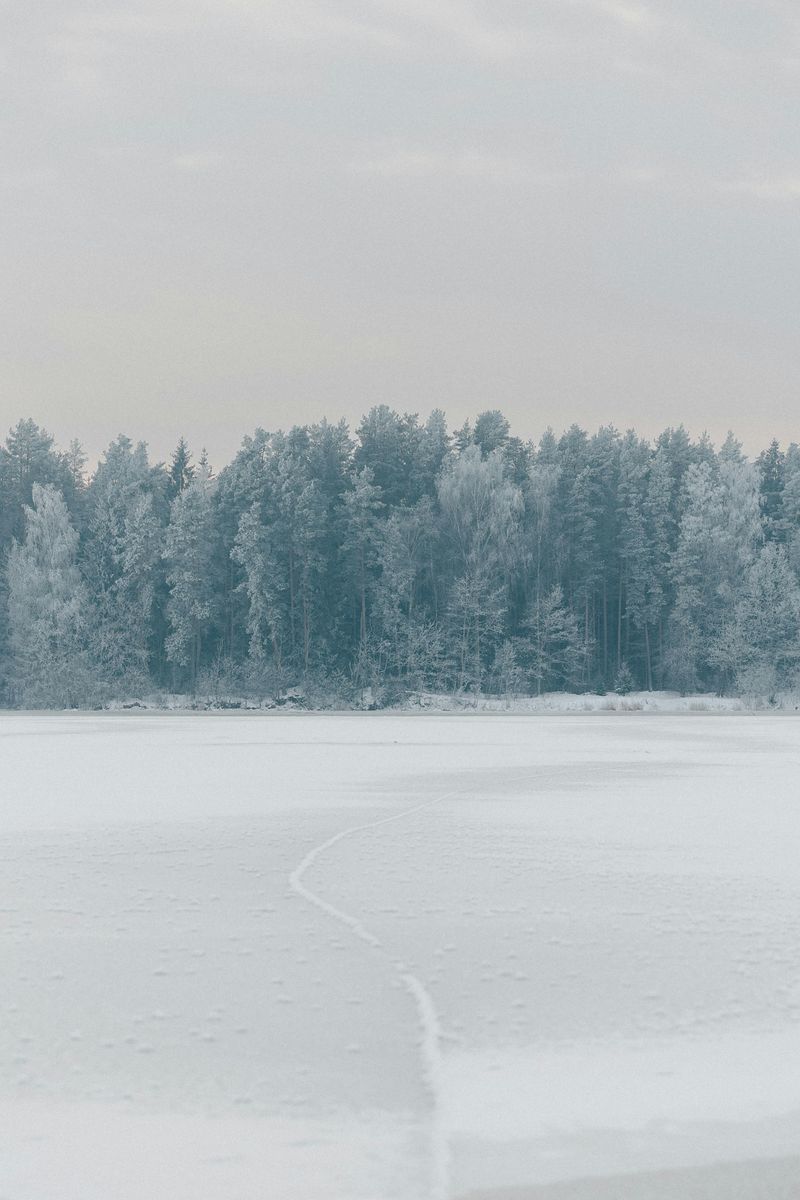
Picture this: a land so vast that winter stretches across prairie plains, mountain ranges, and arctic tundra simultaneously.
Canada’s average annual temperature sits at negative 2.14 degrees, making it North America’s icebox. The Yukon and Northwest Territories experience winters so extreme that entire communities rely on ice roads for transportation.
Hockey wasn’t invented here by accident. Canadians have perfected the art of thriving in cold, turning frozen ponds into playgrounds and snowstorms into opportunities for adventure.
From Quebec’s winter carnivals to Vancouver’s milder coastal chill, cold weather defines Canadian identity completely.
3. Tajikistan
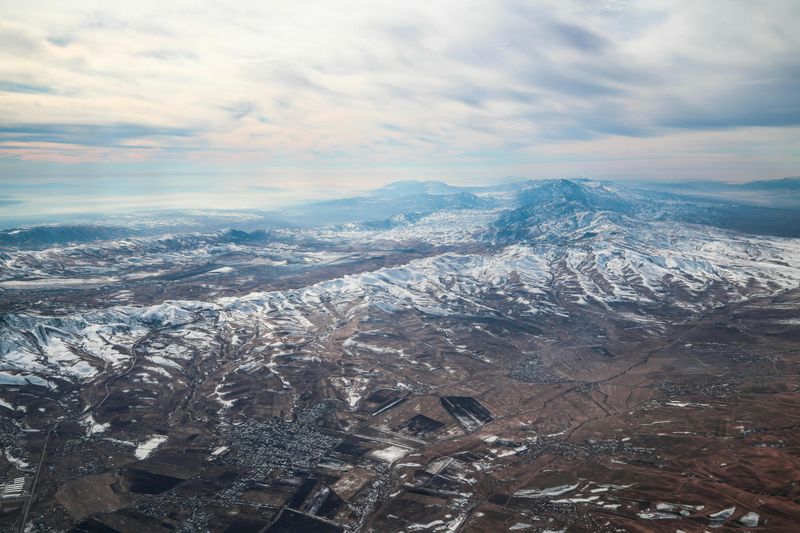
Tucked away in Central Asia’s mountainous heart, Tajikistan surprises many with its frigid credentials.
At 33.98 degrees Fahrenheit average temperature, this nation’s Pamir Mountains create natural refrigeration on a massive scale.
Villages perched at dizzying altitudes face winters that test human endurance limits daily.
What makes Tajikistan remarkable isn’t just the cold but how locals adapt. Ancient traditions of felt-making and communal heating keep families warm through months of isolation.
The Wakhan Corridor, bordering Afghanistan and China, becomes virtually impassable during winter, transforming communities into self-sufficient frozen kingdoms until spring arrives.
4. Kyrgyzstan
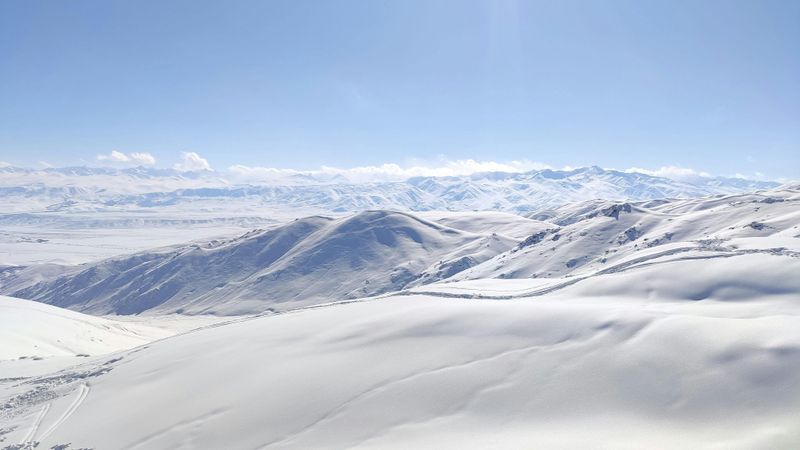
Nomadic heritage meets extreme cold in Kyrgyzstan, where average temperatures reach 34.7 degrees Fahrenhet.
The Tian Shan mountains dominate this landlocked nation, creating microclimates where winter lingers stubbornly even as spring teases lowland valleys.
Herders still migrate with livestock, following ancient patterns dictated by snowfall and grazing conditions.
Issyk-Kul Lake presents a fascinating paradox: despite brutal surrounding cold, this massive body of water never freezes completely.
Traditional yurts, those circular felt homes, provide surprisingly effective insulation against howling mountain winds.
5. Iceland
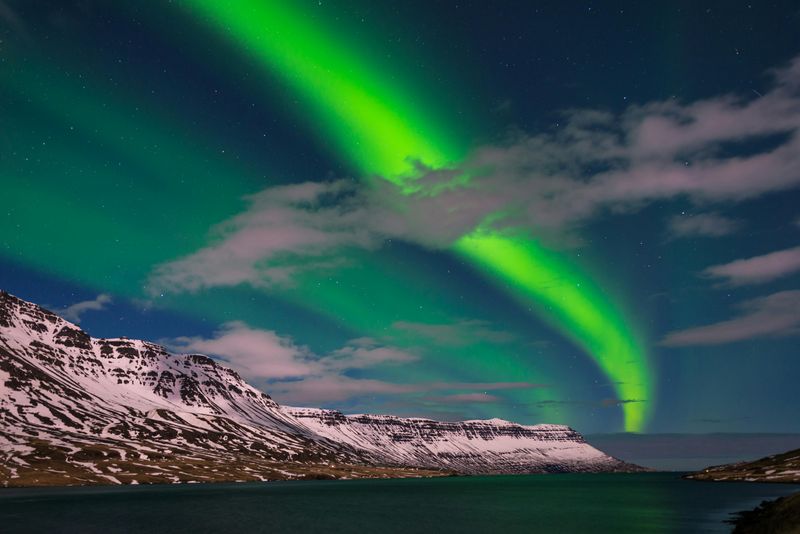
Ironically named, Iceland averages 35.5 degrees Fahrenheit, warmer than you’d expect for a nation sitting just below the Arctic Circle.
Credit the Gulf Stream’s warm currents for preventing this volcanic island from becoming completely uninhabitable.
Reykjavik rarely sees extreme cold, but wind chill factors make standing outside feel like facing nature’s hairdryer set to freeze.
Natural hot springs dot the landscape, creating surreal scenes where steam rises against backdrops of glaciers and snow.
Winter darkness lasts months, but locals combat seasonal blues with cozy culture and stunning aurora borealis displays.
6. Mongolia
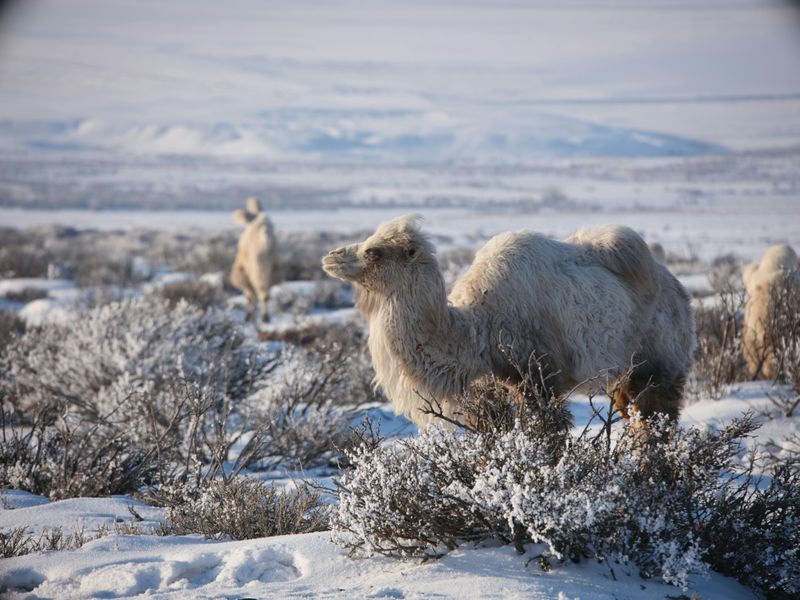
Endless steppes transform into frozen seas when winter grips Mongolia, where temperatures average 36.24 degrees Fahrenheit annually.
Ulaanbaatar holds the dubious honor of being Earth’s coldest capital city, where January temperatures routinely crash past negative 40 degrees.
Nomadic herders face dzuds, catastrophic winters where livestock freeze by the thousands. Surviving here requires toughness bred over millennia.
Winter here doesn’t just challenge humans but defines whether communities prosper or perish based on preparation and resilience.
7. Norway
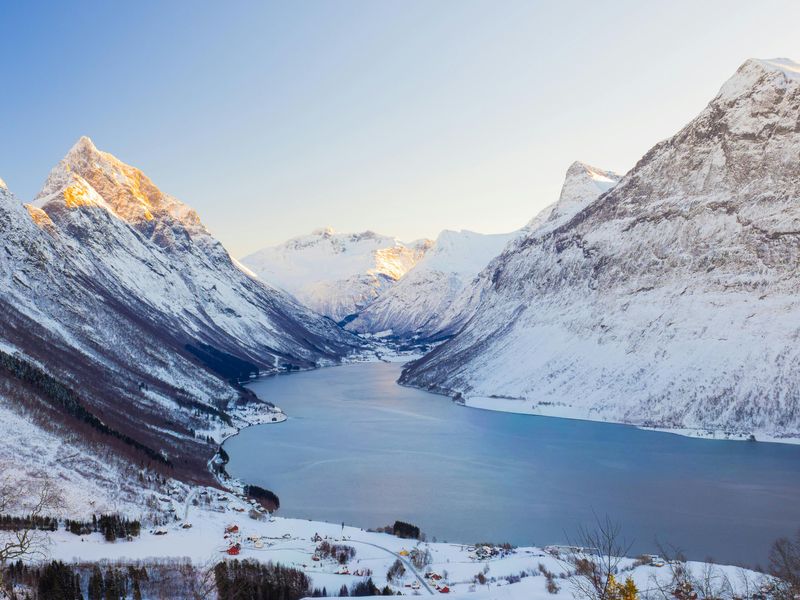
Fjords freeze into glassy corridors while northern regions disappear into polar night for months.
Norway’s 37.4 degrees Fahrenheit average masks dramatic regional variations, from relatively mild coastal areas to Finnmark’s arctic extremes.
Tromsø residents experience two months without seeing the sun, replaced by twilight’s perpetual blue glow.
Vikings didn’t conquer seas by accident; they learned sailing in conditions that would terrify modern mariners.
Today, Norwegians embrace winter through cross-country skiing, ice fishing, and hygge-inspired coziness.
8. Sweden
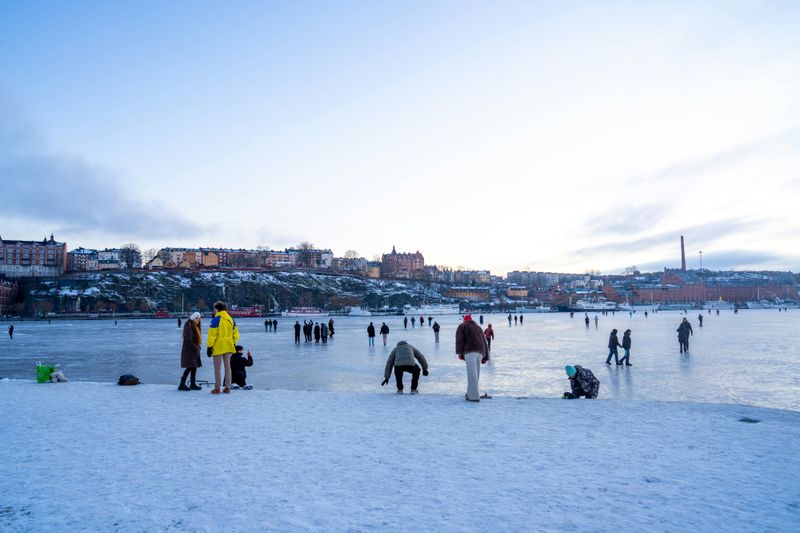
Fika takes on special meaning when temperatures average 40.19 degrees Fahrenheit and darkness dominates half the year.
Swedish Lapland experiences winters so profound that the Icehotel literally rebuilds itself annually from frozen river water.
Southern Sweden enjoys milder conditions, but Stockholm’s archipelago still freezes solid enough for ice-skating commutes.
The concept of lagom, finding balance, extends to cold weather management. Neither fighting winter nor surrendering to it, Swedes simply make peace with frost as a permanent houseguest.
9. Andorra
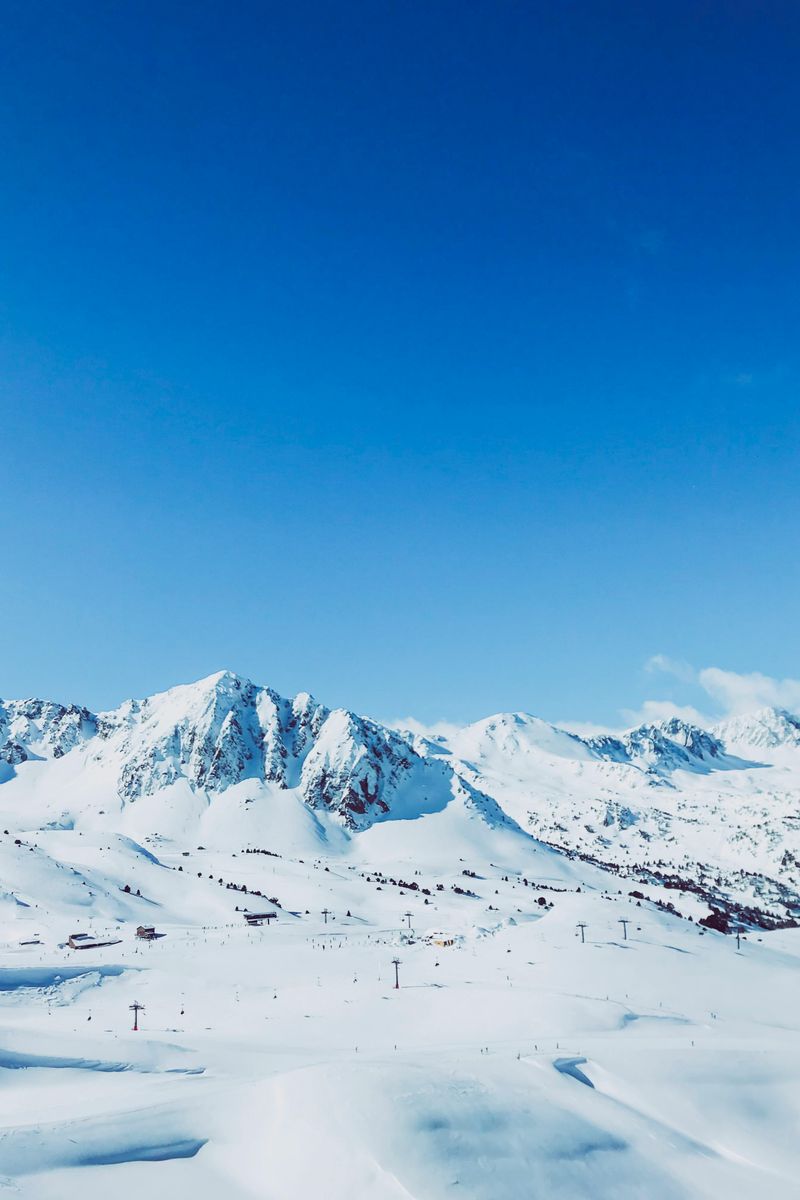
Squeezed between France and Spain, tiny Andorra punches above its weight in cold weather credentials. Averaging 43.21 degrees Fahrenheit, this microstate’s Pyrenees location guarantees serious winter conditions.
Ski resorts dominate the economy, attracting powder hounds from across Europe to slopes that receive consistent snowfall throughout winter months.
What Andorra lacks in size, it compensates with elevation. Valleys funnel cold air downward while peaks scrape clouds for moisture.
Medieval stone villages cling to mountainsides, their architecture evolved over centuries to shed snow and retain heat.
10. Switzerland
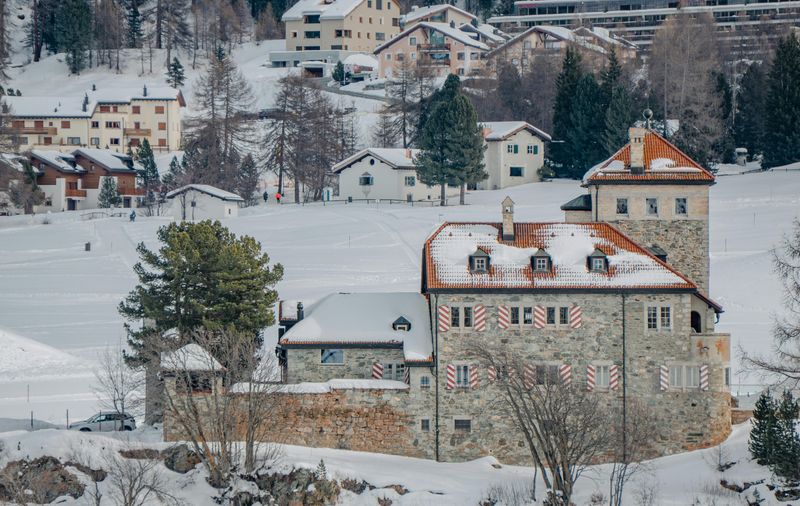
Chocolate, watches, and bone-chilling winters define Switzerland, where temperatures average 43.28 degrees Fahrenheit.
The Alps create microclimates ranging from Geneva’s relatively temperate lakeside to Zermatt’s high-altitude deep freeze.
Trains tunnel through mountains, emerging into winter wonderlands where chalets nestle against slopes like gingerbread houses in powdered sugar.
Swiss engineers have perfected avalanche control, turning dangerous mountainsides into controlled ski paradises. Winter sports tourism funds much of the economy, making snow literally worth its weight in gold here.
11. Estonia
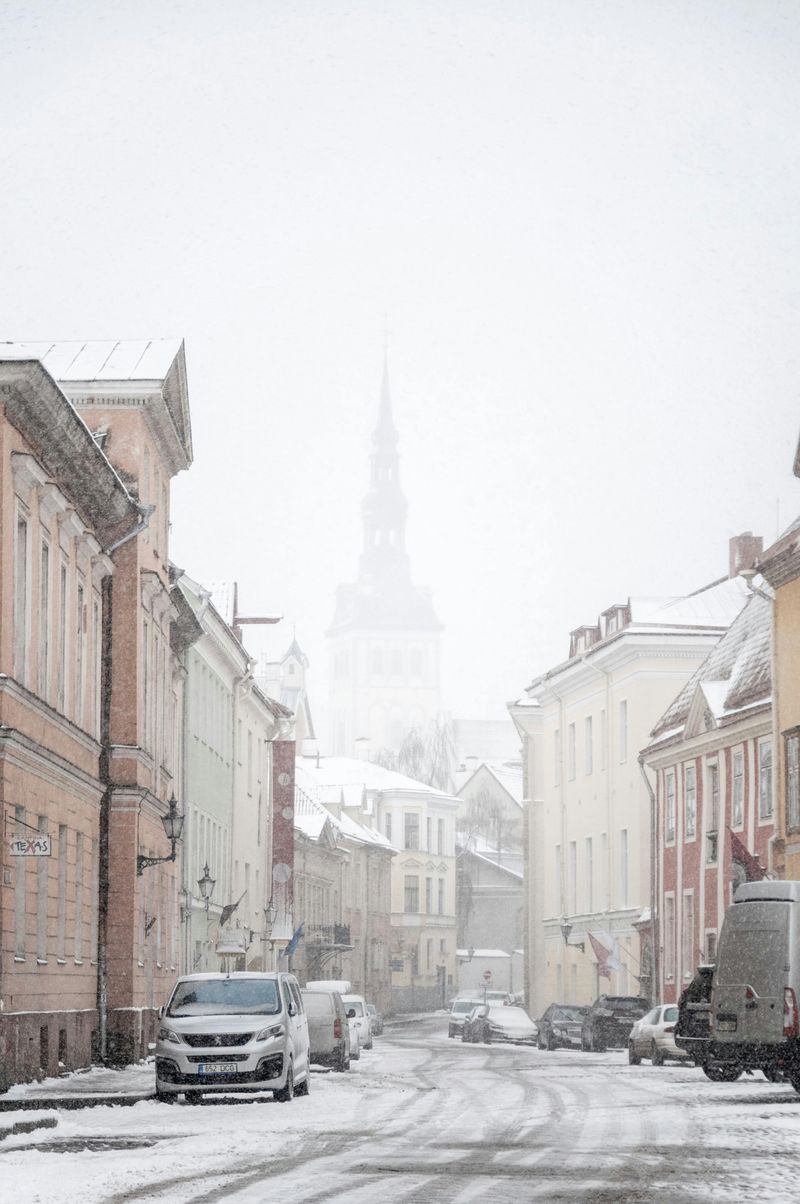
Baltic winds sweep across Estonia’s forests and bogs, creating average temperatures of 44.85 degrees Fahrenheit.
Tallinn’s medieval Old Town transforms into a fairytale under snow, its cobblestones becoming treacherous ice rinks by December.
Lakes freeze thick enough for ice fishing, a national pastime that combines patience with frostbite risk.
Estonia leads Europe in e-governance, perhaps because staying indoors makes sense when winter lasts half the year. Saunas provide essential warmth and social bonding, a tradition predating Christianity.
12. Latvia
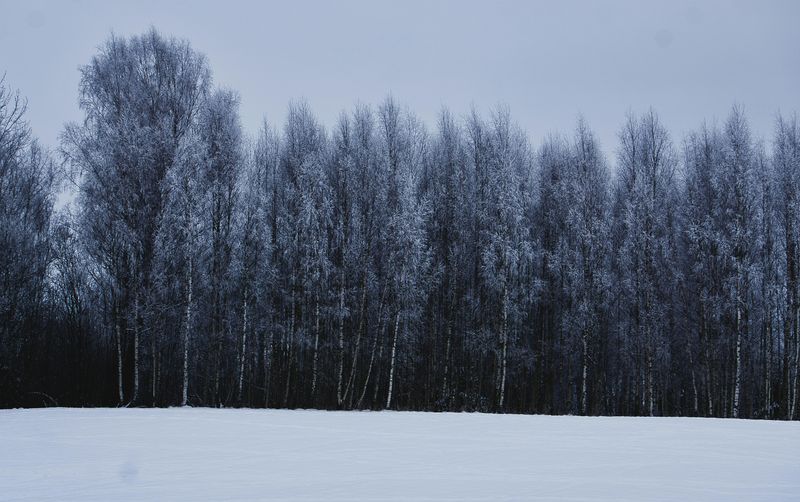
Sandwiched between Estonia and Lithuania, Latvia experiences 45.6 degrees Fahrenheit average temperatures that define Baltic cold.
Riga’s Art Nouveau buildings wear snow like elaborate frosting, while countryside forests become silent white cathedrals.
The Daugava River freezes periodically, though climate change has made solid ice less reliable than grandparents remember.
Midsummer celebrations get attention, but Latvians truly shine during winter darkness. Traditional mitten patterns are cultural repositories encoding ancient symbols and regional identities.
13. Austria
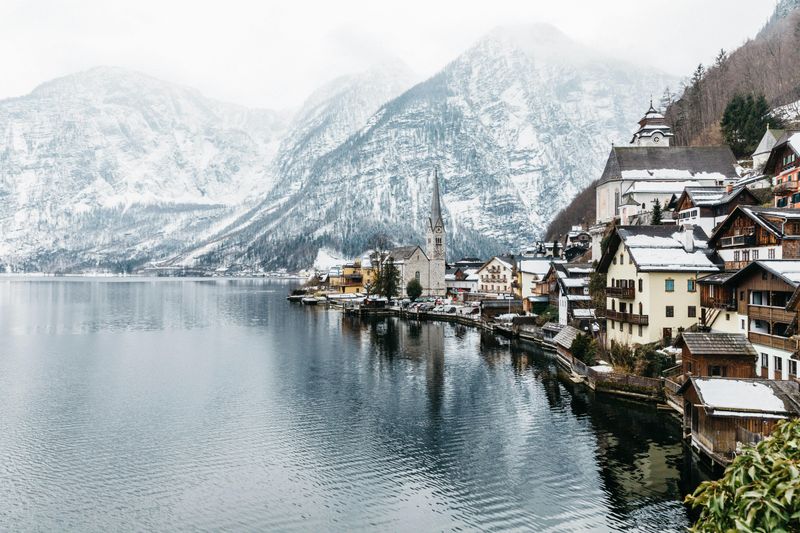
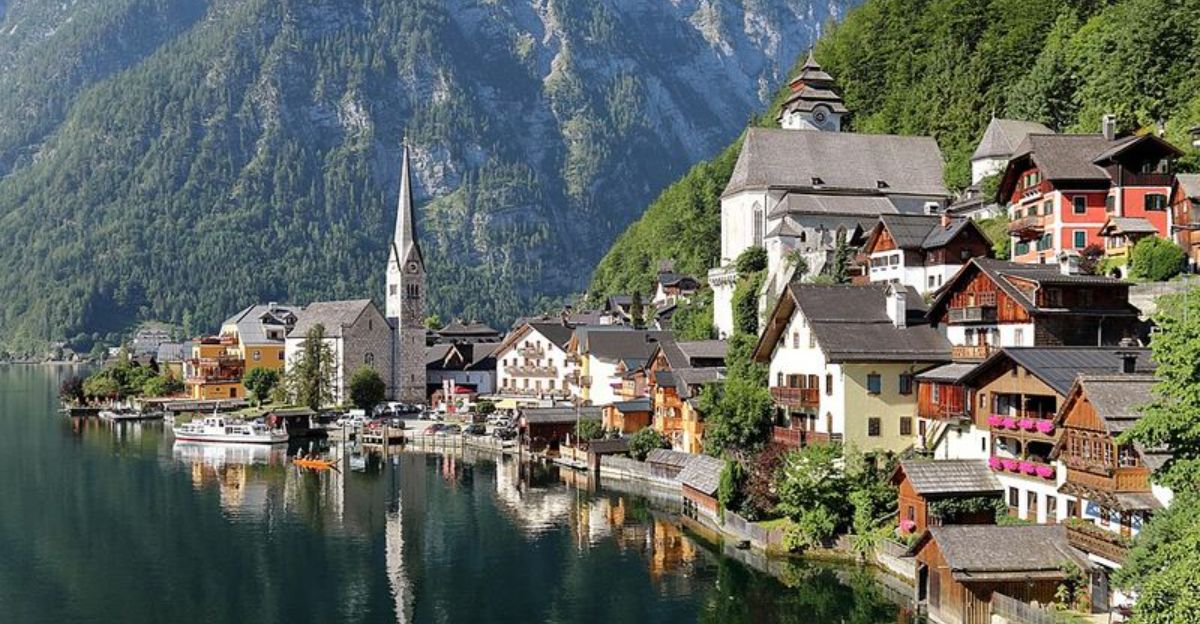
Vienna waltzes might warm hearts, but Austria’s 45.89 degrees Fahrenheit average keeps bodies bundled tight. The Alps dominate western regions, creating legendary ski destinations like Innsbruck and St. Anton.
Eastern plains experience continental cold where Danube winds cut through layers like frozen knives. Coffee house culture evolved partly as winter refuge where intellectuals could debate while staying warm.
Austria perfected the balance between embracing winter sports tourism and maintaining cozy urban culture.
Christmas markets transform cities into glowing wonderlands where mulled wine combats December’s bitter chill beautifully.
14. Kazakhstan
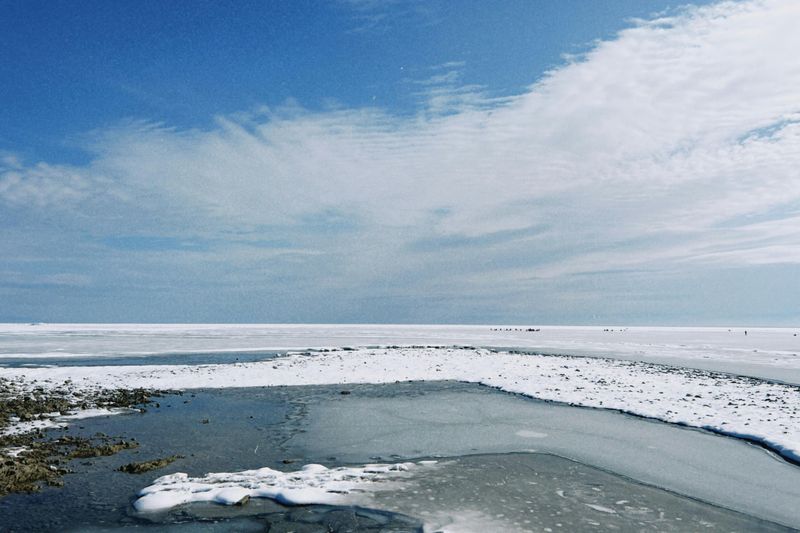
Stretching across Central Asian steppes, Kazakhstan averages 46 degrees Fahrenheit with extreme continental temperature swings.
Astana (now Nur-Sultan) ranks among Earth’s coldest capitals, where modern futuristic architecture battles ancient cold.
Winter temperatures plunge so dramatically that locals joke about needing passports to travel between seasons.
Kazakhs developed kumis, fermented mare’s milk, partly for winter nutrition when fresh foods disappeared.
The steppe offers zero protection from Siberian winds that sweep southward unobstructed. Yet hospitality remains warm; guests receive the best cuts of meat and warmest spots near stoves.
15. Finland
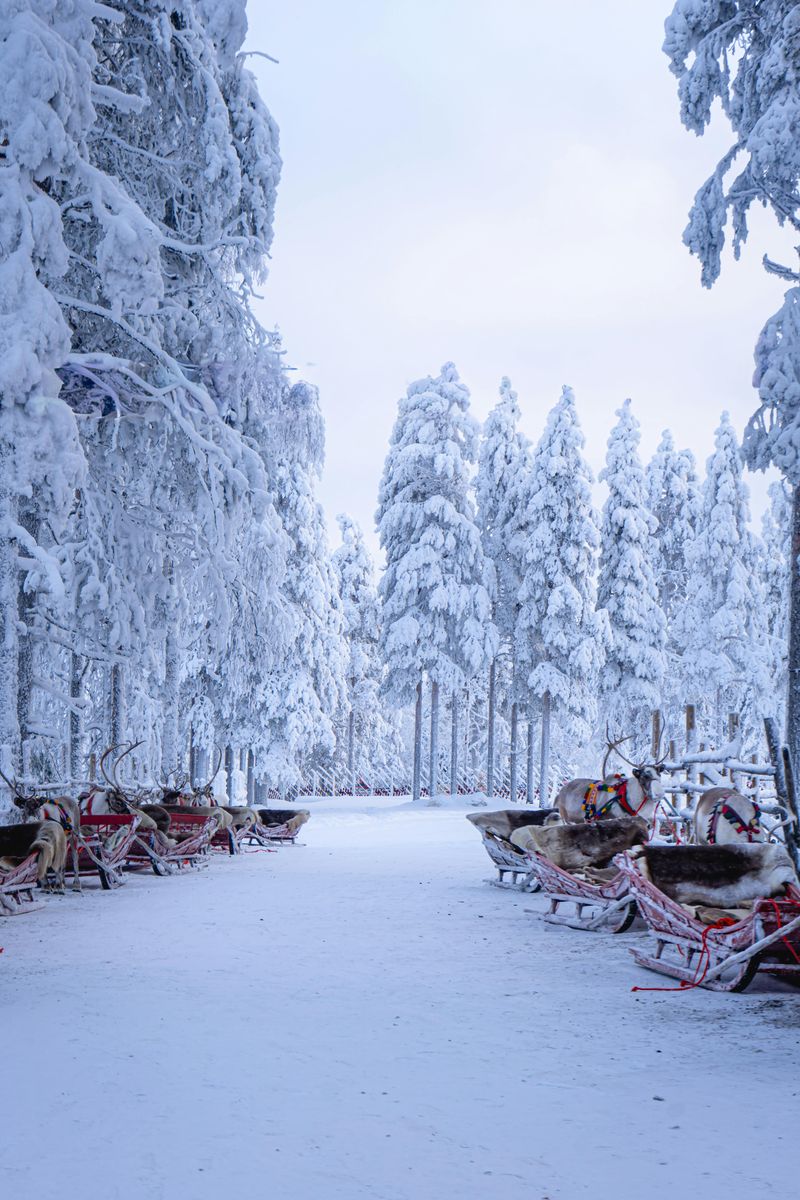
Sisu, that untranslatable Finnish grit, makes perfect sense when temperatures average 46 degrees Fahrenheit.
Lapland disappears into polar night where reindeer outnumber humans and northern lights dance across frozen skies.
Helsinki enjoys milder coastal conditions, but even there, winter dominates calendars and psyches from November through March.
Saunas aren’t luxury here but survival equipment. Nearly every home includes one, providing heat, hygiene, and social bonding during long dark months.
Ice swimming follows sauna sessions, a practice that seems insane until you understand how Finns embrace cold rather than fight it.
16. Armenia
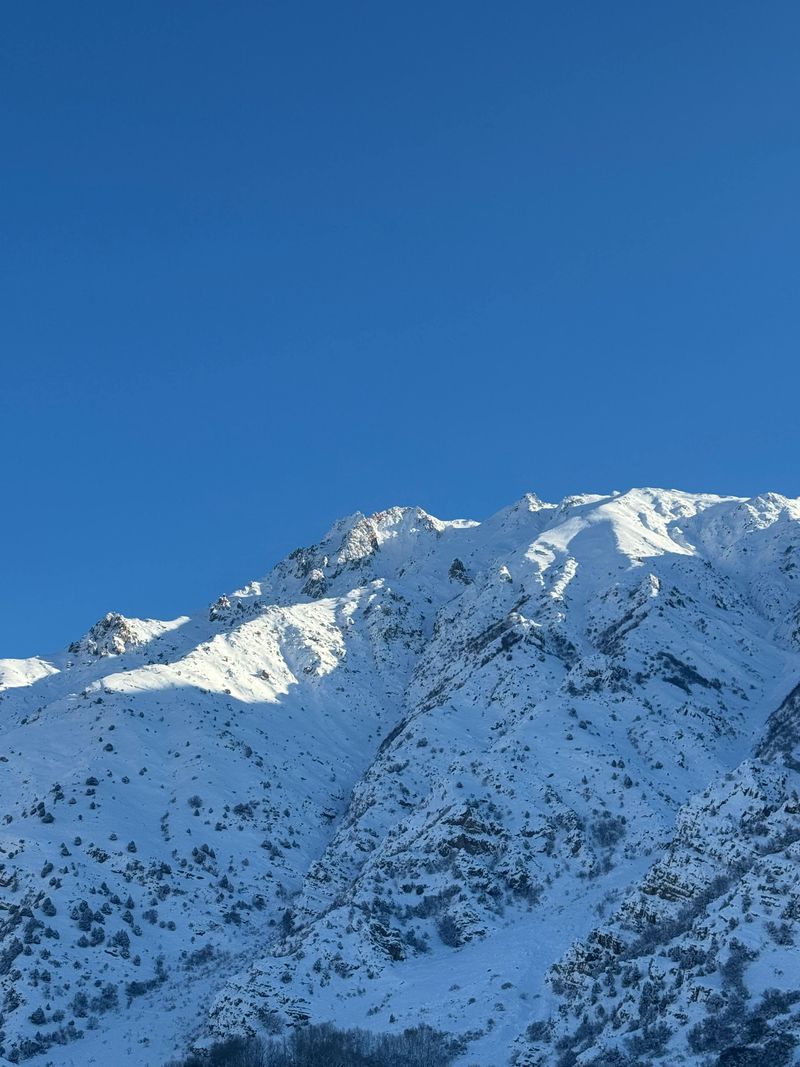
Ancient monasteries perch on mountainsides where average temperatures reach 45.23 degrees Fahrenheit.
Armenia’s landlocked position creates continental extremes, with Yerevan experiencing both scorching summers and freezing winters.
Lake Sevan, one of world’s highest alpine lakes, becomes partially frozen artwork each winter.
Armenian architecture evolved thick stone walls and small windows specifically for heat retention. The Caucasus Mountains trap cold air in valleys, creating microclimates where winter lingers stubbornly.
Despite challenges, Armenians maintained culture and identity through centuries, partly because harsh winters isolated and preserved traditions from outside influences.
17. China
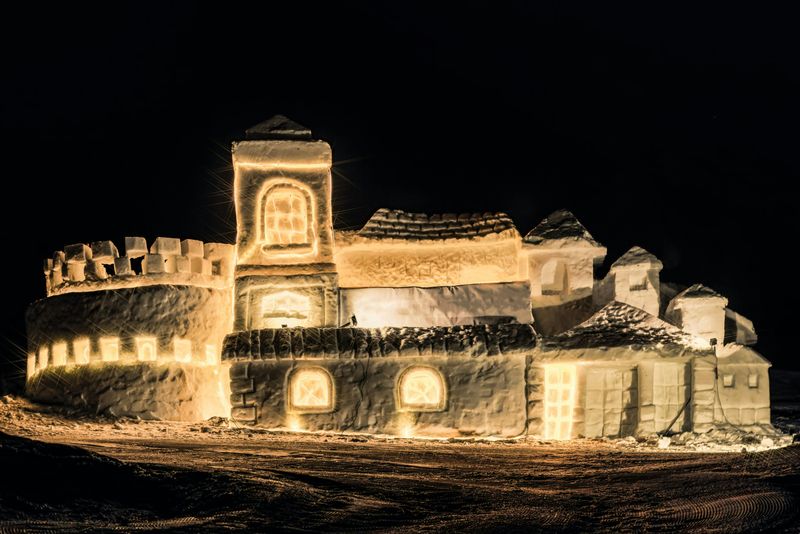
Averaging 46.45 degrees Fahrenheit nationally masks China’s vast climatic diversity.
Harbin in Heilongjiang Province hosts ice festivals where sculptors carve frozen masterpieces from Songhua River ice.
Meanwhile, southern regions enjoy subtropical warmth, creating a nation where winter means completely different things depending on latitude.
The Great Wall snakes across mountains that become treacherously icy each winter. Northern Chinese developed kang, heated brick beds, for sleeping warmth.
Hot pot dining gained popularity partly because shared boiling broths provide both nutrition and heat.
18. Belarus
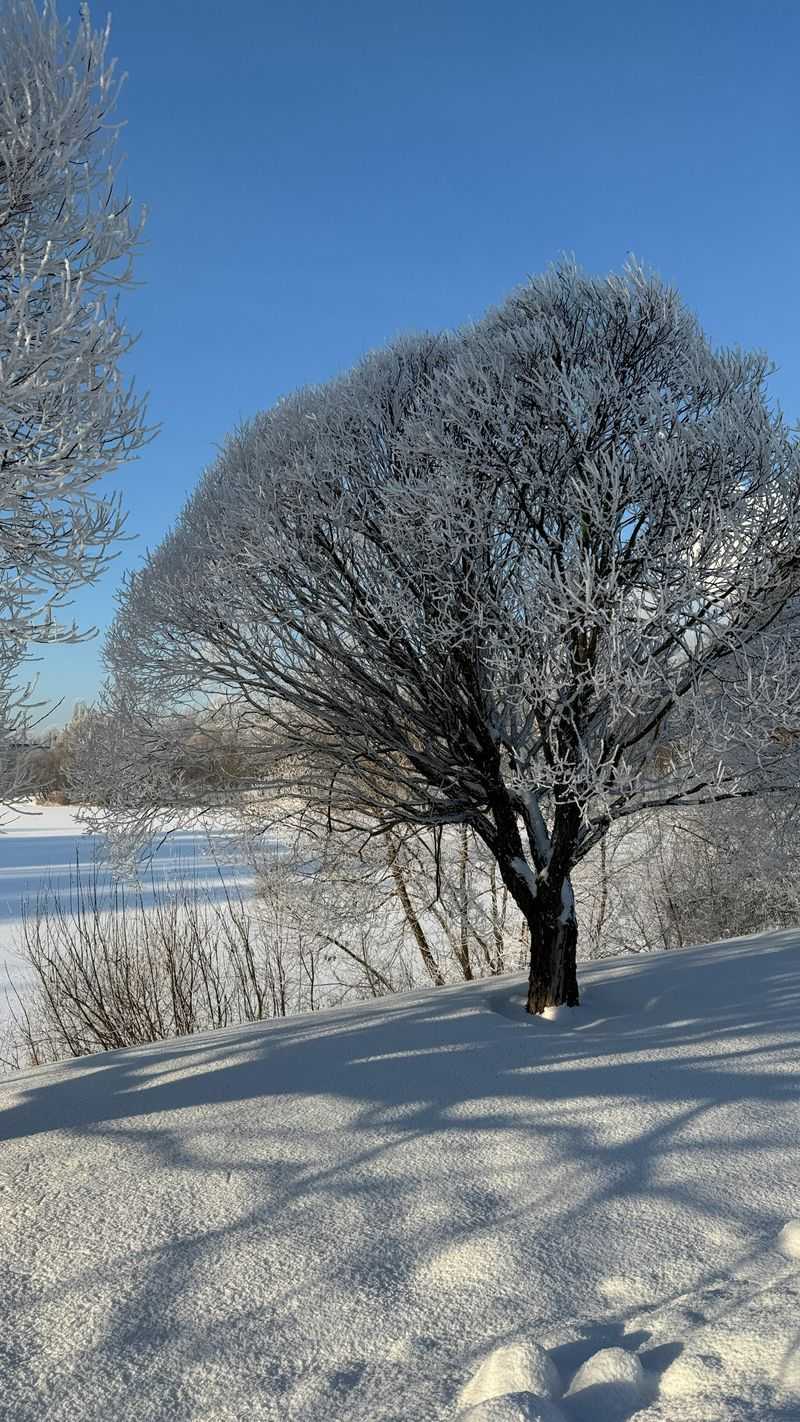
Forests blanket this landlocked nation where temperatures average 46.45 degrees Fahrenheit. Belarus experiences proper continental winters with reliable snow cover and frozen waterways.
Minsk’s Soviet-era architecture seems designed for winter, all concrete functionality prioritizing heat retention over aesthetic charm.
The Pripyat Marshes, Europe’s largest wetlands, freeze into eerie landscapes where wildlife struggles and humans rarely venture.
Winter here feels timeless, as if modern conveniences merely scratch the surface of ancient seasonal rhythms that truly govern life.
19. Lithuania
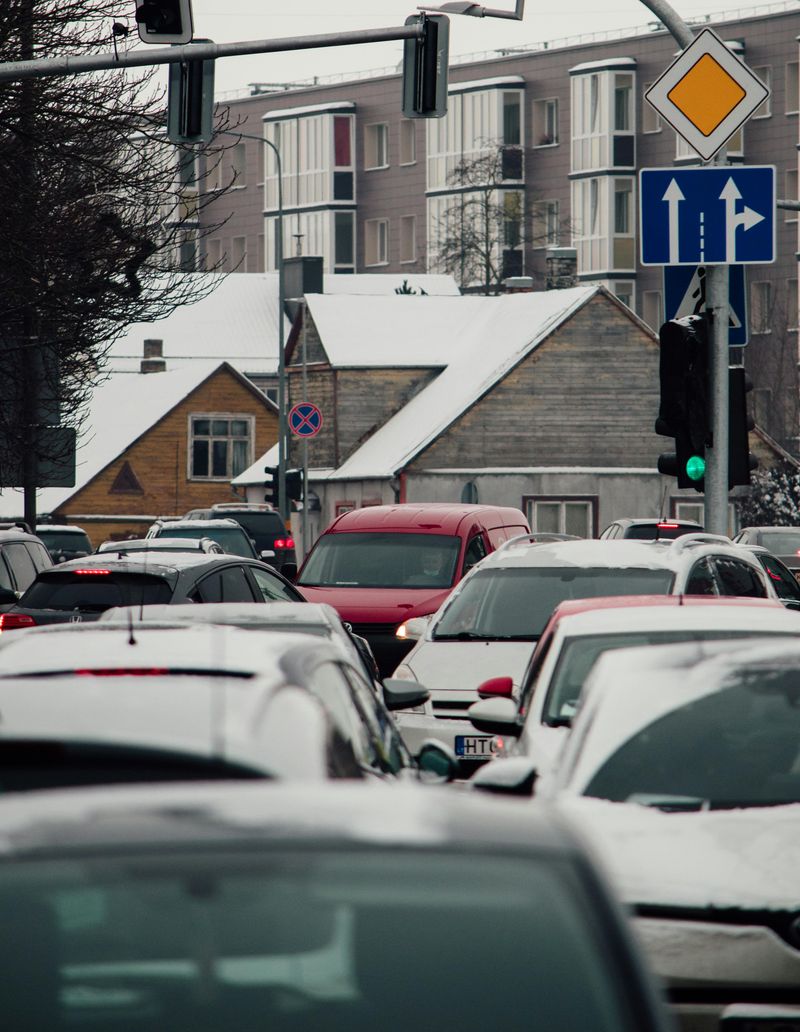
Completing the Baltic trio, Lithuania averages 46.52 degrees Fahrenheit with winters that test coastal resilience.
Vilnius transforms under snow, its baroque architecture gaining magical quality when frosted. The Curonian Spit, a UNESCO site, becomes windswept and desolate, its sand dunes frozen solid beneath snow blankets.
Basketball obsession provides indoor winter entertainment, though hardy souls still brave cold for outdoor activities.
Independence came late to this nation, partly because harsh geography isolated it. Yet that same cold forged strong national identity and unshakeable determination to maintain cultural distinctiveness.