15 Common Daily Tasks Considered Unusual 100 Years Ago
Morning routine today would look like straight-up wizardry to someone from 100 years ago.
Lights turn on instantly, hot water appears on command, and coffee shows up faster than common sense. Everyday habits now would have felt unusually modern back then, which makes normal life suddenly feel a lot more impressive.
1. Flushing An Indoor Toilet At Home
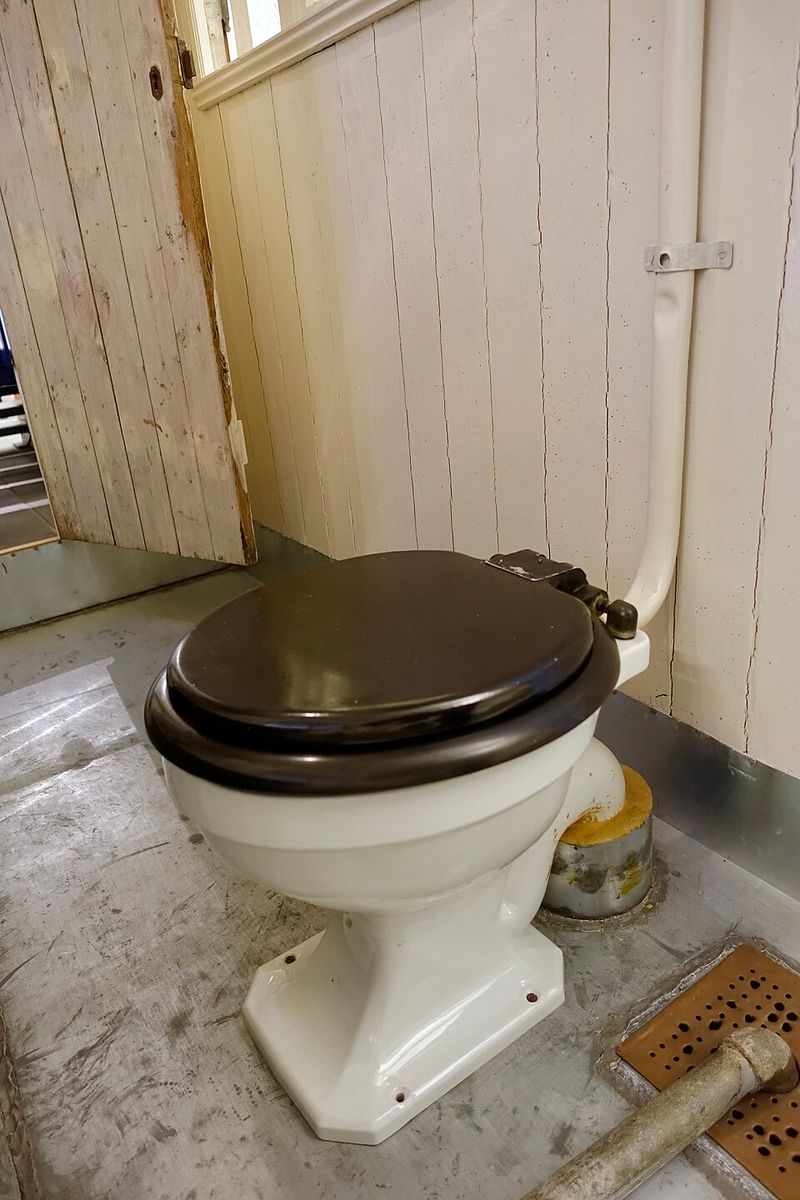
Cold hallway walks in the dark just to reach the outhouse used to be routine.
Daily life still looked like that for many families in the early 20th century, since complete indoor plumbing had not yet become standard in American homes.
Porcelain toilets with a working flush felt like a magic trick. Today, the familiar whoosh barely earns a second thought.
Modern comfort makes the contrast feel almost unbelievable.
2. Taking A Hot Shower At Home
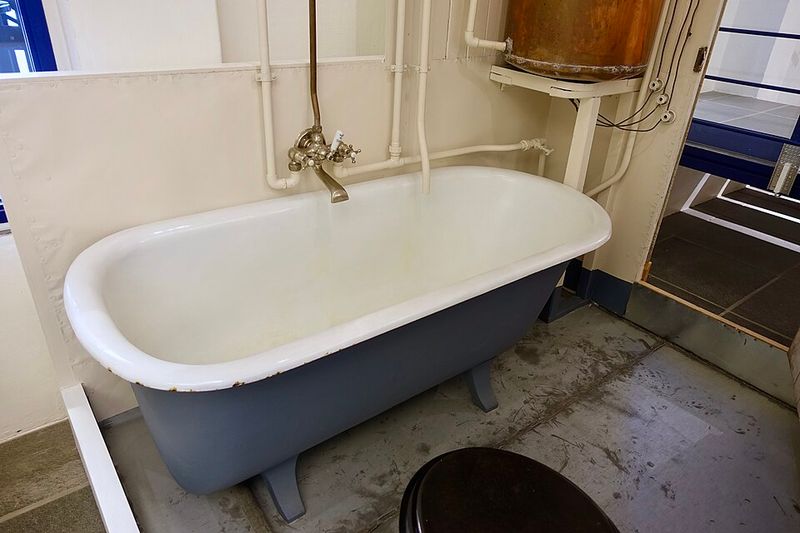
Hot water on demand in a private bathroom still felt out of reach for many households in 1926, when most households heated water over a stove and used a shared tub once a week if luck allowed.
Standing under a warm cascade every single morning would have felt closer to fantasy than routine. Today the kettle clicks off while the shower warms up, and nobody even pauses to notice.
3. Turning On Electric Lights With A Wall Switch
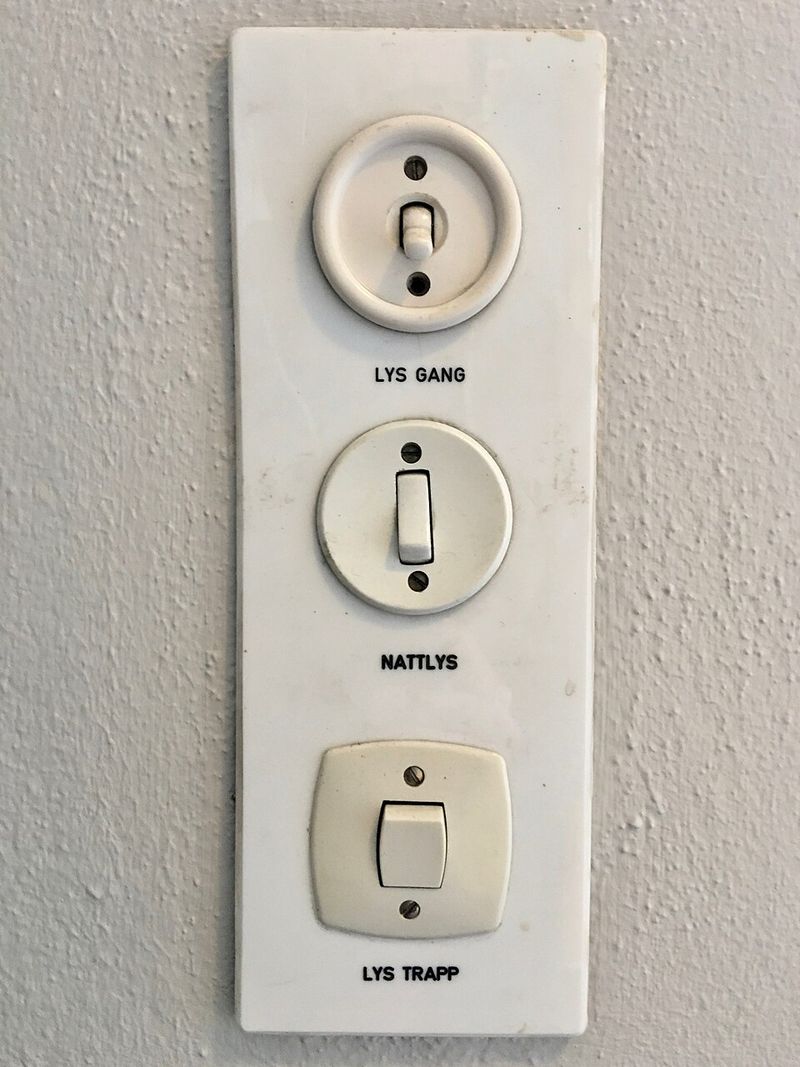
Gas lamps flickered, candles dripped wax, and kerosene lanterns filled rooms with smoky haze before electric lights arrived for everyday households.
Flipping a tiny switch on the wall to flood a room with clean, steady light was nothing short of spectacular.
Rural families in many parts of the country did not get electricity until the 1930s or even later. That little click carries a century of wonder in it.
4. Vacuuming Carpets With An Electric Vacuum
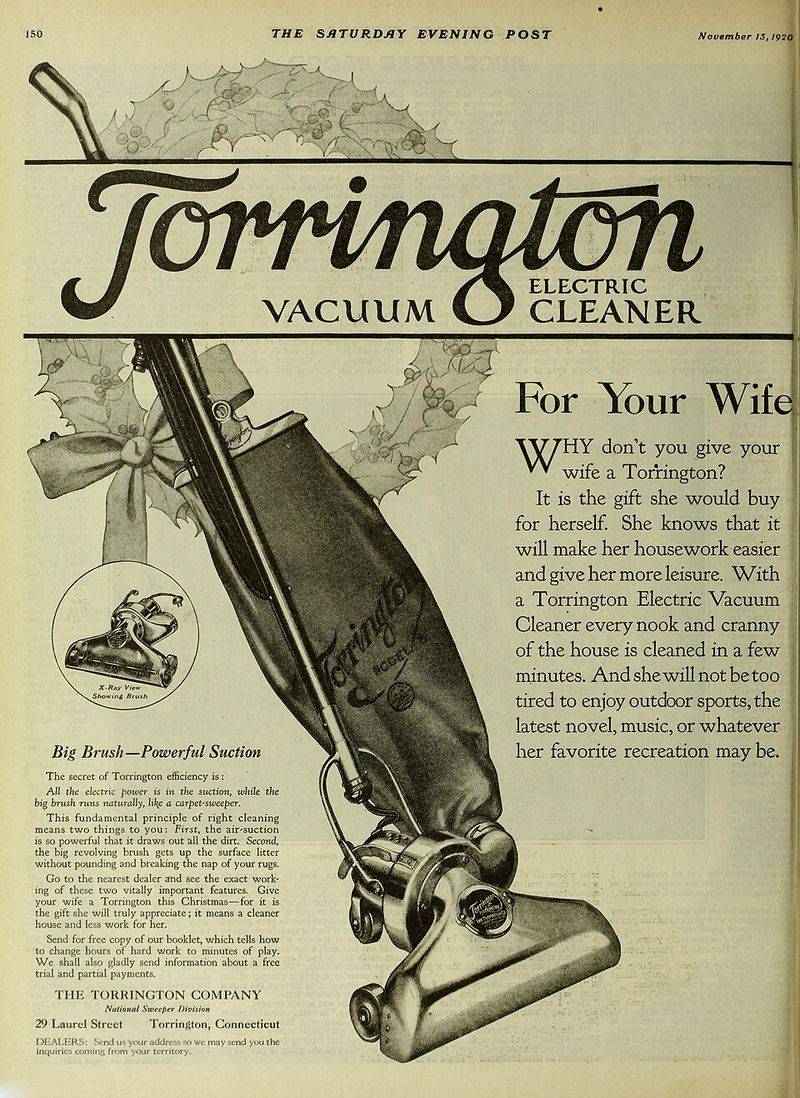
Rugs once had to be hauled outside and beaten with a stick until rising dust clouds stung your eyes.
Bulky, loud early electric vacuums cost enough that door-to-door salesmen staged full demonstrations right in the living room like theatrical events.
Simply existing made the machine feel like its own sales pitch.
Quietly circling the floor, a robotic version now handles the job while you sip coffee. Progress indeed.
5. Washing Clothes With A Machine Instead Of By Hand
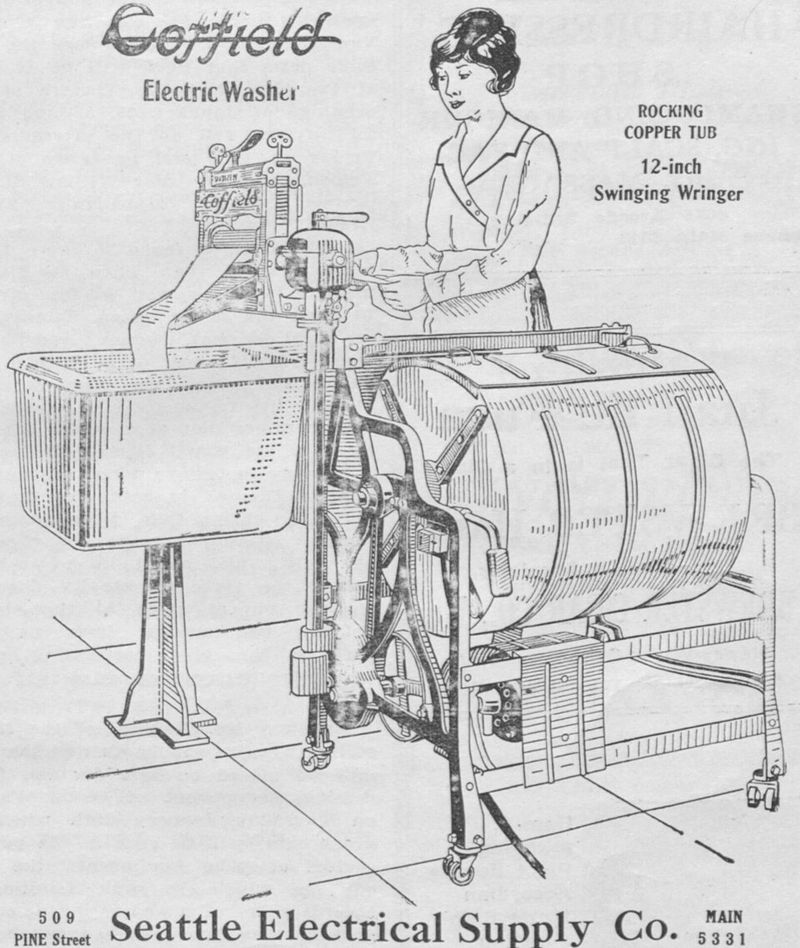
Laundry day once meant hours of scrubbing, wringing, and red raw hands, a full-day ordeal nobody looked forward to.
Early electric washing machines appeared as clunky metal tubs with hand-crank wringers, yet even those felt like a revelation, with neighbors peeking in just to watch the contraption spin. Tossing a load in before a busy day and forgetting about it until the buzzer sounds now feels like a small miracle wrapped in a mundane routine.
6. Keeping Everyday Food In A Home Refrigerator
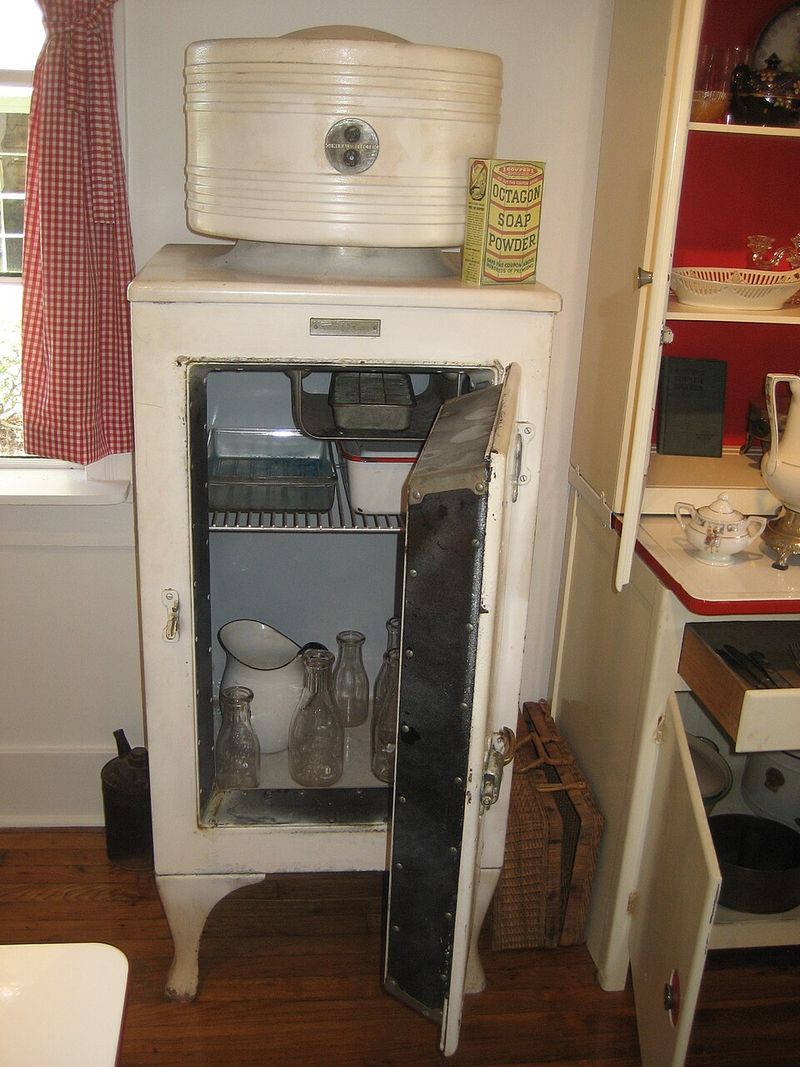
Before home refrigerators, an iceman delivered a block of ice to your door, and you worked around its melting schedule.
Leftovers had a very short career, and fresh milk was a daily errand. The electric refrigerator changed everything about how families shopped, cooked, and planned meals.
Opening that cool door on a calm morning to grab last night’s leftovers is a tiny luxury a century in the making.
7. Calling Someone From A Telephone In Your Own Home
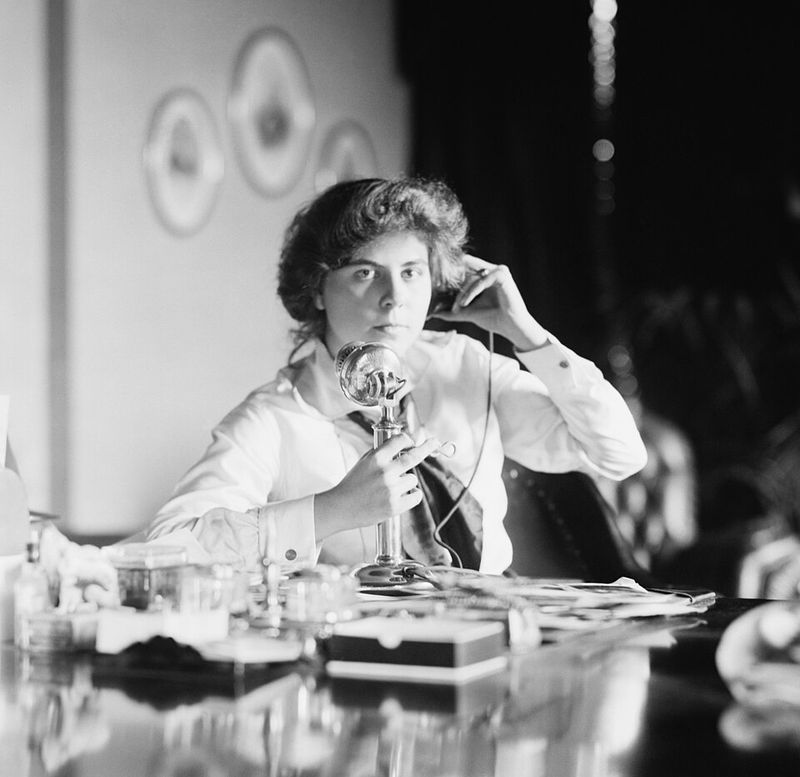
Older home phone use came with shared party lines, operator-assisted calls, and chaotic exchanges. In many households, a private telephone line counted as a status symbol rather than a basic utility.
Across small towns and rural areas, access often did not exist at all.
Now a phone buzzes from every pocket, bag, and bedside table at the same time. Even the sturdy candlestick model would struggle to survive in an era like this.
8. Listening To News Or Entertainment Through Home Radio
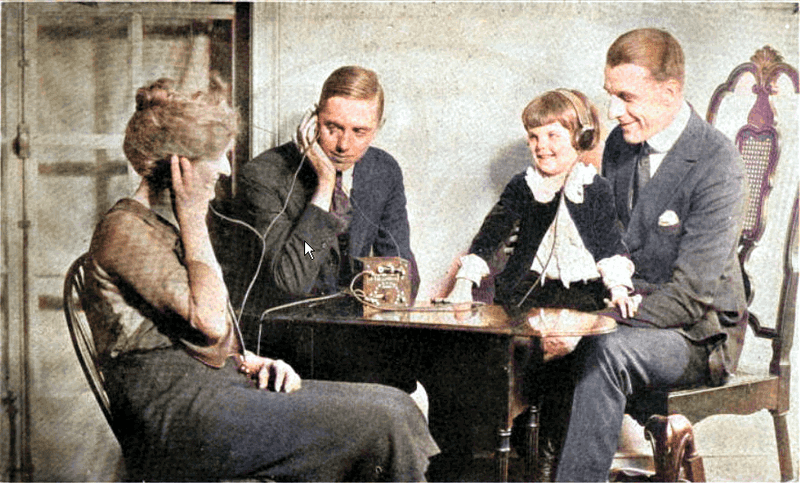
Hearing the first commercial radio broadcast in the United States in 1920 made families with a receiver feel like they had caught lightning in a box.
Gathering around the radio to hear news, music, or a comedy program became a full family event rather than background noise. Streaming a playlist or catching a podcast during a calm morning feels ordinary now, but radio made the whole idea possible first.
9. Cooling A Room With Air Conditioning
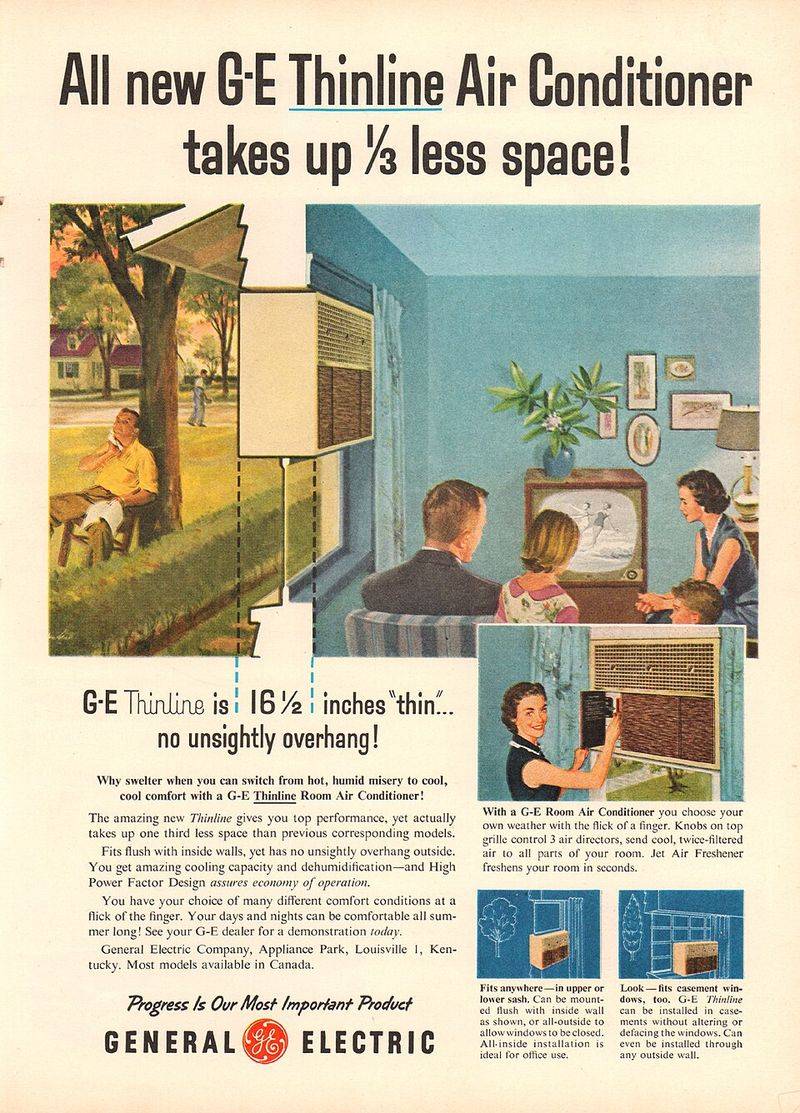
Summer heat in the mid-1920s meant wet rags, hand fans, and sleeping on the porch if a breeze happened to show up.
Air conditioning first caught on in places like theaters and large buildings, and it is often credited with helping make summer moviegoing more appealing. Bringing that cool air into a private home was a rare luxury.
The soft hum of an AC unit on a sweltering afternoon is one of those sounds that says everything is going to be fine.
10. Driving A Family Car For Regular Errands
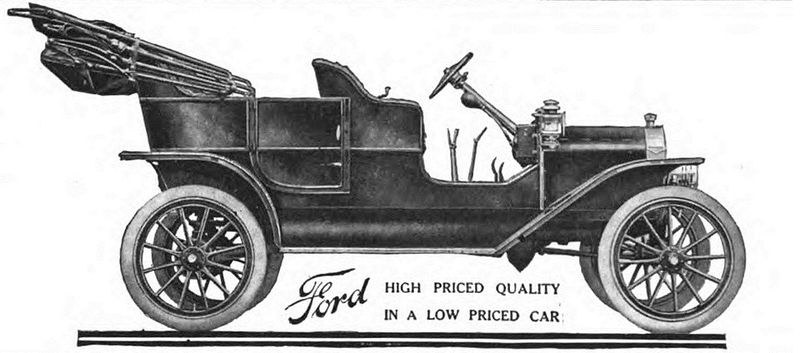
Back then, owning a car was still out of reach for many families, even as automobile ownership expanded during the 1920s. For most families, getting anywhere meant relying on horses, streetcars, or simply walking.
Greater affordability arrived with the Model T, yet roads, fuel, and repairs remained major hurdles for ordinary households.
Now car keys hang by the door, a bag waits on the seat, and the errand list already stretches across three screens.
11. Shopping By Walking Through A Self-Service Grocery Store
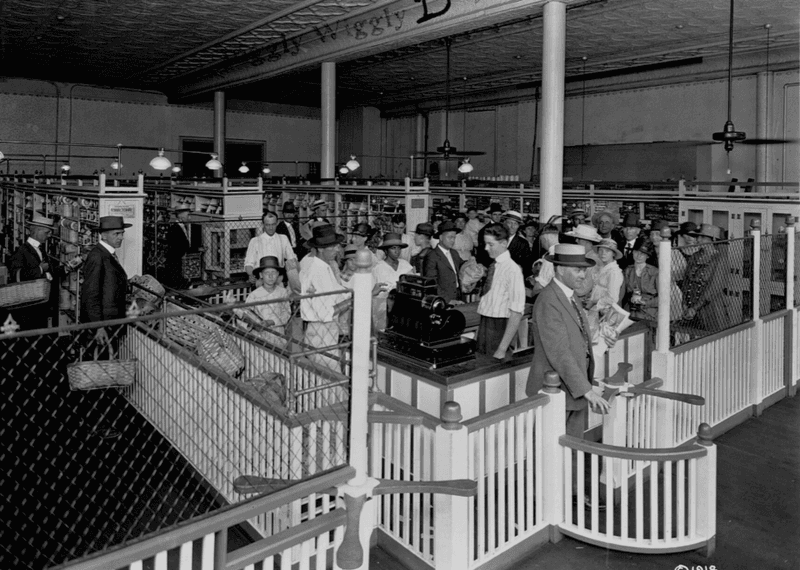
Before self-service stores, every item on your list had to be fetched by a clerk from behind the counter while you waited and hoped the right brand came back.
Opening in 1916, the first true self-service grocery store came from Piggly Wiggly, and plenty of shoppers were genuinely baffled by the idea of picking up their own cans. Wandering the cereal aisle on autopilot, half-asleep on a Sunday morning, feels like a freedom that took decades to become completely normal.
12. Taking An Airplane Trip
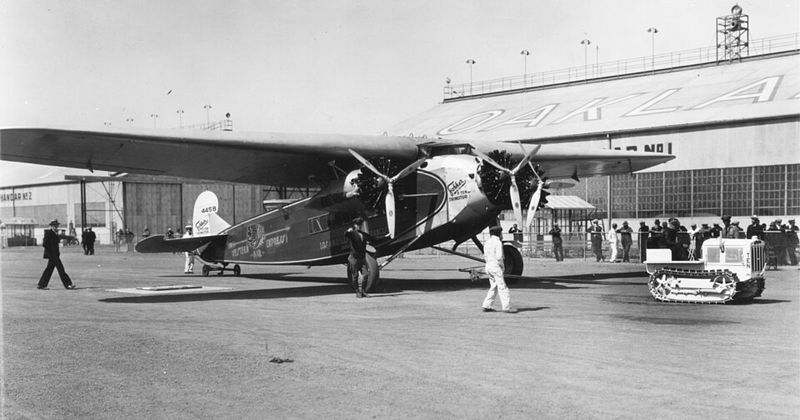
Commercial passenger flight was still in its early stages in the 1920s, and early trips were noisy, cold, and far less comfortable than modern air travel.
Boarding a plane was an event that required courage, money, and a very flexible schedule. Most people lived their entire lives without ever leaving the ground.
Now a calendar reminder pings, the bag is by the door, and the airport snack budget is the only real drama.
13. Ironing Clothes With An Electric Iron
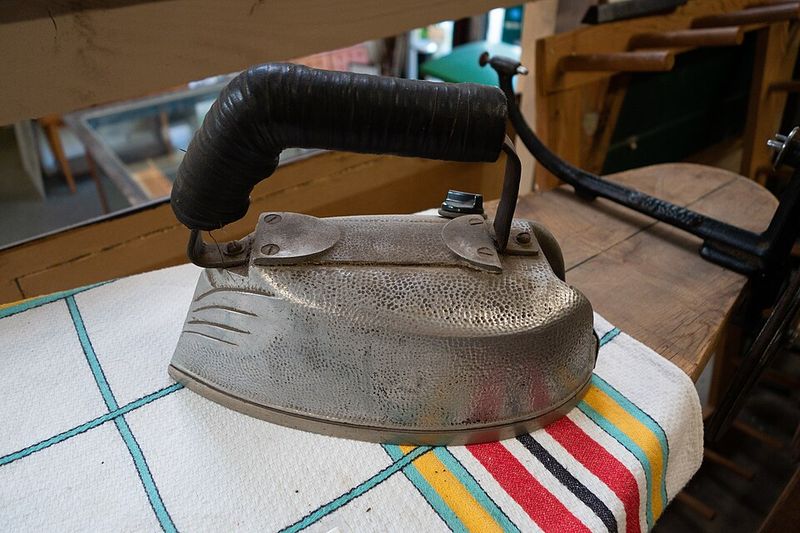
Heated directly on a wood stove, sad irons formed the original version, and several had to be rotated just to keep one hot enough to work.
Consistent temperature from an electric iron became a genuine game changer for anyone wearing anything with a collar. No more scorched shirts from an iron gone rogue.
Quiet clicks from an electric iron warming on a slow morning still carry that same sense of getting things right.
14. Making Breakfast With An Electric Toaster
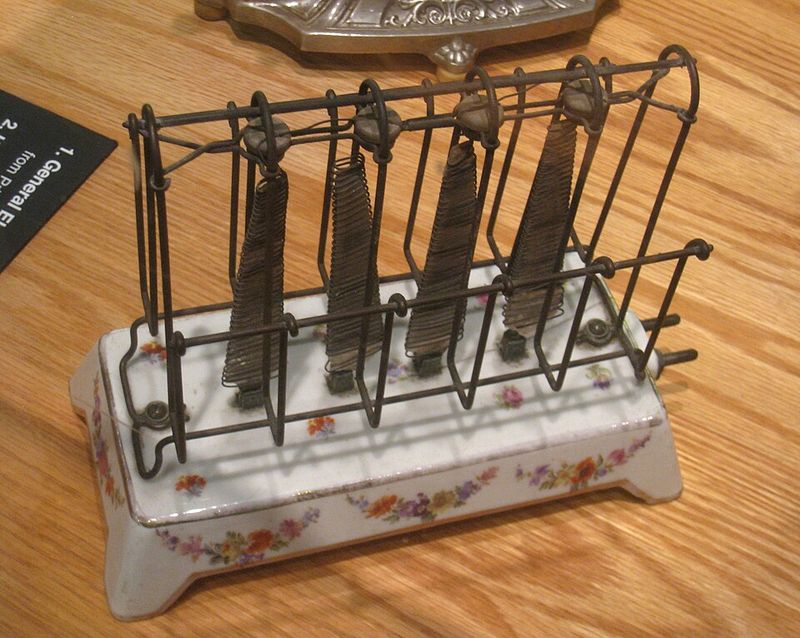
Before the electric toaster arrived, making toast meant holding bread over an open flame on a long fork and hoping for golden brown instead of charcoal.
Hitting store shelves in 1926, the first pop-up toaster sparked genuine excitement, since a machine that browned bread perfectly and popped it up on its own felt almost too clever. That small morning ritual, the warm smell, the golden crunch, still starts millions of days exactly right.
15. Riding An Elevator As Part Of An Ordinary Day
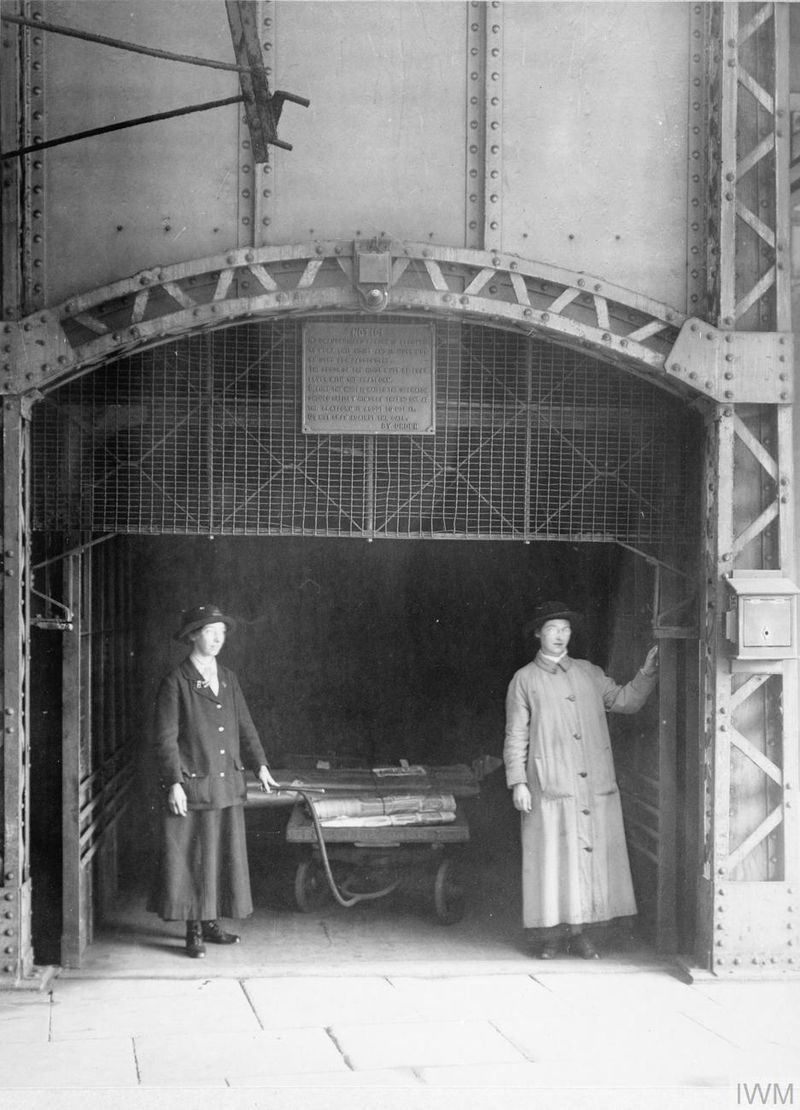
Early elevators required a uniformed operator who announced each floor, controlled the speed, and manually lined up the cab so the floor matched the landing.
Riding one was an event, not a commute. Department stores advertised their elevators as attractions, and children begged to ride them just for the thrill of moving between floors.
Stepping in, pressing a button, and staring at a phone screen while ascending ten floors is perhaps the most accidental luxury of the modern day.
Note: This article has been reviewed for historical accuracy and edited for tone, clarity, and readability.
The content is intended for general informational and entertainment use and should not be treated as professional, legal, or technical advice.