18 Cooking Rules Women Followed In 1950s American Kitchens
Kitchen runs like clockwork, and somehow every move feels like it came with instructions.
Meals get timed, counters stay spotless, and expectations sit quietly in the background making sure nothing slips.
Looking back now, those rules feel a little intense, a little surprising, and a lot like a glimpse into a very different kind of everyday life.
1. Have Dinner Ready On Time
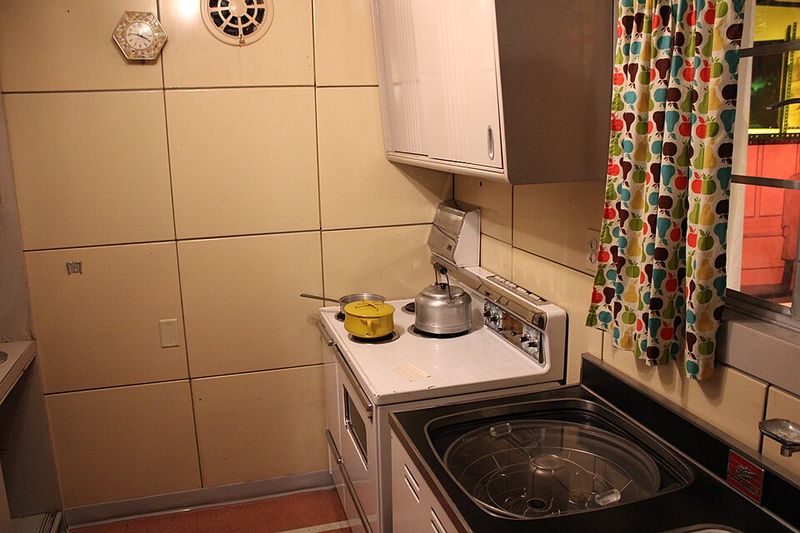
Six o’clock marked supper, and everyone knew it. Serving dinner on time felt less like a preference and more like a household rule, with the clock nearly staring down from the kitchen wall.
Any delay could shift the mood of the whole evening, so women worked backward from mealtime the way a conductor brings in each section.
Keeping a hot, complete meal ready just as the front door opened became one of the decade’s quiet daily victories.
2. Serve Balanced Meals
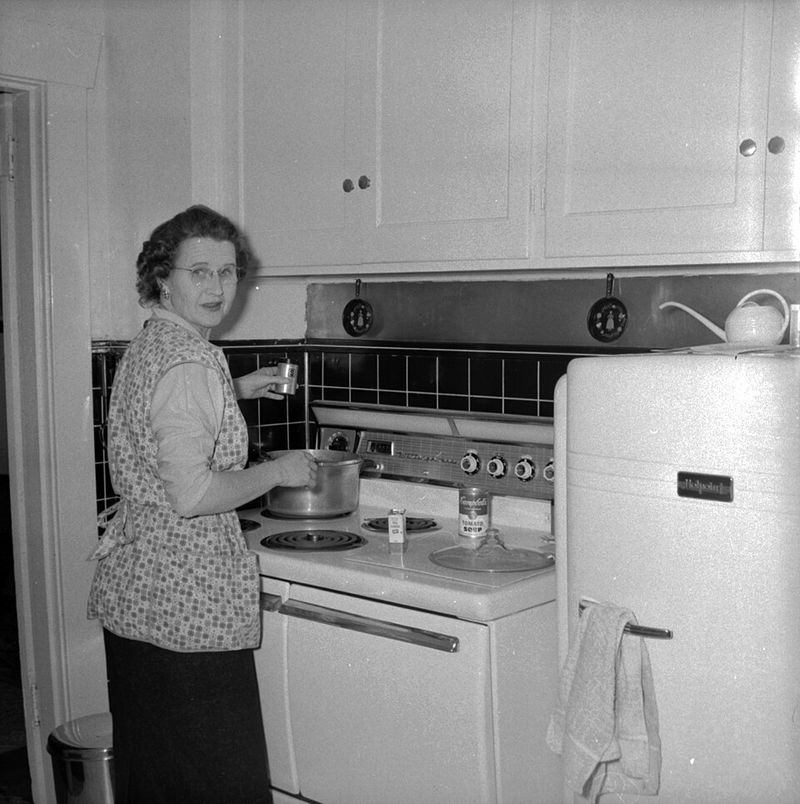
Nutrition was not a buzzword back then; it was practically a moral obligation printed right into the cookbook introduction.
Women were coached to think of each meal as a puzzle with required pieces, protein here, vegetables there, starch filling the gap. Skipping a food group felt closer to forgetting a homework assignment than making a casual choice.
A balanced plate was the era’s version of a five-star review from the family table.
3. Build Meals Around Meat, Starch, And Vegetables
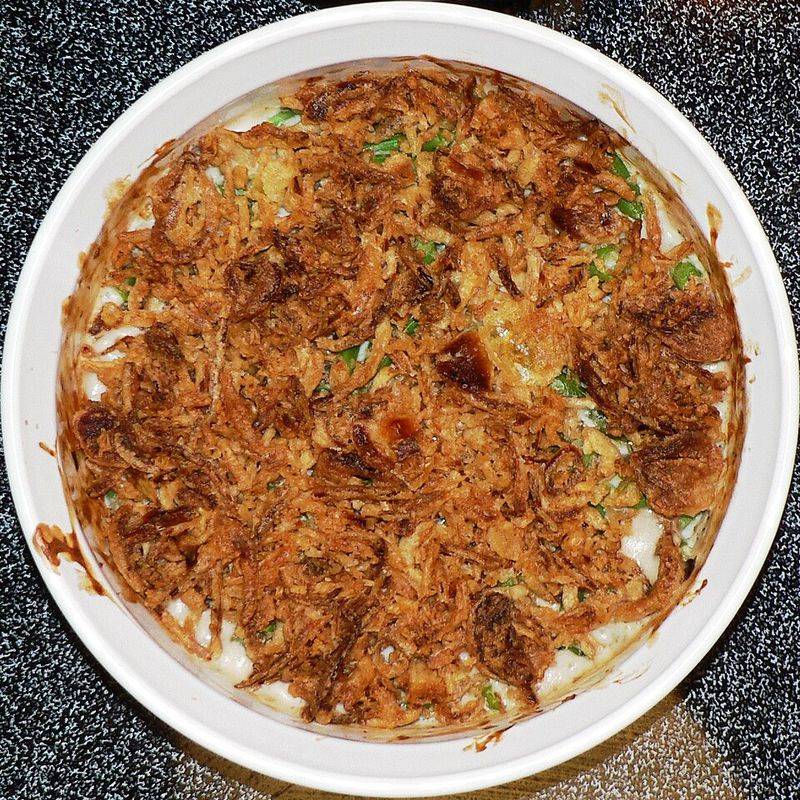
The mid-century dinner plate had a formula as reliable as a television schedule.
Meat anchored the center, starch filled the side, and vegetables completed the trio without much debate or variation. Mixing things up was not really the point; consistency and heartiness were the gold standard every weeknight.
Knowing the formula meant dinner planning felt almost automatic, like following a familiar song you already knew every word to.
4. Cook From Scratch Whenever Possible
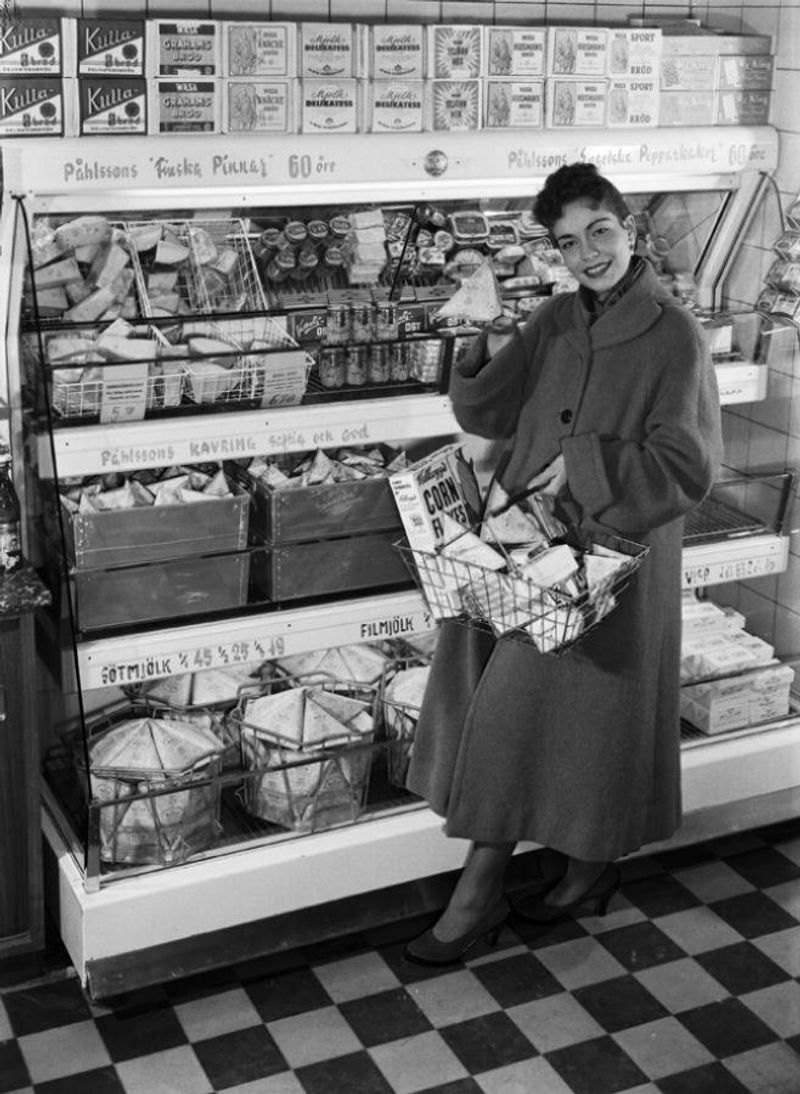
Opening a can passed as acceptable, yet rolling out dough by hand carried a completely different level of respect.
Making everything from scratch held a kind of social value no shortcut could match, tying effort directly to how a homemaker was perceived.
Comments from neighbors and relatives followed naturally, and praise for a homemade pie always felt more meaningful than anything store-bought. Flour scattered across the kitchen counter stood as the decade’s version of a gold star.
5. Use Convenience Foods When They Saved Time
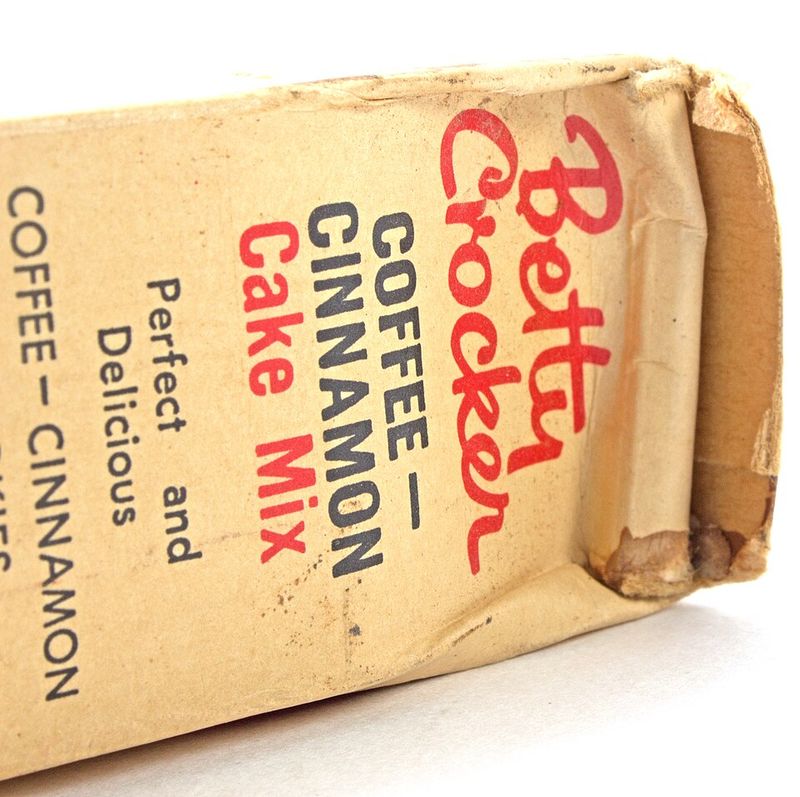
Postwar grocery shelves almost shimmered with promise, while convenience foods were framed as a clever shortcut for a modern woman rather than something to feel uneasy about.
Canned soup doubled as a sauce base, boxed cake mix turned into an easy Tuesday-night treat, and no one gave it a second thought. Across ads and packaging, the message stayed simple, suggesting that choosing these products reflected being informed and current instead of taking shortcuts.
In many homes, progress arrived neatly packaged, with the kitchen serving as its showcase.
6. Keep Canned Soup And Packaged Staples On Hand
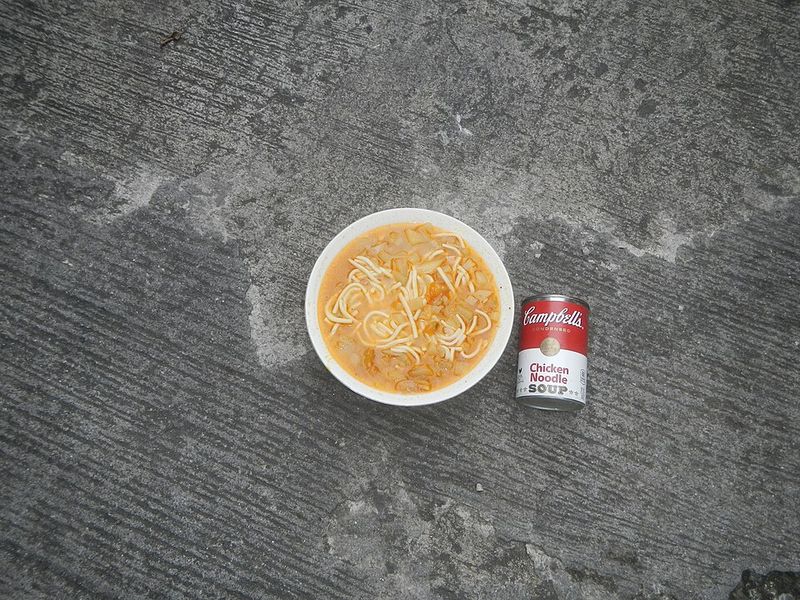
Every busy cook quietly relied on a well-stocked pantry as a steady safety net.
Behind the scenes, clever campaigns from food companies showed women exactly which canned and boxed products earned permanent shelf space, turning pantry organization into something almost scientific.
Mid-recipe panic set in fast when cream of mushroom soup ran out, carrying the weight of a small household crisis. Come Saturday, stocking up kept weeknight cooking steady even when the day refused to cooperate.
7. Treat Casseroles As Smart, Practical Cooking
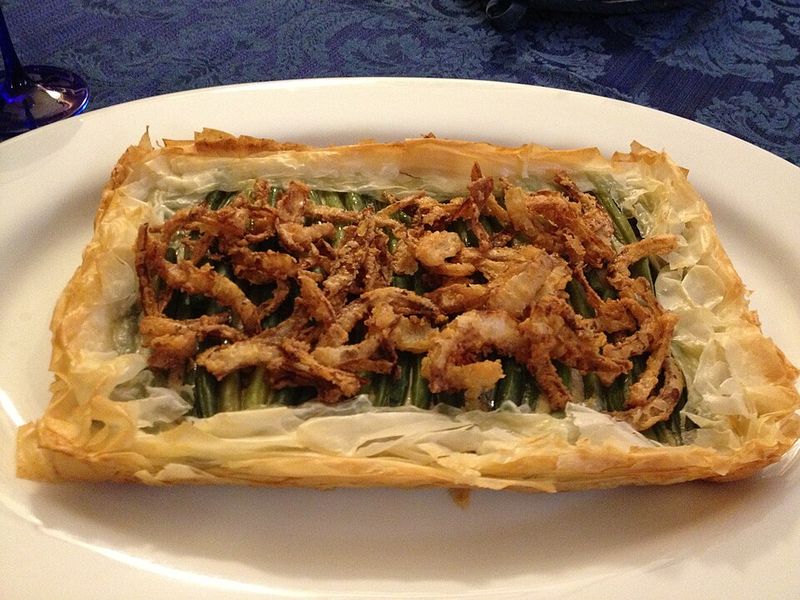
One dish, one oven, zero drama.
Casseroles were practically the mascots of mid-century home cooking, celebrated for feeding the whole family without requiring a dozen pots. Campbell’s green bean casserole dates to 1955 and became one of the best-known symbols of mid-century practical cooking.
Sliding a bubbling dish out of the oven on a Tuesday felt like a small act of kitchen genius. The casserole era had genuinely good taste.
8. Bring Molded Gelatin Dishes To The Table
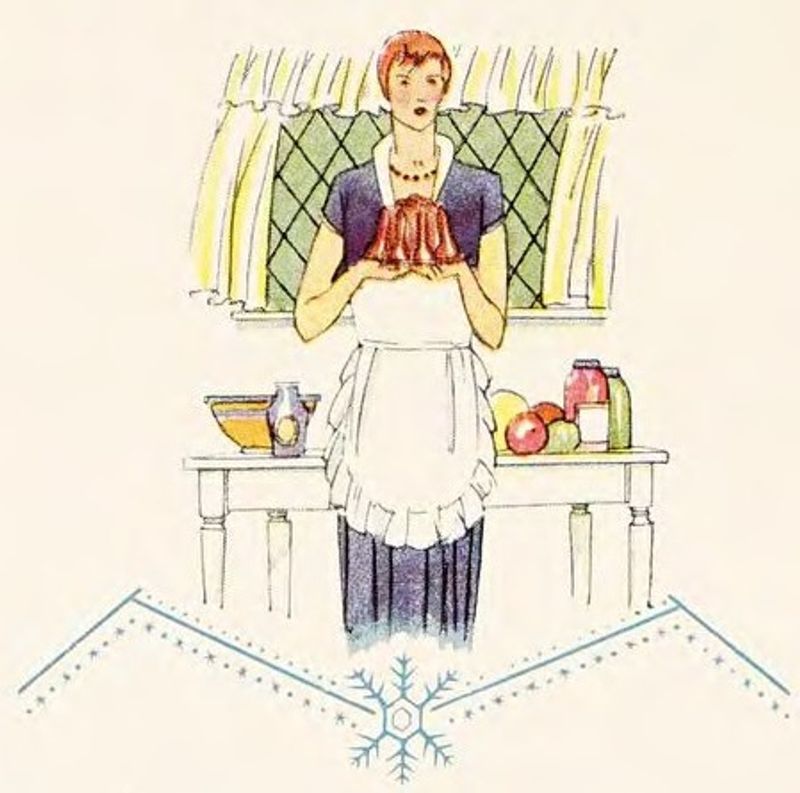
Set into a ring mold, lime gelatin dotted with fruit and perched on a lettuce leaf became the mid-century table’s statement piece.
Across dinner parties and church potlucks, savory molds, sweet salads, and shimmering jellied creations appeared as clear signs of skill and creativity.
Watching a perfectly unmolded gelatin dish hold its shape brought a kind of quiet applause all on its own. Few things captured 1950s entertaining quite like a dish that gave a gentle wobble when set down.
9. Do Not Waste Leftovers
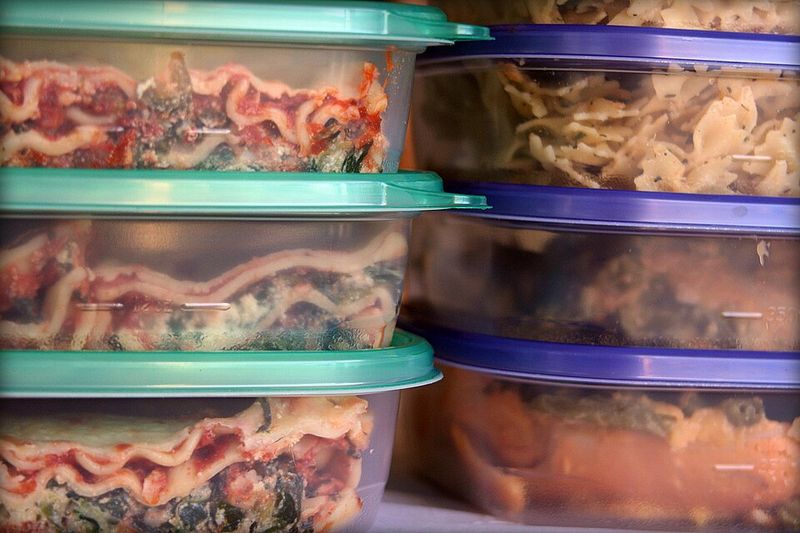
Yesterday’s roast still held another purpose, and a good cook understood exactly where to look for it. At neighborhood Tupperware gatherings, leftover storage became a shared experience, while refrigerators were promoted for helping a family’s food budget last longer.
By midweek, Monday’s pot roast often reappeared as Wednesday’s hash, a change seen as a mark of real household skill rather than a sign of strain.
Letting food go unused carried a sense of disrespect toward the grocery budget.
10. Keep The Refrigerator And Pantry Well Stocked
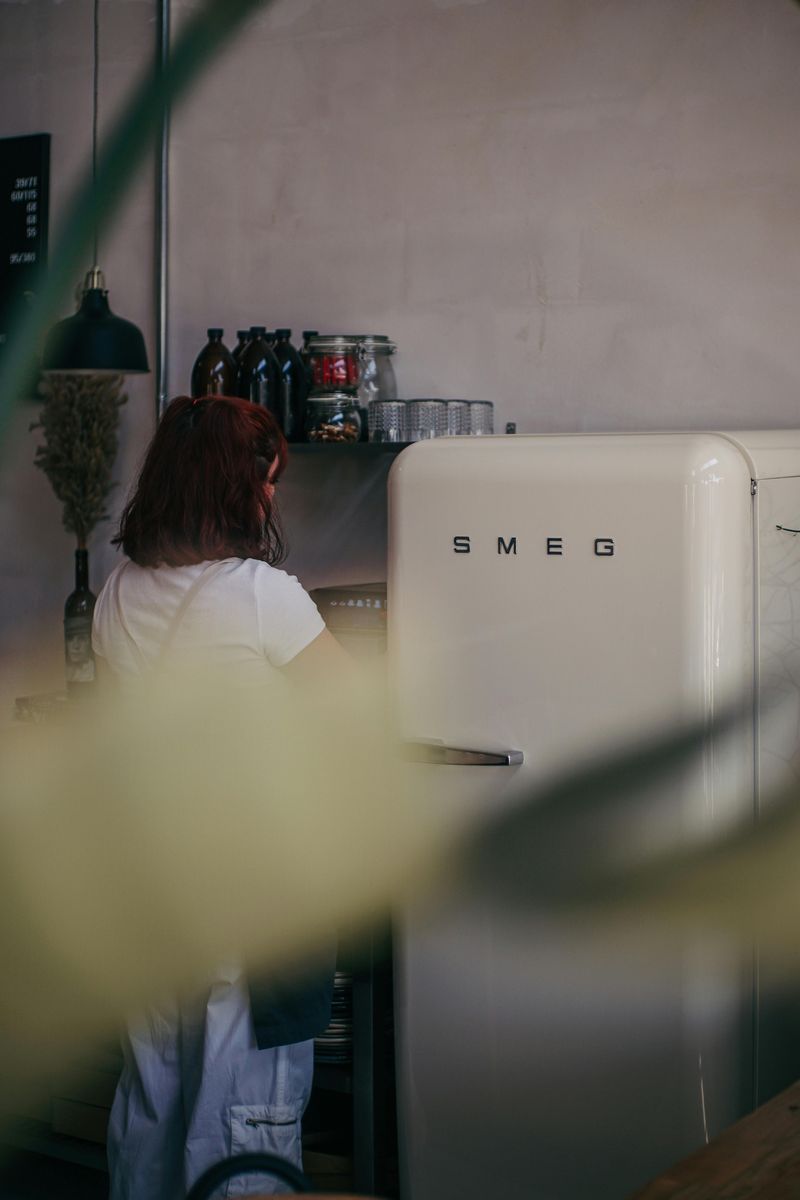
Keeping the refrigerator full signaled a kind of readiness, much like a well-prepared mind facing the week ahead at the dinner table. With suburban supermarkets making weekly shopping practical, home economics culture encouraged women to plan meals ahead instead of scrambling each evening.
Order in the fridge reduced last-minute panic and supported steady, confident cooking from Monday through Sunday.
Running out of milk before Friday carried the weight of a small household emergency.
11. Master The All-Electric Kitchen
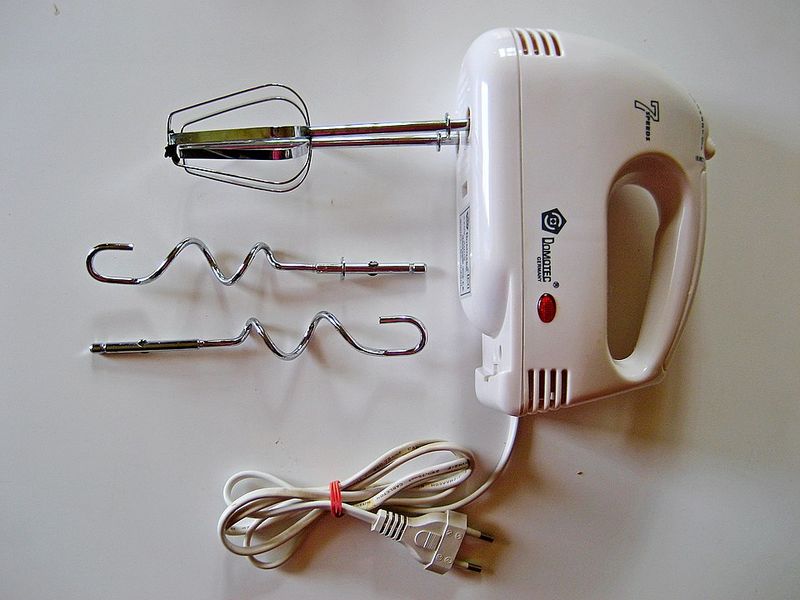
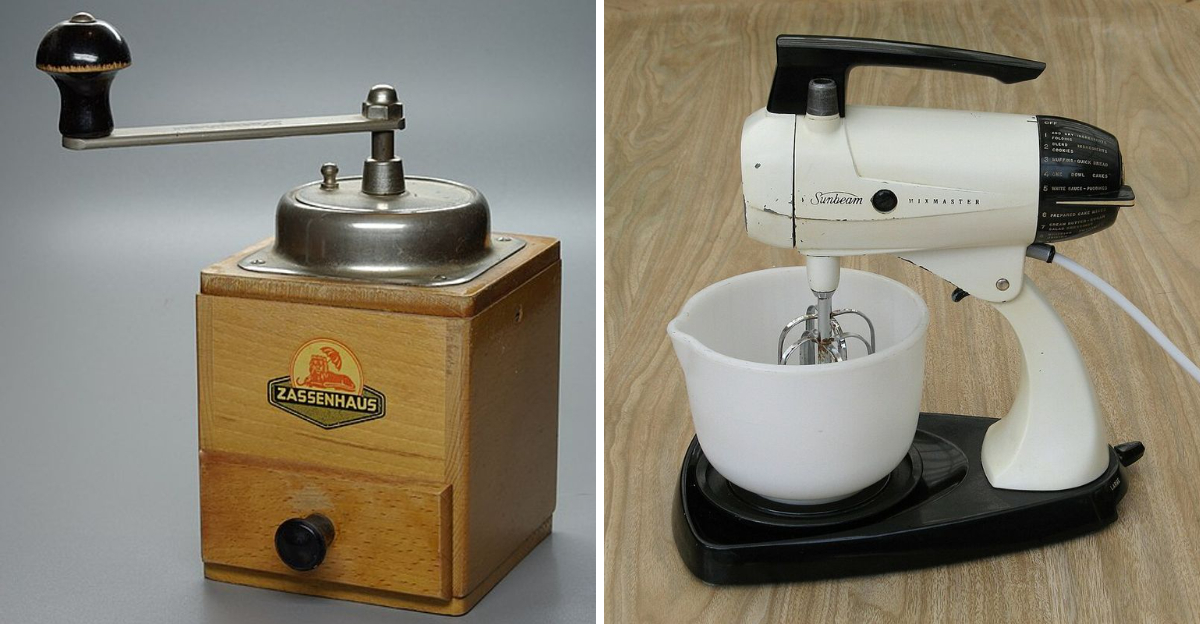
Electric appliances were not just tools in the 1950s kitchen; they were status symbols with chrome trim and cheerful color options.
Knowing how to use a stand mixer, an electric range, and a countertop blender marked a woman as modern and capable rather than stuck in her grandmother’s ways. Appliance manuals were read carefully, and mastering each gadget carried genuine pride.
The kitchen had gone electric, and keeping up was part of the deal.
12. Know How To Shop Efficiently
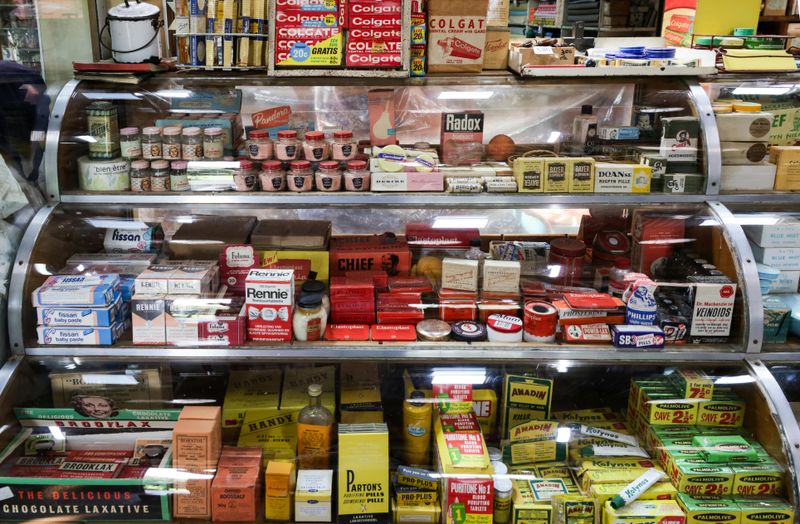
Postwar supermarket expansion reshaped grocery shopping into a weekly routine with its own skill set, complete with lists, budgets, and aisle strategies.
Careful shopping meant comparing prices, stocking up in bulk when it was practical, and avoiding any trip without a plan noted on the small pad by the kitchen phone.
When handled well, a grocery run kept the week moving smoothly while helping the household budget avoid any unwelcome surprises. In that rhythm, a sharp pencil paired with a tidy list served as the original power tools.
13. Keep The Kitchen Spotless
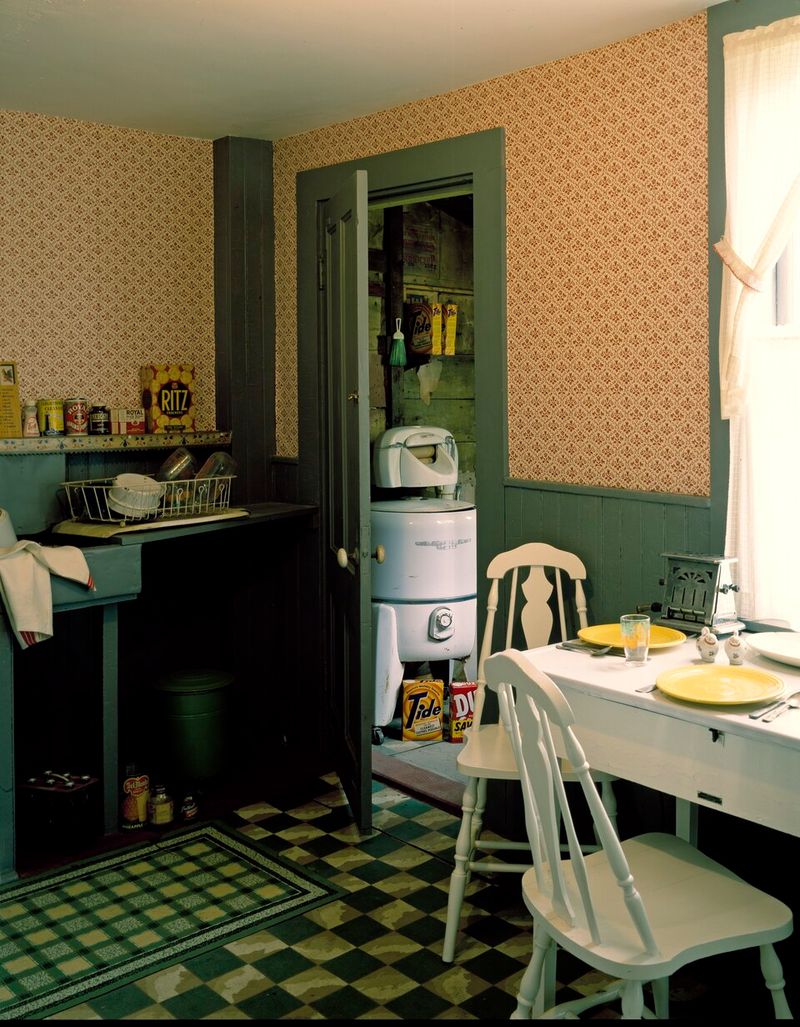
Spotless counters and a gleaming floor were not optional extras; they were practically part of the job description.
The idealized housewife of the era was pictured in advertisements with a kitchen so clean it practically glowed, suggesting that cleanliness and good character walked hand in hand. A crumb left on the counter felt less like an oversight and more like a character flaw in that cultural climate.
Soap, water, and a cheerful apron were the uniform of the day.
14. Present Food Attractively

Careful garnishes like parsley sprigs, paprika dustings, and neatly arranged serving platters turned an ordinary dinner into something that felt genuinely ready for company. Mid-century hostess culture pushed the idea a meal should look as good as it tasted, with magazines running full-page spreads on garnishing techniques and color-coordinated table settings.
Seeing presentation as part of the craft, cooks treated visual appeal as an essential step rather than simple decoration.
Before the first bite, a beautiful plate already stood halfway to earning a compliment.
15. Know Proper Table Service
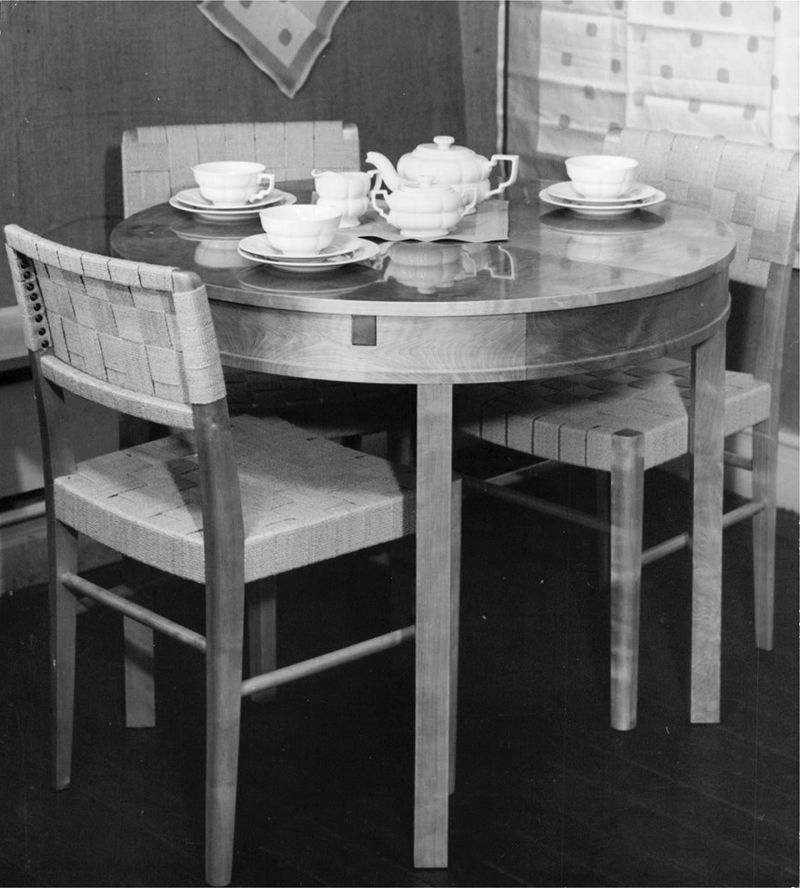
Which fork goes where mattered more than you might expect in a decade that took home economics very seriously.
Manuals and school curricula walked women through the correct placement of every piece of dinnerware, from the bread plate to the dessert spoon, treating proper table service as a measurable life skill. Getting it right for guests felt like passing a quiet but important exam at your own dining room table.
Etiquette was the tablecloth everything else rested on.
16. Serve Dessert Or Coffee After Meals When Hosting
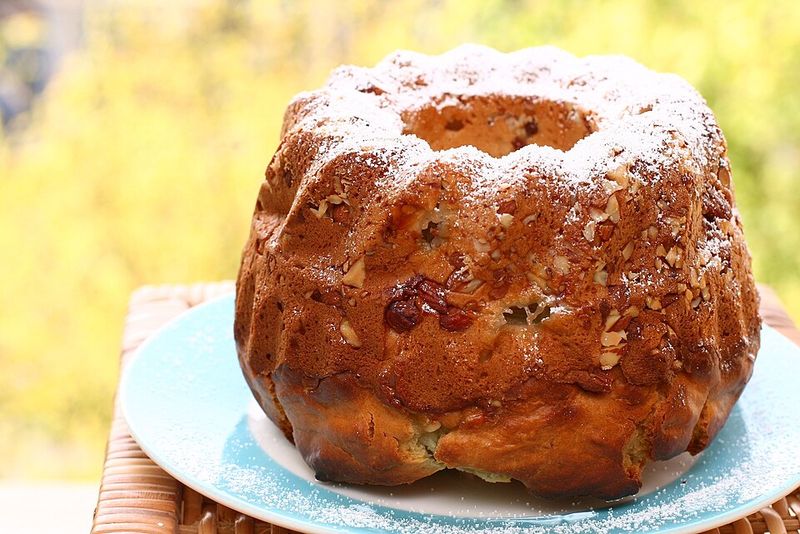
No meal truly wrapped up until coffee made its appearance and something sweet arrived right alongside it.
In postwar entertaining culture, the hostess took center stage in the after-dinner ritual, whether it involved slicing a bundt cake, setting out a plate of cookies, or pouring percolated coffee with practiced ease.
For most households of the era, guests heading out without dessert would have felt like a small social misstep. Together, coffee and cake served as the decade’s graceful exit strategy.
17. Make Family Meals Feel Orderly And Pleasant
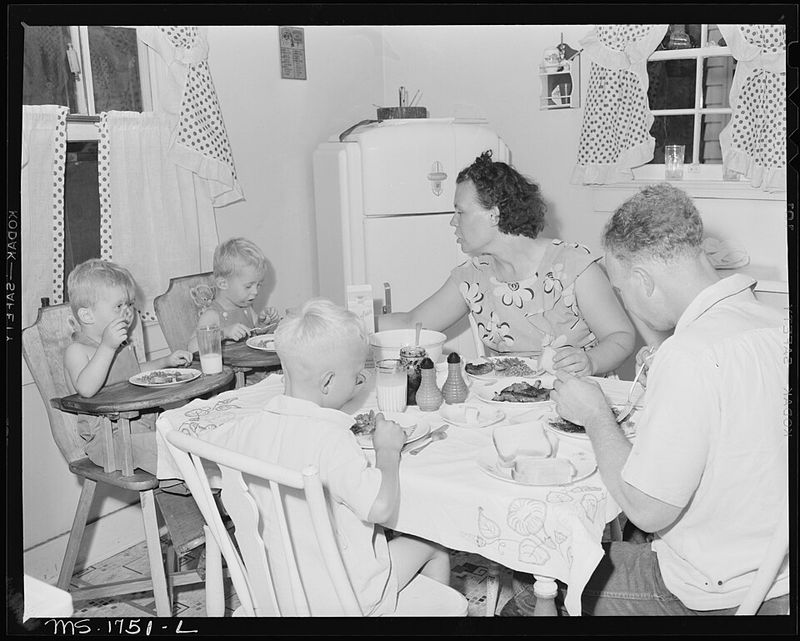
After a long day, dinner was meant to feel like a soft landing, not a scramble.
Advertisers framed the family table as a calm, well-organized ritual where everyone arrived on time and food appeared without visible effort, even when the opposite was closer to reality. Behind that image, one woman was expected to manage mood, timing, and menu all at once.
Each evening, running a pleasant dinner table resembled a performance with real emotional stakes.
18. Treat Cooking As Part Of A Woman’s Household Duty
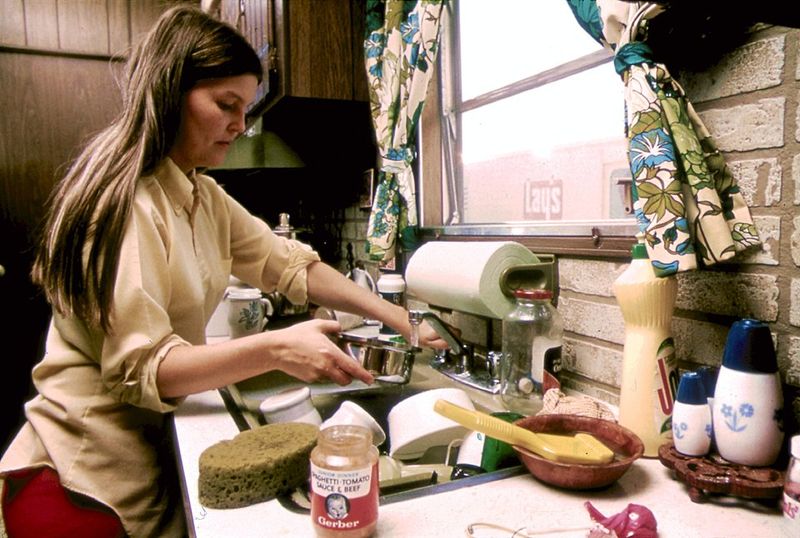
Within 1950s households, cooking extended beyond a daily task and became part of how success at home was defined for a woman.
Advertisements, women’s magazines, and domestic science curricula reinforced a consistent message, presenting grocery shopping, meal preparation, and attractive presentation as key measures of feminine achievement.
Viewed through that lens, the kitchen functioned as her stage, with each meal treated as a performance. Over time, it took decades for that idea to be fully questioned, and traces of it still remain today.
Note: This article is provided for general informational and entertainment purposes.
References to 1950s domestic expectations reflect widely promoted cultural norms in American advertising, food marketing, and home economics material, not universal experiences in every household.