20 Cooking Shows That Raised Kitchen Expectations
Ah, bonjour, my little kitchen adventurers! Some TV shows make you laugh, some make you cry, and some make you look at your cutting board and say, “Mon dieu, what have I done with my life?”
Allez! Here are the shows that didn’t just teach you to cook – they made you believe your kitchen could be a stage for brilliance, or at least a very dramatic mess!
Note: This article is a subjective editorial roundup of cooking shows selected for their cultural impact, influence on home cooking, and lasting place in food television history.
1. The French Chef (1963-1973)
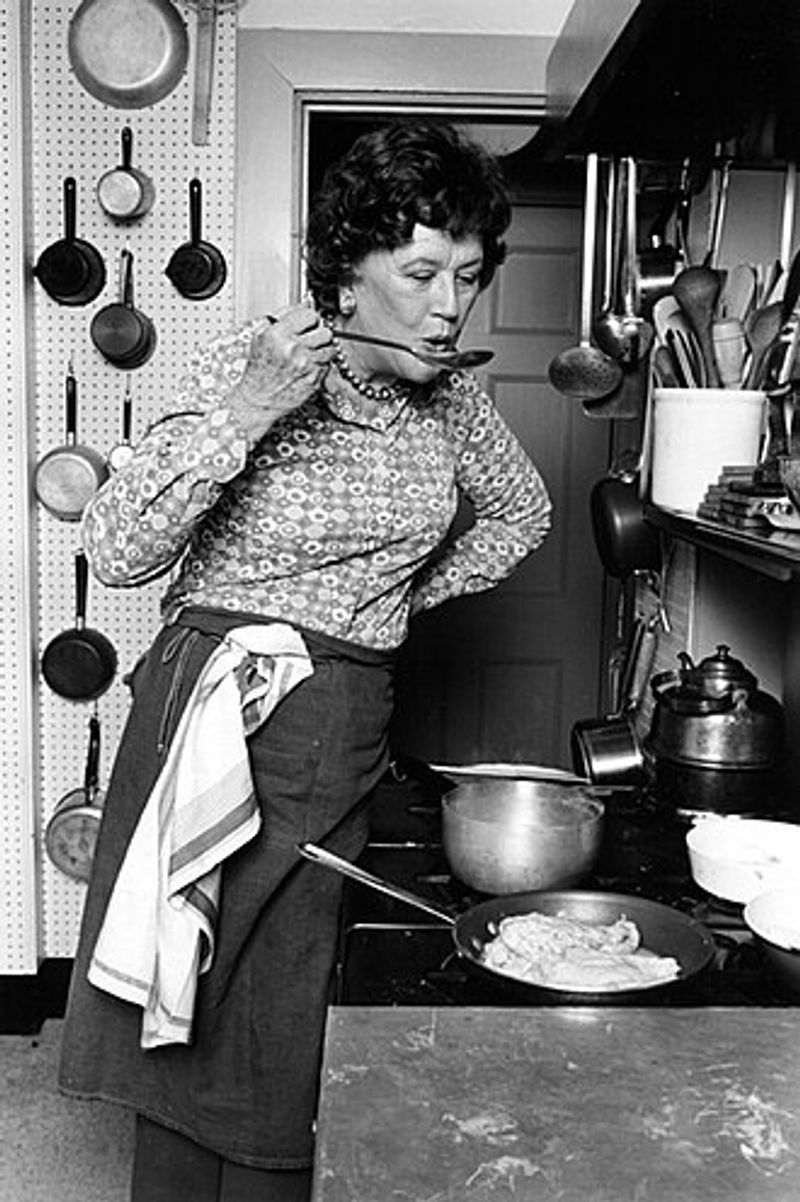
American television changed when Julia Child made dishes like boeuf bourguignon feel possible in an ordinary home kitchen.
Cheerful fumbles and unscripted laughter gave French cooking a warmth that felt inviting rather than intimidating, and viewers really did reach for their pots and try. More than a teacher, she came across like a friend quietly saying, “You can absolutely do this,” right before the kettle clicked off.
2. MasterChef (1990-Present)

Handwritten recipes in shaky hands mark the starting point, and somewhere between the first challenge and the finale, amateur cooks change completely.
Under MasterChef’s pressure, home cooks are pushed toward a far more professional standard while turning televised kitchen stress into something worth clearing the calendar for. Across the judging table, every plate carries the quiet energy of someone who stayed up practicing long past midnight.
3. MasterChef Australia (2009-Present)
Australia took the MasterChef format and wrapped it in warmth, turning rivals into a found family right before the viewer’s eyes.
The Australian version traded harsh critique for genuine encouragement, and somehow that made every elimination hit harder. Tissues were required.
It proved that kindness in the kitchen is not a weakness; it is actually a secret ingredient.
4. Iron Chef (1993-1999)
Theatrical fog, booming music, and a flamboyant Chairman introduced Iron Chef as if cooking were a major sporting event. Secret ingredient reveals quickly became one of television’s most imitated moments, giving each challenge the suspense of a playoff game.
After an episode like that, plain boiled rice somehow felt a little less exciting than it did before.
5. Iron Chef America (2005-2018)
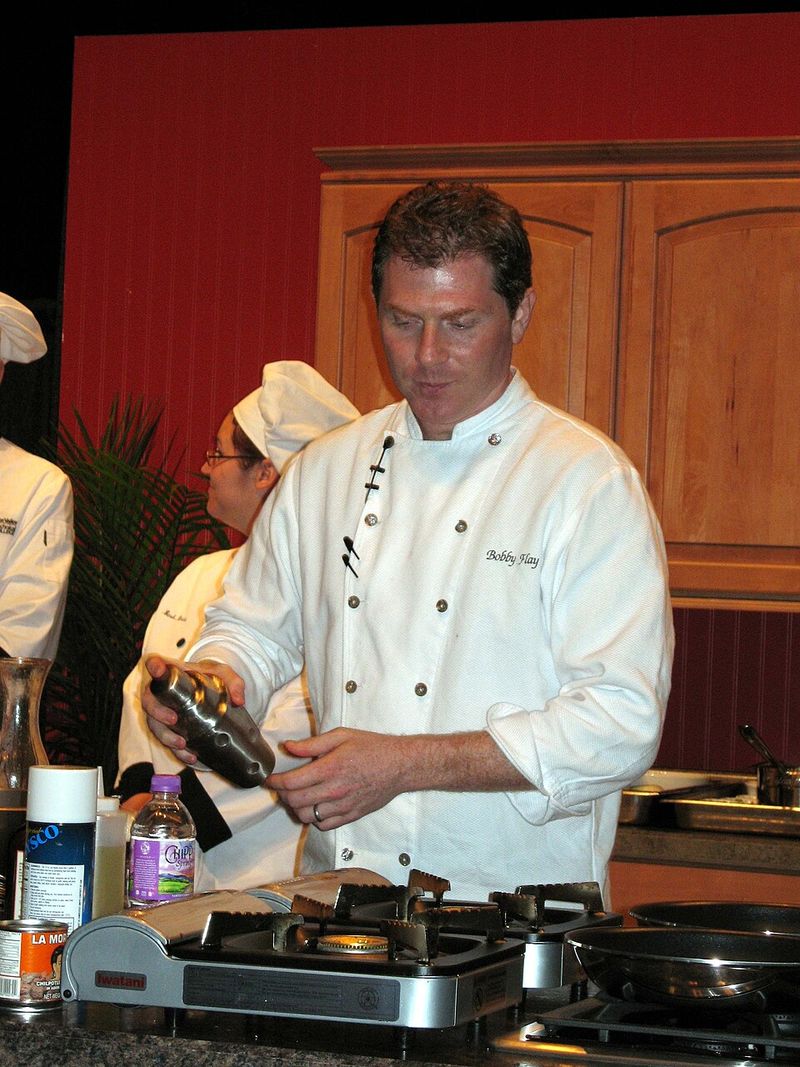
Kitchen Stadium arrived in America with star power from chefs like Bobby Flay, Cat Cora, and Masaharu Morimoto.
Inside that arena, a one-hour clock and a mystery basket turn ordinary meal planning into something that suddenly feels leisurely.
Sixty minutes begins to feel both impossibly short and strangely epic once the burners ignite. Signature line lingers in the air: cooking under pressure is just flavor with a deadline.
6. Top Chef (2006-Present)

Quickfire challenges, Restaurant Wars, and a panel of industry legends made Top Chef the culinary world’s version of a championship season.
Chefs packed their knives and left, but the show still made restaurant-level technique feel newly visible to home viewers. The show made fine dining feel personal.
Pack your knives, but maybe unpack them again because dinner is not going to cook itself.
7. The Great British Bake Off (2010-Present)

Flour-dusted counters, a quiet meadow tent, and a wave of nervous bakers capture the spirit of The Great British Bake Off.
Gentle encouragement replaces shouting as contestants race against the clock, creating one of television’s most comforting competition shows. Watchful gaze from Paul Hollywood even turned a simple squint into a pop-culture moment.
Suddenly, sourdough loaves, choux pastry, and towering showstoppers began to look like perfectly reasonable weekend projects.
8. Hell’s Kitchen (2005- )
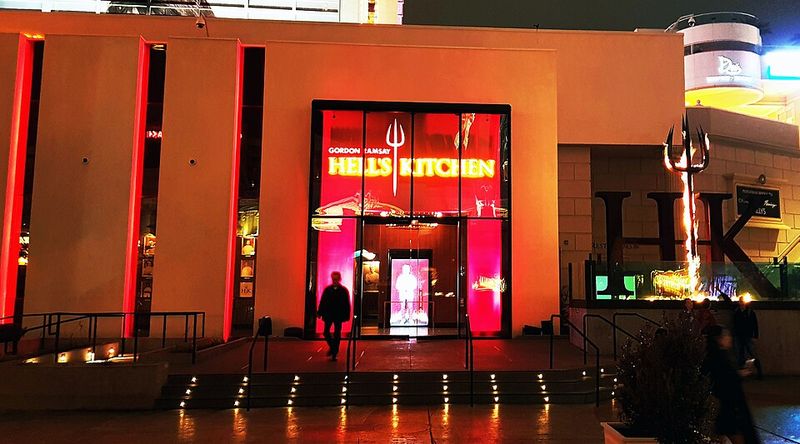
High-stakes chaos fills the kitchen once Gordon Ramsay turns restaurant service into must-watch theater. Viewers stay glued to the screen, barely willing to blink even during commercial breaks.
Soon enough, burnt risotto becomes almost as famous as the chef shouting about it.
Restaurant-quality precision suddenly becomes a standard home cooks start quietly chasing. Taken together, the show works like a masterclass in what not to do, delivered at full volume.
9. Kitchen Nightmares (2007-2014; Revived 2023-Present)
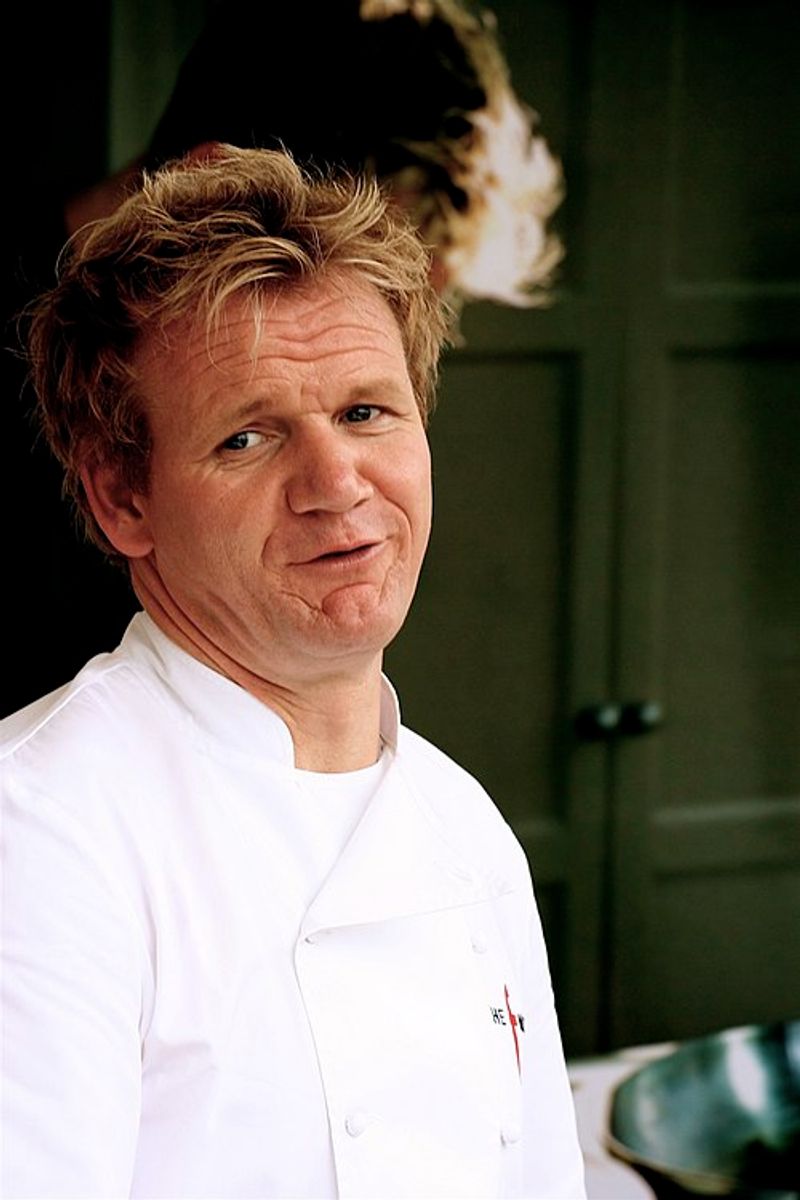
Walking into a failing restaurant and sniffing leftovers from last Thursday is apparently a legitimate career move, and Ramsay made it riveting.
Kitchen Nightmares showed viewers what happens when passion fades and standards slip. Every episode felt part rescue mission, part cooking tutorial, and part family intervention.
The show quietly taught an entire generation that a clean fridge is basically self-respect.
10. Barefoot Contessa (2002-2021)
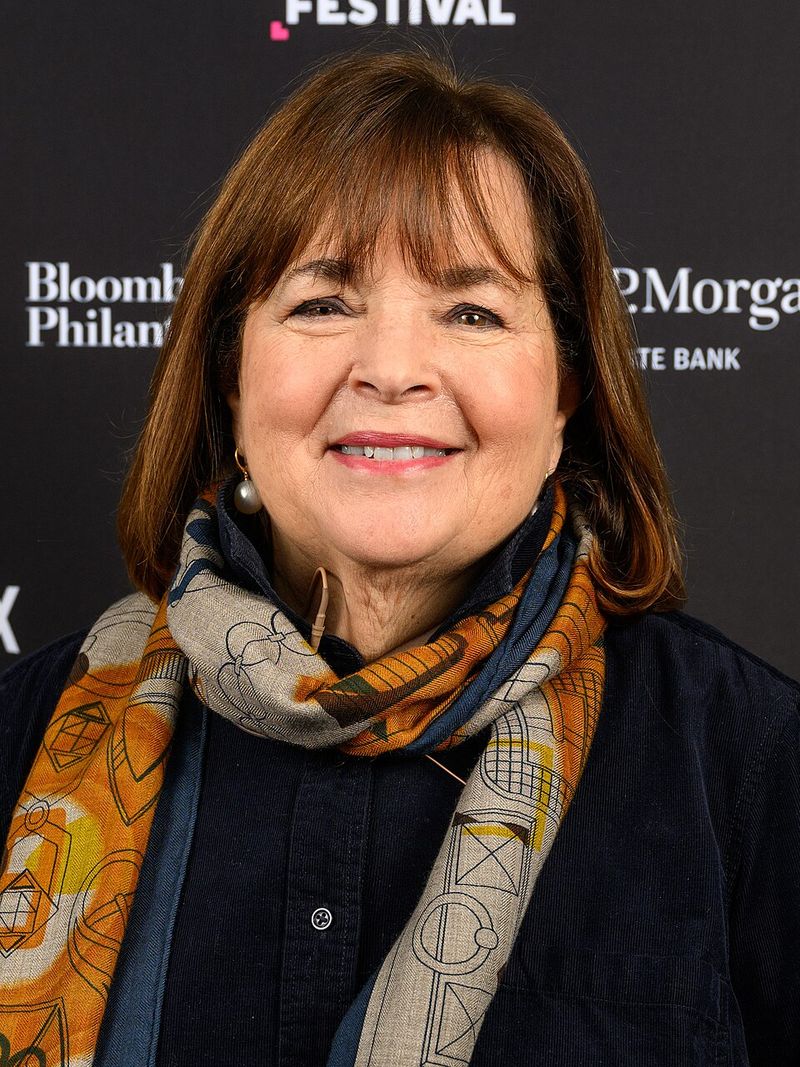
Easy hospitality defines the kitchen style of Ina Garten. Meals prepared for friends and beautifully set tables make viewers feel as if they received a quiet invitation to the Hamptons through Barefoot Contessa.
“Store-bought is fine,” became a line that lifted pressure from countless busy home cooks.
Calm weekend energy from Garten often feels like the perfect antidote to a stressful weeknight dinner routine.
11. 30 Minute Meals (2001-2012; Returned In 2019)

Thirty minutes once sounded impossible until Rachael Ray stepped in with a knife and a cheerful running commentary.
With that pace, weeknight cooking began to look like a challenge people could actually win instead of a chore hanging over the evening.
Meanwhile EVOO slipped into the national vocabulary and never really left. Five-thirty on the kitchen clock suddenly felt far less intimidating once the routine changed.
12. Good Eats (1999-2012; Revived 2019-2021)

Alton Brown treated every recipe like a science experiment and made understanding the why behind cooking feel genuinely thrilling.
Good Eats explained emulsification, the Maillard reaction, and knife skills with props, costumes, and a level of nerdy joy rarely seen on food TV. Viewers felt smarter after every episode.
It is the only cooking show that made people want to read a food science textbook for fun.
13. Everyday Italian (2003-2011)
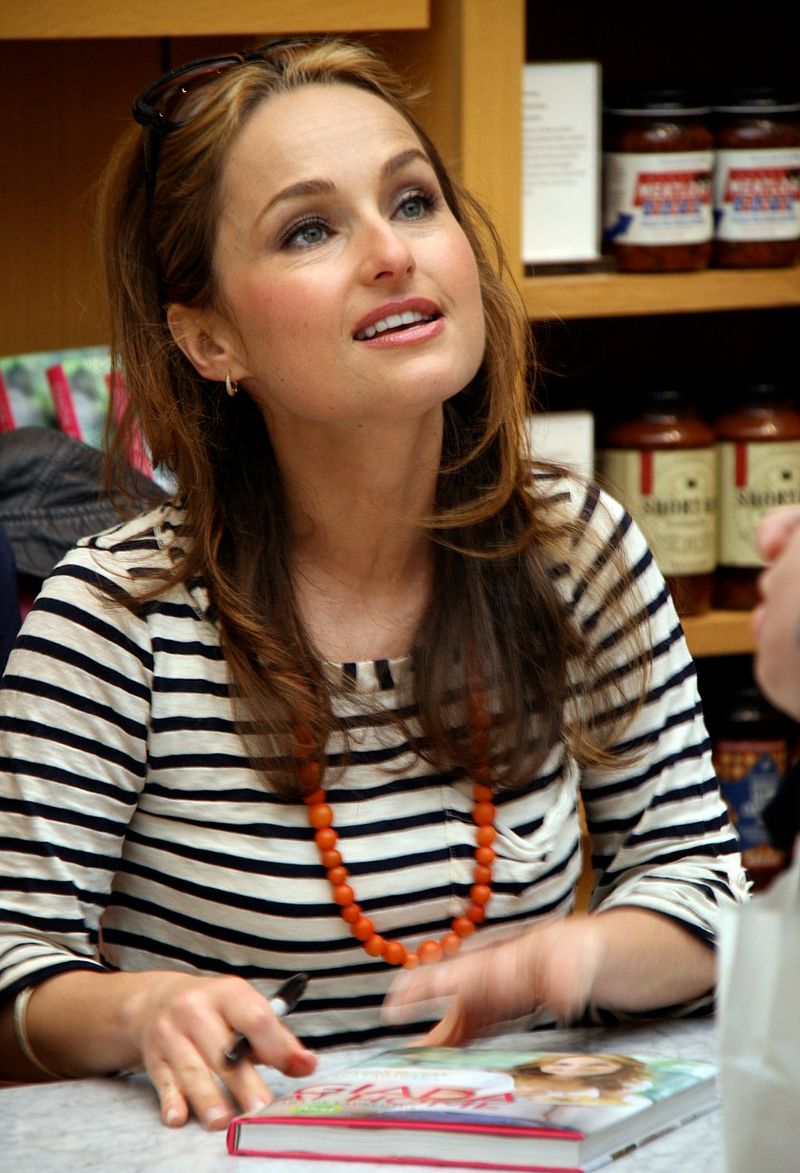
Sunlit Italian flavors came alive whenever Giada De Laurentiis stepped into the kitchen. Warm energy and bright ingredients made pasta night feel special on Everyday Italian.
Fresh herbs, clean flavors, and a welcoming smile quietly inspired viewers to reach for better olive oil.
Easygoing charm from De Laurentiis often feels like the culinary version of discovering the perfect playlist for a slow Sunday morning.
14. The Naked Chef (1999-2001)

Jamie Oliver arrived on cooking television without a toque, without a formal kitchen, and with no interest in making food feel complicated.
Across The Naked Chef, recipes shrink down to their essentials, turning dinner into something a twenty-something could actually manage after a long day. Fresh herbs start appearing everywhere, scattered across cutting boards and plates.
Easygoing, bag-by-the-door energy makes cooking look like the most natural thing in the world.
15. Jamie’s Kitchen (2002)
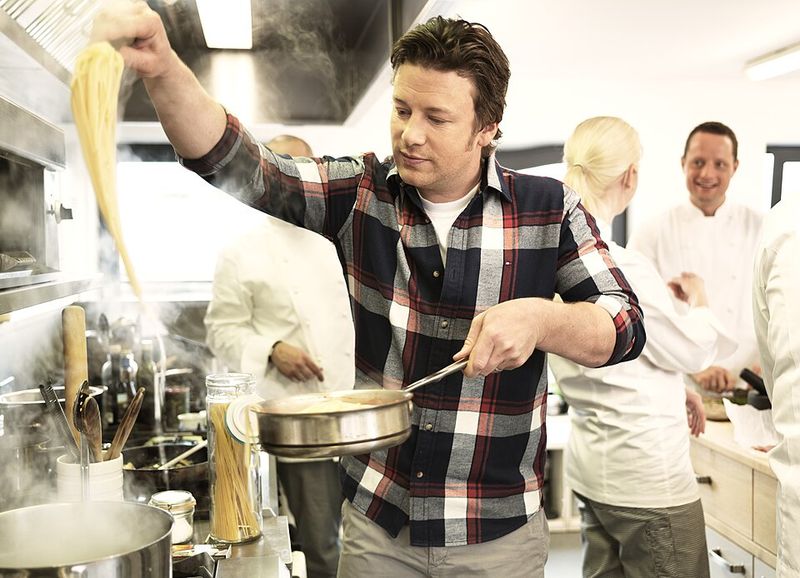
Taking unemployed young people and training them for a real restaurant was either brilliantly inspiring or wonderfully reckless, and Jamie Oliver made it both.
The show raised the stakes beyond recipes, turning cooking into a genuine life skill with real consequences attached. Viewers rooted hard for every trainee.
It made the act of learning to cook feel like something worth fighting for.
16. Nigella Bites (1999-2001)

Midnight kitchen wanderings became iconic whenever Nigella Lawson opened the fridge for a quiet late-night bite.
Sensory joy sits at the center of her cooking style, celebrating flavor and comfort rather than strict perfection.
Television audiences saw food treated as indulgent, personal, and warmly human on Nigella Bites. The show treated cooking as personal, sensory, and warmly lived-in rather than rigidly formal.
17. Lidia’s Kitchen (2013-Present)
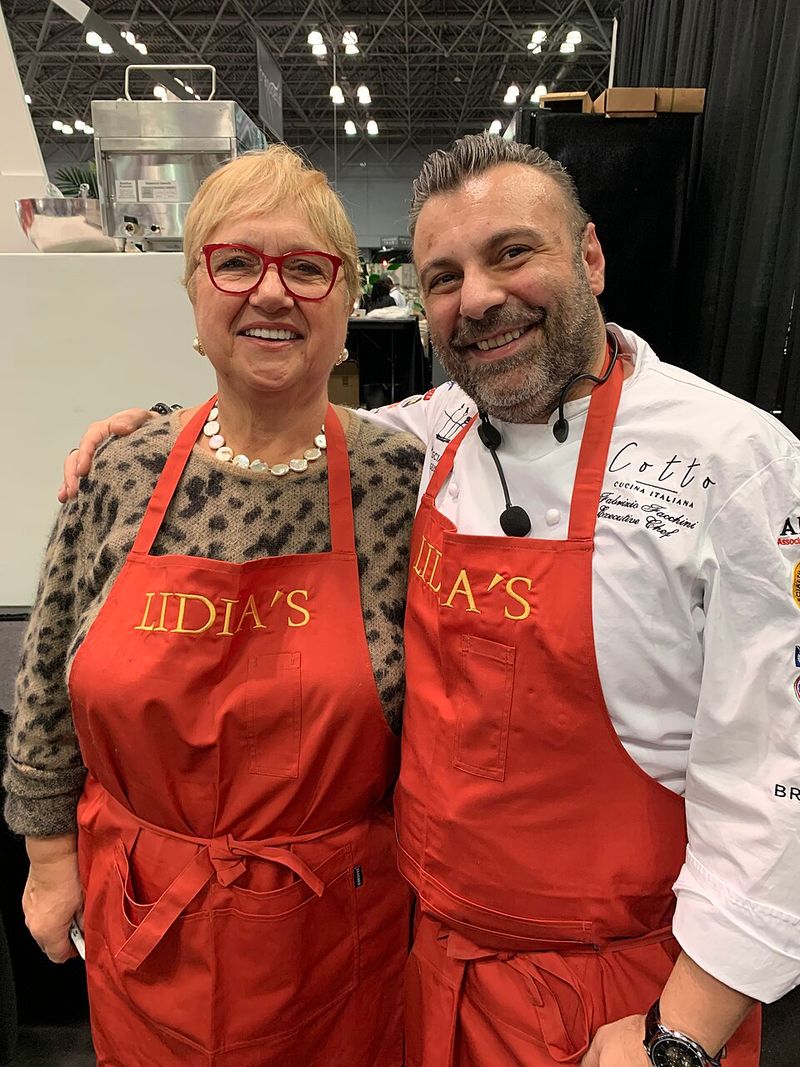
Calm authority defines the way Lidia Bastianich cooks, built on decades spent feeding people who truly mattered to her.
Each episode carries the feeling of a long Sunday at a grandmother’s house, filled with garlic and quiet comfort. Within that kitchen, food becomes love made edible in the simplest, most genuine way.
Memory sits at the heart of the show, reminding viewers where the best cooking always begins.
18. Yan Can Cook (1982-Present)
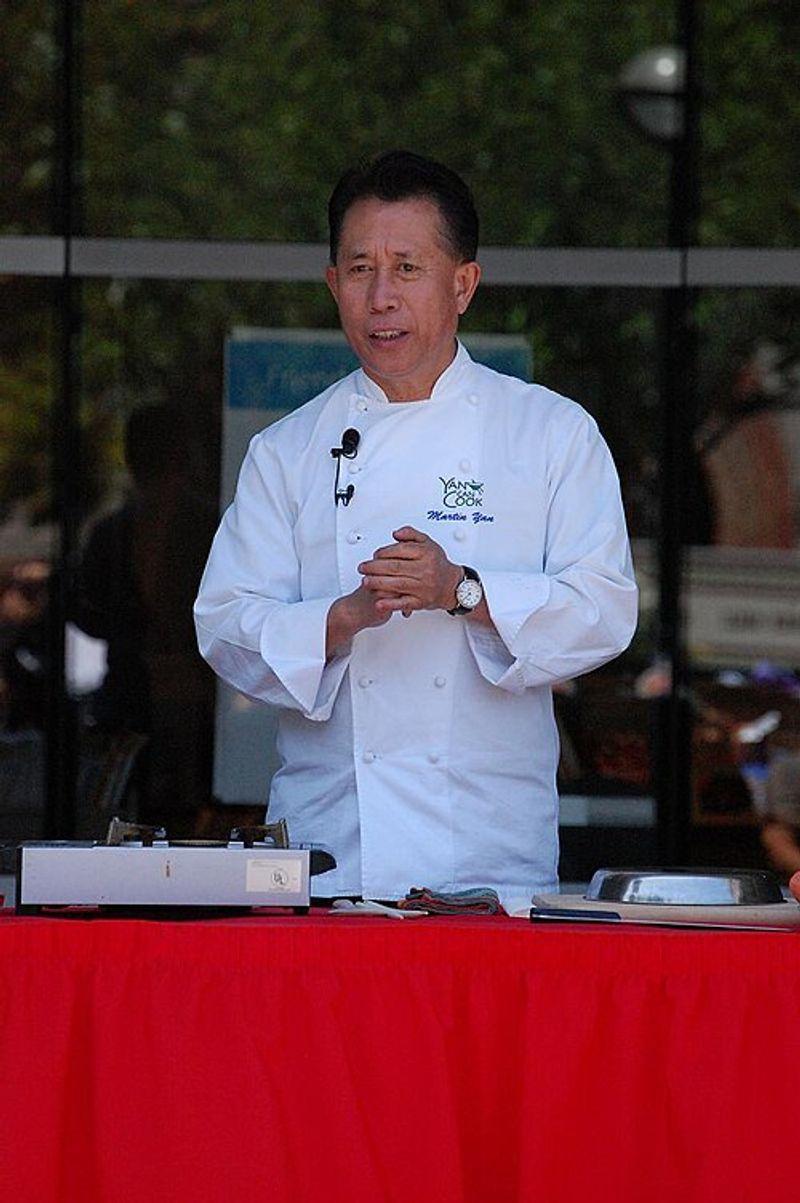
Lightning-fast knife skills stunned viewers when Martin Yan deboned a chicken in under eighteen seconds on live television. Energy and humor drove the spirit of Yan Can Cook, turning Chinese cuisine into something approachable, quick, and genuinely fun to watch.
Playful puns flew alongside astonishing technique while beautiful dishes appeared almost effortlessly.
Signature promise from Yan still echoes decades later: If Yan can cook, so can you.
19. Emeril Live (1997-2007)
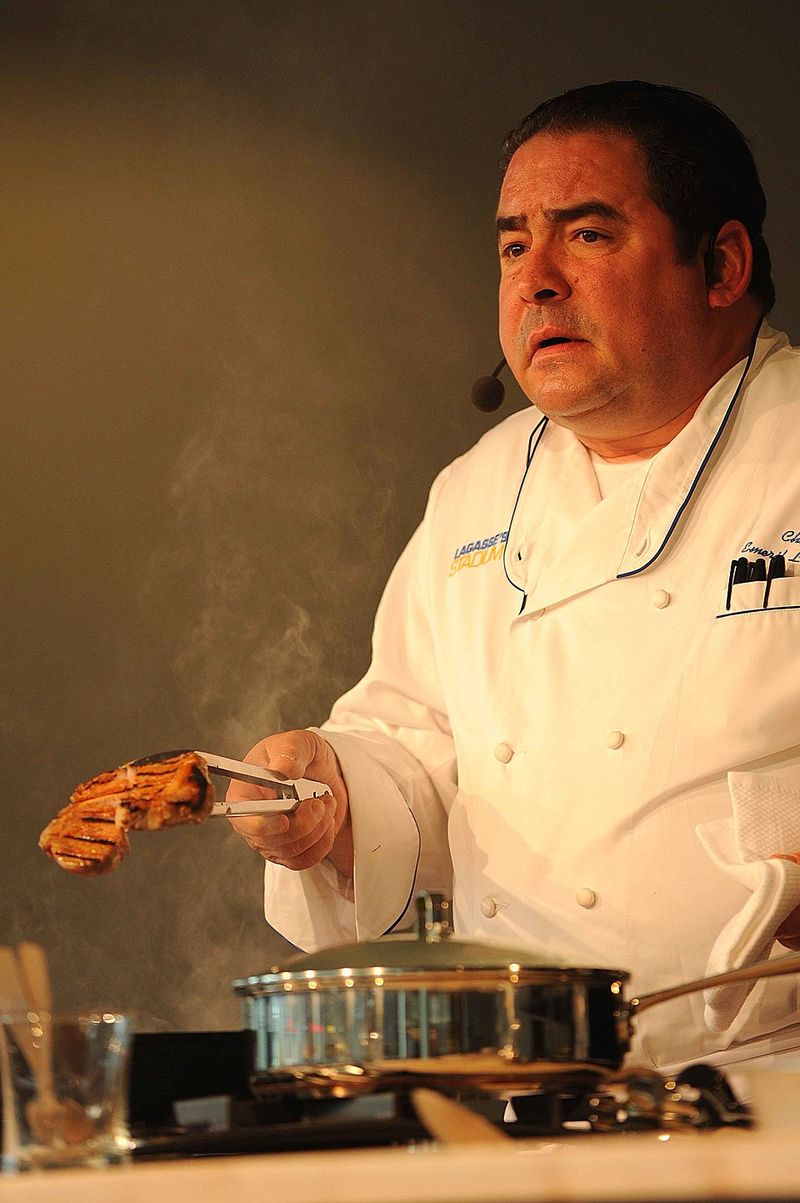
BAM! One word, one chef, and an entire studio audience cheering for a pot of gumbo like it was a rock concert encore.
Emeril Lagasse brought New Orleans soul into every episode and made bold seasoning feel like a moral obligation. The live audience format turned cooking into genuine performance art.
He made kicking it up a notch the most motivating cooking advice of the entire decade.
20. Throwdown! With Bobby Flay (2006-2011)
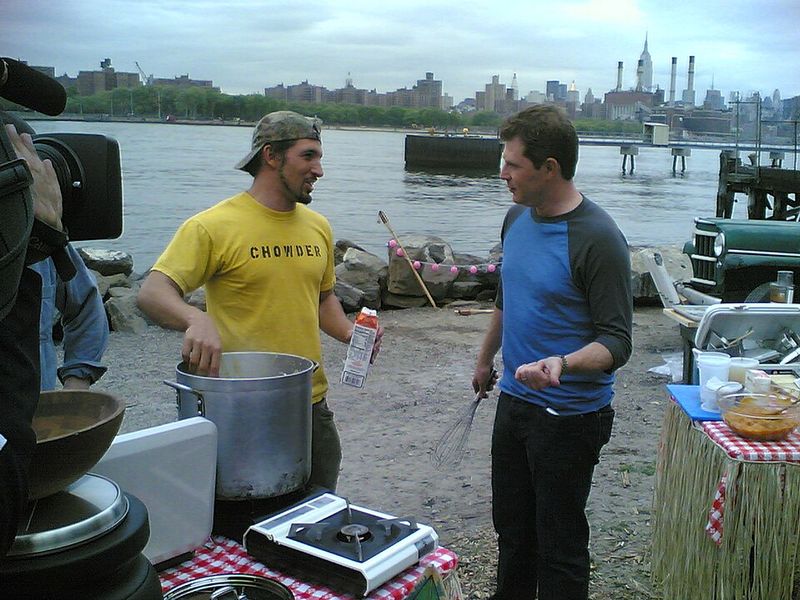
Without warning, Bobby Flay walks into neighborhood kitchens to challenge local legends at the dishes they know best. Graceful defeat becomes the hardest skill in the room once the tasting begins.
Regional food traditions take center stage while a celebrity chef tests whether experience can outrun decades of mastery.
More than once, the hometown cook proves that practice beats reputation.