15 Critically Acclaimed Albums With A Polarizing Legacy
Some albums win critics over instantly while leaving everyday listeners unsure what they just heard.
Pushing boundaries often sparks a love-it-or-hate-it reaction, and these fifteen records earned major acclaim while dividing fans into fiercely loyal camps for decades.
Note: Readers should treat this analysis as an editorial exploration of critical reception and audience debate rather than a definitive historical record.
Because musical legacies are shaped by regional trends, the era of release, and individual listener experiences, perspectives on these albums can vary significantly.
1. Kid A (Radiohead, 2000)

Radiohead pivoted away from guitar-led rock toward electronics and texture, a move that surprised part of their audience.
Reviews were broadly positive, while some listeners missed the emotional immediacy of earlier releases.
Though initially divisive, the album’s influence on indie and alternative music became undeniable over time.
Maybe you’ve experienced that moment when your favorite artist changes direction completely, leaving you both confused and curious about where they’ll go next.
2. B*tches Brew (Miles Davis, 1970))

Miles Davis fused jazz with rock elements and electric experimentation, creating a sprawling album that unsettled many purists.
Traditional jazz fans felt betrayed by the electric instrumentation and loose improvisational structure.
However, younger listeners embraced the fusion sound, sparking an entirely new genre.
Imagine walking into a familiar room only to find all the furniture rearranged – that’s how this record felt to many jazz devotees in 1970.
3. Yeezus (Kanye West, 2013)
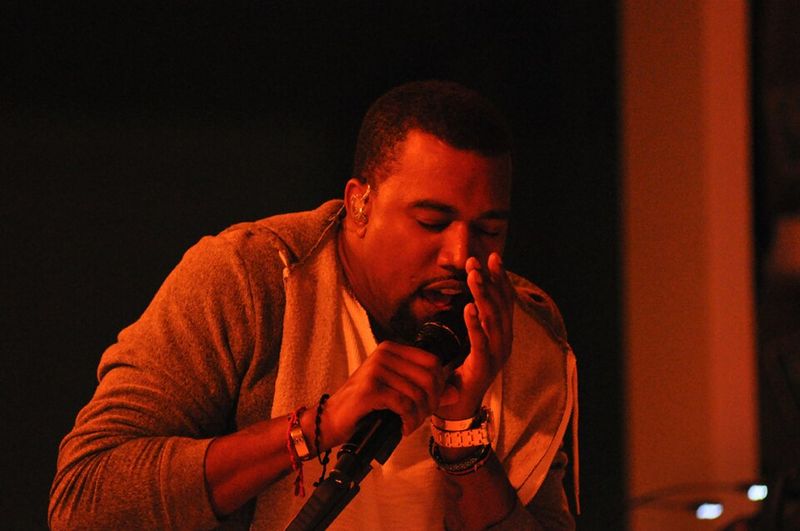
Kanye West stripped away polish and melody, delivering harsh industrial beats and confrontational lyrics.
Critics praised the aggressive minimalism and artistic risk-taking, calling it boundary-pushing hip-hop.
Fans accustomed to West’s earlier soul-sampling production found the abrasive sound difficult to digest.
Perhaps you’ve tried a bold new flavor that made you question whether you loved it or wanted to spit it out immediately.
4. The Velvet Underground & Nico (1967)
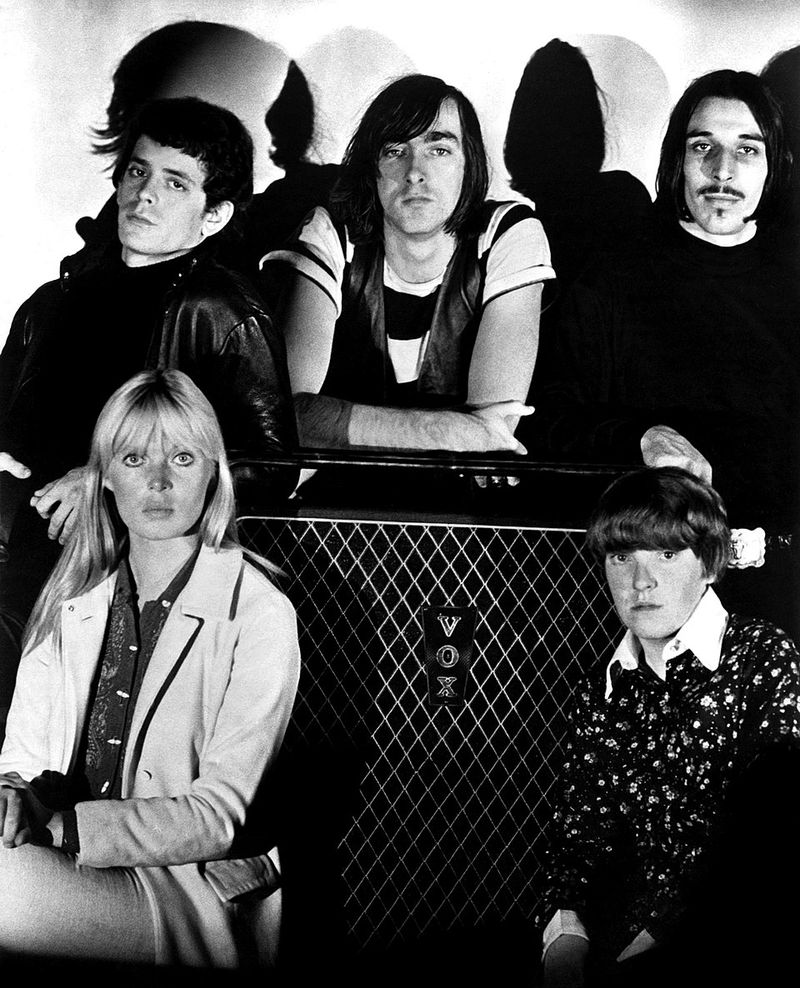
This debut album featured droning guitars, unconventional song structures, and lyrics that pushed social boundaries and leaned into urban unease.
Radio stations largely ignored it, and mainstream audiences found it too dark and experimental.
Decades later, musicians across genres cited it as a foundational influence on alternative and punk rock.
Sometimes the most important albums aren’t the ones everyone loves right away, they’re the ones that quietly change everything.
5. Metal Machine Music (Lou Reed, 1975)

Lou Reed released over an hour of unrelenting guitar feedback with no conventional melodies or rhythms.
Many listeners rejected it on release, and it became notorious for heavy returns and backlash.
Avant-garde enthusiasts later celebrated it as a bold artistic statement that challenged music’s very definition.
Actually, some artistic experiments feel like tests to see how much weirdness audiences can handle before they tap out completely.
6. Trout Mask Replica (Captain Beefheart, 1969)
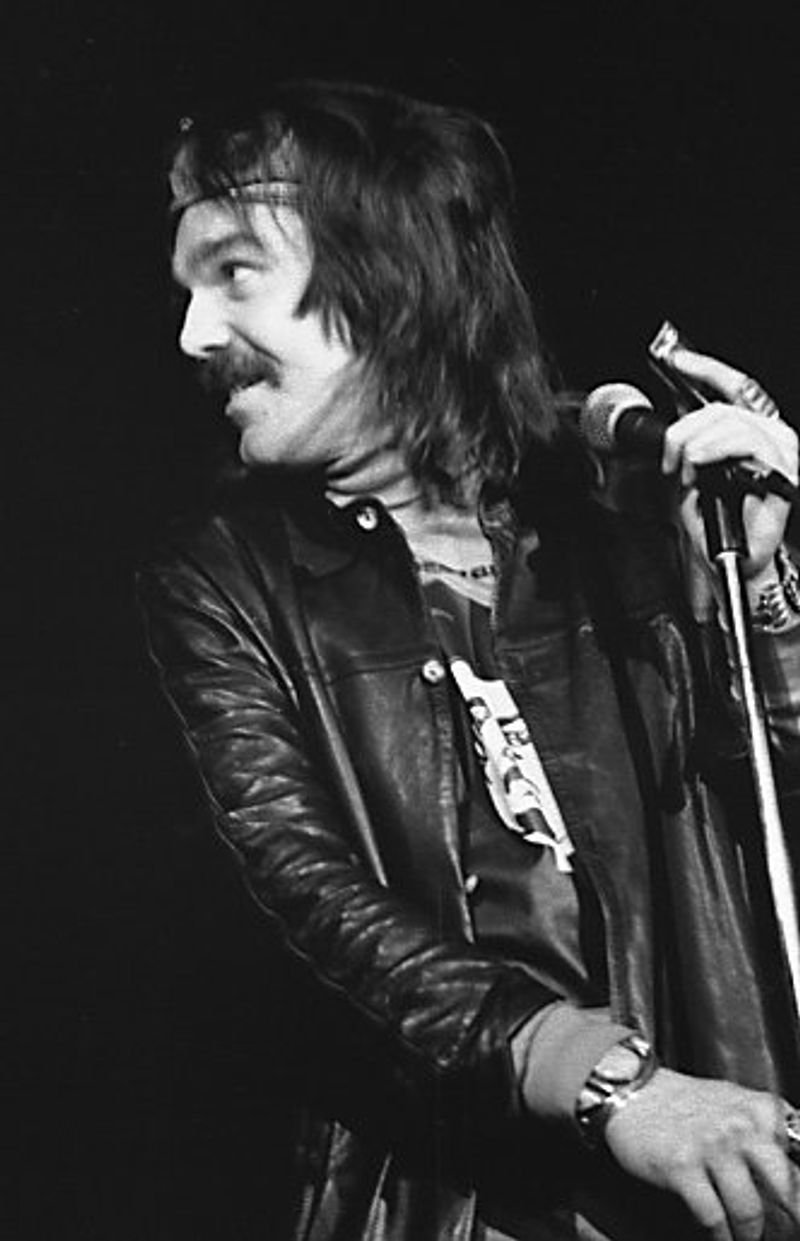
Captain Beefheart created a chaotic masterpiece with dissonant guitars, surreal lyrics, and rhythms that seemed to defy musical logic.
Casual listeners found it impenetrable and frustrating, while adventurous critics hailed its fearless creativity.
The album’s cult following grew steadily, influencing experimental rock musicians for generations.
Honestly, some records require multiple listens and an open mind before their strange brilliance starts making sense to your ears.
7. Pet Sounds (The Beach Boys, 1966)
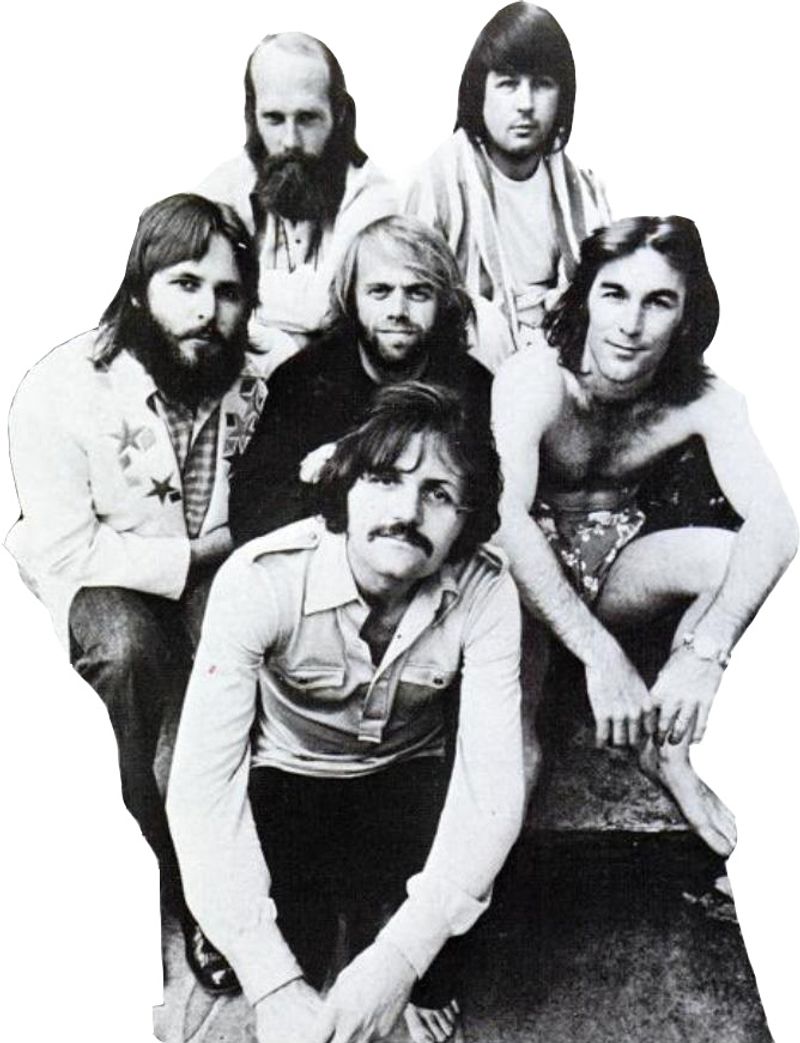
Brian Wilson crafted lush orchestral arrangements and introspective lyrics, moving far beyond the band’s surf rock origins.
Initial U.S. response was mixed compared to the album’s later reputation, while UK enthusiasm helped boost its stature.
British musicians like The Beatles immediately recognized its genius, and its reputation grew into legendary status.
Sometimes a creative leap feels too big for the moment, but history eventually catches up and celebrates the vision.
8. Pinkerton (Weezer, 1996)

Weezer delivered raw, confessional songs filled with vulnerability and abrasive production that contrasted sharply with their debut’s polish.
Critics initially panned it as messy and self-indulgent, while fans felt alienated by the darker tone.
Years later, a passionate cult following emerged, praising its emotional honesty and influence on emo music.
Curiously, albums that feel too personal and uncomfortable at first often become the ones listeners treasure most deeply later.
9. In The Aeroplane Over The Sea (Neutral Milk Hotel, 1998)
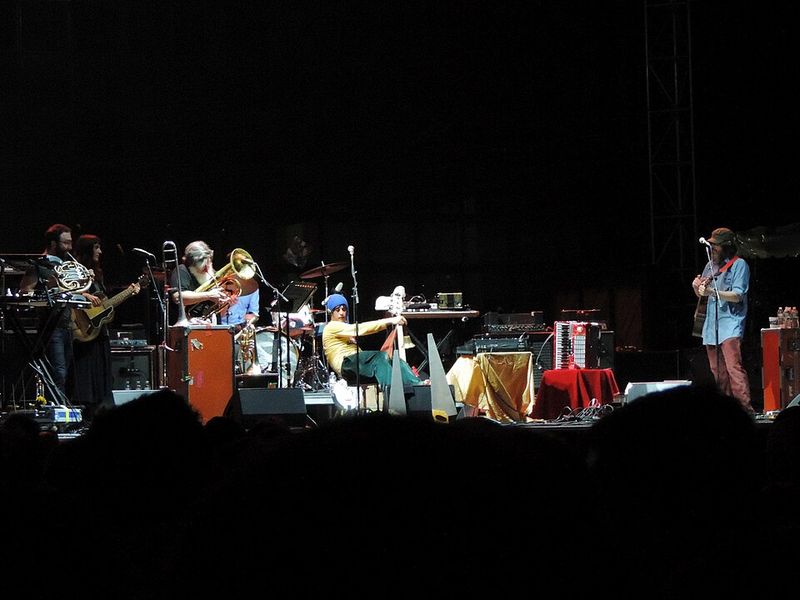
Jeff Mangum’s surreal lyrics and lo-fi production created an intensely personal album about love, death, and Anne Frank.
Many listeners found the raw vocals and bizarre imagery off-putting upon initial release.
Internet communities later championed it as a cult masterpiece, turning it into an indie rock touchstone.
Essentially, some albums become beloved not through radio play but through passionate word-of-mouth recommendations from devoted fans.
10. The Beatles (The White Album) (1968)
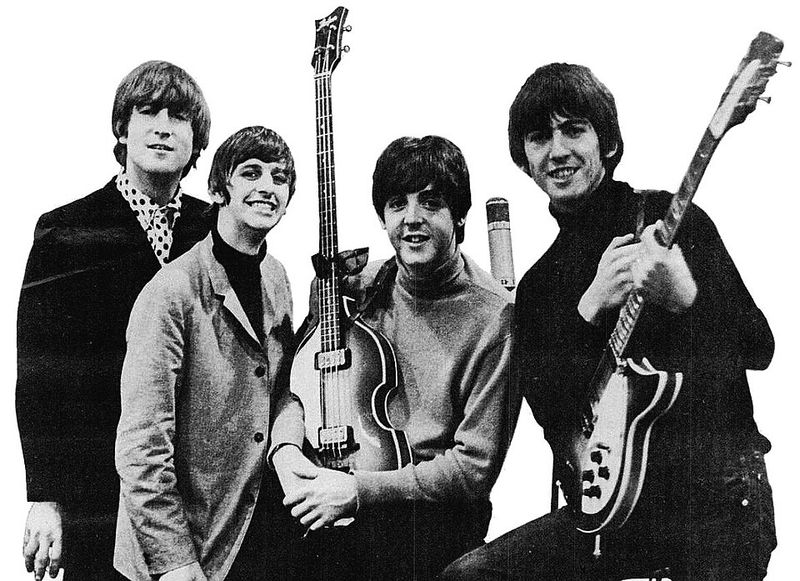
The Beatles created a sprawling double album with wildly diverse styles, ranging from gentle ballads to experimental noise.
Critics debated whether the eclectic collection represented creative freedom or unfocused excess.
Fans remain divided over which songs are brilliant and which should have been cut.
While some albums present a cohesive vision, others throw everything at the wall to see what sticks, leaving listeners to decide what’s genius.
11. Medúlla (Björk, 2004)

Björk built the album primarily around the human voice, using vocal percussion and choral textures with other unconventional techniques.
The unconventional approach fascinated critics who praised its ambition and originality.
Mainstream listeners found the vocal-only production alienating and difficult to connect with emotionally.
Surprisingly, removing familiar instruments can make music feel more alien rather than more human, depending on your listening preferences.
12. Tilt (Scott Walker, 1995)

Scott Walker abandoned pop melodies entirely, creating dense orchestral pieces with disturbing imagery and dissonant arrangements.
The album’s uncompromising darkness and complexity challenged even adventurous listeners.
Critics recognized it as a fearless artistic statement, though few could claim to enjoy it casually.
Fortunately, not every acclaimed album needs to be enjoyable – some earn respect through pure artistic courage and uncompromising vision.
13. Straight Outta Compton (N.W.A, 1988)

N.W.A delivered confrontational lyrics about police brutality and street life with aggressive production that shocked mainstream America.
The album sparked intense controversy, including public condemnation and an FBI letter criticizing one track’s message.
Hip-hop fans celebrated its raw honesty, while critics debated whether it glorified violence or documented reality.
Traditionally, the most controversial albums often become the most historically significant, forcing society to confront uncomfortable truths.
14. The Marshall Mathers LP (Eminem, 2000)
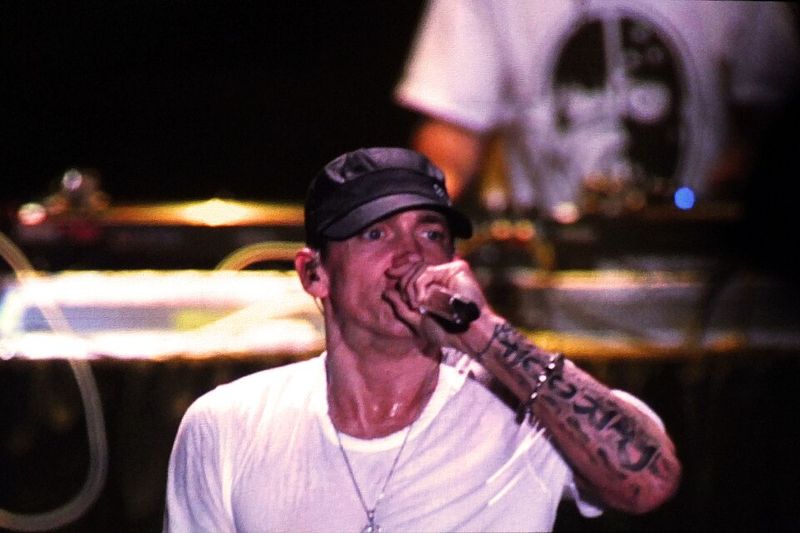
Eminem crafted technically brilliant rap songs filled with graphic imagery and provocative themes.
Critics praised the lyrical skill while raising concerns that some lyrics were demeaning toward women and LGBTQ+ people.
The album became a massive commercial success despite protests from advocacy groups and parental organizations.
Often, separating artistic merit from moral concerns creates passionate debates that persist long after the music stops playing.
15. Raw Power (Iggy And Zhe Stooges, 1973)

Iggy Pop and the Stooges created a proto-punk masterpiece with distorted guitars and primal energy.
The album’s muddy production and aggressive sound alienated mainstream rock listeners.
Punk and alternative musicians later cited it as a crucial influence, recognizing its raw authenticity.
Really, some albums sound ahead of their time because they’re creating the future rather than perfecting the present moment’s expectations.