12 Critically Acclaimed Gothic Horror Books
Crumbling mansions, whispered secrets, and shadows that seem to move on their own pull readers straight into the heart of Gothic horror.
Psychological tension mixes with eerie atmosphere and supernatural dread in stories that have unsettled audiences for generations.
Each of these standout novels helped shape the genre and still delivers chills long after the final page.
Note: This list reflects widely documented publication history, major critical reputation, and notable literary influence for each title, using publicly available reference material and award records where applicable.
12. Rebecca By Daphne Du Maurier
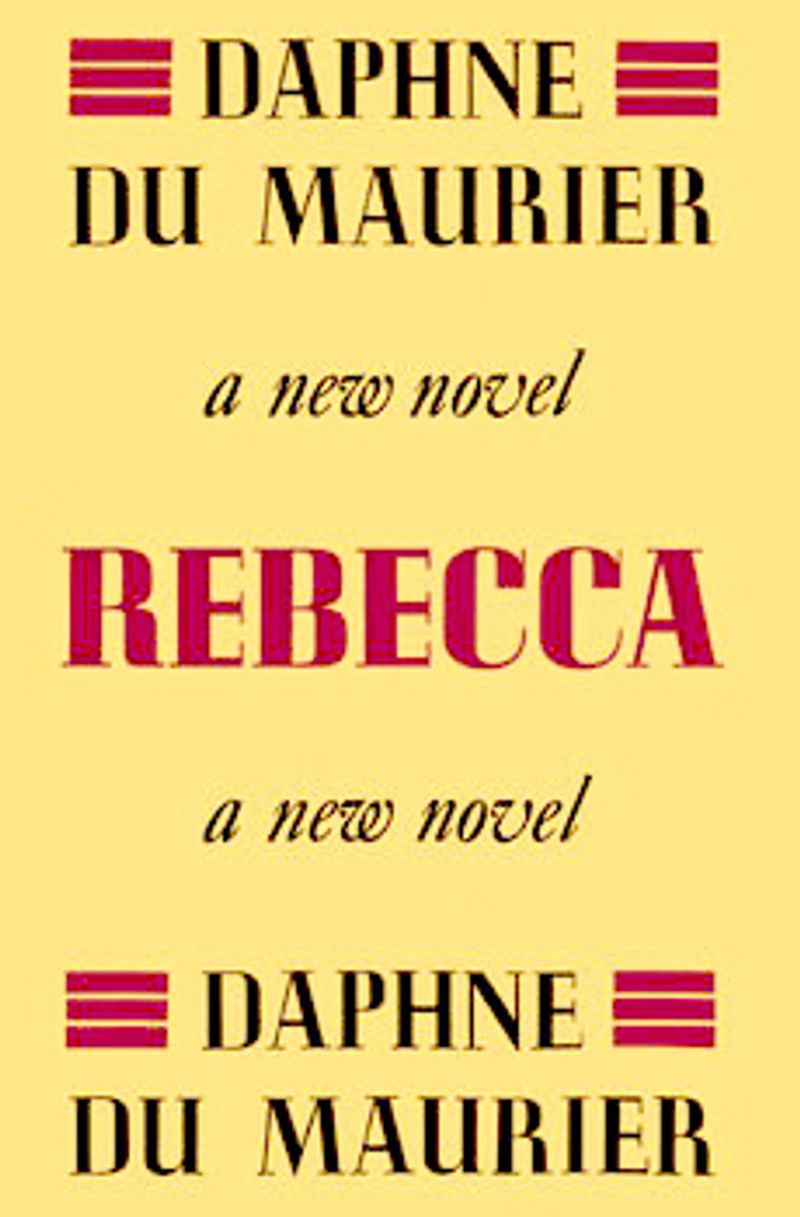
A nameless young bride reaches her husband’s grand estate only to feel overshadowed by his glamorous, late first wife.
Daphne du Maurier’s 1938 novel blends Gothic atmosphere with psychological suspense, building a story where memory and reputation become the true haunting forces.
At Manderley, the unsettling presence of Mrs. Danvers adds a human layer of menace to the creeping dread that fills the house. The novel’s lasting impact led to Alfred Hitchcock’s celebrated film adaptation and influenced countless Gothic romances that followed.
Rebecca shows that actual ghosts are unnecessary when obsession and buried secrets create their own lingering shadow.
11. The Strange Case Of Dr. Jekyll And Mr. Hyde By Robert Louis Stevenson
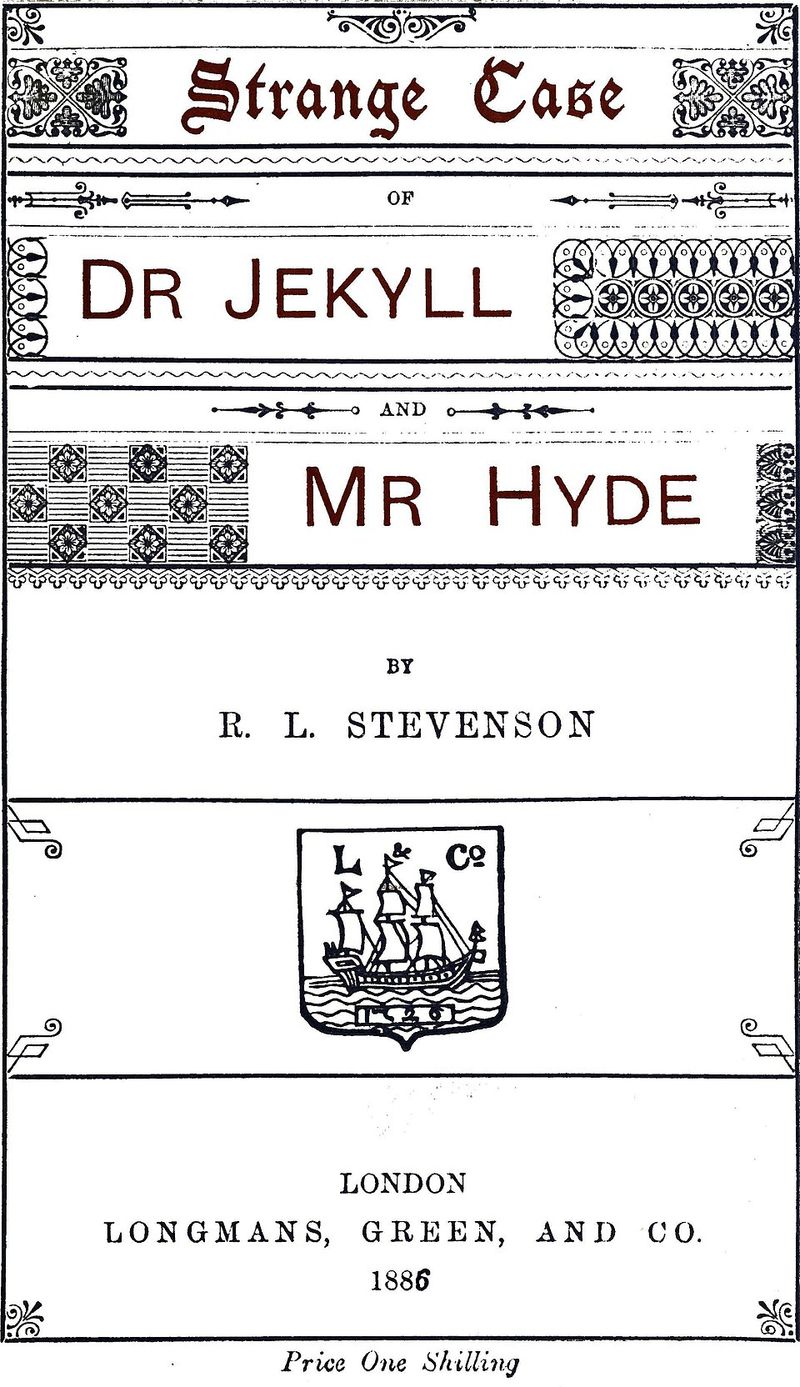
Ever heard someone describe a “Jekyll and Hyde personality”?
Robert Louis Stevenson’s 1886 novella introduced a phrase that became cultural shorthand for dual nature and inner conflict.
Story follows a respectable doctor who transforms into a violent alter ego, revealing darkness hidden beneath a civilized surface. Stevenson drew on a nightmare-inspired premise and delivered a story that became shorthand for inner duality.
Beyond working as a gripping mystery, the tale also serves as a sharp commentary on Victorian society’s fixation with reputation and respectability.
10. Mexican Gothic By Silvia Moreno-Garcia

Silvia Moreno-Garcia’s 2020 novel shows that Gothic horror belongs in far more places than English manors and European castles.
Set in 1950s Mexico, the story follows socialite Noemí Taboada as she investigates unsettling events at a crumbling countryside mansion. The book earned the Shirley Jackson Award and brings a fresh perspective to Gothic traditions by weaving in Mexican culture and challenging colonial-era narratives.
Blending classic Gothic atmosphere with body horror and pointed social commentary, Moreno-Garcia creates a tale that feels both familiar and strikingly original.
This modern standout proves the genre continues to evolve while still honoring its roots.
9. The Turn Of The Screw By Henry James
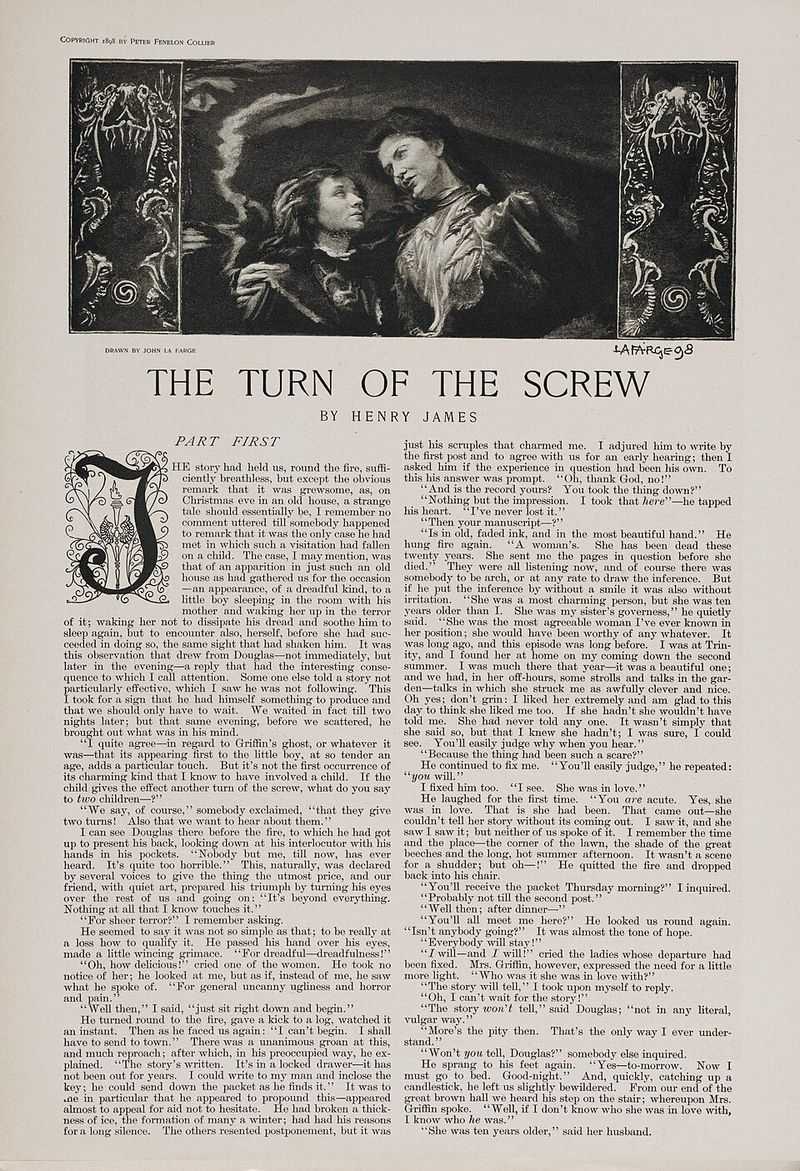
What’s scarier – actual ghosts or a narrator who might be imagining everything?
James’s 1898 novella keeps readers guessing with deliberate ambiguity that has sparked debates for over a century. A governess believes two children in her care are being haunted by sinister spirits, but the story never confirms whether the ghosts are real or products of her troubled mind.
This uncertainty creates psychological dread that no amount of jump scares could match.
The tale proves that sometimes the most frightening stories are the ones that refuse to give you easy answers.
8. The Haunting Of Hill House By Shirley Jackson

Jackson’s 1959 masterpiece asks a terrifying question: Is Hill House actually haunted, or does it just pushe its characters toward psychological unraveling.
Four people gather to investigate supernatural phenomena in a mansion with a dark history, but the house itself becomes the story’s true character.
The novel was a National Book Awards finalist and established Jackson as a master of psychological horror that gets under your skin. Her prose creates an atmosphere so oppressive you’ll feel the house closing in on you.
This is the book to read when you want Gothic horror that messes with your mind as much as it scares you.
7. Frankenstein By Mary Shelley
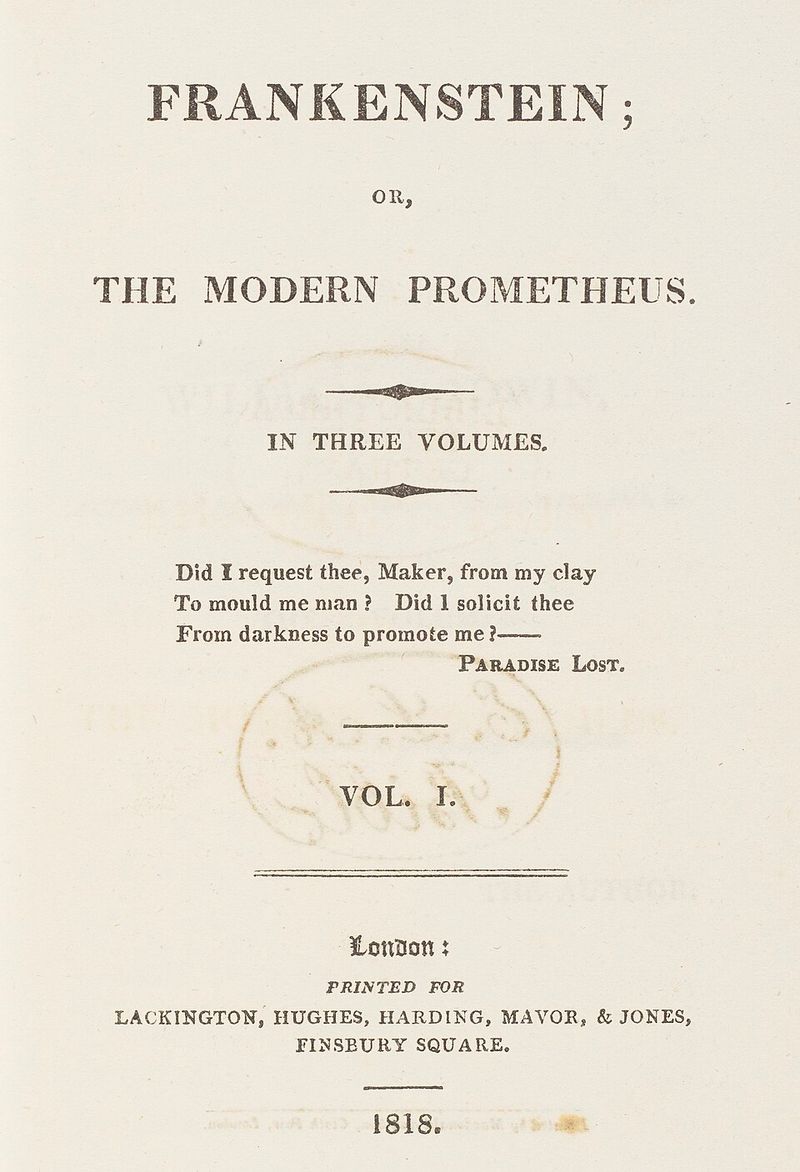
Shelley began the story at 18, and the novel was first published in 1818.
Mary Shelley created a tale that asks big questions about science, responsibility, and what makes us human. Victor Frankenstein’s creation becomes a tragic figure, rejected by society and seeking connection in a world that fears him.
The novel sparked debates about ethics and ambition that continue today in discussions about artificial intelligence and genetic engineering.
Every time you hear someone call a creation “Frankenstein,” remember they’re referencing the doctor, not the creature!
6. We Have Always Lived In The Castle By Shirley Jackson
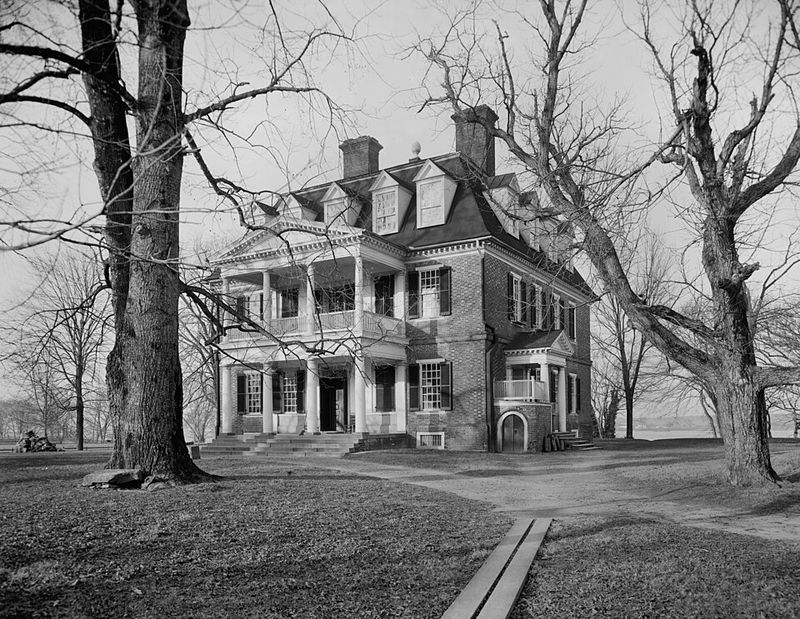
Merricat Blackwood shares a lonely home with her sister and uncle after most of the family died from poisoning.
Shirley Jackson’s 1962 novel, often discussed as one of her most enduring novels, pairing an unsettling narrator with a claustrophobic Gothic mood. Themes of persecution, fierce family loyalty, and the thin line between victim and villain unfold within a thick Gothic atmosphere that clings to every page.
Through hypnotic, almost spell-like prose, Jackson pulls readers into Merricat’s peculiar logic and creates sympathy for deeply troubled characters.
Gothic fiction fans often hold this eerie tale close as a lasting favorite.
5. The Mysteries Of Udolpho By Ann Radcliffe
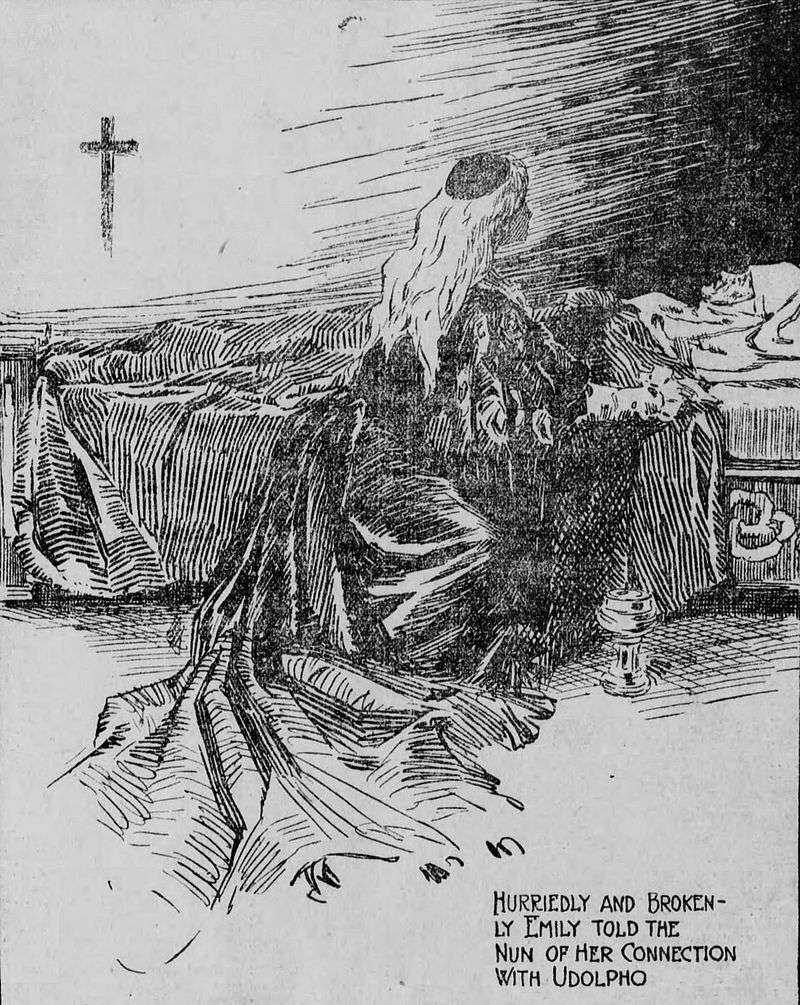
Ann Radcliffe mastered the art of terror in 1794, proving that what you don’t see can scare you more than what you do. Her heroine Emily faces sinister villains, locked rooms, and shadowy corridors in a remote Italian castle.
Radcliffe popularized a style where frightening, seemingly supernatural moments are ultimately grounded in rational explanations.
The novel became a major cultural reference point and is notably echoed and satirized in Jane Austen’s Northanger Abbey. When you need a book that builds dread slowly like fog creeping through castle halls, this classic delivers perfectly.
4. The Monk By Matthew Gregory Lewis
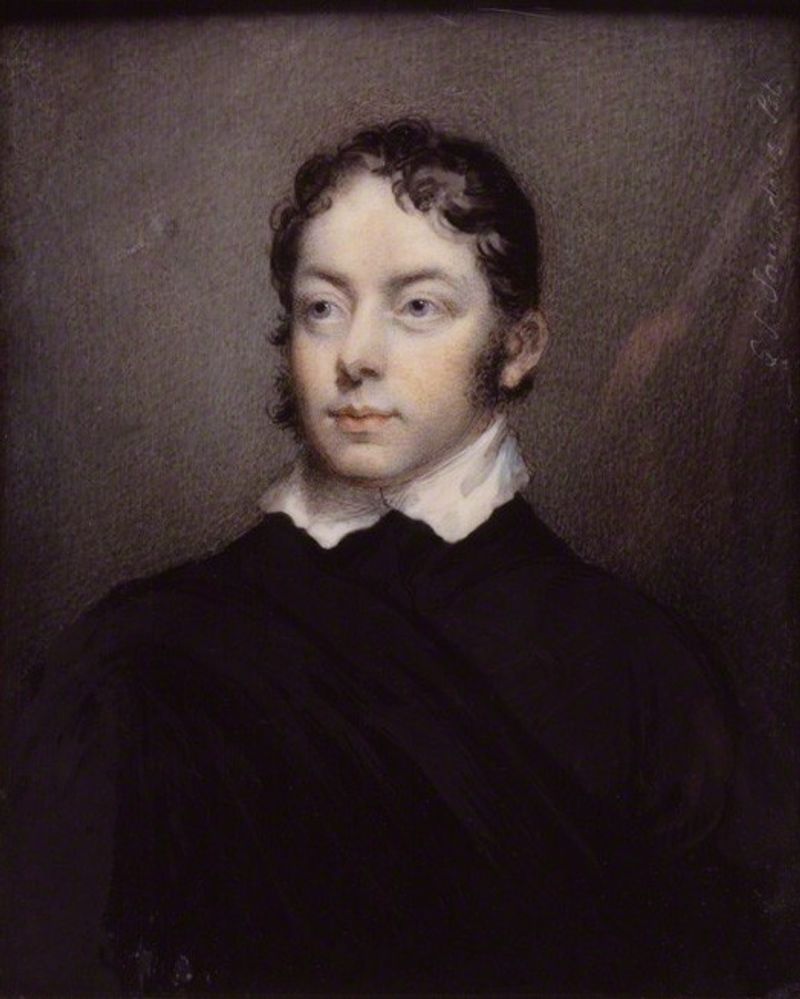
While Radcliffe favored terror, Lewis went straight for horror in 1796.
His tale follows a respected monk’s descent into sin, madness, and deals with demonic forces, shocking readers with its graphic content and moral darkness. The novel drew huge attention on release, both for its popularity and for the backlash it provoked.
Lewis didn’t shy away from violence, forbidden desire, or supernatural evil, pushing boundaries that other writers avoided. If Gothic literature were a rock band, this would be the album that got the parental advisory sticker and flew off the shelves anyway.
3. Carmilla By Sheridan Le Fanu
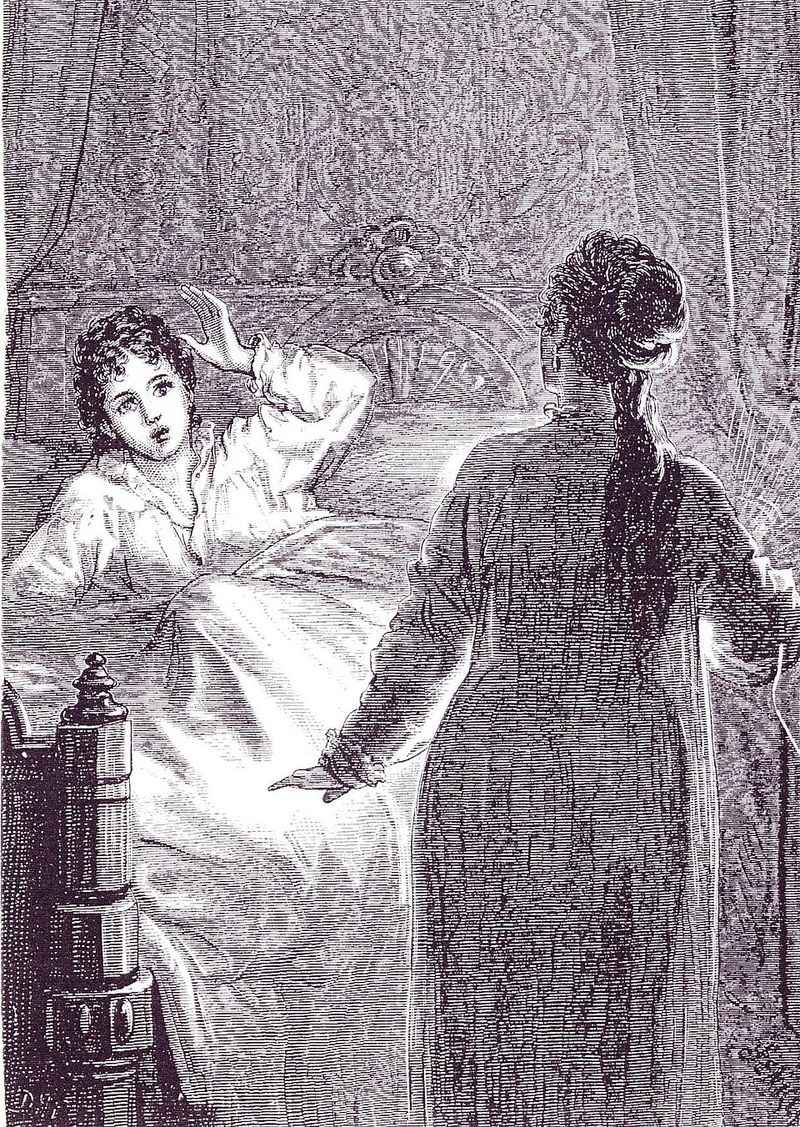
Before Dracula charmed and terrified readers, Carmilla arrived in 1872 as an early, highly influential vampire novella featuring a female vampire.
Le Fanu crafted an atmospheric tale of friendship, seduction, and supernatural danger that predates Stoker’s famous count by twenty-five years. The novella influenced countless vampire stories that followed, establishing tropes still used in modern horror.
Carmilla’s blend of elegance and menace creates an unsettling mood that lingers long after the final page. Think of this as the vampire tale that started the whole undead obsession we still can’t shake today.
2. Dracula By Bram Stoker
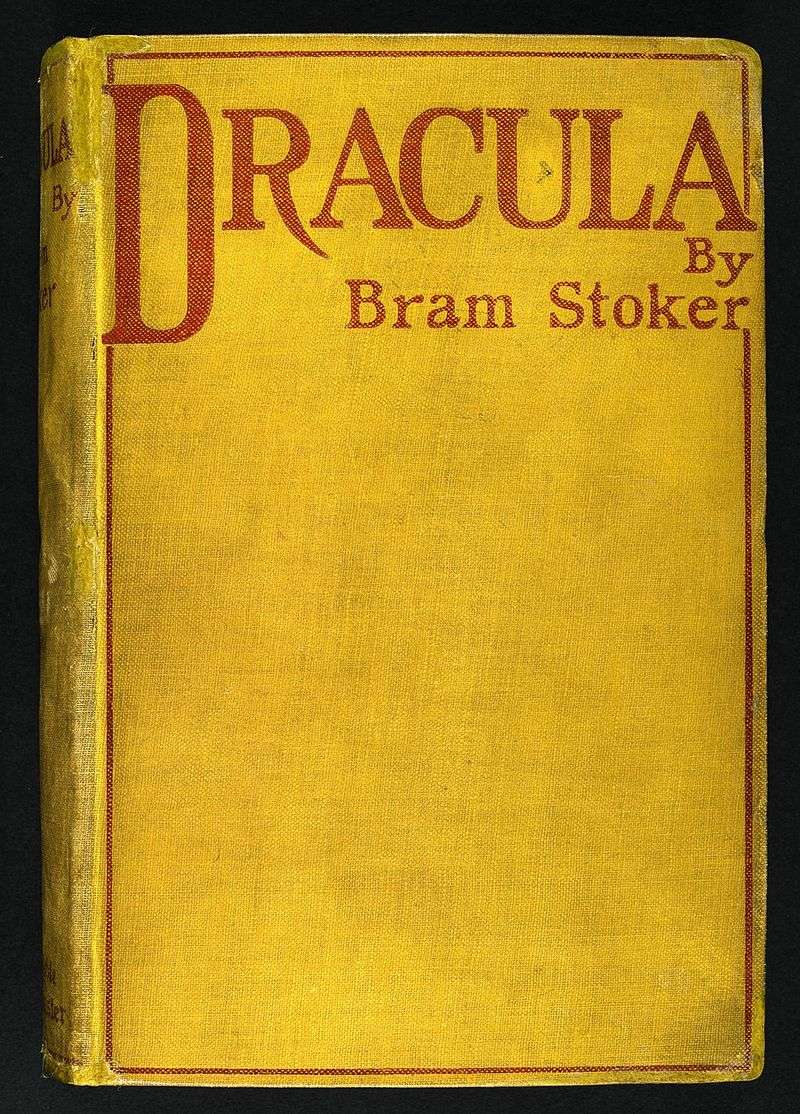
Bram Stoker’s 1897 masterpiece reshaped vampire folklore into one of the most famous horror novels ever written.
Count Dracula became a template for countless vampires in books, films, and television, ranging from charming to terrifying. Told through letters, diary entries, and newspaper clippings, the epistolary structure builds an immersive experience that still feels surprisingly modern.
Dracula’s journey from Transylvania to London reflects Victorian anxieties about foreign influence and cultural contamination.
Whether a reader prefers vampires elegant or monstrous, every version traces back in some way to Stoker’s enduring creation.
1. The Castle Of Otranto By Horace Walpole
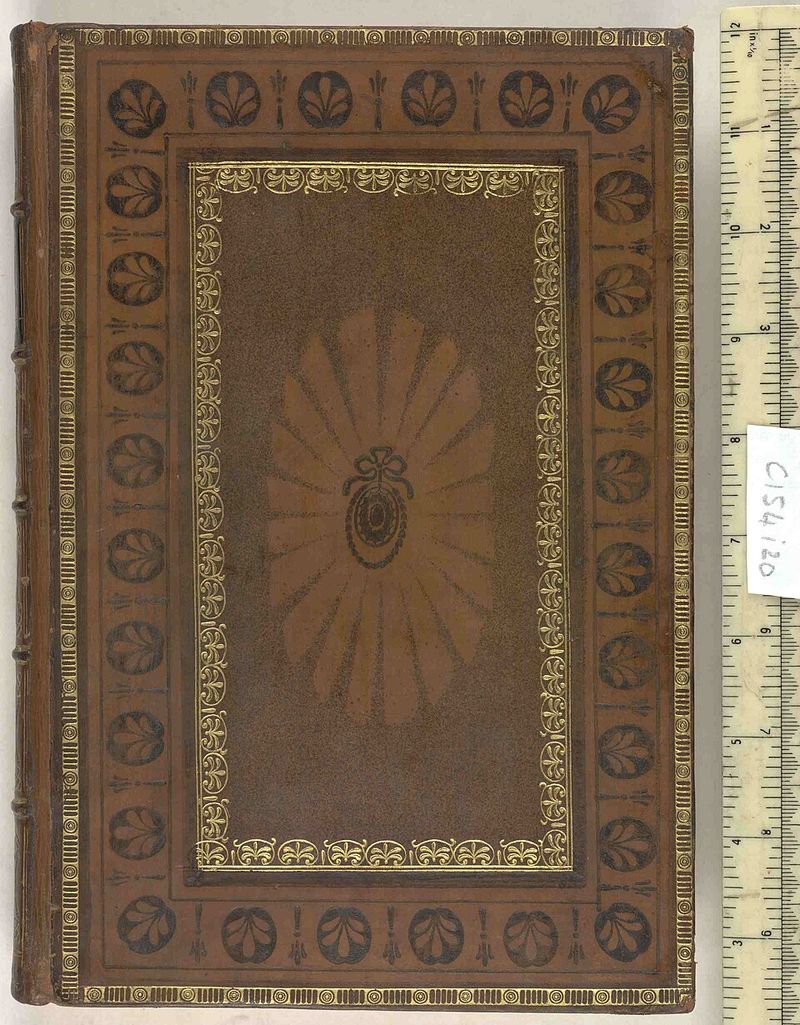
First published in 1764, this novel introduced many of the Gothic ingredients that later became genre staples.
It is widely regarded as the first Gothic novel, and it helped define the genre’s early template. Giant helmets fall from the sky, portraits come alive, and ancient curses threaten noble families in this groundbreaking tale.
If you love modern horror, you owe a thank-you to this pioneering work. Think of it as the great-great-grandfather of every scary book you’ve ever enjoyed on a stormy night.