15 Cosmic Cuisine Ideas Astronauts Feast On In Space
Food in space turns every meal into a mission. Without gravity, crumbs drift like tiny satellites and even a simple sip demands precision.
Aboard the International Space Station, astronauts rely on carefully engineered meals that deliver nutrition, flavor, and zero mess performance. Each item is designed to stay contained, easy to handle, and satisfying enough to keep morale high during months far above Earth.
Scientists and chefs collaborate to create menus that balance health with comfort. Tortillas replace bread to avoid floating crumbs, while thermostabilized dishes, dehydrated packs, and vacuum sealed portions keep food safe and shelf stable.
Favorites still make the cut, including pasta, curries, and even desserts, all adapted for microgravity living. Drinks arrive in special pouches with straws that prevent runaway droplets.
Meals also carry a sense of home. Astronauts often bring personal treats, adding a familiar taste to life in orbit.
Every bite supports focus, energy, and a connection to Earth while circling the planet at incredible speed. Curious which foods make the journey beyond the atmosphere and how they are prepared for life among the stars?
1. Freeze-Dried Ice Cream
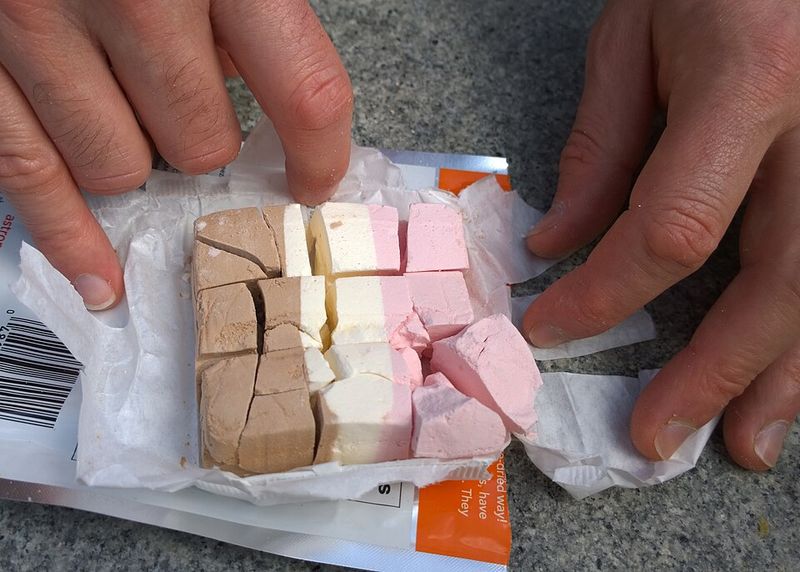
Astronaut ice cream sounds like science fiction, but it is very real and surprisingly tasty. Freeze-drying removes all moisture, leaving behind a crunchy, melt-in-your-mouth treat that weighs almost nothing and needs zero refrigeration.
How cool is it to enjoy chocolate and vanilla swirls somewhere between Earth and the Moon? No melting, no dripping, no sticky fingers floating in microgravity.
Just pure, sweet satisfaction.
Interestingly, freeze-dried ice cream was first developed for NASA missions in the 1960s. It has since become one of the most iconic and beloved symbols of space exploration snack culture worldwide.
2. Tortillas Over Bread
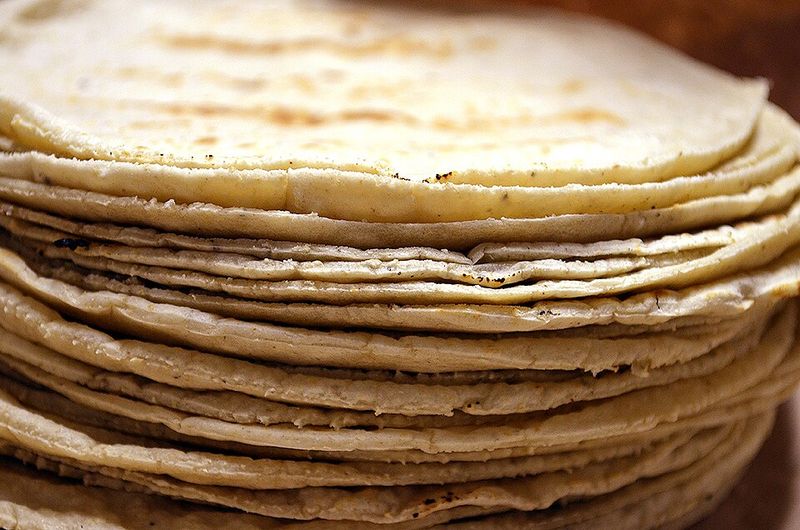
Bread crumbs floating through a spacecraft are not just annoying. Tiny particles can clog air vents, damage equipment, or even get inhaled by crew members.
Engineers needed a smarter solution, and tortillas saved the day.
Soft, flexible, and crumb-free, tortillas became the unofficial bread of outer space after astronauts aboard early shuttle missions discovered how perfectly practical a wrap could be. Peanut butter, turkey, cheese, you name it.
NASA officially adopted tortillas as a staple in the 1980s, and a Texas tortilla company has supplied millions of them for space missions ever since. Tex-Mex wins again, even at 250 miles above Earth.
3. Rehydratable Shrimp Cocktail
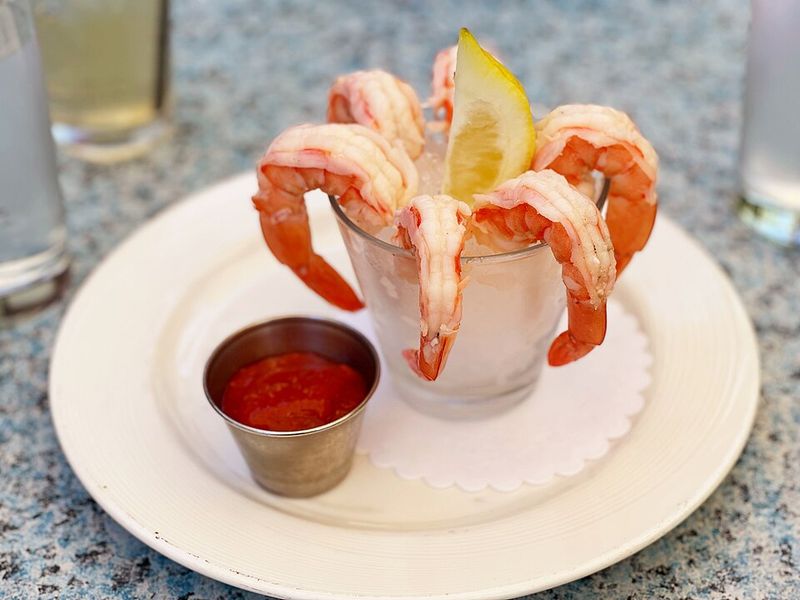
Ask any ISS astronaut about a favorite meal, and shrimp cocktail comes up almost every time. Spicy, tangy, and surprisingly satisfying, it punches flavor right through the blandness that microgravity can create in taste perception.
Hot water gets injected directly into a sealed pouch, rehydrating the shrimp and cocktail sauce in minutes. No pots, no pans, no galley mess to clean afterward.
Just zip, wait, and enjoy a surprisingly gourmet bite.
Scientists believe microgravity dulls the sense of taste slightly, so bold flavors like spicy cocktail sauce become even more appealing up there. Shrimp cocktail is basically the space equivalent of extra hot salsa.
4. Thermostabilized Beef Stew
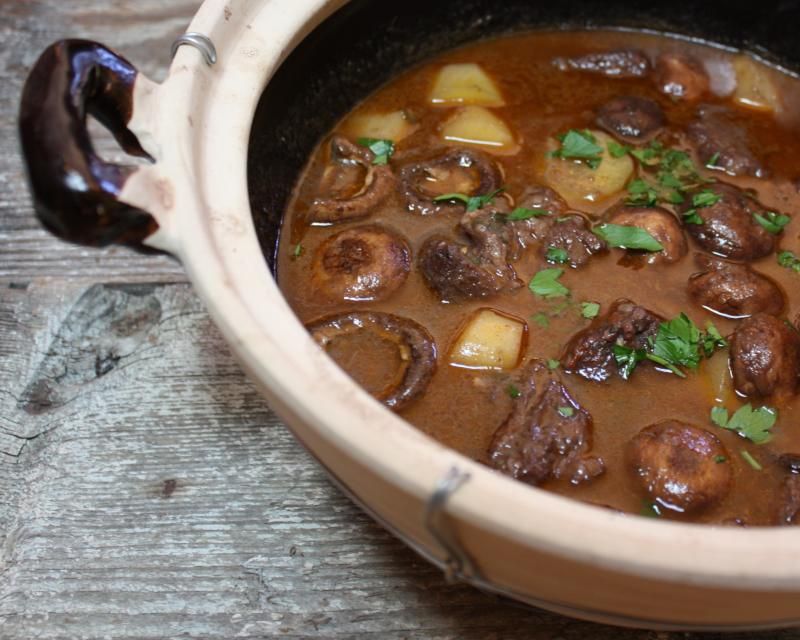
Few meals feel as comforting as a thick, hearty beef stew, and astronauts agree completely. Thermostabilization uses heat to terminate bacteria and seal in nutrients, making shelf-stable stew safe for months without refrigeration or freezing.
Heating a pouch takes just a few minutes using the ISS food warmer. After a long EVA spacewalk in a bulky suit, sitting down to warm stew is basically the closest thing to a home-cooked hug available at 250 miles altitude.
Calories and protein are critical during missions, and beef stew delivers both efficiently. Nutrition scientists carefully balance each pouch to support muscle maintenance, bone health, and the overall stamina astronauts desperately need daily.
5. Liquid Salt and Pepper
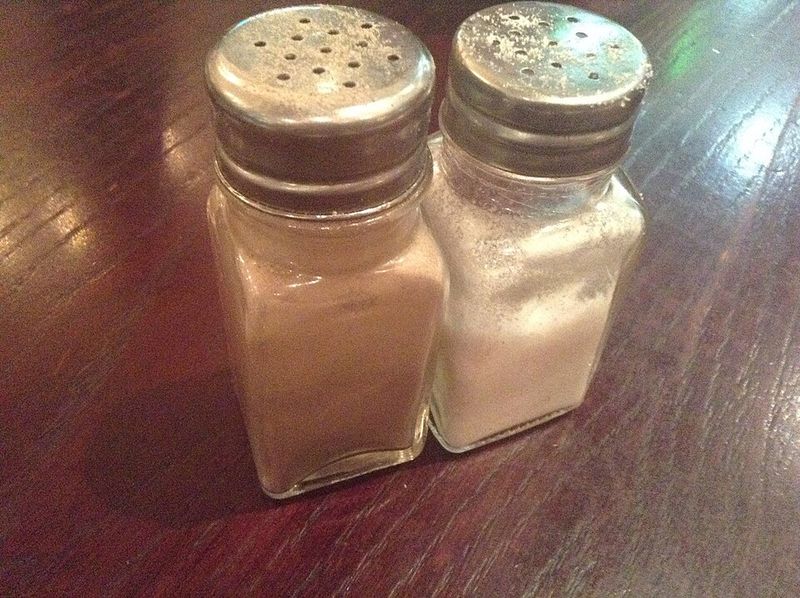
Salt and pepper shakers in space would be a catastrophe. Tiny granules would float freely through the cabin, potentially clogging instruments or landing in someone’s eye at exactly the wrong moment.
Liquid versions solve everything.
Salt is dissolved into water and bottled as a clear solution. Pepper gets suspended in oil, creating a dark liquid that squirts directly onto food without sending particles airborne.
Simple chemistry, enormous practical payoff.
If this sounds like a small detail, consider how much better any meal tastes properly seasoned. Even freeze-dried vegetables become far more enjoyable when astronauts can add a tiny squeeze of flavor whenever needed.
6. Special Space Coffee
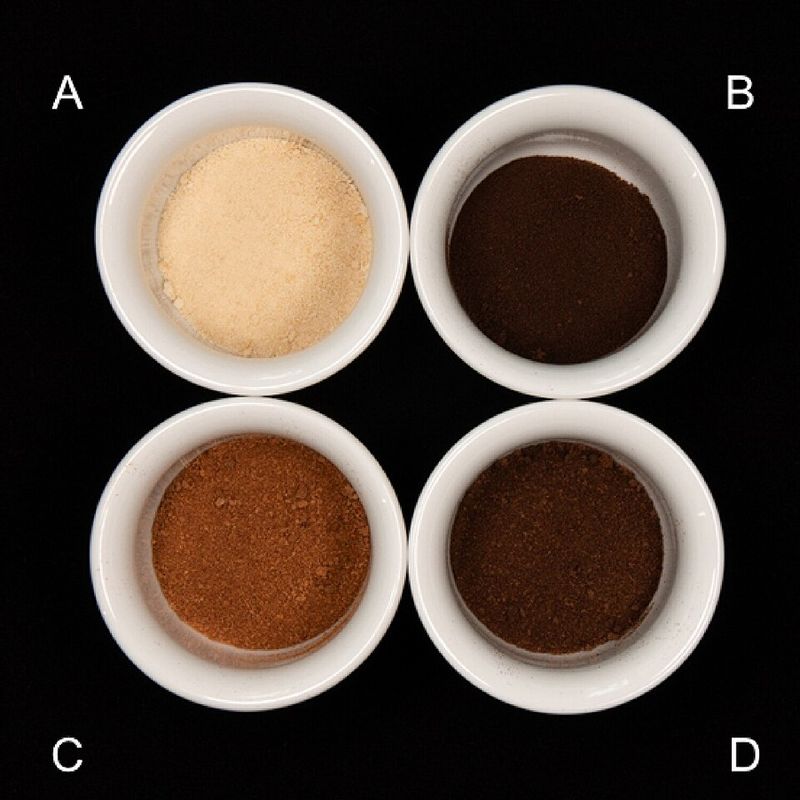
Nobody wants to face a six-month mission without coffee. The ISSpresso machine, developed by Italian company Lavazza and Argotec, brews real espresso aboard the ISS using specially designed capsules that work perfectly under microgravity conditions.
Instead of a regular mug, coffee gets sipped through a straw from a sealed, flexible pouch. A floating coffee blob might sound fun until it splashes into sensitive electronics.
Safety first, caffeine second, but barely.
Italian astronaut Samantha Cristoforetti made the first espresso in space in 2015, becoming an instant legend. She even quoted a line from the sci-fi show Battlestar Galactica while holding her coffee pouch.
Iconic.
7. Thermostabilized Fruit Cocktail
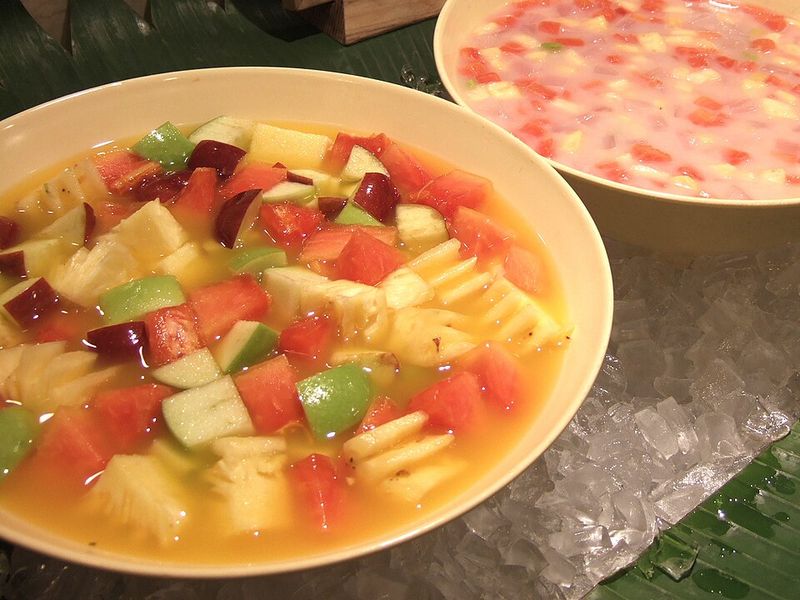
Vitamins are non-negotiable on a long mission, and fruit cocktail delivers a sweet, colorful punch of nutrition inside every sealed pouch. Peaches, pears, cherries, and grapes get thermostabilized so nutrients stay locked in for months.
Add hot water, wait a moment, and suddenly the cabin smells faintly tropical. For astronauts who sometimes miss the simple sensory pleasures of Earth, even a small aromatic treat can boost morale significantly.
Vitamin C is especially important in space because radiation exposure can stress the immune system over time. Fruit cocktail sneaks essential nutrients in through something that actually tastes good, which is basically the ultimate nutritional win.
8. Irradiated Smoked Turkey
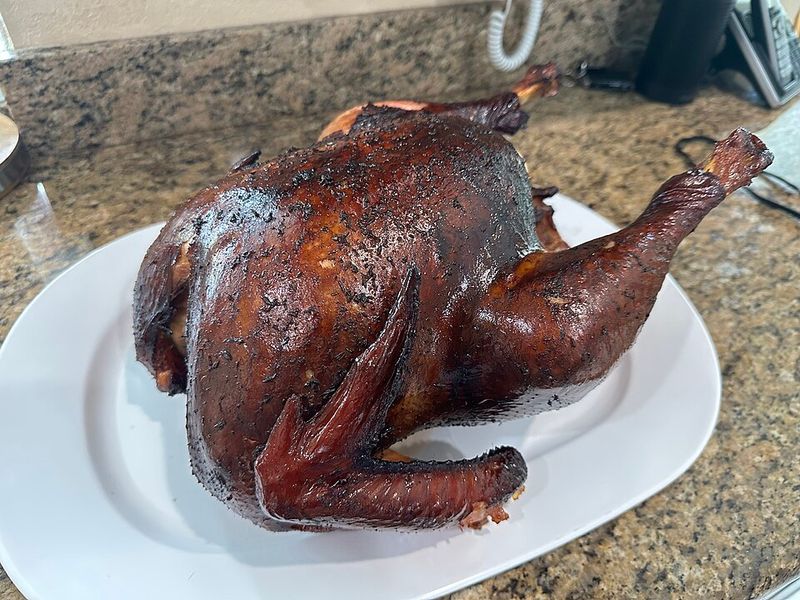
Holiday traditions do not stop just because you are orbiting Earth at 17,500 miles per hour. Smoked turkey makes appearances on the ISS menu during Thanksgiving, and the crew genuinely looks forward to every single bite.
Irradiation uses controlled radiation exposure to eliminate bacteria and extend shelf life dramatically without refrigeration. No, it does not make the turkey radioactive or glow in the dark.
Just safe, flavorful, and ready to eat.
Astronauts have celebrated Thanksgiving in space multiple times, sharing meals across different countries and cultures aboard the station. Sharing a holiday meal while floating above Earth is arguably the most cinematic dinner party ever attempted.
9. Powdered Drinks and Straws
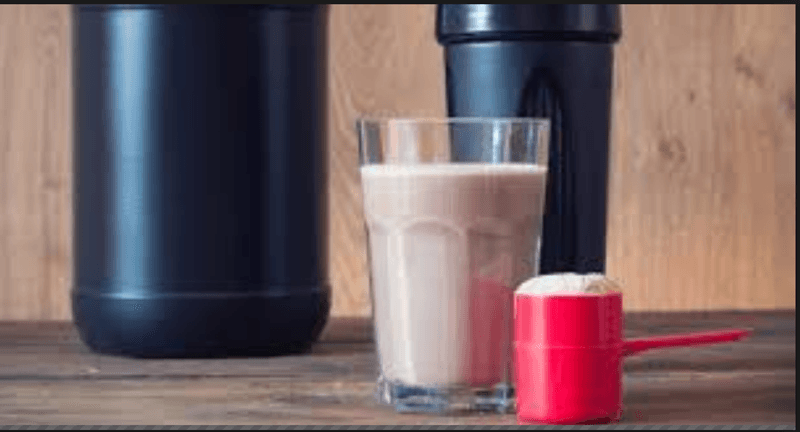
Staying hydrated in space is surprisingly tricky. Liquid floats in blobs rather than sitting still in a glass, so every drink must be consumed through a straw sealed tightly inside a flexible, squeezable pouch.
Powdered mixes dissolve into recycled water, yes recycled water, purified to drinking standards aboard the ISS. Flavors include lemonade, orange, grape, and even a coffee-flavored option for those who prefer their caffeine cold and casual.
Recycled water sounds alarming until you realize NASA engineers purify it to a standard cleaner than most tap water on Earth. As astronaut Don Pettit once joked, yesterday’s coffee becomes tomorrow’s coffee.
Cheers to that.
10. Shelf-Stable Pudding
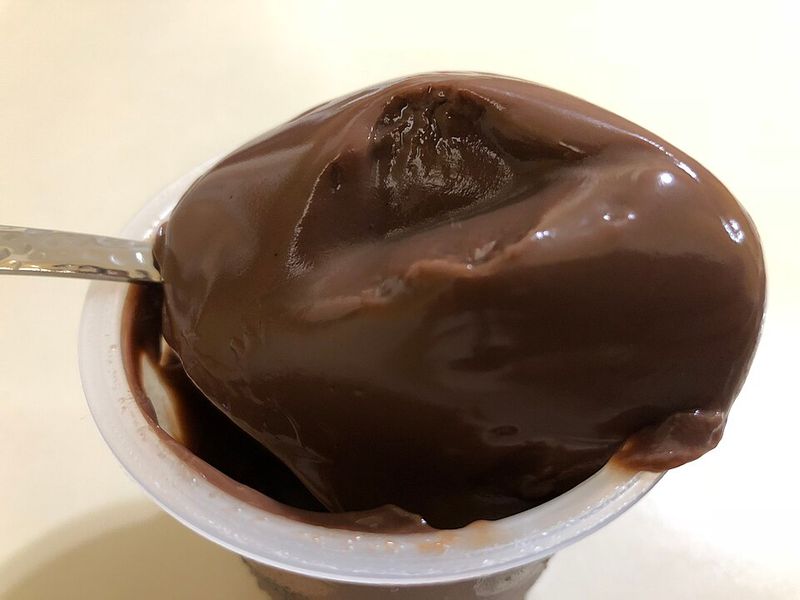
Dessert deserves a seat at the cosmic table too. Shelf-stable pudding cups require no refrigeration, no preparation, and absolutely no culinary skills, which is ideal after a mentally exhausting day of science experiments and orbital mechanics.
Chocolate and vanilla are crew favorites. The creamy texture survives the thermostabilization process surprisingly well, delivering a genuine comfort-food experience that feels almost normal despite the floating utensils and zero-gravity environment surrounding every meal.
Morale matters enormously during long missions. Small pleasures like pudding after dinner help astronauts maintain psychological wellness across months of isolation.
Never underestimate the emotional power of a perfectly smooth spoonful of chocolate pudding.
11. Thermostabilized Macaroni and Cheese
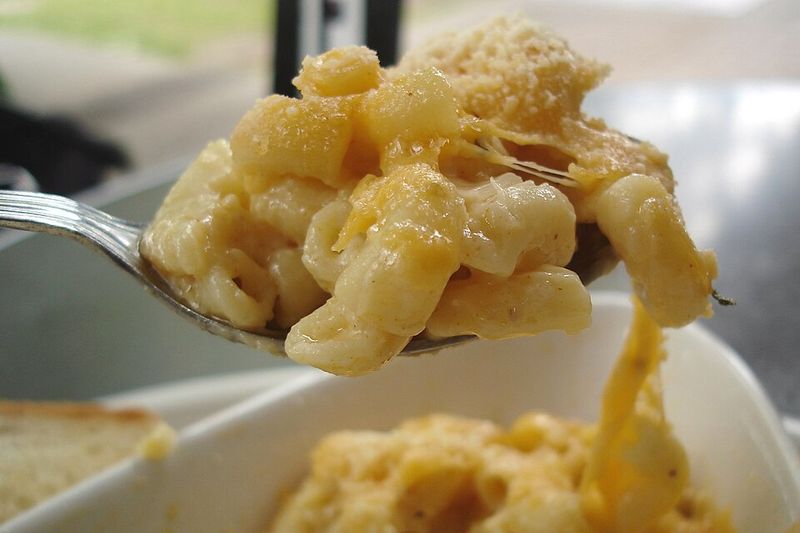
Mac and cheese is basically the universal comfort food, and astronauts absolutely refuse to leave it behind on Earth. Specially modified for microgravity, the cheese sauce is formulated to stay blended rather than separating into an oily mess.
Standard mac and cheese would behave badly in zero gravity. Liquid components migrate away during heating, leaving clumps of dry pasta behind.
Space-rated versions use stabilizers to keep everything creamy, cohesive, and genuinely delicious throughout.
Children across America who dream of becoming astronauts will be relieved to know their favorite meal makes the journey too. Science, engineering, and mac and cheese all belong together.
Some things are simply universal truths.
12. Space-Grown Vegetables
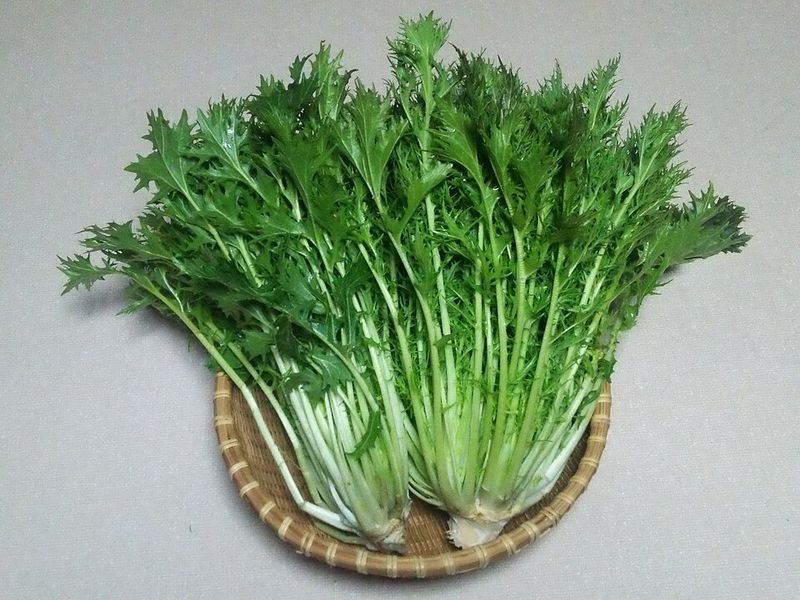
Growing food in space sounds like something straight out of a sci-fi blockbuster, but NASA’s Veggie plant growth system makes it completely real. Astronauts have successfully cultivated red romaine lettuce, mizuna, and even radishes aboard the ISS.
LED lights replace sunlight, and specially designed root pillows hold seeds in place without soil flying around the cabin. Harvesting fresh greens after weeks of tending tiny plants creates a genuine emotional reward for the crew.
Fresh food provides nutrients that degrade over time in packaged meals, making space-grown vegetables nutritionally valuable. However, the psychological boost of growing and eating something alive and green might be the most important benefit of all.
13. Nuts and Trail Mix
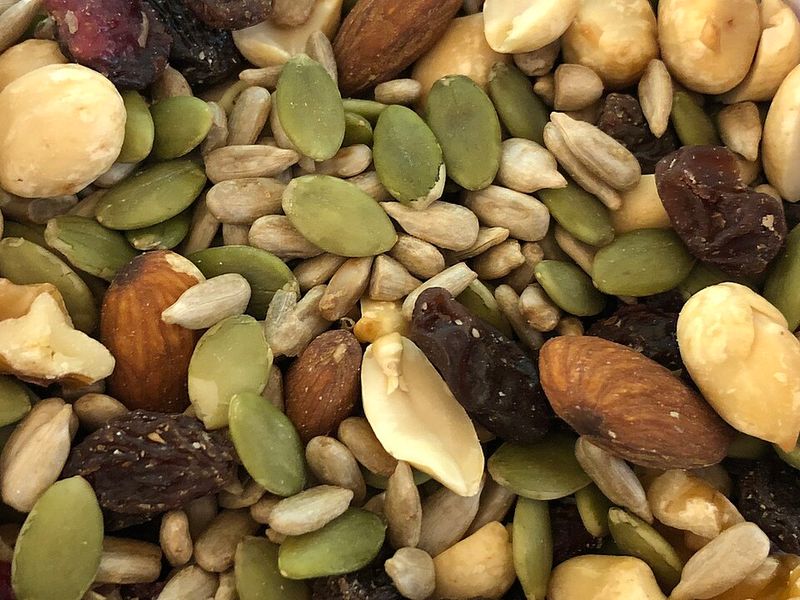
Energy-dense, compact, and endlessly snackable, nuts and trail mix are the unsung heroes of space nutrition. Almonds, cashews, peanuts, and dried fruit pack an impressive calorie-to-weight ratio, making every gram of cargo space count enormously.
Astronauts burn significant calories during spacewalks and intense physical training sessions. A quick handful of trail mix between experiments keeps blood sugar stable and mental focus sharp without requiring any preparation time whatsoever.
Nuts also provide healthy fats that support brain function and cardiovascular health, both critical during long missions. If Iron Man snacked between battles, he would probably reach for a bag of almonds and dark chocolate chips too.
14. Space-Ready Birthday Cake
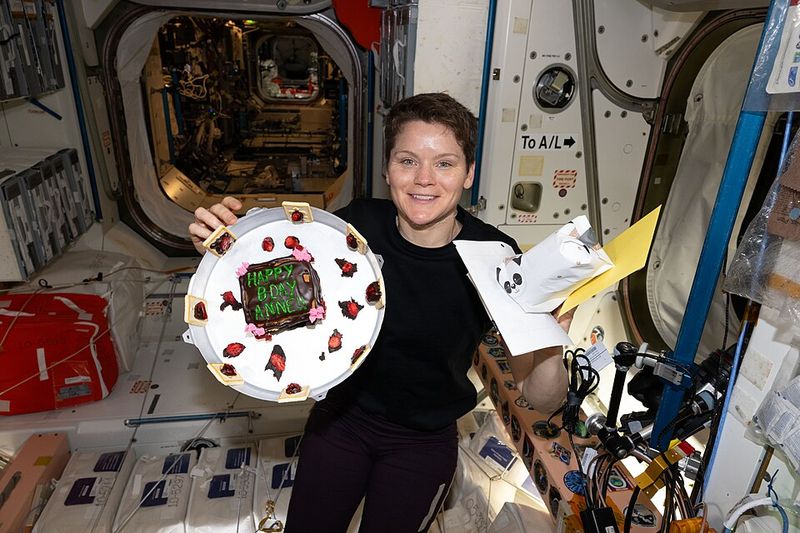
Birthdays happen in space, and nobody wants to skip cake just because gravity is unavailable. Engineers developed crumb-minimized cake formulations specifically so astronauts can celebrate milestones without turning the cabin into a floating pastry disaster zone.
Sticky, dense textures work best in microgravity. Frosting helps hold crumbs in place, and portions are individually sealed for easy handling.
Candles are a definite no-go aboard a pressurized spacecraft, but singing Happy Birthday still happens enthusiastically.
Celebrating personal moments during missions keeps mental health strong across long, isolated stretches of time. A birthday cake, however unconventional, signals that life aboard the ISS still honors the joyful, wonderfully human moments worth celebrating.
15. Thermostabilized Salmon
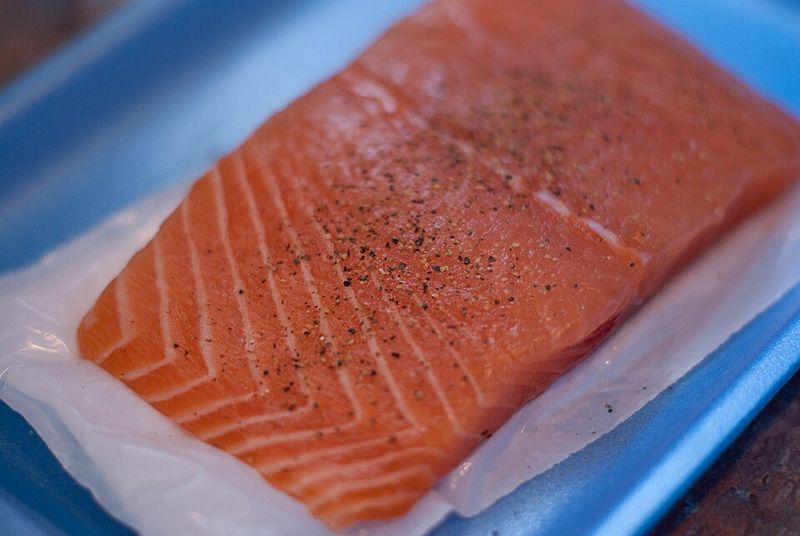
Omega-3 fatty acids are powerhouses for brain and heart health, and salmon delivers both in abundance. Thermostabilized salmon gives astronauts access to quality protein and essential fats during missions where physical and cognitive performance must stay peak-level.
Sealed in retort pouches and heat-processed to eliminate pathogens, space-rated salmon stays safe and flavorful for extended periods without any refrigeration required. Opening a salmon pouch at 250 miles altitude is arguably the fanciest picnic imaginable.
Protein needs increase during missions because muscle mass tends to decrease in microgravity without deliberate countermeasures. Salmon provides amino acids that support muscle repair alongside the omega-3s that keep astronaut brains firing on all cylinders.