15 Defining Movies In The Greek Mythology Genre
Greek myths have been fueling cinema since the silent era, giving filmmakers a ready-made world of heroes, monsters, and prophecies.
Some titles aim for faithful adaptation, while others reshape the legends into something new.
Across stop-motion spectacles, sword-and-sandal epics, and art-house reinventions, the same ancient stories keep finding fresh screen life.
Here are 15 defining movies that helped shape the Greek mythology genre on film.
Disclaimer: This feature is intended for general entertainment and film-history interest.
Release years, alternate titles, and distribution details can vary by region and source, so confirm specifics through official studio, festival, or archival records when needed.
Mythological summaries are simplified for readability, and interpretations may differ across translations and scholarly perspectives.
1. Jason And The Argonauts (1963)
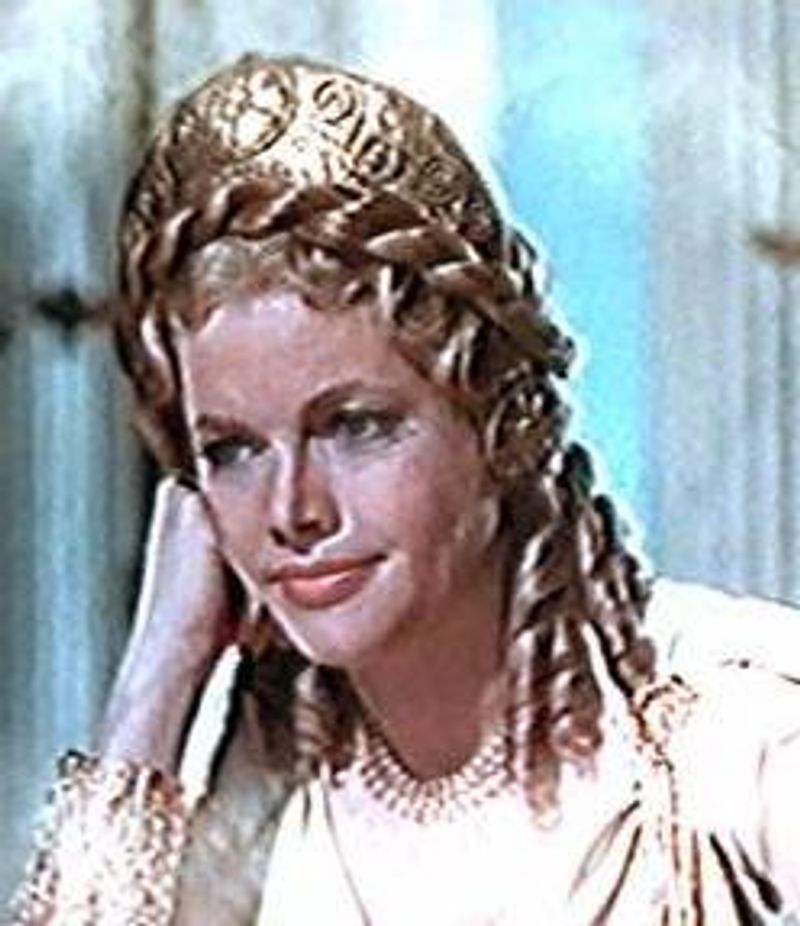
Ray Harryhausen’s legendary stop-motion animation brought ancient Greece to life in ways audiences had never seen before.
Jason’s quest for the Golden Fleece becomes an unforgettable adventure filled with bronze giants, harpies, and sword-fighting skeletons.
Ray Harryhausen spent over four months animating the “Children of the Hydra’s Teeth” skeleton sequence, and it remains one of fantasy cinema’s most iconic set pieces.
Honestly, this film set the gold standard for how mythology could blend practical effects with timeless storytelling, inspiring generations of filmmakers and fantasy lovers alike.
2. Clash Of The Titans (1981)

Perseus faces impossible odds, from battling Medusa to confronting the terrifying Kraken in this action-packed adventure.
Harryhausen returned to Greek myths with more spectacular creature effects, including the mechanical owl Bubo and the monstrous Kraken.
Maybe the most memorable moment is when Perseus uses Medusa’s severed head to turn enemies into stone.
While the pacing feels classic by today’s standards, the film’s charm and creativity continue to captivate viewers who appreciate old-school fantasy magic.
3. Hercules (Le Fatiche Di Ercole) (1958)
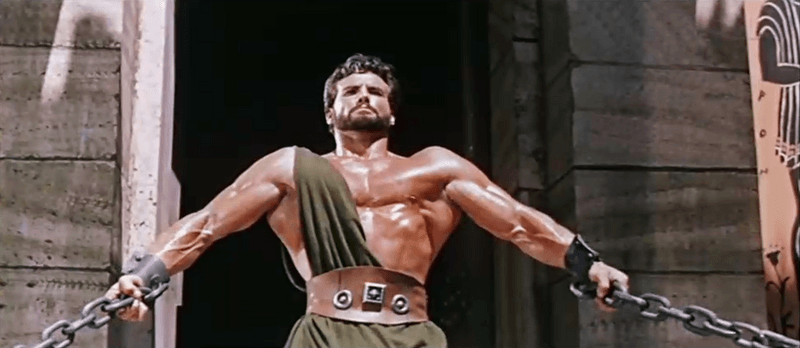
Steve Reeves became a household name as the mighty Hercules in an Italian epic that sparked the peplum film craze.
Muscles flex and monsters fall as Hercules takes on impossible tasks, rescues princesses, and battles mythical beasts.
Colorful sets and larger-than-life action sequences helped mythology feel accessible and thrilling for 1950s audiences.
Against expectations, a modestly budgeted production became an international hit, proving Greek heroics could dominate box offices worldwide.
4. Ulysses (1954)
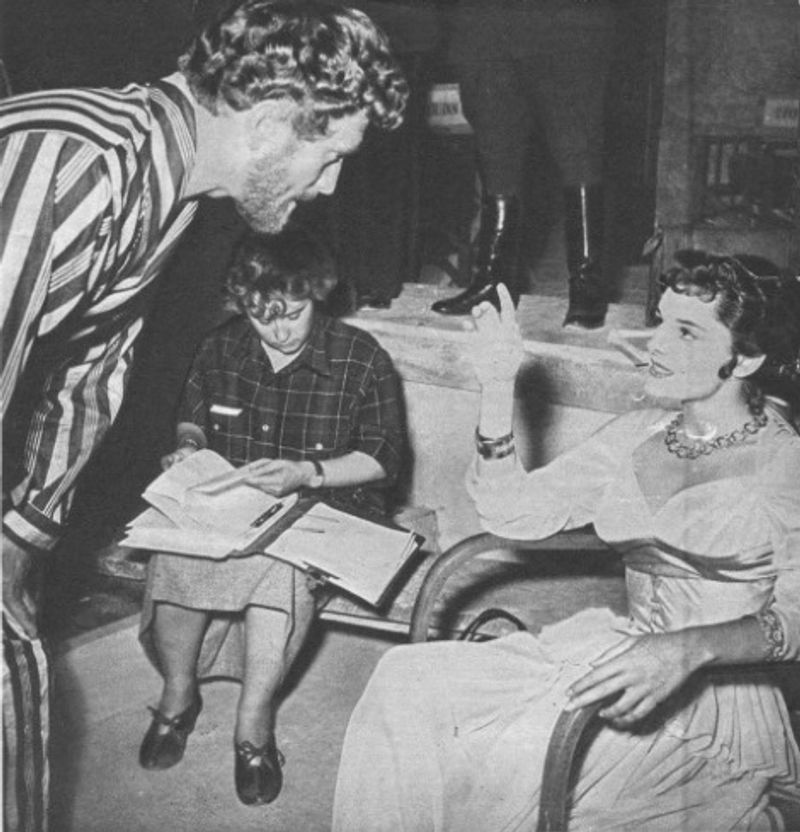
Sea winds and shipwrecks frame Odysseus as a battle-worn survivor racing toward home after the Trojan War, with Kirk Douglas supplying charisma and grit.
Cyclops caves and singing sirens turn the journey into a gauntlet that rewards wit, nerve, and stubborn determination as much as muscle.
Homer’s epic finds a cinematic match in sunlit Mediterranean locations and a patient focus on character growth.
Often praised for pairing big adventure with real feeling, the adaptation leaves a simple message that a hero’s heart matters as much as any sword.
5. Orpheus (1950)
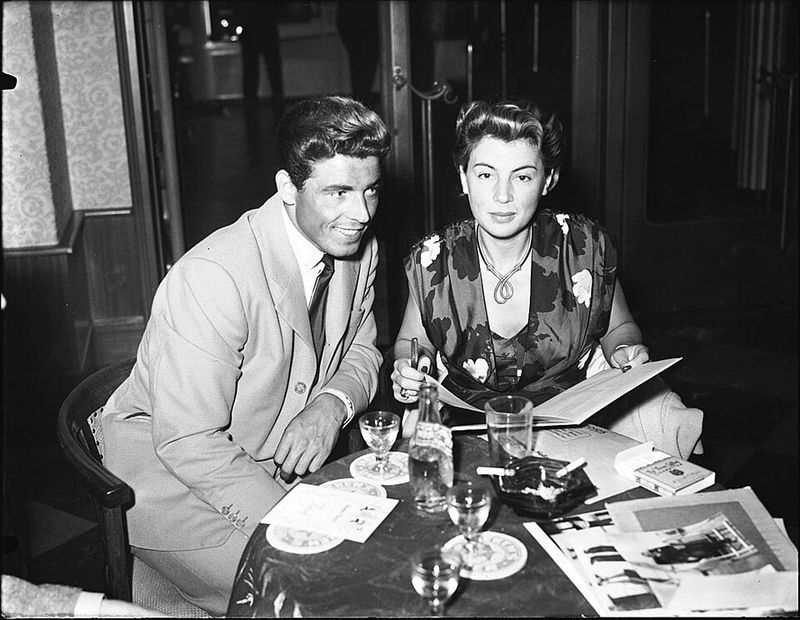
Jean Cocteau transformed the tragic love story of Orpheus into a haunting, surreal masterpiece that blurs reality and dream.
Instead of ancient Greece, the setting shifts to modern-day Paris, where mirrors become portals to the underworld.
Death herself appears as an elegant woman, and the journey to retrieve Eurydice becomes a meditation on art, love, and loss.
Curiously, Cocteau’s poetic vision influenced countless filmmakers, proving that Greek myths could be reimagined in bold, experimental ways that still resonate emotionally.
6. Black Orpheus (Orfeu Negro) (1959)
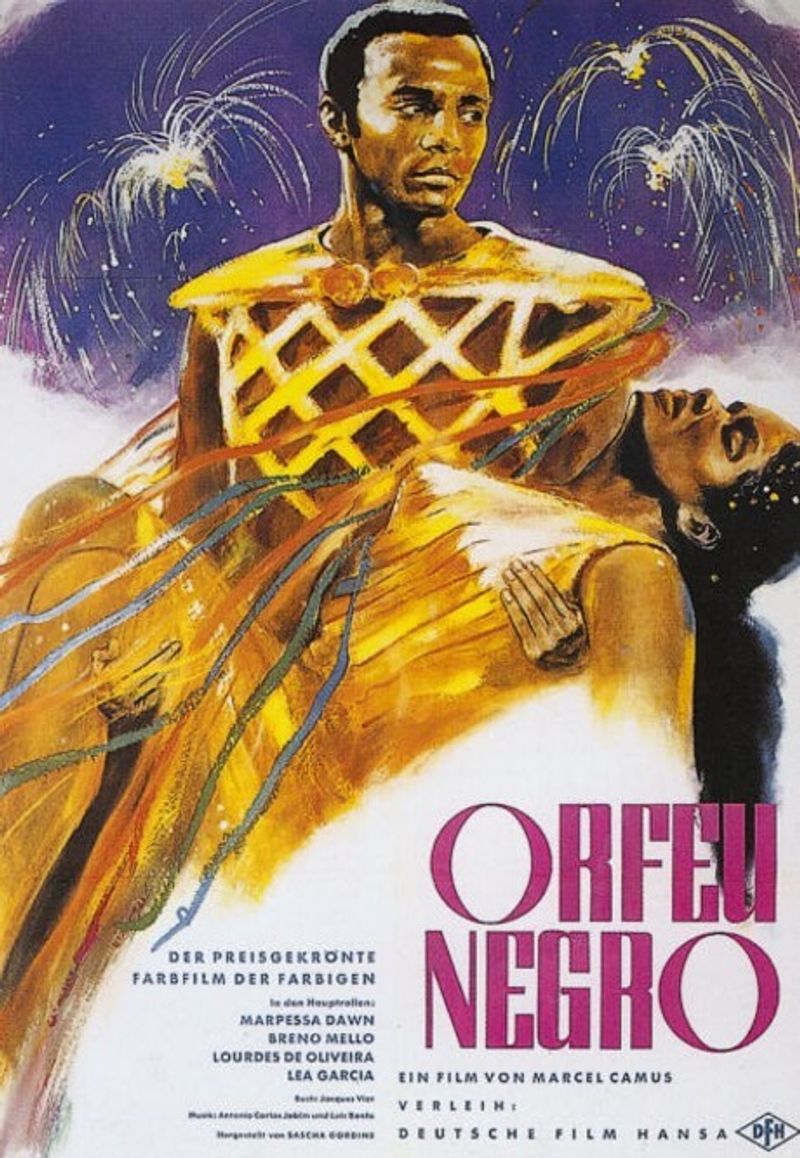
Carnival explodes with color and music as the Orpheus myth gets transported to the lively streets of Rio de Janeiro.
Orfeu, a streetcar conductor and talented musician, falls deeply in love with Eurydice, a country girl new to the city.
Tragedy strikes during the festival’s peak, blending samba rhythms with ancient Greek heartbreak in an unforgettable way.
Essentially, this film won the Palme d’Or and an Oscar, showing how timeless myths can transcend cultures and speak to universal human experiences.
7. Oedipus Rex (Edipo Re) (1967)

Stark and unflinching, Pier Paolo Pasolini’s adaptation faces one of mythology’s darkest, most complicated tales head-on.
Unaware of the trap ahead, Oedipus fulfills a dreadful prophecy by killing his father and marrying his mother, turning fate into a cruel, inescapable force.
Raw emotional intensity and a minimalist style create an almost documentary-like sense of ancient tragedy.
Heavy subject matter notwithstanding, Pasolini’s vision underlines how Greek myths probed deep psychological truths long before modern psychology had a name.
8. Medea (1969)
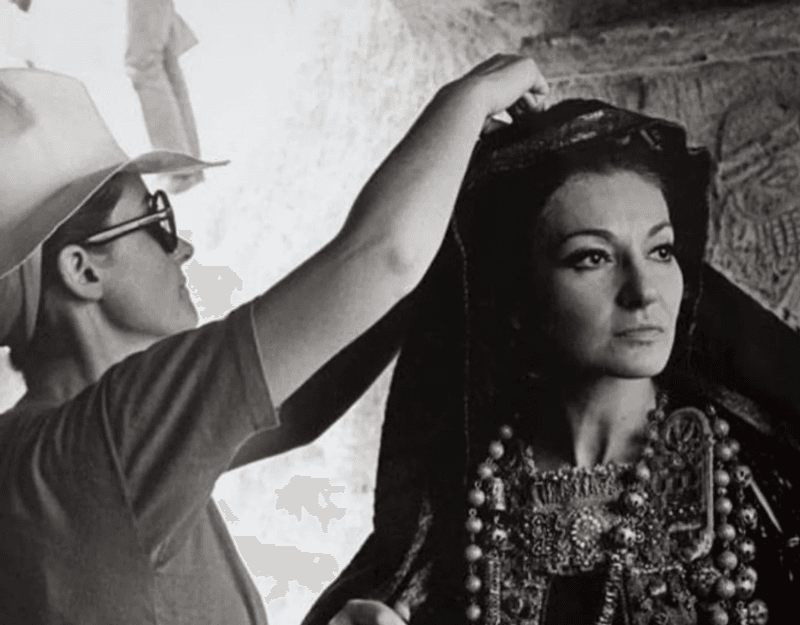
Opera legend Maria Callas delivers a haunting performance as the sorceress Medea, betrayed by Jason and driven to unspeakable revenge.
Pasolini filmed in stark, beautiful locations that feel both ancient and timeless, emphasizing the story’s primal emotions.
Though Callas never sings in the film, her expressive face conveys rage, heartbreak, and desperation without needing words.
Ultimately, this adaptation explores themes of cultural clash and feminine fury, making Medea’s terrible choices feel tragically understandable rather than simply monstrous.
9. The Trojan Women (1971)
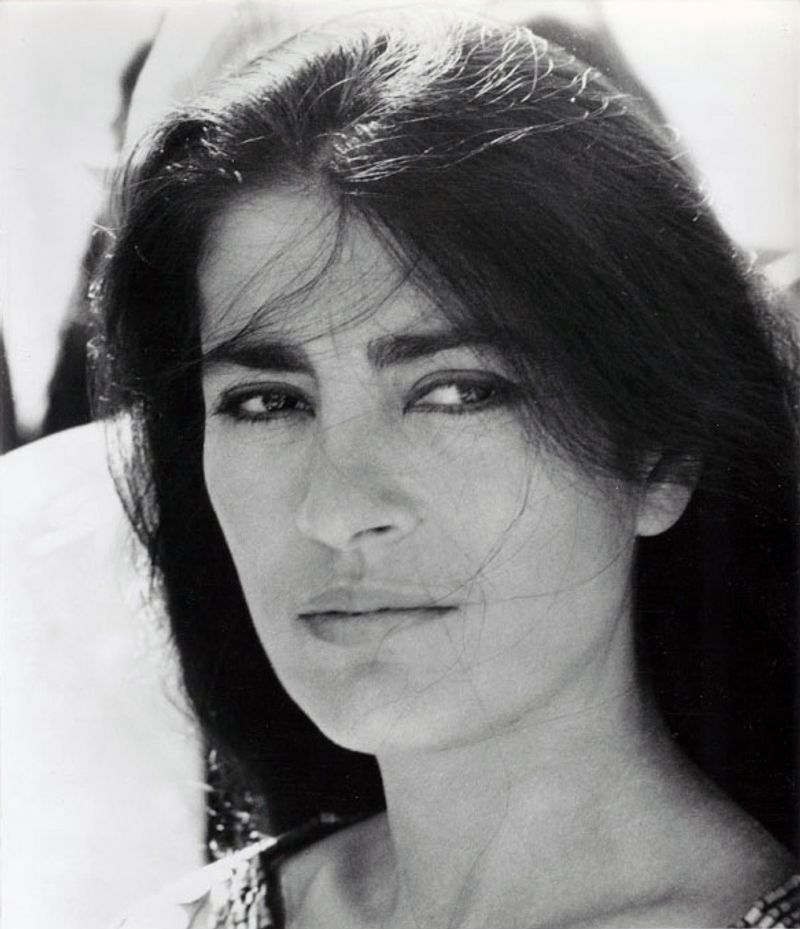
After Troy falls, surviving women confront enslavement and grief in a searing adaptation of Euripides’ anti-war play.
On screen, Katharine Hepburn, Vanessa Redgrave, and Geneviève Bujold bring fierce emotion to queens and princesses stripped of power and turned into captives.
Focus stays away from heroic battles, tracking war’s ruinous toll on innocent lives, especially women and children.
Female perspectives rarely anchor Greek mythology films so completely, making this a distinctive, thought-provoking entry that pushes back against familiar hero narratives.
10. Hercules Unchained (Ercole E La Regina Di Lidia) (1959)
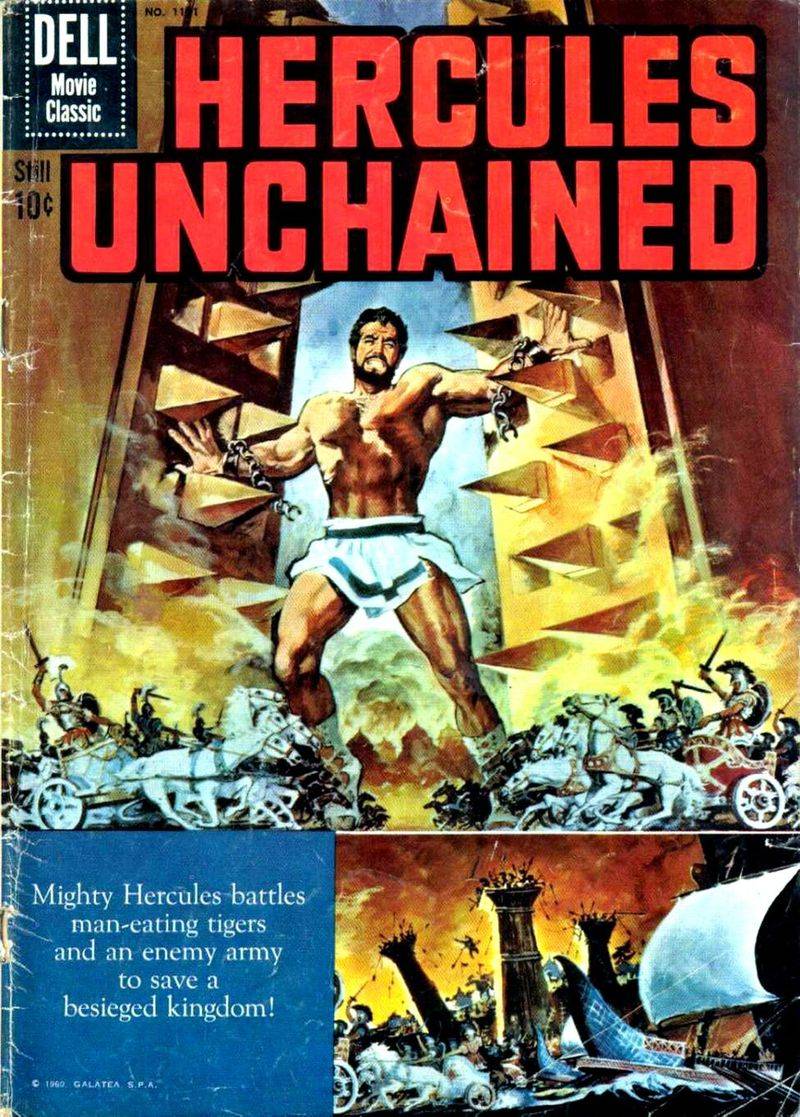
Steve Reeves returns as Hercules, this time enchanted by the Queen of Lydia and forgetting his heroic duties entirely.
The sequel to the 1958 hit delivers more muscular action, exotic locations, and mythological monsters for audiences craving adventure.
Hercules must break free from the queen’s spell and remember who he truly is before disaster strikes his homeland.
Fortunately, the film’s popularity cemented the peplum genre’s dominance in the early 1960s, inspiring dozens of similar sword-and-sandal epics across Europe.
11. Hercules Conquers Atlantis (Ercole Alla Conquista Di Atlantide) (1961)
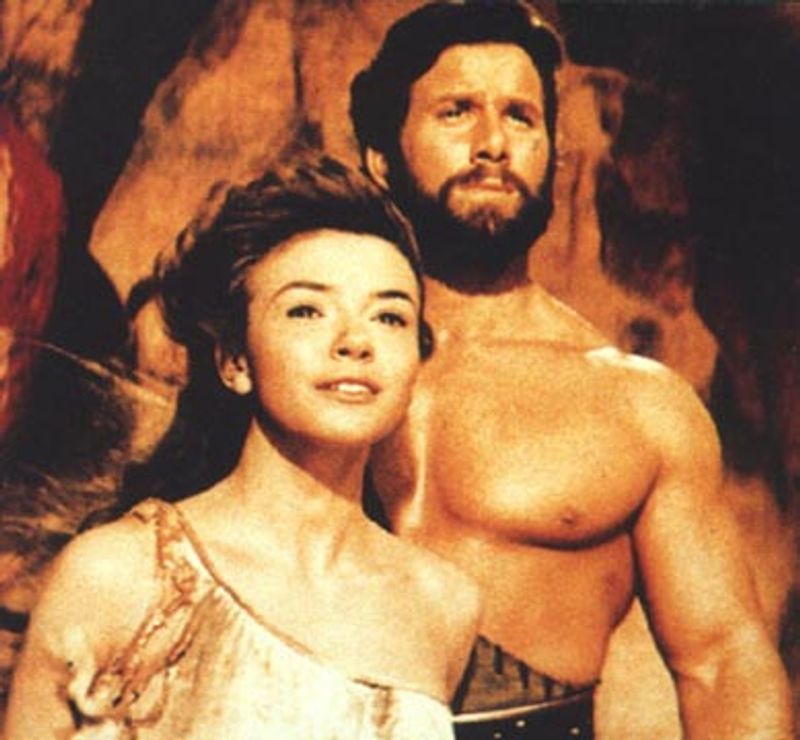
Mythology takes a detour as Hercules hunts for the legendary lost city of Atlantis in an imaginative adventure.
Strange creatures, advanced technology, and tyrannical rulers loom ahead while Hercules works to stop a catastrophe.
Greek legend collides with Atlantis lore, creating a hybrid that feels part history, part fantasy, and thoroughly entertaining.
Watching Hercules move through underwater cities and fight bizarre monsters highlights how flexible ancient stories can become when filmmakers get creative.
12. Fury Of Achilles (L’ira Di Achille) (1962)

Achilles’ legendary rage takes center stage in this Italian epic focusing on the greatest warrior of the Trojan War.
When Agamemnon dishonors him, Achilles refuses to fight, leading to devastating consequences for the Greek army.
The film explores pride, honor, and friendship through Achilles’ relationship with Patroclus and his eventual return to battle.
Though less famous than other entries, this adaptation captures the emotional core of Homer’s Iliad, reminding viewers that even invincible heroes struggle with very human feelings.
13. Helena (1924)
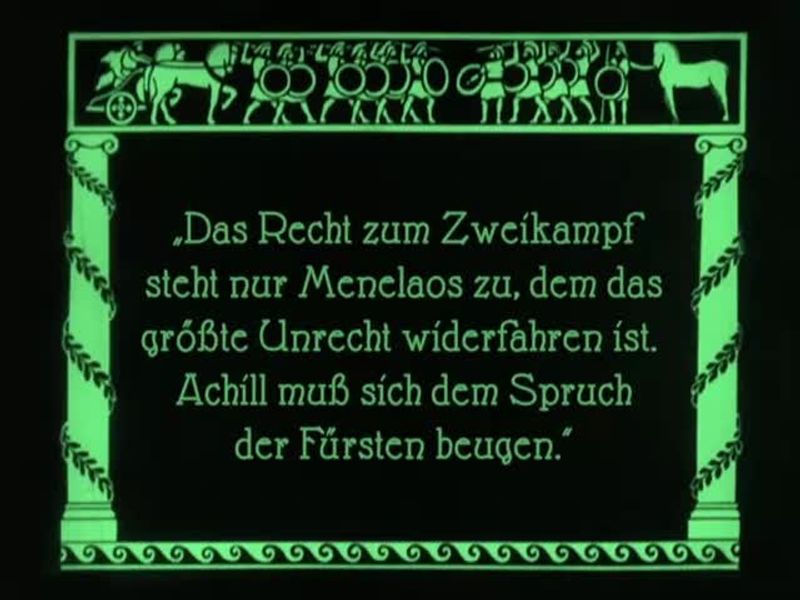
Silent cinema gave Helen of Troy’s fabled beauty and the conflict it ignited a vivid early screen life.
Without dialogue, performers leaned on expressive faces and bold gestures to communicate passion, jealousy, and heroism.
Elaborate sets and costumes mirror 1920s ideas of ancient Greece, creating a time-capsule effect that feels instantly distinctive.
Watching the silent epic still lands a reminder that Greek myths keep captivating audiences across generations, shifting with each era’s storytelling tools and sensibilities.
14. Les Douze Travaux D’Hercule (1910)
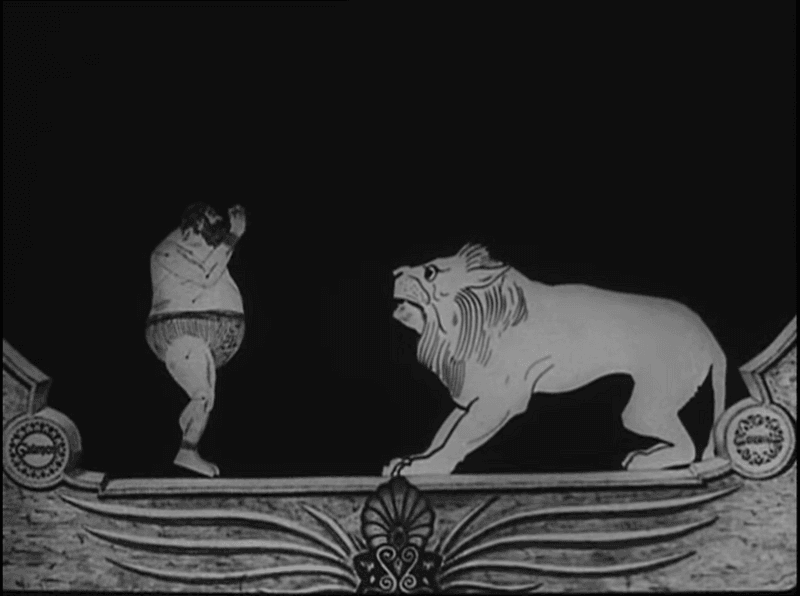
Among cinema’s earliest mythology adaptations, this French animated short was directed by Émile Cohl.
Early animation techniques turn the Nemean Lion, the Hydra, and other feats into rapid-fire visual spectacle.
The short runtime packs multiple labors into brisk sequences, prioritizing invention and momentum over character detail.
Its survival on record shows filmmakers were using myth as screen material well over a century ago.
15. Maciste Contro Ercole Nella Valle Dei Guai (1961)

Two legendary strongmen clash in this entertaining Italian adventure that pits Maciste against Hercules in the Valley of Woe.
The film delivers exactly what fans wanted: impressive physiques, impossible feats of strength, and colorful mythological mayhem.
While not strictly faithful to Greek mythology, it captures the playful spirit of 1960s peplum films perfectly.
Thankfully, movies like this remind us that mythology can be pure fun, offering escapism and excitement without requiring deep philosophical analysis or historical accuracy.