20 Desserts With Fascinating Stories You’ve Never Heard
Every dessert you’ve ever enjoyed has a story behind it, and some tales are more surprising than others.
Cakes invented by accident and treats created by monks with leftover ingredients carry histories that span centuries and continents.
Discover the fascinating backstories of desserts that will make your next bite taste even better.
1. Castella Cake
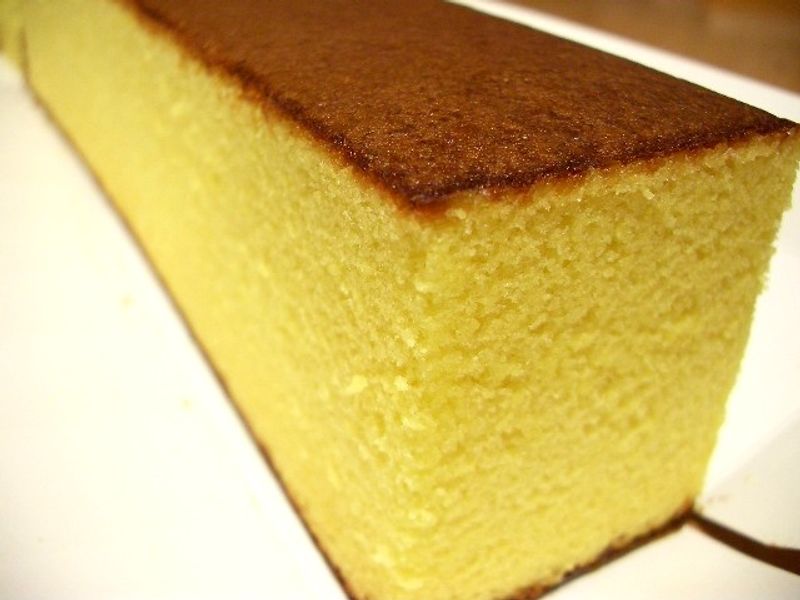
Portuguese traders sailed to Japan in the 16th century carrying more than just spices and silk.
They brought a sponge cake recipe that would transform into Castella, one of Japan’s most cherished desserts.
The Japanese perfected the technique over centuries, creating a cake so light and moist it practically dissolves on your tongue.
Bakers whip the batter for ages to achieve that signature fluffy texture.
Today, you’ll find this golden-brown beauty in every Japanese bakery, still made using traditional methods passed down through generations.
2. Pastel de Nata
Monks at Lisbon’s Jerónimos Monastery faced an unusual problem in the 18th century.
They used egg whites to starch their religious robes, leaving mountains of yolks behind.
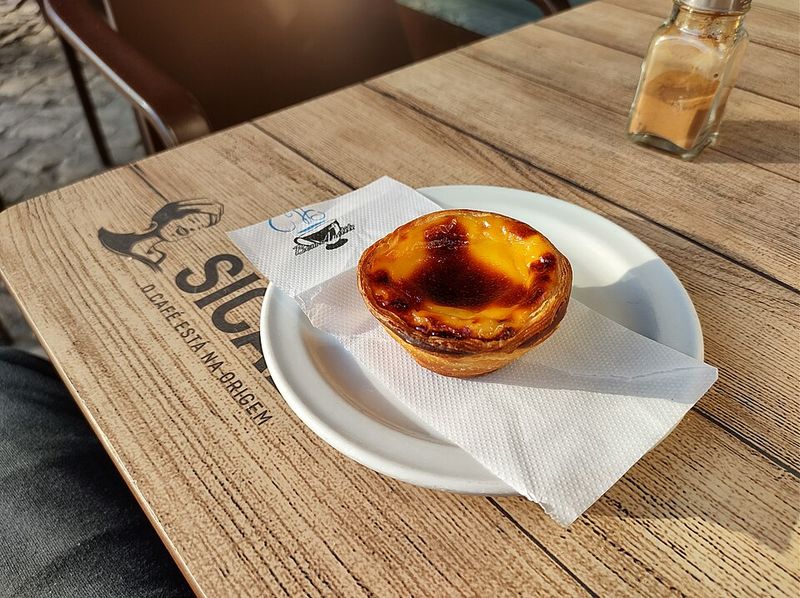
Rather than waste them, these clever monks whipped up a custard tart that would become Portugal’s national treasure.
The recipe remained secret for years until the monastery needed money and sold it to a nearby sugar refinery.
That bakery still operates today, serving thousands of these caramelized, flaky-crusted beauties daily.
3. Tiramisu
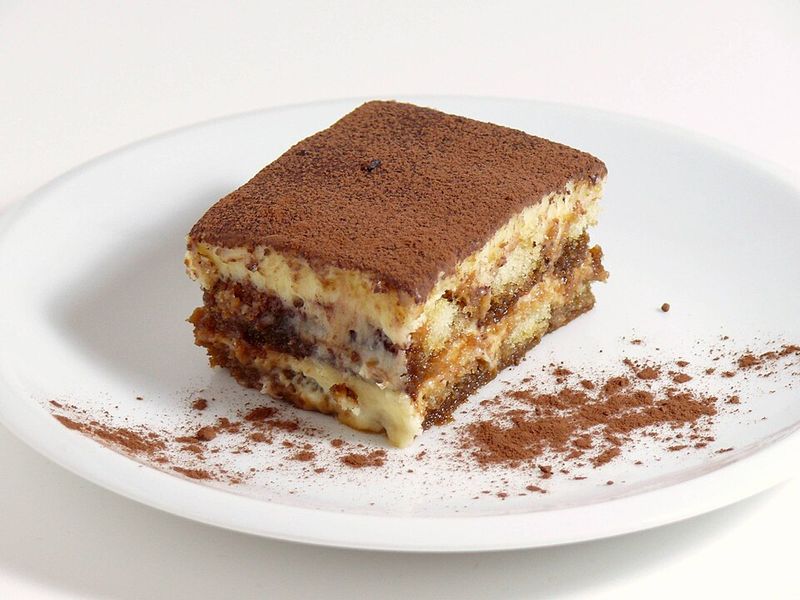
The name literally translates to pick me up, and boy, does it deliver on that promise.
Created in Italy’s Veneto region, this coffee-spiked dessert supposedly gave courtesans an energy boost between clients.
Espresso-soaked ladyfingers alternate with clouds of sweetened mascarpone cheese, creating layers of pure heaven.
Some food historians argue it was actually invented in the 1960s at a restaurant, not centuries ago.
Either way, the combination of caffeine and sugar makes it the perfect afternoon pick-me-up for anyone.
4. Sacher Torte
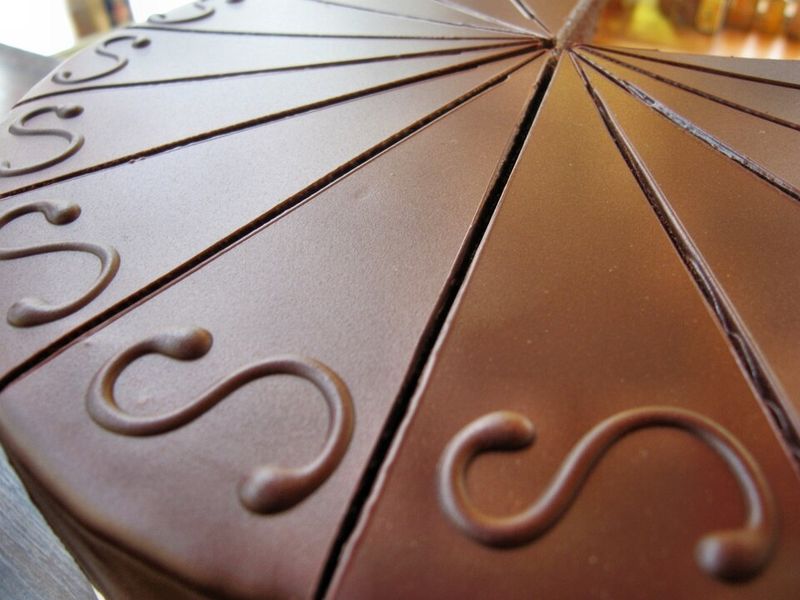
Franz Sacher was just a 16-year-old apprentice when Prince Metternich demanded a special dessert in 1832.
The head chef was sick, so young Franz stepped up and created this dense chocolate masterpiece.
A thin layer of apricot jam cuts through the rich chocolate, adding unexpected tanginess.
The Sacher Hotel and Demel Bakery actually fought a legal battle over who could call their version the original.
Today, it remains Vienna’s most famous export, sealed with a chocolate medallion bearing the Sacher name.
5. Pavlova
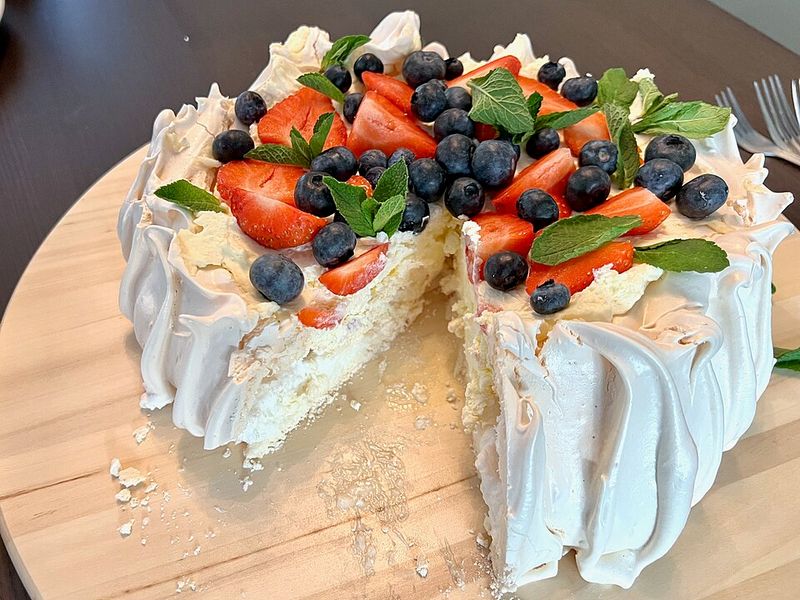
Australia and New Zealand still argue over who invented this meringue masterpiece.
Both countries created it during Russian ballerina Anna Pavlova’s tour in the 1920s, hoping to capture her grace in dessert form.
The crispy shell gives way to a marshmallow-soft center that mimics a tutu’s delicate layers.
Fresh fruits crown the top, celebrating the vibrant produce both countries are famous for.
Whoever invented it first, they succeeded in creating something as light and beautiful as Pavlova’s legendary performances.
6. Bananas Foster
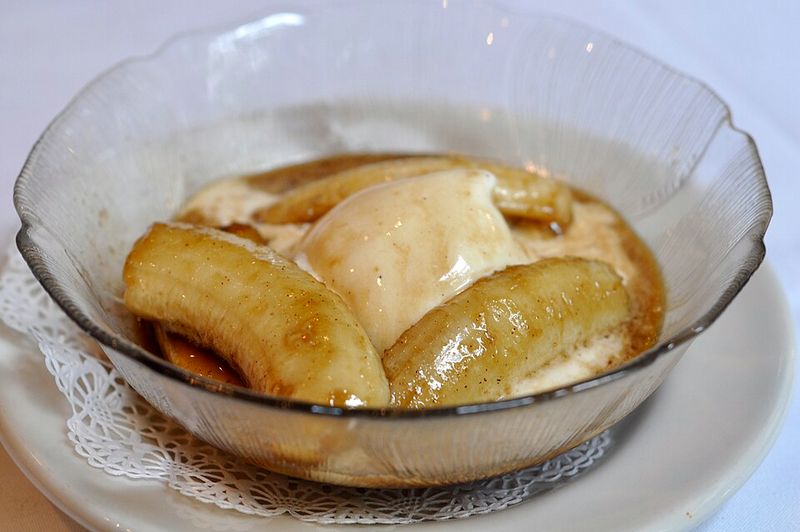
New Orleans in the 1950s was swimming in bananas, literally the top import at their busy port.
Chef Paul Blangé created this flambéed spectacle at Brennan’s restaurant to showcase the fruit.
He named it after Richard Foster, a local businessman who helped develop the French Quarter.
Butter, brown sugar, cinnamon, and dark rum create a sauce that ignites into dramatic flames tableside.
The caramelized bananas get spooned over vanilla ice cream, creating a hot-and-cold sensation that’s absolutely addictive.
7. Baked Alaska
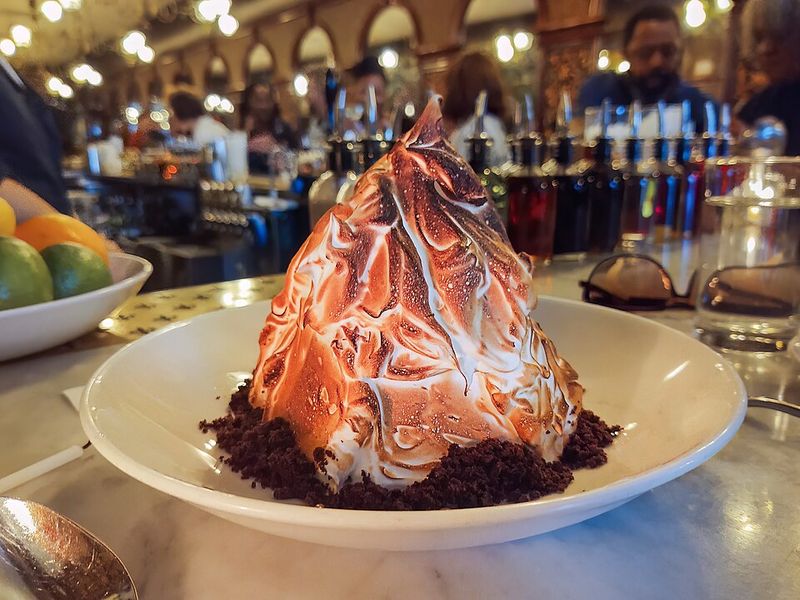
How do you bake ice cream without melting it?
That’s the magic trick behind this 19th-century showstopper created at Delmonico’s restaurant in New York.
Chef Charles Ranhofer made it to celebrate America’s purchase of Alaska from Russia in 1867.
Meringue acts as insulation, keeping the ice cream frozen while the outer peaks turn golden brown in a hot oven.
Some versions get flambéed for extra drama, making it the ultimate dinner party flex that still impresses today.
8. Black Forest Cake
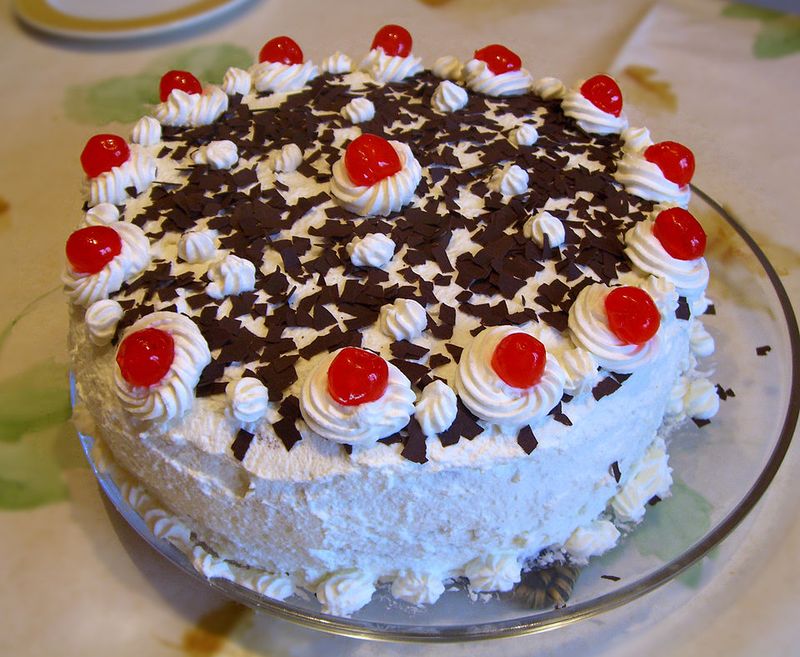
Germany’s Black Forest region gave its name to this chocolate-cherry sensation, but the connection runs deeper than geography.
Kirsch, a clear cherry brandy made from the region’s famous sour cherries, soaks into every layer.
Chocolate cake alternates with whipped cream and cherries, creating a flavor combination that’s both elegant and comforting.
The dessert became internationally famous in the 1930s, though locals had been making similar treats for generations.
Those chocolate shavings on top?
They’re supposed to resemble the dark forest trees.
9. Crème Brûlée
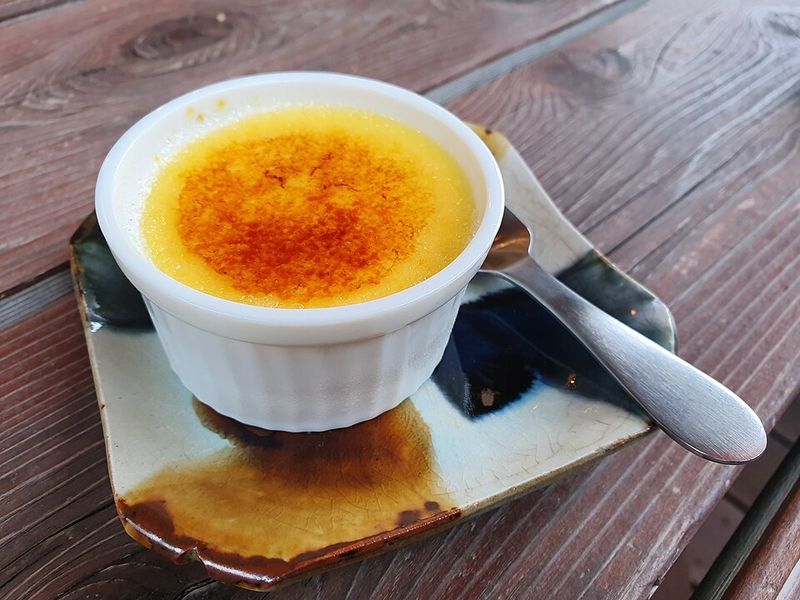
Three countries claim they invented this custard-and-caramel wonder: France, England, and Spain.
The French name stuck, meaning burnt cream, which perfectly describes that satisfying crack when you tap the caramelized top.
Underneath lies silky vanilla custard that’s been baked in a water bath for the smoothest texture possible.
Chefs use blowtorches to caramelize the sugar nowadays, though traditionally they used a salamander broiler.
That contrast between the brittle sugar shell and creamy custard makes every spoonful an adventure.
10. Mochi Ice Cream
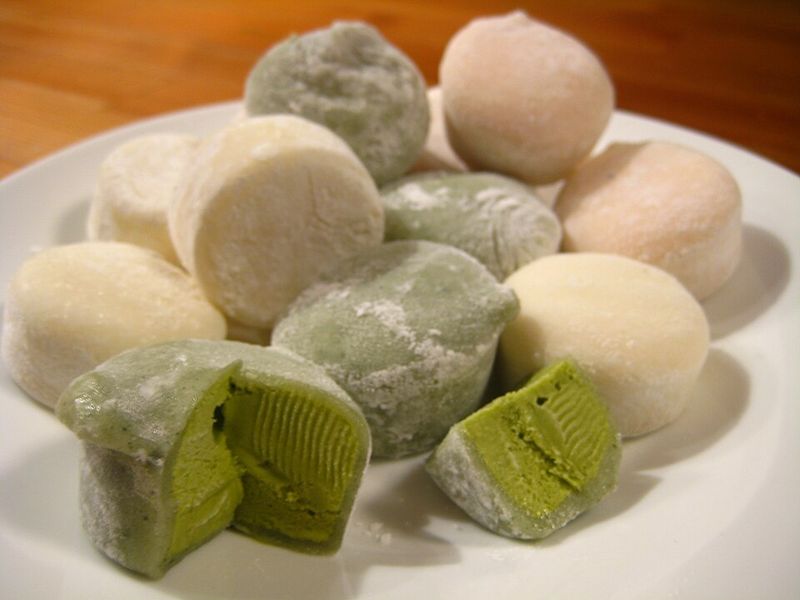
Traditional Japanese mochi dates back over a thousand years, but the ice cream version is surprisingly modern.
Frances Hashimoto invented it in 1980s California, combining her Japanese heritage with American ice cream culture.
Sweet rice gets pounded into a chewy, stretchy dough that wraps around a ball of ice cream.
The texture is unlike anything else—simultaneously chewy, cold, and creamy all at once.
Today, grocery stores stock dozens of flavors, from classic green tea to wild combinations like mango chili.
11. Churros
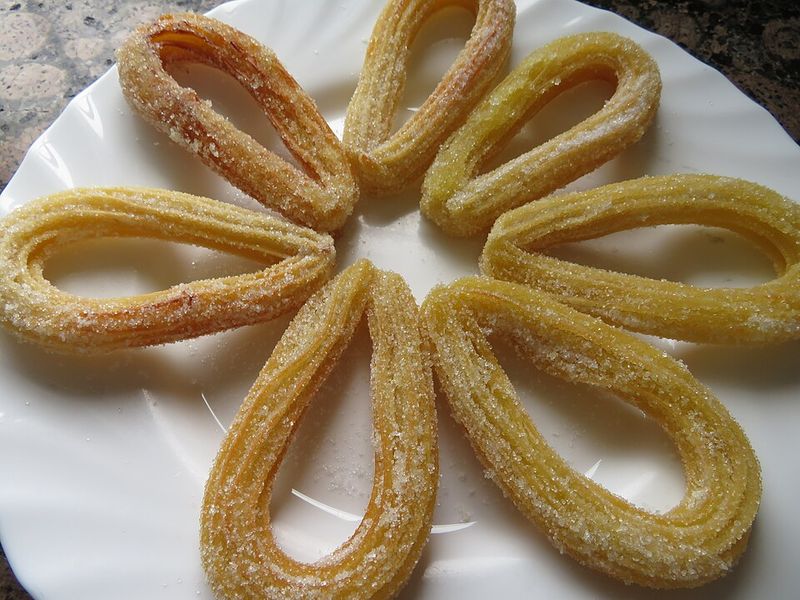
Spanish shepherds supposedly invented these fried dough sticks because they were easy to make over campfires in remote mountains.
The ridged shape came from piping the dough through a star-shaped nozzle, creating more surface area for that perfect crunch.
Morning chocolate shops in Spain serve them with thick hot chocolate meant for dunking, not drinking.
Portuguese sailors spread them worldwide, which is why you’ll find variations from Mexico to the Philippines.
That cinnamon-sugar coating is actually a New World addition.
12. Baklava
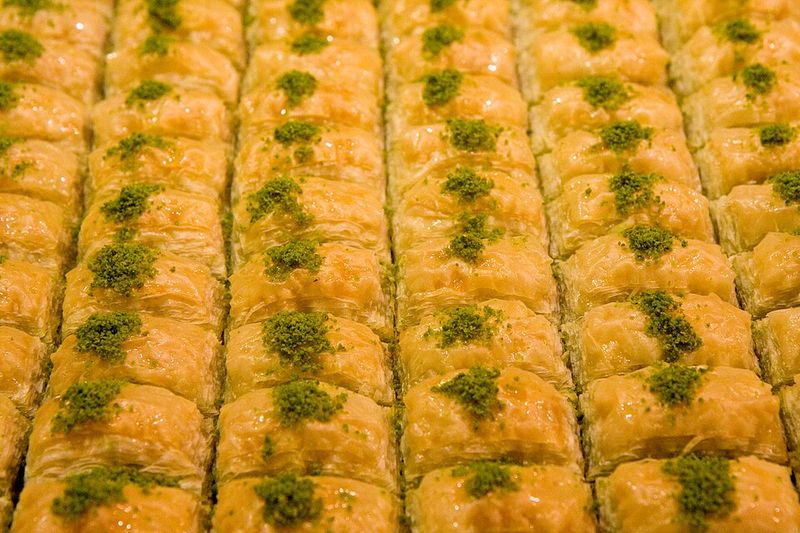
Nobody can agree on baklava’s exact birthplace, with Turkey, Greece, and several Middle Eastern countries all claiming ownership.
What everyone does agree on is that it’s been around since at least the Ottoman Empire.
Paper-thin phyllo dough gets layered with butter and nuts, then baked until golden and crispy.
Sweet syrup or honey gets poured over the hot pastry, soaking into every flaky layer.
Different regions use different nuts—pistachios in Turkey, walnuts in Greece—making each version distinctly delicious.
13. Tres Leches Cake
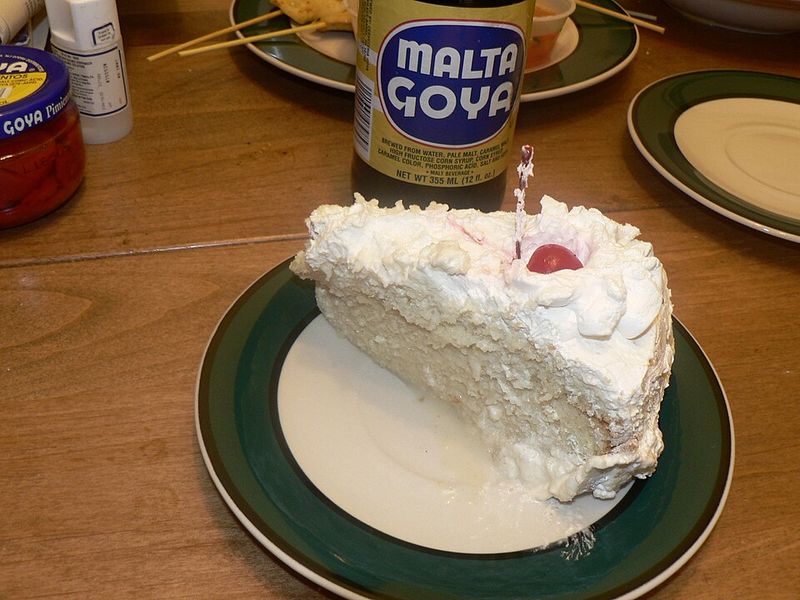
Latin America’s love letter to dairy starts with a simple sponge cake that gets poked full of holes.
Then comes the magic: a mixture of three milks—evaporated, condensed, and heavy cream—gets poured over until completely saturated.
You’d think it would be soggy, but somehow it stays light and cloud-like.
The recipe likely originated as a marketing campaign by a canned milk company in the 1940s.
Despite its commercial beginnings, it became a beloved tradition across Mexico, Central America, and beyond.
14. Eton Mess
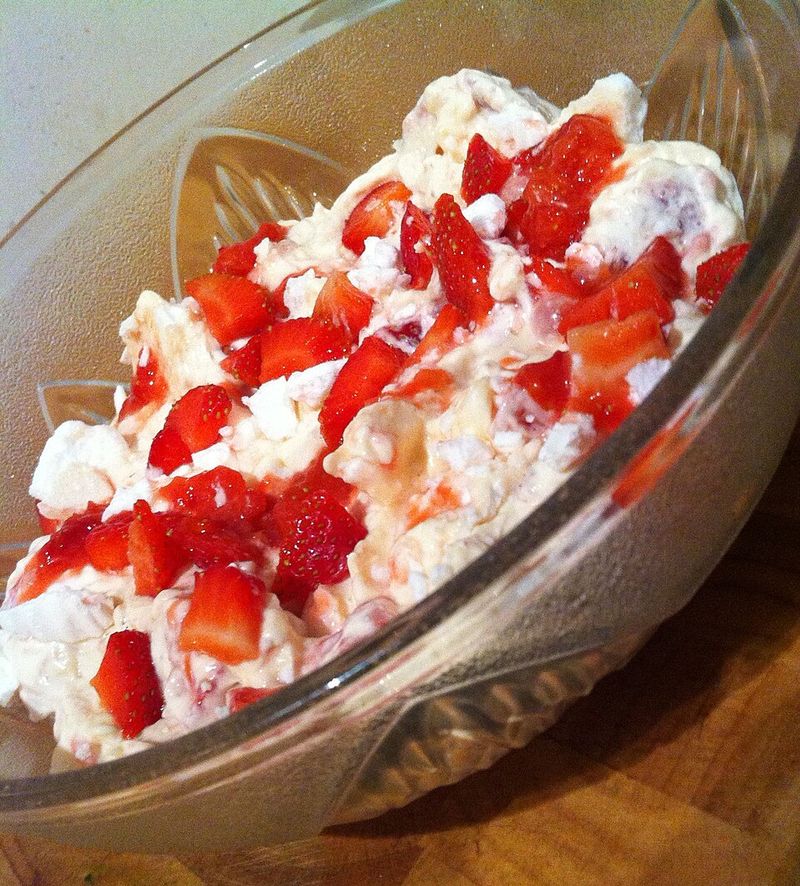
Legend says a Labrador dog sat on a picnic basket at England’s Eton College, smashing a pavlova meant for a cricket match.
Rather than waste it, they mixed the broken meringue with cream and strawberries, accidentally creating this beloved mess.
The true story is probably less dramatic, but why let facts ruin a good tale?
Crispy meringue shards soften slightly in the cream, creating varied textures in every spoonful.
It’s been served at Eton’s annual cricket match against Harrow since the 1930s.
15. Knafeh
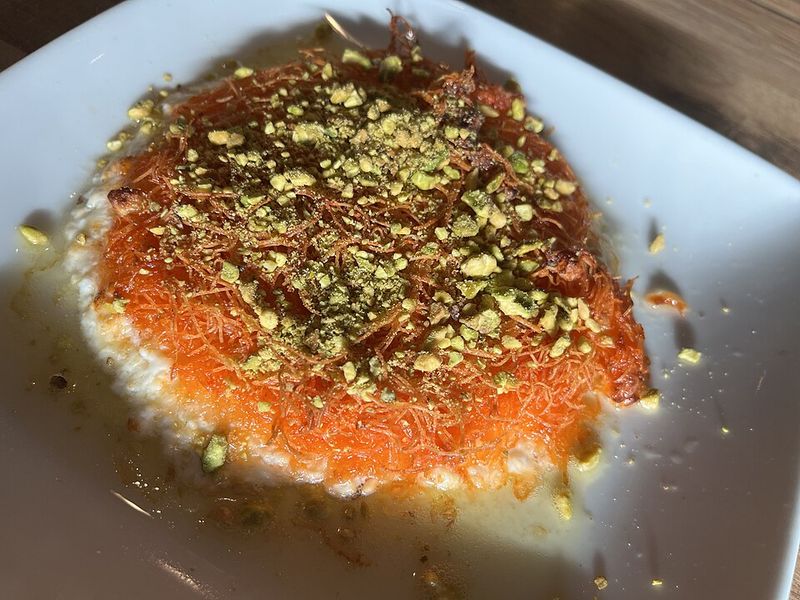
This Middle Eastern stunner flips everything you know about dessert on its head by using cheese as a main ingredient.
Shredded phyllo dough called kataifi gets layered with stretchy cheese, then baked until the top turns crispy and golden.
Sweet syrup flavored with orange blossom or rose water gets drizzled over while it’s still hot.
The combination of salty cheese and sweet syrup shouldn’t work, but it absolutely does.
Different regions argue about the proper cheese, with some using mozzarella and others insisting on special Nabulsi cheese.
16. Sticky Toffee Pudding
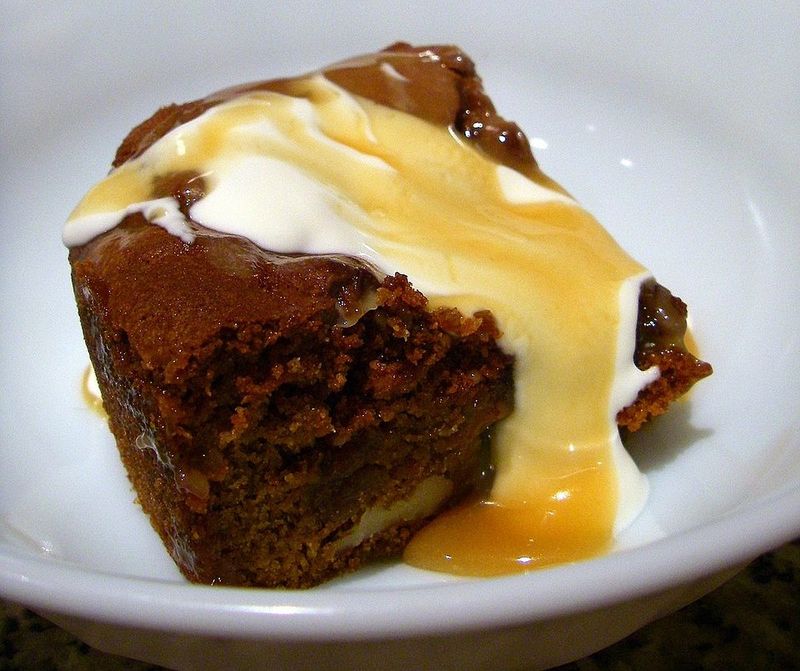
Britain’s most comforting dessert has murky origins, with multiple people claiming they invented it in the 1970s.
Chopped dates get mixed into a moist sponge cake that’s already sweet and rich on its own.
Then comes the knockout punch: warm toffee sauce made with butter, brown sugar, and cream gets poured generously over the top.
It’s called pudding in the British sense, meaning any dessert, not the creamy American version.
Serve it with vanilla ice cream and watch the sauce create rivers of caramel goodness.
17. Cannoli
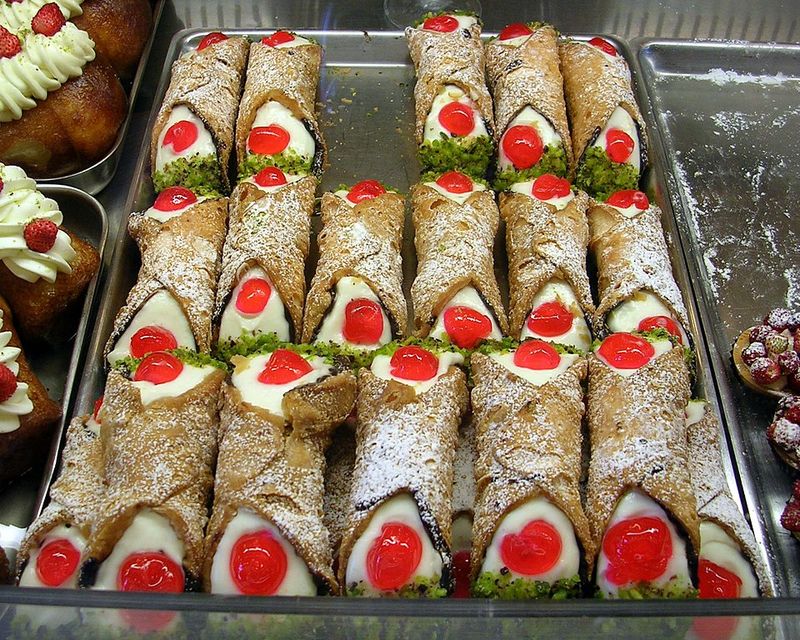
Sicilian women allegedly created these tube-shaped treats during Arab rule as a symbol of Carnevale celebrations.
The shells get fried until they’re crispy and bubbly, creating the perfect vessel for sweet ricotta filling.
True cannoli experts insist the shells must be filled right before eating to maintain that essential crunch.
Chocolate chips, candied fruit, or pistachios often stud the ends, adding extra flavor and visual appeal.
Never ask for a cannoli—the word is already plural, so one is a cannolo!
18. Gulab Jamun
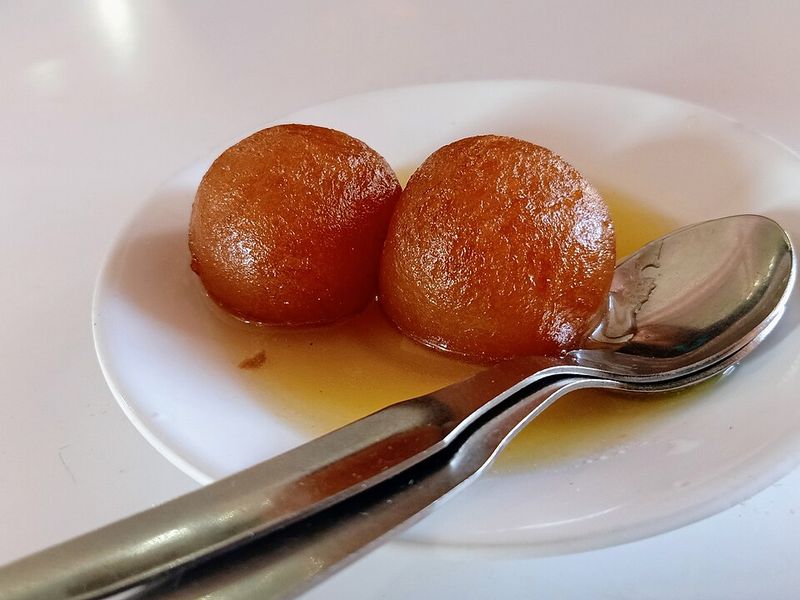
These syrup-soaked milk balls might have Persian roots, but India adopted and perfected them centuries ago.
Milk solids get kneaded into dough, rolled into balls, then fried until deep golden brown.
While still warm, they take a swim in rose-scented sugar syrup, soaking up the sweetness like little sponges.
The name combines gulab, meaning rose water, and jamun, a purple fruit they supposedly resemble.
No Indian celebration feels complete without a platter of these warm, fragrant beauties.
19. Brigadeiro
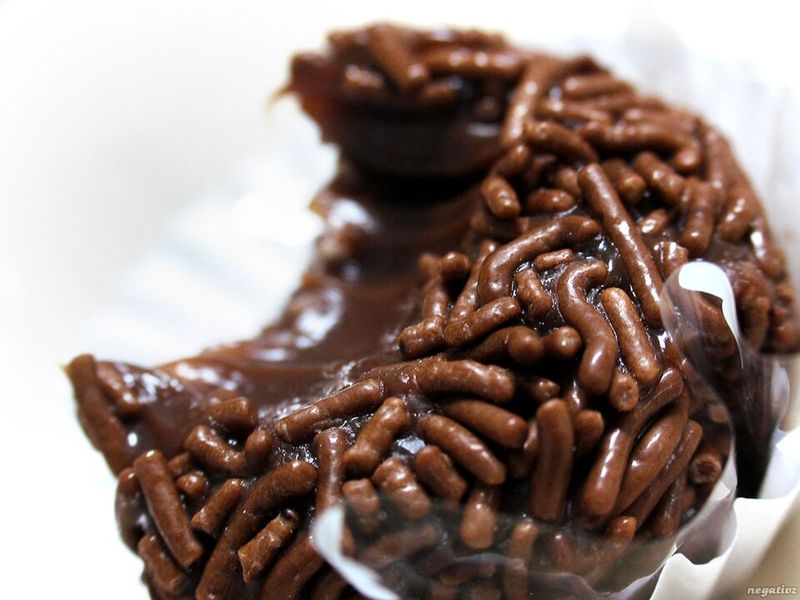
Brazil created these chocolate truffles in the 1940s during a campaign for presidential candidate Eduardo Gomes, nicknamed Brigadeiro.
Women made them for fundraisers using ingredients available during wartime rationing: condensed milk, cocoa powder, butter, and sprinkles.
The candidate lost the election, but the candy won everyone’s hearts and became a national treasure.
You cook everything together until thick and fudgy, then roll into balls and coat with chocolate sprinkles.
Every Brazilian birthday party features a platter of these, making them synonymous with celebration.
20. Macarons
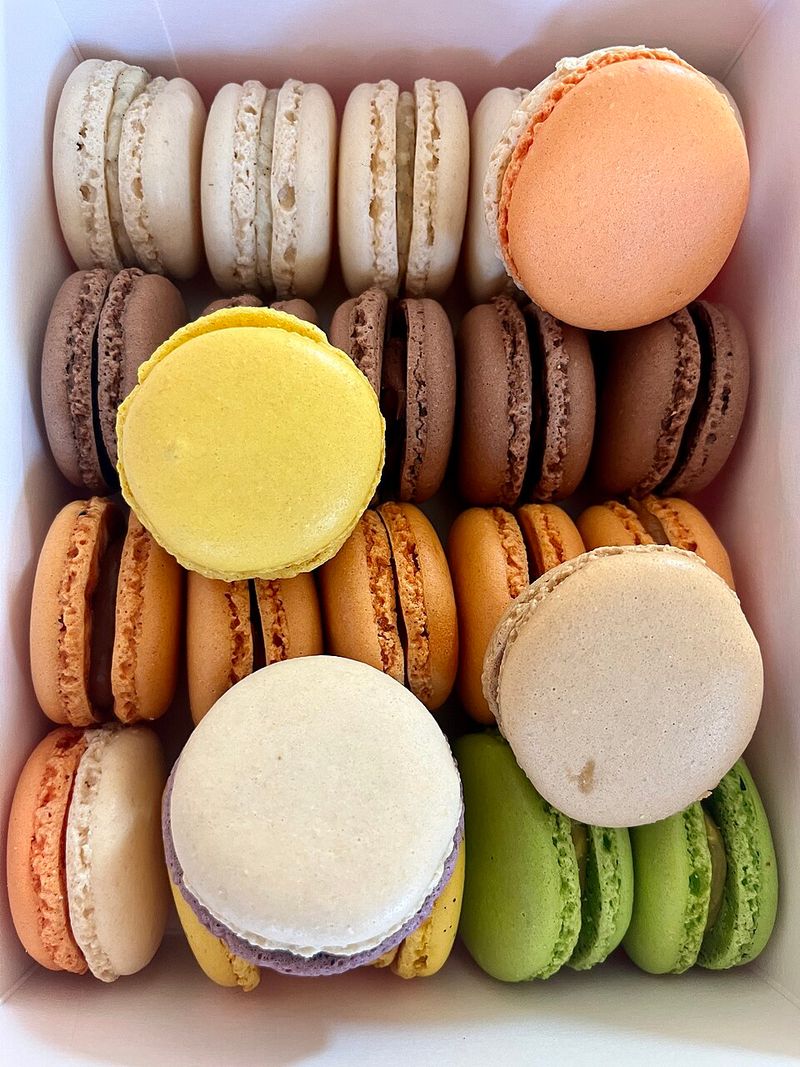
Italian Catherine de Medici brought these almond cookies to France when she married King Henry II in the 1500s.
Back then, they were simple cookies, not the fancy sandwich version we know today.
Parisian pastry shop Ladurée started sandwiching two cookies with ganache in the early 1900s, revolutionizing the treat.
Getting that perfect smooth shell with ruffled feet at the bottom requires precise technique and lots of practice.
Today’s flavors range from classic vanilla to wild combinations like lavender-honey or wasabi-white chocolate.